
Bali's weather has been making headlines again recently: warnings from BMKG meteorologists, canceled boats to Gili, high waves, and restrictions on ocean-going. In this context, the idea that January is a bad time to visit comes up again. This scenario repeats itself every year: storms in the headlines but normally a typical tropical January in reality. So, how daunting is the rainy season in Bali? Let's rely on numbers and experiences from previous years.
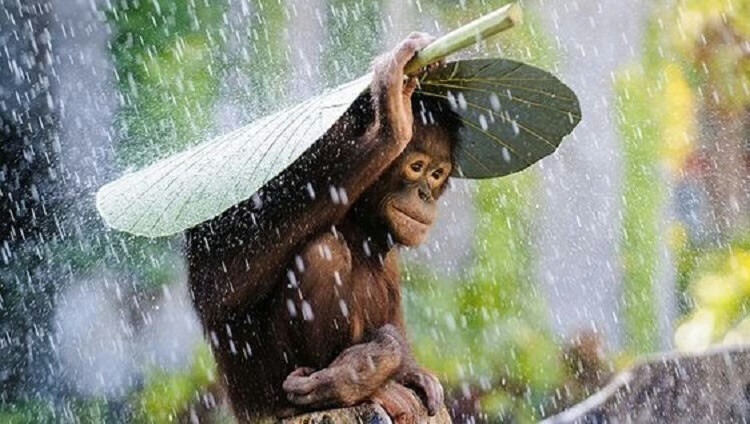
January is indeed the rainiest month of the year. On average, Bali receives about 300–350 mm of rainfall during this time. This is the official climate statistic. The number seems large if you don't consider that this is tropical rain. It almost never pours continuously for days. Most often, the island experiences short, intense downpours that quickly give way to sunny or just cloudy weather.
Meteorological stations in Denpasar annually record up to 18–20 rainy days in January. But the local definition of a 'rainy day' means that it rained for at least some time. Mornings often start with sunshine or light clouds, and the weather changes towards the evening. Even in the rainiest month in Bali, about 5–7 hours of sunshine a day are maintained.
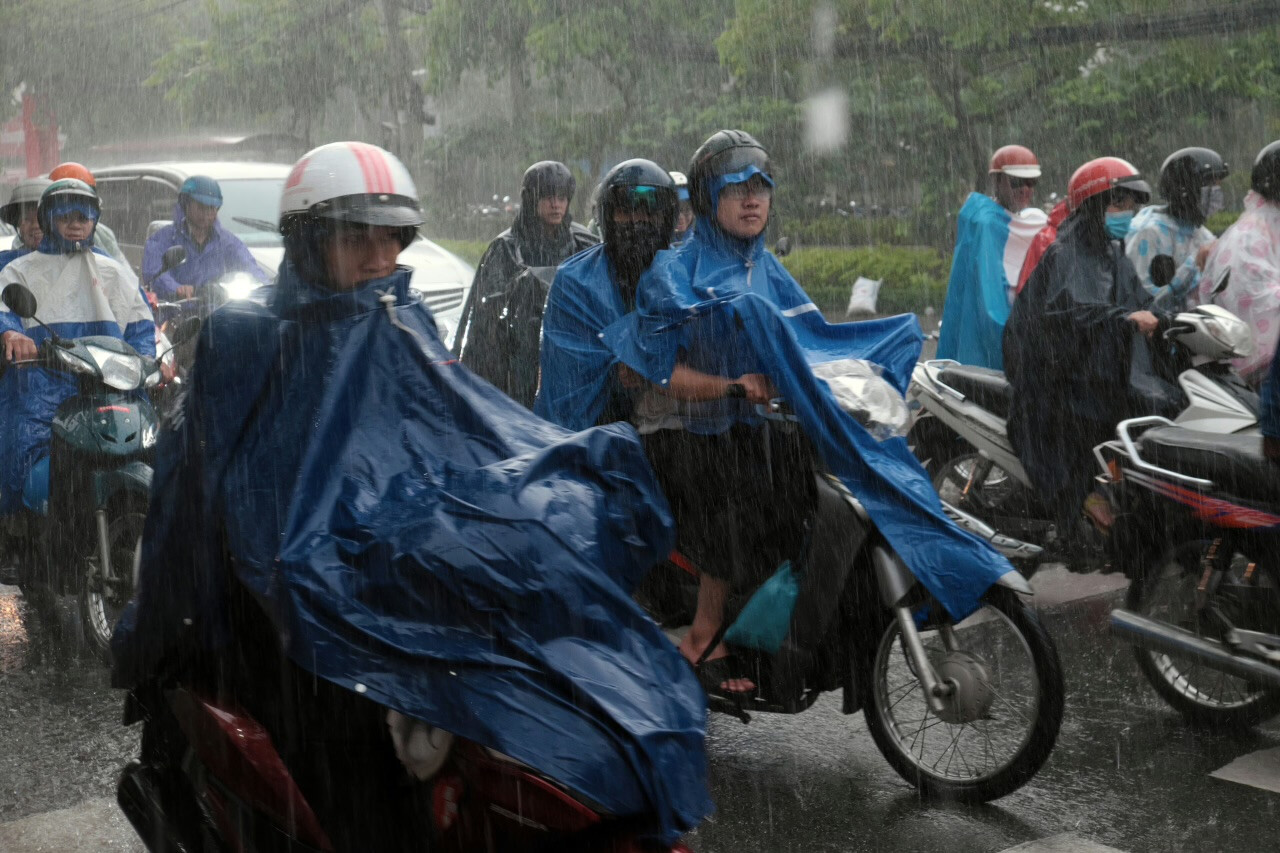
When compared to the dry season, the difference is indeed significant. From May to October, there is almost no rain, averaging 3–5 rainy days a month and less than 100 mm of rainfall. This is the most comfortable and predictable period, but also the most expensive. During the rainy season, flights, hotels, and rentals are significantly cheaper, sometimes by 20–40%.
There's another detail that's rarely talked about. It is during the rainy season that Bali looks most vibrant. The rice terraces are vividly green, the waterfalls are full, and the jungles are dense and fresh. In the dry season, a significant part of the attractions may not be as Instagrammable. In winter, by local standards, the island looks like it's typically imagined when talking about the tropics.
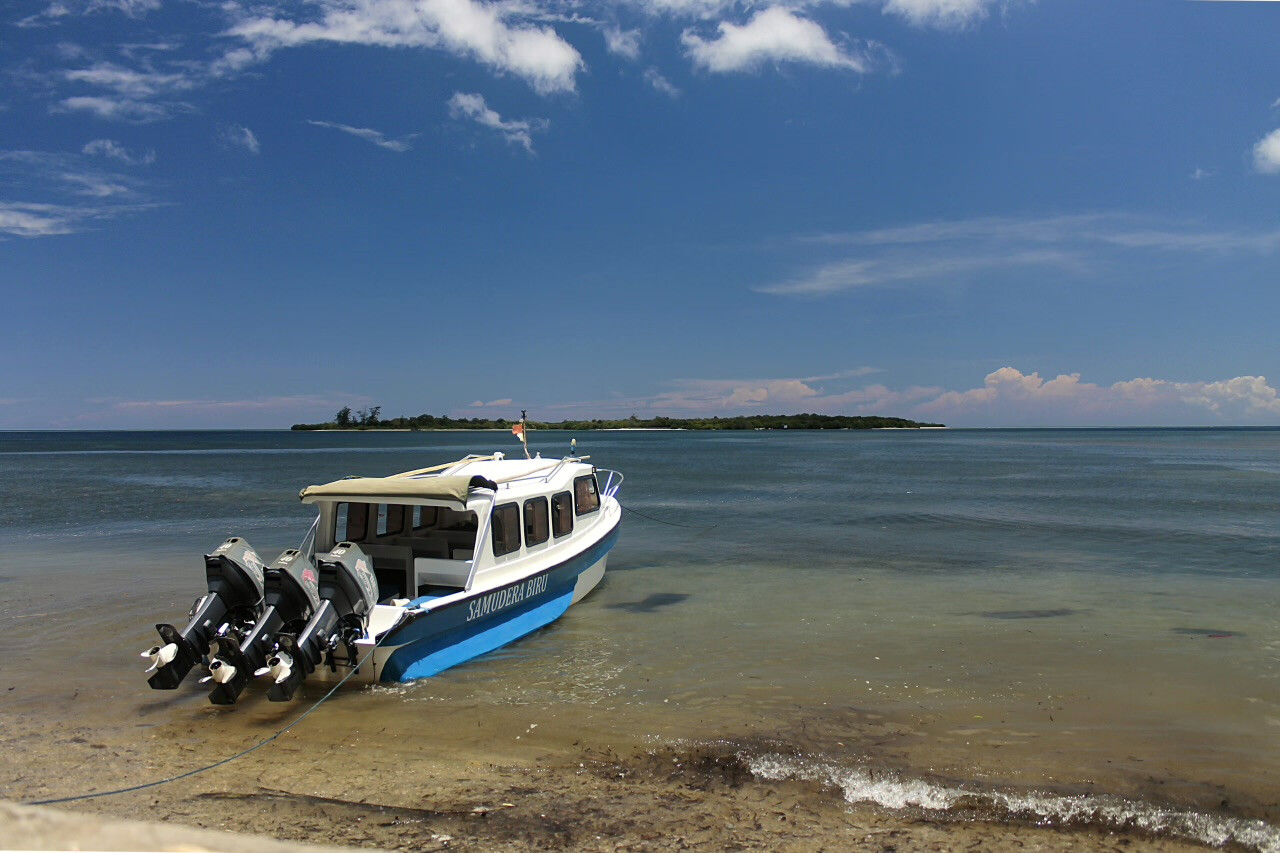
Storm warnings and boat cancellations are a separate story. They are related not to rain but to wind and waves. Such periods occur every year and usually don't last long. On these days, sea voyages are indeed closed, and this is normal practice. Meanwhile, life on land continues as usual: cafes operate, roads are open, and island tours do not stop.
In Ubud, Canggu, and on Bukit, there are numerous cafes where you can wait out the rain, comfortably settled with a book, a cup of coffee, or a laptop. It can be the most romantic time to sample different varieties of coffee grown in Indonesia.
If rainy weather inspires creativity in you, you can sign up for one of the many workshops held in all areas of the island. Cooking classes, batik, ceramics, making silver jewelry — all this will not only allow you to learn a new skill but also get a handmade souvenir as a memory of the island.
In the rain, museums, galleries, and cultural centers, especially in Ubud, work well: Agung Rai Museum of Art, Blanco Renaissance Museum, Neka Art Museum — dry, interesting, and useful for understanding local culture.
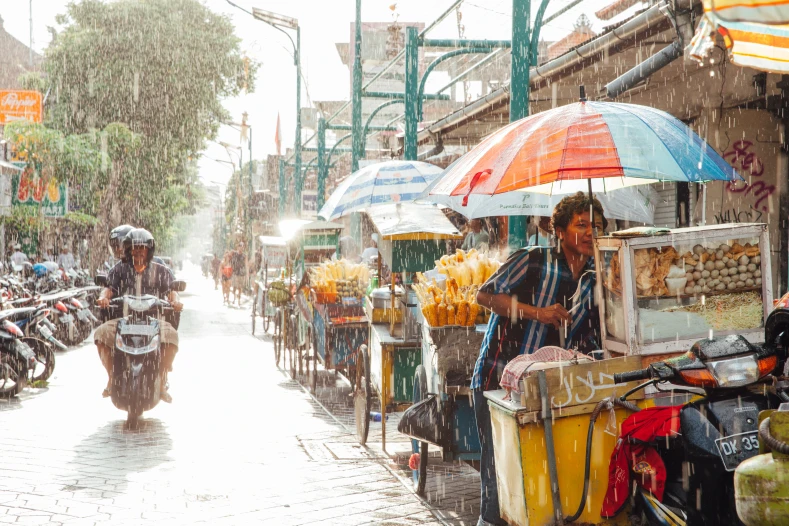
For those who don't want to interrupt active recreation, there are also practical options: yoga or meditation in studios, dance and fitness halls, paddle courts, as well as indoor children's play areas and entertainment centers — all continue to operate regardless of the rain. As, by the way, do many spa salons, baths, and wellness centers.
Even classic nature activities remain on the list of possibilities: short hikes to waterfalls, walks through rice terraces, or trips to the botanical garden remain interesting and accessible when the rain gives way to sunshine and the road permits.
Planning dates around the seasons? See our full guide: Best Time to Visit Bali — month by month, with crowds, prices and festival dates for 2026–2027.

You can add one right now!