
Bali and Phuket are like yin and yang, day and night, avocado toast and a juicy steak. Phuket fans will give you a million reasons why the Thai island is better than “that Bali village full of spaced-out breatharians.” Bali devotees, meanwhile, will happily shoot down every one of those arguments and explain why anyone who truly knows how to enjoy tropical life chooses the Island of the Gods.
We’ve rounded up the biggest pros and cons of both destinations. If we’ve missed anything, let us know in the comments!

Housing
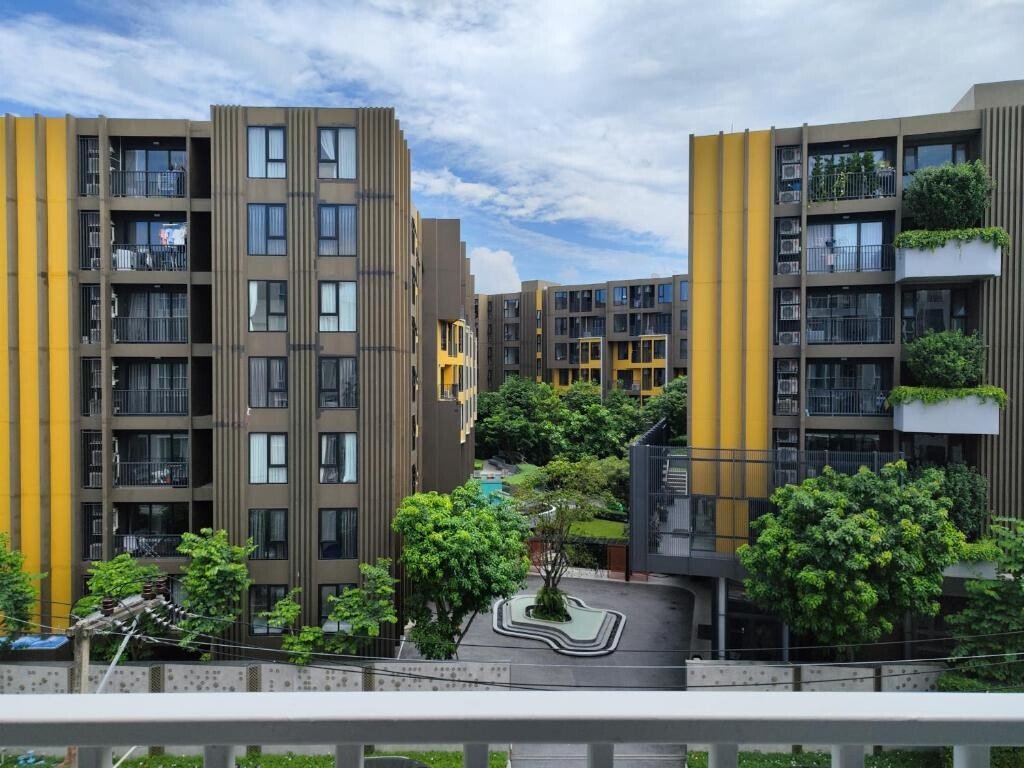
This is one of the biggest differences between Bali and Phuket. On the Thai island, the most popular type of expat housing is the condominium. These are 5-8-story complexes that often have pools, gyms, and coworking spaces available to all residents.
What's usually rented out there are small studios with their own kitchen and often a little balcony. The smallest apartments, around 15 sq m, start at $500 a month. If you sign an annual contract in the low season, you can negotiate a lower rate.
Bali has apartments too, but in popular areas they cost more. For $500 you can rent a room in a guesthouse, in some cases even with its own kitchen. The guesthouse scene here is very well developed. There's something for every taste, with balconies, and the grounds often include a large pool, a coworking space, and sometimes even a rooftop.

With some effort, you can also find a standalone house for that money, though certainly not in Canggu. More likely Ubud, Sanur, Jimbaran, or the less central parts of the Bukit.
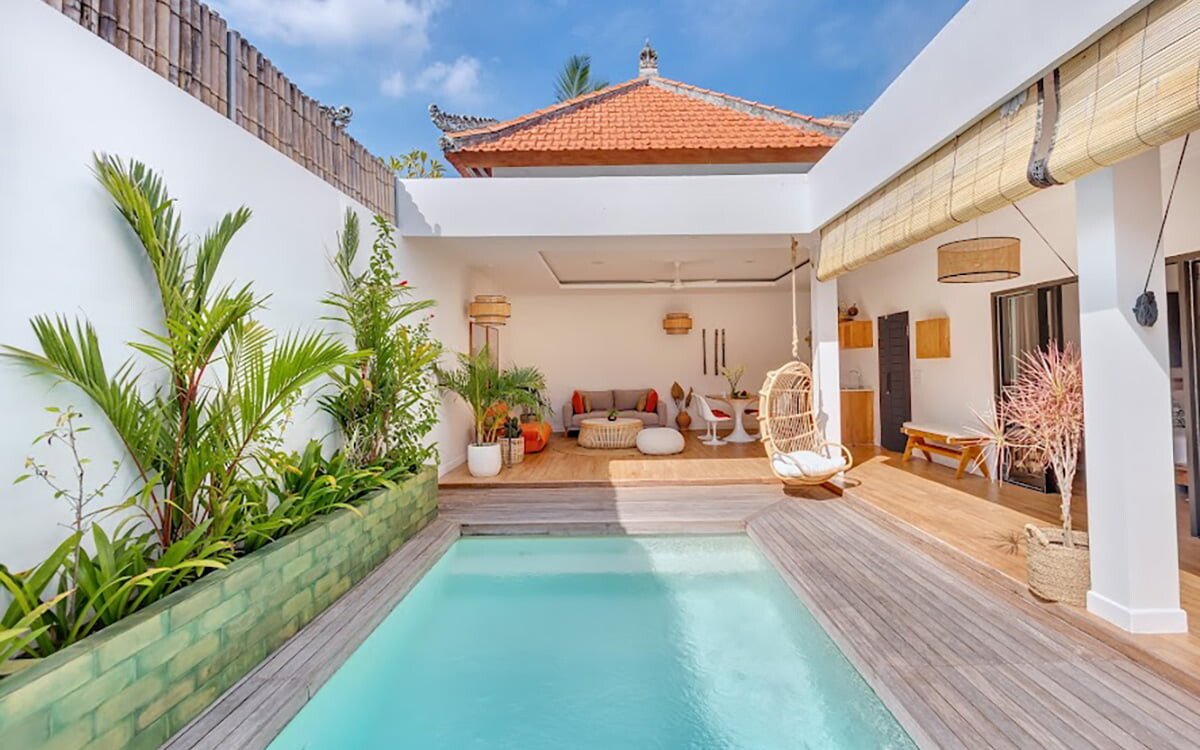
To rent a villa in a popular area (Seminyak, Canggu, Uluwatu), close to all the expat infrastructure, you'll need at least $800–1000.
Transport
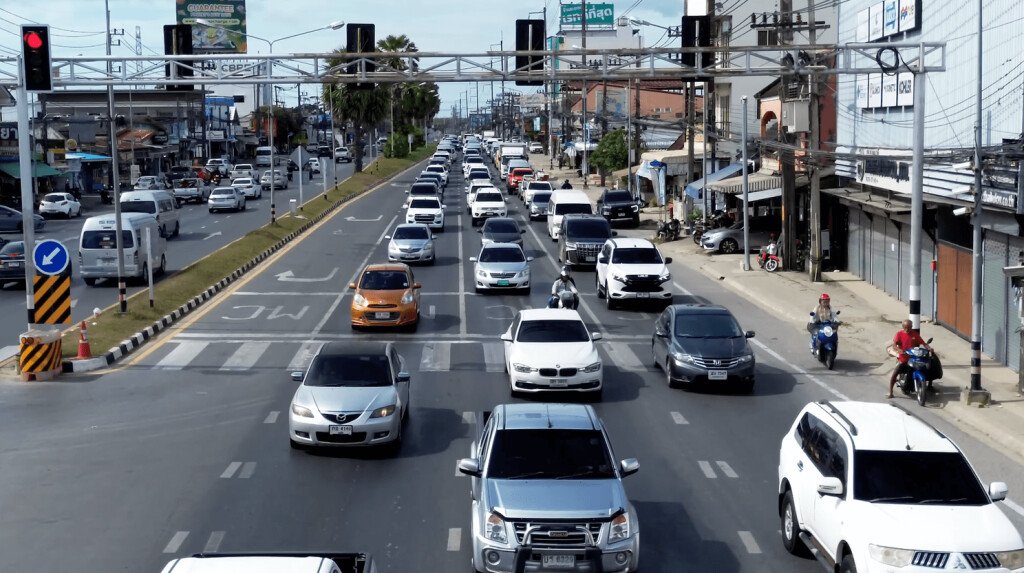
This is probably the first argument Phuket fans usually reach for. The roads on the Thai island really aren't as congested as in Bali's popular areas. There are wide highways with guardrails down the middle. Often there's even a lane on the left for bikes that cars don't use. Because of this, speeds on Phuket are higher, and getting around by car feels more comfortable there.
One important detail that often gets overlooked: you can’t really get around Phuket on a scooter without a valid licence — either a Thai one or an International Driving Permit. Police checkpoints are common in popular tourist areas and along the main roads connecting them. Officers may set up roadblocks and stop foreign riders to check their documents. Riding without the required licence can result in a 1,000-baht fine (around $30).
Once you’ve paid the fine, the police reportedly share a photo of your licence plate in their work chat, so you generally won’t be fined again at other checkpoints that day. The next morning, however, your “magic pass” expires — and you may need to have another 1,000 baht ready.
One useful detail for Bali residents: Indonesian driving licences are accepted by Thai traffic police.

Everyone has long known about the traffic in Bali. And while Canggu used to be considered the most congested spot, now you can get stuck in a jam in Ubud, in Uluwatu, and in Sanur. People who have lived in an area for a long time usually know the shortcuts. Still, narrow streets and an enormous number of vehicles are one of the main problems on the Indonesian island.
And that's talking about bikes. Driving a car in the popular expat areas isn't even worth discussing. It's an ordeal.

Bali has traffic police too. But they haven't specifically checked foreigners' licenses for a very long time. Wear a helmet and don't cross the stop line at intersections, and your chances of being fined are close to zero. Your international driving permit may only be checked if you're pulled over for some other violation. In rare cases you'll be asked to show your license at the port, when boarding a ferry with your bike, if you're heading to the neighboring islands.
Cafés
If in Bali you've gotten used to healthy food, Instagram-ready breakfasts with avocado toast, and an abundance of fancy cafés, you'll find Phuket tough going. No, of course there are good-looking, trendy places there too.
But first, there are far fewer of them, and second, from what we've seen, prices for Western food are some 30-40 percent higher than in Bali.

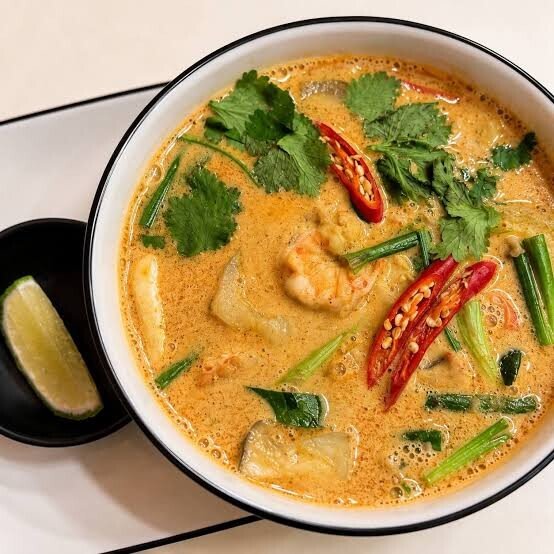
When it comes to local cuisine, though, Thailand arguably has the edge. Indonesian classics like bakso and nasi goreng have plenty of fans, but Phuket offers an incredibly diverse food scene, from tom yum and pad thai to countless street-food favourites — and, of course, mango sticky rice.
Prices at local cafés are generally comparable to those at warungs in Bali’s tourist areas.
Shops
Infrastructure on Phuket is spread fairly evenly across the island. That's why you can find a giant Makro, Big C, or Lotus in almost any area.
And that's not even counting the 7-Elevens that travelers across Asia love so much. On Phuket they're sometimes just a couple dozen meters apart. There are also local markets and delivery services.

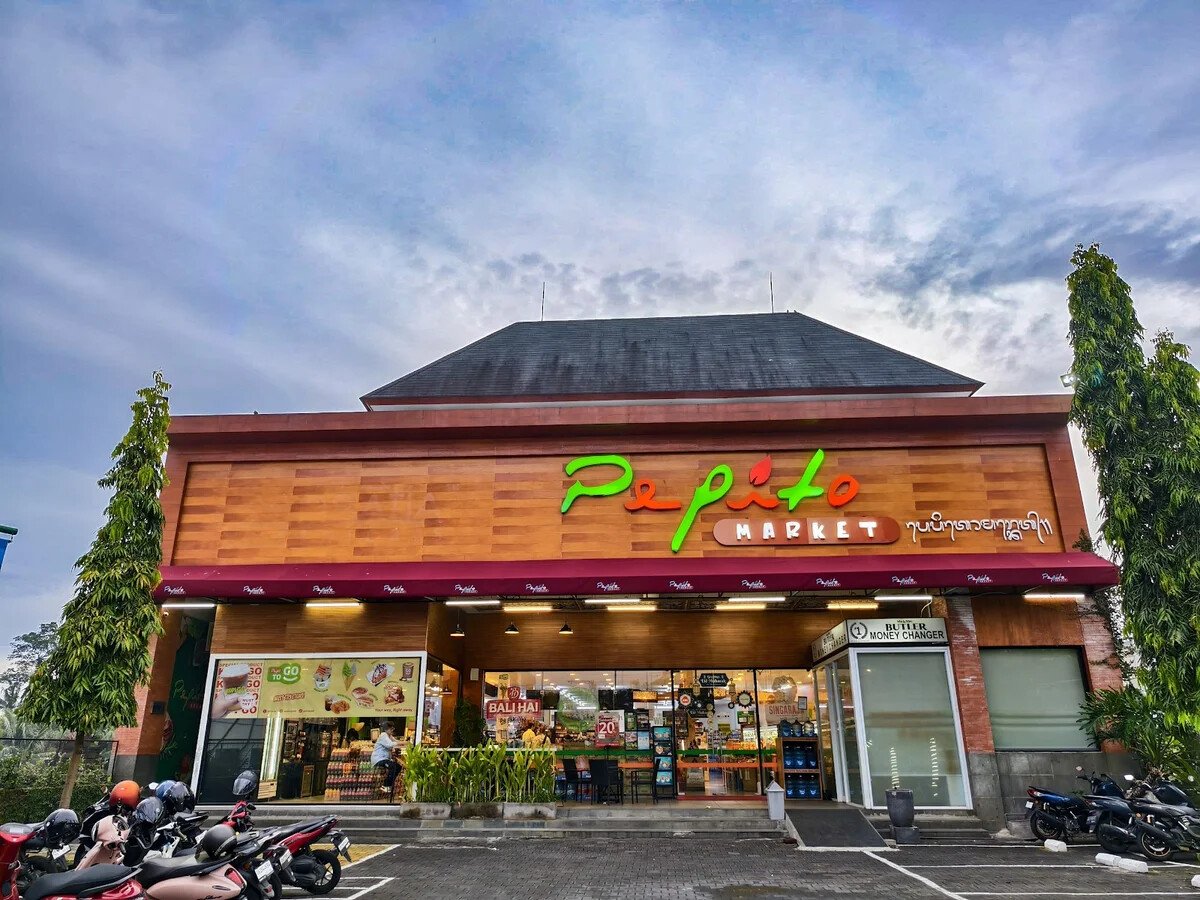
In Bali, if you want good cheese or ham, or urgently need, say, olive oil, there's only one option — Pepito or Frestive (Ubud also has Delta Dewata and Bintang, and the Bukit has Ithon Mart).
Of course, there's also Grand Lucky and even Lotte Mart, but they're not very conveniently located for people living in the expat areas.
Thai convenience stores generally offer a wider selection of ready-to-eat food than their Indonesian counterparts. In Bali, the choice of quick meals can be more limited, often coming down to snacks such as chocolate, nuts or chips, with eggs and canned food available in some stores.
Hot meals such as burgers or fried chicken are also less common at minimarket cafés, and the coffee selection tends to be more limited as well.
Sports
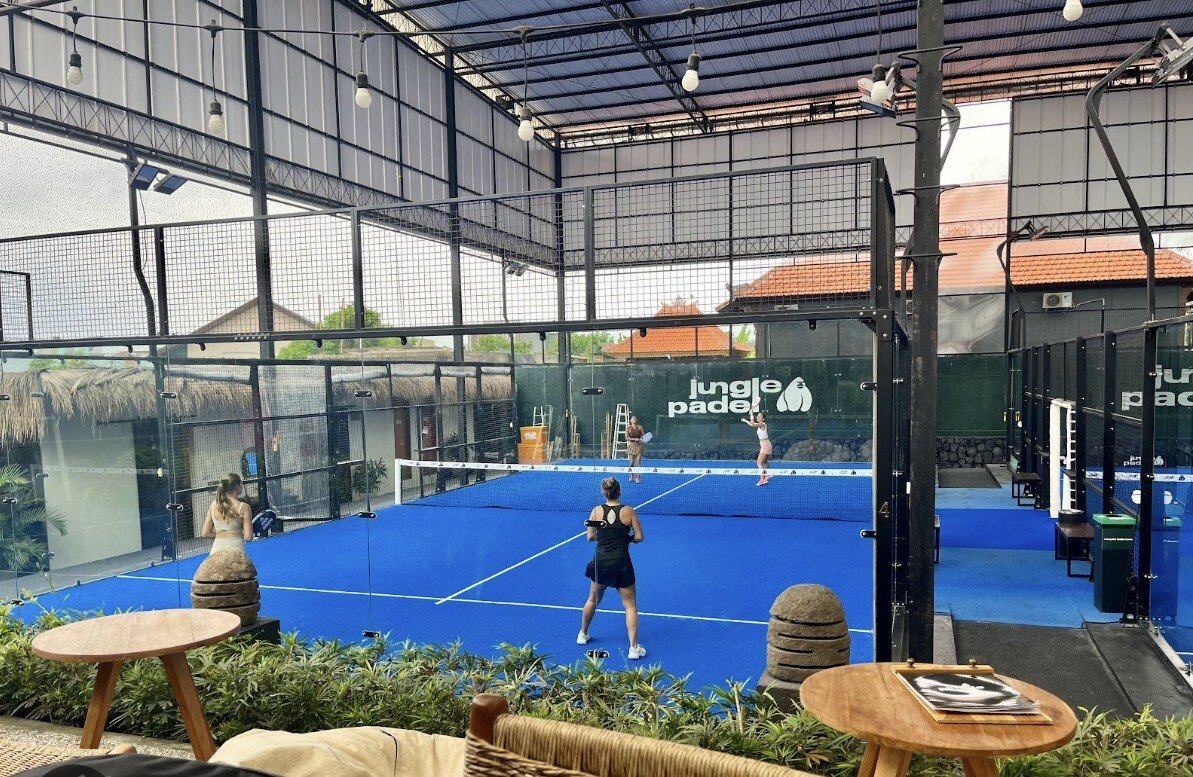
Here Bali is the clear champion. And not even because of the padel courts, dozens of which have opened recently in every area. It's because of the incredible number of gyms. They're not only in the tourist areas (in Canggu, for example, everyone has a gym within walking distance), but also in places where mostly locals live. Those won't have a spa or recovery zones, of course, but the monthly membership price is more than affordable.
On Phuket you're more likely to stumble across a coffee shop than a gym. Yes, many condominiums have workout equipment, but the selection is usually pretty thin — not enough for proper regular training.
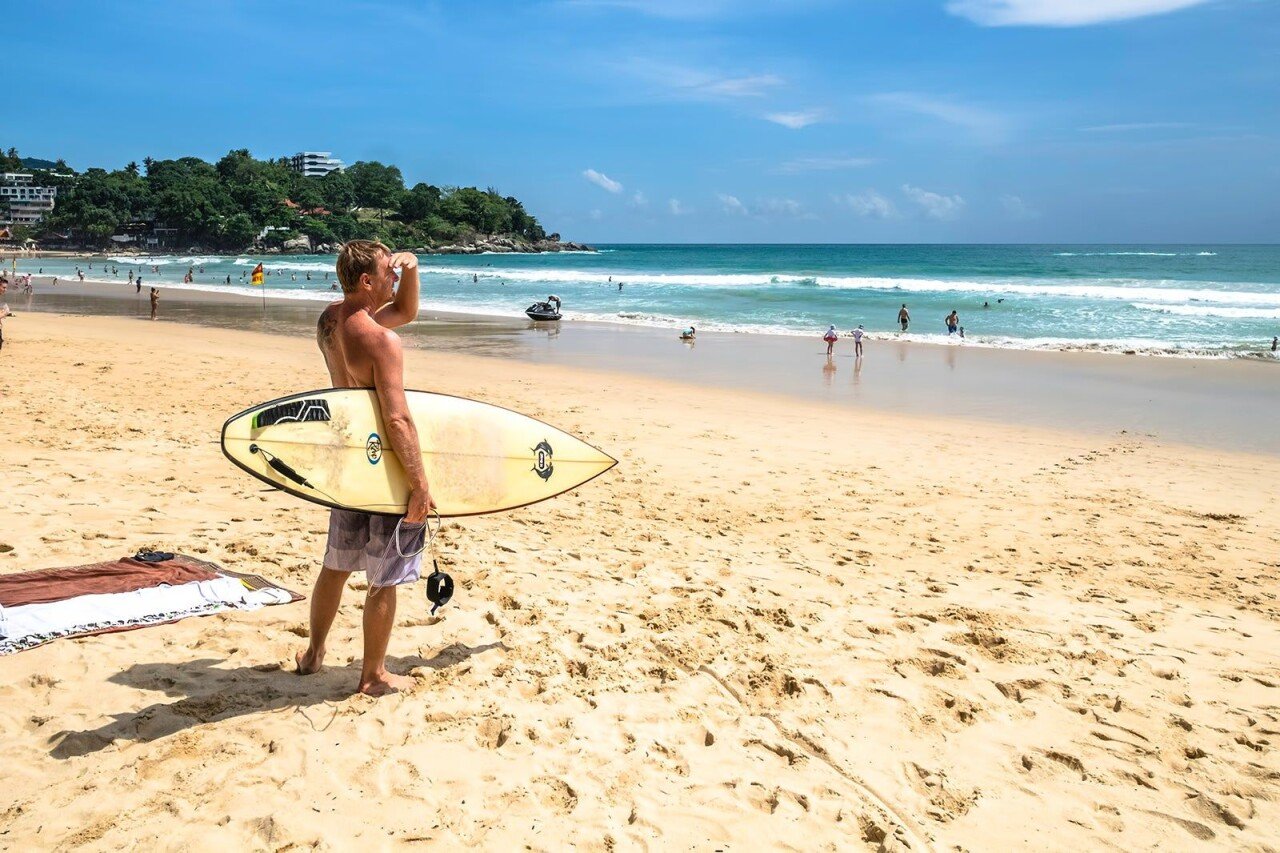
Surfing on Phuket is barely a thing. There are enthusiasts who catch a wave somewhere at Kata Beach, but that's more out of desperation. In Bali, meanwhile, you'll find a surf school in every coastal area.
And to be honest, it really stands out — you'd be hard-pressed to find as many people with perfect physiques anywhere else as in Bali. And the Thai island lags noticeably behind here too.
Beaches and nature
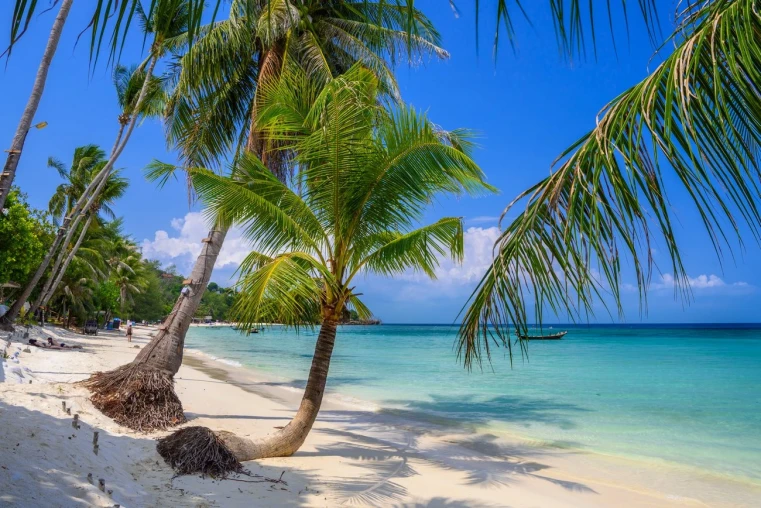
Few places in Southeast Asia can compete with Thai beaches. They're beautiful, relatively clean, and most importantly — you can actually swim in the sea. There are waves, but compared to Bali's ocean swell it's just light ripples on the water. The sand itself is white and soft, and the water is clear.
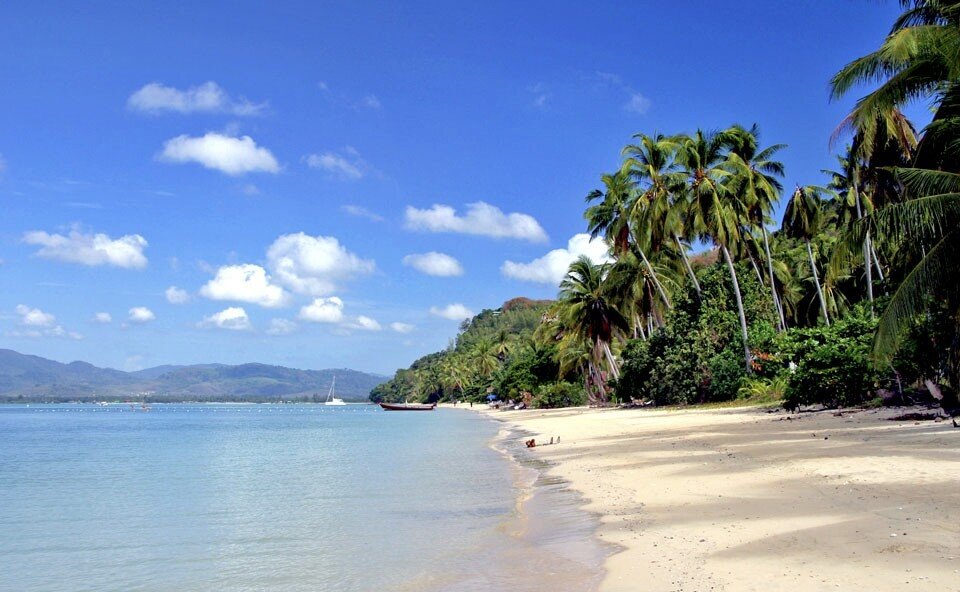
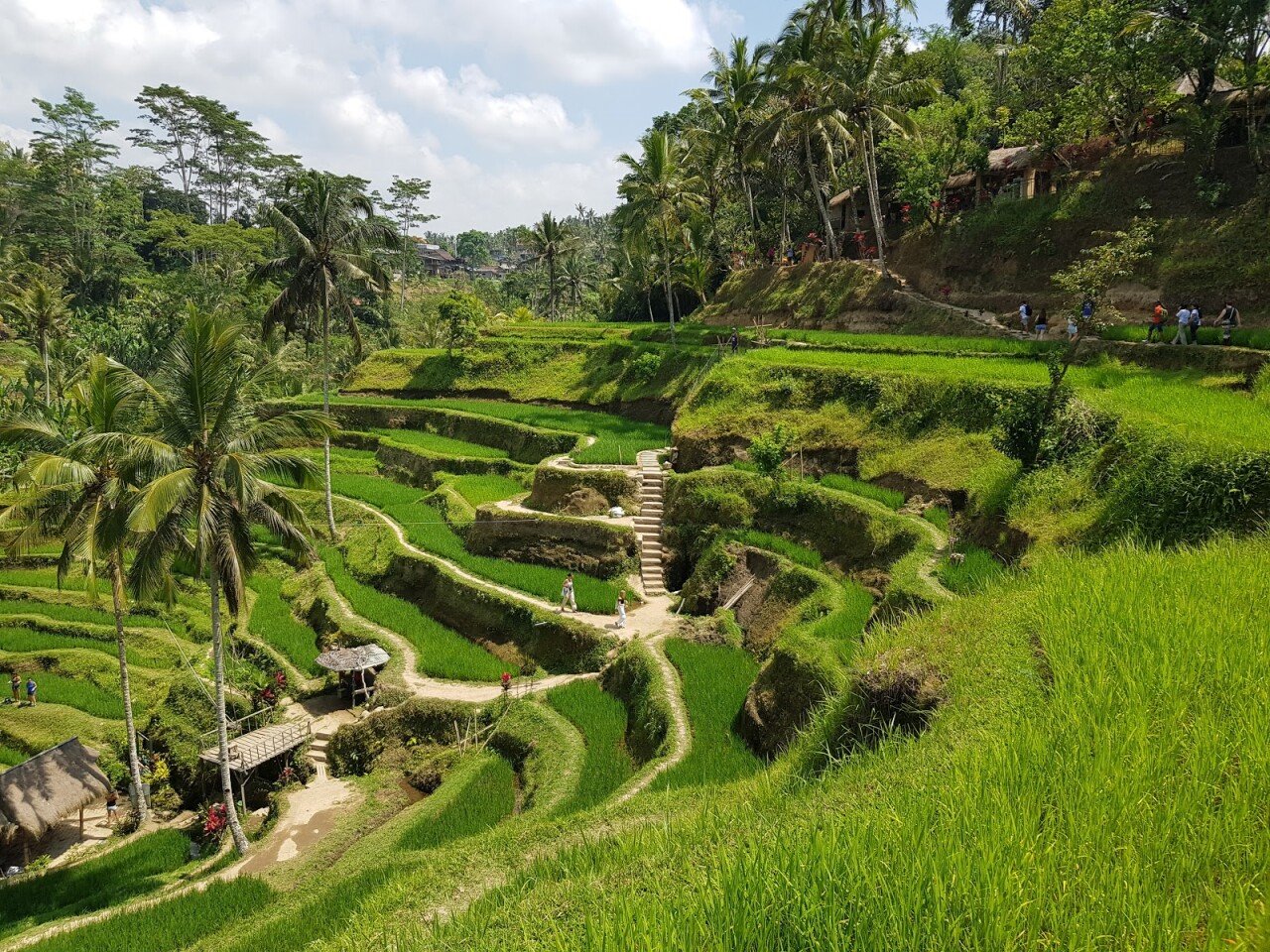
When it comes to variety of nature, though, Bali wins. Phuket is fairly monotonous. There are no grand waterfalls, volcanoes, or even rice terraces. Traveling around the island and finding some truly authentic spot that no foreigner has visited in the last 5 years would be hard. Civilization has reached almost everywhere.

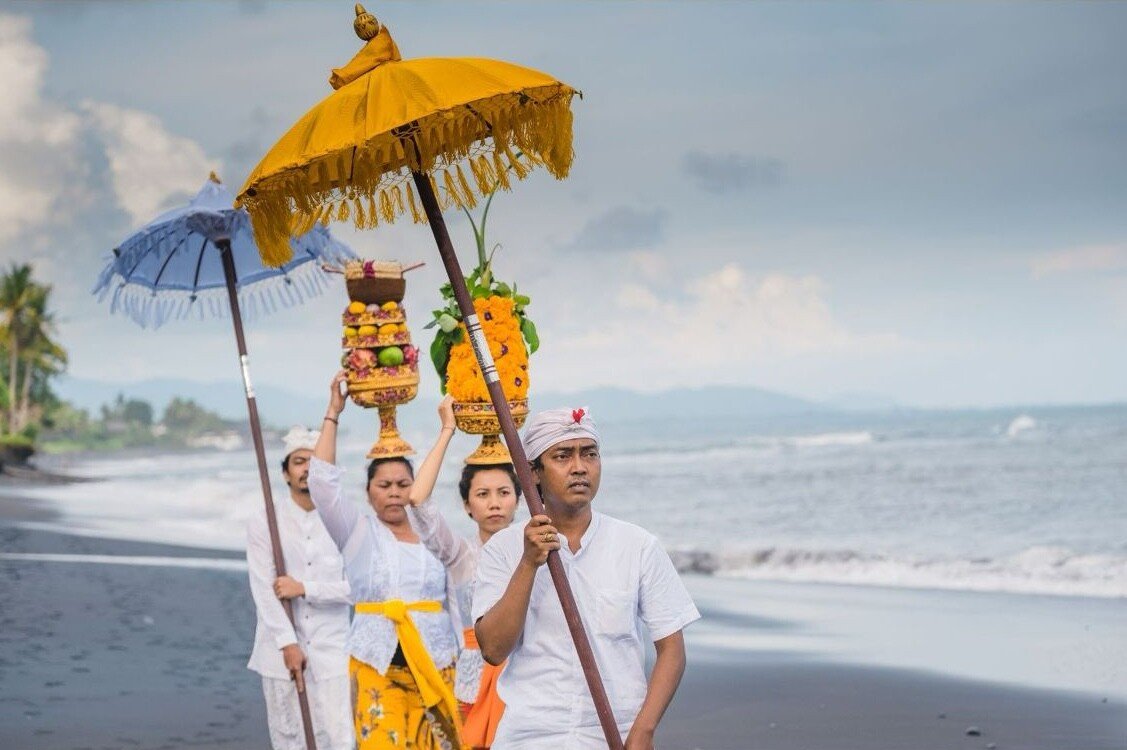
In that sense Bali, where just two hours on a bike can put you in a completely different world, let you swim in waterfalls, or show you an ancient ceremony, remains unique.
Entertainment
Since both islands are quite popular with tourists, you can find something to do in either one, whatever your taste. Bars, clubs, bathhouses with steam treatments, performances by local artists, and excursions — Bali and Phuket both have plenty of all of it.
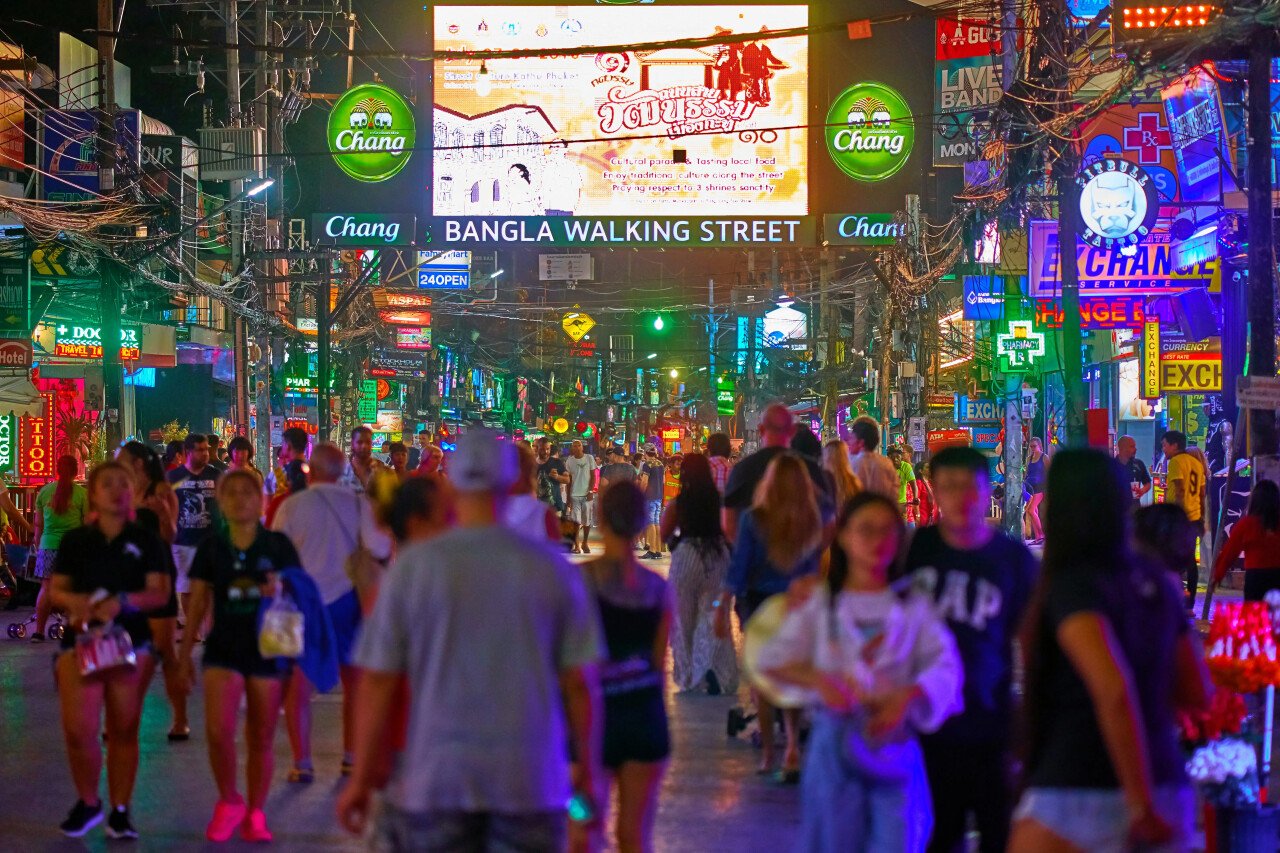
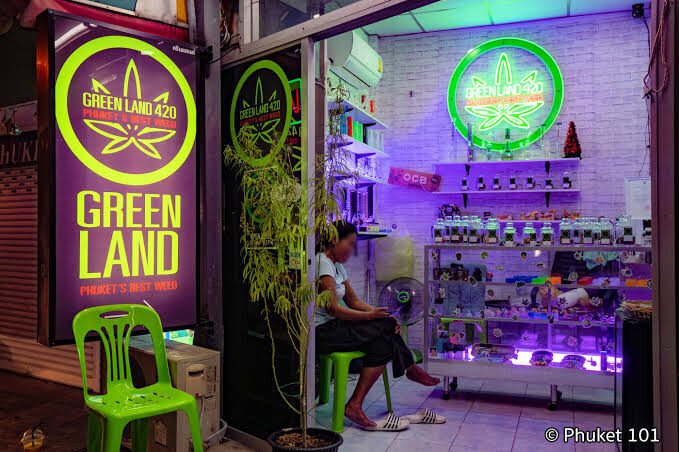
For well-known reasons, the Thai island can claim a livelier nightlife. In famous Patong you can find not only the most explicit shows, but also plenty of evidence that Thailand is one of the world capitals of sex tourism. Some people are also drawn by the extremely relaxed attitude toward marijuana, which is sold on every corner here.
Bali, on the other hand, is valued for its variety: for trendy parties people head to Canggu, Seminyak, or Uluwatu. Those after diving and snorkeling settle in Amed. And for anyone on a spiritual search, Ubud is the place. There are parties there too, but of a completely different kind. Yoga, various practices, retreats, and even a real theater where you can sign up for acting classes and then perform in a play.

Legal status
Both Indonesia and Thailand have been tightening their immigration rules lately. Until recently, Phuket expats were doing overland visa runs to neighboring Laos en masse. The trip took a whole day. Dozens of companies offered it as a full package. But it has recently become difficult and financially unattractive to extend your stay that way.
At the same time, the launch of the Destination Thailand Visa (DTV) has made life radically easier for digital nomads. It's issued for five years and lets you stay 180 days per entry (with an extension for another 180 days). The main requirements are 500,000 baht (about $15,000) in your account — and that amount must have been sitting there for at least three months — plus proof of remote work.
You can realistically apply on your own. The government fee is 10,000 baht (about $300). If you turn to agents for help, you'll need to pay a couple hundred dollars more.
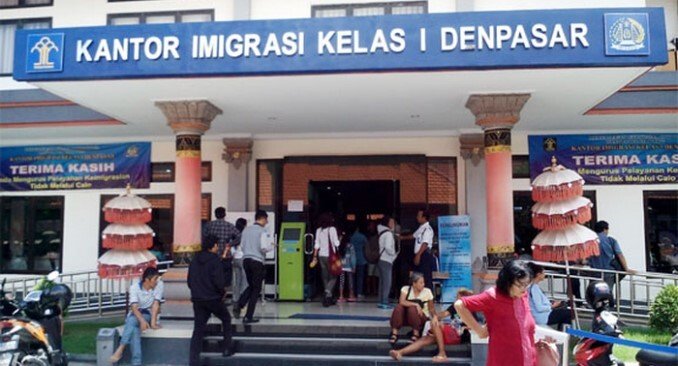
For Bali expats, the most comfortable way to get legal status is a KITAS (the equivalent of a residence permit). The most popular one right now is the remote worker KITAS. Visa agencies process it for 13-15 million rupiah ($800-950) a year. Some people put together the rather bulky document package themselves, but in that case there's a risk of rejection, and the fee isn't refunded.
We recommend going to trusted companies such as Legal Indonesia. They help both remote workers and people who have decided to start a business in Bali. On top of that, you can hand over all your paperwork and reporting to them.
Indonesia also has several types of multiple-entry tourist visas, which require extensions or regular visa runs.
The verdict
Both Bali and Phuket work well for long-term stays, but they offer very different experiences. Phuket is generally more developed and less exotic, with modern infrastructure covering most of the island. Its warm sea, accessible beaches and everyday conveniences have helped make it one of Southeast Asia’s most popular destinations for expats.
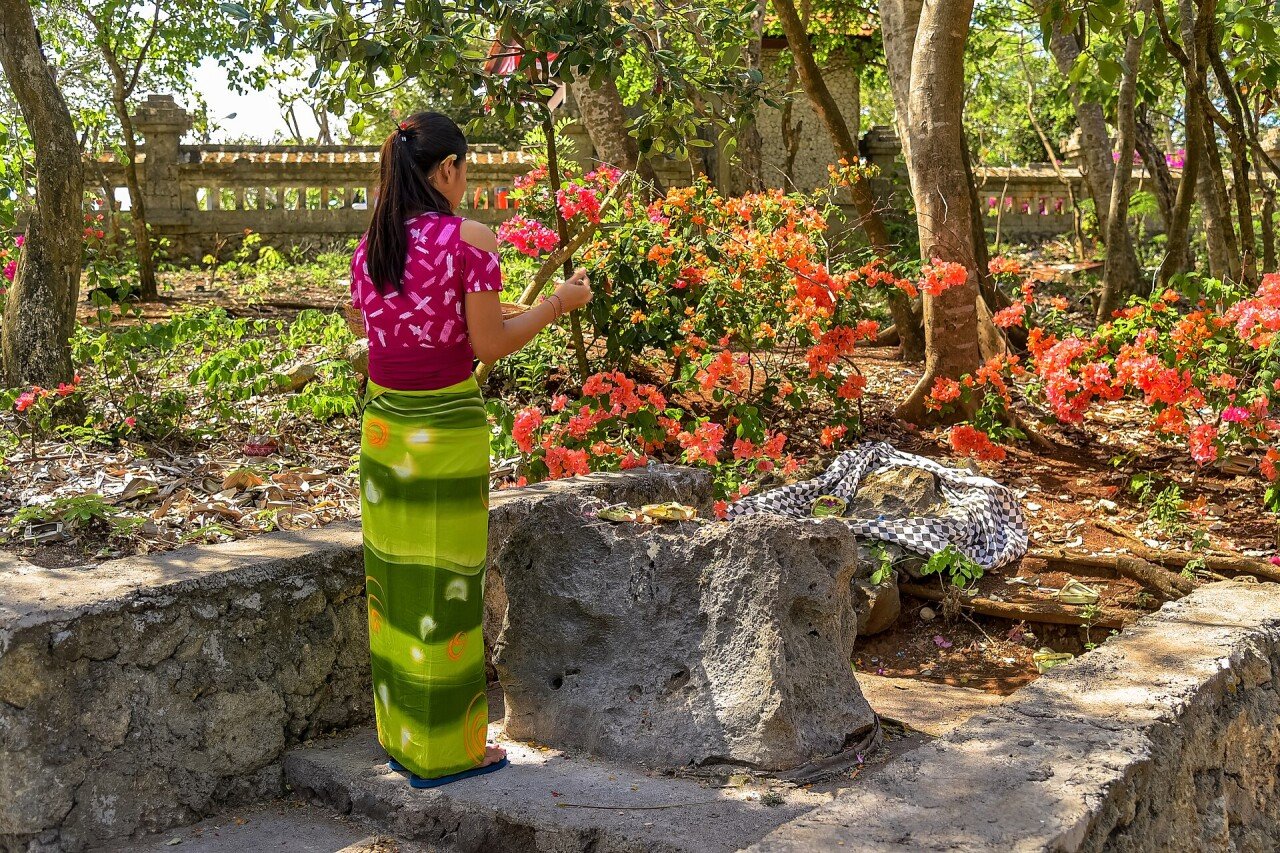
Bali offers a different kind of appeal. Temples, daily offerings, traditional ceremonies and local festivals remain a visible part of everyday life, while its international community brings together people from around the world.
Phuket may feel more straightforward and familiar, while Bali retains a stronger sense of local culture and tradition. Ultimately, the better choice depends on what matters most: beaches and convenience, or cultural immersion and a more distinctive island environment.

You can add one right now!