
Canggu is often associated with traffic jams. Anyone who has stayed in the area and tried to reach the beach at rush hour will say so with confidence. It’s not just the main roads that grind to a halt, but also the same “shortcuts” that used to be a lifesaver for many. This is especially noticeable during the high season.
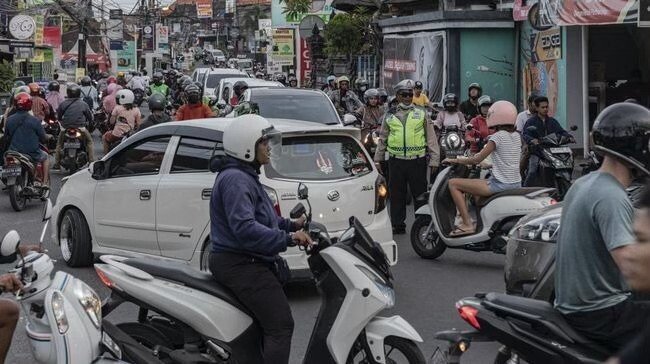
In summer and around New Year, you need to allow much more time for the usual routes than normal. But it seems the gridlock may soon be just a memory for expats, as they are planning to change the traffic layout in Canggu.
The main focus is on key roads and access routes to the beaches, as well as popular detour streets. The authorities plan to rework the traffic layout so that flows are distributed more evenly.
The LLAJ forum—a local council that deals with traffic matters—will be involved in developing the new routes. They have promised testing before implementation, so there are no exact timelines yet.
Similar changes have already been introduced in Kerobokan and Seminyak. They first tested the new layout, looked at how it affected traffic, and then made it permanent. Now they want to apply that experience to Canggu.
The new layout will affect not only Canggu itself and Berawa, but also access roads to the beaches and the “shortcuts”. Jalan Kayu Tulan is specifically mentioned as an example of a problematic section.
The reason for the changes is obvious: Canggu is at the peak of tourist activity. The number of cars and motorbikes is growing faster than the infrastructure. There are more and more complaints about traffic jams, including via official channels for contacting the authorities.
At the same time, other ways to ease congestion are also being tested. In May or June, North Kuta plans to launch its first school bus, provided by Indonesia’s Ministry of Transport. The idea is that instead of parents bringing children to lessons on their own motorbikes and in cars, there will be one shared service.
Work on the project began back last year. At the time, specialists identified around 84 potential routes across Badung. In the first phase, only one will be launched. They are currently deciding which schools’ pupils will get access to the new service later this year.

The authorities expect this system not only to reduce the number of cars and motorbikes on the roads and make life easier for parents, but also to cut the number of accidents involving schoolchildren.
For now, the project is funded from the current budget—for fuel and the driver. After testing, they will look at residents’ feedback. If the system proves popular, they plan to allocate money next year to expand the programme and purchase additional buses.

You can add one right now!