
In Bali, where renting a scooter or a car or booking a taxi through an app is so cheap and simple, buses are of course not that popular. The reason is not only that other ways of getting around are readily available.
The thing is that buses in Bali are rather slow, make a lot of stops along the way, and the routes themselves are usually fairly limited. On the plus side, this is the cheapest form of transport in Bali. So if you are on a tight budget or have plenty of time to see the Island of the Gods properly, and your spirit of adventure is very much alive, the bus can be a good option for you.

And of course, this way of moving around the island will be appreciated by everyone who genuinely cares about the environment. Millions of tourists visit the island every year, the roads are having a colossal struggle with the growing number of vehicles, and you can quickly experience the full delight of exhaust fumes by sitting in a Balinese traffic jam at rush hour.
If you have a large group and do not want to fit in with public transport timetables, you can hire a bus with a driver from MyBaliTrips.com.
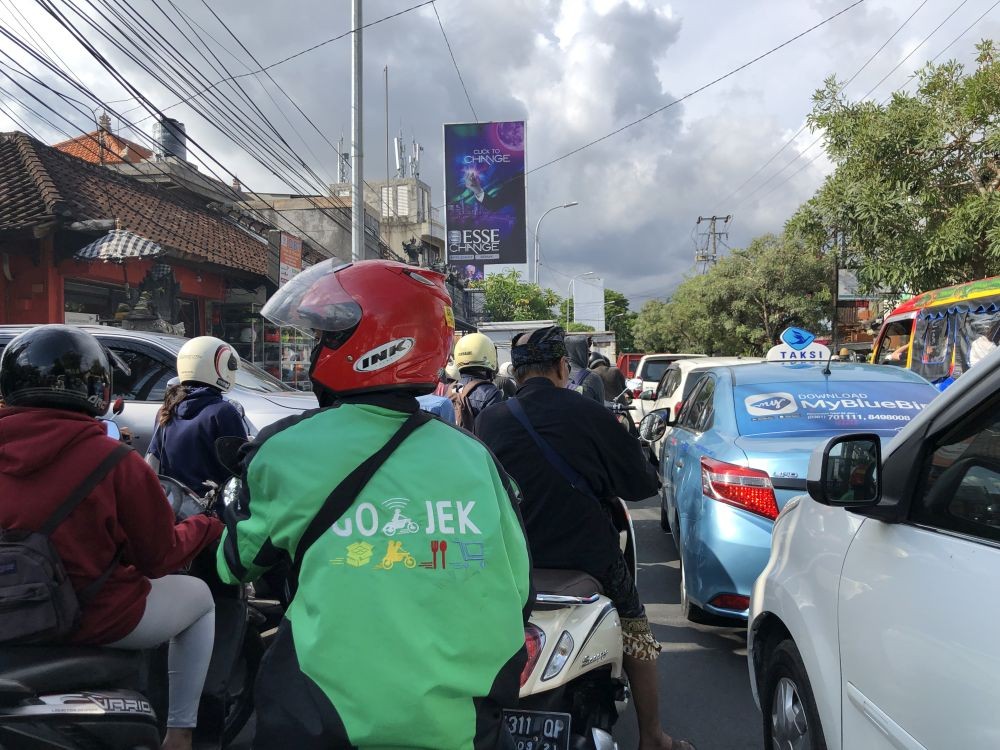
If you do plan to travel around Bali by public transport often, we recommend downloading the Moovit app before your trip. With it you can find the bus nearest to you by the name of the stop or the route, and also see how long you will have to wait. So, off we go!
Sarbagita (Trans Sarbagita)
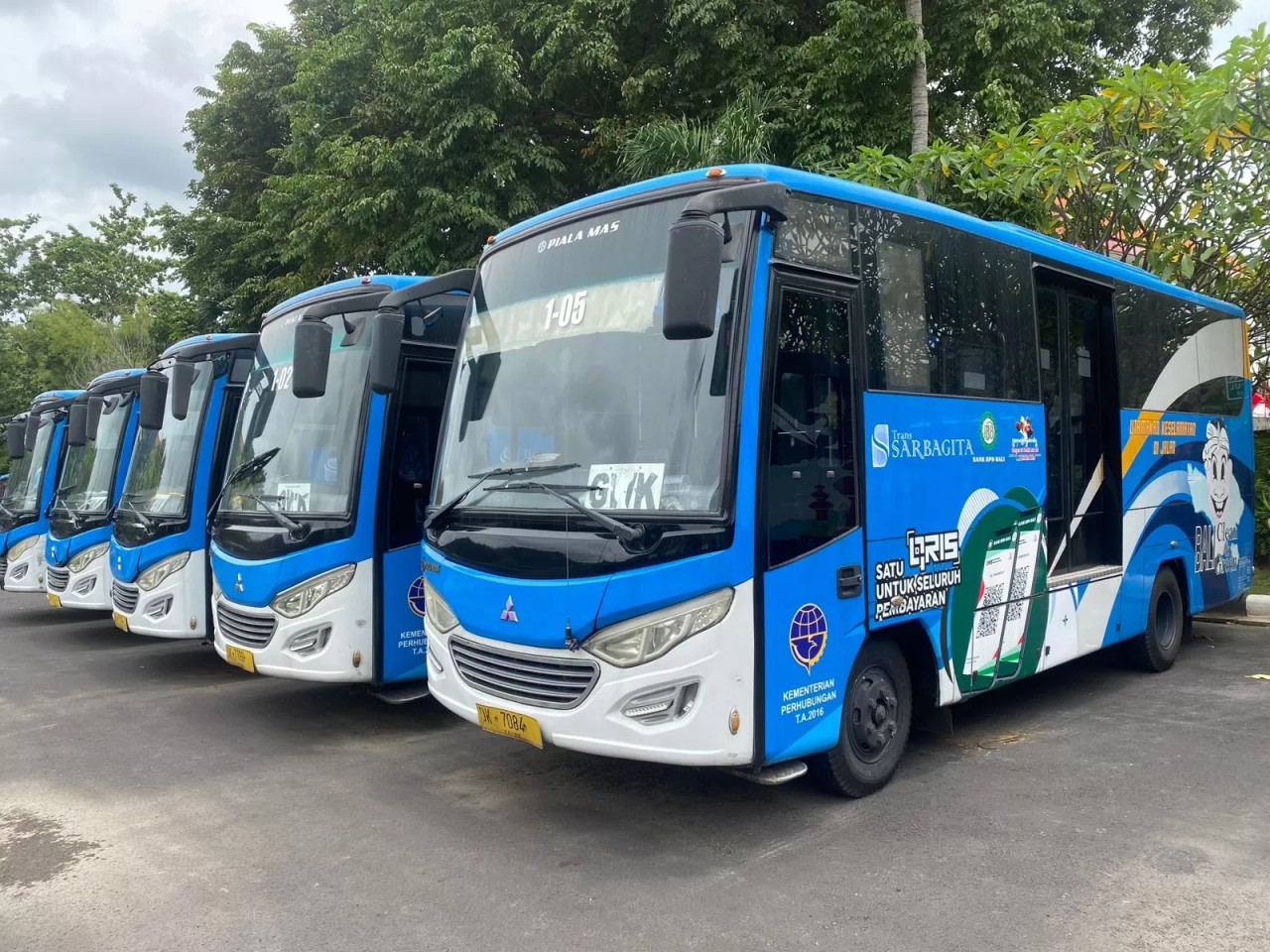
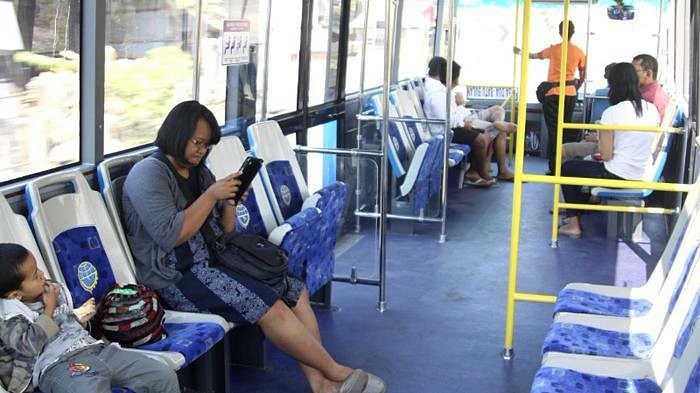
Trans Sarbagita is a public transport company that connects the city of Denpasar with several regencies of Bali, such as Badung, Gianyar and Tabanan. The name “Sarbagita” itself breaks down as “SAR” for DenpaSAR, “BA” for BAdung, “GI” for Gianyar, “TA” for Tabanan. Tickets cost next to nothing, but that has no effect on the quality. The blue Sarbagita buses are spacious and comfortable, and are fitted with air conditioning.
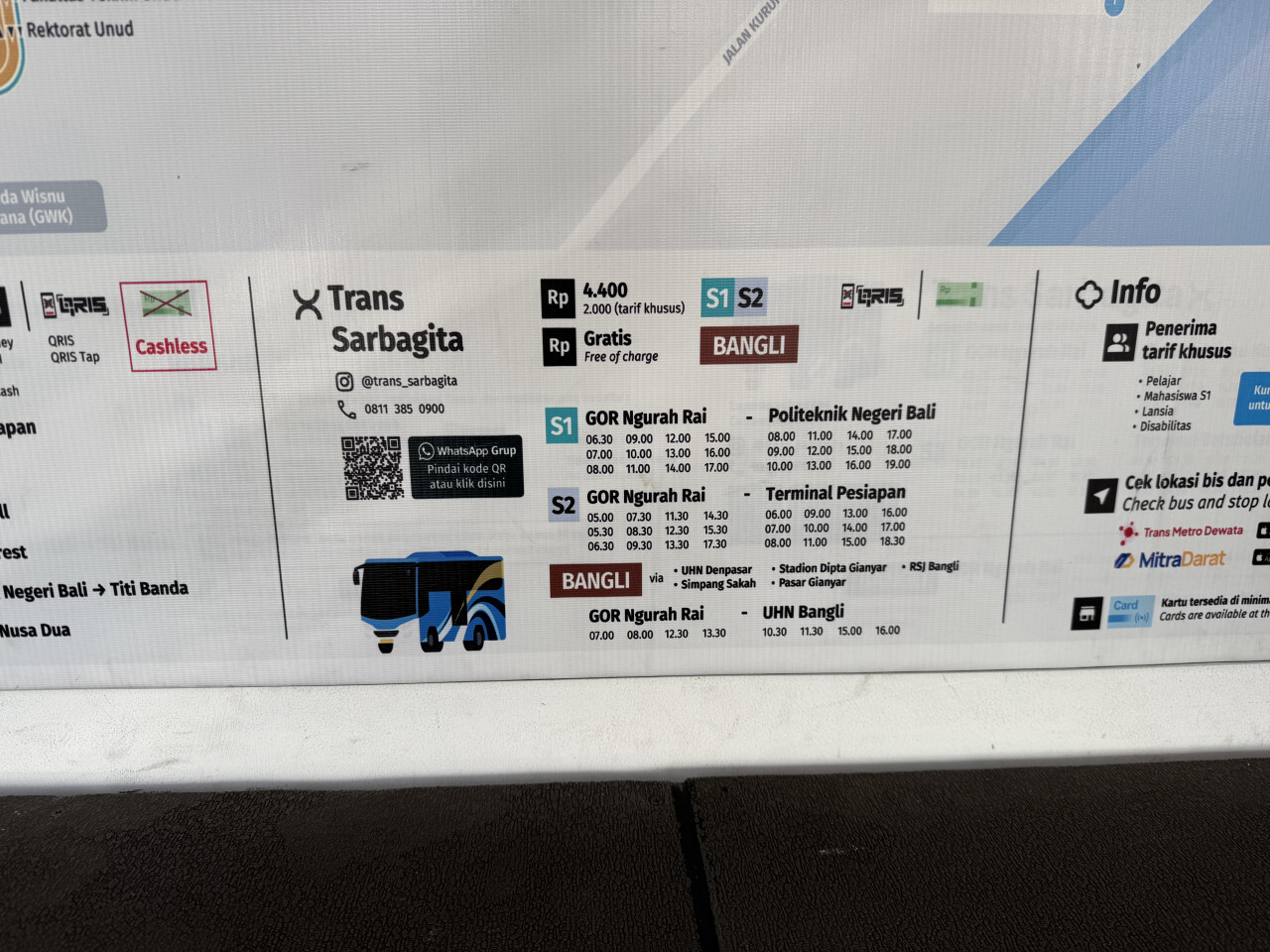
There is a company Instagram where you can check the timetable, although it is only in Indonesian. Sarbagita has three routes, or corridors. Corridor 1 starts at the central stadium in Denpasar and ends at GWK (Garuda Wisnu Kencana Park) on the Bukit. Corridor 2 also starts at the central stadium in Denpasar and ends in Nusa Dua. The third corridor will take you from Denpasar to Bangli (where Kintamani is) and back. The timetable is given below. The first chart at the top is for weekdays, the second one below it is for weekends and public holidays.
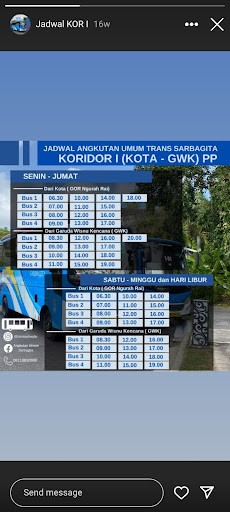
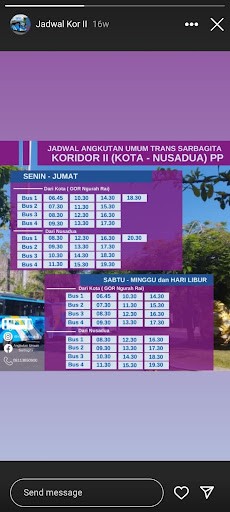
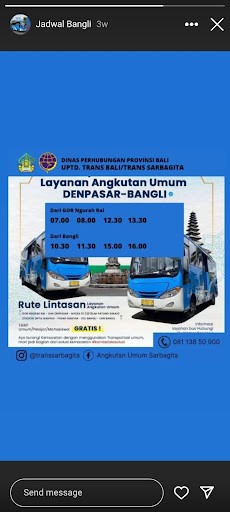
The buses run from 6:30 to 20:30. Since May 6, 2024, the fixed fare has been 4,400 rupiah for adults and 2,000 rupiah for students, senior citizens and people with disabilities. The only drawback at that price is that they do not travel long distances. The buses also do not stop on request wherever you feel like it. They stop only at bus stops, and passengers get off very quickly, so do genuinely get ready for your stop in advance.
Trans Metro Dewata
These buses are known among tourists as "the red buses". This is another public transport option for getting around Bali. Trans Metro Dewata was first launched in 2020. Today the company's network already covers 6 routes. The buses are modern, clean and air-conditioned.
A bus ticket costs the same as with Sarbagita: 4,400 rupiah one way per passenger, 2,000 rupiah for students and senior citizens. The operating hours are the longest of all. The first bus leaves as early as 4:30 in the morning, and the last one at 19:10 in the evening (from the Ubung terminal and the Central Bus Station in Kuta).
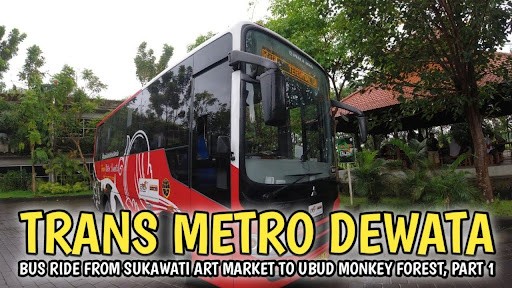
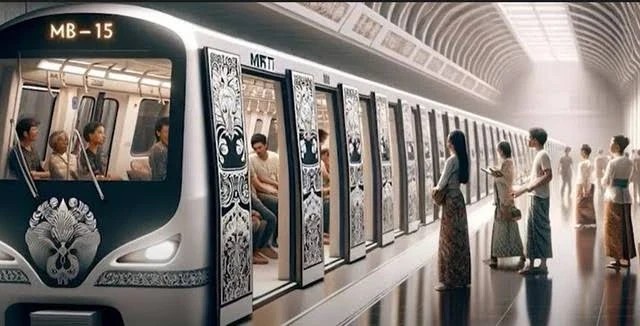
In fact there is no cheaper way to get to Ubud than the Trans Dewata buses. The journey will of course take longer. On the other hand, it is a good chance to see Bali beyond the tourist areas. The line running to Ubud is Corridor 4, mentioned above.
The six TMD routes are:
- Central Bus Station in Kuta — Pesiapan terminal,
- Ubung terminal — Ngurah Rai airport,
- Ubung terminal — Icon Bali Mall in Sanur,
- Ubung terminal — the car park by the Monkey Forest in Ubud,
- Central Bus Station in Kuta — the Politeknik Negeri campus in Gianyar
- Central Bus Station in Kuta — ITDC The Nusa-Dua.
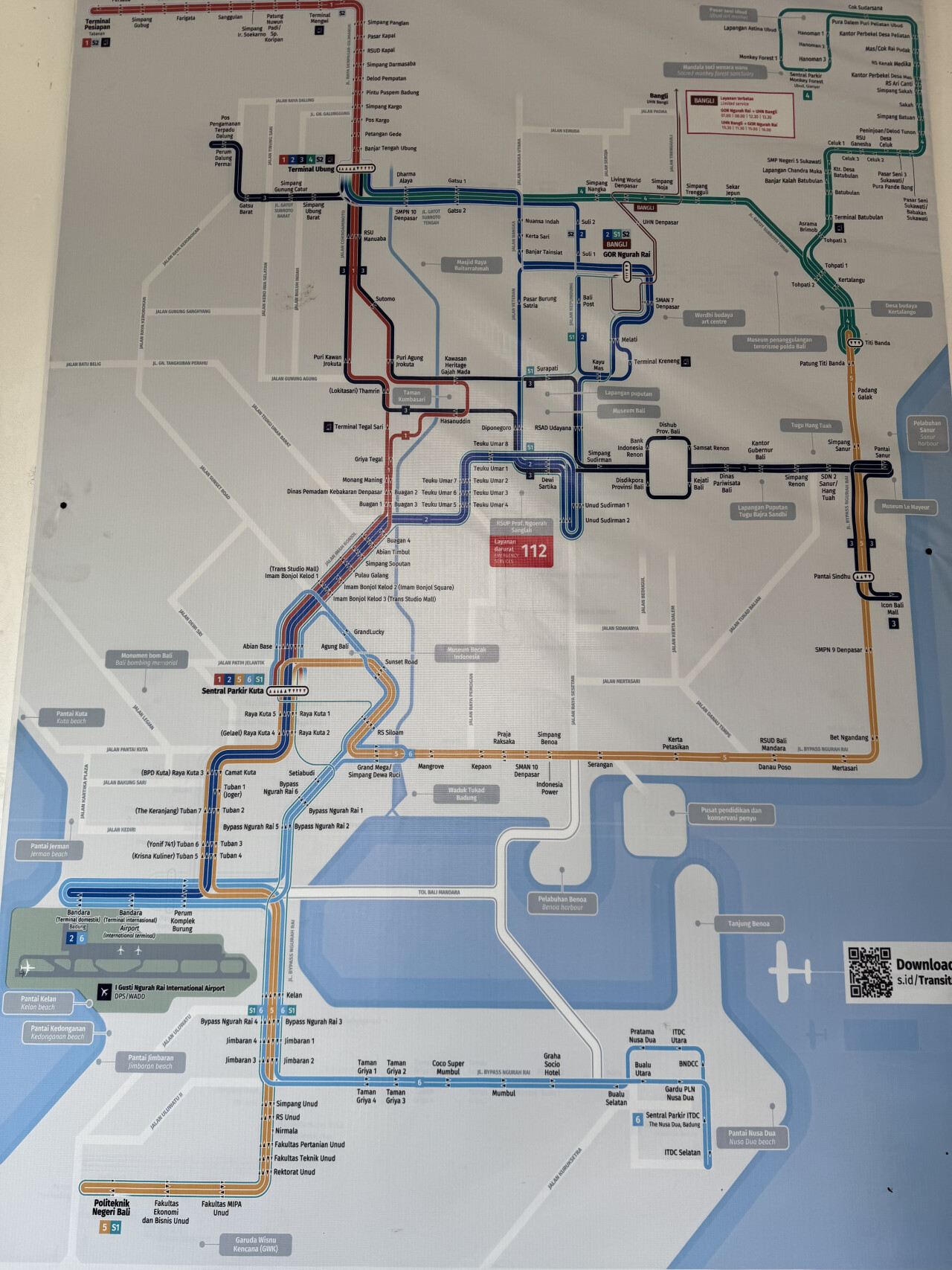
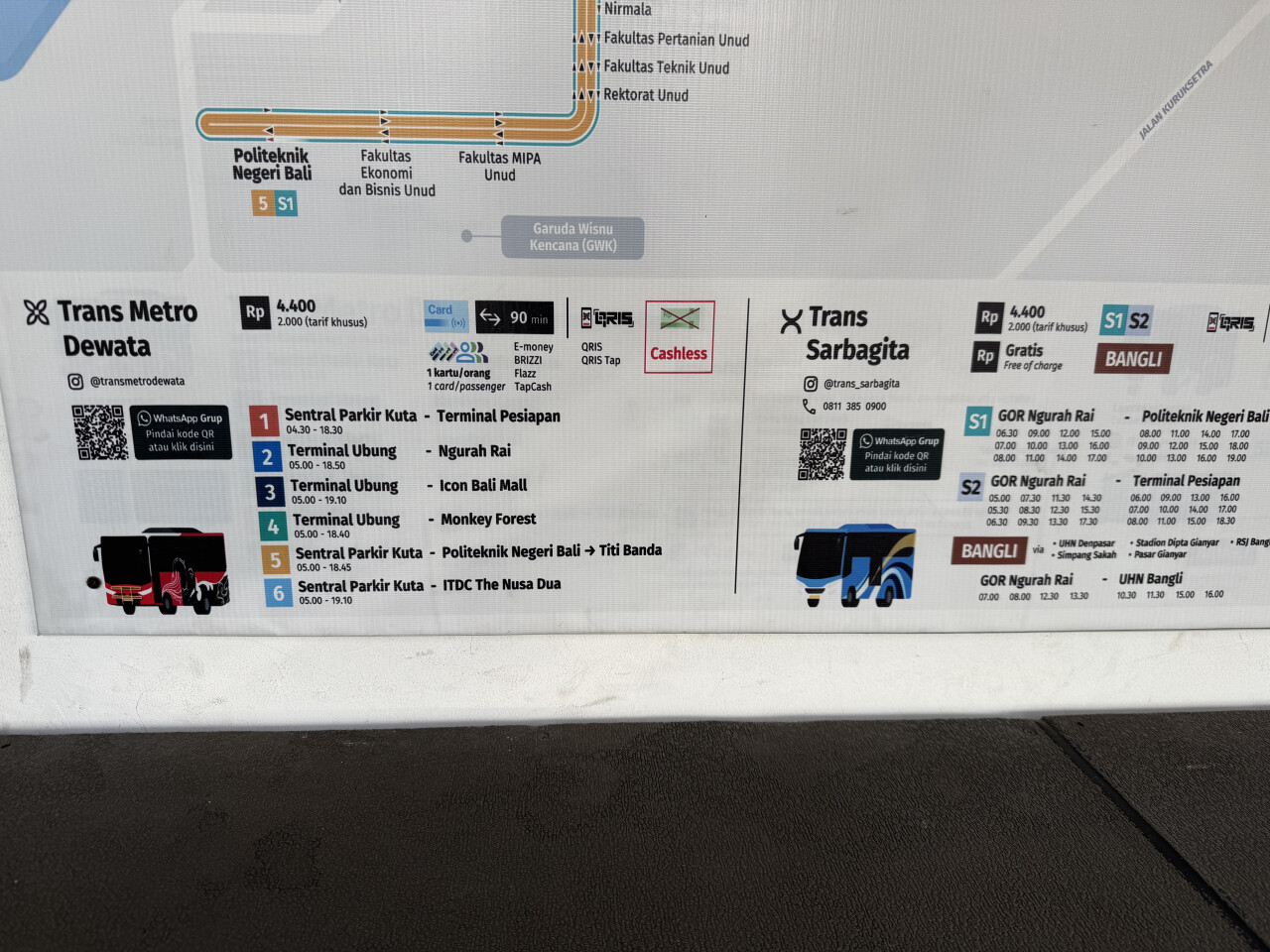
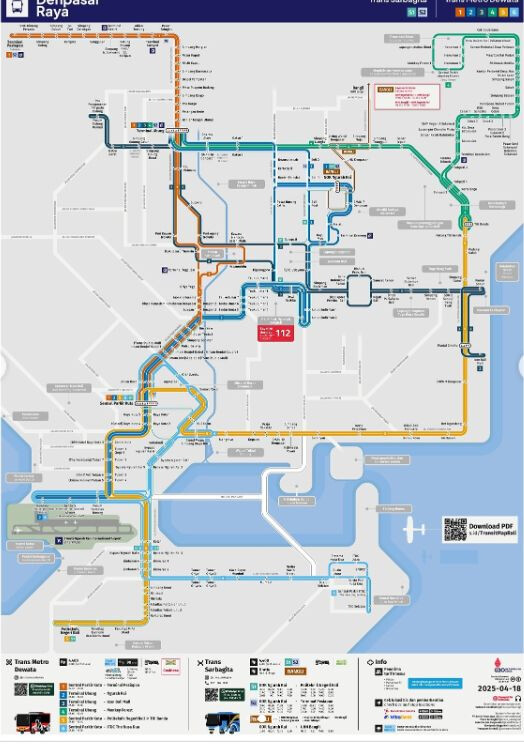
The red buses provide a convenient link between key areas of Bali, including Kuta, Sanur and Jimbaran. One popular route, for example, is Corridor 5 (K5), which runs from the Parking Centre in Kuta to the Bali State Polytechnic (PNB) and back via Sanur. On top of that, travelling around Bali by public transport has now become even easier and more comfortable thanks to the Trans Metro Dewata app. With it you can:
-Check bus routes and timetables in real time
-Find the nearest bus stop to your location
-Track the bus directly on the map.
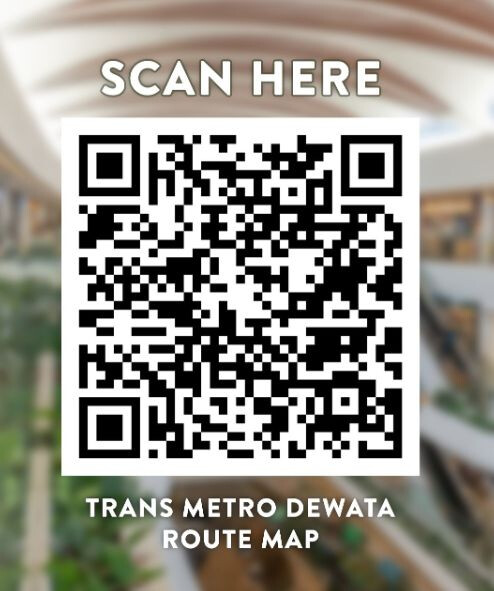
The app is easy to download both for iPhones and for Android. And you can see the map of the red bus routes here.
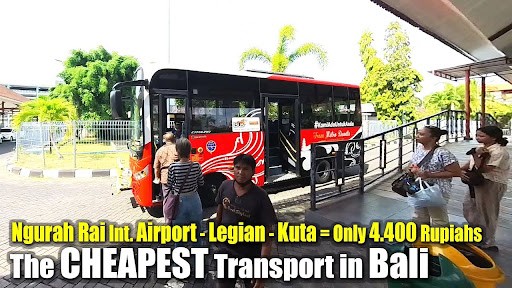
The second corridor will also be useful for tourists, since it runs from Ngurah Rai International Airport and stops at the Central Bus Station in Kuta. And Corridor 5 makes it easy to get from Kuta to Jimbaran on the Bukit.
How do you pay the fare on the bus?
Fares are paid cashlessly with a prepaid card such as E-money, Flazz or Brizzi. These cards are easy to buy in small minimarkets like Indomaret and Alfamart for around 20,000–50,000 rupiah. Later on you can top up your credit in the same places at any time if your balance runs low.
There are several ways to check the balance of a prepaid card. First, at an ATM of the bank that issued the card. E-money is a product of Mandiri Bank, Flazz belongs to Bank Central Asia (BCA), and Brizzi to BRI bank. Second, at minimarkets such as Indomaret and Alfamart. Just ask for the card balance before adding credit.
You can also pay with QRIS Tap, simply by tapping your phone.
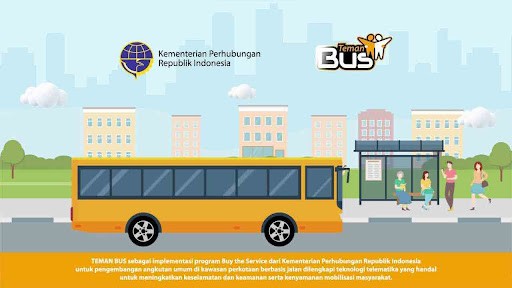
Trans Metro Dewata has its own Instagram. As an alternative to the TMD app, you can also download the Teman Bus app from the Play Store/App Store. Once you have downloaded it, select the Bali region and check the map, the route and the bus lines to get to your destination.
Perama (Perama Tour)
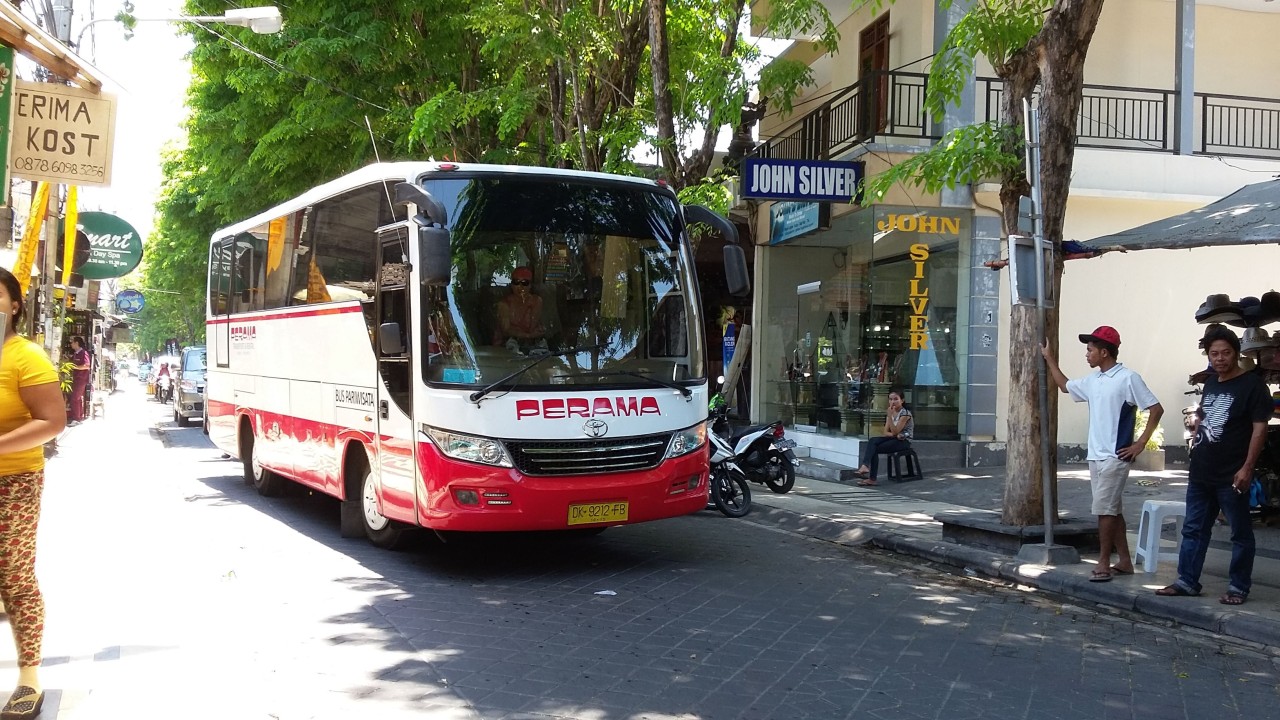
Perama also offers bus services between the main points in Bali. This company does not run very frequently, but its prices are far lower than a taxi. For instance, a trip from Kuta to Ubud will cost you 100,000 rupiah one way, and from Ubud to Sanur 80,000 rupiah. Quite a decent way to reach an out-of-the-way area. Timetables and prices are on the website.
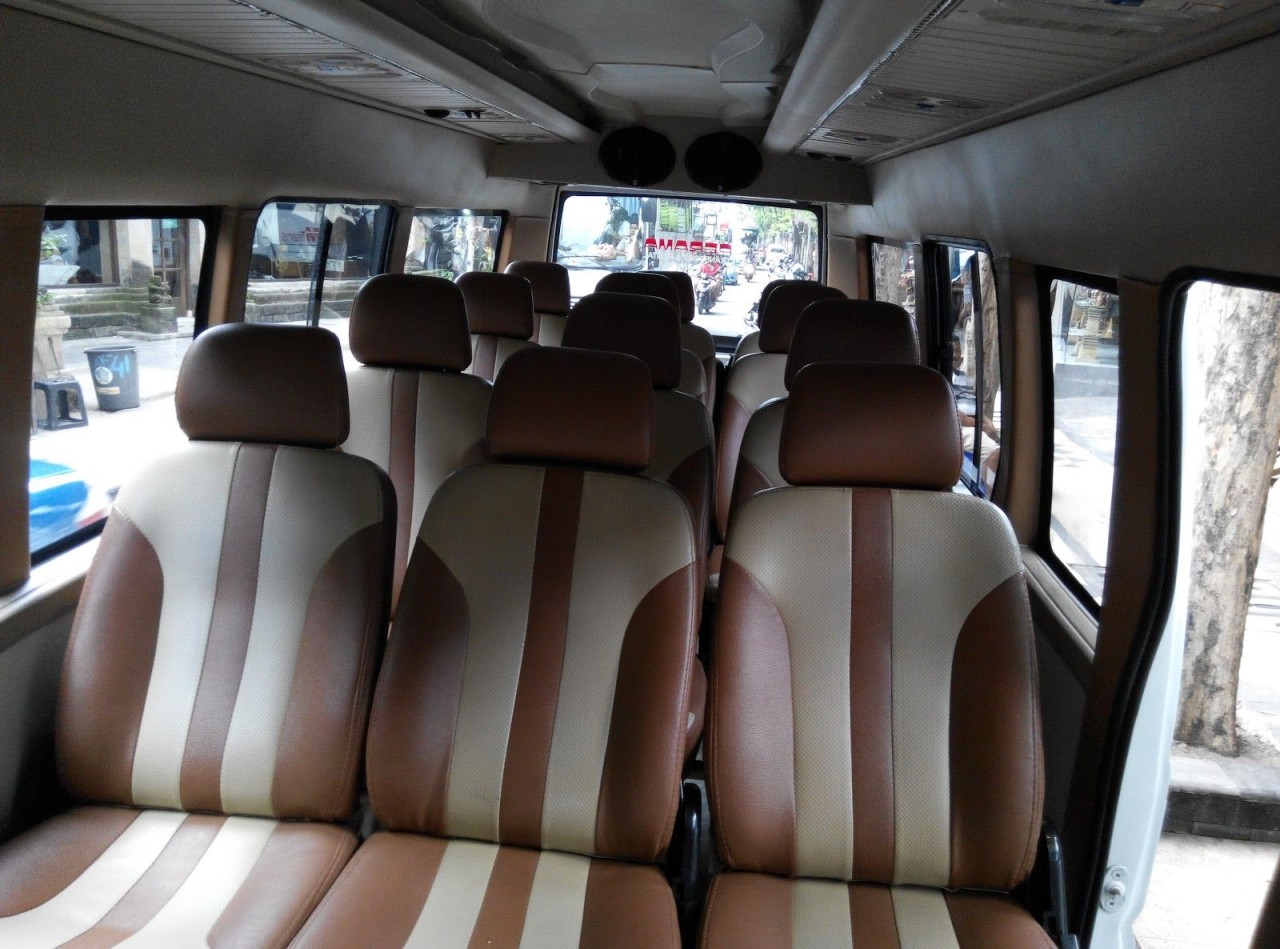
When you choose a ticket on the Perama Tour website, the site automatically shows you the stop where you need to board the bus. Tickets should be booked a day ahead or bought on the spot. The buses are comfortable. Passengers, unfortunately, are only picked up and dropped off at the stops. There is no hotel pickup. We recommend buying tickets at least a day in advance, or even earlier if you are travelling in high season.
Kura-Kura (Kura-Kura Bus)
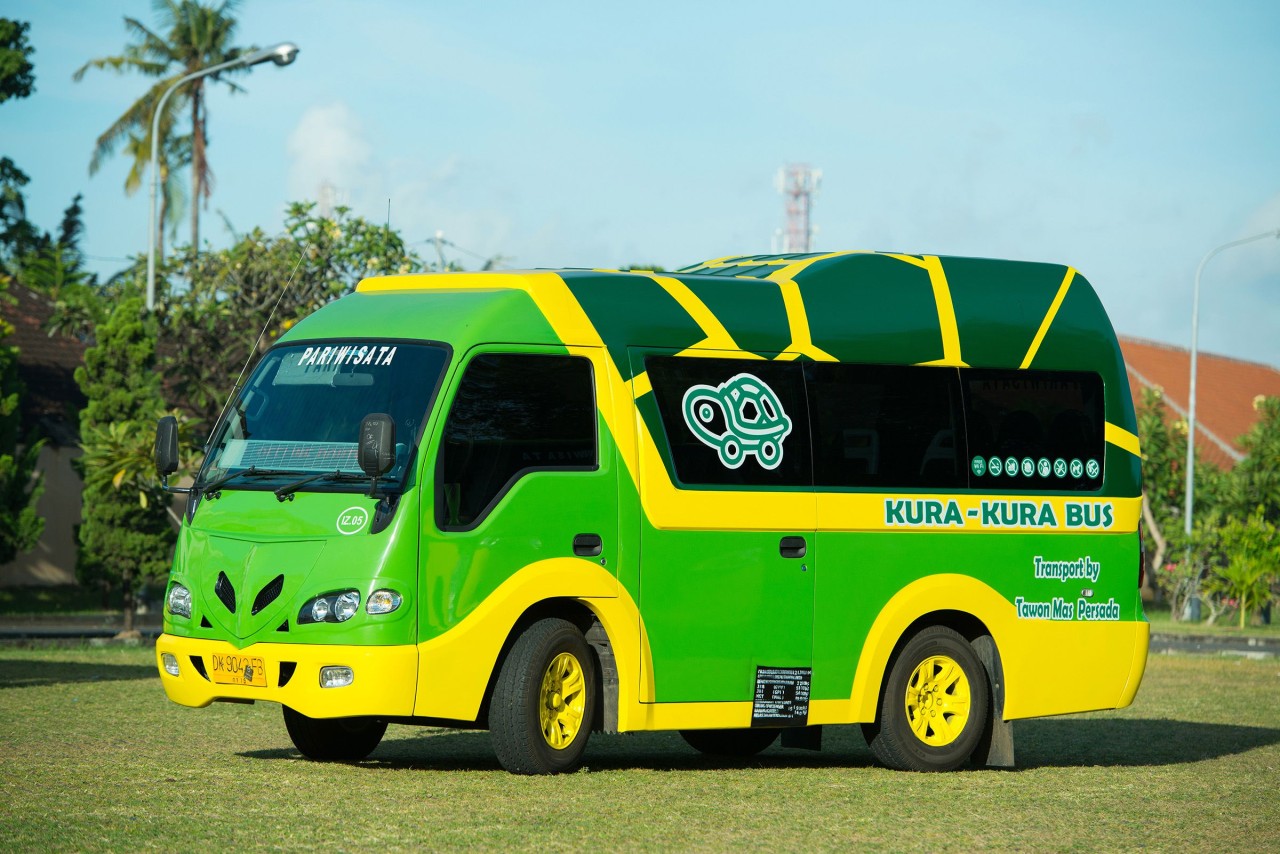
Kura-Kura is another Bali bus company, with a fairly extensive network of routes across the touristy south of the island. Although its fleet is not as large as those of other companies, it is far more modern. Kura-Kura buses run much more often than the rest, and the routes are very economical. The only drawback of Kura-Kura is that it mainly covers the south of the island and goes as far as Ubud. You will not be able to travel with them to other parts of Bali.
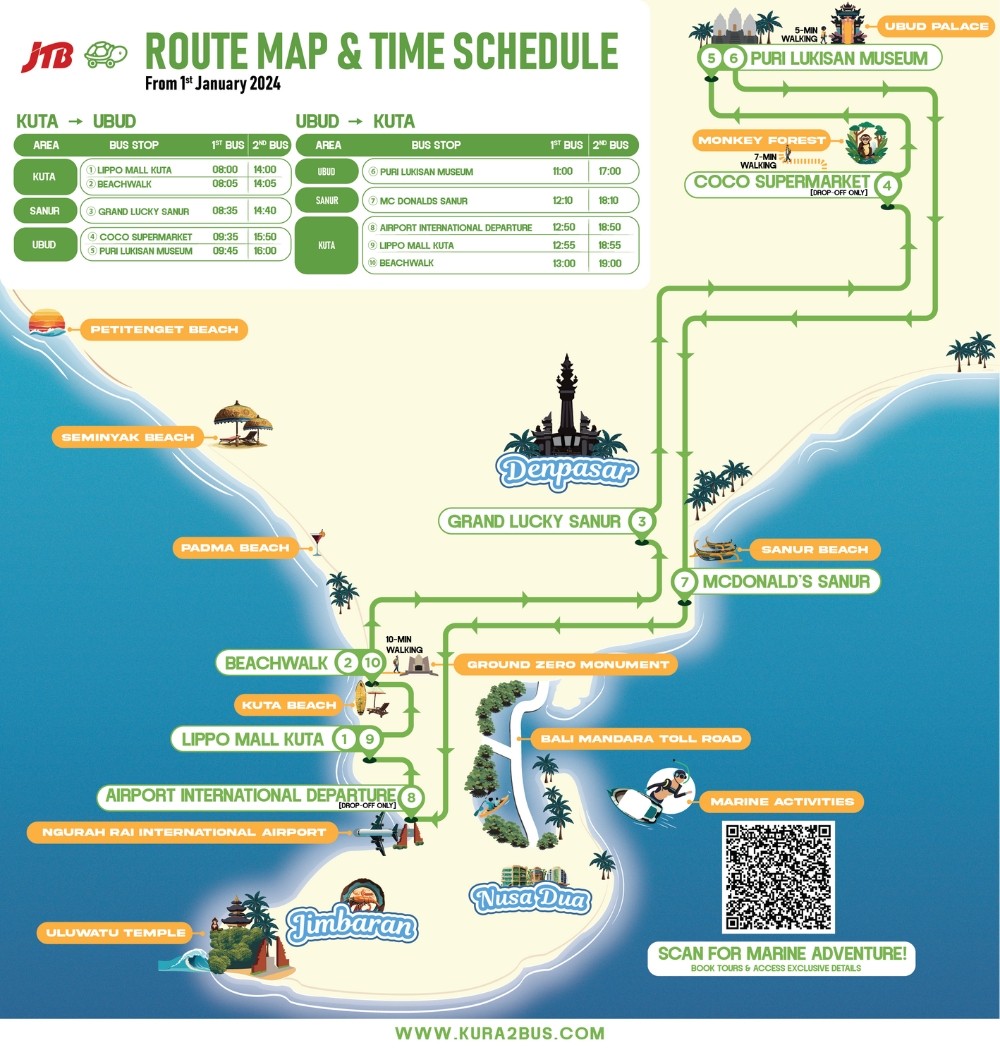
The company also offers transfers to and from the airport. Transfers are available to almost all the popular areas of the island. At present Kura-Kura buses serve one line from Kuta to Ubud (there and back). The buses follow regular routes and timetables, picking up and dropping off passengers at predetermined points (bus stops).
You can also track the buses in real time using the mobile app. The Kura-Kura Bus app is available for download in the Google Play Store or the App Store. Tickets must be bought in advance in the app or on the company website.
You can see the timetable below:
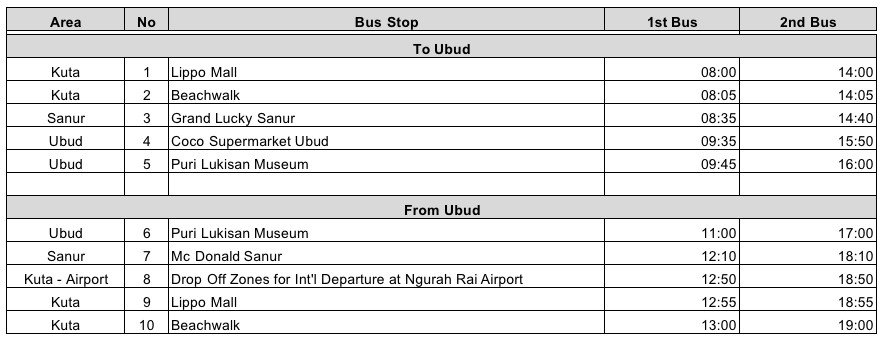
The fare from Kuta to Ubud and from Ubud to Kuta is 100,000 rupiah per passenger. A return ticket costs 160,000 rupiah. Children under 2 travel free. Luggage is charged separately at 20,000 rupiah. The buses run from 8 in the morning until 7 in the evening.
Bemo
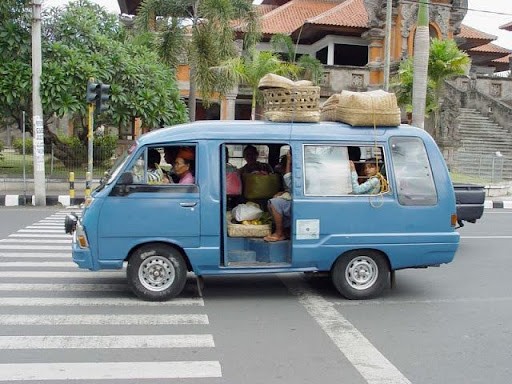
This is the general term for any vehicle used as public transport. A bemo is usually a minibus or van with a row of low seats along each side. Or, to put it another way, these are small, low shared vans, and travelling long distances in them is extremely uncomfortable. And without knowing Bahasa it is very hard to work out where one is going at all. You need to ask in advance where the van is heading and how much it costs.
A bemo is hot and dusty and full of diesel fumes. On the other hand, you do not have to walk to a stop. Bemos start running from early morning until 8 in the evening. There is no fixed timetable; they set off as they fill up. To catch a bemo, just stick your hand out as if you were hitchhiking! The fares may be low, but watch out for pickpockets. Locals pay 4,000 rupiah for a bemo; a foreigner may be asked for more. Haggling in a bemo is appropriate and welcome.
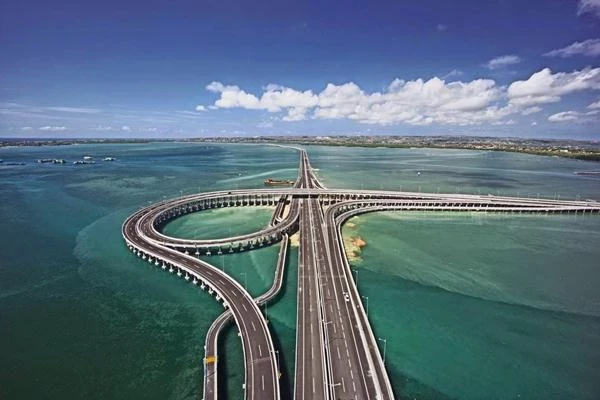
In Denpasar there are several bemo/bus terminals from which you can travel to different corners of the island:
- Terminal Bus Ubung. From here services run mainly to the north and west. To Batubulan Terminal, Tanah Lot, Mengwi, Tabanan, Antosari, Lalang Linggah, Bedugul, Medewi, Negara, Gitgit, Sukasada Terminal (Singaraja), Gilimanuk Terminal (this is where the ferries to Java leave from).
- Terminal Batubulan. From here services run to Sukawati, Mas, Ubud, Candi Dasa, Gianyar, Klungkung, Bangli, Padangbai (ferries to Lombok and the Gilis), Amlapura, Penarukan Terminal (Singaraja).
- Terminal Tegal. From here services run to Ubung Terminal, Kereneng Terminal (Denpasar), Kuta, Sanur, Ngurah Rai Airport, Nusa Dua.
A bemo often looks like this:
Long-distance buses
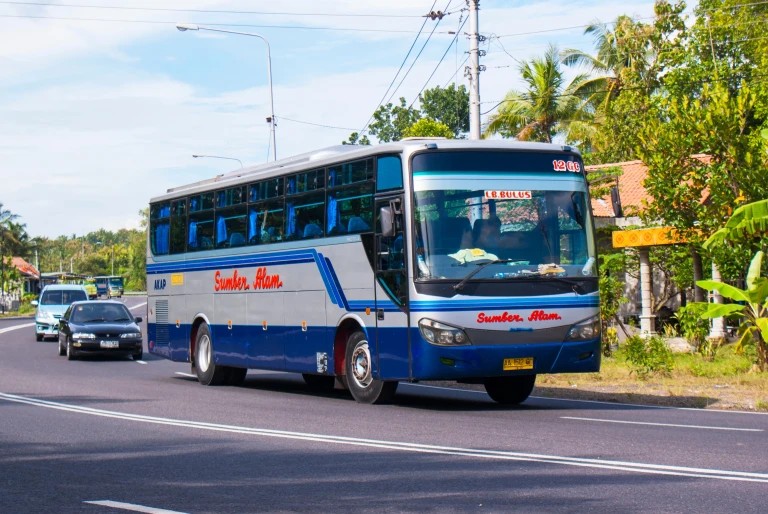
These leave from the terminal in Mengwi (Mengwi Bus Terminal). These services used to run from the Ubung terminal. But once the Mengwi terminal opened, Ubung stopped handling the buses that travel between the islands. The Mengwi intercity bus station is about 17 km northwest of Denpasar and 20 km southwest of Ubud, bypassing the main road in western Bali, and it is the largest station in Bali. This terminal connects Bali with Javanese cities such as Yogyakarta, Malang and Surakarta.
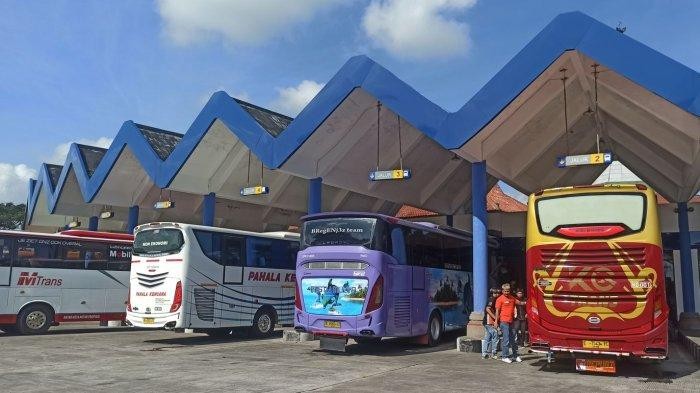
The journey is very long. It is worth using these buses either if you are afraid of flying, or if you are on a tight budget, or if you are a hardened backpacker in search of adventure. Tickets are 2-3 times cheaper than plane tickets. For example, you can travel from Mengwi to Yogyakarta for 24 dollars (19 hours on the road), to Malang for 17 dollars (10 hours), or to Surakarta for 21 dollars (15 hours). You can choose between a minivan or a sleeper bus. It is easy to book a ticket on the bus terminal website.

You can add one right now!