
A pilot power plant that generates electricity from ocean currents is being planned in the waters off Nusa Penida, with commissioning targeted for 2029.
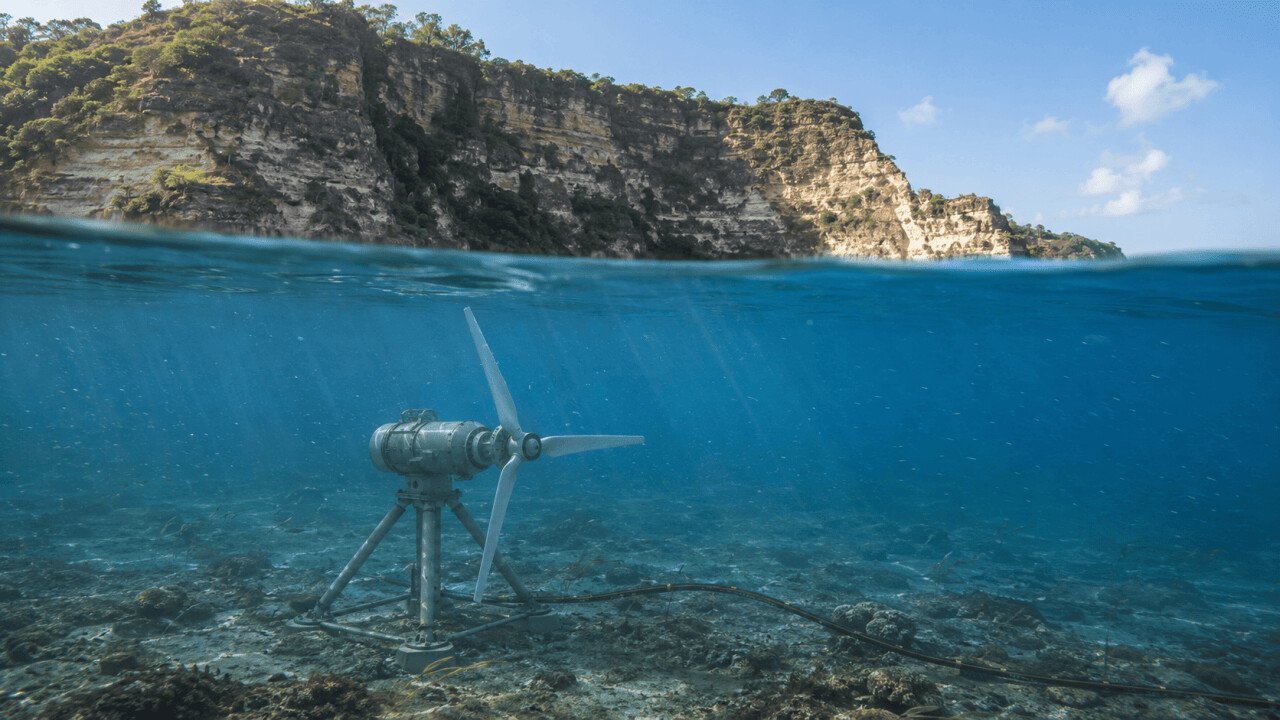
Researchers are currently studying the marine conditions around the island. By the end of 2027, they are expected to select the site, determine the most suitable technology, and estimate the project’s cost. The options under consideration include seabed-mounted turbines, floating systems, and tethered underwater structures. Installation is scheduled to begin in 2028.
The first phase of the project will have a capacity of 5 to 10 megawatts, which is the maximum the current Nusa Penida power grid can accommodate. If the pilot proves successful, the facility could be expanded, with part of the electricity transmitted to Bali or Lombok.
The total energy potential of the currents around Nusa Penida is estimated at 376.8 megawatts, including 184.8 MW west of Nusa Lembongan, 45.6 MW in the Nusa Penida Strait, and 146.4 MW east of the island. The area’s strong and relatively stable currents are created by a combination of tidal flows and the Indonesian Throughflow, which carries water from the Pacific Ocean into the Indian Ocean.
Before construction begins, scientists will conduct detailed studies of the seabed and marine ecosystem, as well as assess the project’s potential impact on fisheries, shipping, and tourism. The investment required has not yet been disclosed.
A 10-kilowatt experimental tidal generator previously operated in the Nusa Penida Strait, supplying electricity to 25 streetlights. The new facility will be 500 to 1,000 times more powerful and will be connected directly to the island’s electricity grid.
The project is intended to demonstrate whether ocean-current power can move beyond small-scale trials and become a reliable source of electricity. If successful, similar power plants could be developed in other Indonesian straits.
Bali currently consumes around 1,300–1,400 megawatts of electricity. About 400 megawatts are supplied from the Paiton Power Station in Java via a subsea cable. Authorities hope that renewable energy projects such as this will gradually reduce the island’s dependence on imported electricity.

You can add one right now!