
The Bali provincial government and PLN (Perusahaan Listrik Negara), Indonesia's state-owned electric utility company, have announced that they are accelerating the island's transition to electric transportation. More charging points, the development of battery swapping stations, and the preparation of regulations for tourist areas where they aim to gradually restrict gasoline and diesel vehicle traffic.
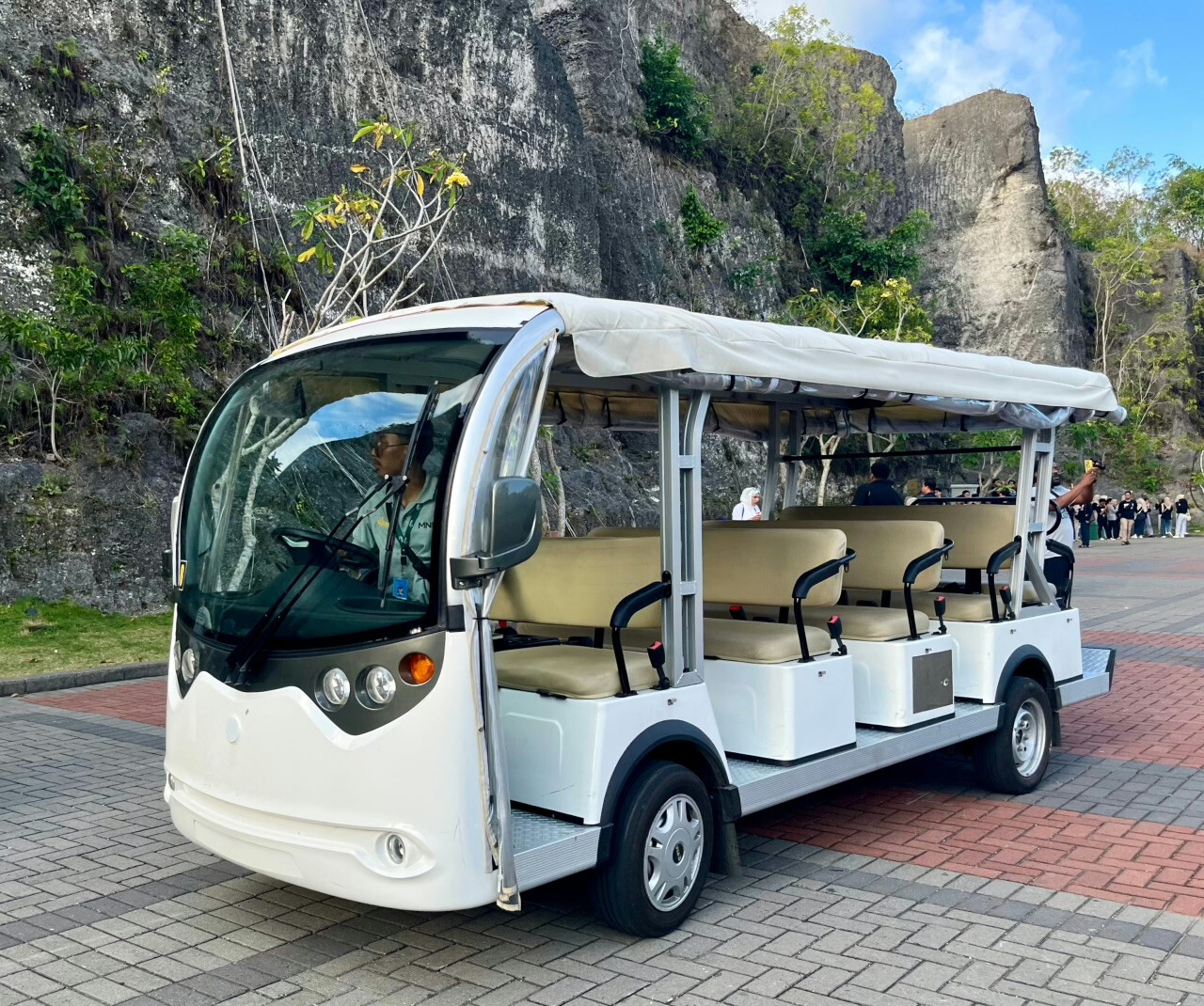
PLN stated that it relies on Bali Governor Wayan Koster’s Regulation No. 48/2019 on the use of electric vehicles while simultaneously preparing an 'integrated plan'—from expanding charging infrastructure to preparing electric networks for future restrictions. The island's leader has prepared instructions intended to push the transition to electric transport, including in government institutions.
The most sensitive part is the idea of tourist zones where only electric vehicles will eventually be allowed. Among the first areas targeted are Ubud, Sanur, Kuta, Nusa Dua, and Nusa Penida.
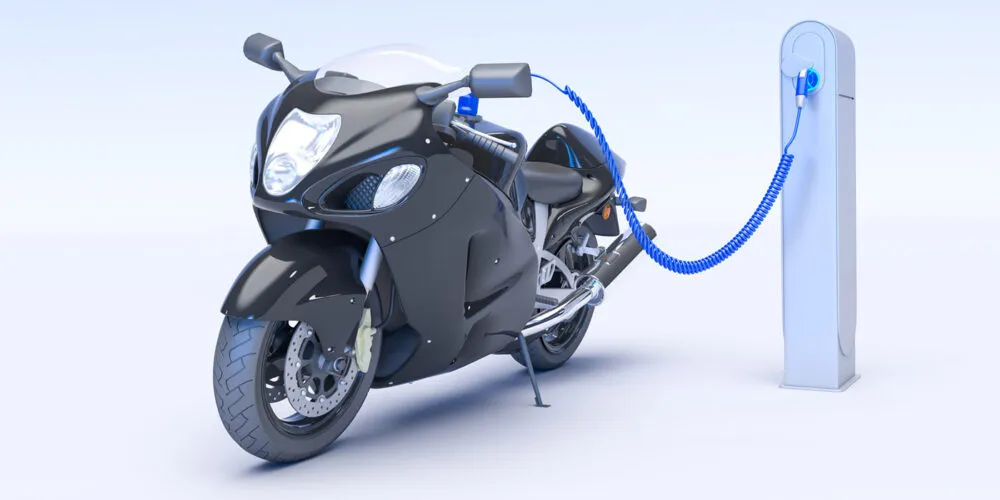
According to the provincial transport department, there will be around 12,800 electric cars and bikes in Bali by 2025. Authorities note that growth in two-wheelers slowed after subsidies were discontinued, while the four-wheeler segment continues to grow. A separate plan for 2026 is to update the taxi fleet by replacing 500 vehicles with electric ones, provided there are enough chargers adequately distributed across the island.
Simultaneously, they are expanding the infrastructure. According to PLN, by the end of 2025, Bali will have 230 public charging devices in 164 locations (some managed by PLN, others by private operators).
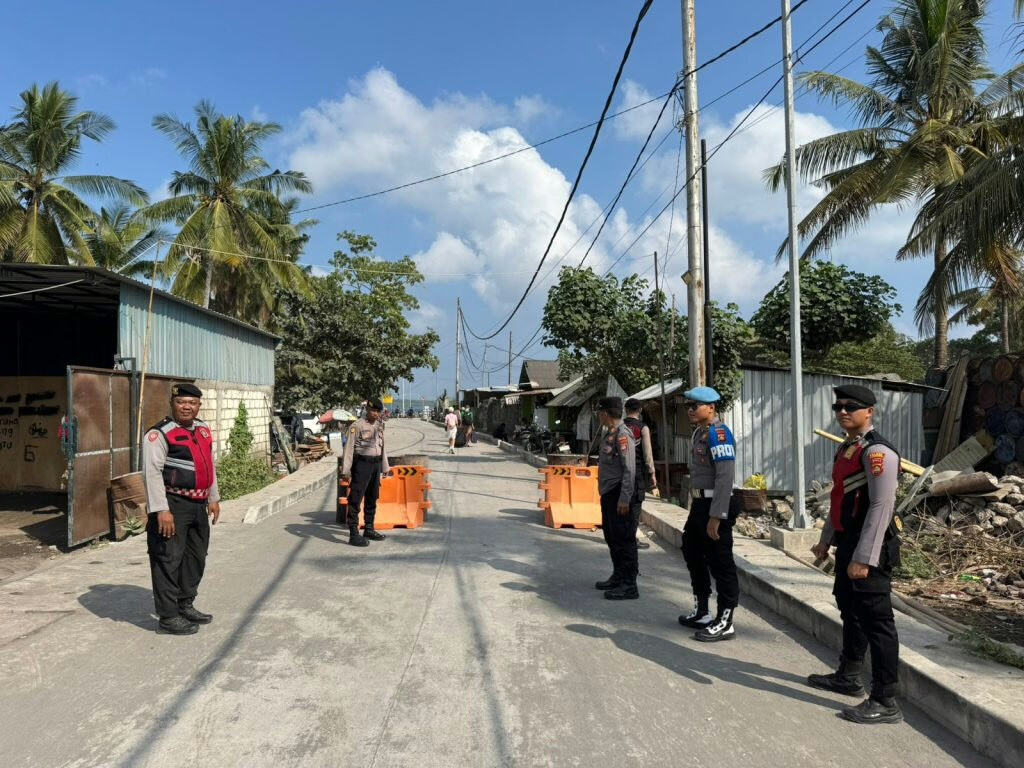
The provincial energy block added that a plan for developing electric transport infrastructure for 2024–2029 has been prepared together with PLN, and the regional energy plan is to be revised so that it does not conflict with the transition to electric transport. A separate goal, reiterated publicly, is to have 100% electric transport in Nusa Penida by 2030.
Source: antaranews.com

You can add one right now!