
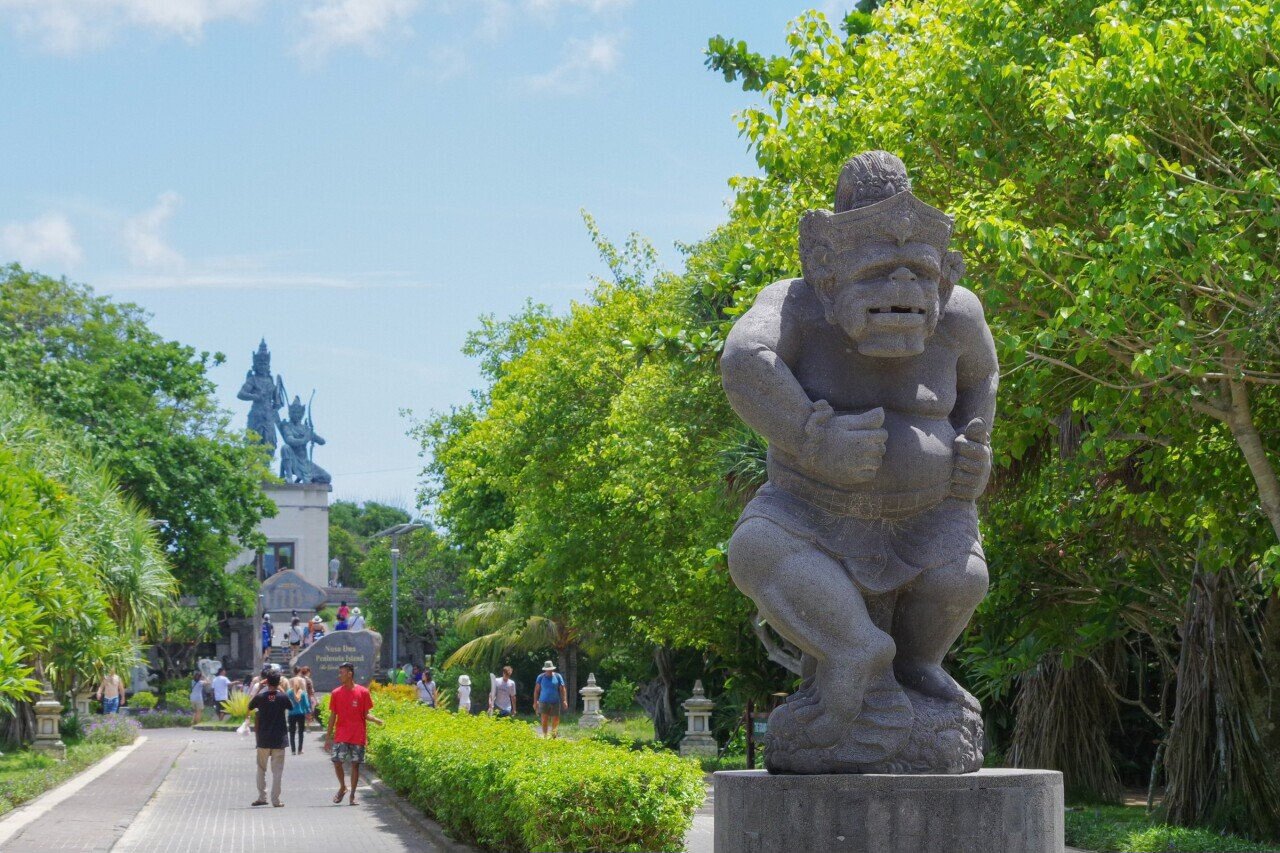
The Bali authorities have chosen six areas where they will start cutting emissions: Ubud, the island of Nusa Penida, Nusa Dua, Kuta, Sanur and the historic Gajah Mada area in Denpasar.
The Kerthi Bhumi Satwika programme covers 2026–2030 and targets power plants, transport, tourism and waste.
Officially, Bali's air quality is rated as moderate. Indonesia's Ministry of Environment gave the province a score of 81 out of 100 for 2025. A score counts as good from 85, and the national average came to about 83.
Denpasar scored 80. Near city roads, levels of fine dust and soot particles, PM2.5 and PM10, remain close to the permitted limit. One of the city's monitoring points is on Jalan Gajah Mada by the central market, which is inside the new zone.
According to the governor, power plants and road traffic exhaust account for up to 90% of the island's air pollution. Statistics Indonesia counted about 5.5 million cars, motorcycles, trucks and buses in Bali in 2025. That is more vehicles than residents, and around 250 thousand more are added each year.
The research institute WRI Indonesia estimates that transport accounts for roughly 40% of the province's emissions. Motorbikes are used for 62% of trips around the island and cars for 33%, while buses and shuttles, walking and cycling account for 1% each.
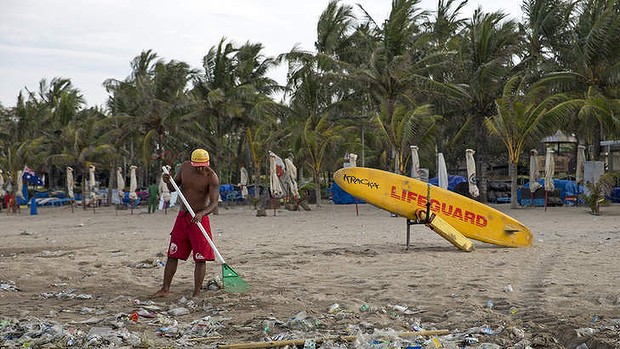
The programme rests on five pillars: clean energy, transport, ecosystems, green tourism and local communities. The tourism industry is expected to use less single-use plastic.
On the roads, the aim is more electric vehicles and the infrastructure they need, and waste is to be sorted and recycled where it is generated. Back in August, when there were five zones, the governor urged hotels, restaurants, villas, offices and homes in these areas to install solar panels on their roofs.
In Ubud, the focus will be on tourism rooted in culture and the environment, and on Nusa Penida, on protecting island and coastal ecosystems. In the Gajah Mada area, heritage buildings will be preserved alongside urban development, and central Denpasar also has a separate redevelopment project.
No bans, fines or deadlines have been announced for any of the zones. Local authorities will draw up programmes to suit their own conditions and budgets, and progress will be reviewed regularly until 2030.
Sanur has made the most progress. It was officially declared a low-emission zone back in February. According to WRI Indonesia, the sidewalks there have been widened and cars now drive more slowly. Intaran electric shuttles run around the area every day from 7:00 to 23:00. A ride costs 5000 rupiah, and payment is cashless only.
Sanur will be the main venue for Bali Climate Week, which runs from 13 to 17 October. Attendees are encouraged to get to events on foot, by bicycle or on the Intaran shuttle. The final day features a festival with the premiere of five short films, a market and workshops.

You can add one right now!