
A visa run or a long layover in Hong Kong is a great opportunity for a change of scenery, a visa renewal and a taste of a completely different pace of life.
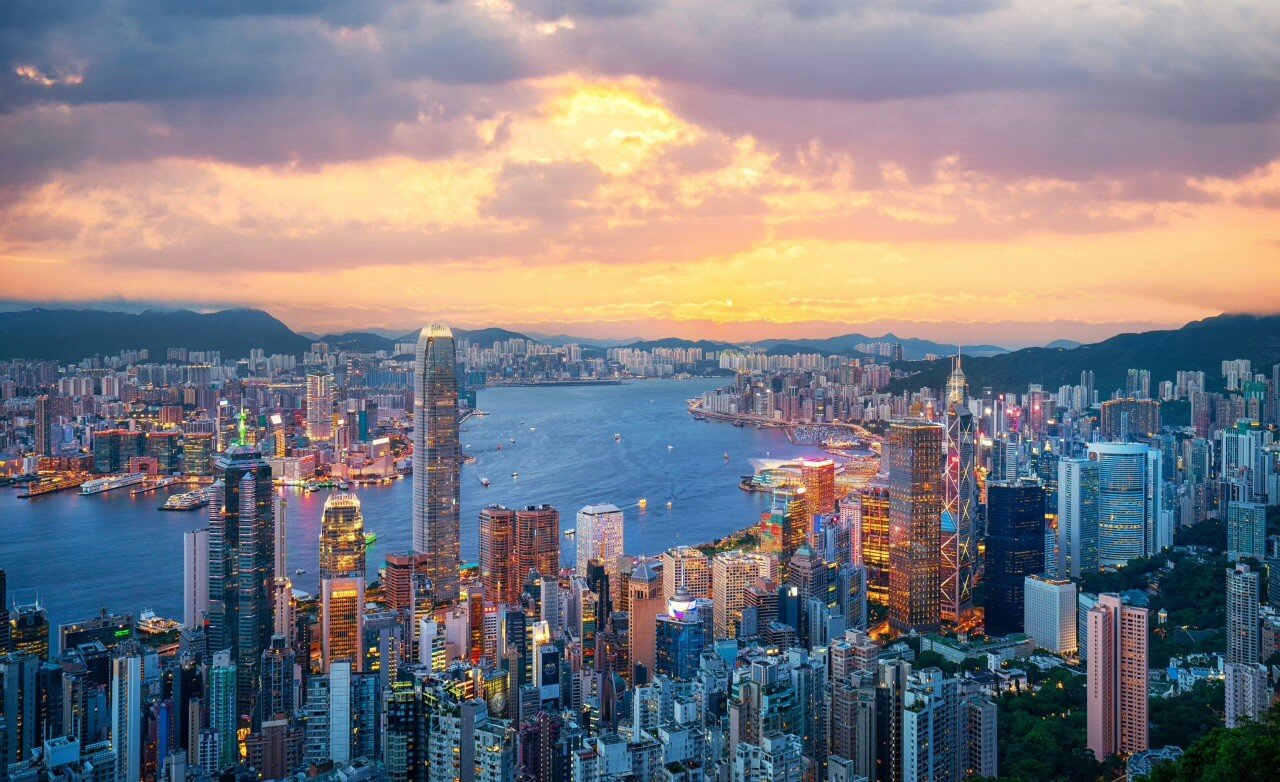
Swap calm, meditative Bali for an ultra-modern metropolis where skyscrapers stand alongside mountains, and busy markets give way to green parks, hiking hills and Buddhist temples. You can fit a lot into a week in Hong Kong: try the local cuisine, ride the legendary tram, visit Victoria Peak and even escape to one of the islands.
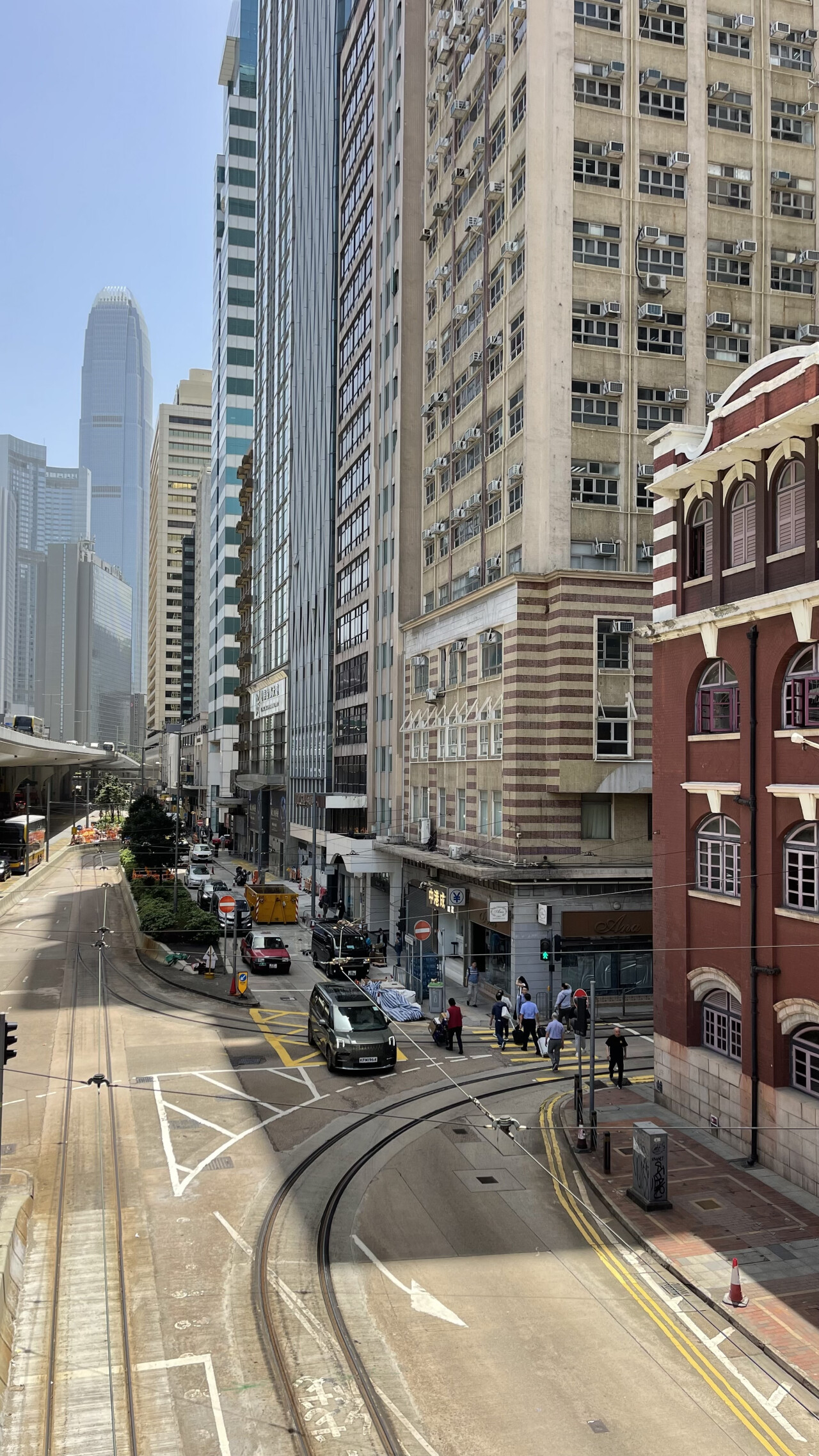
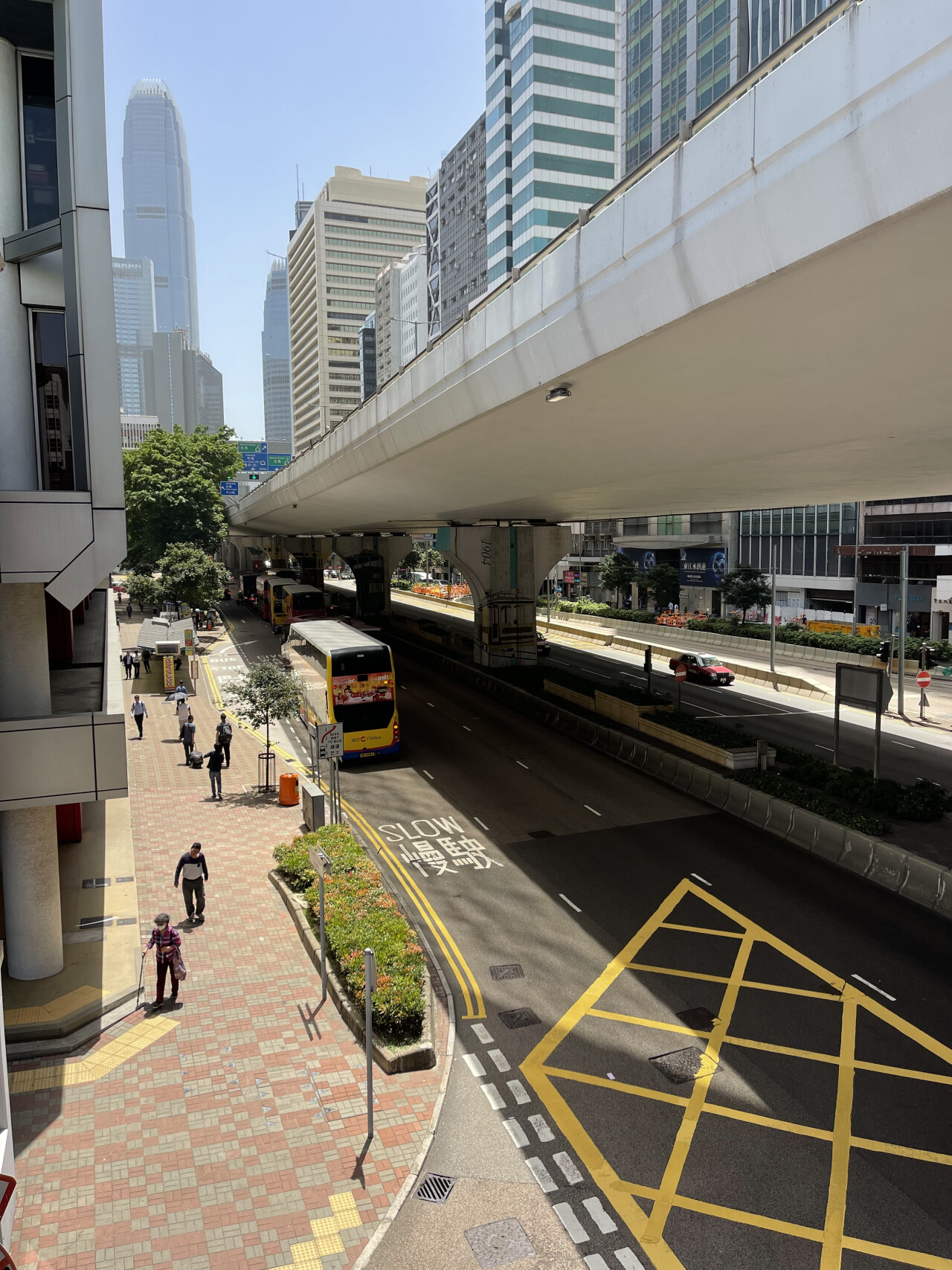
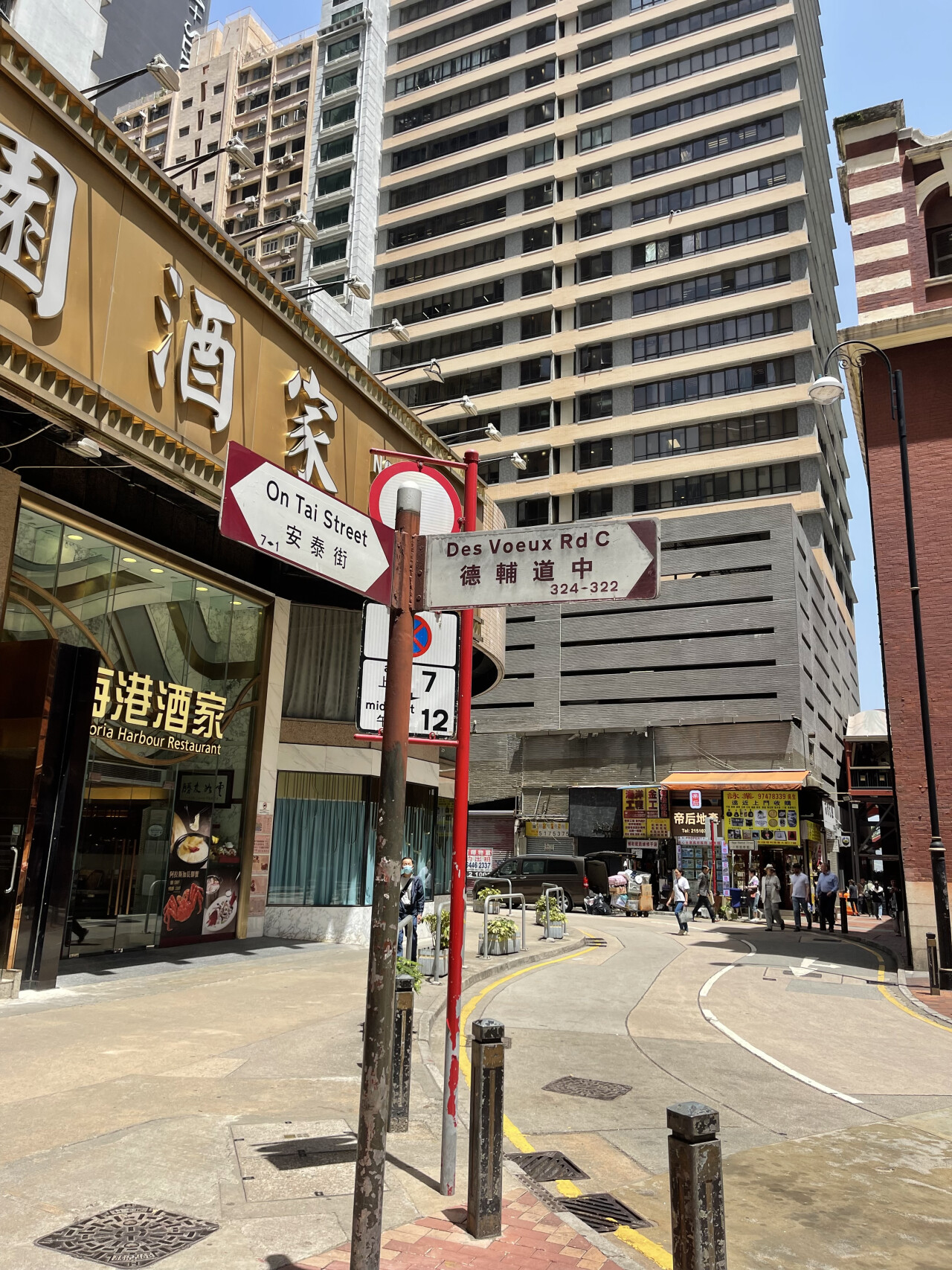
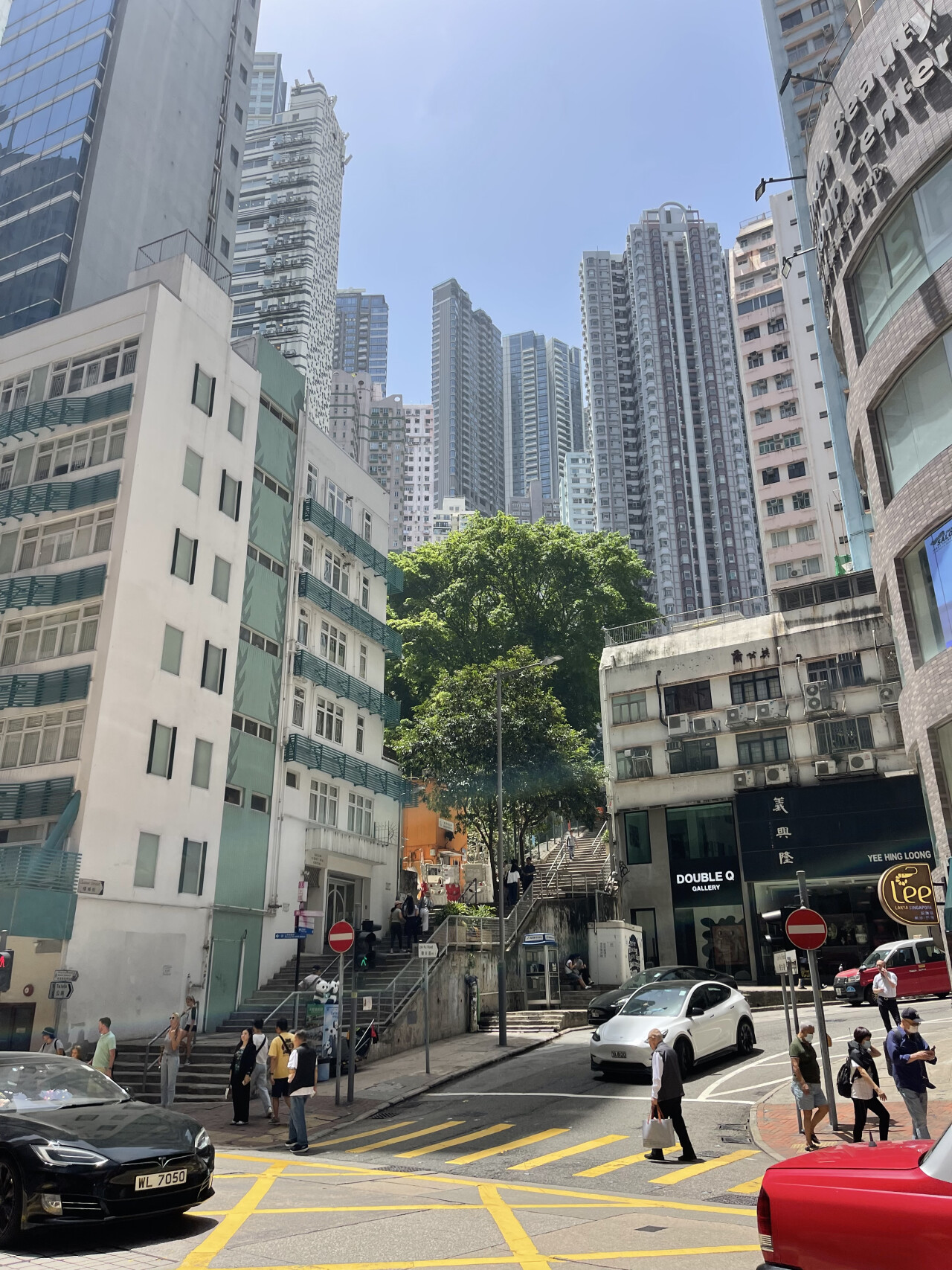
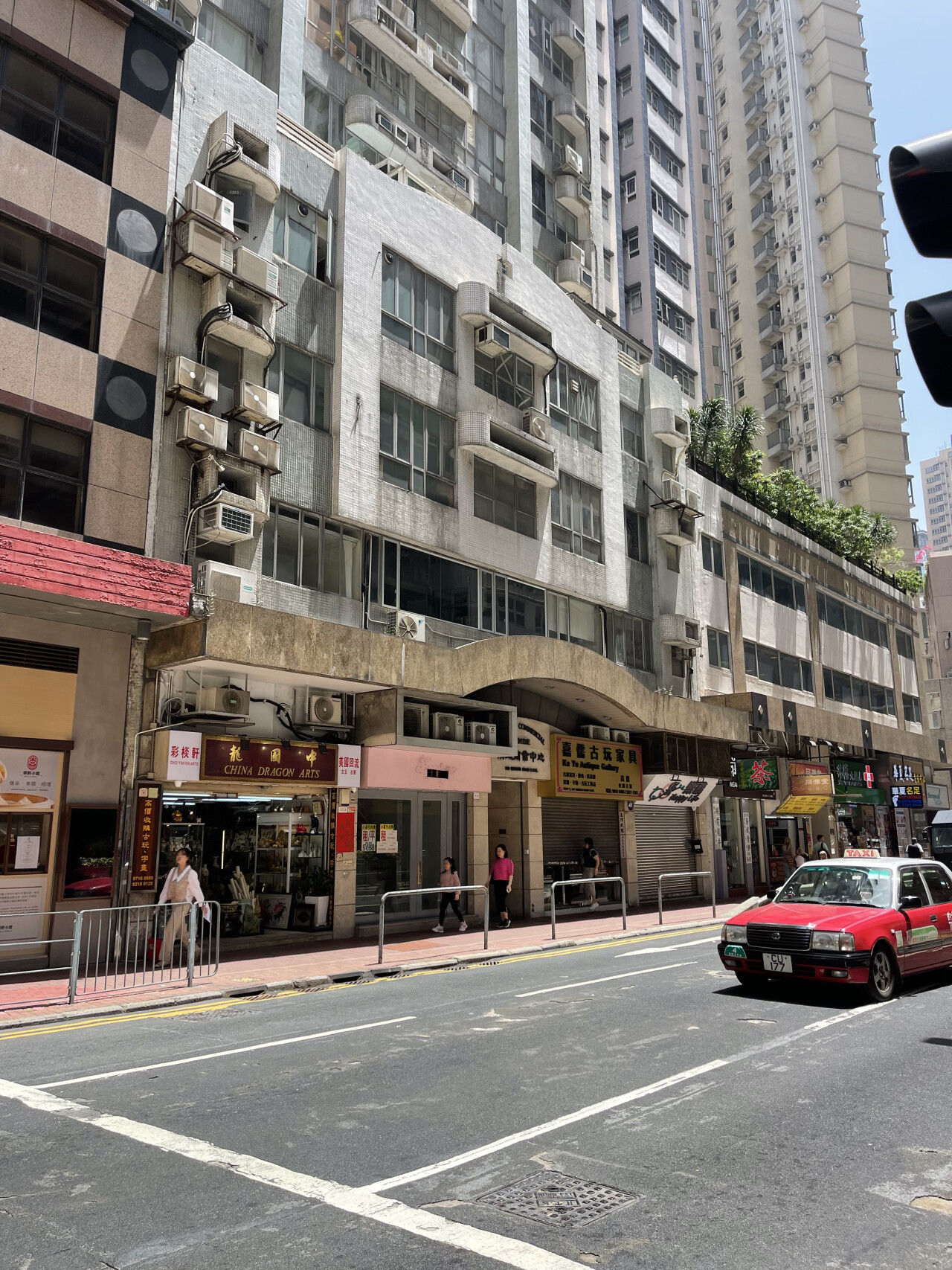
This article covers things to do for travellers arriving with just a backpack and a limited budget. Exploring the city on foot will be especially relevant for people who live in Bali and miss parks, well-kept public gardens and long urban walks.
The flight from Bali to Hong Kong takes around 5 hours, making it a great opportunity to briefly swap island life for the energy of a major metropolis.
For cheaper flights, it is best to book tickets in advance, at least 1-2 months ahead. The closer the date, the higher the price. If you book early, you may be able to keep the fare within 4.000.000 million IDR per person.
You can use the AirAsia app and pay in rupiah, or book through Trip.com and pay in dollars. These apps find the best-value tickets by date for flights around Asia. Scoot also often has inexpensive fares with a connection in Singapore. More comfortable flights are available with Hong Kong Airlines and Pacific Ocean.
Public transport and taxis
Hong Kong has one of the most convenient and well-organised public transport systems in Asia.
There are several ways to get from the international airport to the city centre. The fastest but more expensive option is the Airport Express, a modern train that takes you to Hong Kong Station in 24 minutes.
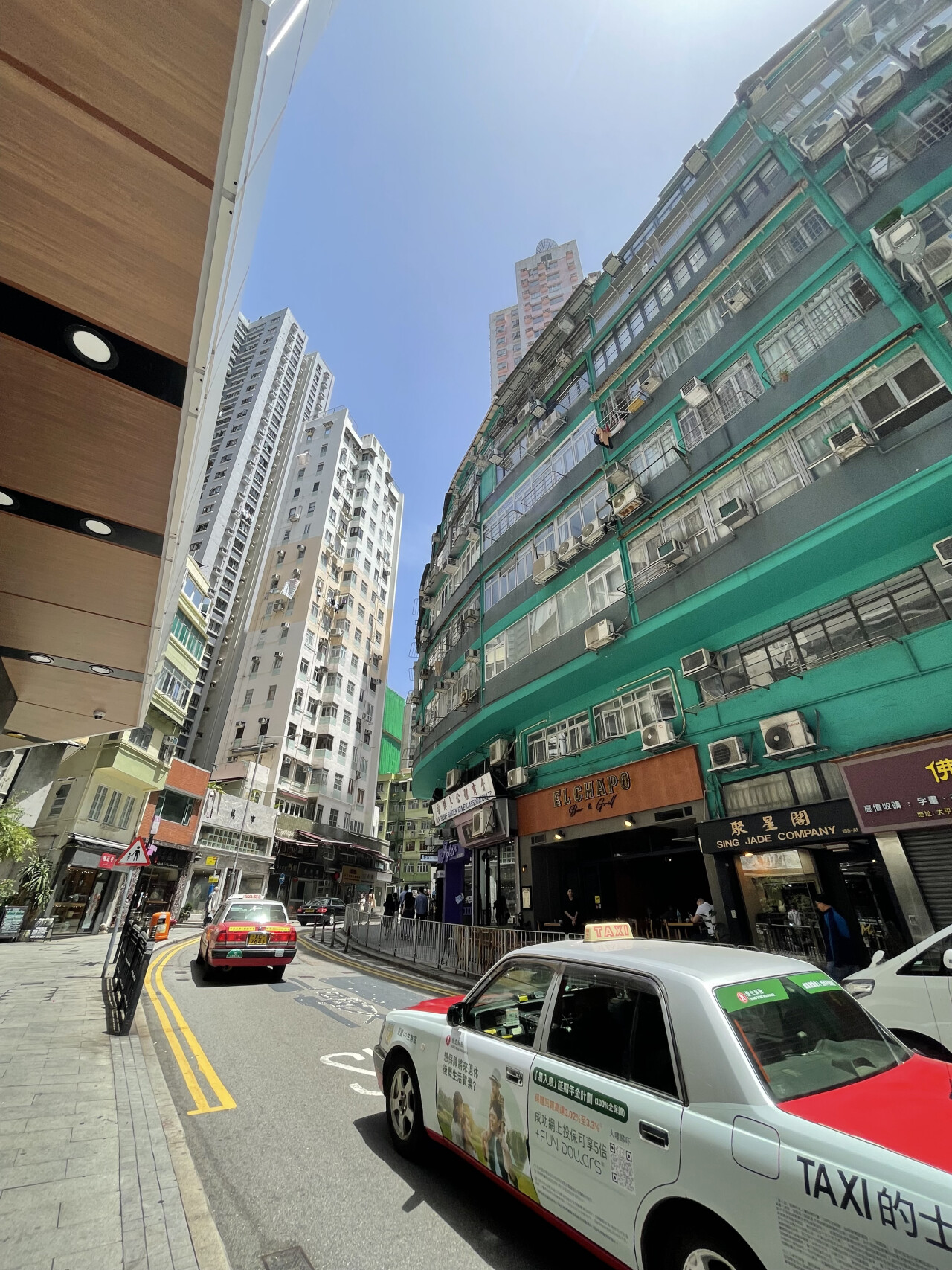
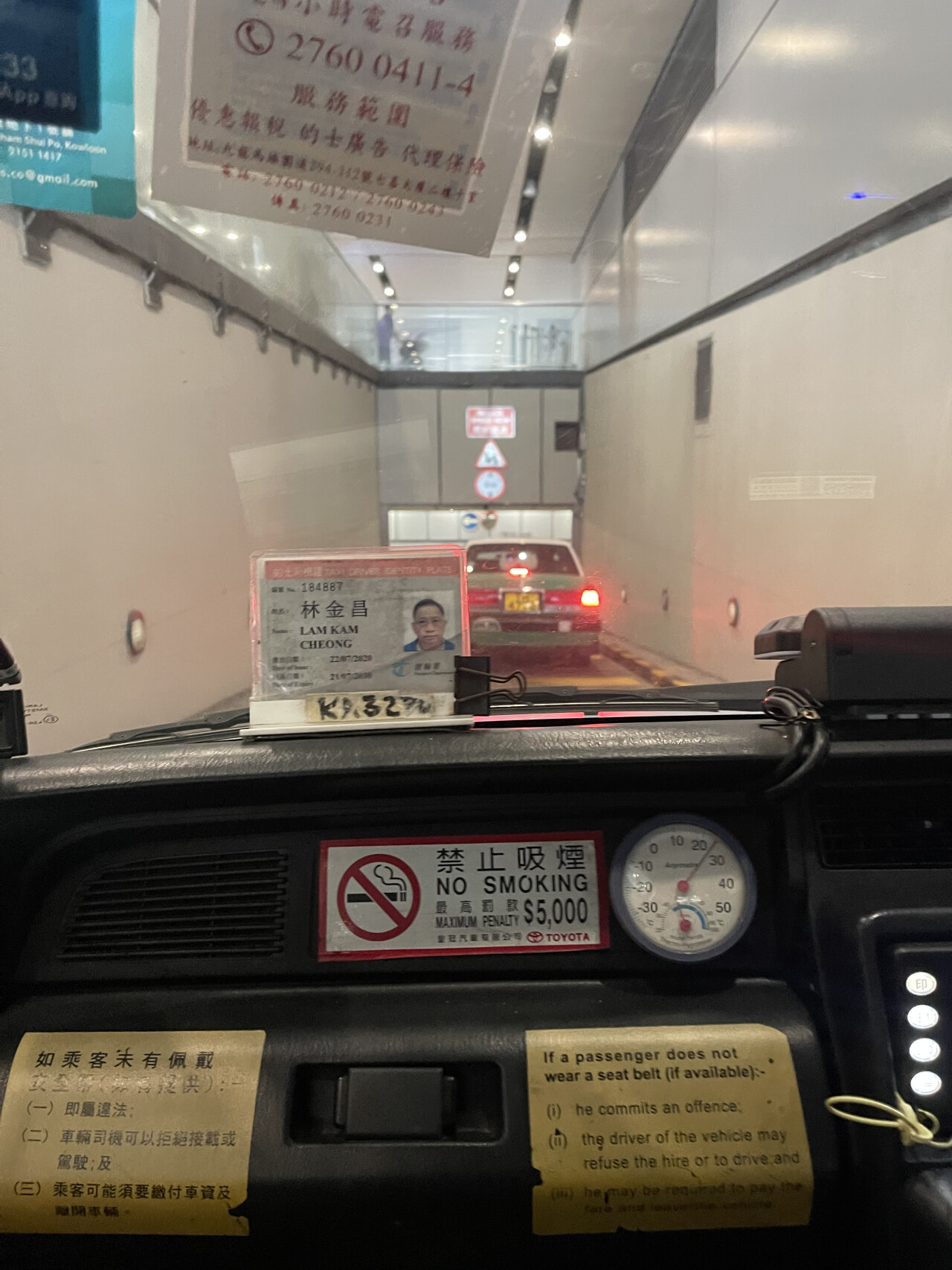
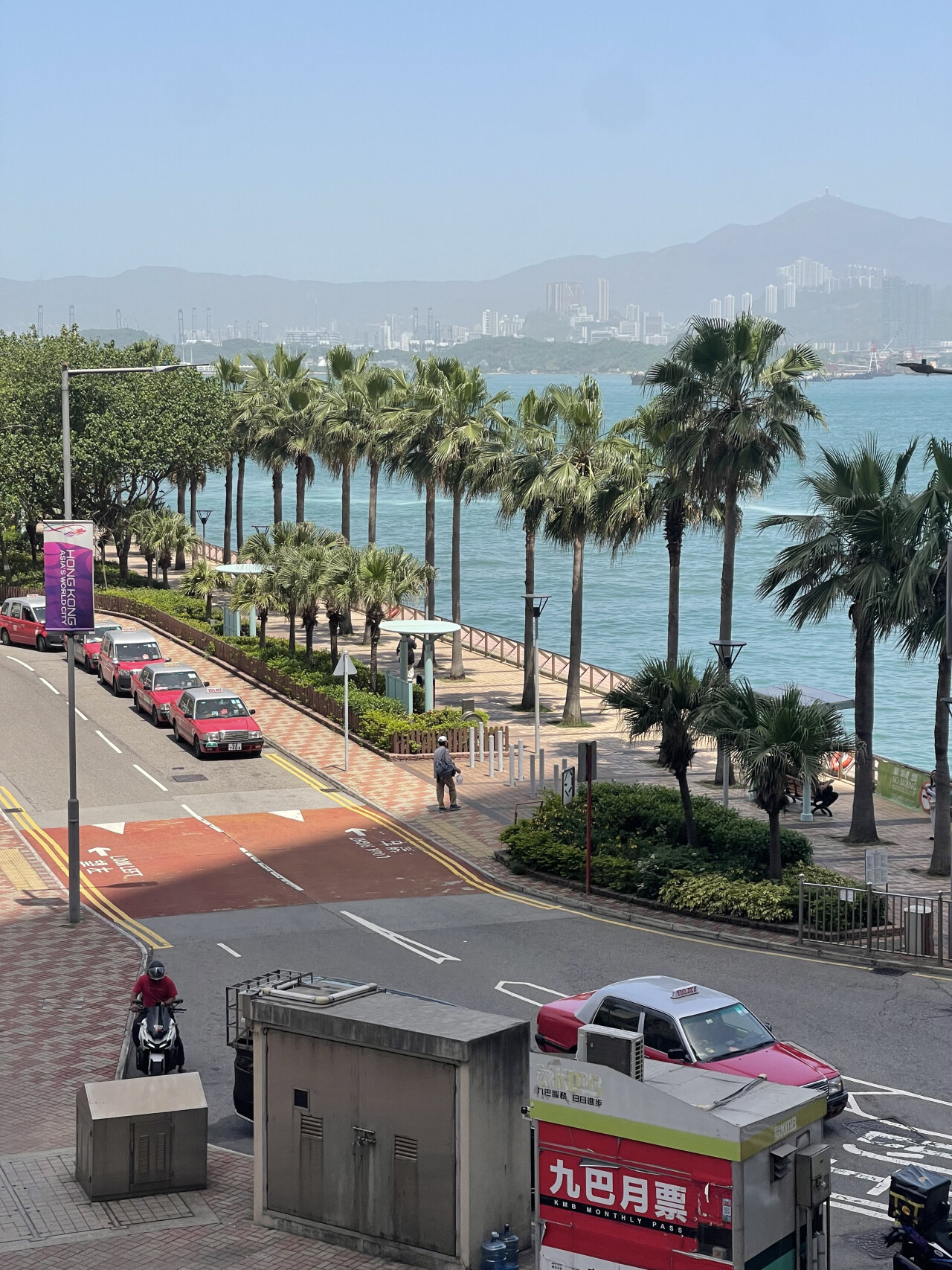
A one-way ticket costs around 115 HKD (approximately 15 USD). A more affordable option is the A21 bus to Kowloon, which costs 33 HKD (around 4 USD) and takes approximately an hour.
Regular city buses and green minibuses are also available, but they are easier to use once you know your way around.
The easiest ways to get around the city are the MTR, buses, trams and ferries. The MTR network covers almost every district and runs efficiently. Trams are a great and atmospheric way to explore the northern part of Hong Kong Island, with a fixed fare of just 3 HKD.
For convenience, you will definitely need an Octopus Card. You can buy one at the airport, at any MTR station or in a 7-Eleven supermarket. It works on all forms of transport and even in some shops and cafés.
The Octopus Card is a multi-purpose contactless card that makes getting around Hong Kong much easier. A standard card costs 150 HKD, including 100 HKD in spending credit and a refundable 50 HKD deposit. A small fee is deducted if you return the card after using it for less than 3 months.
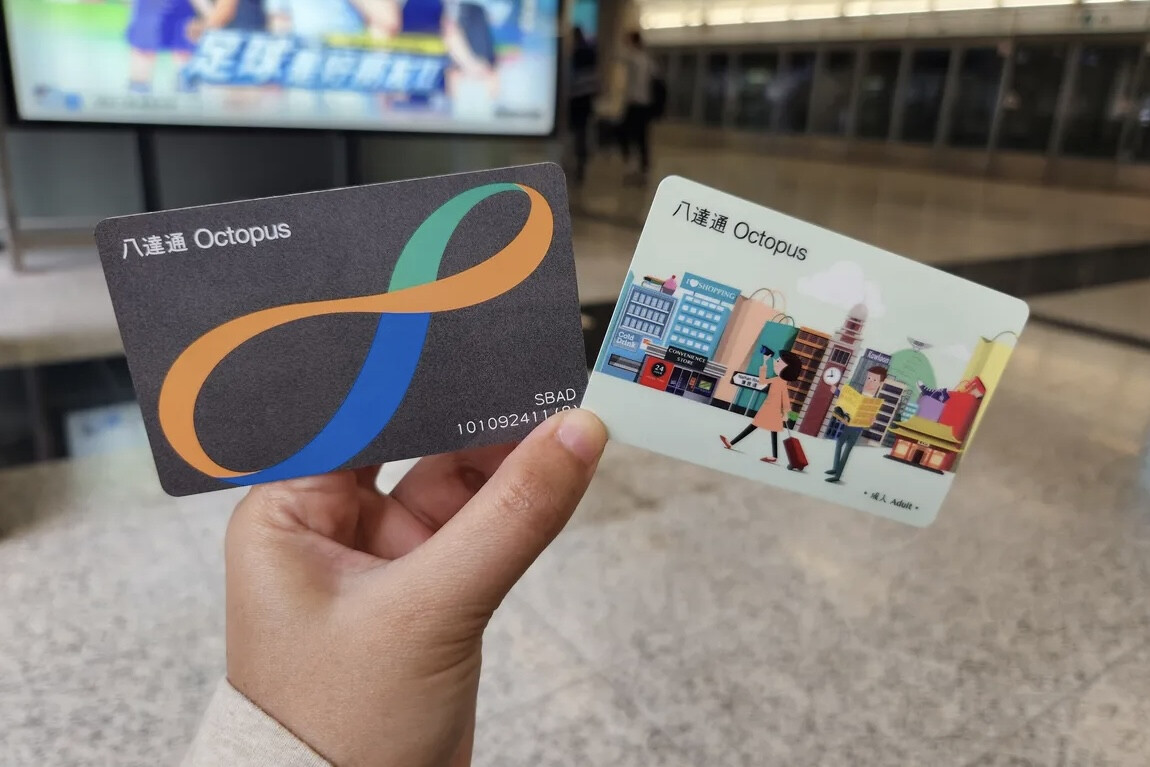
You can top up your Octopus Card at machines in MTR stations, supermarkets, 7-Eleven and Circle K shops, or through the mobile app if you have an NFC-enabled card.
You can use an Octopus Card to pay for almost everything: travel on the MTR, buses, trams and ferries, purchases in supermarkets and cafés, drinks from vending machines and even admission to some museums. It is convenient, quick and saves you from having to carry coins all the time.
Accommodation
Hong Kong consists of several districts:
- Central: The business district, with numerous attractions, shops and restaurants. Ideal for those who want to be at the heart of the action.
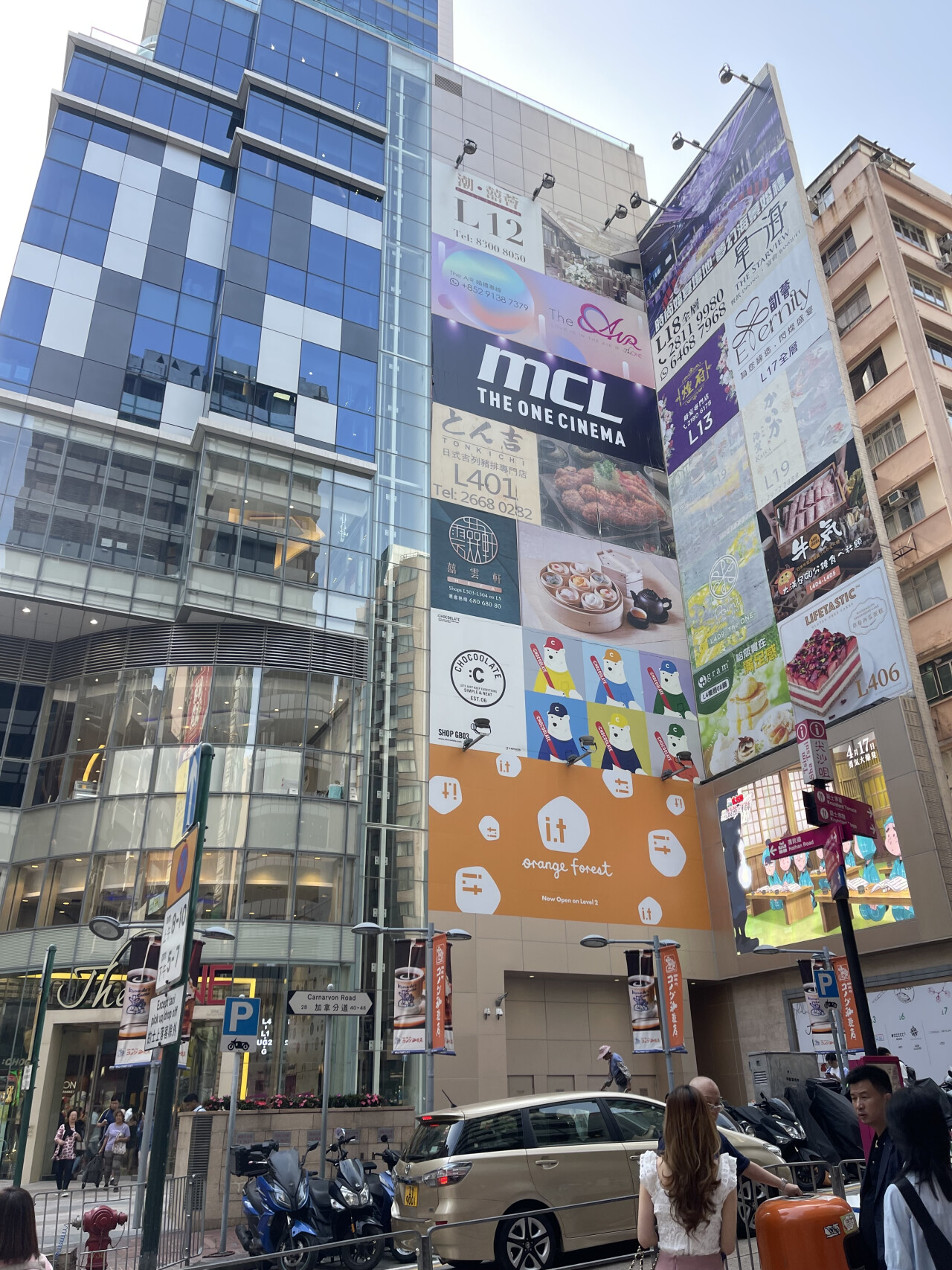
- Tsim Sha Tsui: Located in southern Kowloon, with magnificent views of Victoria Harbour and plenty of shops and restaurants.
- Mong Kok: One of the busiest districts, full of markets, shops and street food. A good choice for budget travellers.
- Wan Chai: A mix of historic buildings and modern skyscrapers. A great choice for those who want to experience local culture.
- Causeway Bay: A shopper’s paradise with numerous shopping centres and boutiques.
Accommodation in Hong Kong is considered some of the most expensive in the world. The city is extremely densely populated, with very little available land. As a result, even a small flat may cost as much as a full-sized home in other countries.
If you plan to stay for more than a month, renting a studio or one-bedroom flat for a month will cost approximately 2000 to 3000 US dollars (or 8000–16000 HKD), depending on the district. By comparison, that amount could get you an entire villa with a pool in Bali.
Hotels cost approximately 60 to 150$ per night. The cheapest options are mini-hotels, hostels and capsule rooms, available from 30–40 dollars per night, but conditions will be very basic, the rooms will be small and there may also be cockroaches.
Top budget hotels in Hong Kong
A modern hotel in a convenient location, offering excellent value for money. Price: 1.100.000 IDR.
Located in the busy Mong Kok district, with comfortable rooms at a reasonable price of around 1.000.000 IDR.
Located in Mid-Levels, with panoramic city views and convenient access to the main attractions. Price: around 800 000 IDR
A hotel with spacious rooms in a convenient location near an MTR station. Price: around 900 000 IDR.
Mid-range hotels
Located on Nathan Road, with modern rooms and a range of amenities. Price: around 1 500 000 IDR.
A stylish hotel in Tsim Sha Tsui with modern design and excellent service. Price: around 2 000 000 IDR.
Located in the green Sha Tin district, with modern rooms and a range of amenities. Price: around 1 600 000 IDR.
A stylish boutique hotel in the Southside district, with distinctive design and a cosy atmosphere. Price: around 1 300 000 IDR.
Coffee shops, bars and food
If you want to experience Hong Kong’s urban atmosphere while taking a break somewhere stylish, the city centre, particularly Central, Sheung Wan and Soho, has plenty of excellent coffee shops.
- The Cupping Room (Central) — a speciality coffee shop with perfect cappuccinos and a cosy atmosphere. It is one of Hong Kong’s best-known speciality coffee brands.
- Fineprint (Soho) — a popular expat spot that is great for both coffee and breakfast.
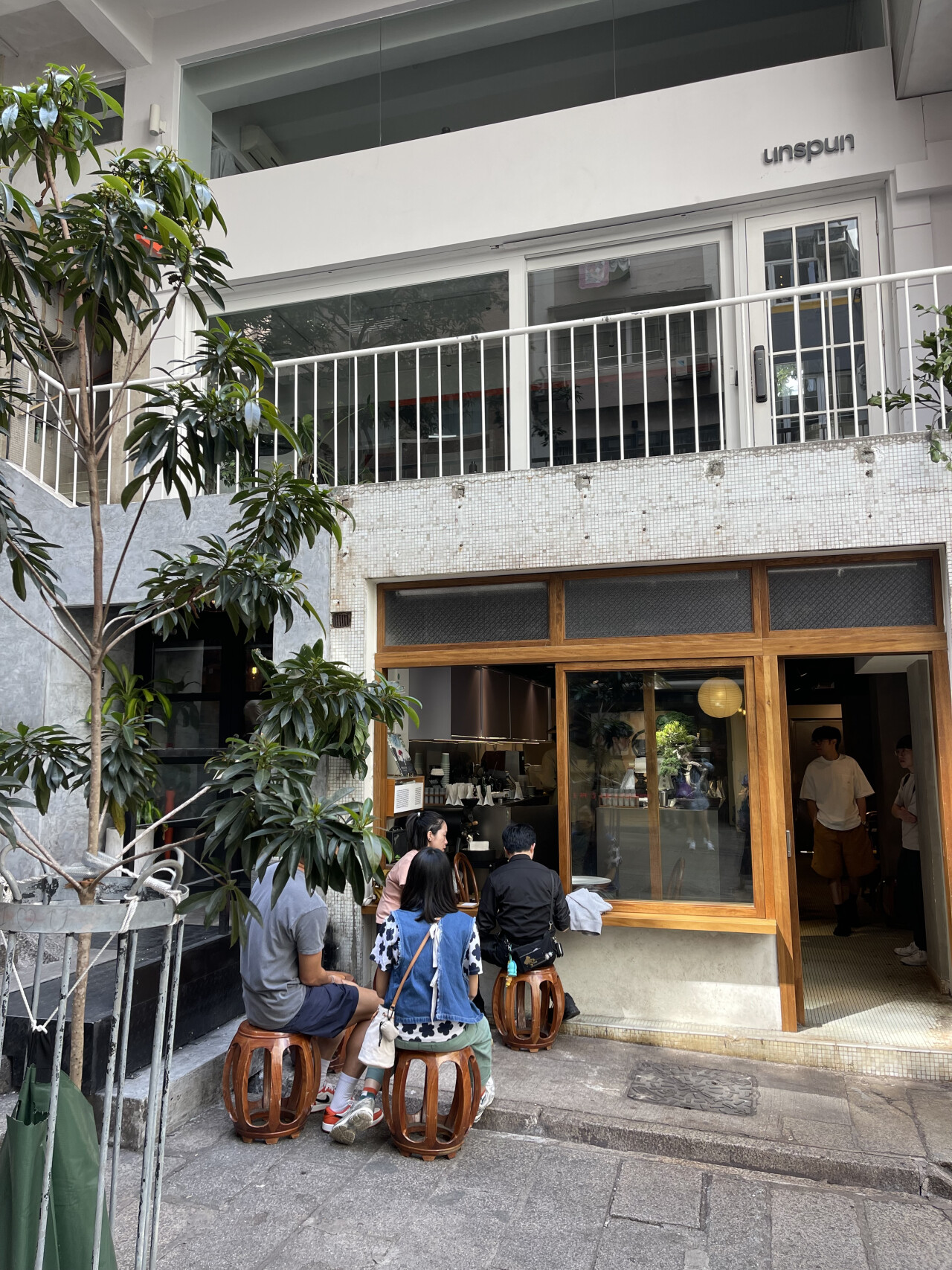
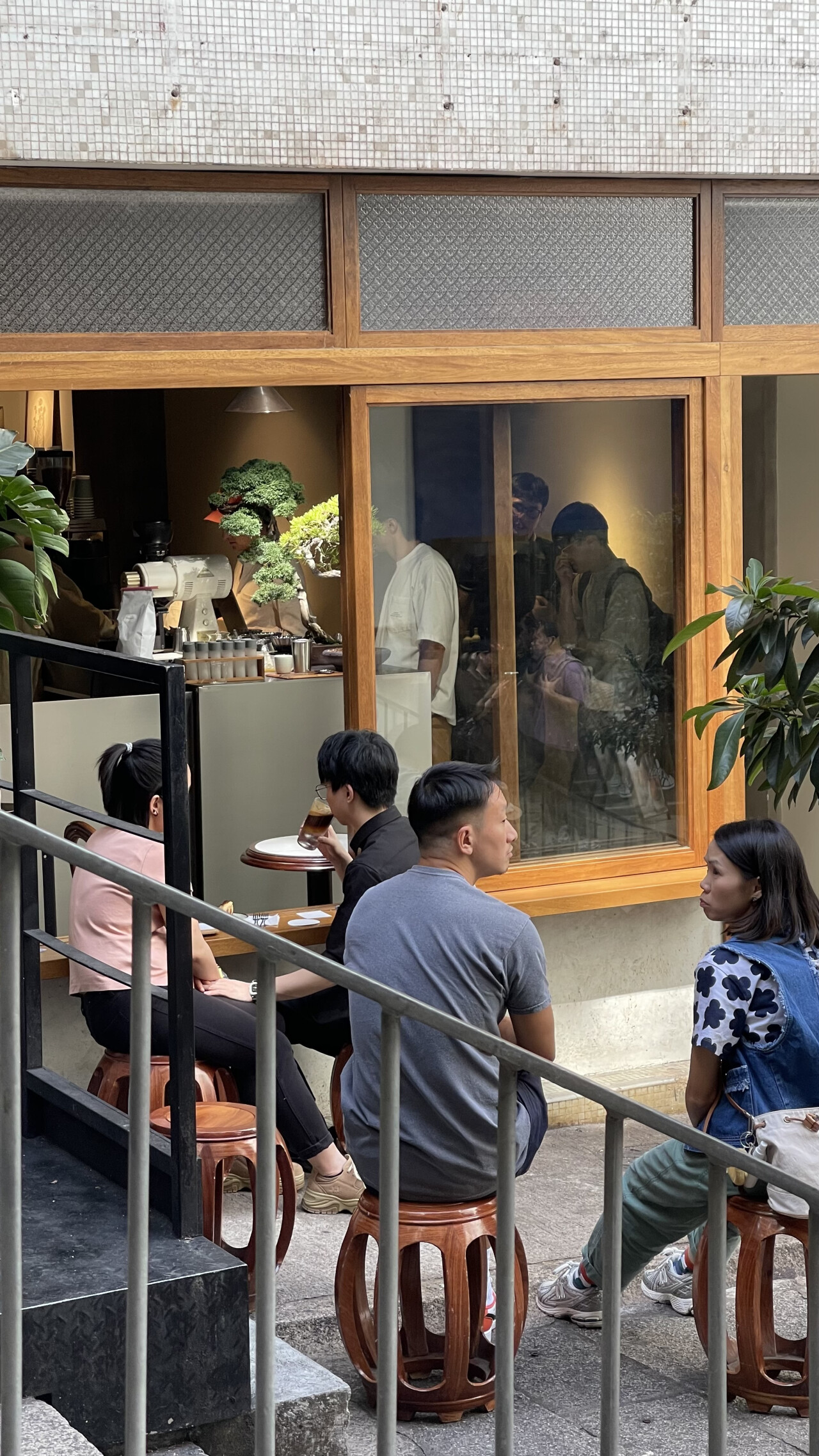
- En Coffee is a stylish, minimalist coffee shop in Sheung Wan that quickly became popular with locals and tourists. The café has a Japanese-inspired interior with clean lines, pale wood and a calm atmosphere. It serves speciality coffee, including filter coffee, lattes, flat whites and seasonal drinks.
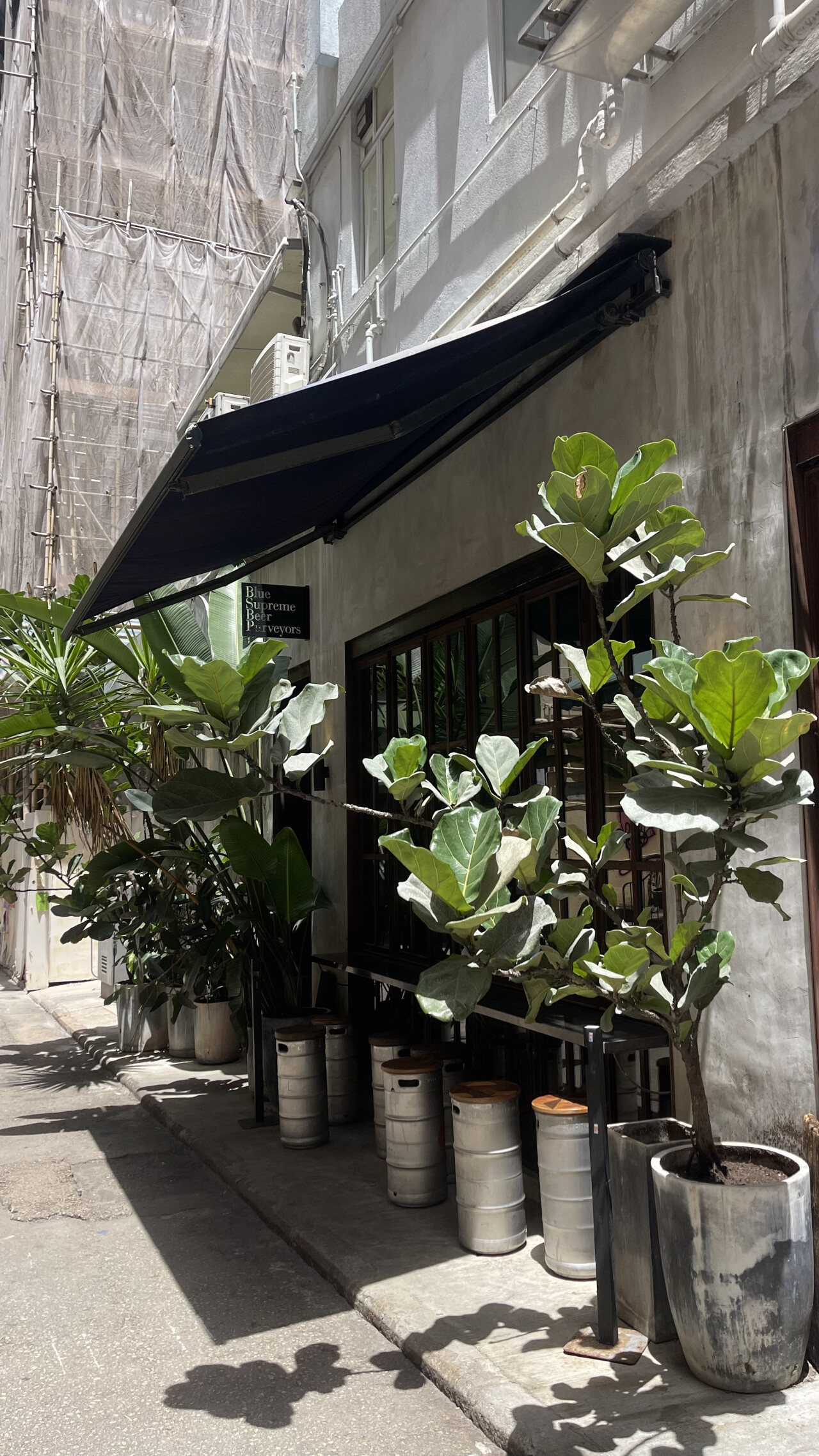
The street itself feels very authentic. In the evening, you will see people relaxing after work and meeting friends in the pubs opposite. You can sit on the steps as people do in Europe; the area is clean and has its own distinctive atmosphere.
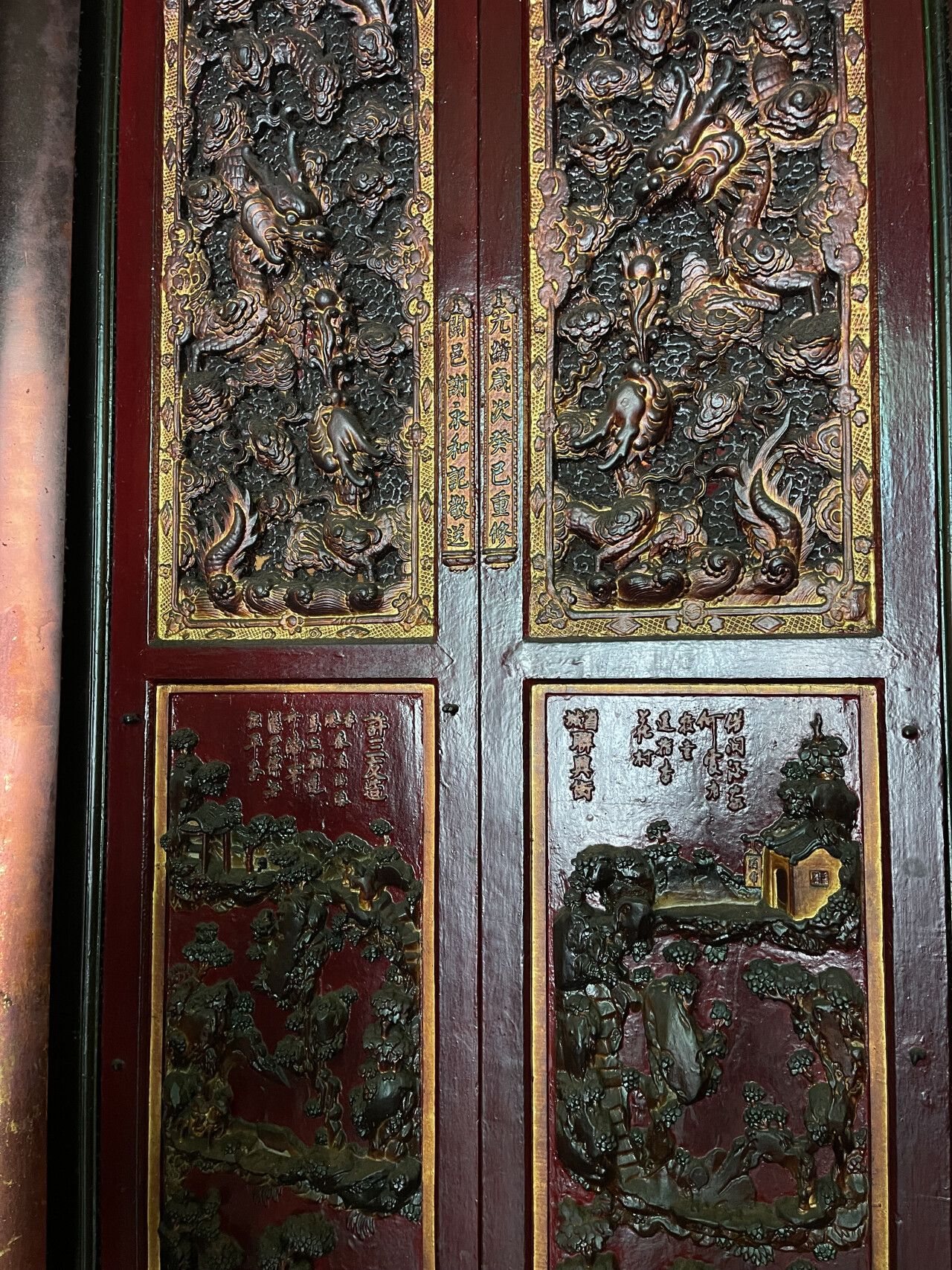
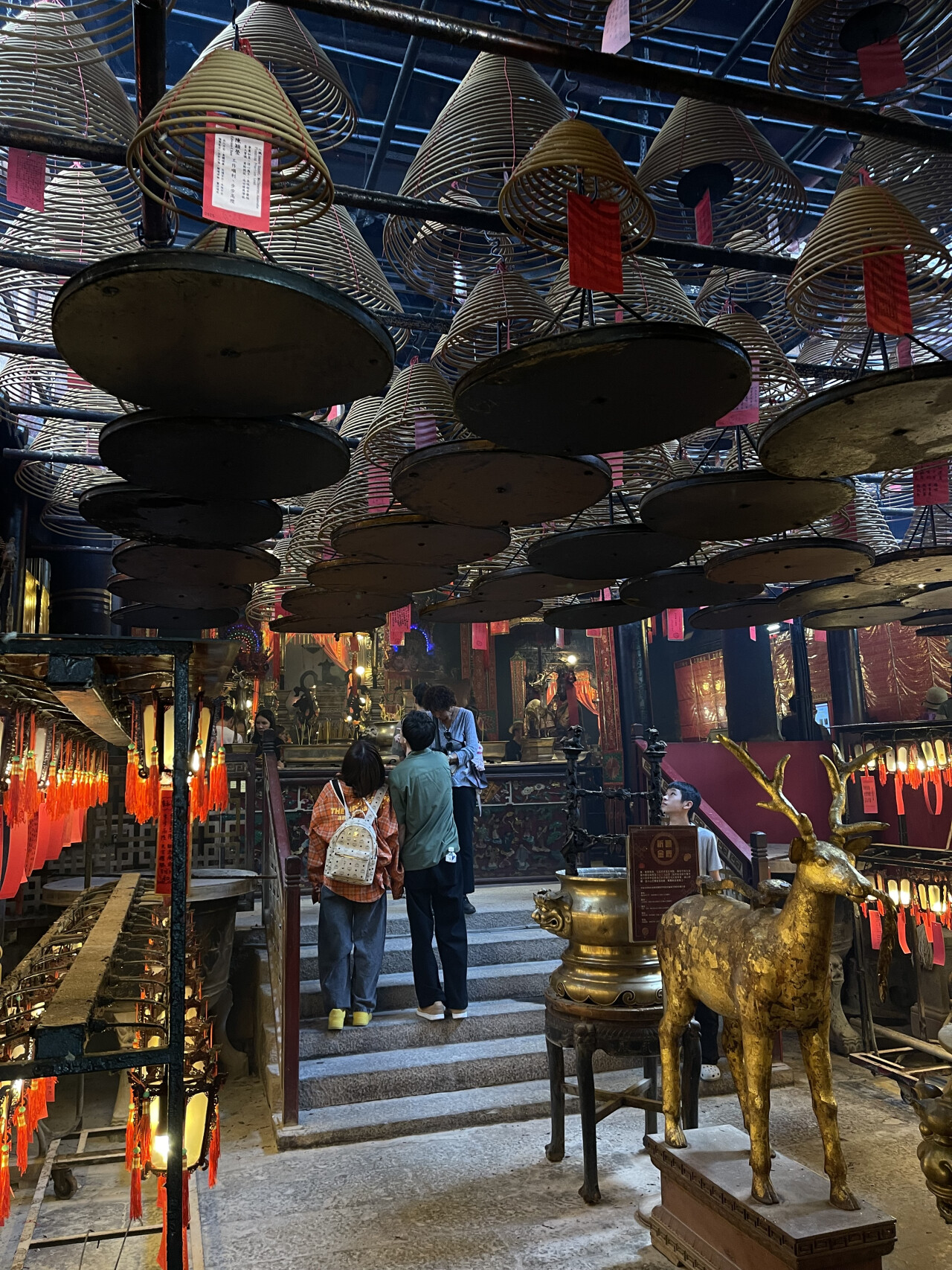
After coffee, you can visit a well-known Taoist temple in this part of the city: Man Mo Temple, one of Hong Kong’s oldest and most famous temples, located in Sheung Wan. It was built in the mid-nineteenth century and is dedicated to two Taoist deities.
Admission is free, and it is worth stopping by for at least 10–15 minutes to experience the traditional spirit of old Hong Kong among the modern skyscrapers. The temple is easy to include in a walking route through Central and Sheung Wan.
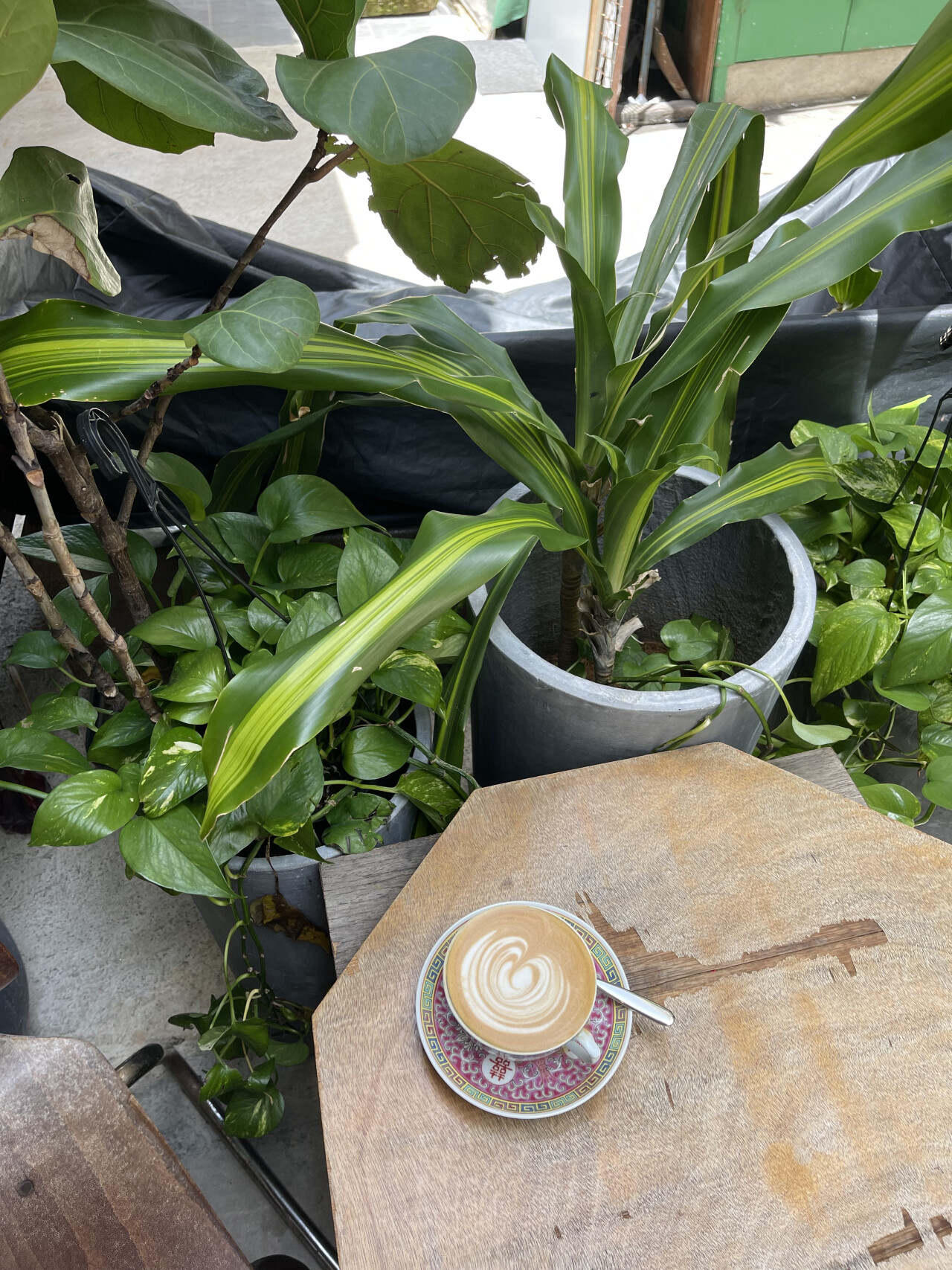
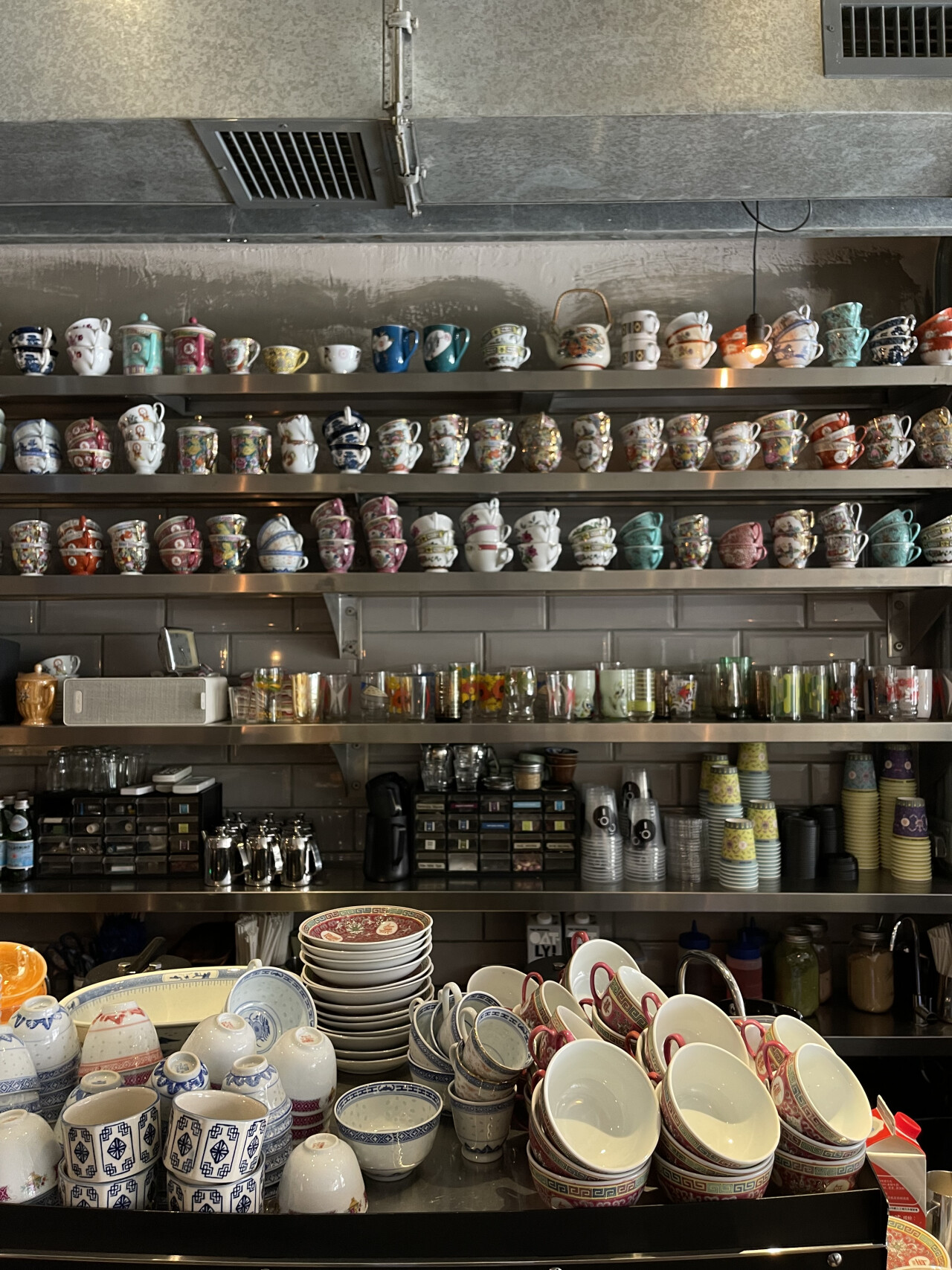
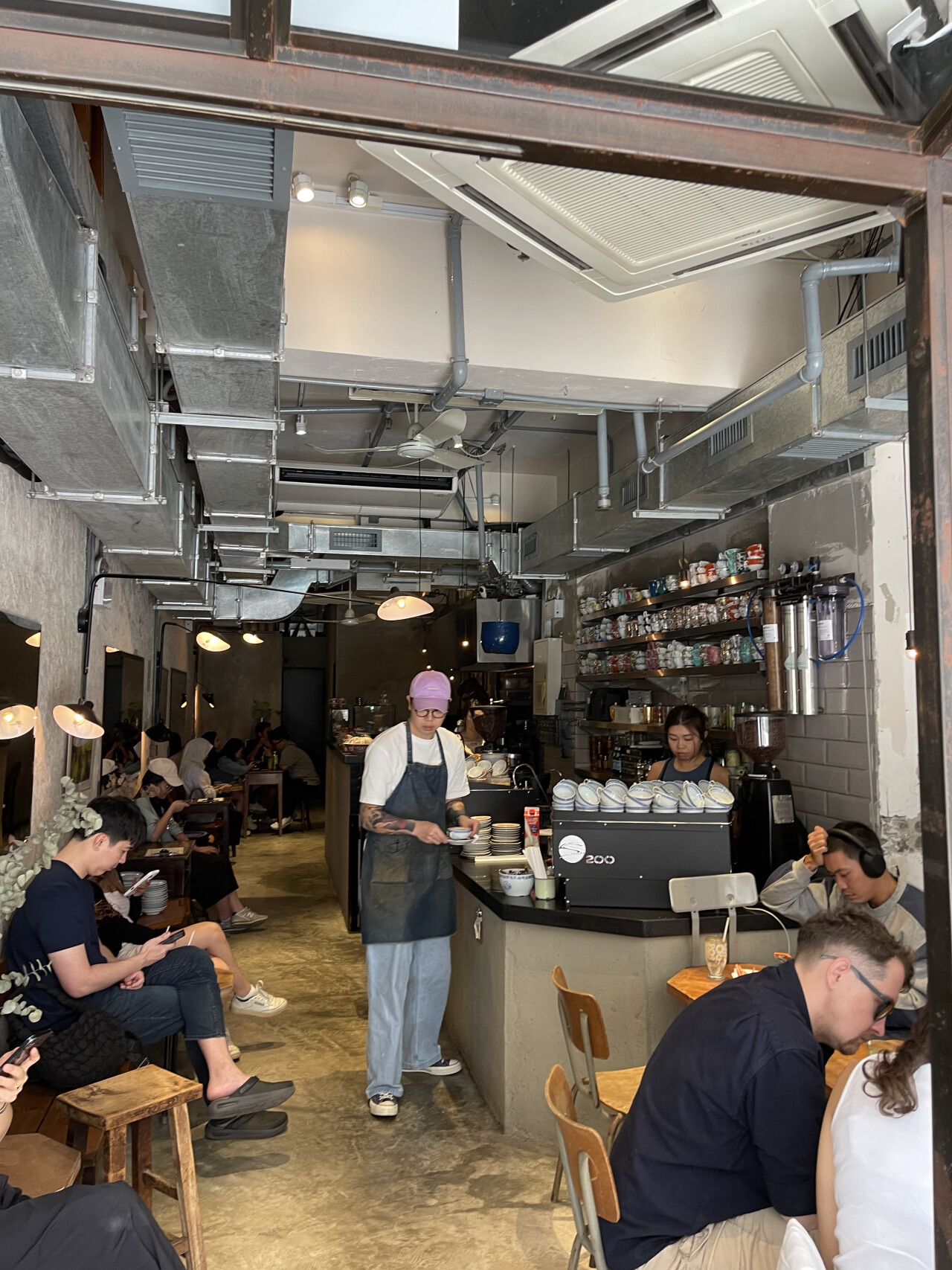
- Halfway Coffee (Sheung Wan) — a small but atmospheric vintage-style coffee shop that serves drinks beautifully in ceramic cups.
It also serves good, very tasty breakfasts and quality coffee.
Affordable cafés
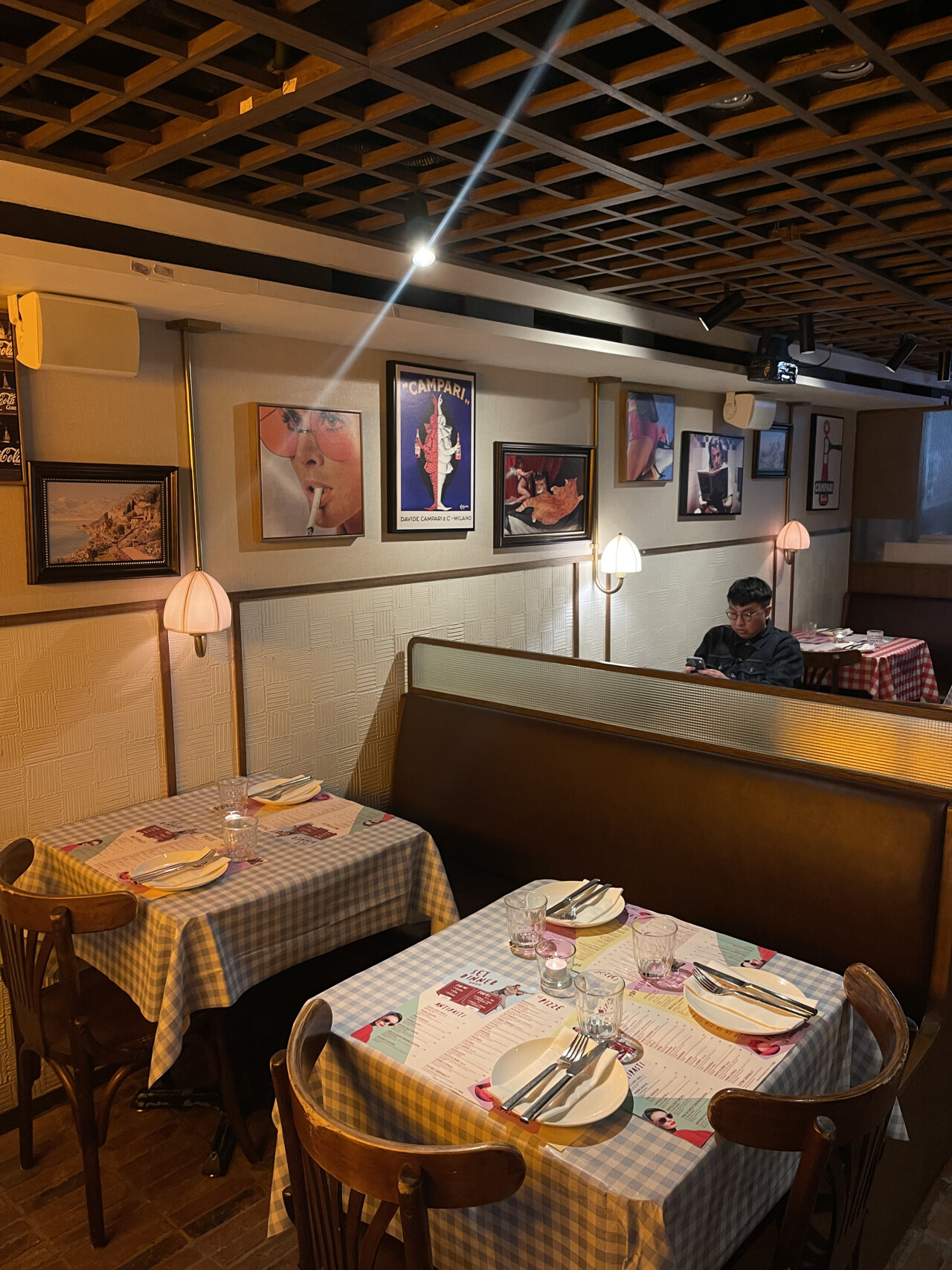
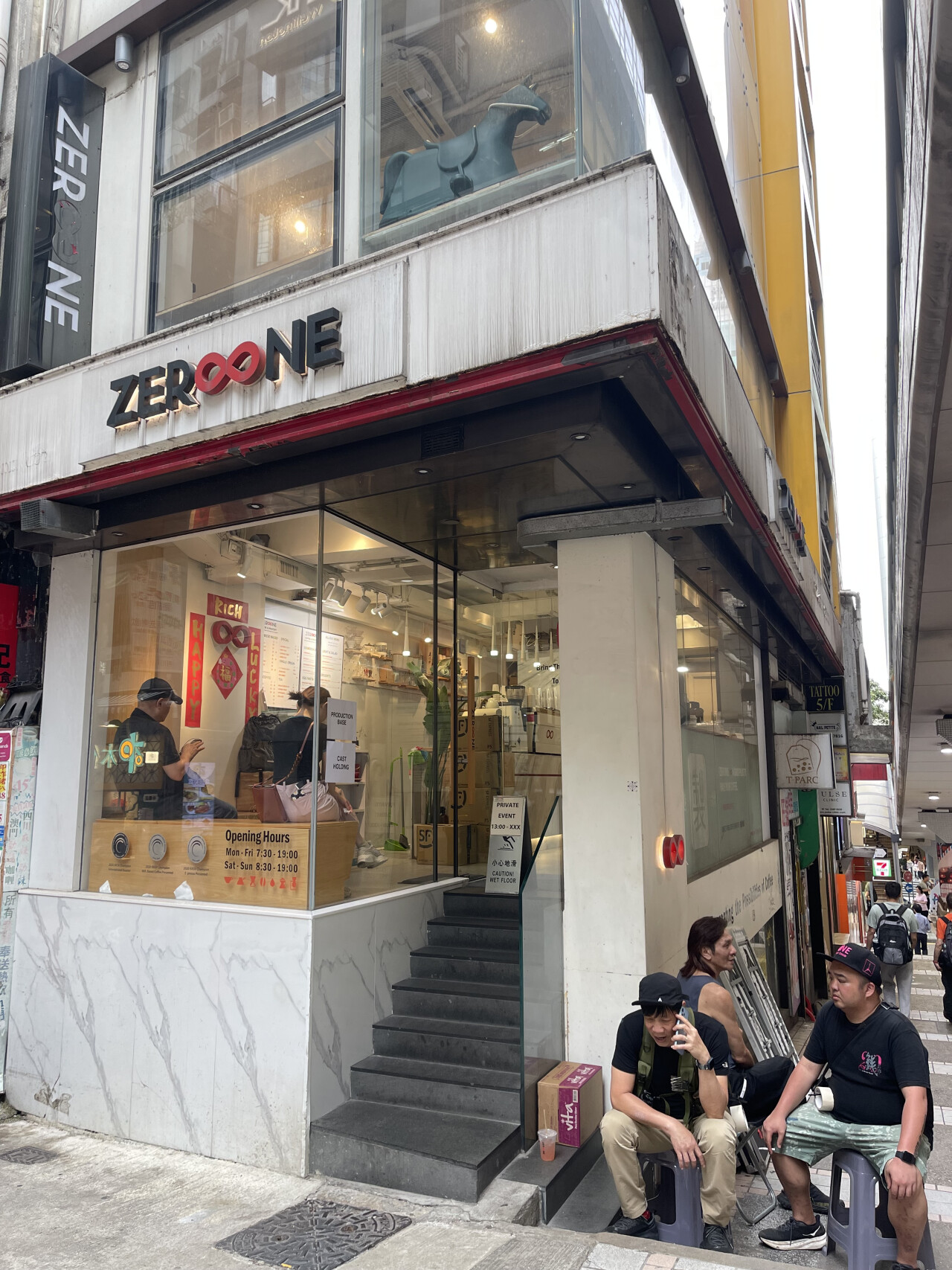
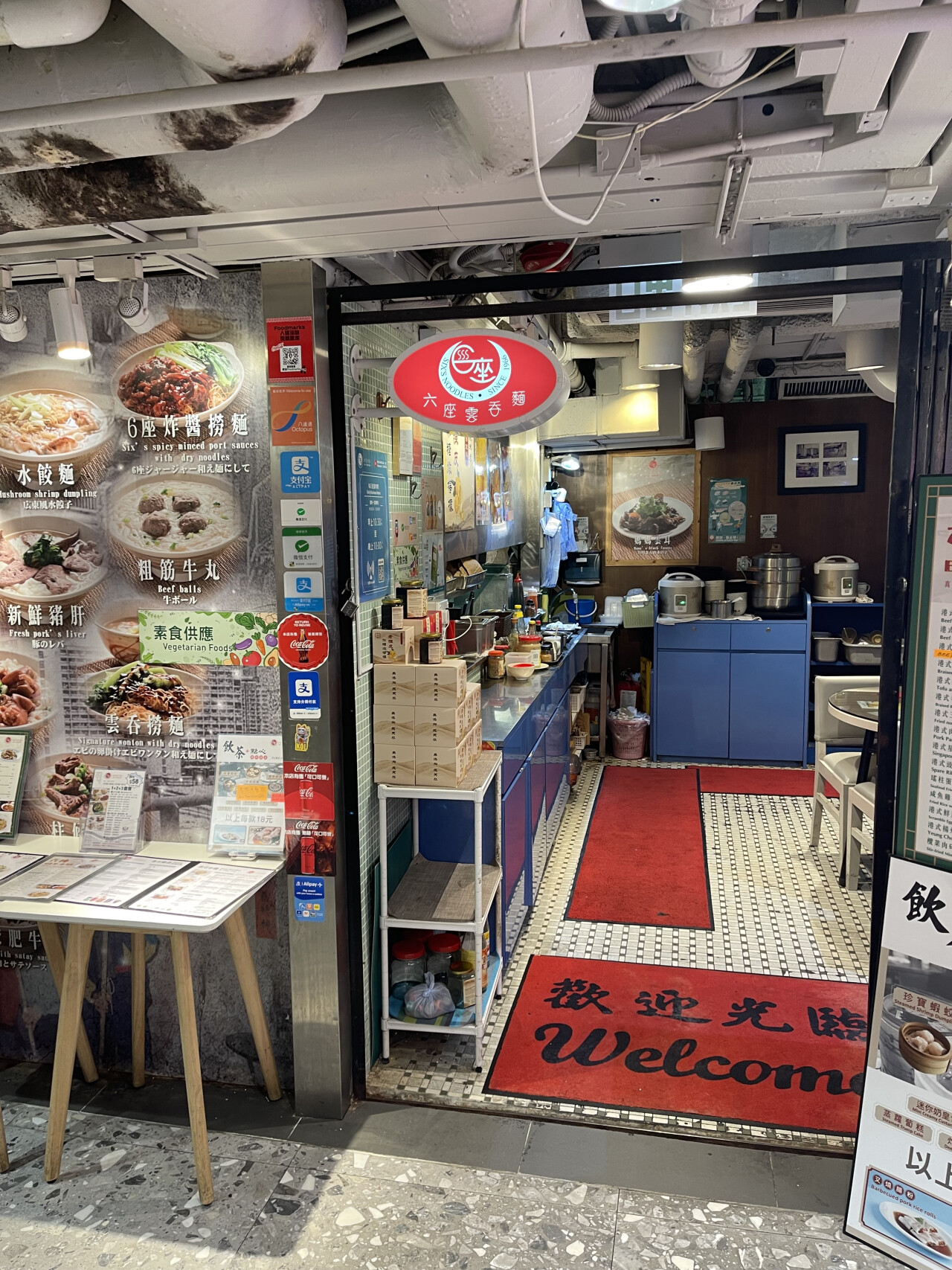
- Morty’s Delicatessen (Central) American classics: pastrami sandwiches, ribs, burgers and salads. Good value for money. Suitable for both lunch and a quick bite. Average bill: HK$80–120.
- Oolaa (Soho) A spacious café with a pleasant atmosphere. The menu includes pasta, soups, toast and breakfast dishes. Good-value lunch sets are often available. Average bill: HK$100–150.
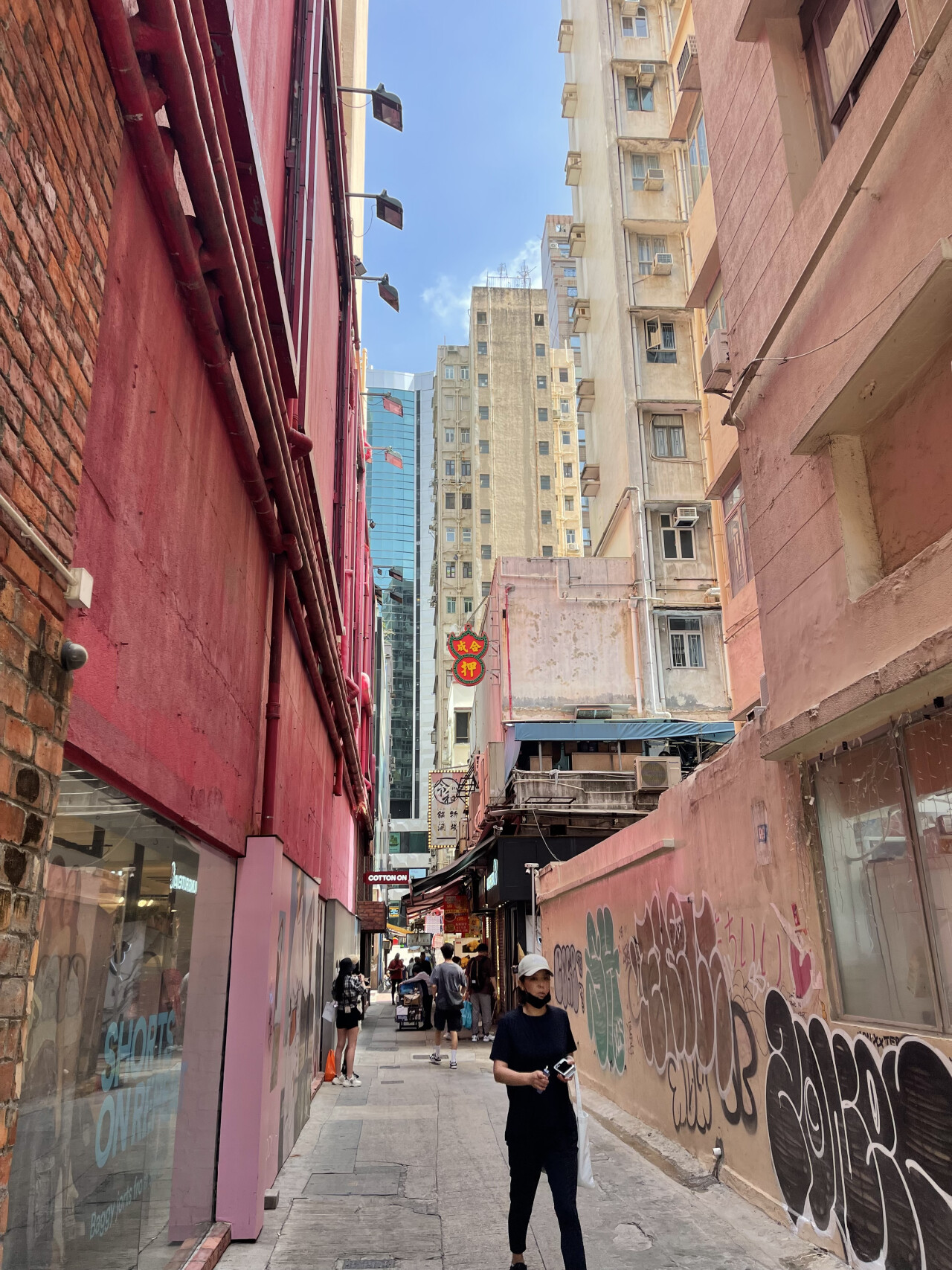
- Café Deadend (Sheung Wan) A cosy café in a quiet alley, popular with locals. Excellent coffee, toast, homemade pastries and salads. Average bill: HK$80–130.
- Le Pain Quotidien (Wan Chai) A Belgian chain with a European menu featuring soups, baguettes, salads, vegetarian dishes and vegan options. Comfortable seating and consistently good quality. Average bill: HK$90–140.
- Elephant Grounds (Sheung Wan) A modern café serving breakfasts, sandwiches, burgers and desserts. A great place for brunch. It also serves speciality coffee. Average bill: HK$90–150.
- Ebeneezer's Restaurant & Bar (Hollywood Road) A casual café combining European and Middle Eastern cuisine. The menu includes kebabs, pizza and salads. Suitable for a late dinner or a quick lunch. Average bill: HK$80–120.
Bars
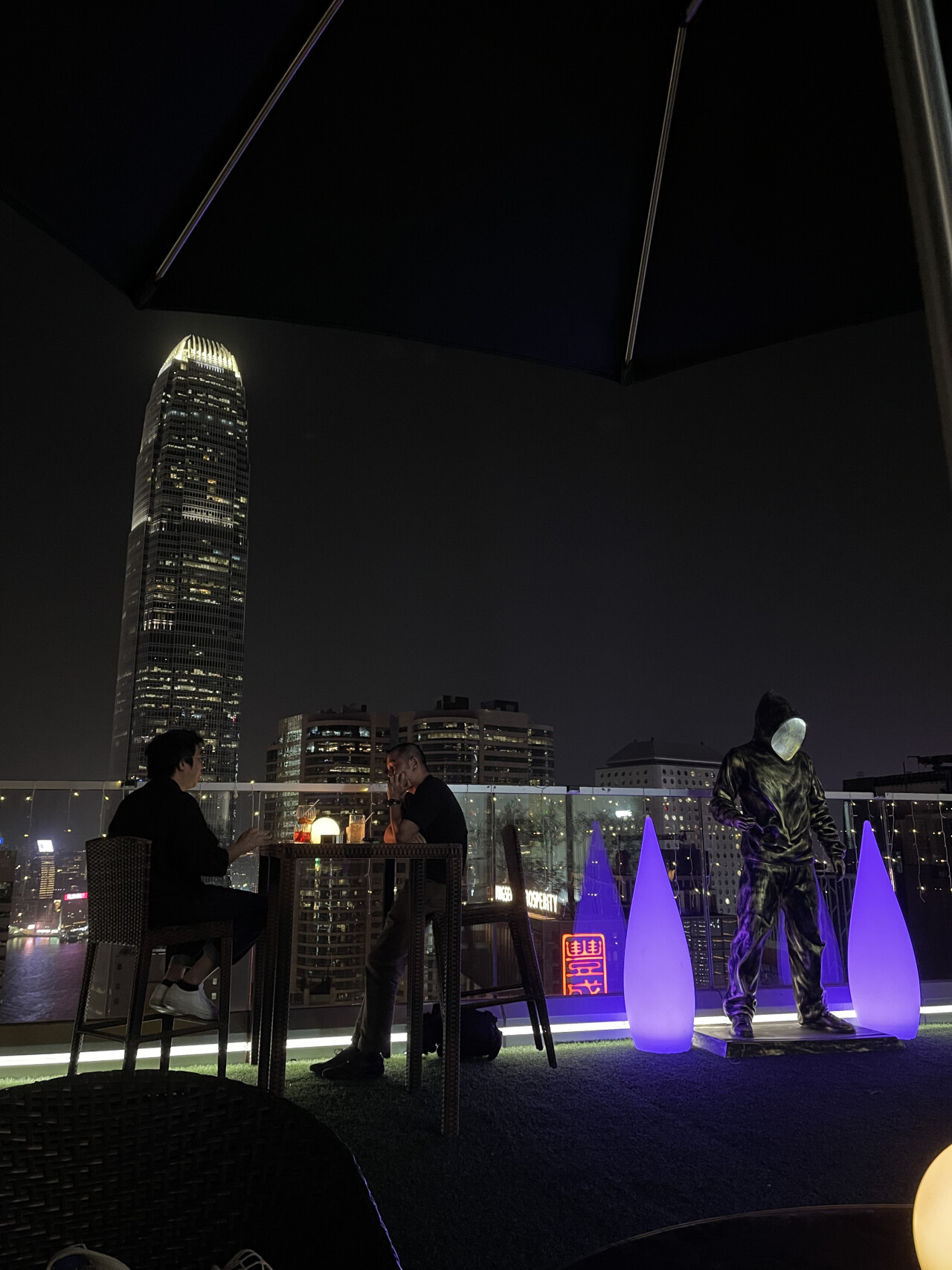
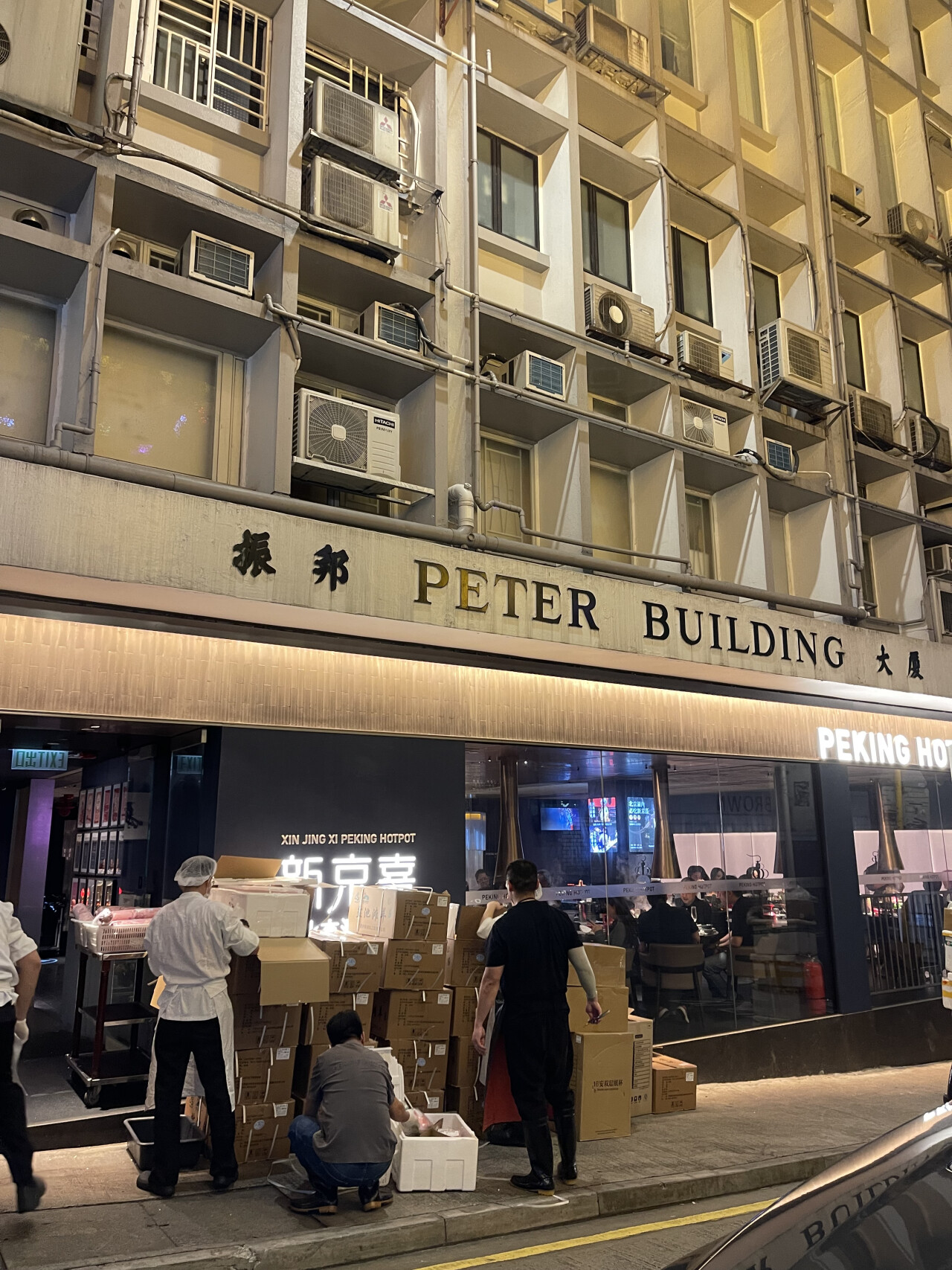
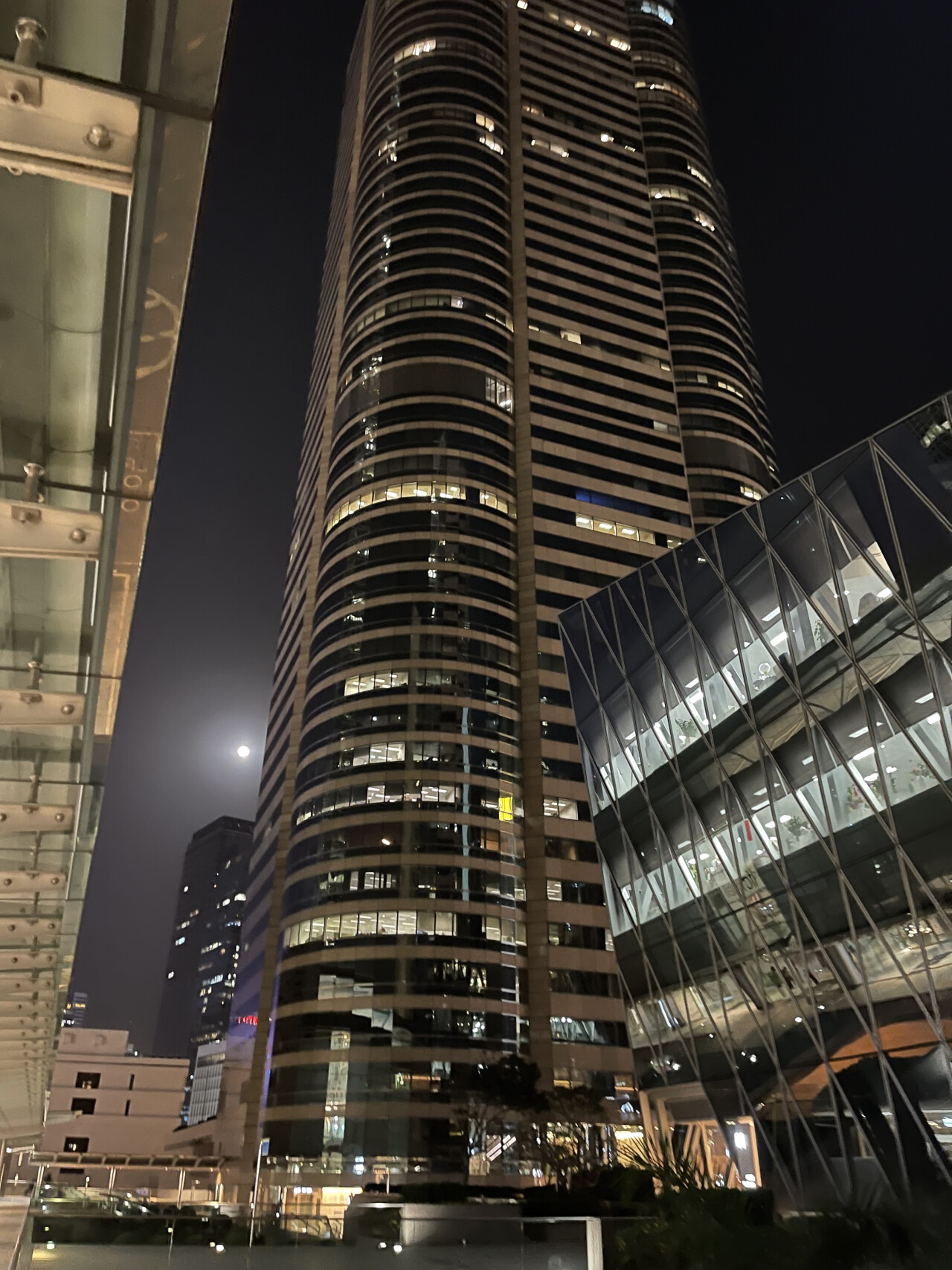
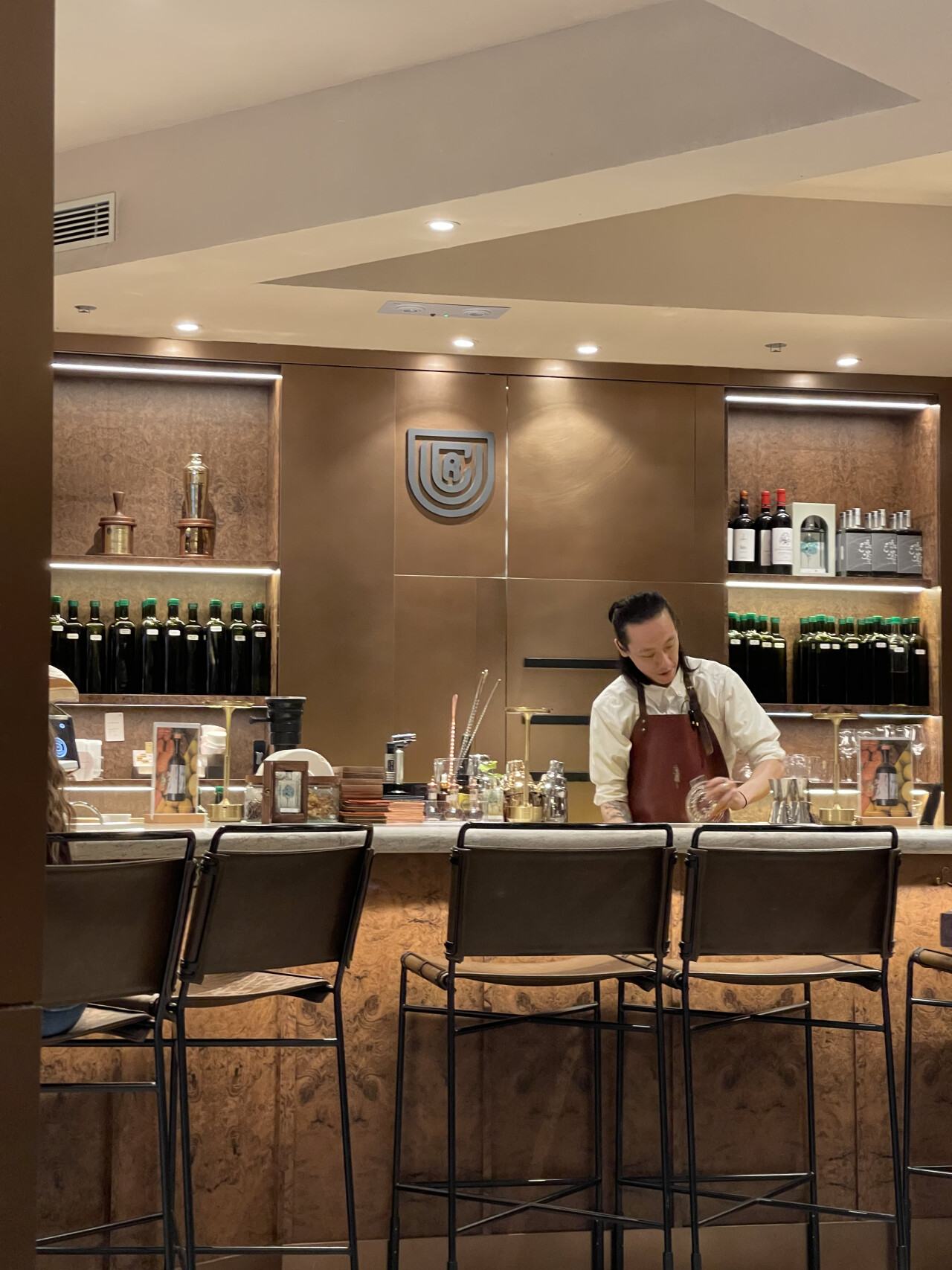
- Quinary (Central) — one of Asia’s top-rated bars, known for creative cocktails and a molecular approach.
- The Old Man (Soho) — an intimate, cosy Hemingway-inspired bar that has received numerous awards.
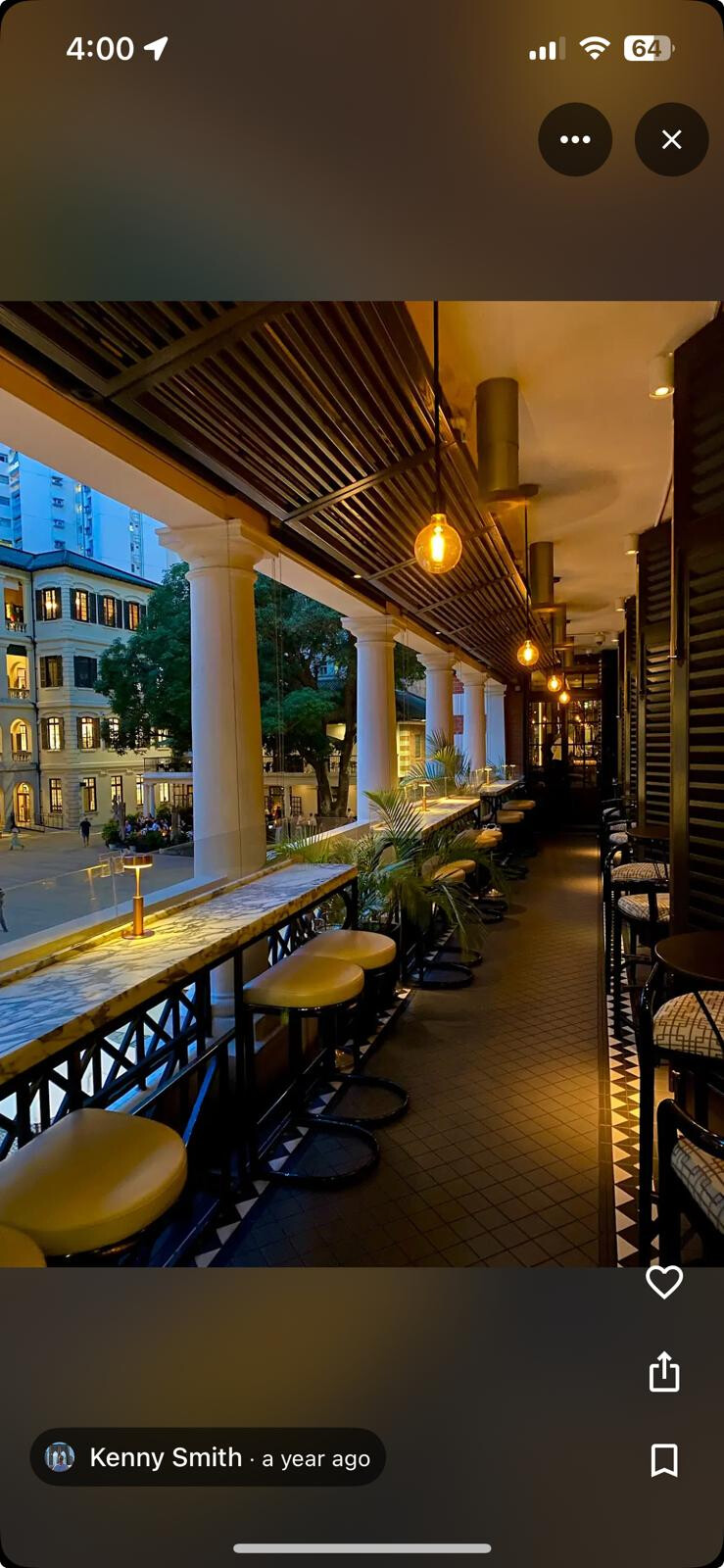
- Dragonfly (Tai Kwun, Central) — an atmospheric bar in an arts complex, with a striking Art Nouveau interior.
- DarkSide (Rosewood Hotel, Tsim Sha Tsui) — if you cross the harbour, you will find some of Hong Kong’s best cocktails here, served with harbour views.
Walking route through Central
1. Start at Central Pier 9
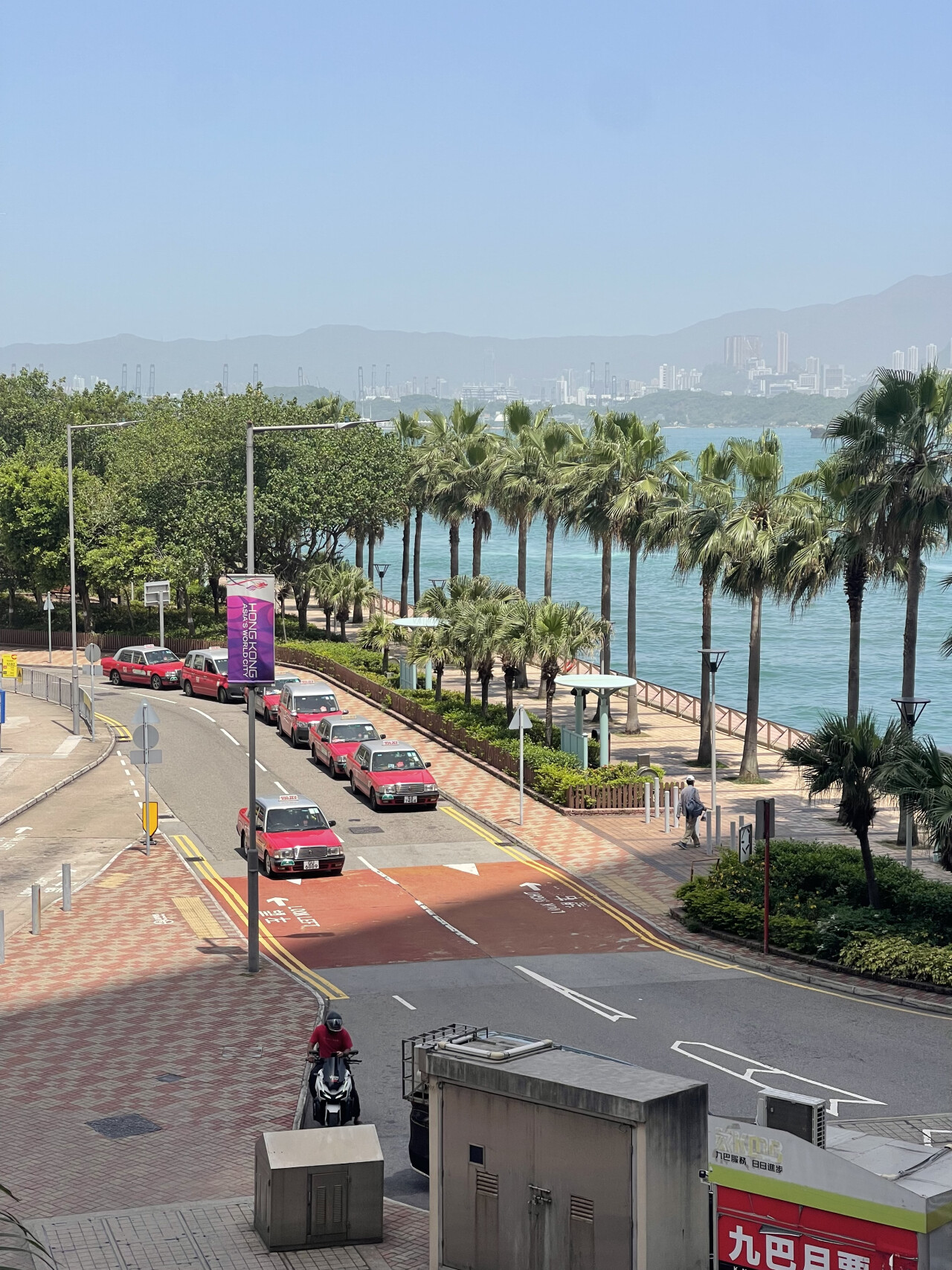
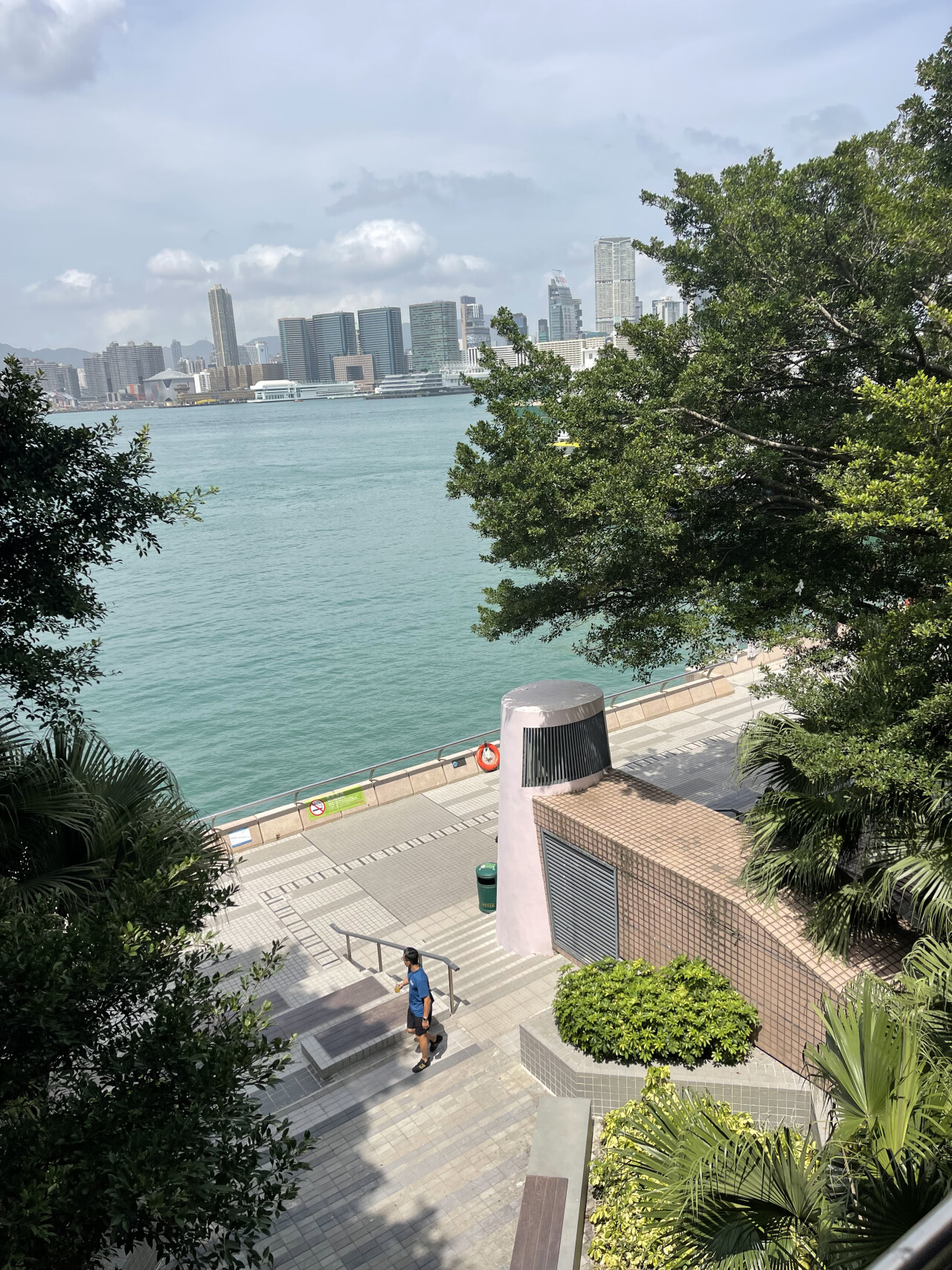
Walk along the waterfront and enjoy the harbour views. If you have time, take the legendary Star Ferry to Kowloon and back. It costs just HK$3–4 and the journey takes 7 minutes.
2. Head up to the Central-Mid-Levels Escalators
This is the world’s longest outdoor escalator system. On the way up, you can stop at the small galleries, coffee shops and shops along the route.
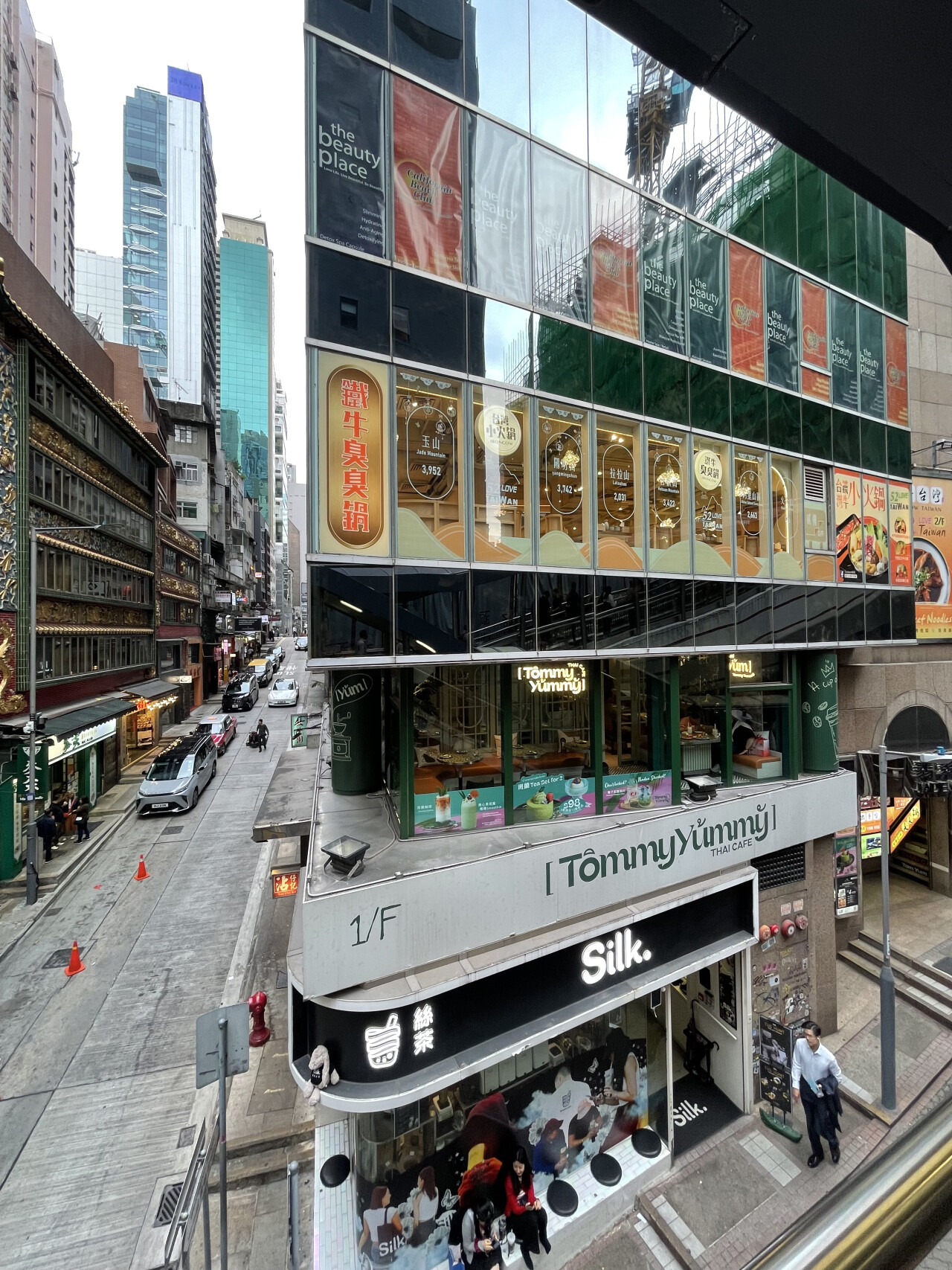
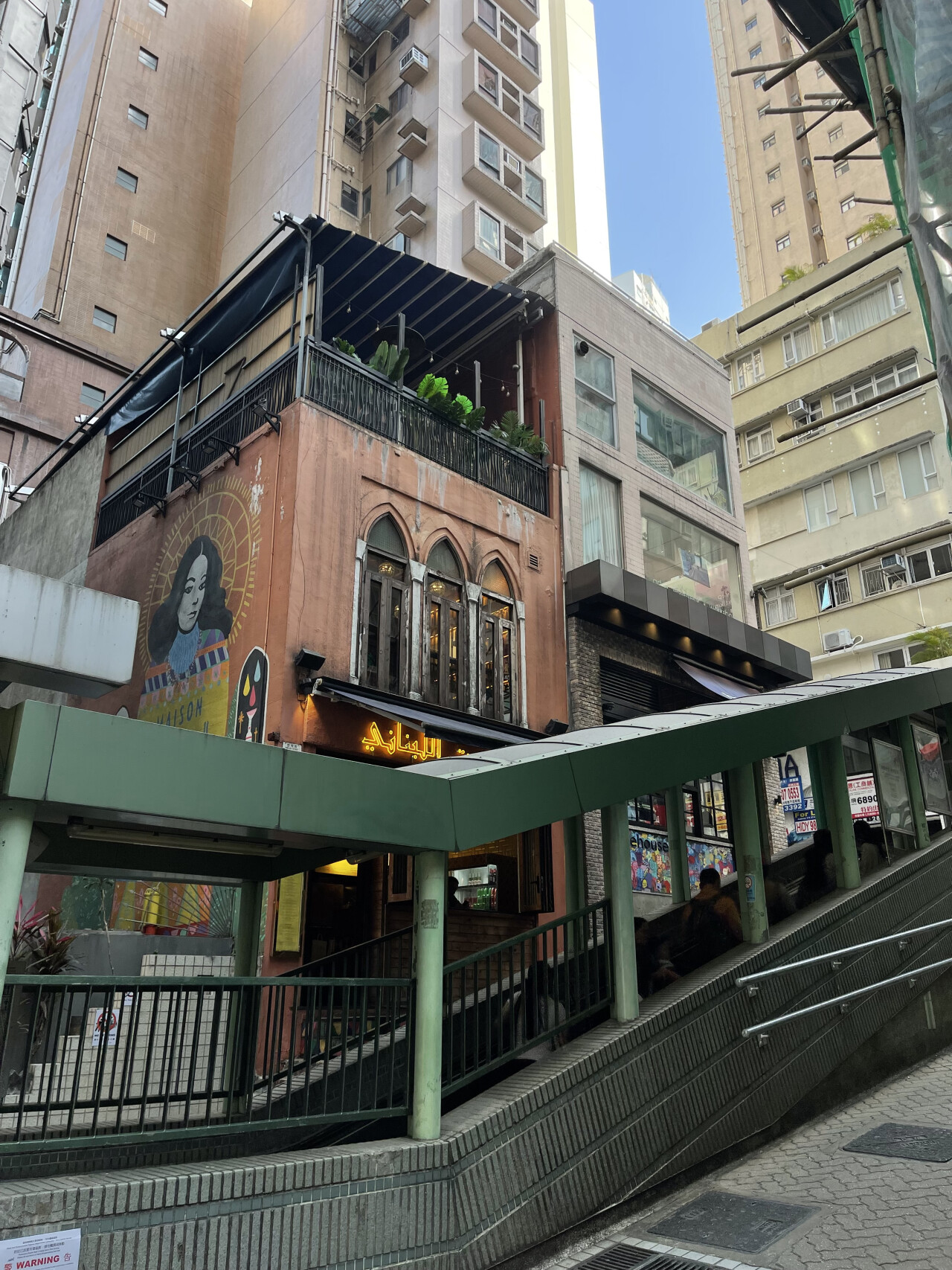
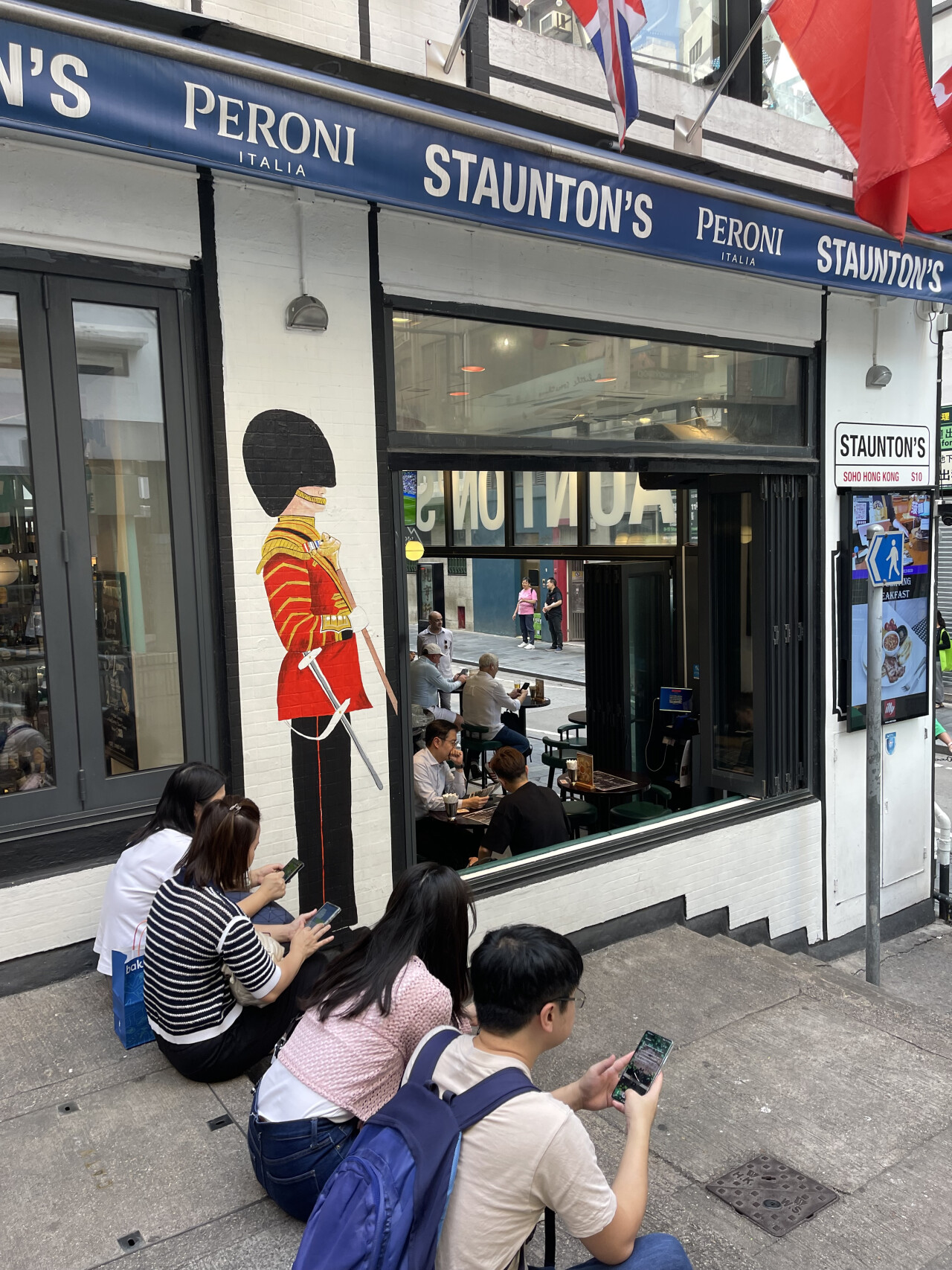
3. Visit Central Market. This restored Art Deco building houses cafés, craft shops and exhibitions. It is a great place for coffee or souvenir shopping.
And make sure you try a Hong Kong waffle! It is delicious. In the past, they were not made with such a wide range of fillings, but today you can choose whichever one you like.
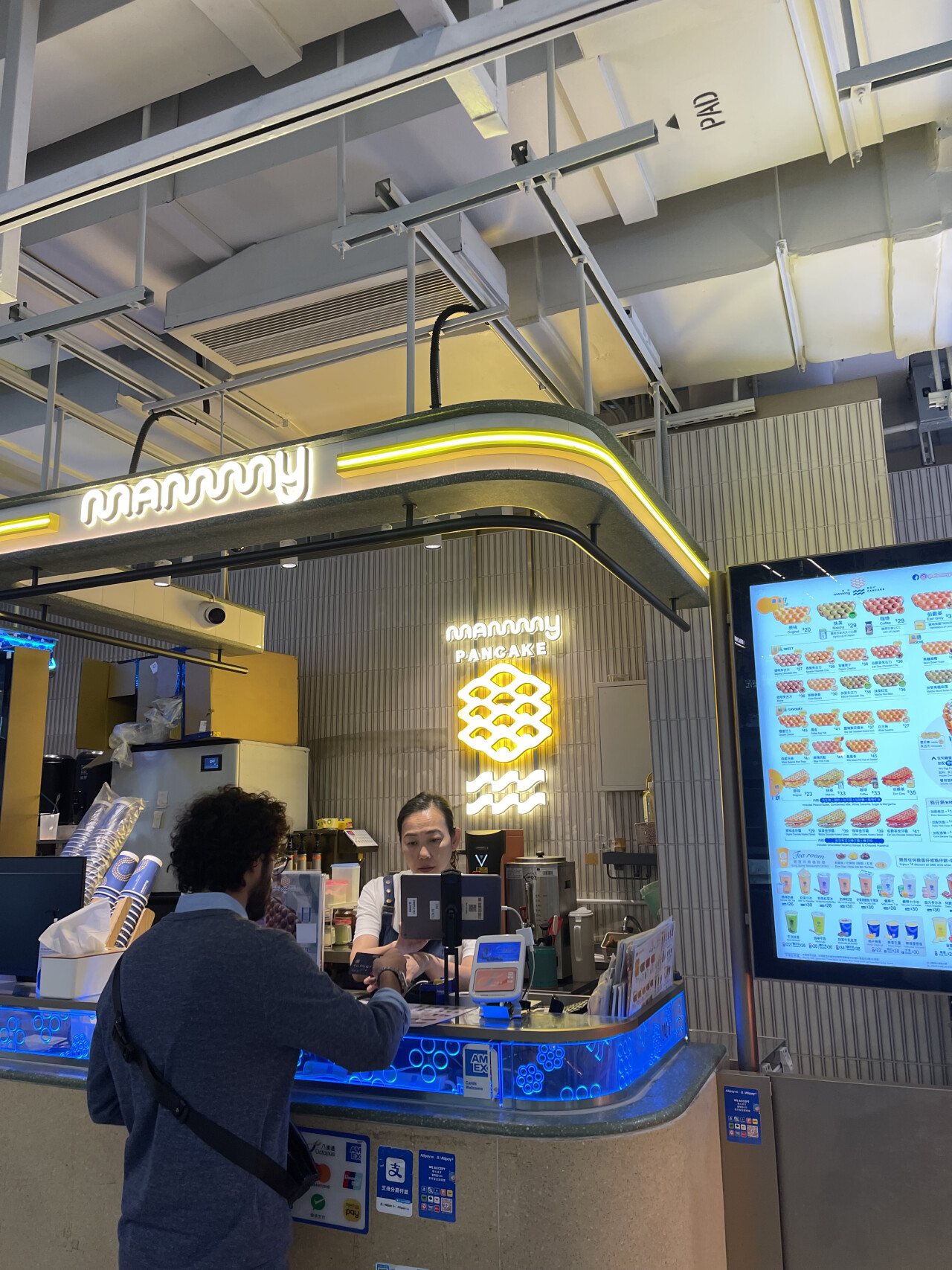
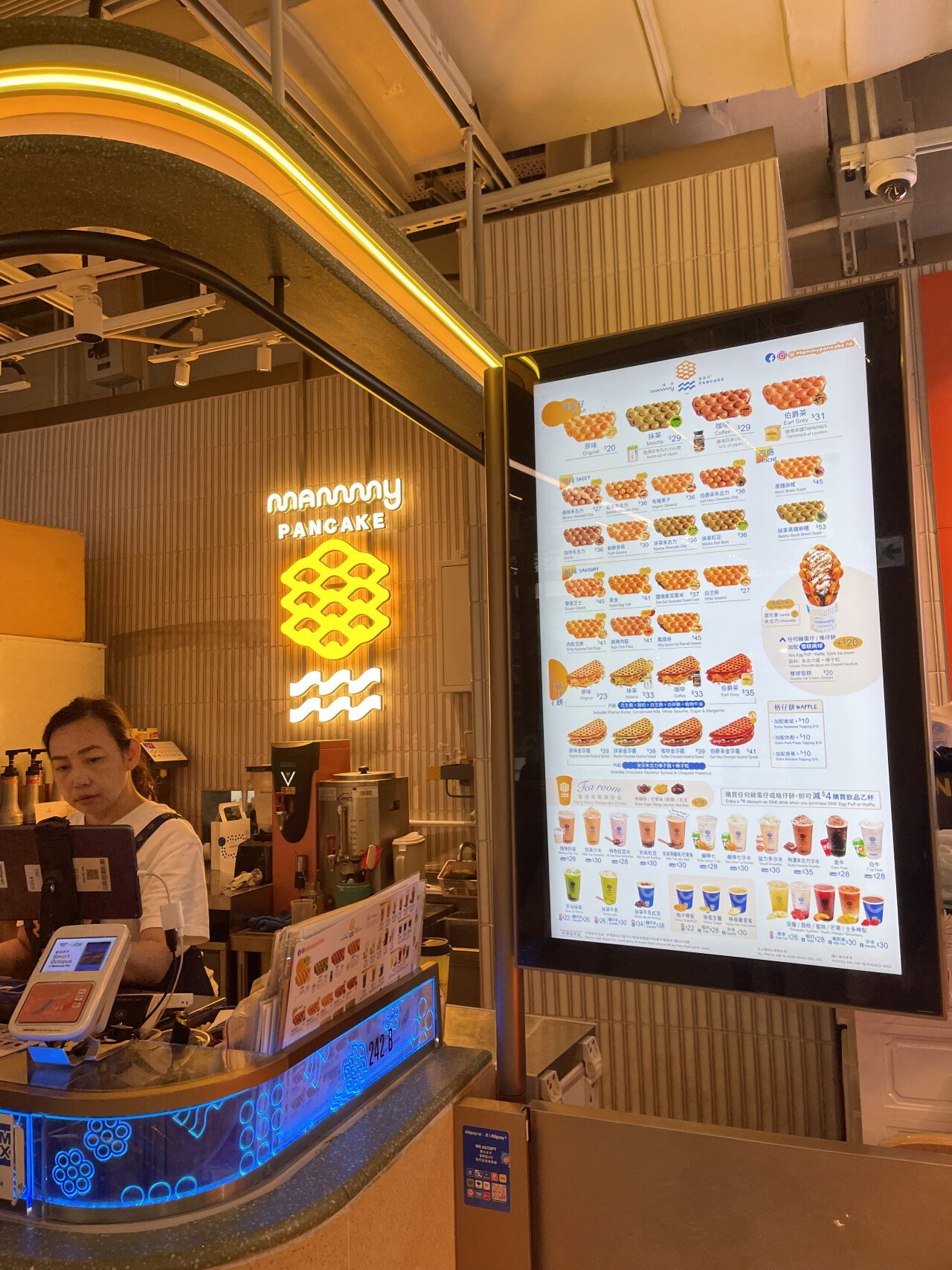
Make sure to pick up some Portuguese tarts or fresh bread on the way. This is where you will find the best sweets. Be prepared to queue, but it is worth it.
5. Tai Kwun. Next, head to this cultural complex in a former prison, with museums, installations, quiet courtyards and designer shops. Make sure to stop by for at least 20 minutes; it is an unusual place.
Just 5 minutes on foot from Tai Kwun is PMQ, a former police barracks.
It is now home to local designers, galleries and markets. It is a great place for unusual purchases, especially if you are looking for something local and stylish.
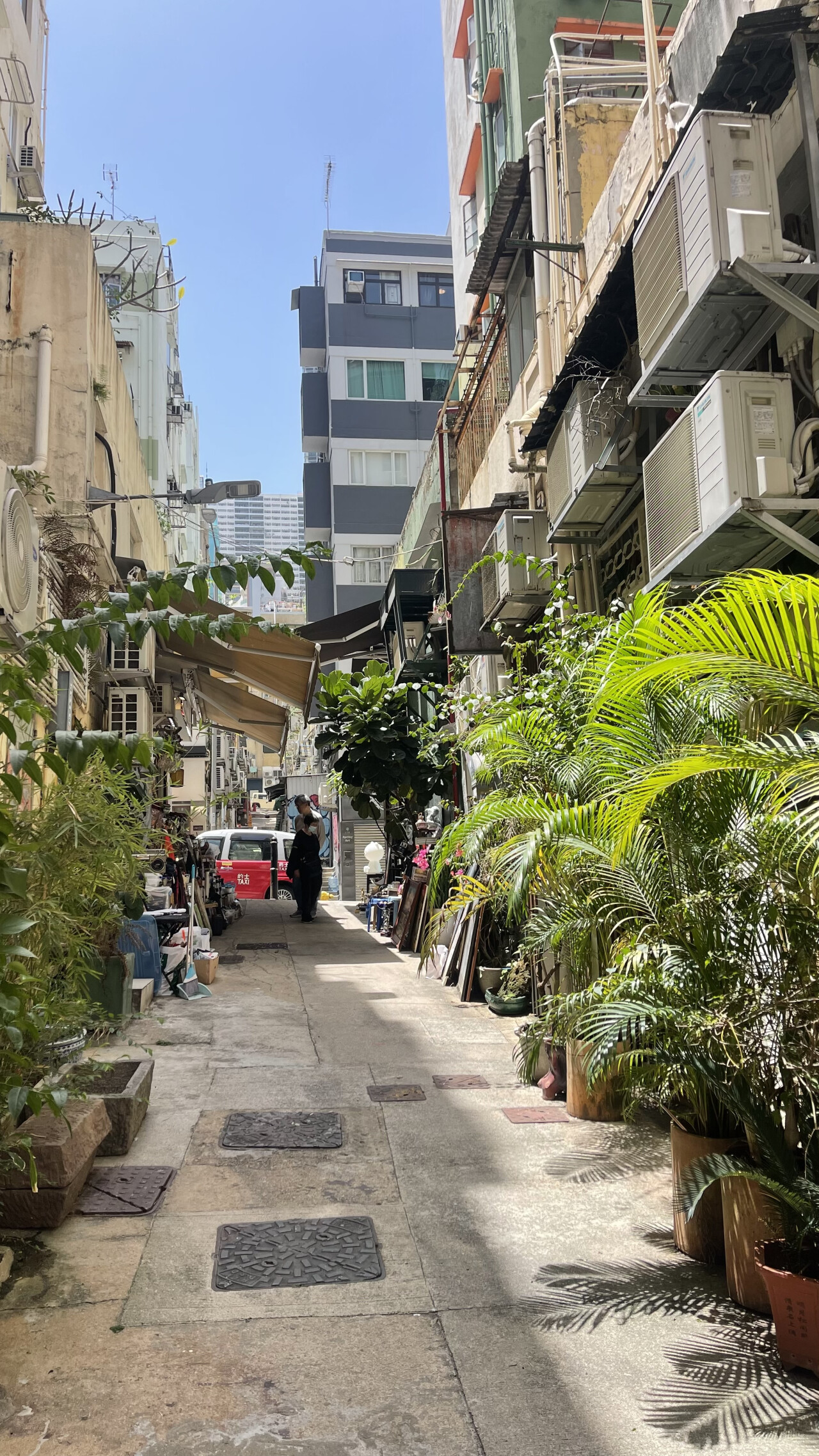
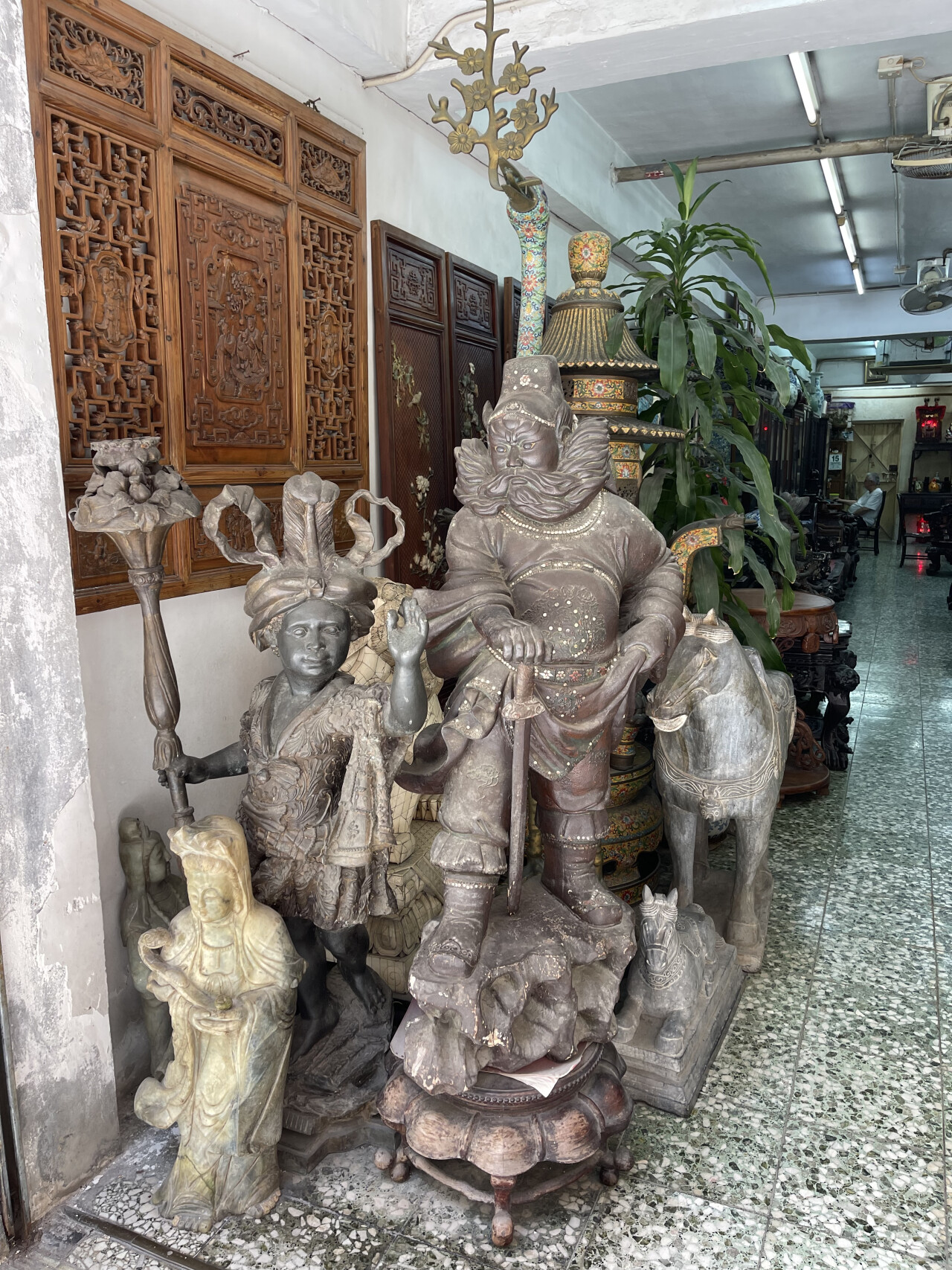
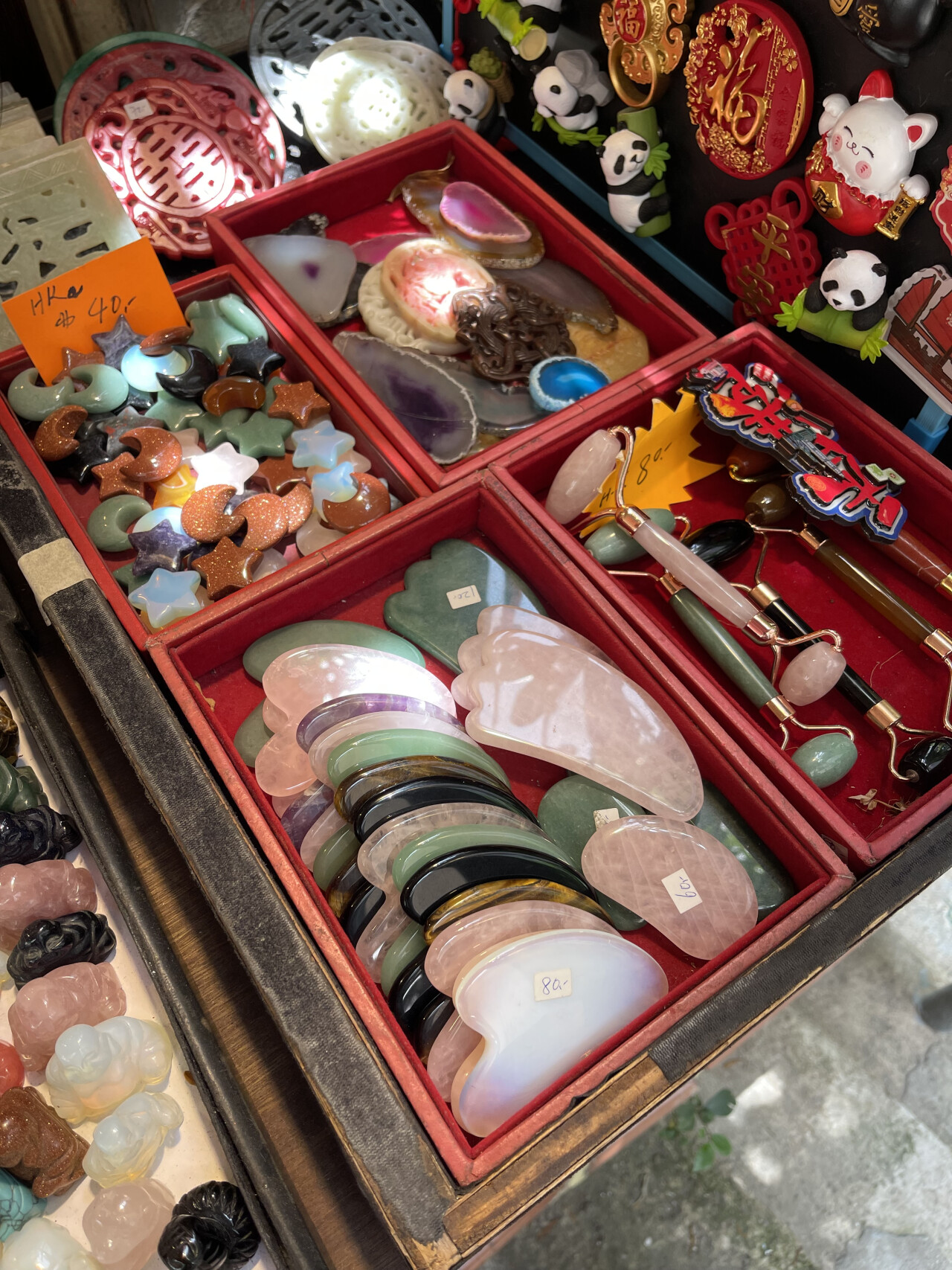
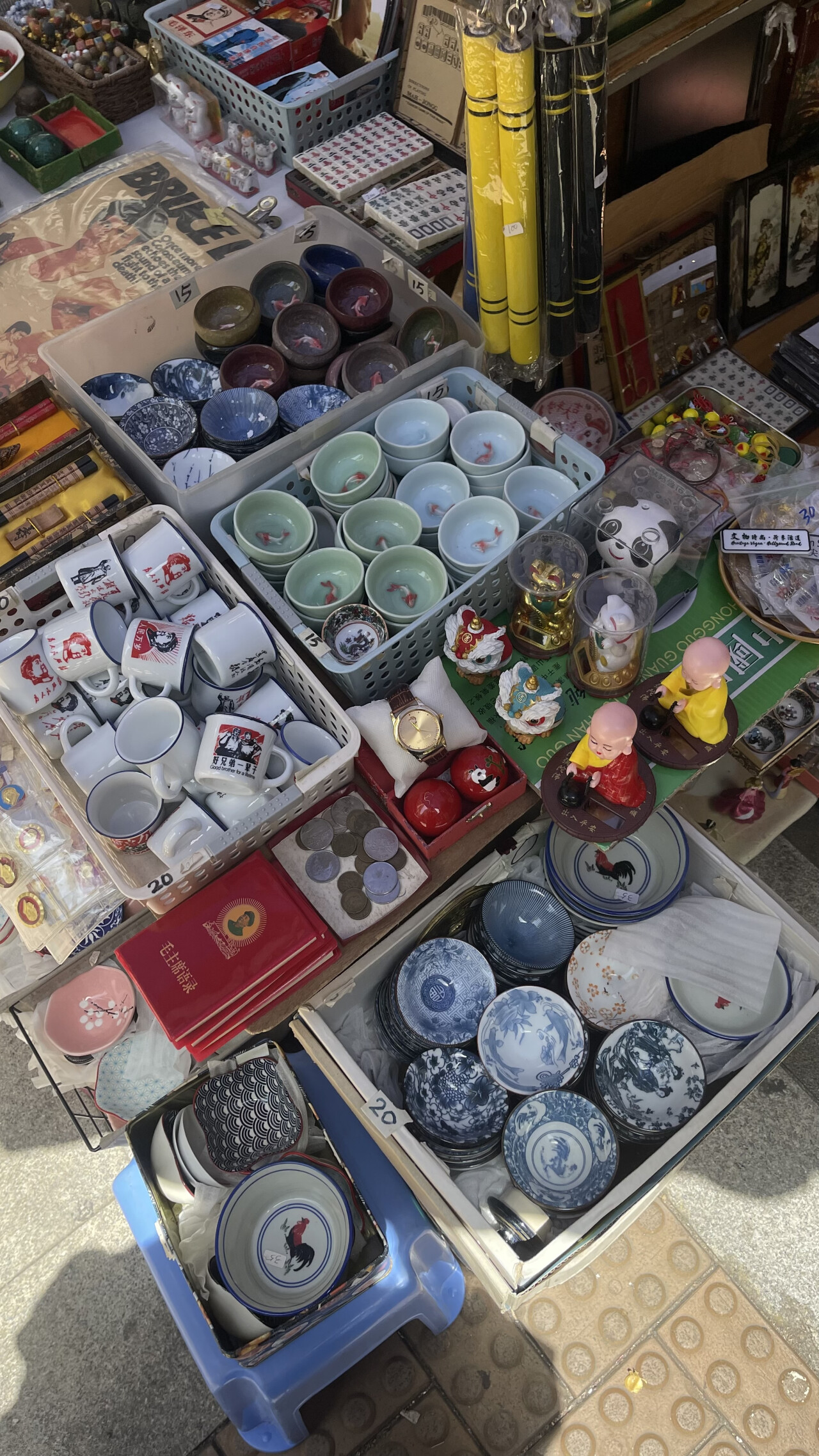
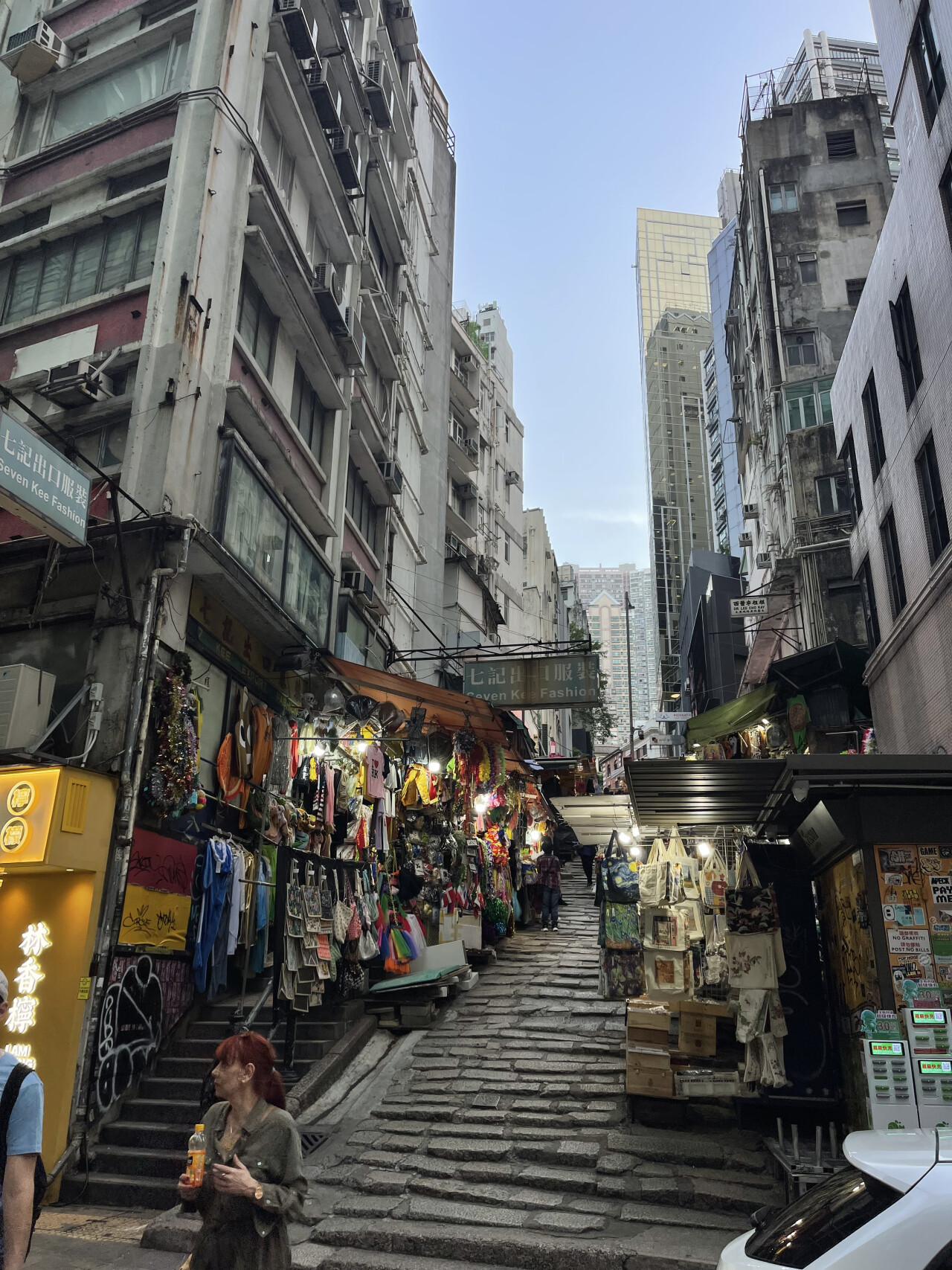
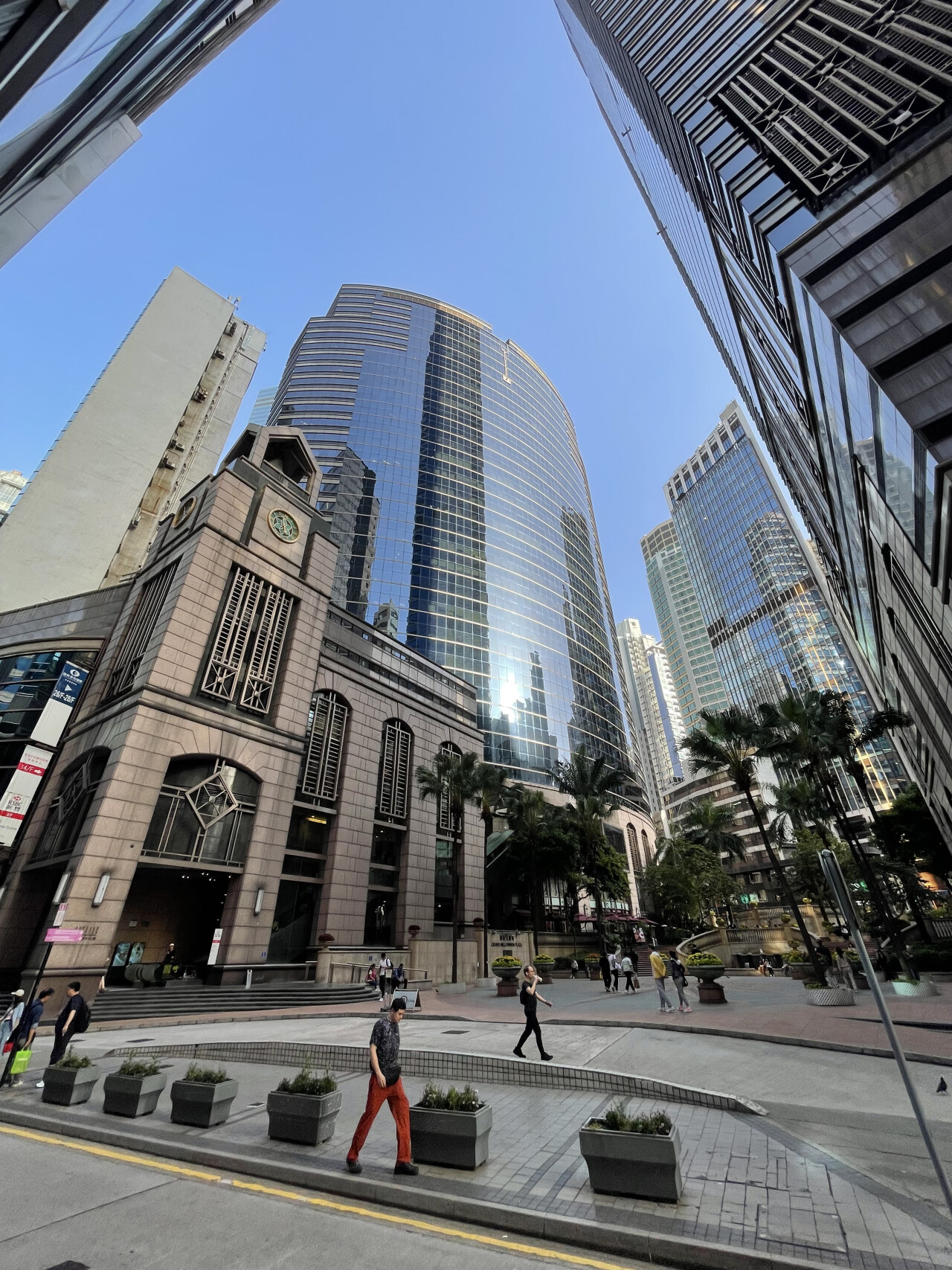
7. Next, take a walk through Cat Street Market.
Here you can find antiques, vintage Chinese jewellery, records, posters and books. Even if you do not buy anything, the walk itself is interesting.
View 8
more photo
more photo
8. Man Mo Temple
A small, atmospheric temple filled with the scent of incense. It is worth going inside and spending 5–10 minutes there.
9. Finish the walk on Hollywood Road. With graffiti covering its walls, this street is a mix of old and new.
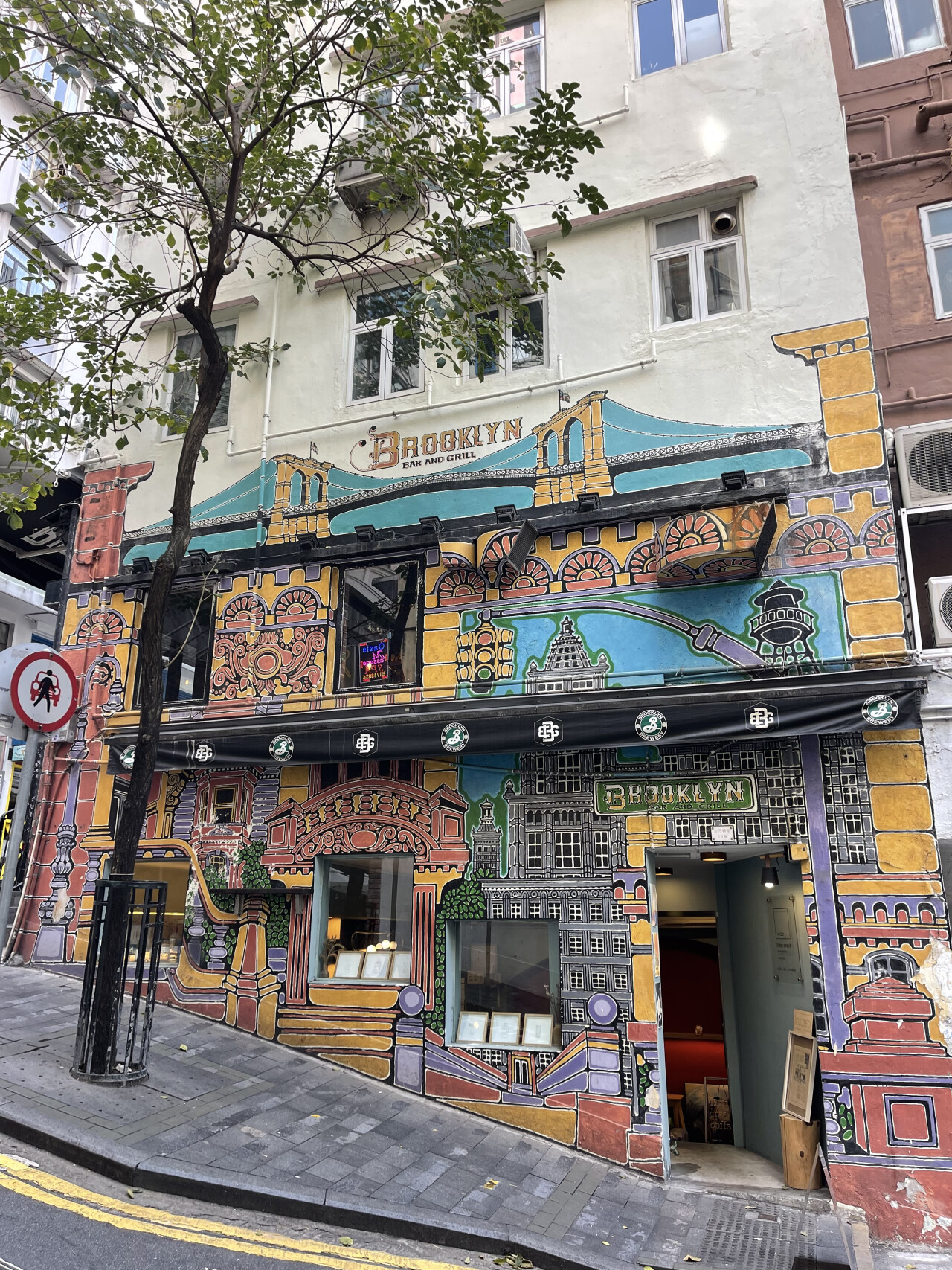
Here you can have a coffee, visit a gallery and, towards the evening, stop at one of the bars or small restaurants.
If you still have time and energy, visit the Hong Kong Zoological and Botanical Gardens, just 10–15 minutes uphill from Hollywood Road. This free urban oasis has rare plants and even a small zoo.
Hiking
Hong Kong is a great place for hiking despite being a major city. It has plenty of nature trails, mountains and parks. Routes of varying difficulty are suitable for both beginners and experienced hikers. In just a couple of hours, you can climb to a summit overlooking the city or follow a quiet coastal trail. Everything is conveniently organised, with signs, transport to the trailheads and mobile map apps.
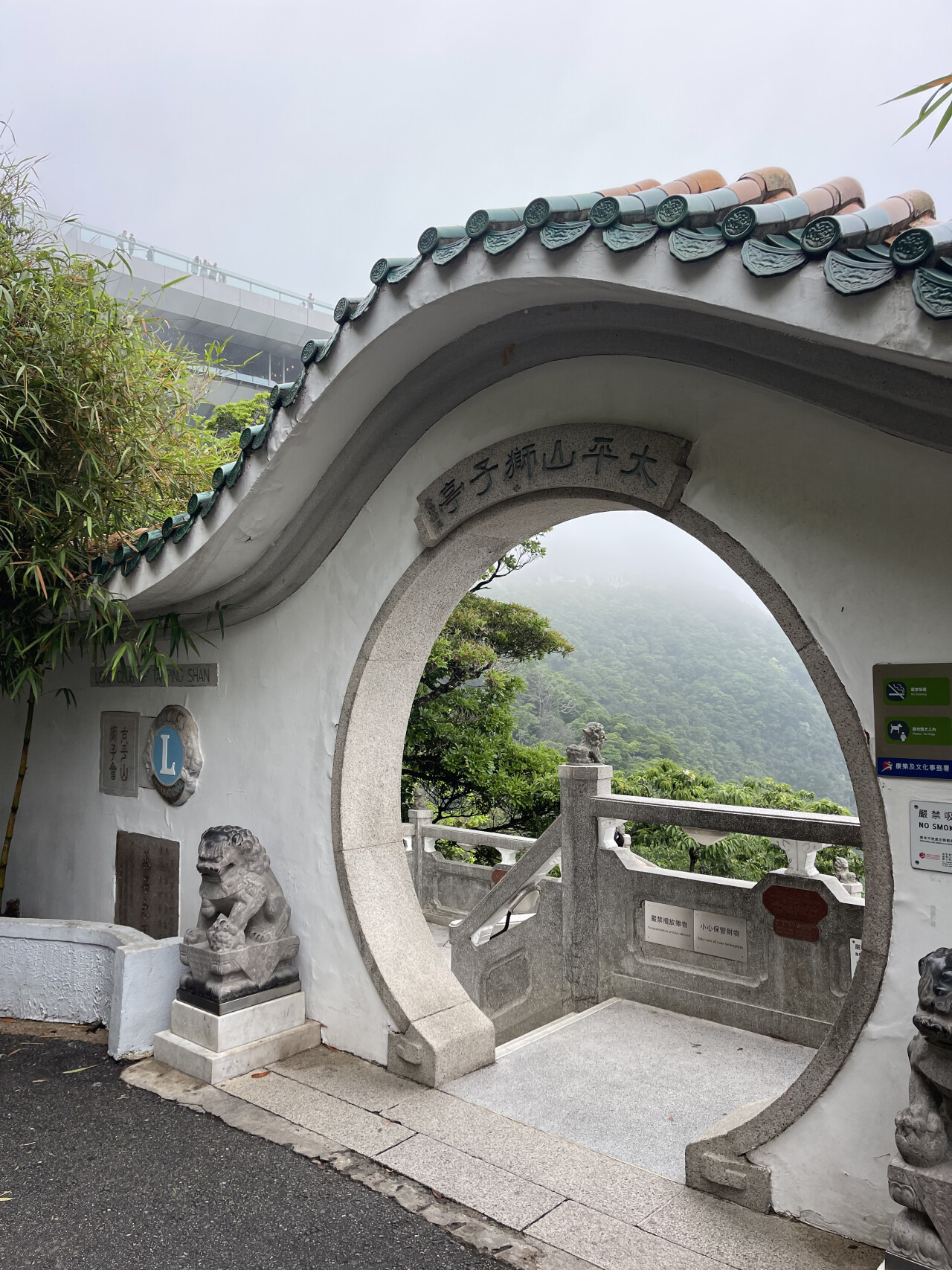
Victoria Peak
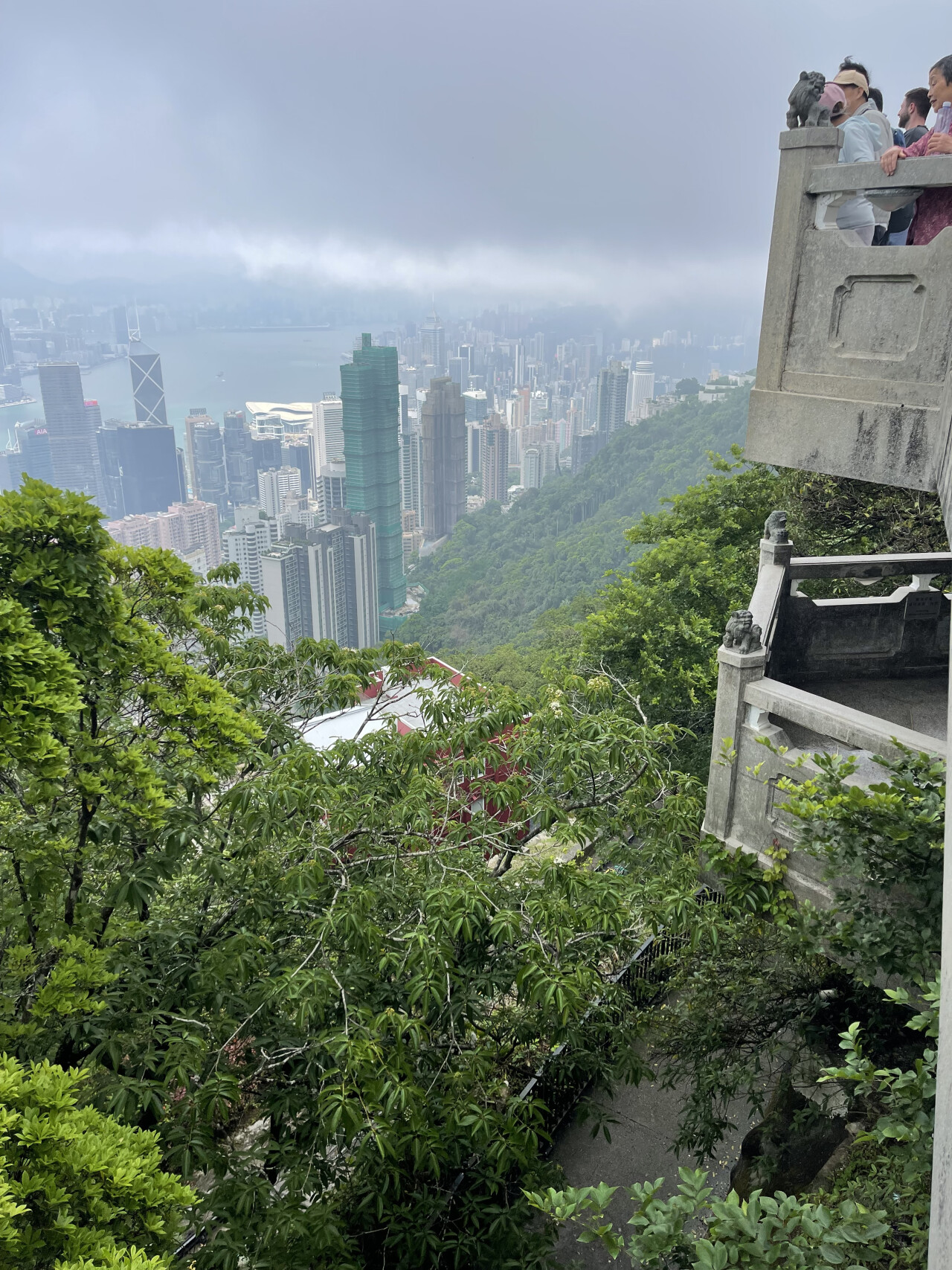
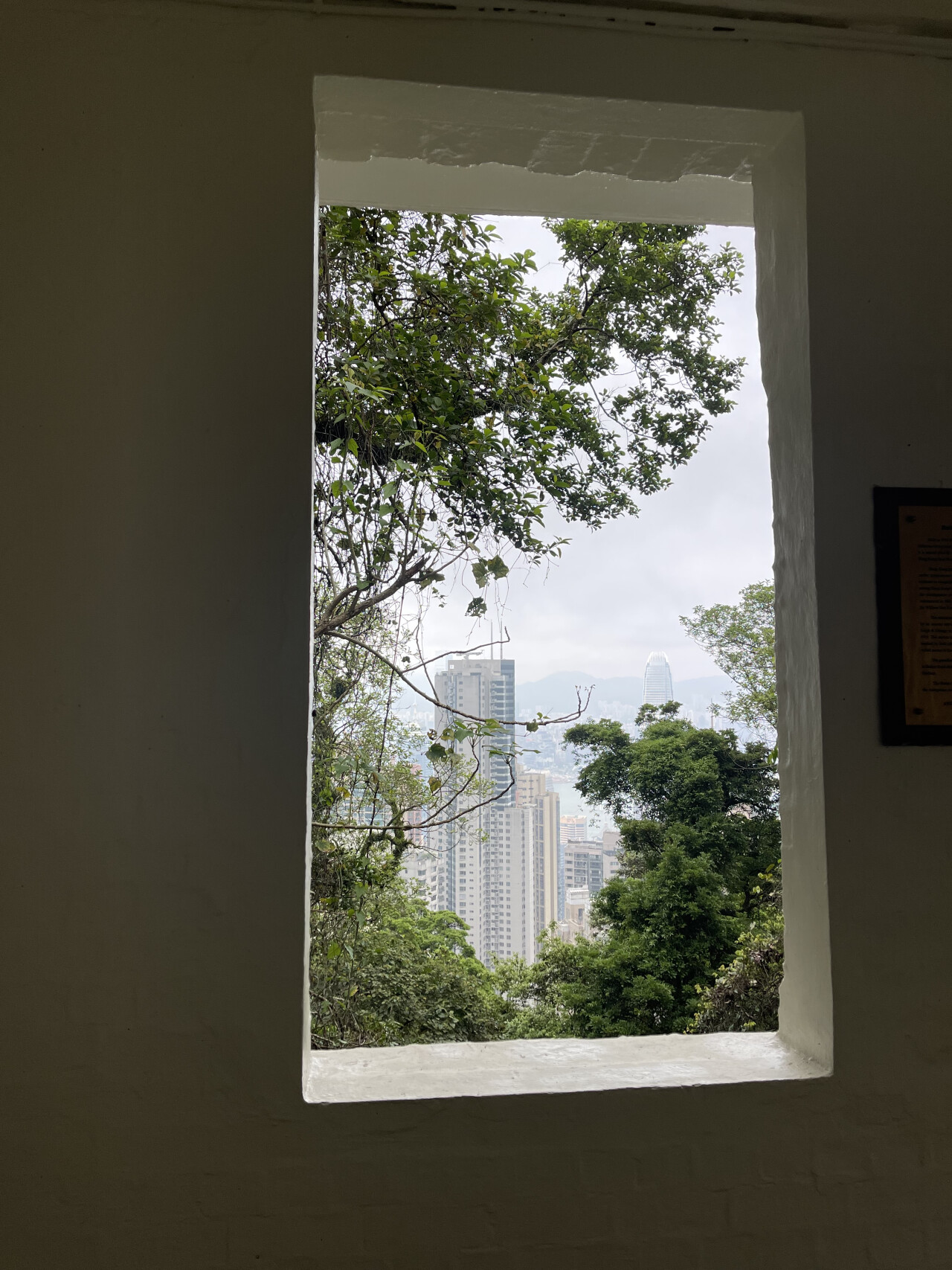
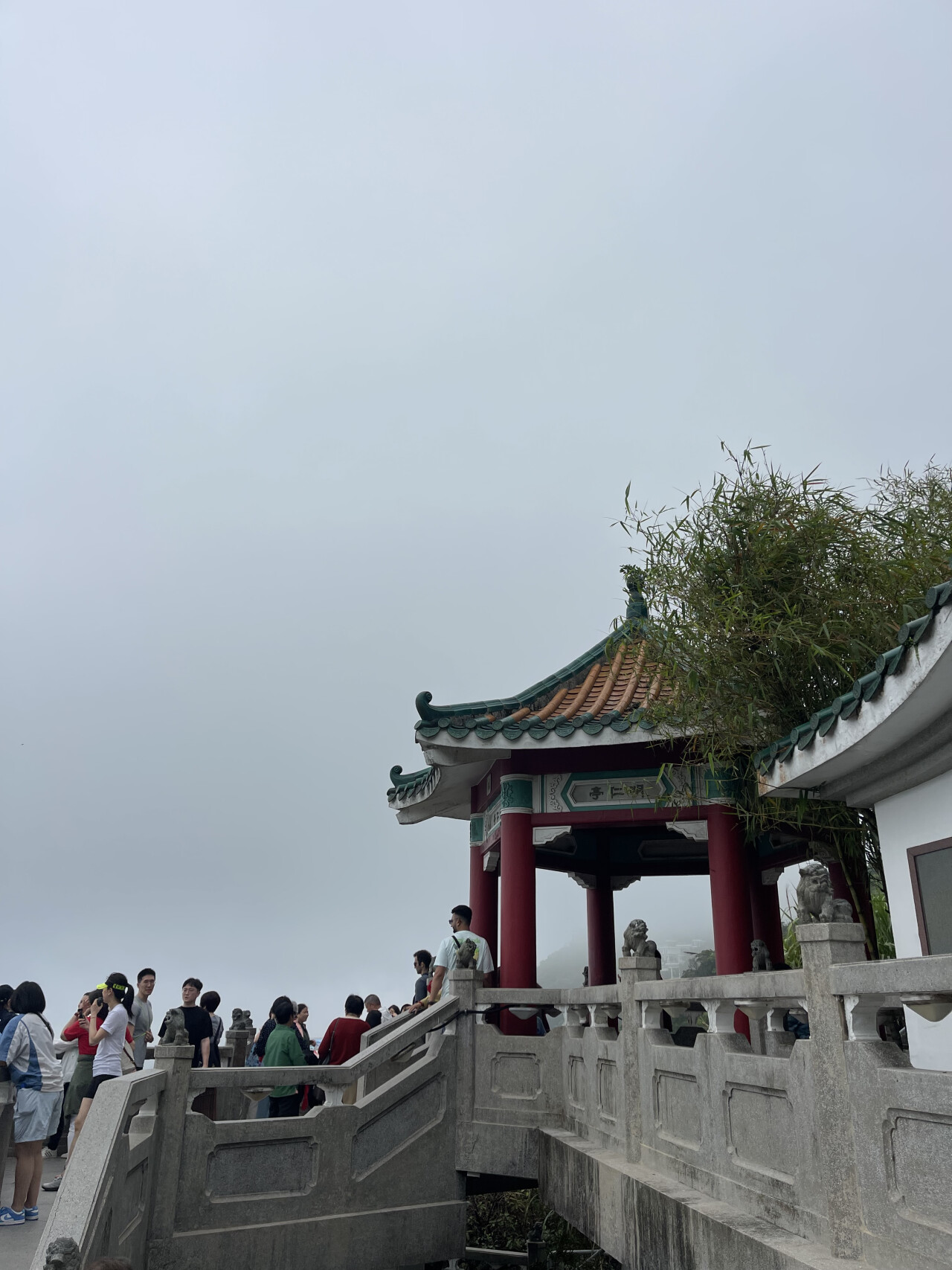
The best-known hike within the city is Victoria Peak, located on Hong Kong Island and the highest point in the city. The summit offers panoramic views of Victoria Harbour, the skyscrapers and the green hills.
You can get there by the Peak Tram funicular, bus №15 or on foot along one of the scenic routes. The Peak Circle Walk is ideal for a stroll, circling the summit and offering views in every direction.
The Peak Tram is a historic funicular that has been operating since 1888, offering a unique journey to the summit at an incline of up to 45 degrees.
At the summit, you will find the Peak Tower with shops and restaurants, as well as the Sky Terrace 428 viewing platform.
The Peak Trail is 50 km long and divided into 8 sections. It begins at Victoria Peak and ends at Big Wave Bay Beach. The trail passes through five country parks on the island, offering varied scenery ranging from dense forests to coastal views. Each section has its own features, allowing you to choose one that suits your preferred difficulty level and interests.
Peak Tram ticket prices (2025)
Funicular only:
Adult: HK$108 (return) / HK$76 (one way).
Concession (children aged 3–11 and seniors 65+): HK$54 (return) / HK$38 (one way).
Combo ticket (funicular + Sky Terrace 428 viewing platform):
Adult: HK$168 (return) / HK$136 (one way).
Concession: HK$84 (return) / HK$68 (one way).
Tickets can be purchased online on The Peak’s official website: https://www.thepeak.com.hk/en/ticket-and-booking
Alternative ways to reach Victoria Peak:
Bus №15 — an affordable and scenic option from Central.
Taxi — approximately HK$100.
On foot — routes such as the Morning Trail are suitable for those who enjoy walking and active pursuits.
Come closer to sunset to see the city in both daylight and darkness. If you do not want to pay for the viewing platform, you can walk along the free Peak Circle Walk, which also offers excellent views.
Dragon’s Back
This viewpoint offers panoramic views of the island’s southern coast, Shek O Beach and Big Wave Bay Beach.
The route begins at To Tei Wan on Shek O Road and ends at Big Wave Bay Beach. The trail follows the ridge of a hill that resembles a dragon’s back, hence the name. The route is suitable for beginners, takes around 2–3 hours and is 8.5 km long.
MacLehose Trail
The trail is around 100 km long and divided into 10 sections. Its difficulty ranges from moderate to high.
Highlights include Tai Mo Shan, the highest point in Hong Kong, the beaches of Sai Kung and the Tai Lam Chung Reservoir.
The trail itself is extensive, covering around 100 km and passing through varied landscapes, from mountain peaks to coastal areas. Sections 1–2, with the scenic beaches of Sai Kung, and 8–9, featuring the climb up Tai Mo Shan, are particularly popular.
Lion Rock
A 6 km hike in Kowloon.
The summit offers panoramic views of Kowloon and Hong Kong Island.
The trail begins at Wong Tai Sin MTR station and leads to the summit of Lion Rock, named after its shape. The route is popular with locals and tourists, particularly at sunset.
Things to do in Hong Kong
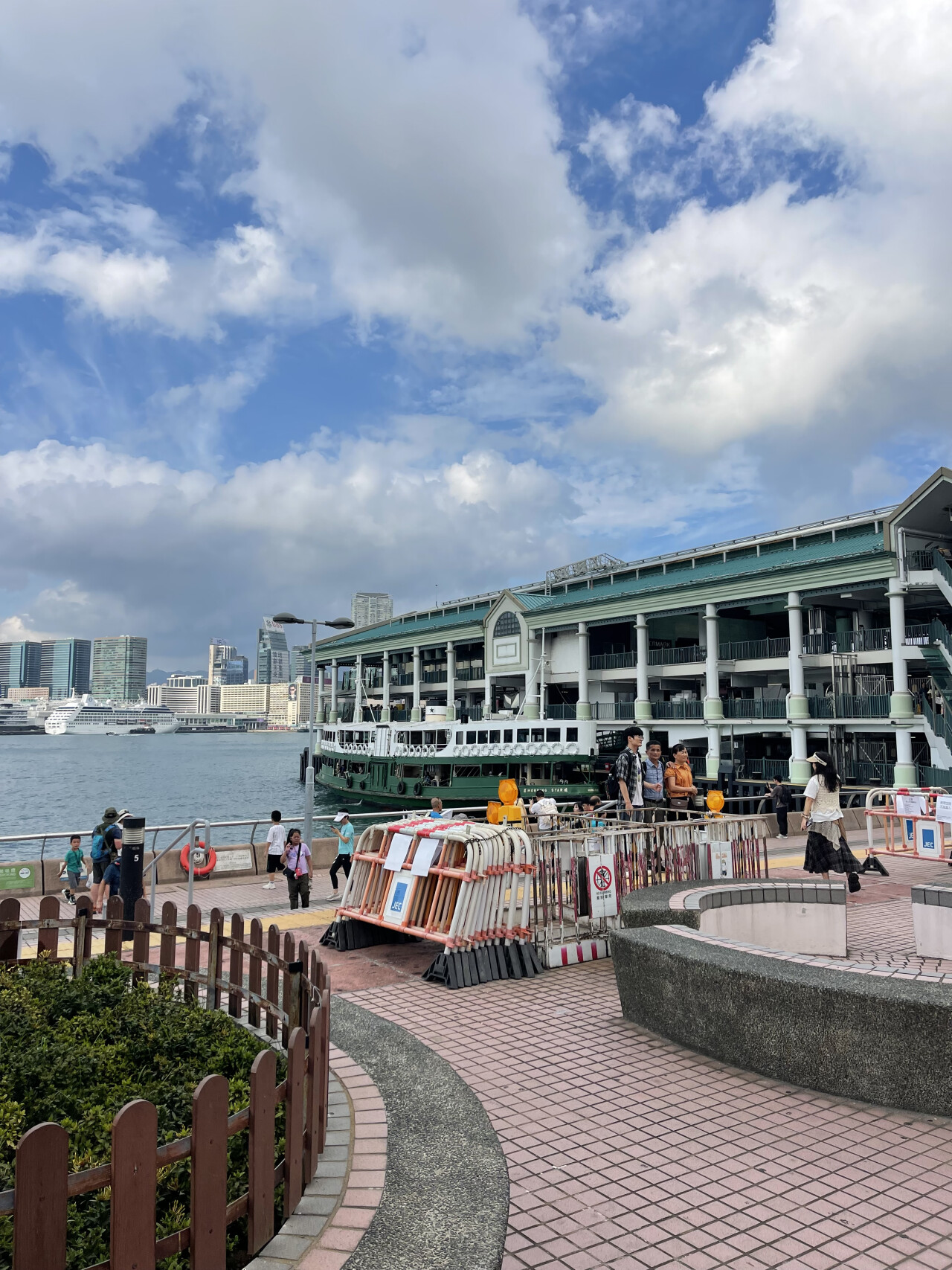
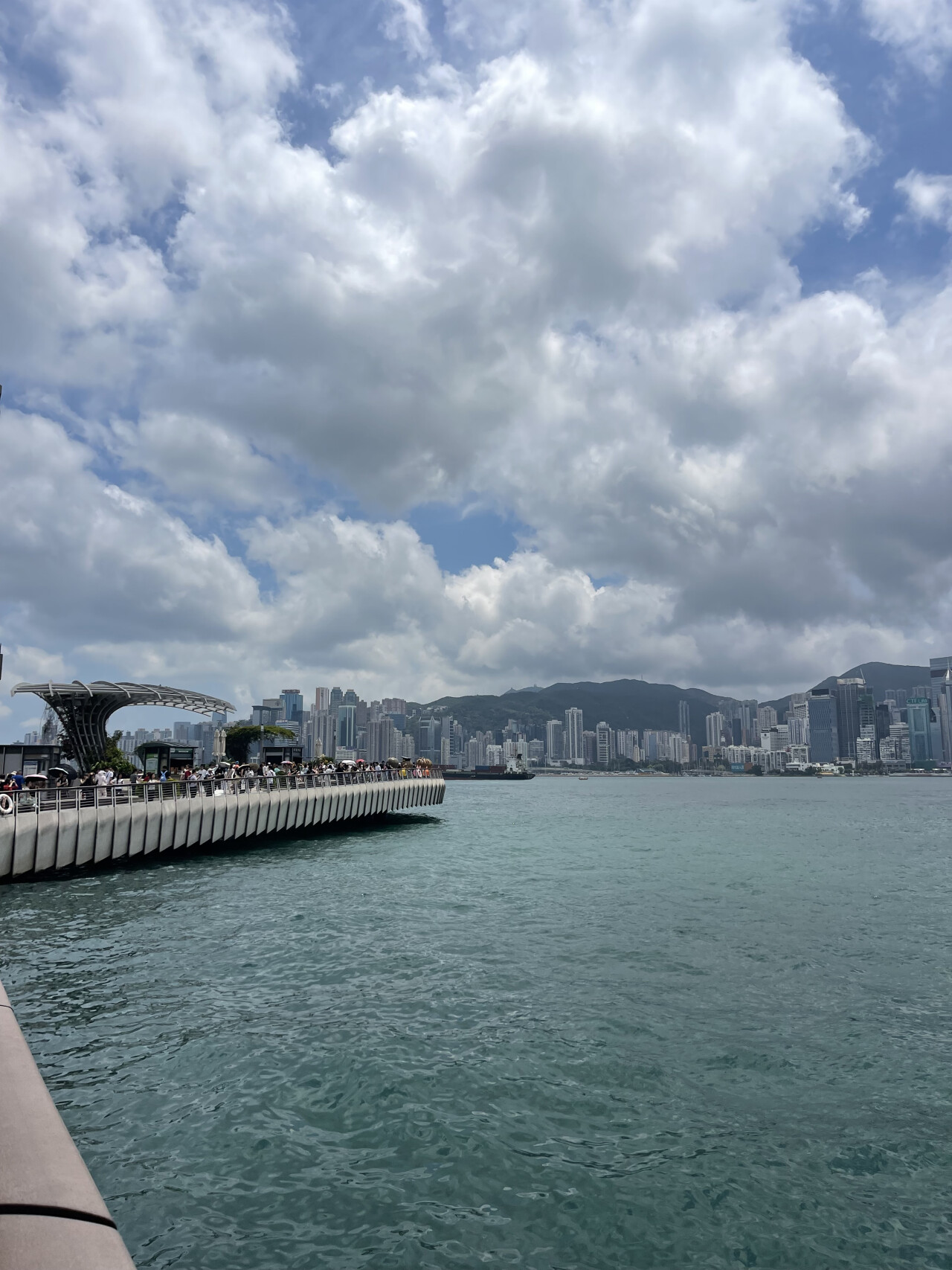
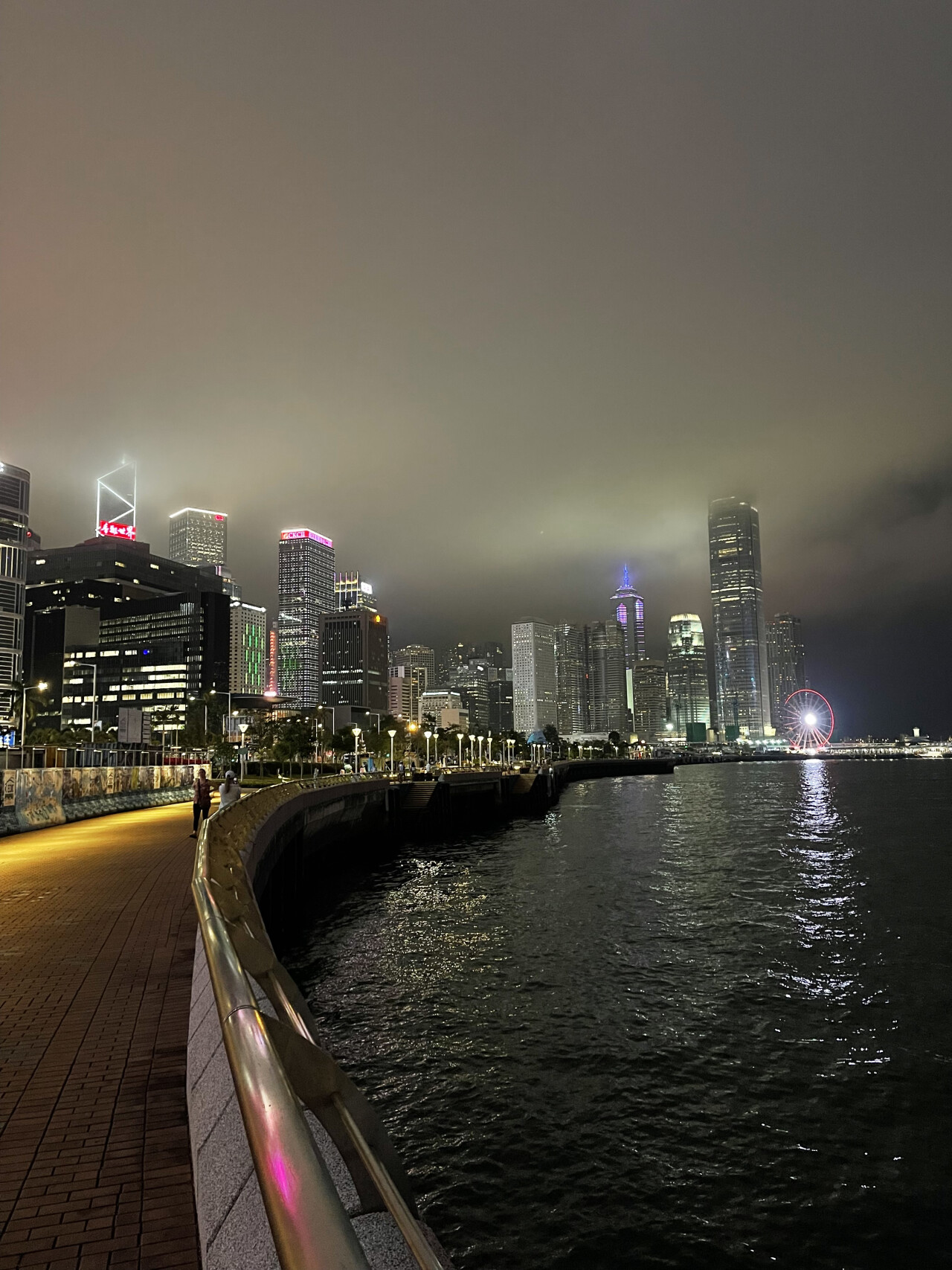
- Ride the Star Ferry
This is an inexpensive and scenic way to cross the harbour between Hong Kong Island and Kowloon. It is particularly beautiful in the evening, with excellent views of the skyscrapers and light show.
- The Big Buddha on Lantau Island (Tian Tan Buddha)
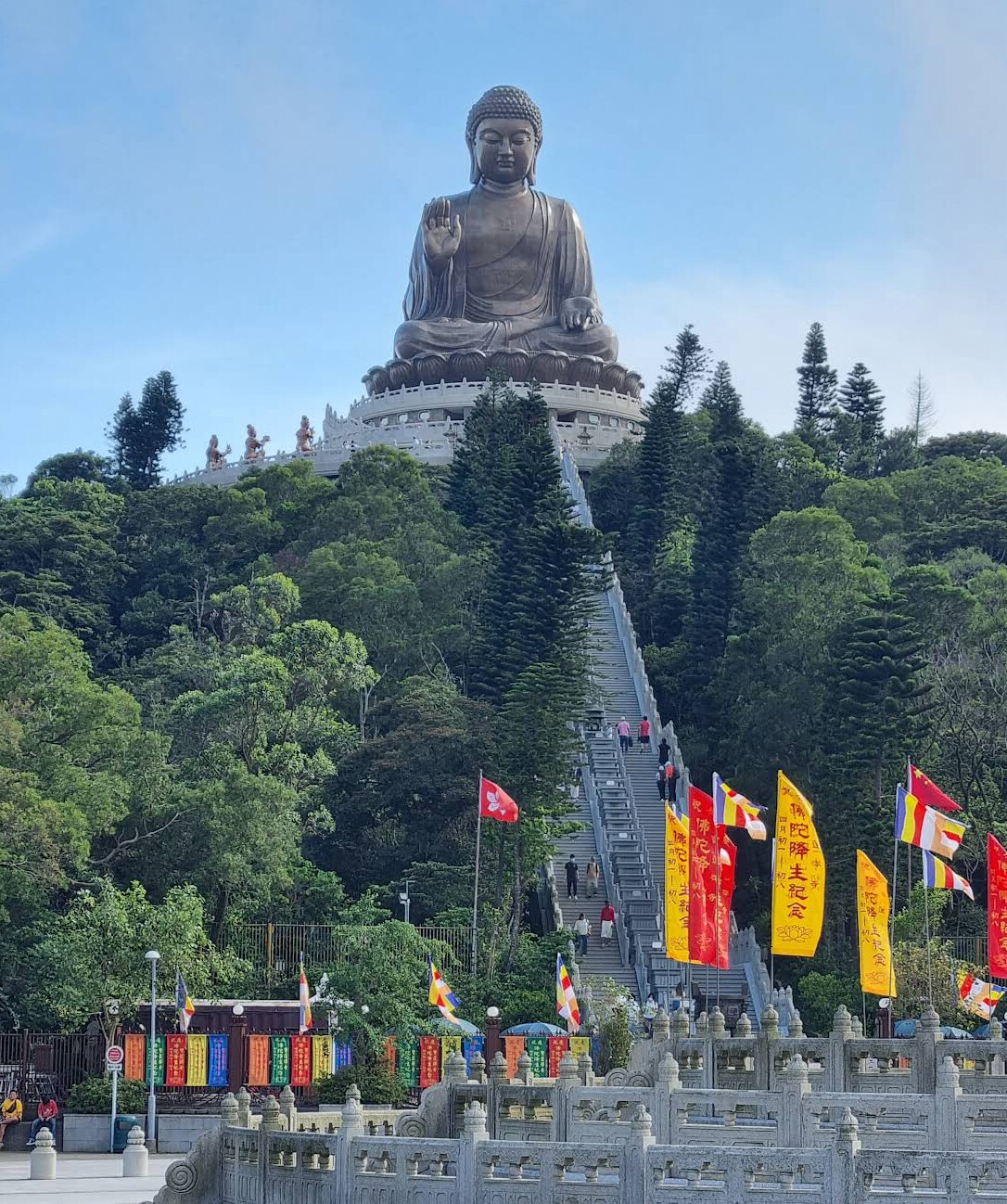
This enormous statue can be reached by the Ngong Ping 360 cable car. The journey itself is an adventure, with views of the mountains and sea.
To reach it, you can take the Ngong Ping 360 cable car, which follows a scenic route from Tung Chung station to Ngong Ping Village.
A return ticket costs around 235 HKD (approximately 30 USD), while a one-way ticket costs around 160 HKD (about 20 USD). Rachel's Ruminations.
To save money, you can take bus №23 from Tung Chung station to Ngong Ping Village. The journey takes around 50 minutes and costs approximately 17 HKD (about 2 USD).
A visit to the Big Buddha can therefore be free or involve additional transport costs, depending on how you choose to get there.
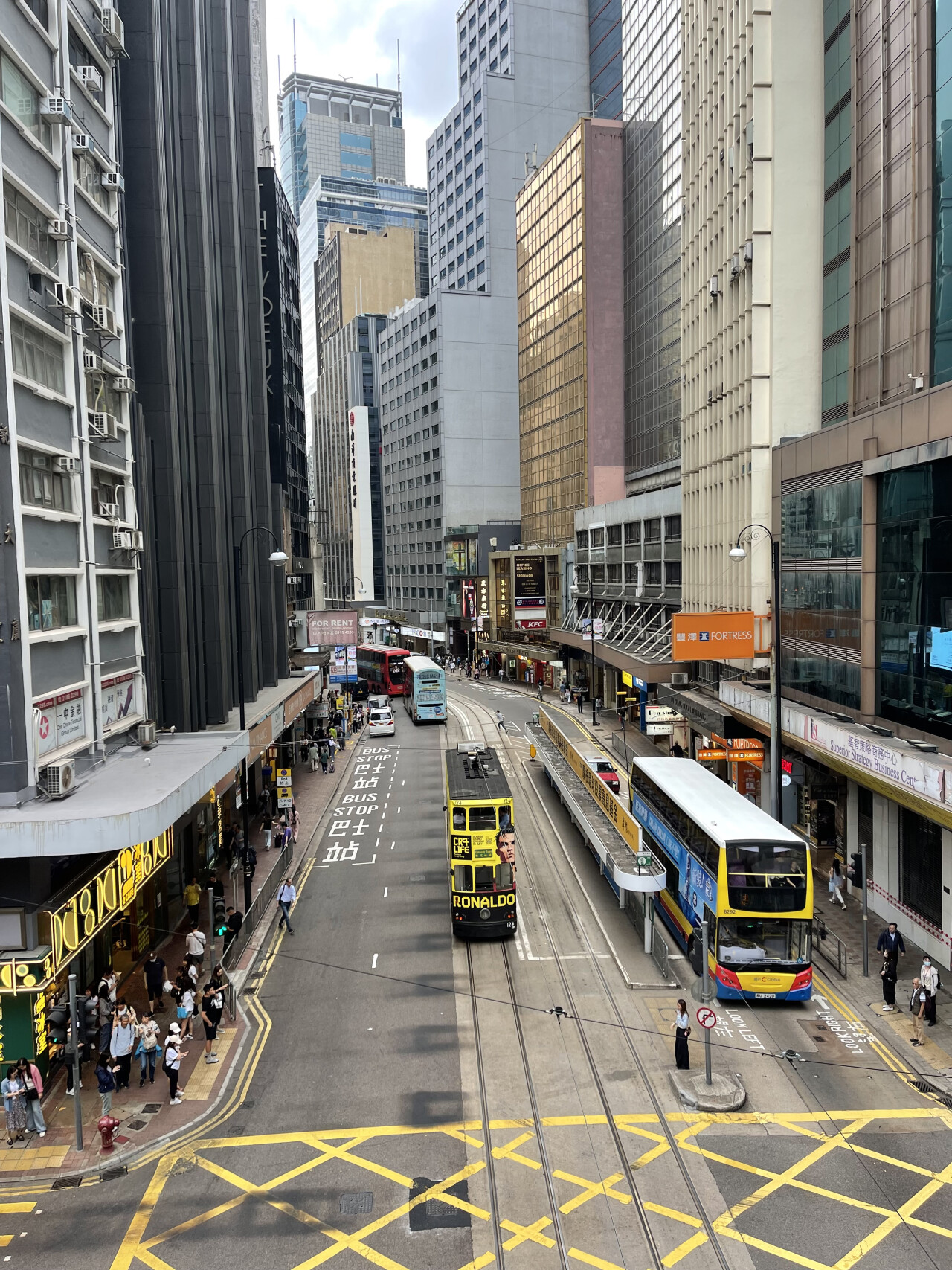
- Ride a double-decker tram
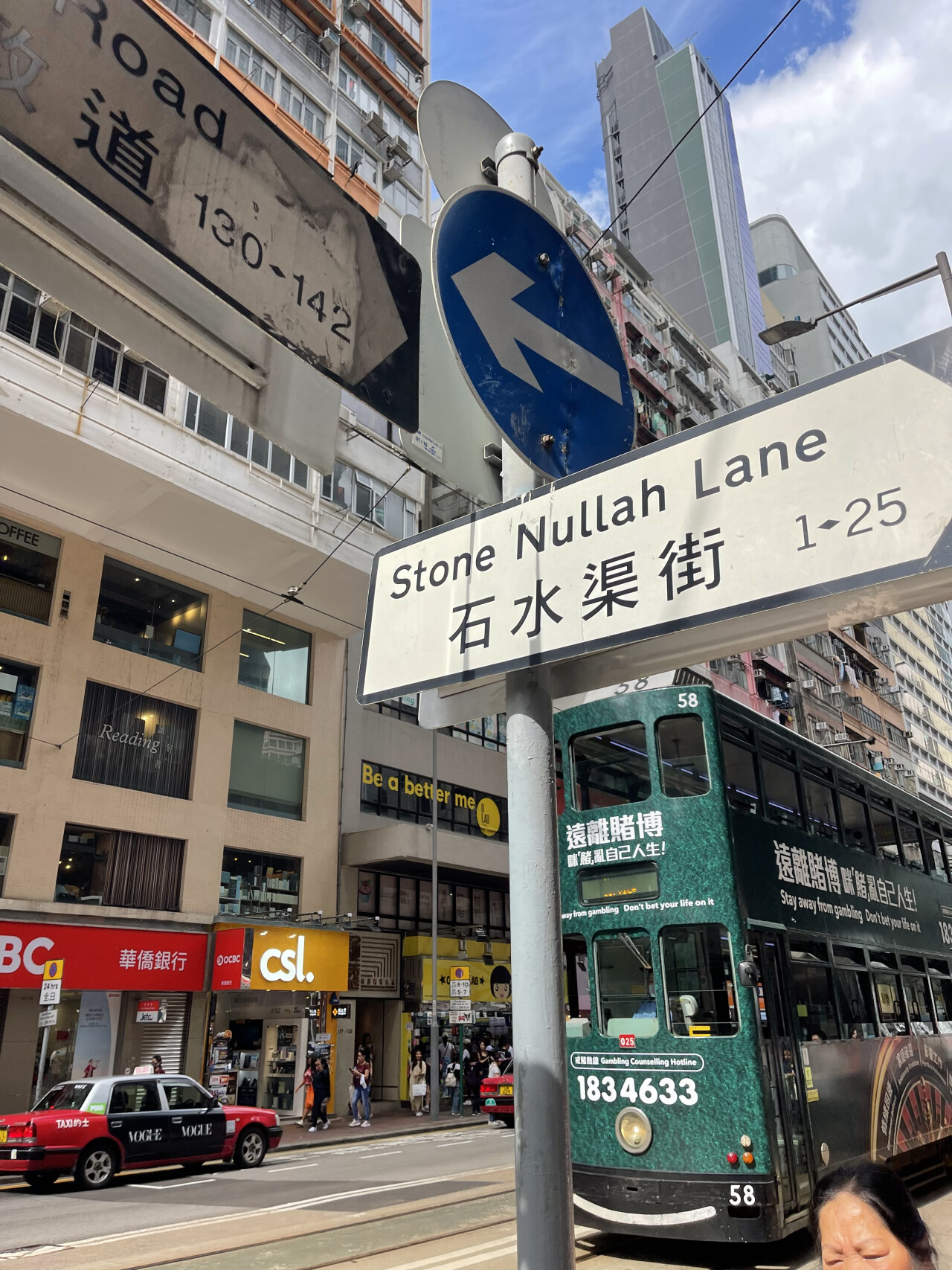
The tram is not only a convenient way to get around but also a great way to see the city.
It is recommended to board at the Kennedy Town terminus and ride to Shau Kei Wan. This route passes through key districts including Central, Wan Chai, Causeway Bay and North Point, giving you a chance to see the variety of city life. If the tram is not too crowded, it is best to sit at the front.
Along the way, you can watch the city’s architecture and the atmosphere of its different districts change.
The journey costs HK$3.3 for adults, regardless of distance. You can pay in cash when getting off or use an Octopus Card.
- Explore the markets of Mong Kok
Temple Street, Ladies Market and the night market all capture the atmosphere of the real Hong Kong. There is plenty of food, souvenirs and local life.
- A trip to Lamma Island
View 2
more photo
more photo
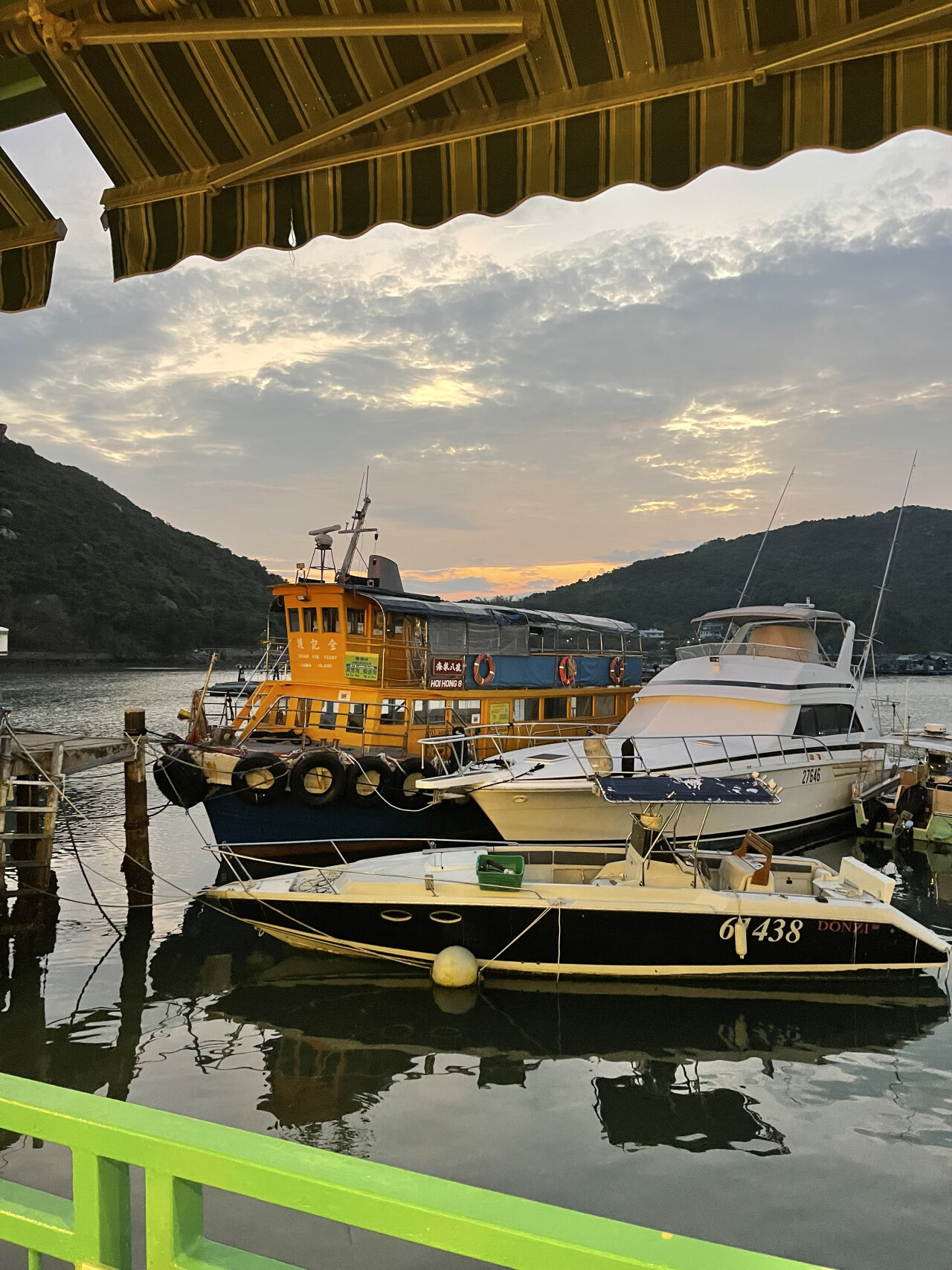
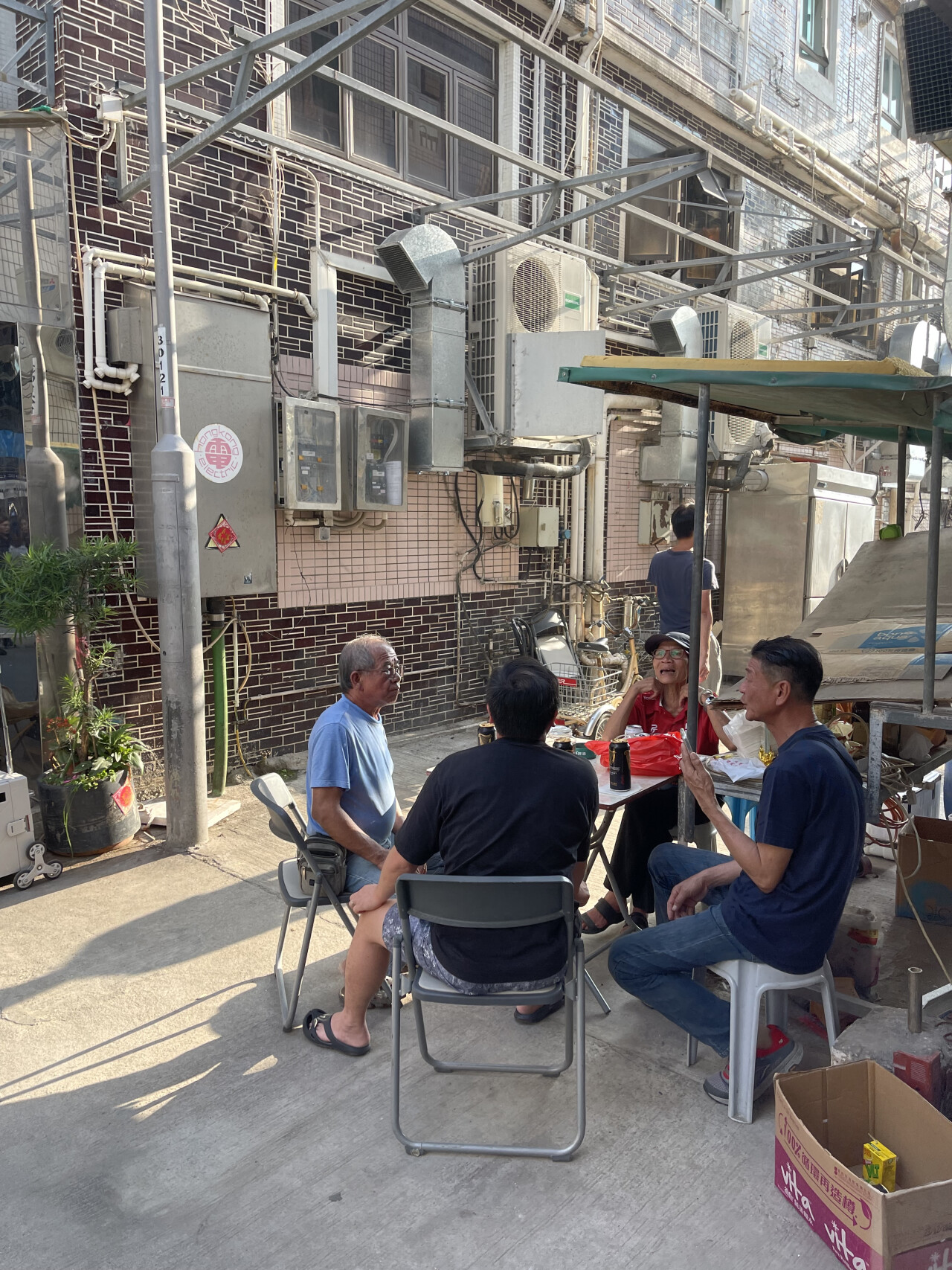
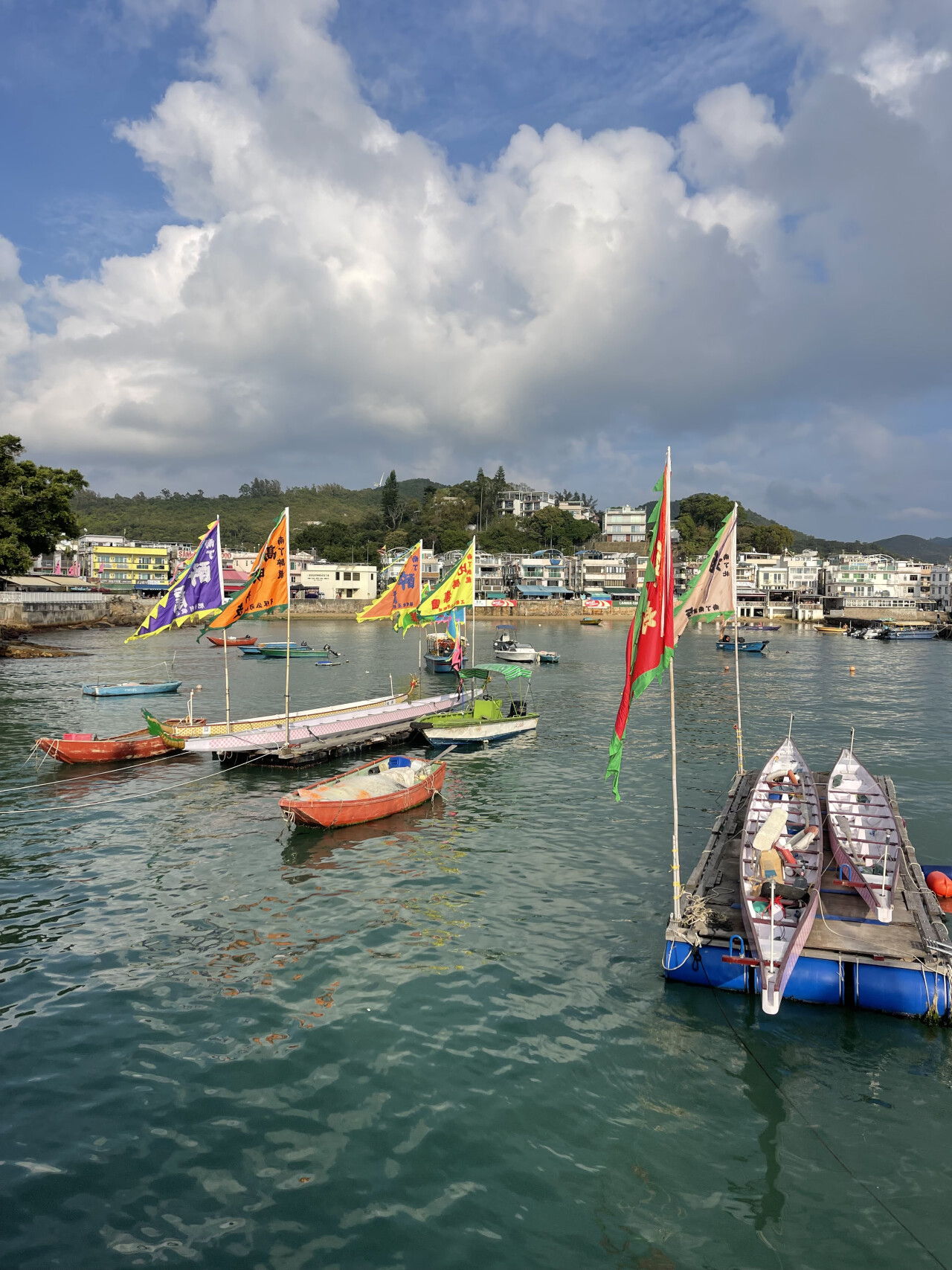
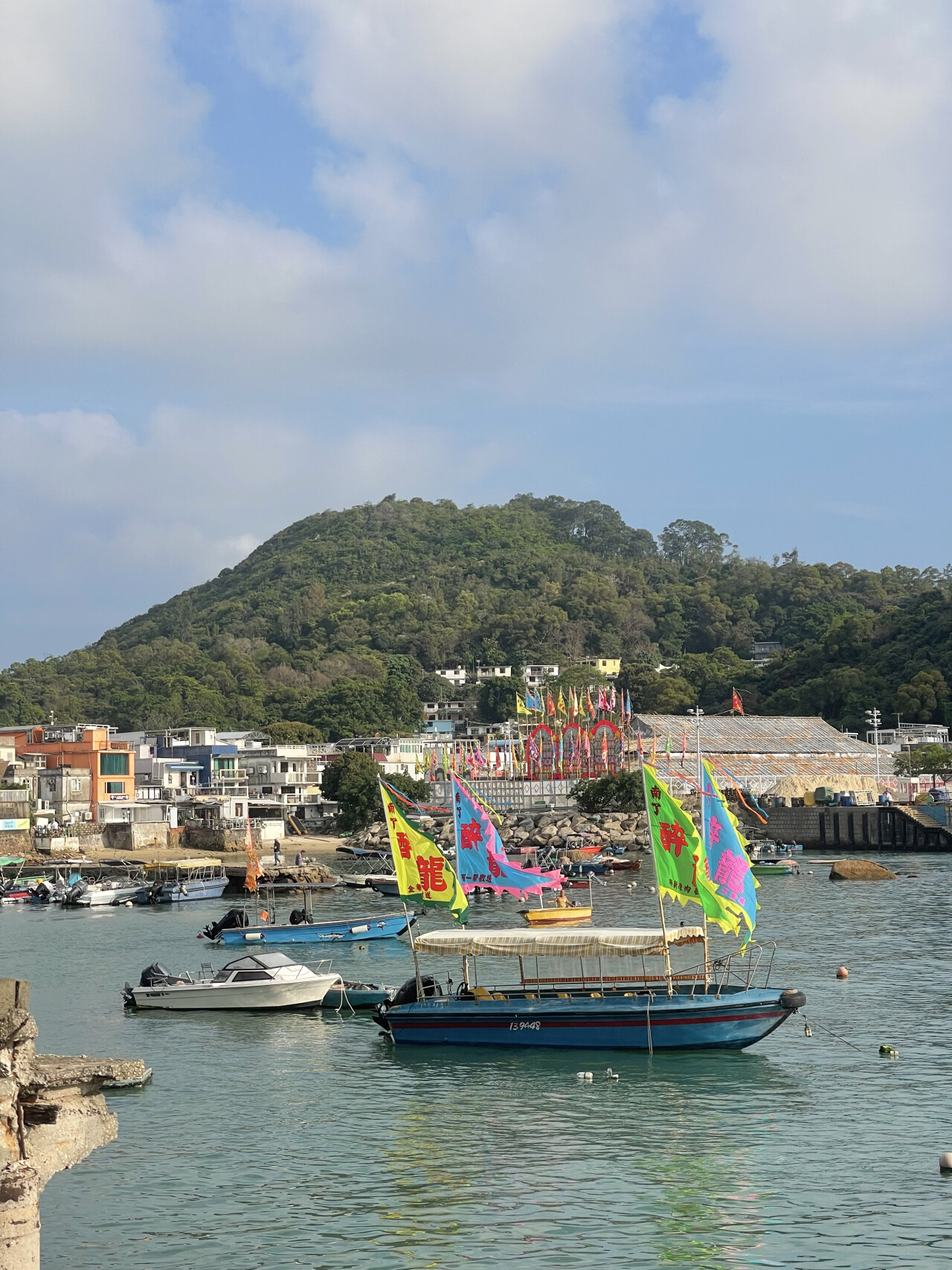
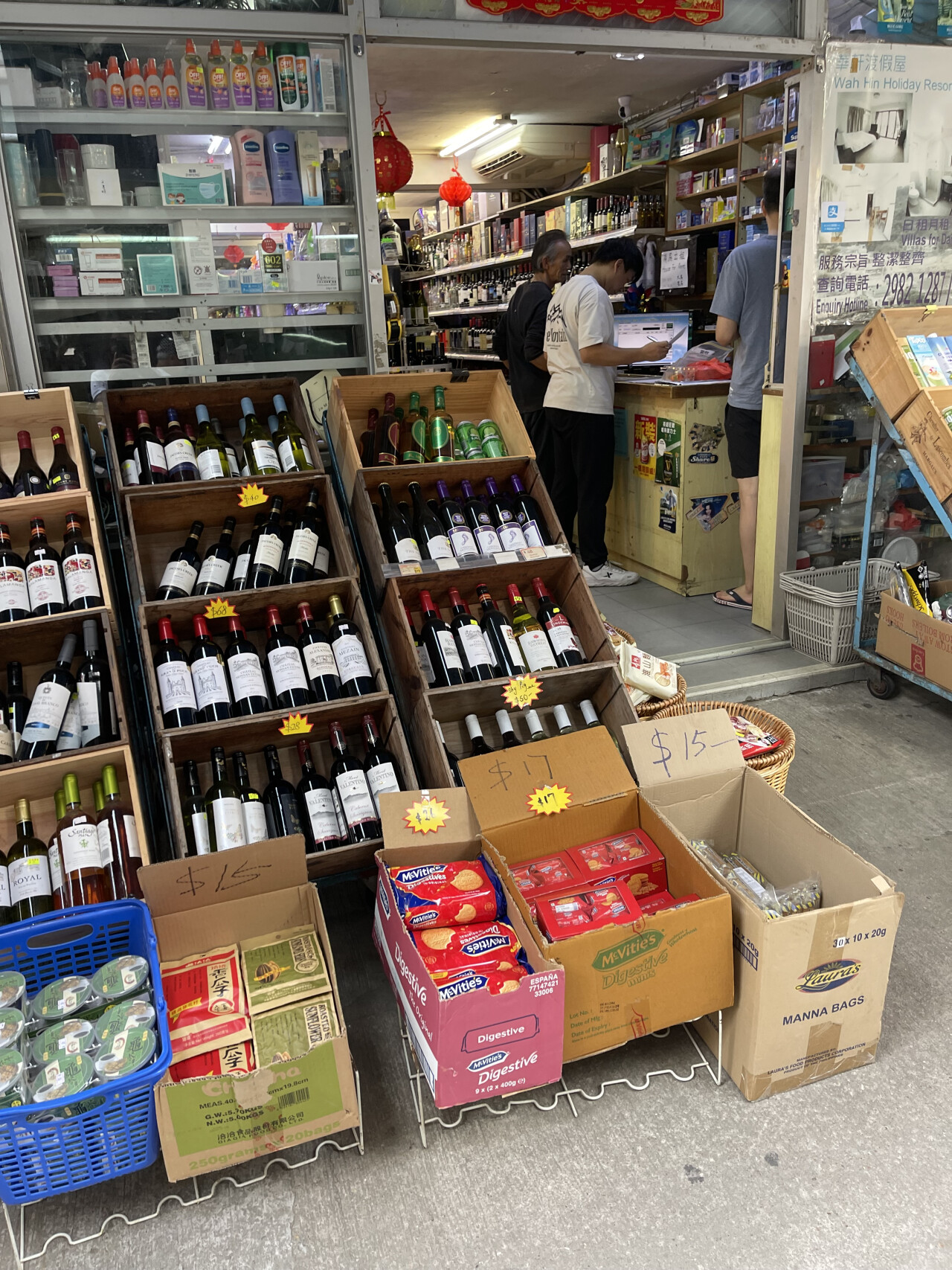
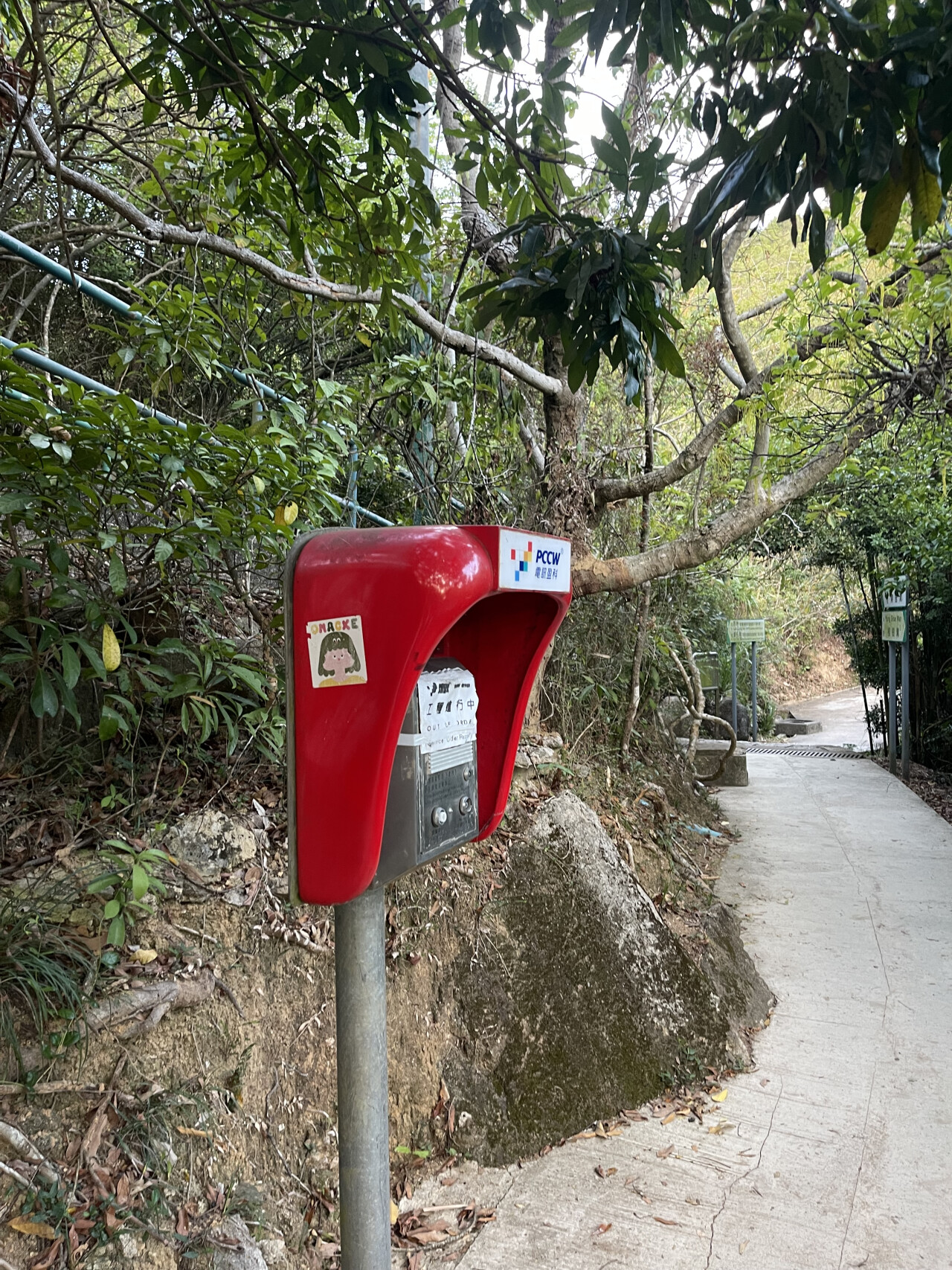
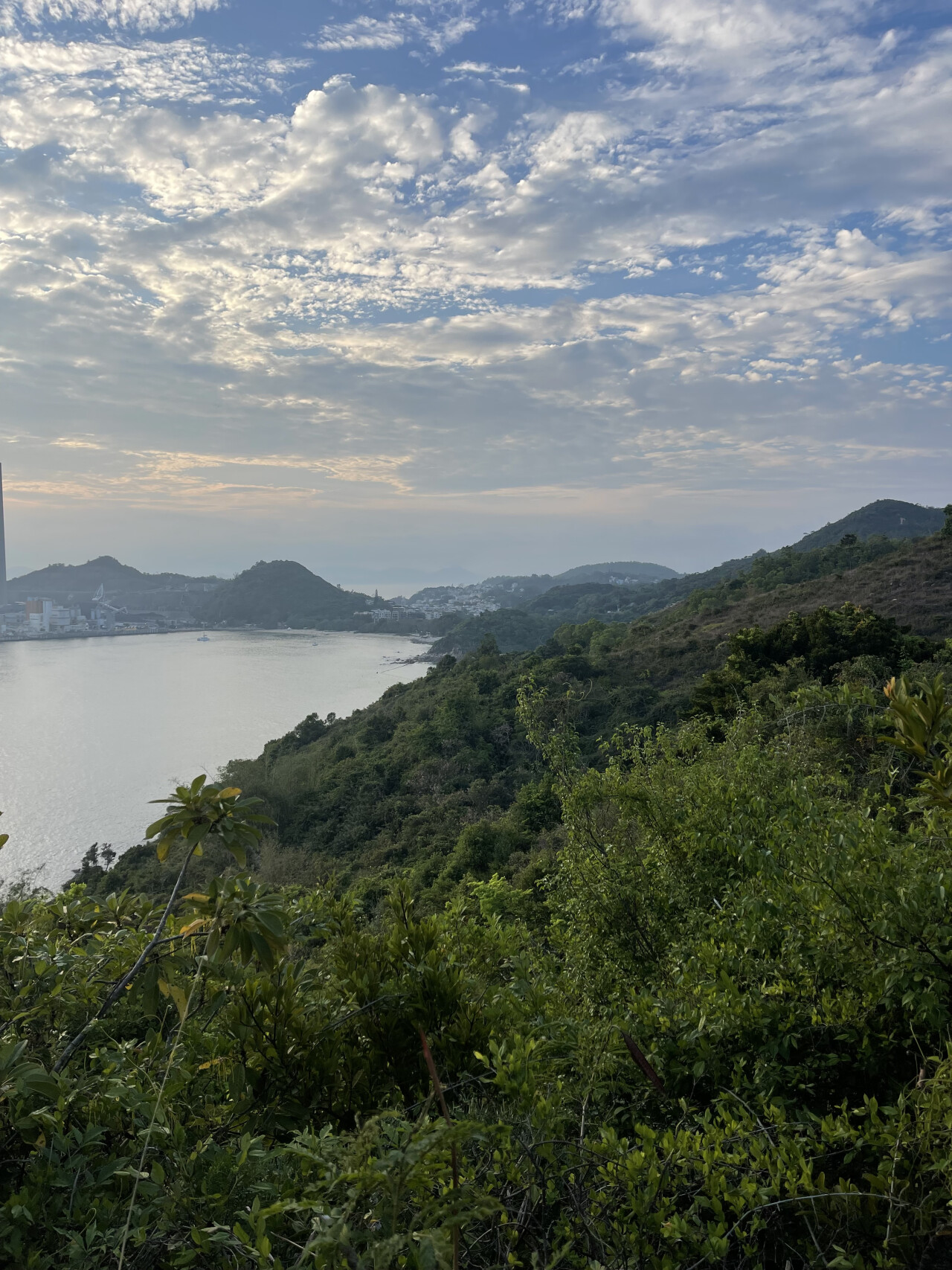
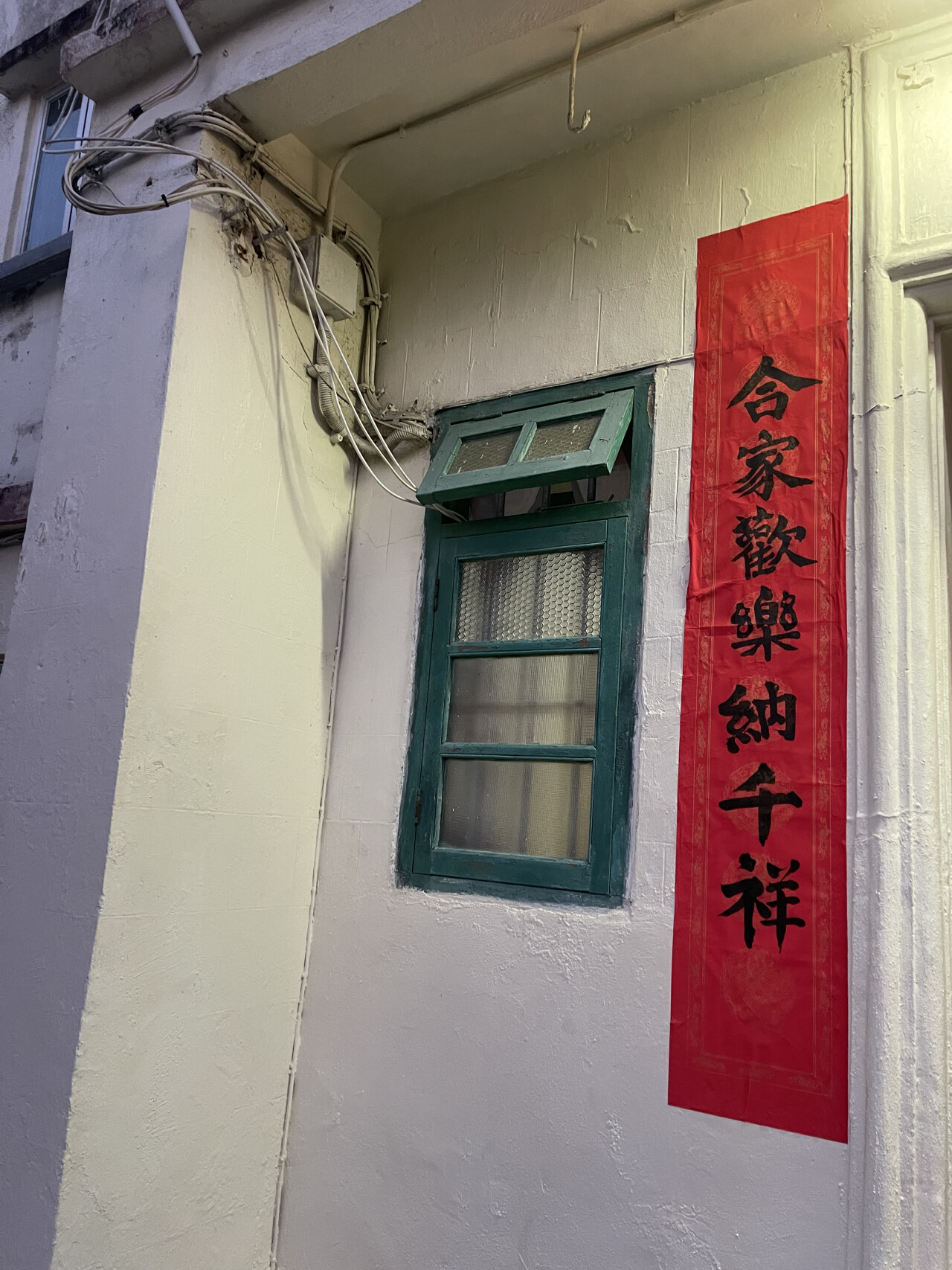
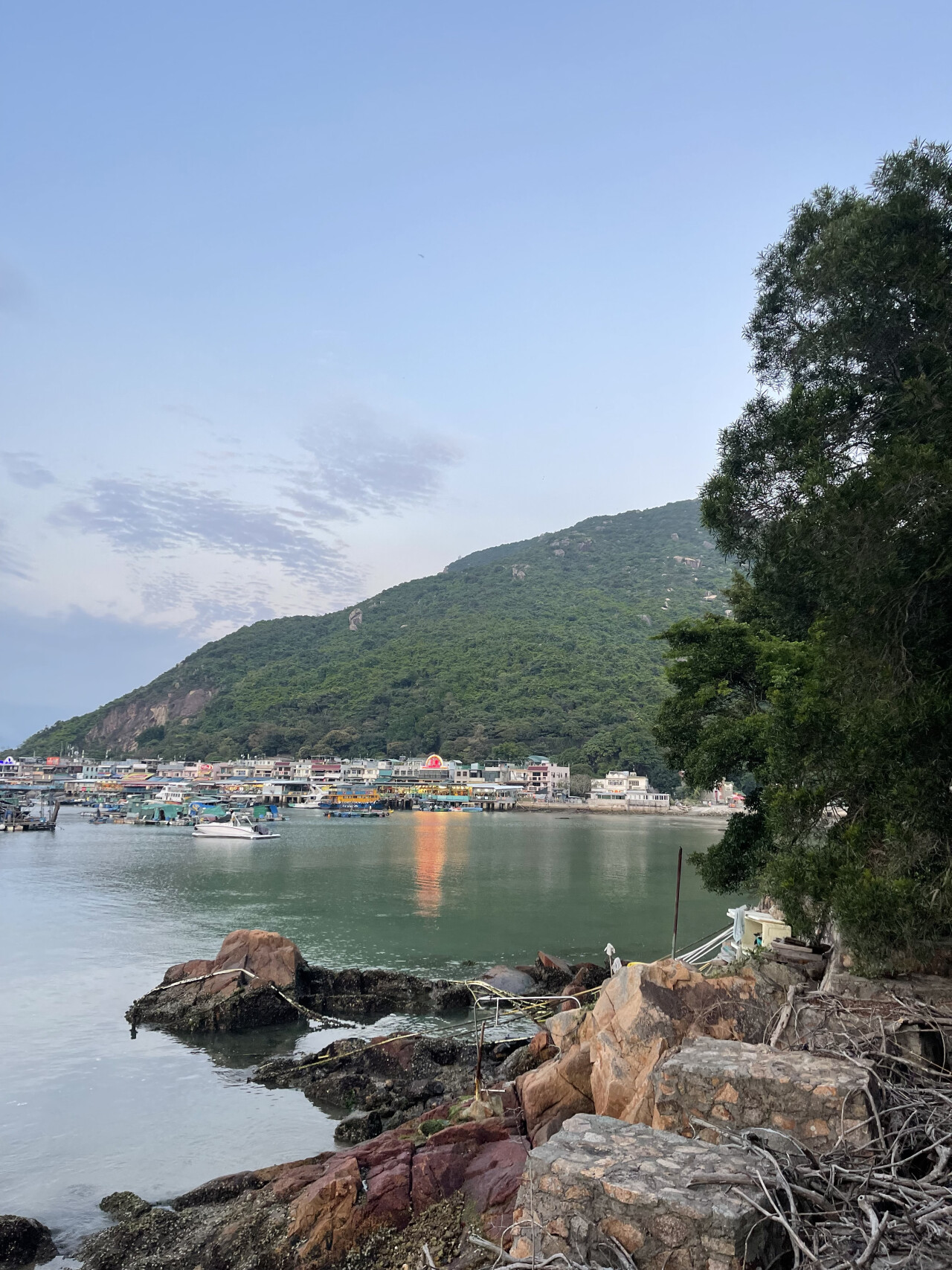
Lamma Island is one of the best places for a day trip from Hong Kong, especially if you want a break from the bustle of the city. Life here is quiet and unhurried, in contrast to fast-paced Hong Kong and its high-rise buildings.
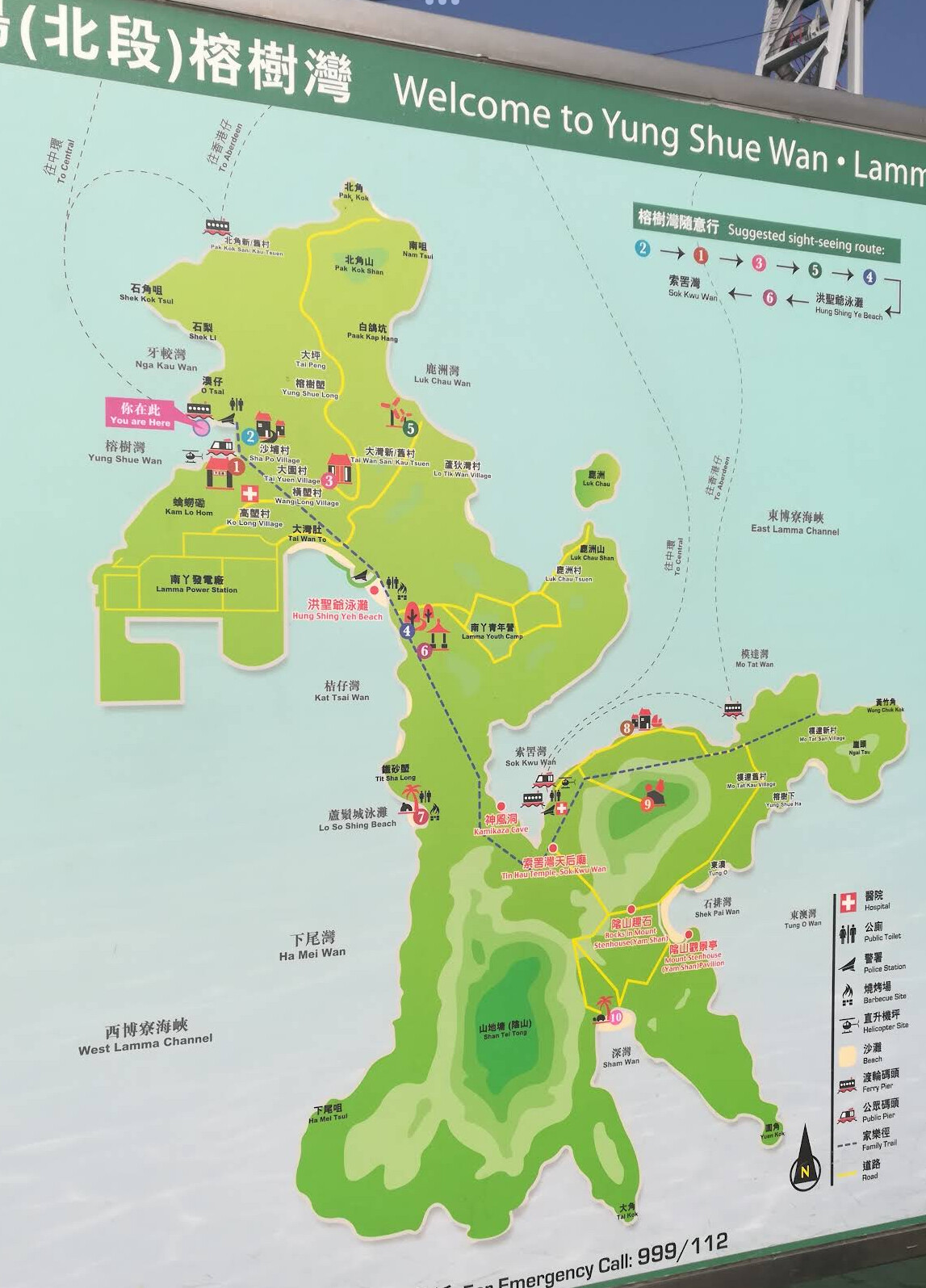
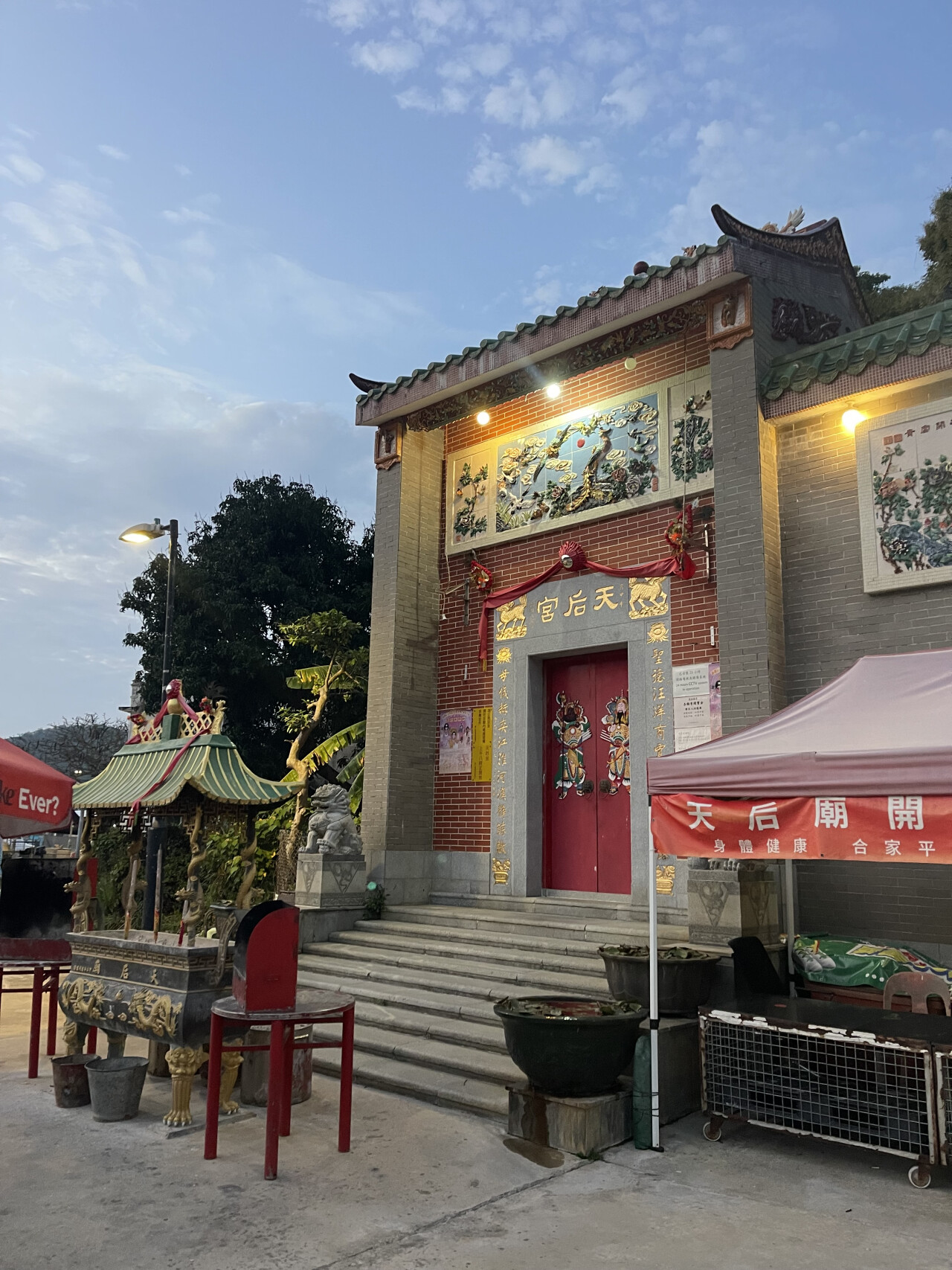
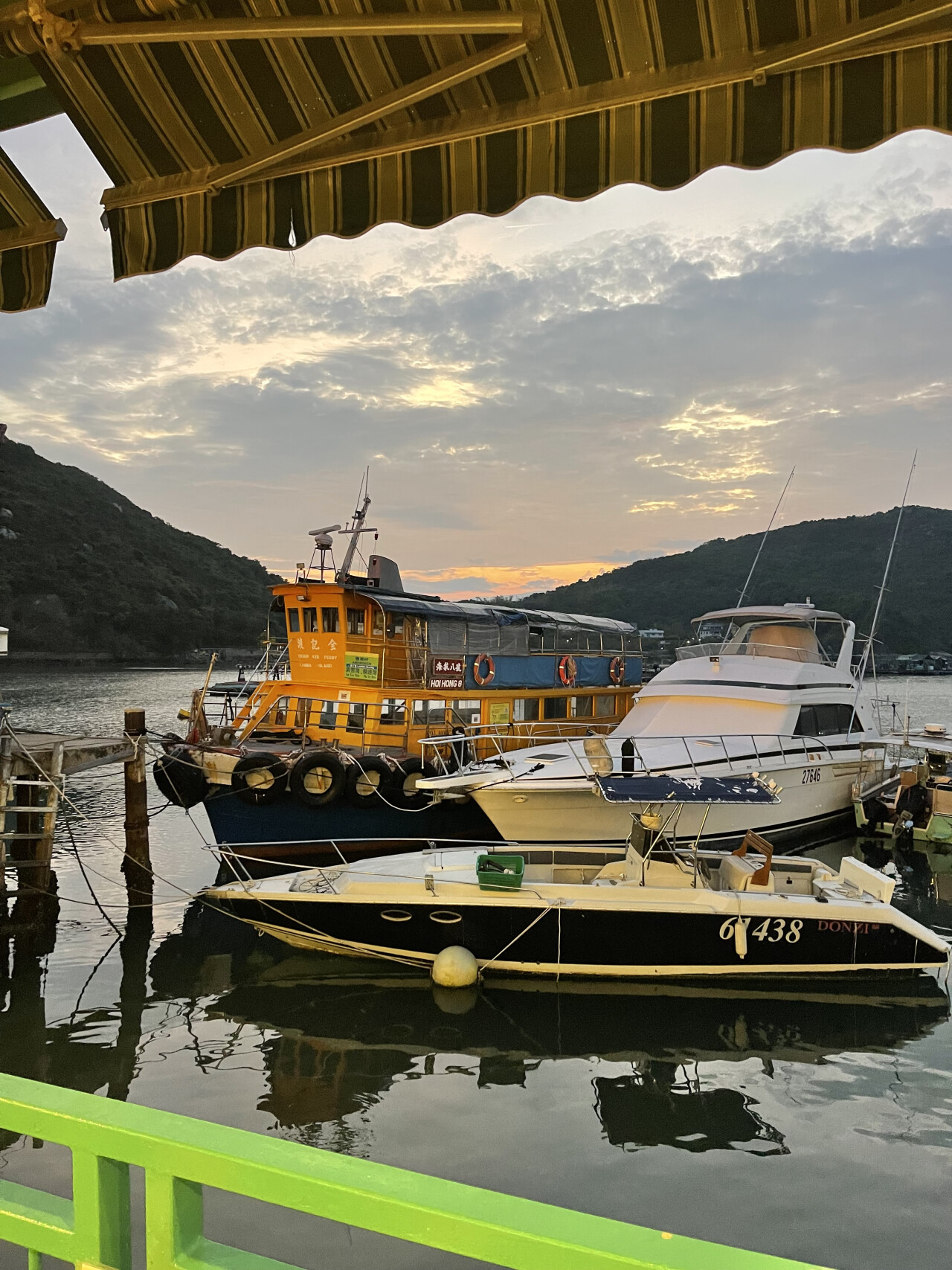
You can reach Lamma Island by ferry from Central Pier №4 to Yung Shue Wan or Sok Kwu Wan. The journey takes around 25–30 minutes. Ferries run regularly, approximately every 30 minutes.
After arriving at Yung Shue Wan Pier, you can begin your day on the island at Terracotta Lamma, a Mediterranean restaurant in Yung Shue Wan with sea views.
As you walk through the authentic streets, stop by Lamma Brand. This local clothing and souvenir brand was created out of a love for Lamma and its relaxed, creative atmosphere. It sells original T-shirts, bags, tote bags and accessories with minimalist, playful prints inspired by nature, the sea and local life.
The shop is particularly popular with visitors who want to take home something more stylish, personal and unusual than a standard fridge magnet. Lamma Brand items are often produced in small batches, so you can take home a genuinely unique souvenir. When buying a T-shirt, you can watch the design being printed on it in real time.
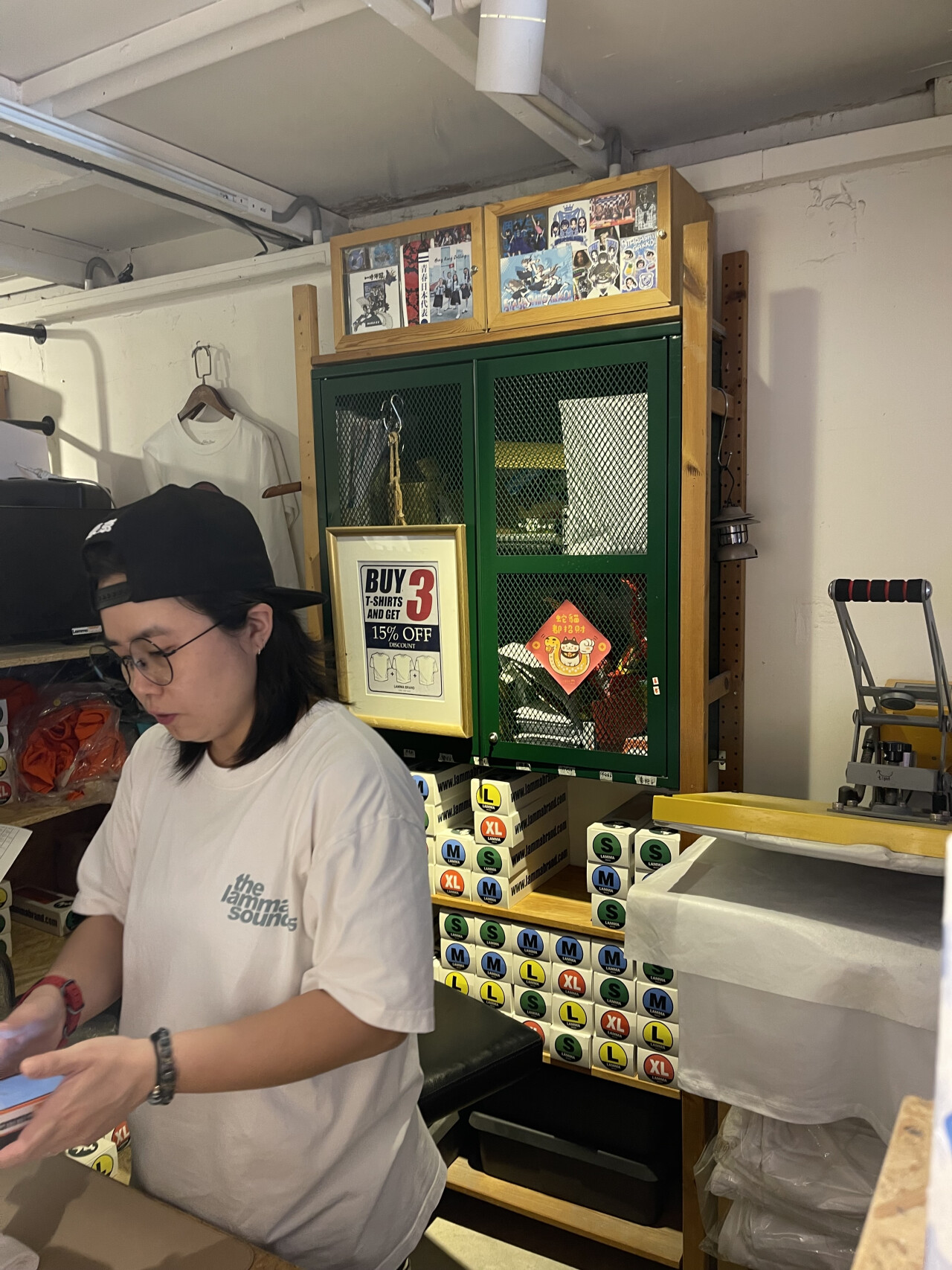

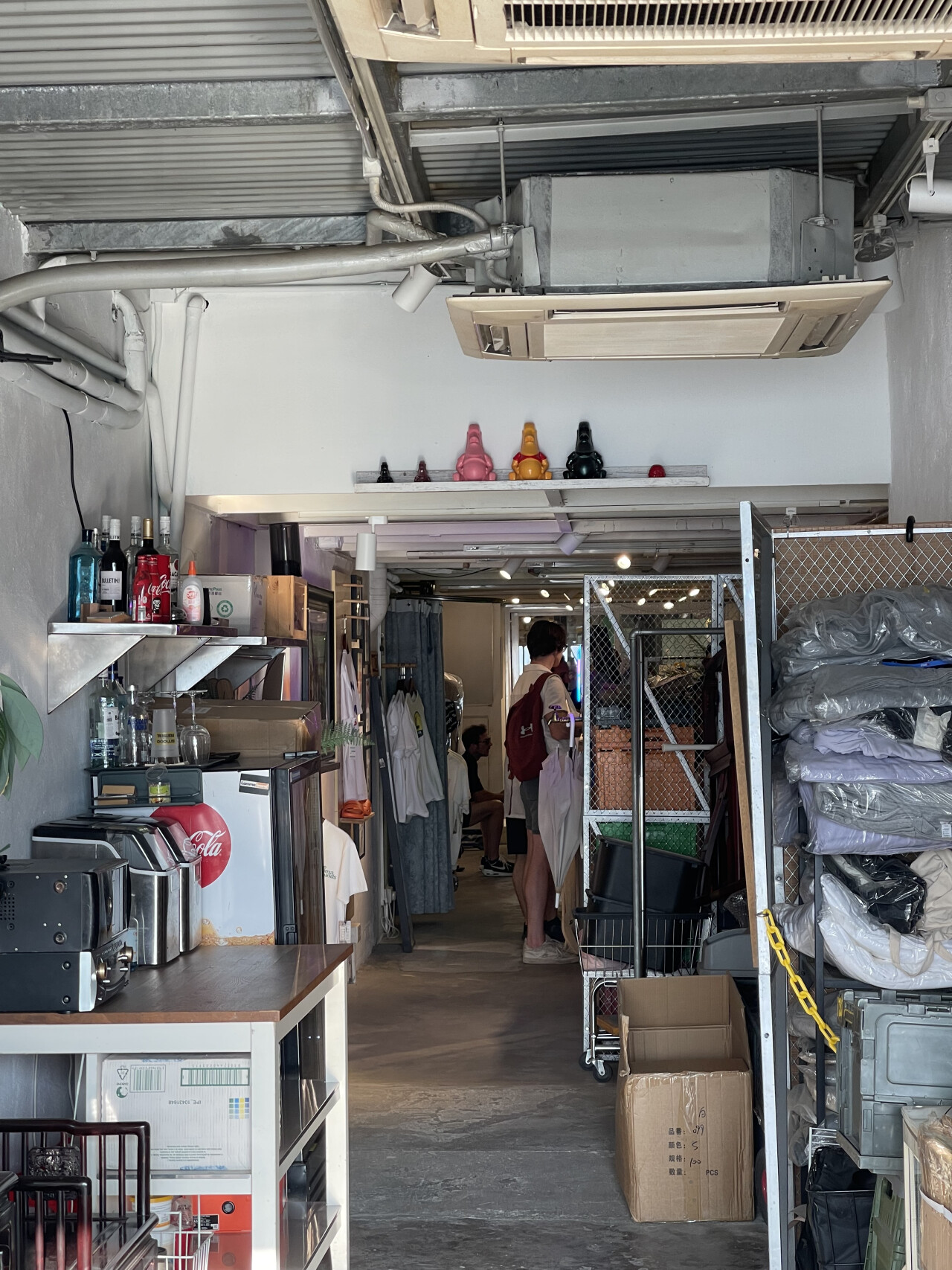
The shop also has a friendly atmosphere. You can chat with the owners, learn more about life on Lamma and experience the island through the eyes of its residents.
You can then sunbathe at Hung Shing Yeh Beach before continuing your walk through the scenic part of the island.
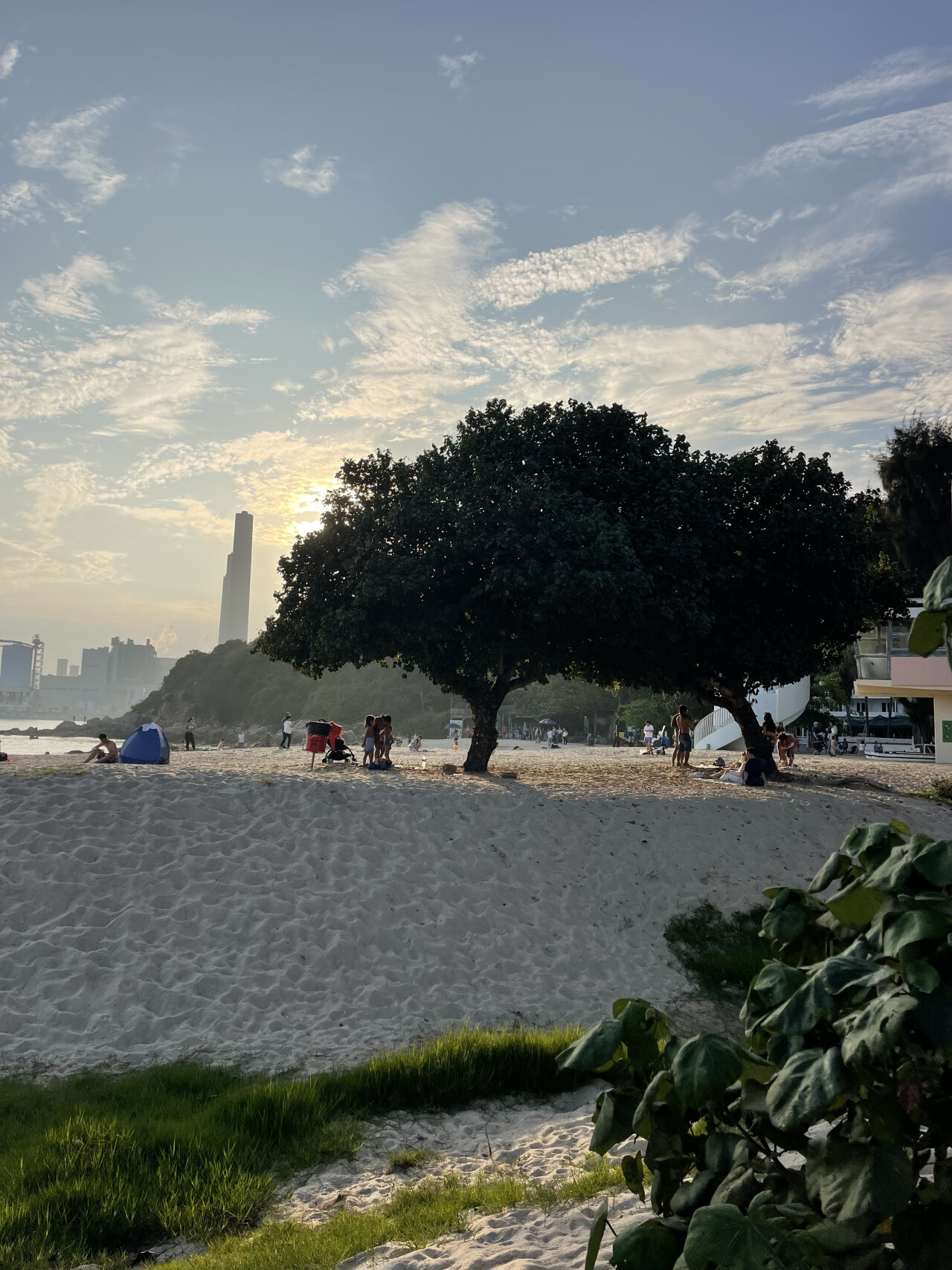
The Lamma Island Family Trail is an easy route between Yung Shue Wan and Sok Kwu Wan, passing beaches and scenic viewpoints.
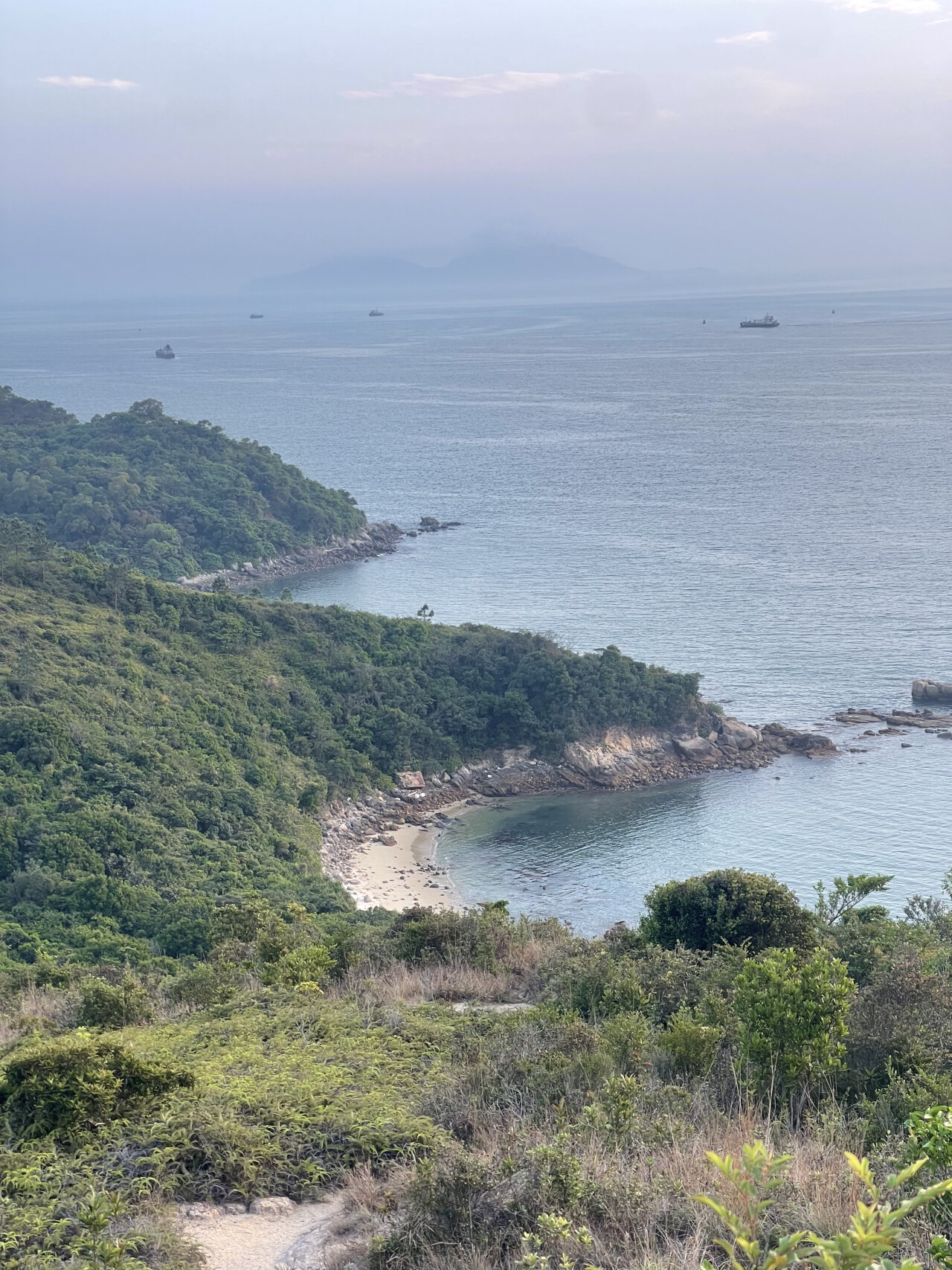
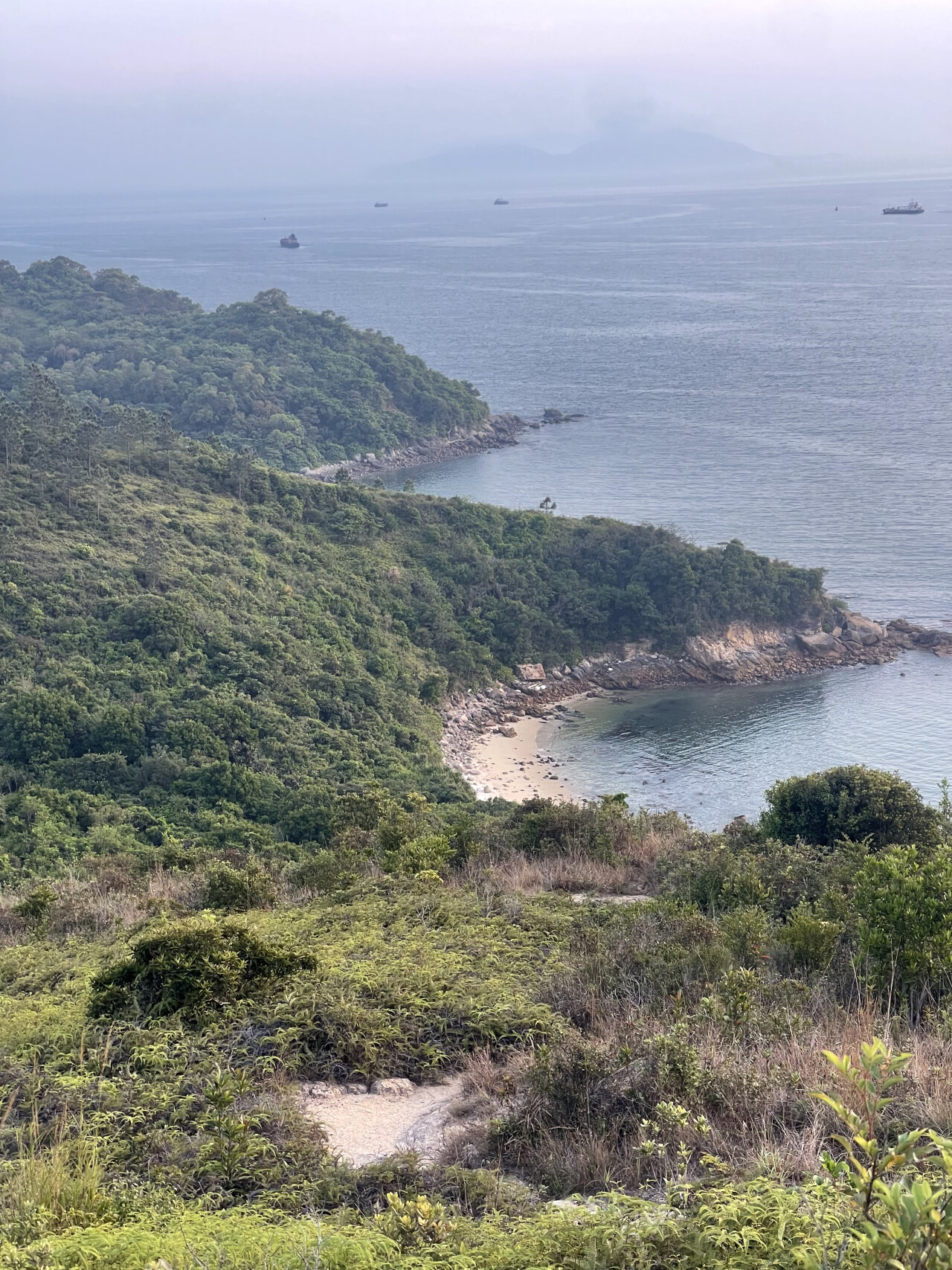
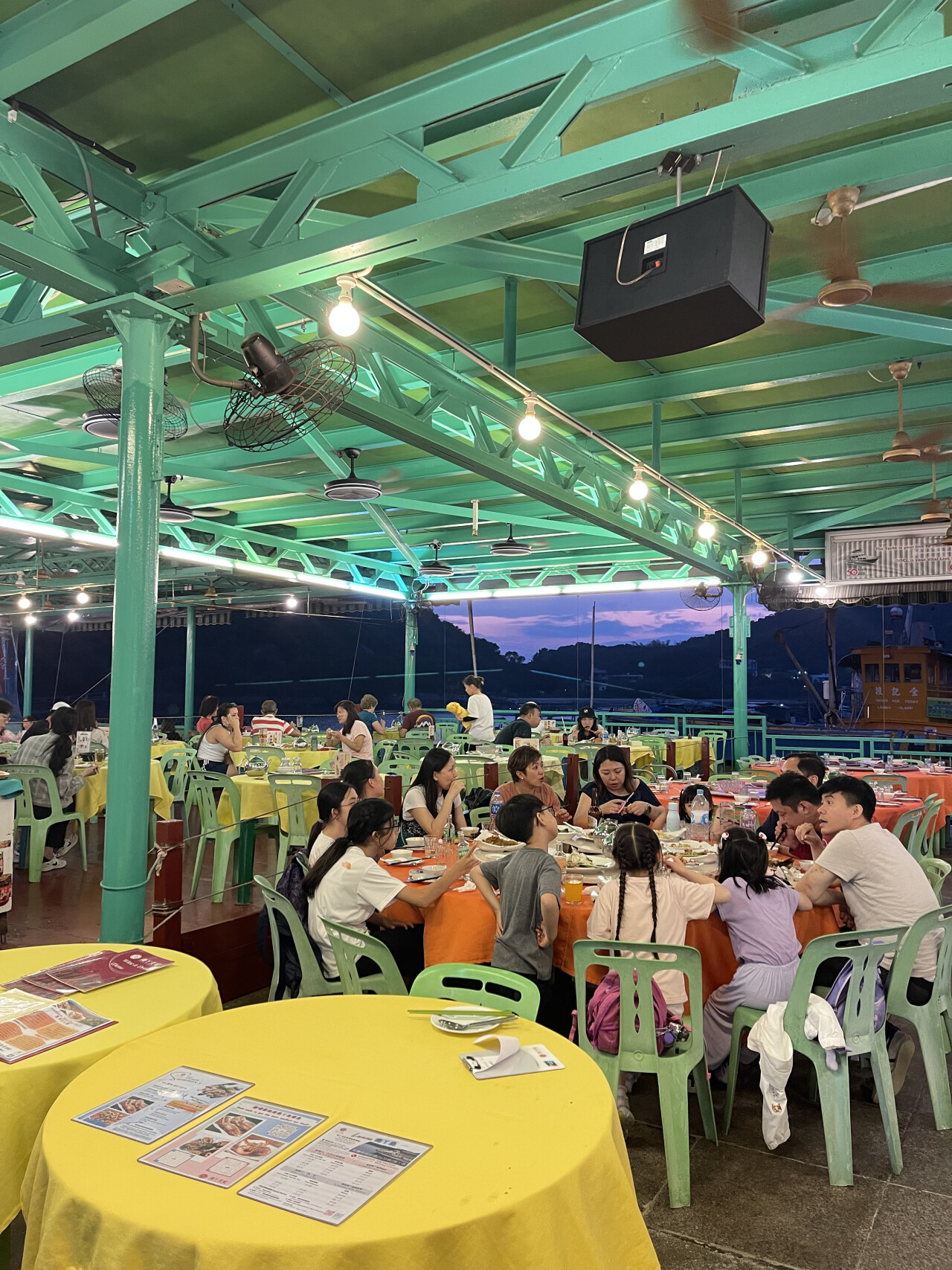
You can finish the walk with dinner at one of the local waterfront cafés in the market.
For example, The Lamma Mandarin Seafood restaurant.
You can take the ferry back to Hong Kong from Sok Kwu Wan Ferry Pier, stopping at Lamma Fisherfolk's Village on the way to buy souvenirs.
- Visit Hong Kong Disneyland
This is one of the most compact Disney parks, but it still has the full range of classic attractions. It is suitable for a trip with children or simply for the nostalgia.
This is not a cheap activity. One-day tickets start from HK$669 for adults and HK$499 for children aged 3–11 and seniors, while a two-day ticket costs approximately HK$769, making it better value if you want to visit the park twice within six days.
To avoid long queues, you can buy Disney Premier Access from HK$219, which gives you priority access to popular attractions.
The easiest way to reach the park is by MTR. Change at Sunny Bay station to the Disneyland Resort Line, where a Disney-themed train will take you directly to the entrance. You can also take a taxi from the city centre for HK$250–300.
For a more comfortable visit, it is recommended to buy tickets online in advance, arrive when the park opens because it is less crowded in the morning, use the official app to monitor queues and book restaurants ahead of time.
Art museums in Hong Kong
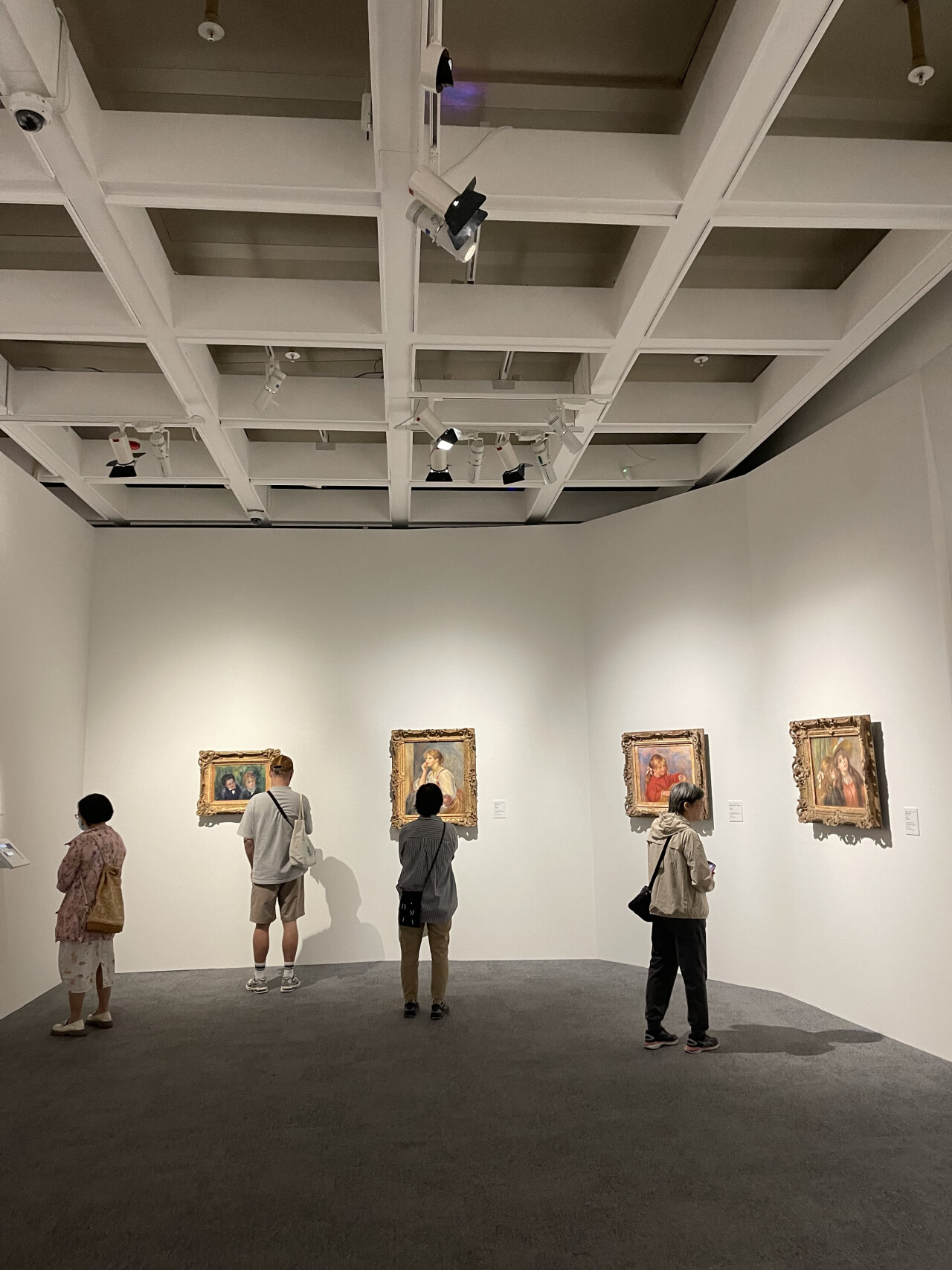
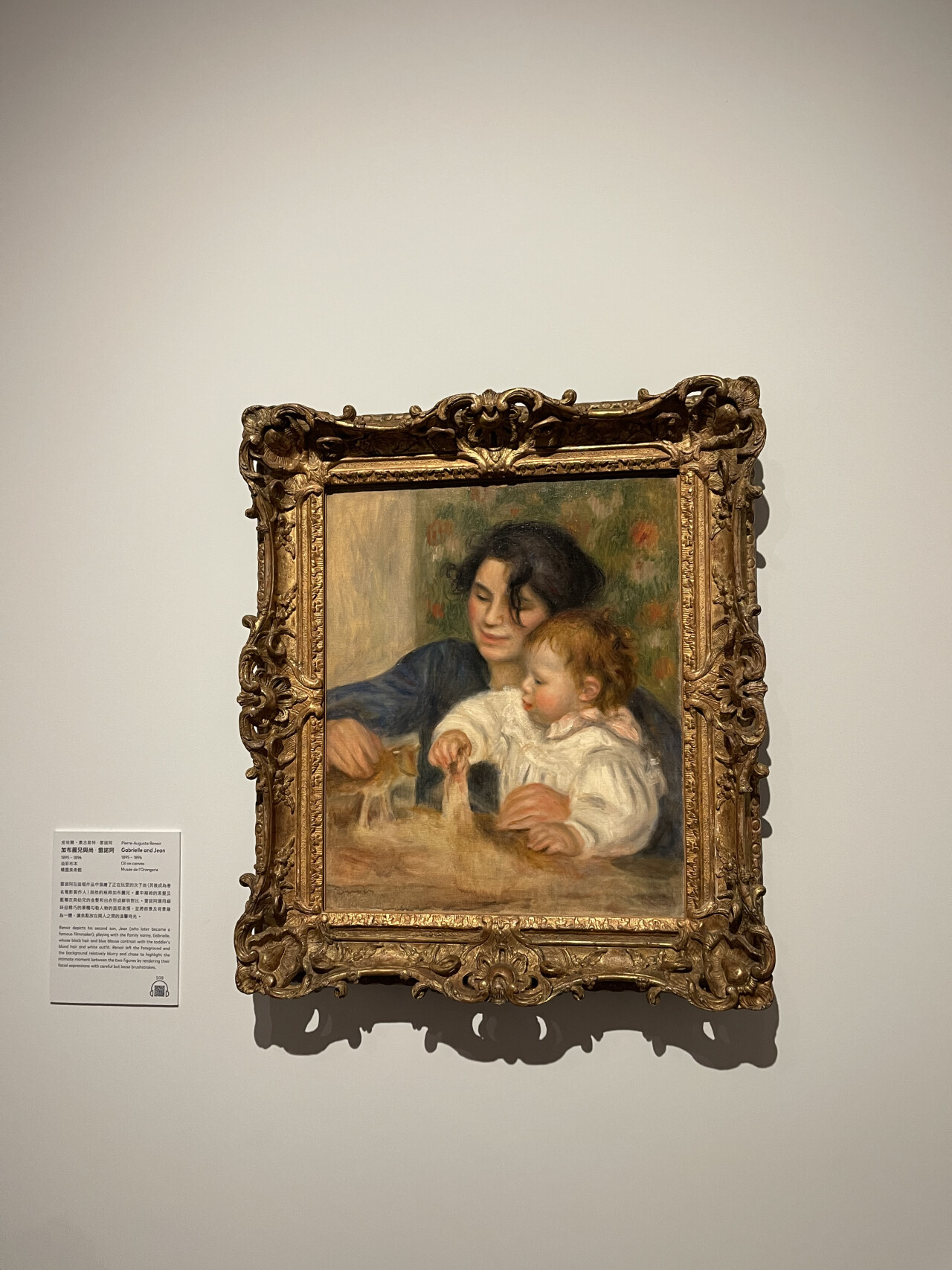
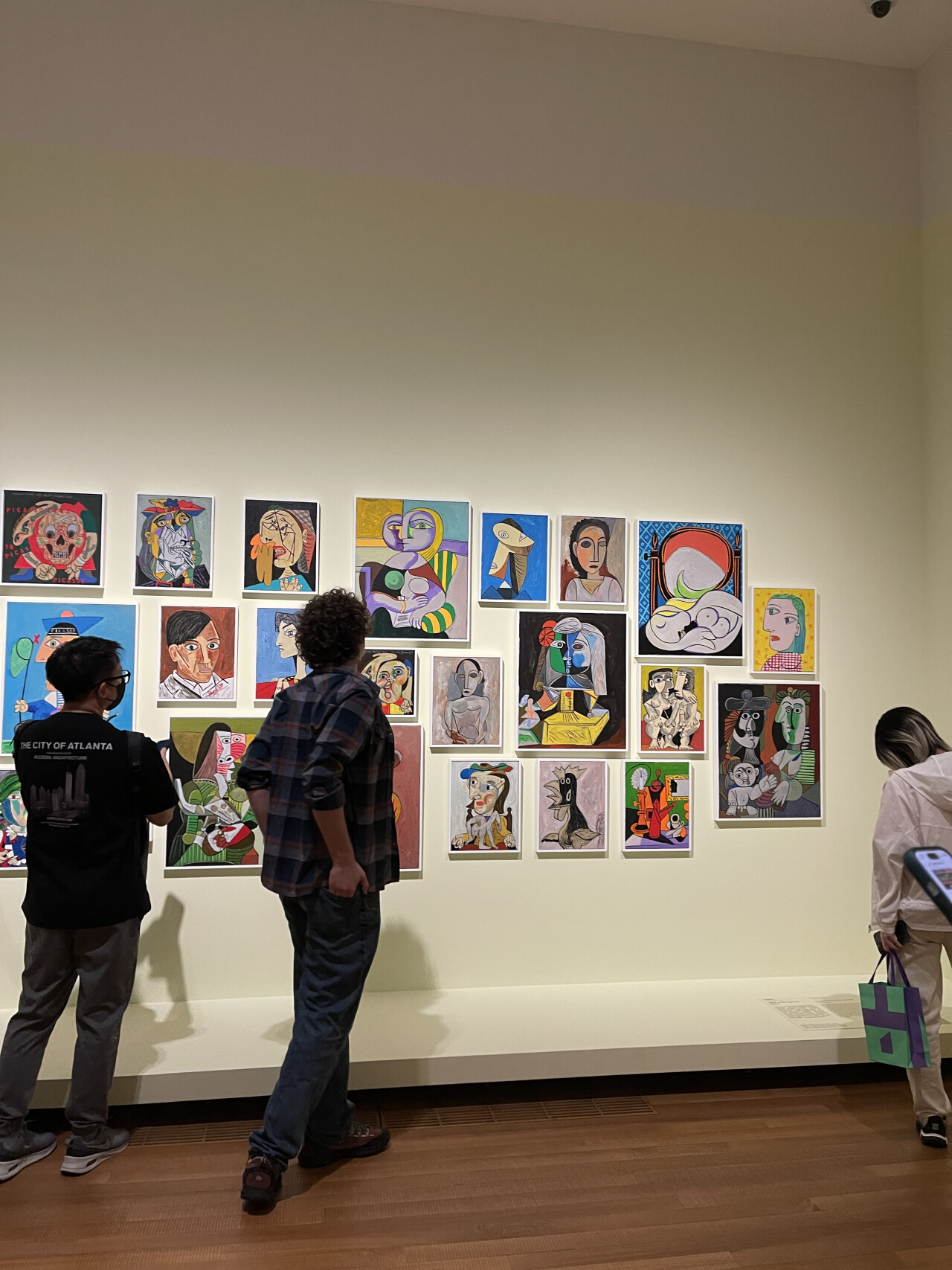
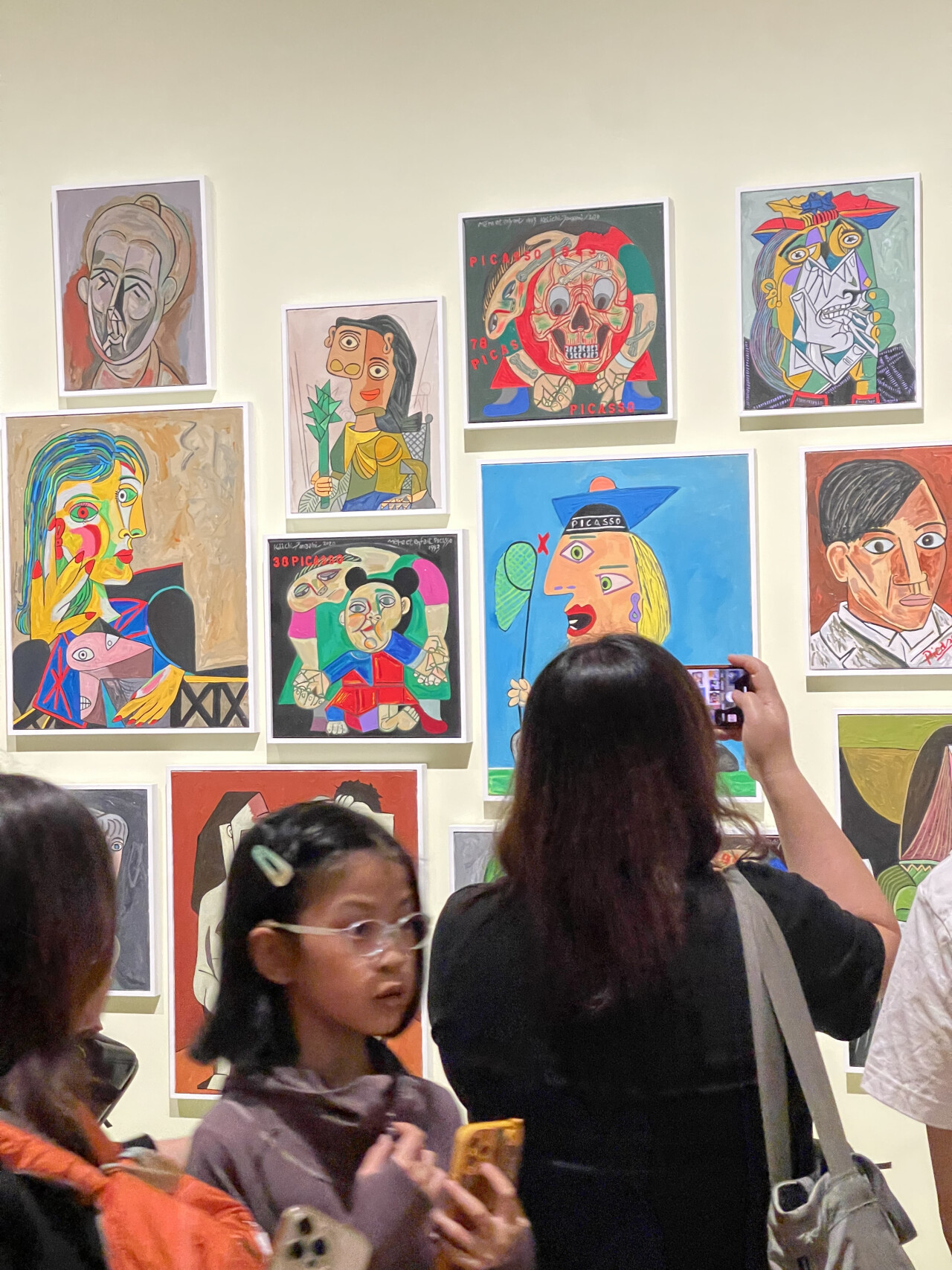
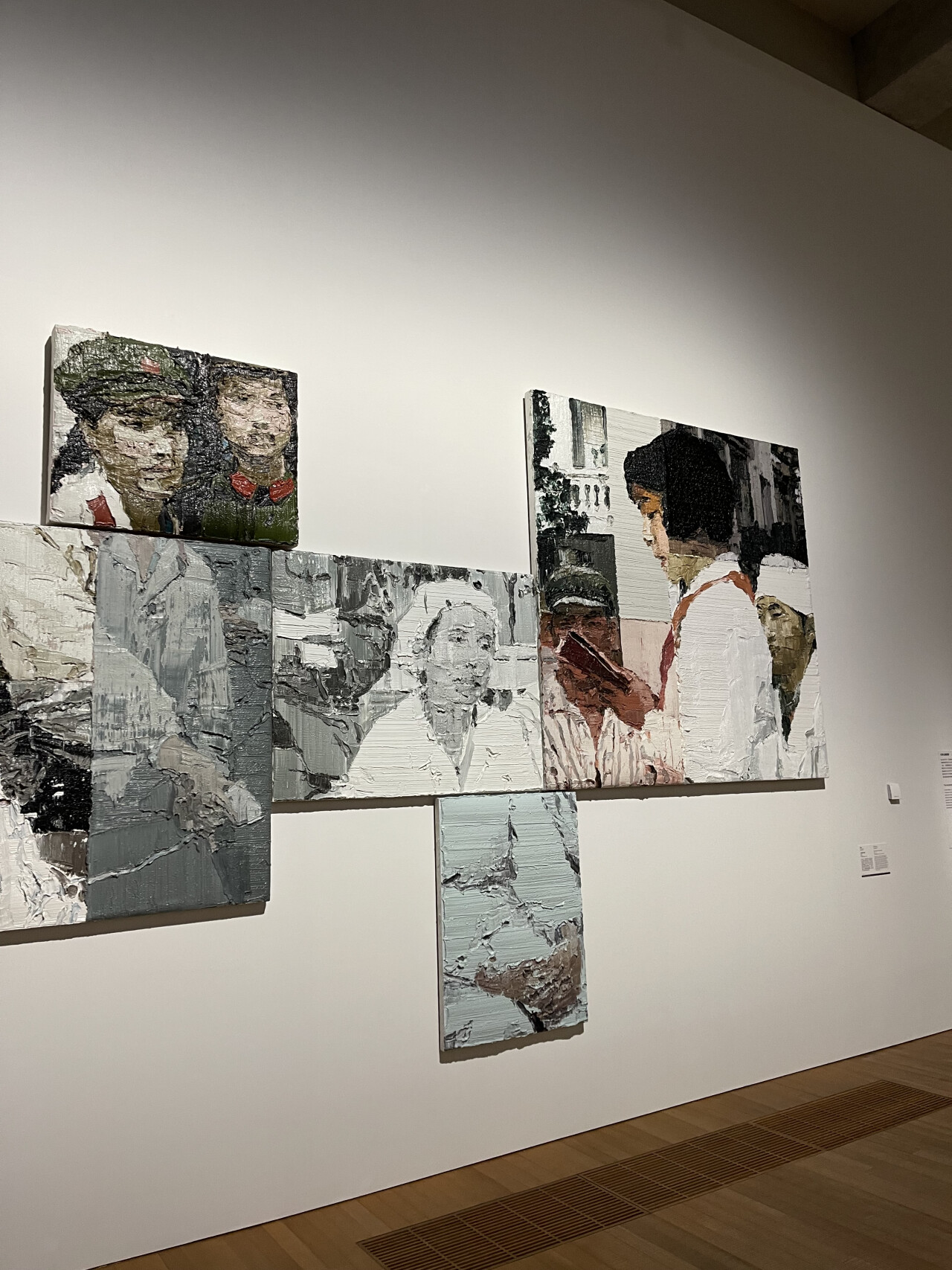
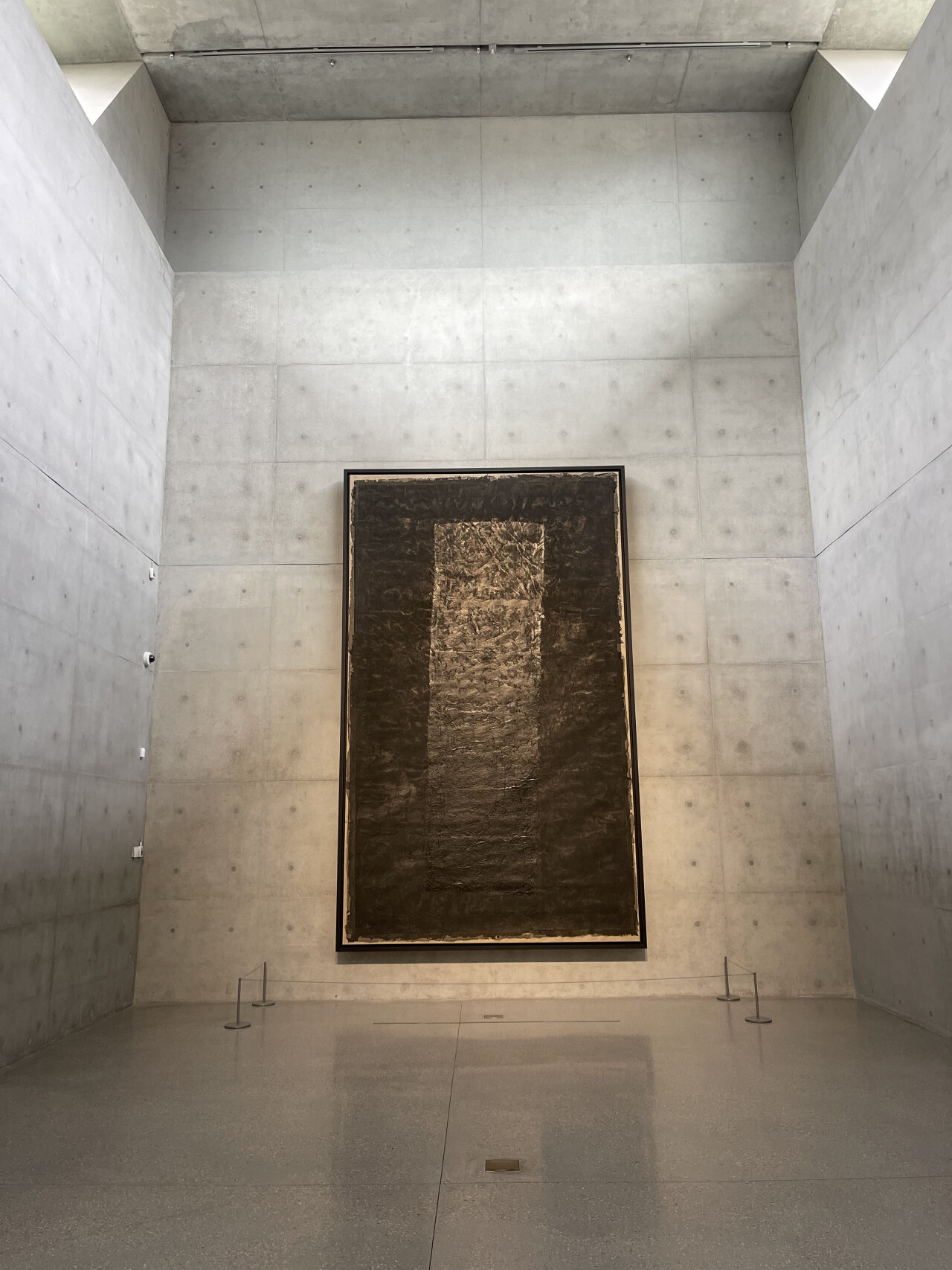
Unlike Bali, Hong Kong has a rich and noticeable cultural scene. There are more opportunities to visit museums, exhibitions, concerts and festivals. The city actively develops contemporary art and architecture and has numerous design spaces, galleries and cultural centres. While cultural events in Bali often take some effort to find, in Hong Kong they are everywhere, from major museums such as M+ to street performances and theatres. This makes a trip more varied and full of different experiences.
Two museums that are definitely worth visiting are the Hong Kong Museum of Art and M+, two contemporary museums with very different atmospheres.
Hong Kong Museum of Art
It is located directly on the waterfront in Tsim Sha Tsui. This is a traditional museum with a large collection of Chinese painting, ceramics, calligraphy and contemporary Asian art. It is interesting for adults and teenagers alike. The exhibitions change regularly, while the building itself is bright and spacious, with harbour views. Admission to the main museum is often free or costs a nominal 10–30 HKD.
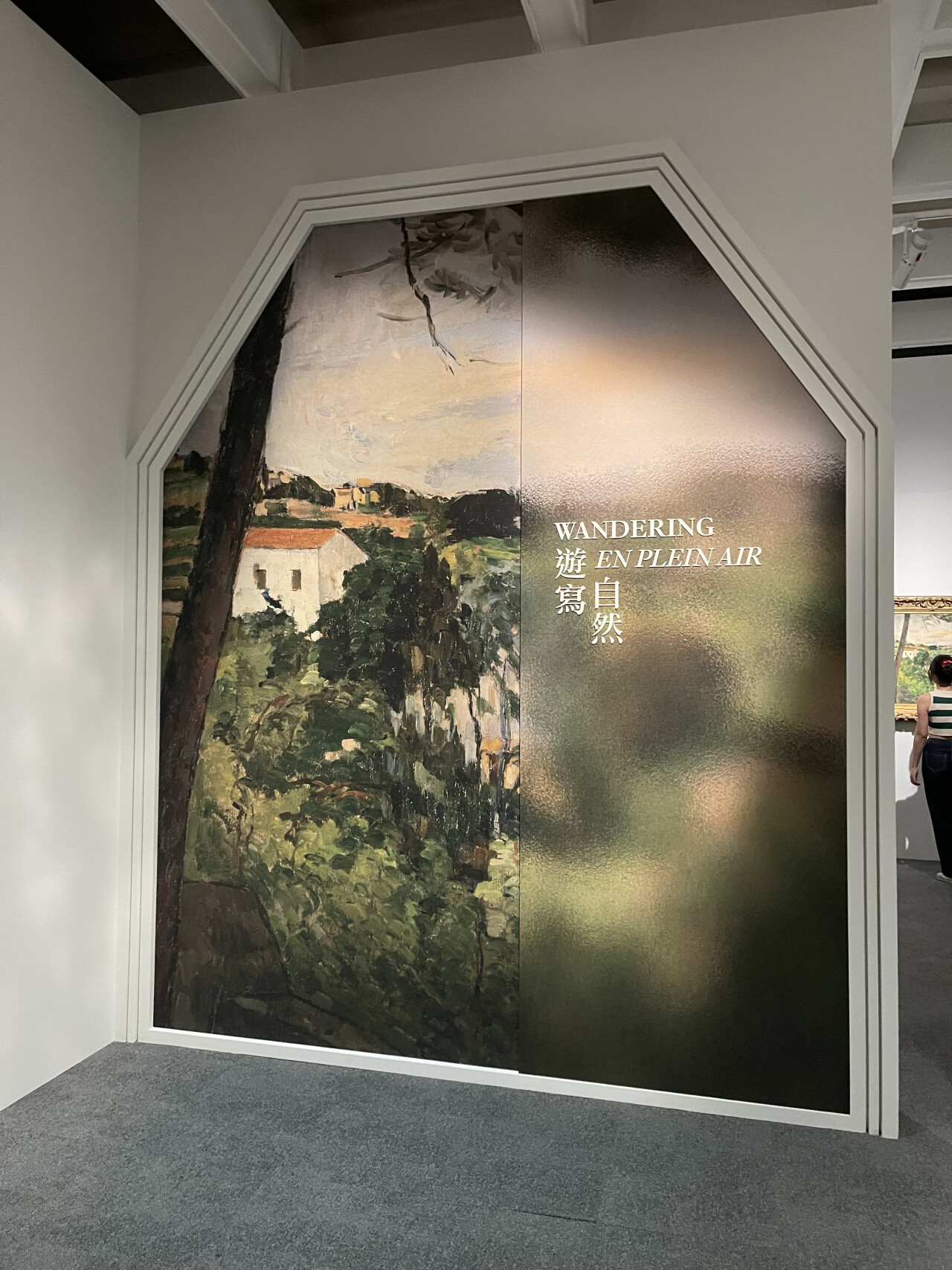
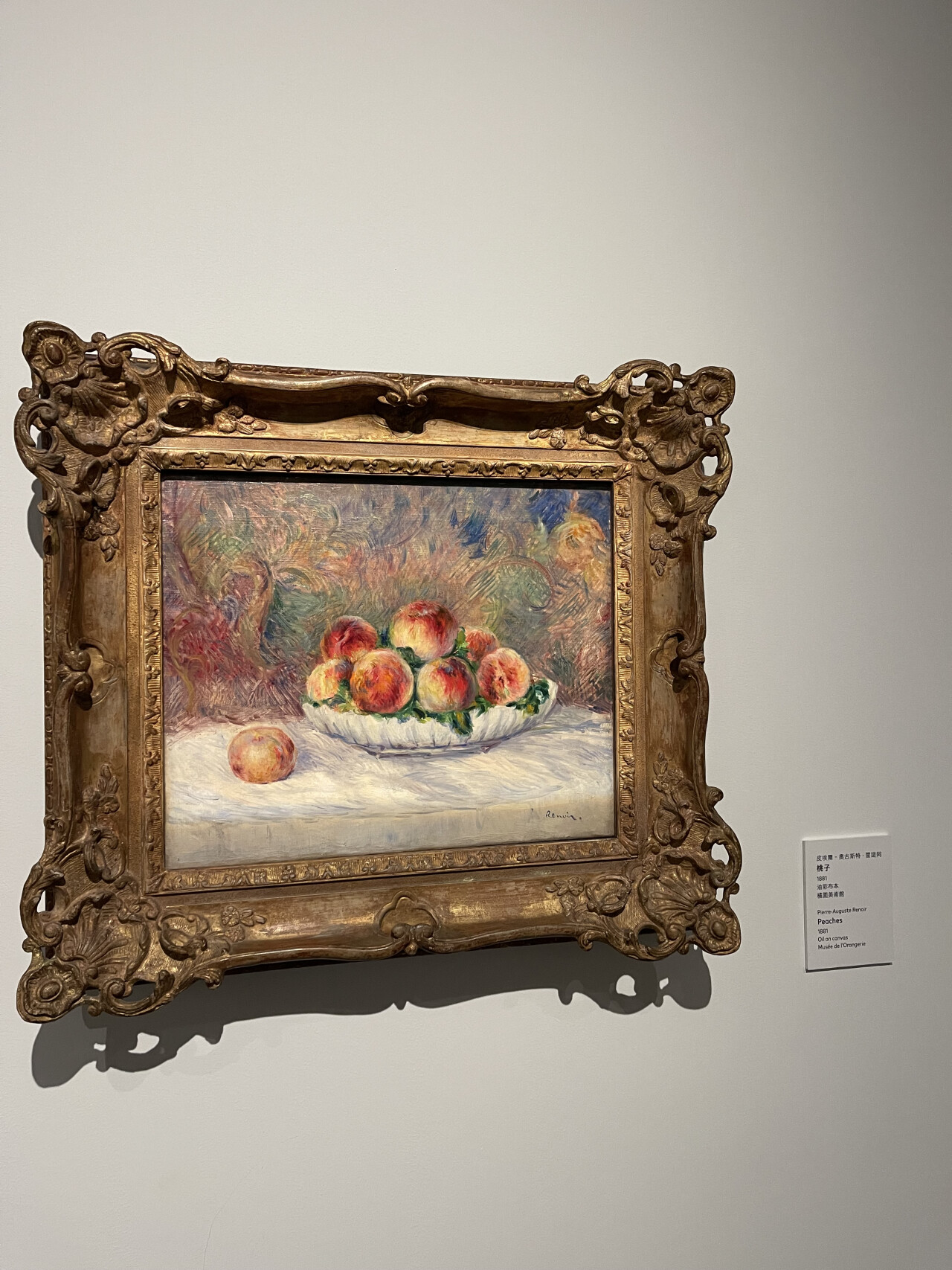
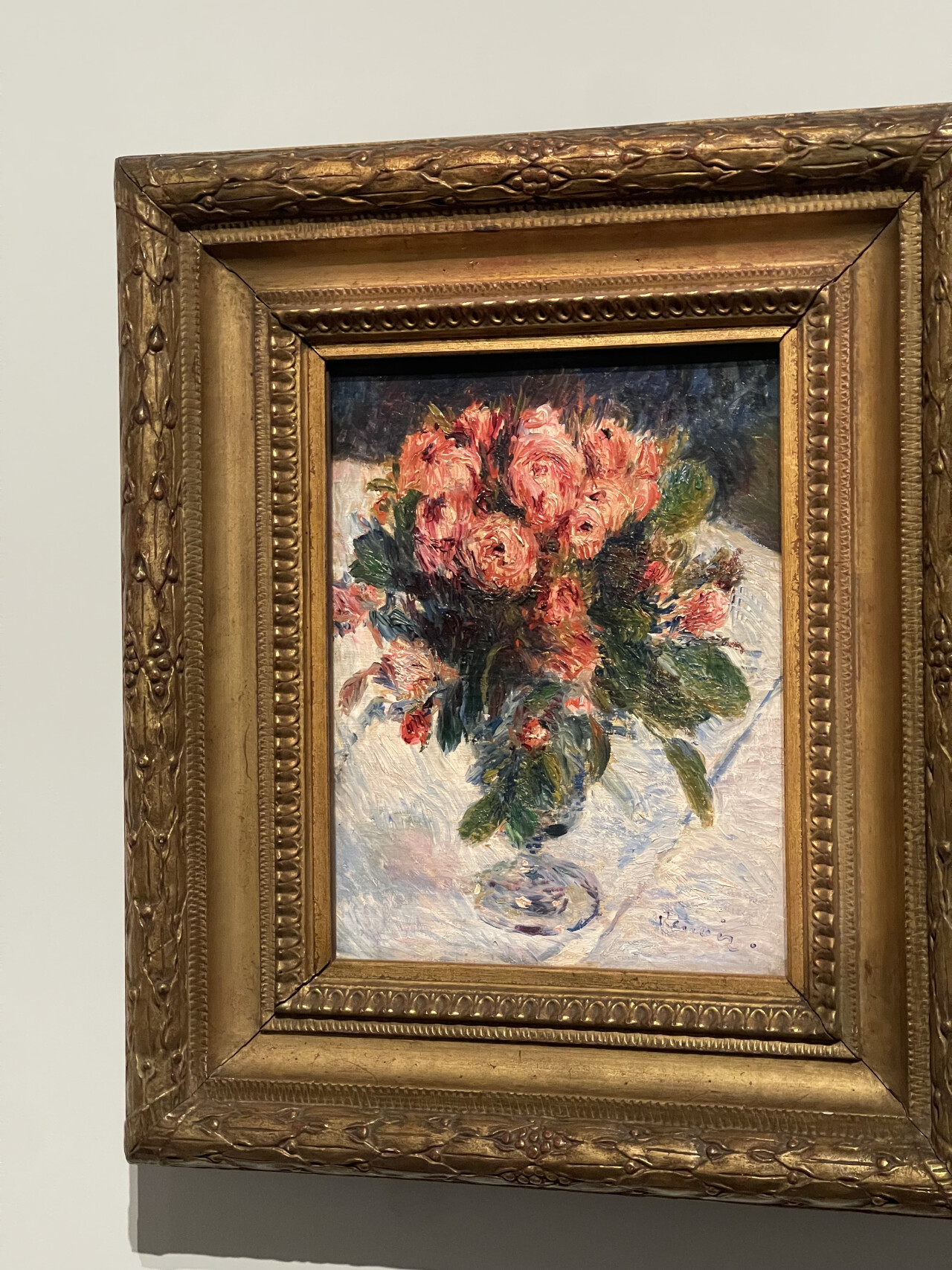
M+ Museum
This is the largest museum of contemporary visual culture in Asia, opened in the West Kowloon district. It occupies an enormous minimalist building and features high-tech exhibitions, contemporary art, media, architecture, design and much more. You can see both international projects and works by Hong Kong artists.
M+ is a good choice for people interested in contemporary forms of expression and unconventional museums. A standard admission ticket costs around 120 HKD, but there are also free admission days.
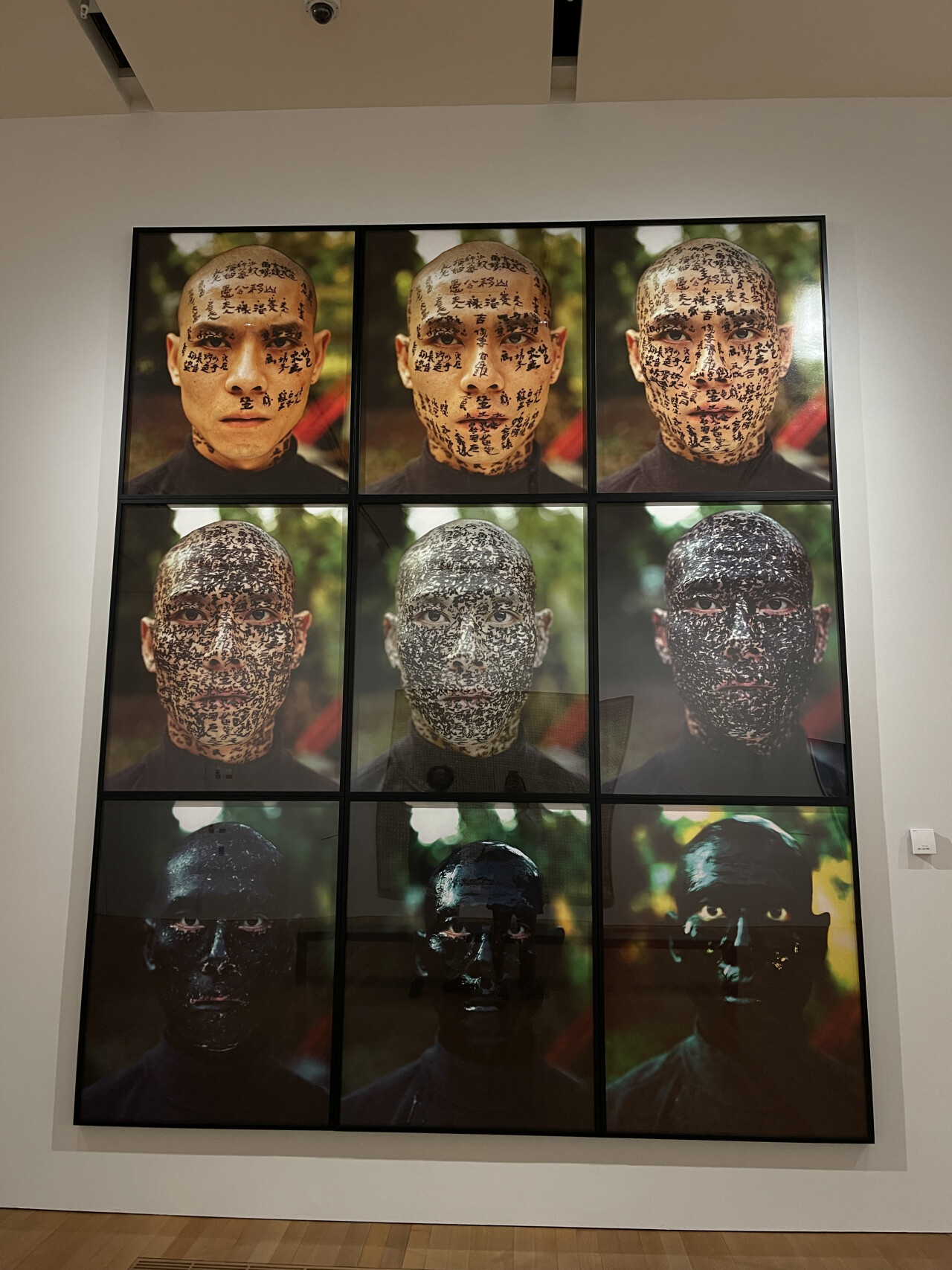
Hong Kong is the perfect place for a change of pace, fresh inspiration and the feeling of being at the centre of the world. Even a short trip offers striking contrasts: from hiking among green hills to cocktails against a backdrop of neon lights, and from street food to designer galleries.
After the slower pace of Bali, the rhythm of a metropolis feels particularly intense here, offering a great reminder of just how diverse Asia can be.
View 7
more photo
more photo

You can add one right now!