
Just a five-and-a-half-hour flight from Bali, Taiwan offers an impressive mix of modern cities, traditional mountain villages, hot springs, tea plantations and ancient forests.
Historic trains still wind through the mountains, while bustling night markets, centuries-old temples and scenic hiking trails make the island an exciting destination to explore.
A week in Taiwan is enough to discover the highlights of Taipei, visit the coast, explore tea-growing regions, relax in natural hot springs and experience the famous forest railways of Alishan. Yet the island has much more to offer, from scenic mountain lakes to historic southern cities.
This guide covers everything you need to know about traveling to Taiwan from Bali, including visa requirements, direct flights, transportation and the best places to visit.
Essential Information
Taiwan and Mainland China: What's the Difference?
Taiwan is an island in East Asia, located approximately 180 kilometers off the coast of mainland China. Its political status remains a longstanding international dispute.
The People's Republic of China considers Taiwan part of its territory. However, Taiwan operates under its own government, with an elected president, parliament, military, legal system and immigration authorities. As of 2026, Taiwan maintains formal diplomatic relations with 12 countries.
For travelers, the most important distinction is that Taiwan has its own immigration and visa requirements. A visa for mainland China does not grant entry to Taiwan, and a Taiwanese visa does not allow entry to mainland China.
Previous visits to mainland China do not automatically prevent travelers from obtaining a Taiwanese visa. Travel between the two destinations is possible, provided visitors meet the entry requirements of each jurisdiction.
Internet and eSIM
Unlike mainland China, Taiwan provides unrestricted access to popular international services such as Google, YouTube, WhatsApp and Instagram.
Tourist SIM cards and eSIM packages are available at Taiwan Taoyuan International Airport, including counters in the arrivals area near baggage claim.
Visitors can choose packages lasting 4, 7, 10 or 30 days. As a price reference, a seven-day 4G tourist package costs around NT$500 (approximately US$16), while a 5G package costs around NT$800 (US$25). Prices may vary depending on the provider.

Visa Requirements for Taiwan
Taiwan's entry requirements depend on the traveler's nationality, passport type and intended length of stay. Many international visitors can enter visa-free, while others must apply for a visa before departure.
Visa-Free Entry
Passport holders from the United States, Canada, the United Kingdom, most European Union countries, Australia, New Zealand and several other countries are generally eligible for visa-free entry to Taiwan.
For many of these nationalities, the permitted stay is up to 90 days, although the exact duration and conditions vary.
Travelers should check passport validity requirements, return or onward ticket conditions and any additional entry restrictions before booking their flights.

Taiwan eVisa
Taiwan also offers an electronic visa system for eligible nationalities and specific categories of travelers.
Applications are submitted online through the official Taiwanese visa portal, without the need to visit a consulate in person.
Depending on eligibility, applicants may need to provide passport details, contact information, travel dates, accommodation information, a passport-style photograph and a scan of their passport's identification page.
Additional supporting documents may be requested.
Electronic visas are generally issued for a single entry, with a maximum stay of 30 days, although eligibility and conditions depend on the applicable program.
Visa processing times vary, so applying at least 7–10 days before departure is advisable.
Once approved, travelers should download and print their electronic visa for presentation at immigration.
The latest requirements and eligible nationalities are available on the official Taiwan Bureau of Consular Affairs website.
How to Get to Taiwan from Bali
Travelers can fly directly from Bali's Ngurah Rai International Airport (DPS) to Taiwan Taoyuan International Airport (TPE), the main international gateway to Taipei.
Direct flights are operated by airlines including China Airlines and EVA Air. Flight availability and schedules should be checked for the intended travel dates.
The journey takes approximately 5 hours and 25–30 minutes, and there is no time difference between Bali and Taiwan.
Round-trip fares vary depending on the season, airline and booking period. As a general reference, tickets for late 2026 and early 2027 have been advertised from approximately IDR 6.3–6.5 million.
For travelers looking for cheaper alternatives, connecting flights are available through Jakarta, Singapore, Kuala Lumpur, Manila, Hong Kong and selected cities in mainland China.
Getting Around Taiwan
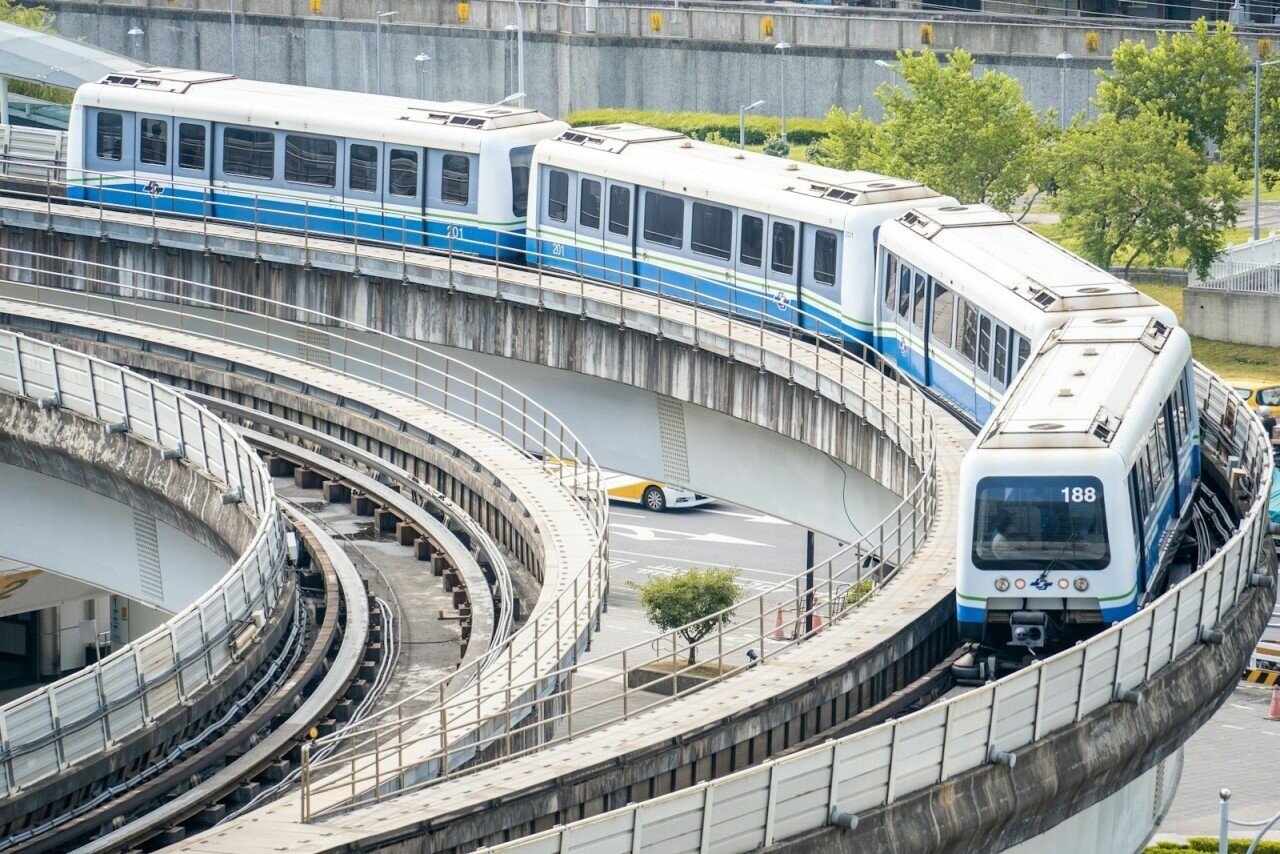
Taiwan has an excellent public transportation network, making it possible to explore much of the island without renting a car.
Modern metro systems, intercity trains, high-speed rail services and buses connect major cities and many popular tourist destinations.
From Taoyuan Airport to Taipei
The most convenient way to reach central Taipei is the Airport MRT, which connects Taiwan Taoyuan International Airport with Taipei Main Station.
The express service takes approximately 35–40 minutes, with a one-way ticket costing NT$160 (around US$5).
From Taipei Main Station, travelers can transfer to the city's metro network to reach most major neighborhoods.Taxis are also available, and Uber operates in Taipei.

Taipei Metro and EasyCard
Taipei's MRT system is one of the easiest ways to explore the city. Stations are clean, routes are clearly marked and signs are available in English.
For convenient payments, visitors can purchase an EasyCard, a rechargeable transportation card accepted on the metro, city buses, selected railway services and participating bicycle rental systems.
EasyCards are available at MRT stations and convenience stores such as 7-Eleven and FamilyMart.
A standard card costs approximately NT$100 (around US$3), with transportation credit added separately. Cash is commonly used for topping up.
The card can also be used for small purchases at participating stores.
YouBike: Exploring Taipei by Bicycle
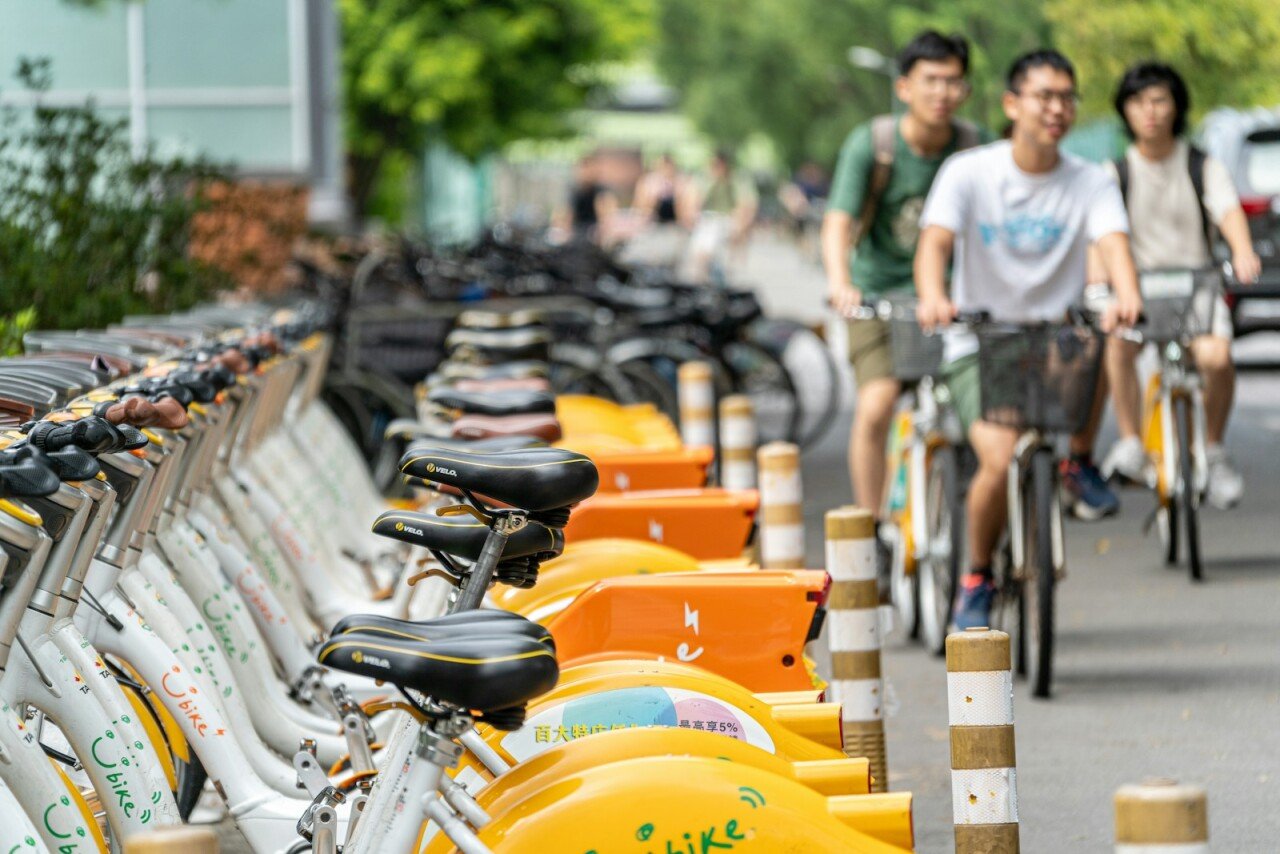
Taipei has an extensive public bicycle rental system called YouBike. Its distinctive yellow-and-orange bicycles can be found at docking stations throughout the city, particularly near parks, riverside paths and metro stations.
Visitors can register an EasyCard for regular use or rent bicycles through the YouBike app using a supported payment card. Cycling is especially enjoyable along Taipei's riverside routes and in neighborhoods with dedicated bike lanes.
High-Speed Rail: Traveling Between Cities
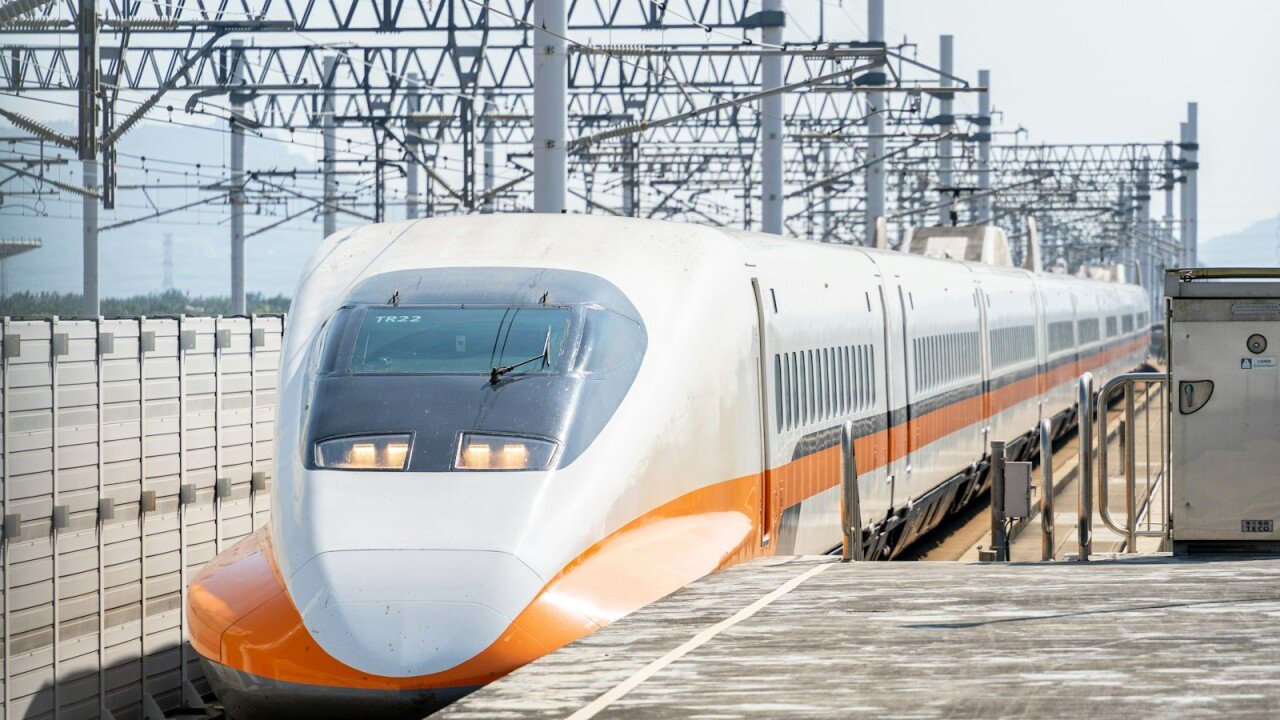
Taiwan High Speed Rail (THSR) connects major cities along the island's western corridor, including Taipei, Taichung, Tainan and Kaohsiung.
The journey from Taipei to Taichung takes approximately one hour, while reaching Kaohsiung takes around 1.5–2 hours, depending on the service.
Tickets can be purchased through the official THSR website or at railway stations. The high-speed railway operates only along western Taiwan. Destinations on the east coast, including Hualien, are served by conventional Taiwan Railways (TRA) trains.
For mountain destinations such as Alishan, travelers typically take a train to Chiayi and continue by bus or mountain railway.
Best Places to Visit in Taiwan
Taiwan offers an extraordinary variety of experiences, from modern architecture and lively night markets to mountain forests, historic towns and natural hot springs.
For a first visit, Taipei and its surroundings provide plenty to explore. Travelers with a week or more can also venture into the central mountains or southern part of the island.
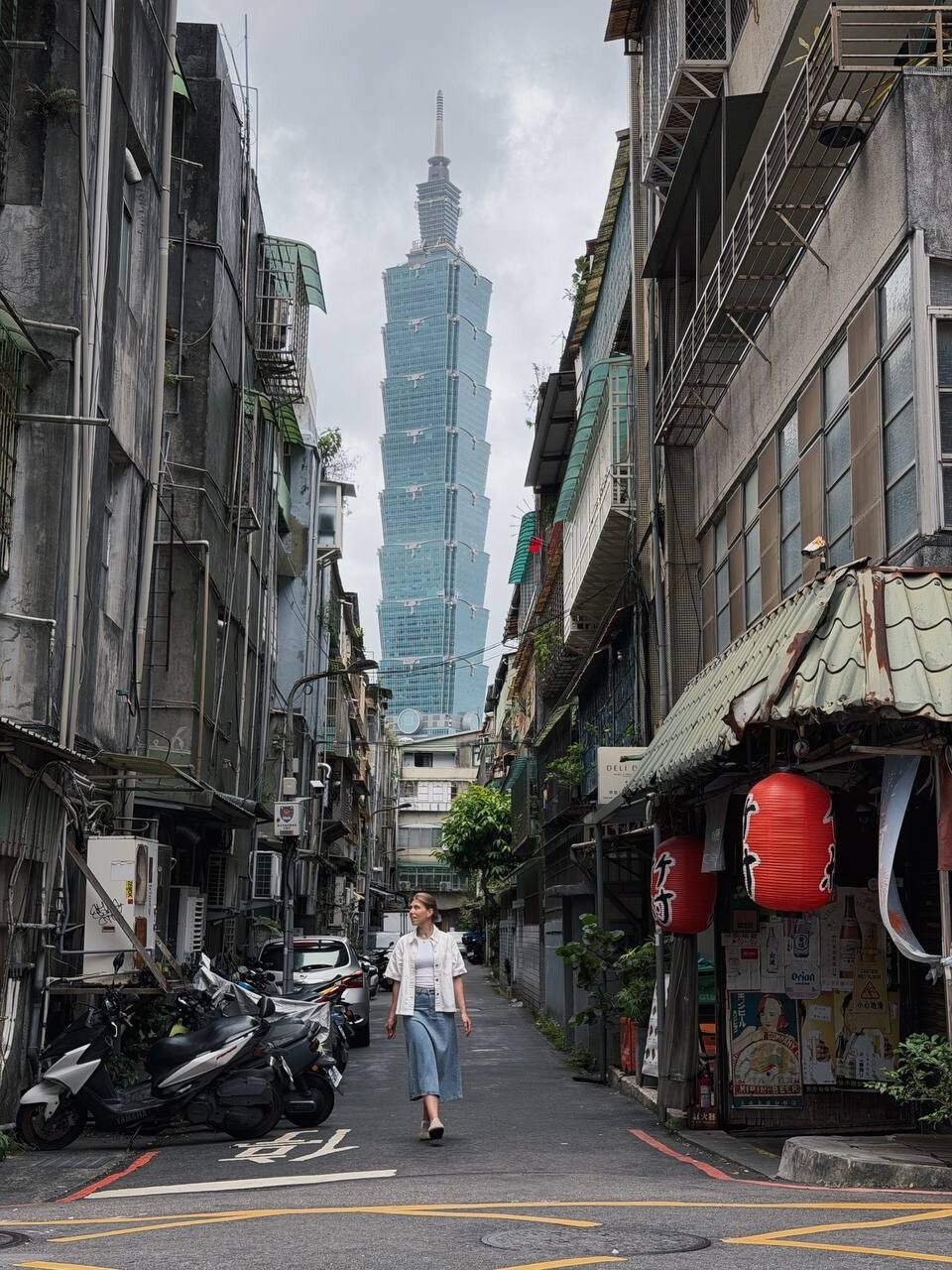
Taipei 101
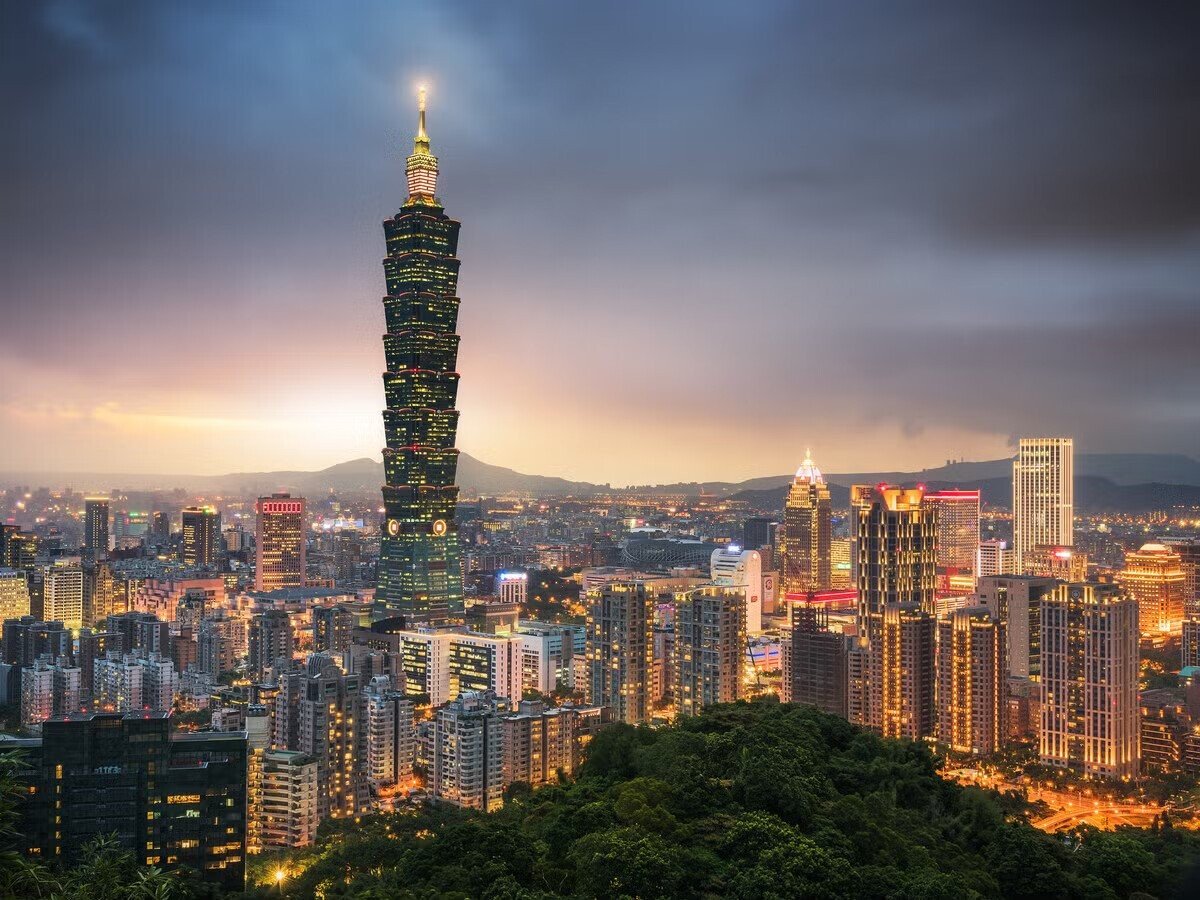
Taipei 101 is Taiwan's most recognizable landmark and one of the tallest skyscrapers in the world, standing 508 meters high.
From its observation decks, visitors can enjoy panoramic views of Taipei and the surrounding mountains.
Completed in 2004, Taipei 101 held the title of the world's tallest building until the Burj Khalifa surpassed it in 2010.
One of the building's most unusual features is its enormous 660-ton steel tuned mass damper, designed to reduce swaying during strong winds and earthquakes. Visitors can see the giant suspended sphere inside the skyscraper.
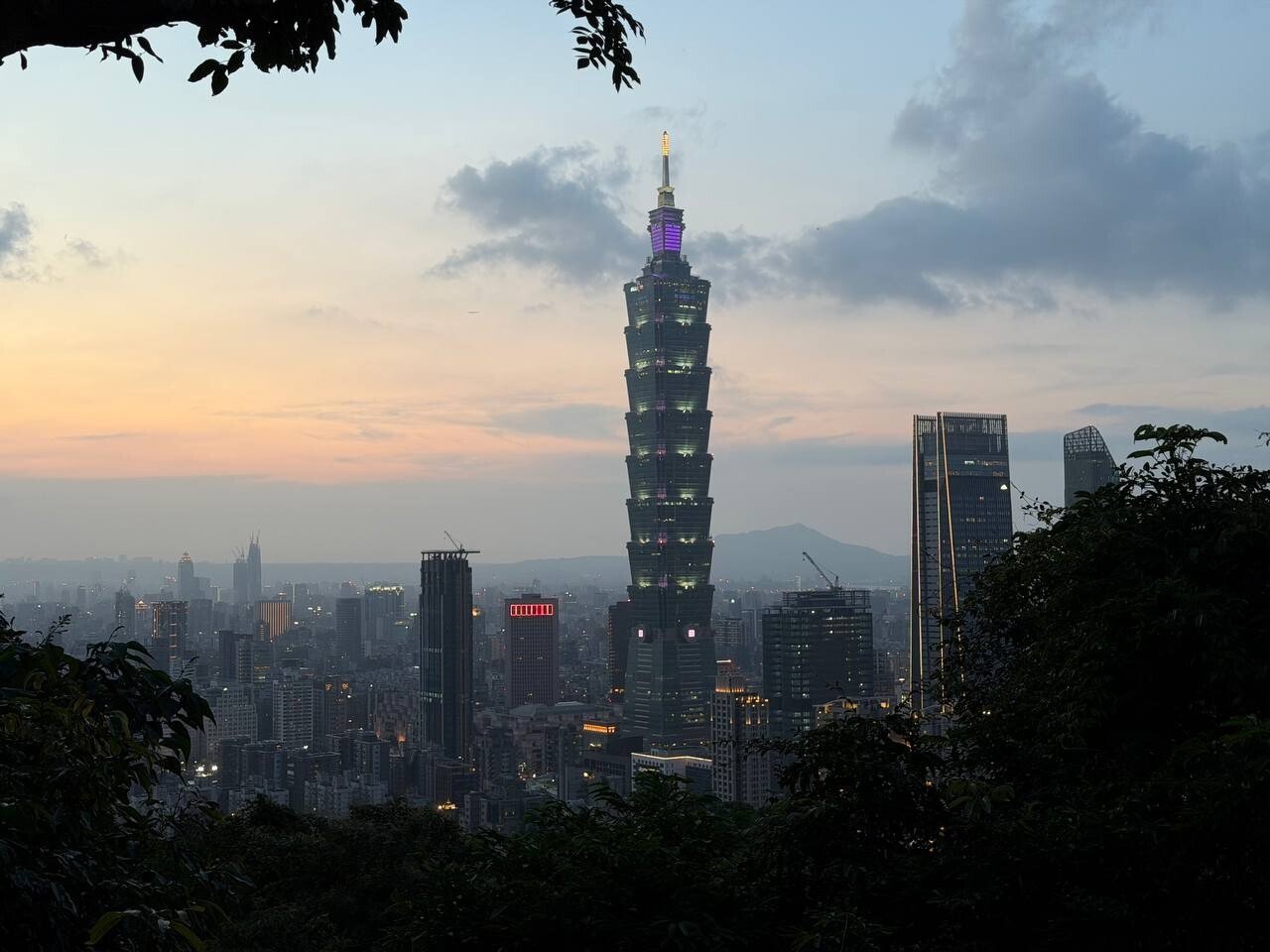
Elephant Mountain
Elephant Mountain, also known as Xiangshan, offers one of the best views of Taipei 101 and the city skyline.
A forest trail with a long, steep staircase leads to several viewing platforms overlooking the capital. The mountain is particularly popular at sunset, when the city lights gradually illuminate the skyline.
Although the hike is relatively short, the climb can be physically demanding, especially in hot and humid weather. Allow enough time to reach the viewpoints before sunset.
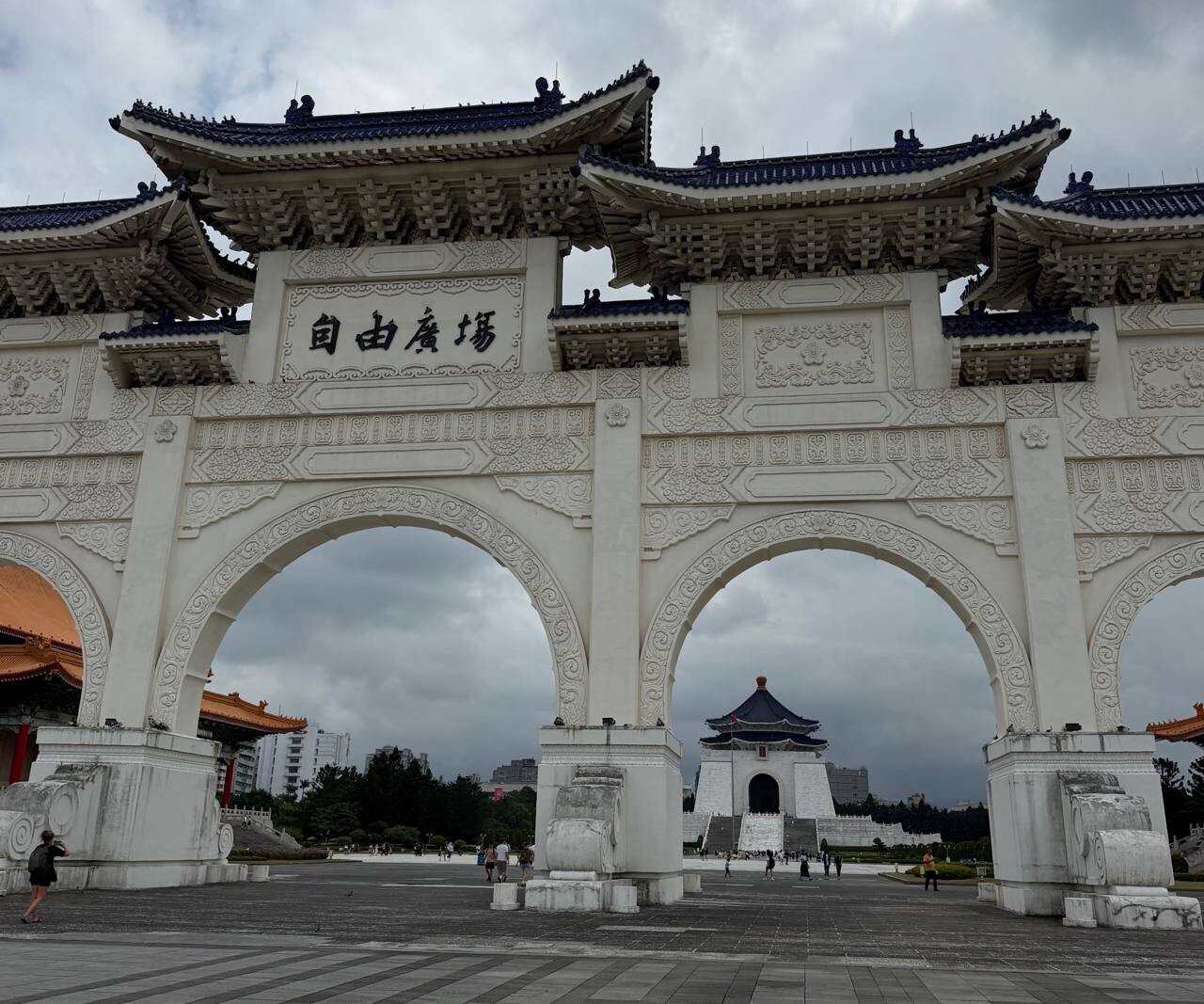
Chiang Kai-shek Memorial Hall
Chiang Kai-shek Memorial Hall is one of Taipei's most important historical and architectural landmarks.
The grand memorial complex was built in honor of Chiang Kai-shek, the former president of the Republic of China, whose government relocated to Taiwan in 1949 following the Chinese Civil War.
The site features a monumental white building with a blue roof, expansive ceremonial grounds and surrounding gardens. It also provides an introduction to Taiwan's modern political history.
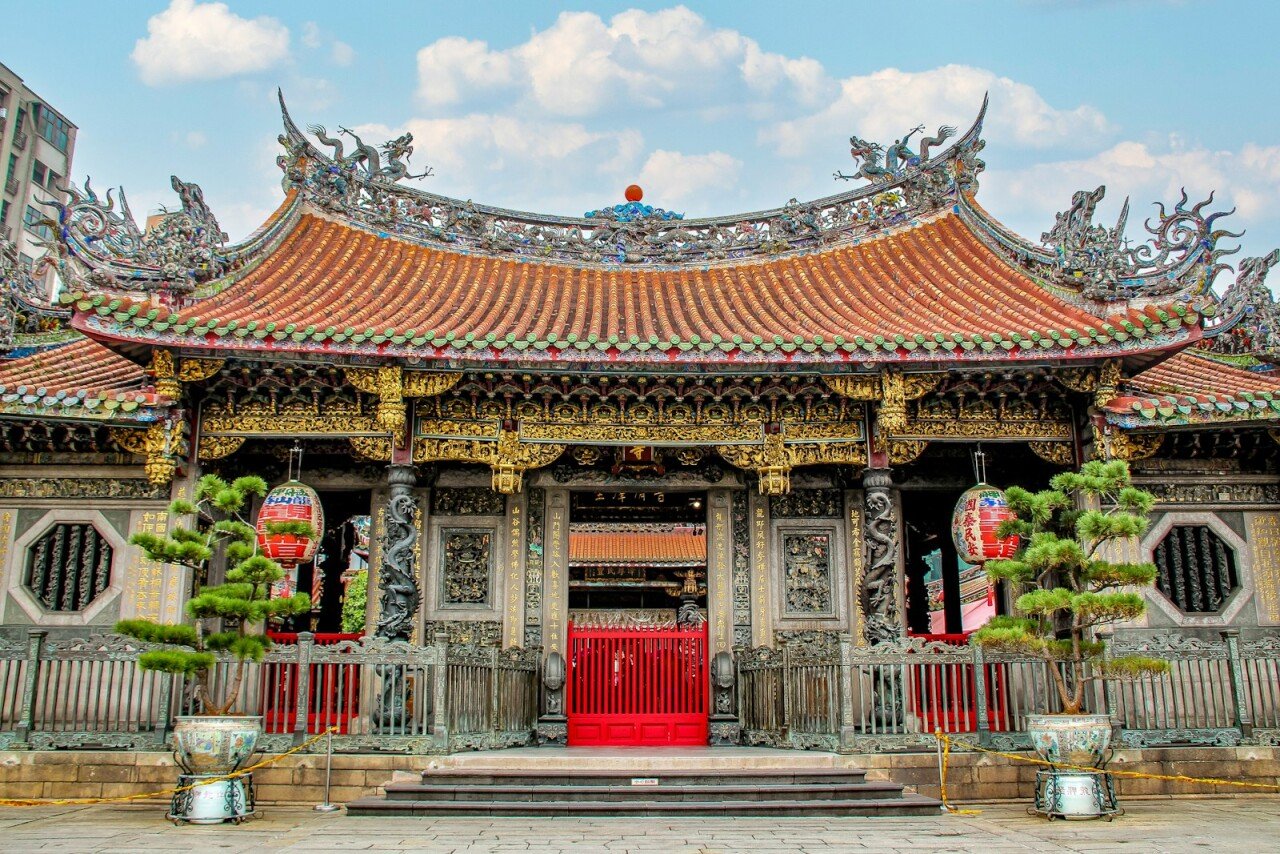
Longshan Temple
Located in Taipei's historic Wanhua district, Longshan Temple is one of the city's oldest and most atmospheric religious sites.
The temple combines Buddhist, Taoist and traditional Chinese religious practices.
Visitors can observe local worshippers offering incense, praying and participating in traditional ceremonies. Afternoon visits may coincide with group chanting, offering a memorable glimpse into Taiwan's spiritual traditions.
Taipei Night markets
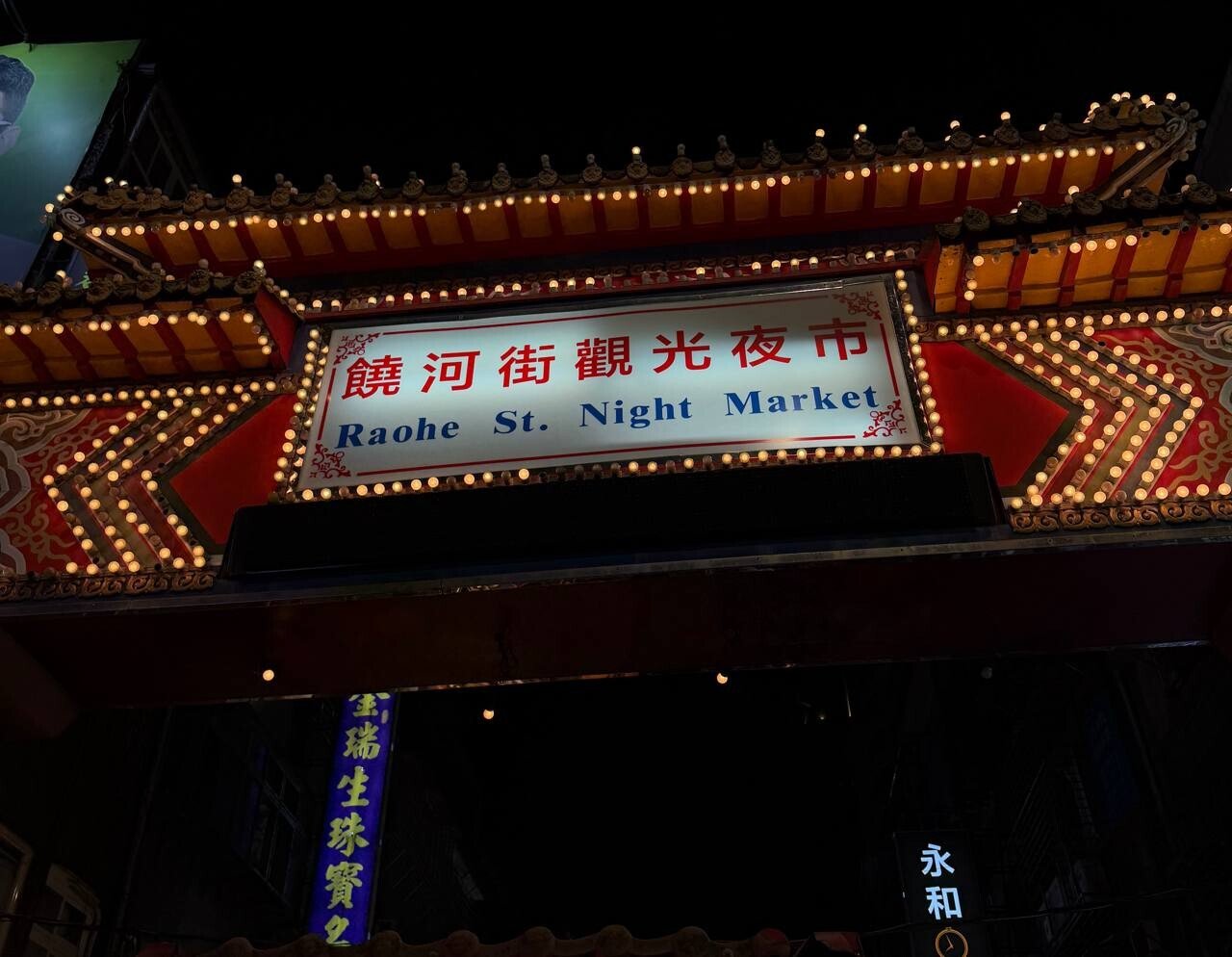
Taiwan's night markets are an essential part of local culture and one of the best places to experience the island's food scene. Some of Taipei's most popular markets include Raohe Night Market, Ningxia Night Market and the famous Shilin Night Market.
These lively markets offer an enormous variety of traditional snacks, desserts and drinks.
Local specialties worth trying include:
Lu Rou Fan: rice topped with flavorful braised pork.
Gua Bao: a soft steamed bun filled with pork, herbs and crushed peanuts.
Bubble Tea: the famous milk tea with chewy tapioca pearls, which originated in Taiwan.
Oyster Omelet: a popular street-food dish made with oysters, eggs and starch.
Stinky Tofu: fermented tofu known for its strong aroma and distinctive flavor.
A satisfying meal at a night market typically costs around NT$200–400 (approximately US$6–13).
For souvenirs, pineapple cakes are among Taiwan's most popular edible gifts. These small pastries have a buttery crust and a rich pineapple filling and are sold in beautifully packaged boxes throughout the island.
Jiufen Old Street
Jiufen is a former gold-mining town nestled in the mountains northeast of Taipei. Its most famous attraction, Jiufen Old Street, is a maze of narrow staircases, traditional teahouses, red lanterns and small shops overlooking the ocean.
The town is often compared to the magical setting of Studio Ghibli's Spirited Away. Although many believe Jiufen inspired the film, director Hayao Miyazaki has denied that the town served as its model. Jiufen makes an excellent day trip from Taipei.
Travelers can reach the town by taking bus 965 from the Ximen or Beimen metro areas.
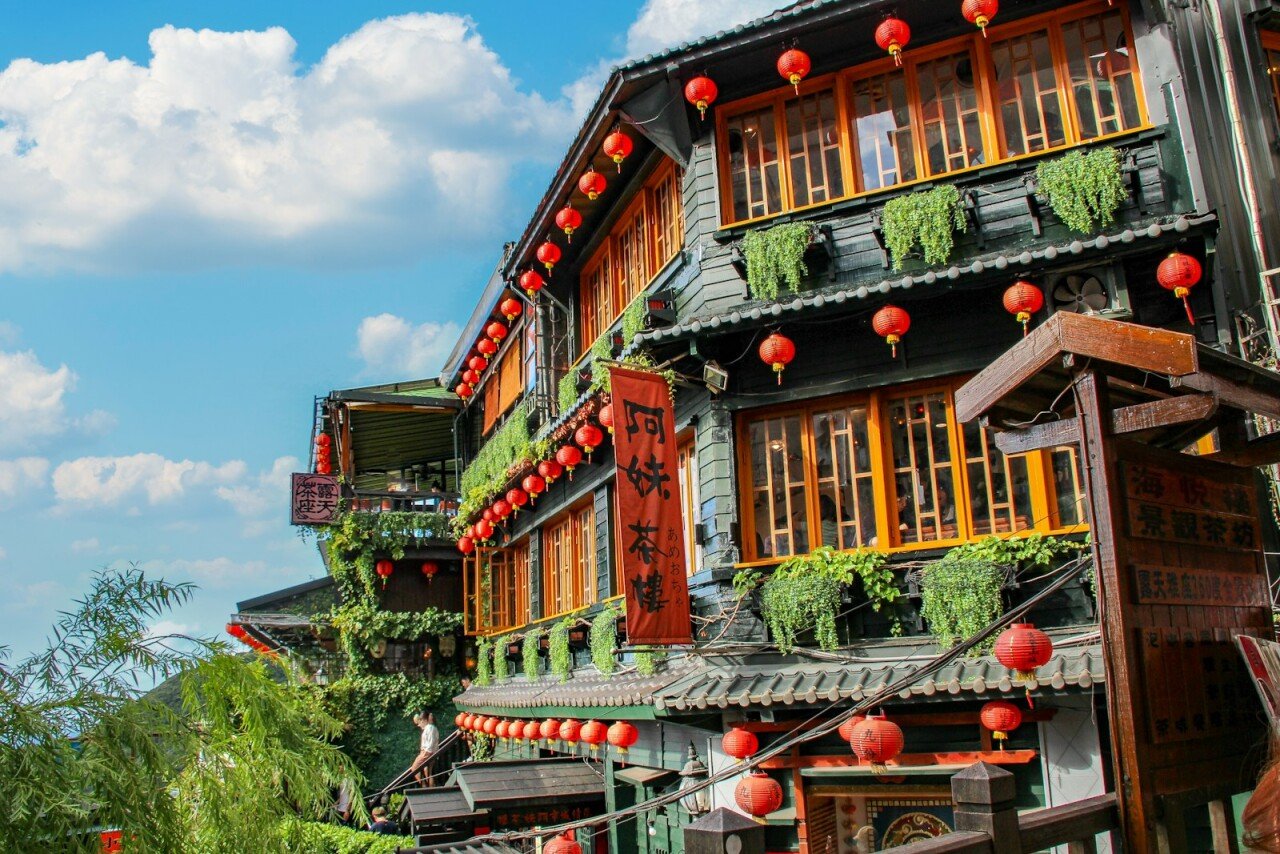
If I'd known how crowded it would be, I would have skipped it. It felt as though the whole of Taiwan had turned up, all for the sake of one building with lanterns. And you'll easily find the same kinds of cafés and souvenir stalls in the city.
Shifen and Shifen Waterfall
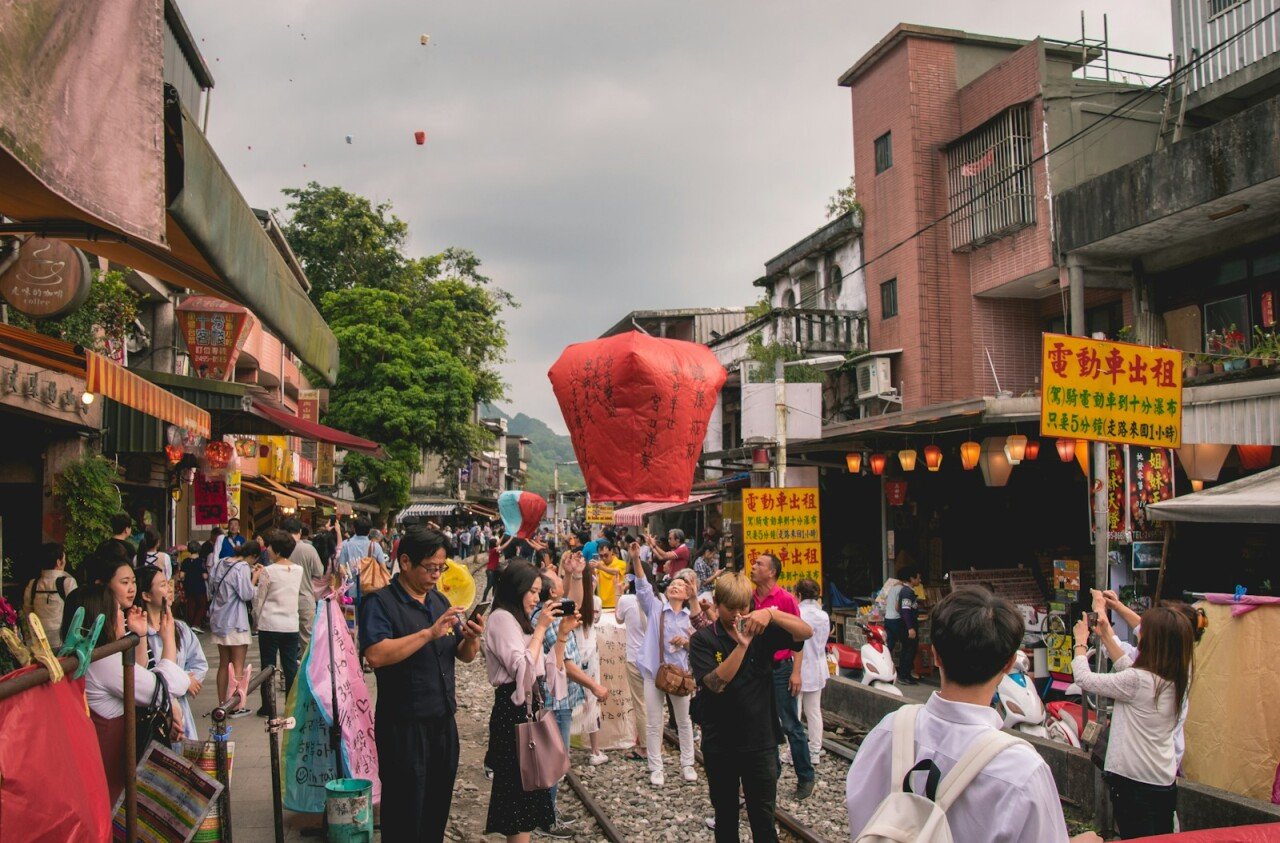
Shifen is another popular day-trip destination from Taipei, known for its historic railway street and scenic waterfall. At Shifen Old Street, visitors can see trains passing directly through the village's narrow commercial area.
The town is also famous for sky lanterns, which visitors traditionally release with handwritten wishes. Travelers concerned about litter and wildlife can enjoy the railway atmosphere without participating in lantern releases.
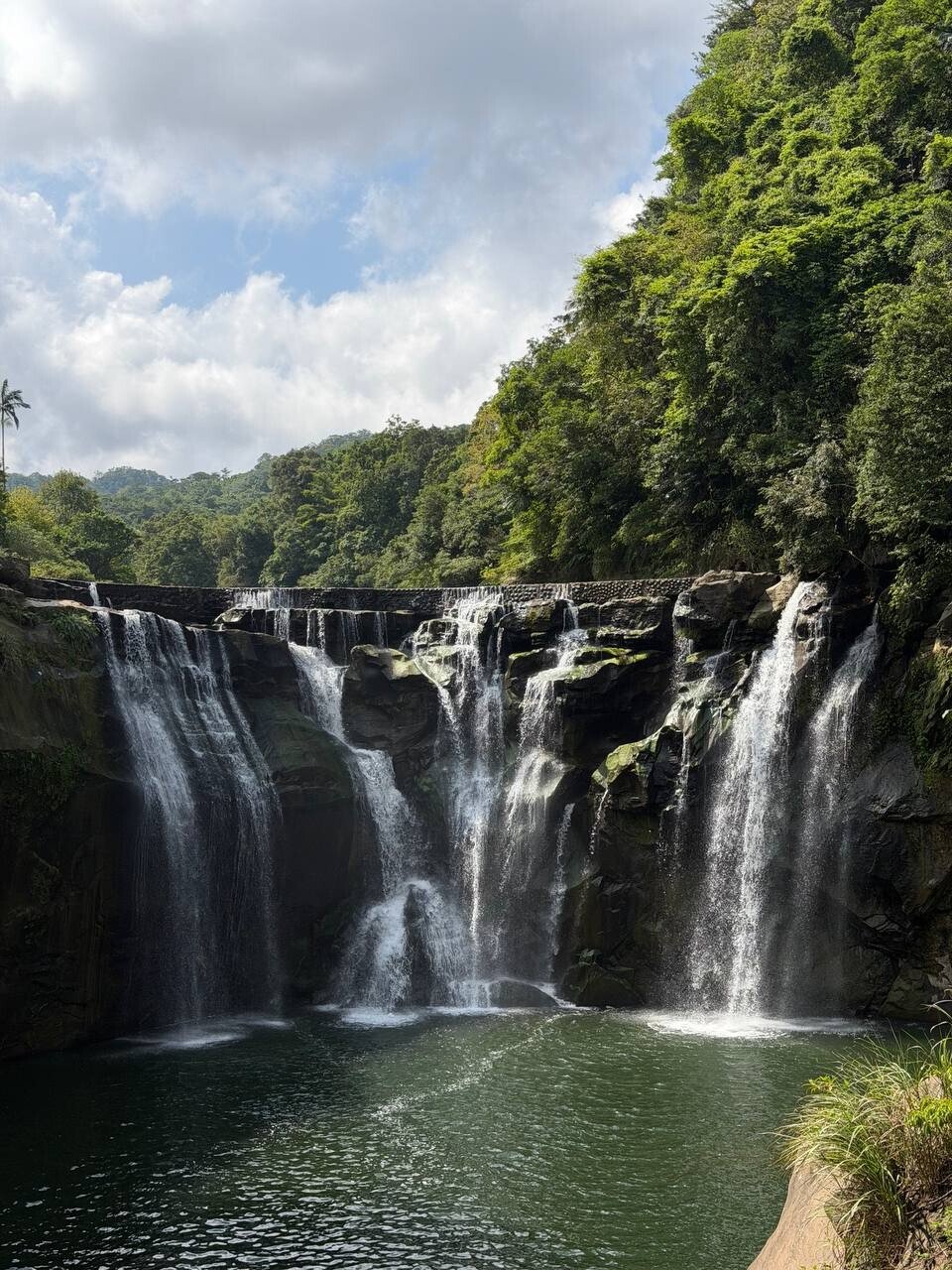
Nearby, Shifen Waterfall is a broad, picturesque waterfall surrounded by lush green hills. Jiufen and Shifen can be combined into a full-day excursion from Taipei.
Beitou hot springs
Beitou is Taipei’s famous hot spring district, easily accessible by MRT. Known for its mineral-rich waters, traditional bathhouses and spa resorts, the area is also home to Thermal Valley, a steaming geothermal pool surrounded by greenery.
Visitors can enjoy public baths or private hot spring experiences. Beitou Hot Springs Resort offers a women-only onsen where tattoos are permitted, with weekend admission around NT$800 (US$25). Check current prices and bathing rules before visiting.
Sun Moon Lake
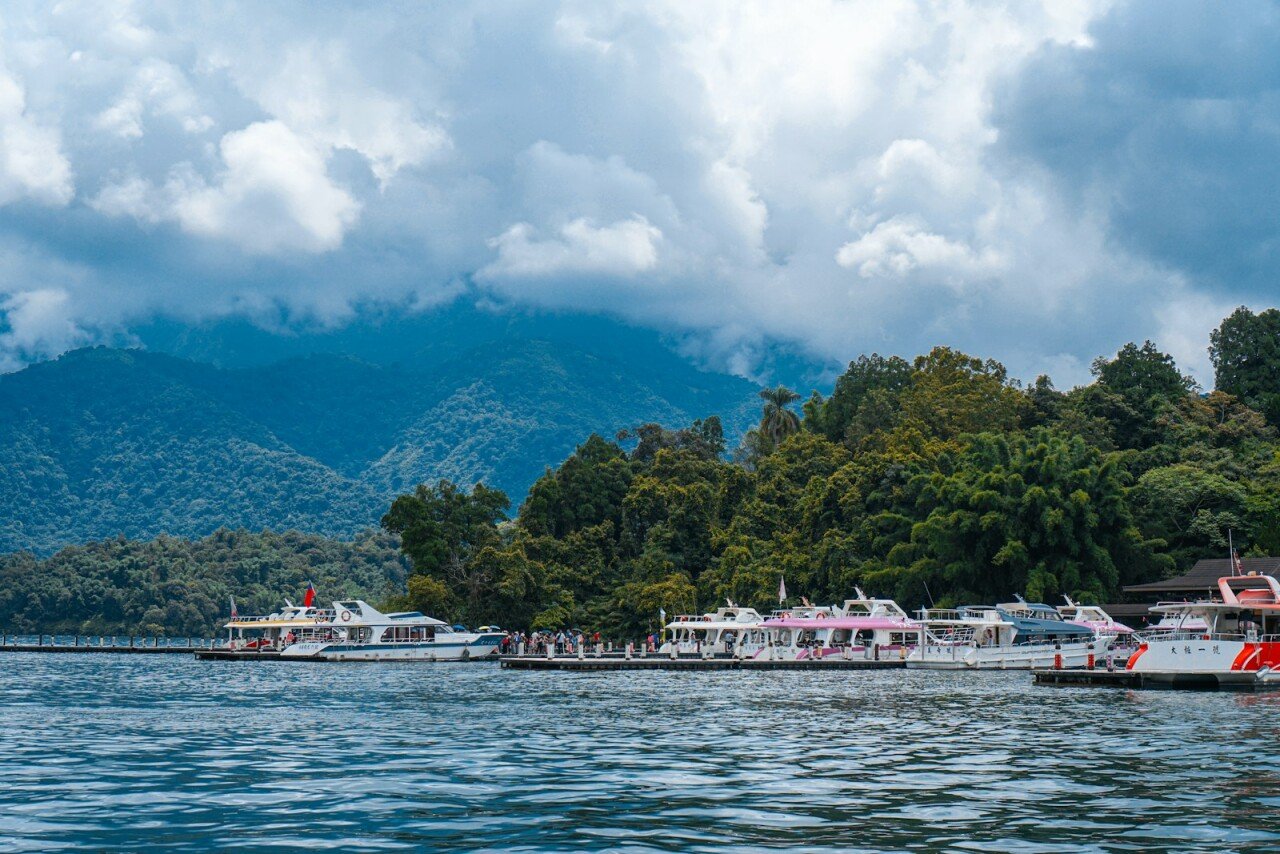
Sun Moon Lake is one of Taiwan's most beautiful natural attractions, located among the mountains of central Taiwan.
The lake is surrounded by forested hills, temples, scenic viewpoints and cycling routes.
Visitors can explore the area by bicycle, take a sightseeing boat across the lake or ride a cable car for panoramic views. Sun Moon Lake is particularly suitable for travelers looking to spend a day or two away from the larger cities.
Alishan
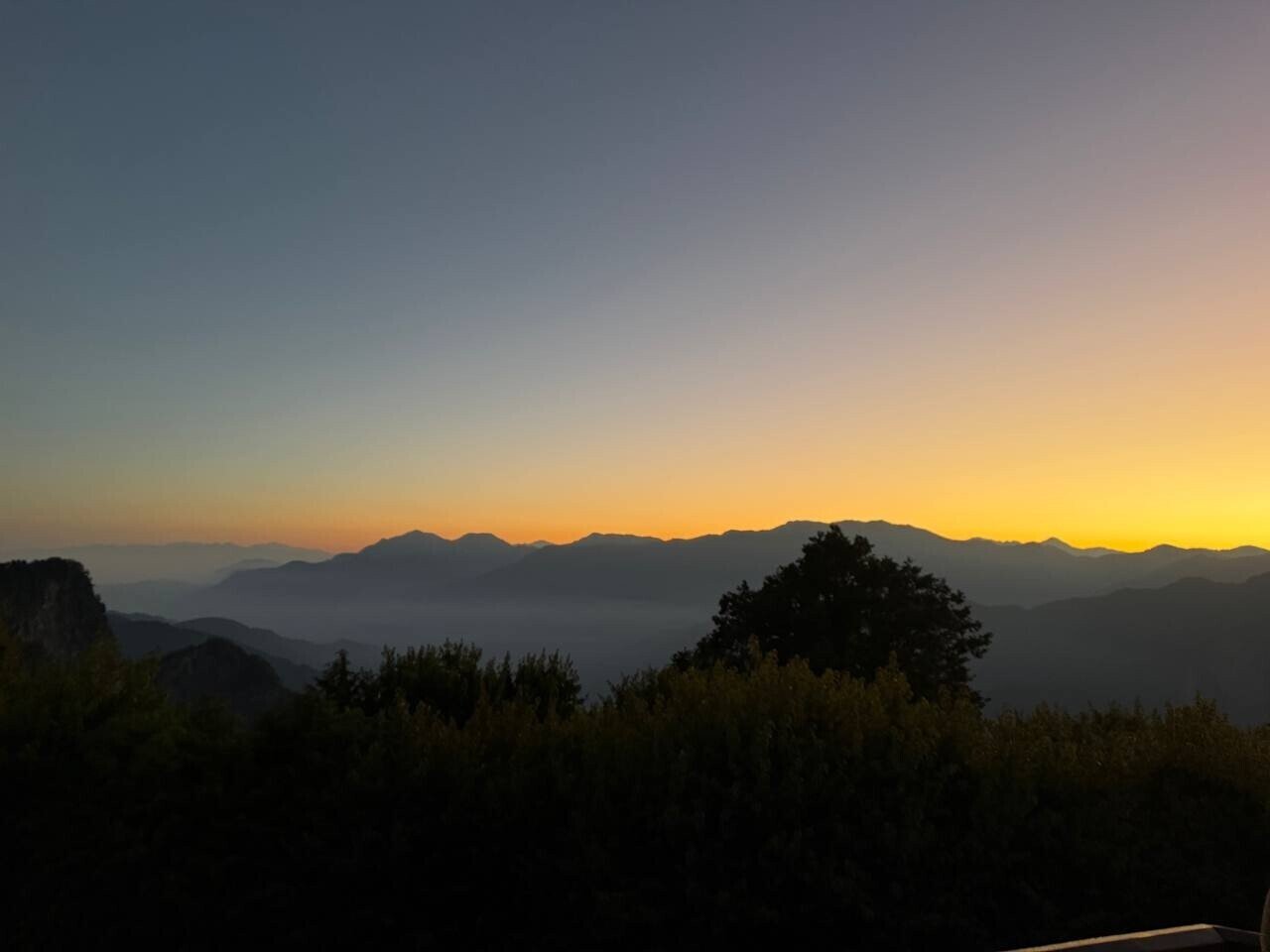
Alishan is one of Taiwan’s most beautiful mountain destinations, known for its ancient forests, giant cypress trees, tea plantations and historic railway. Vintage trains wind through misty forests, offering stunning mountain views.
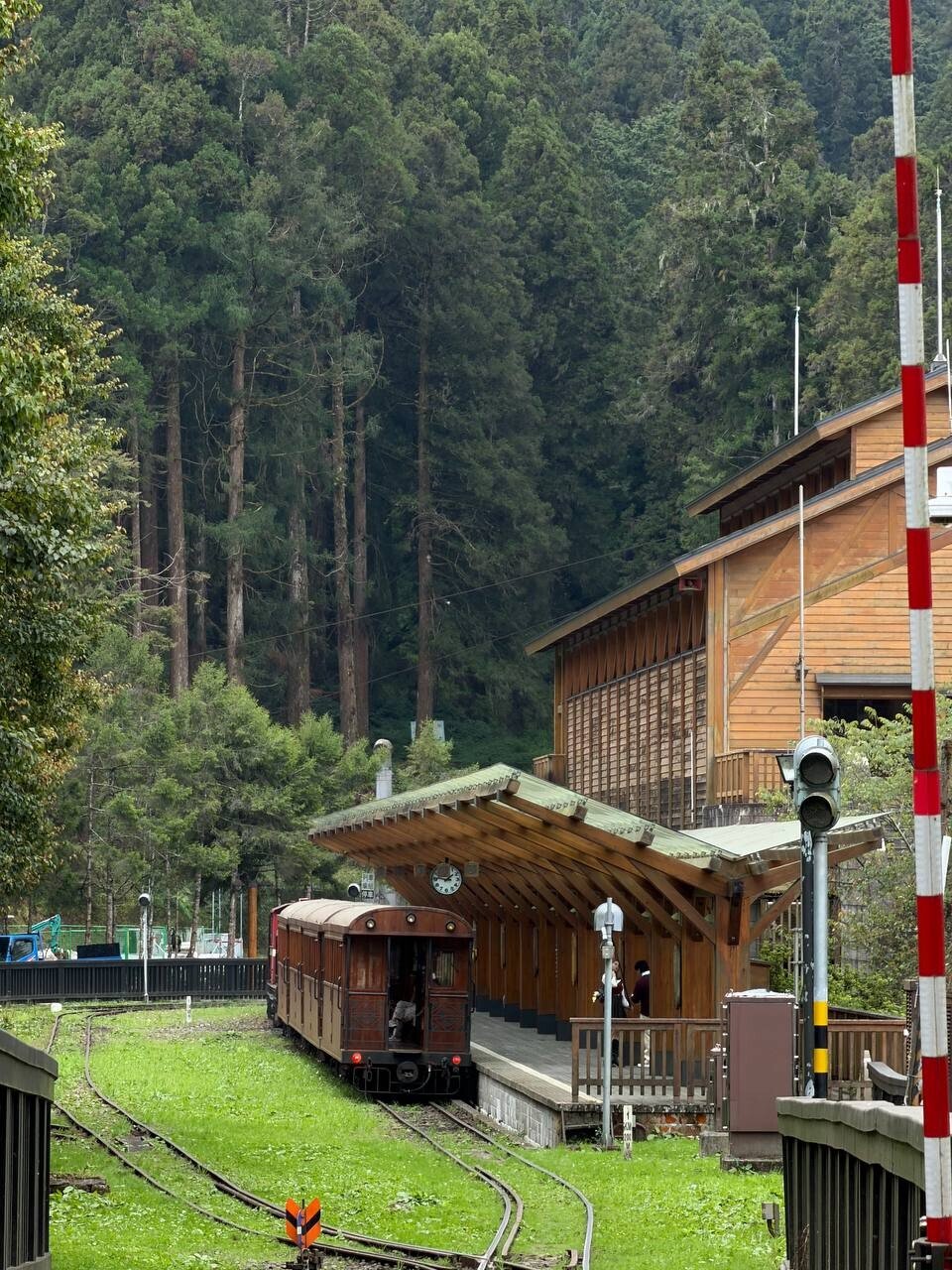
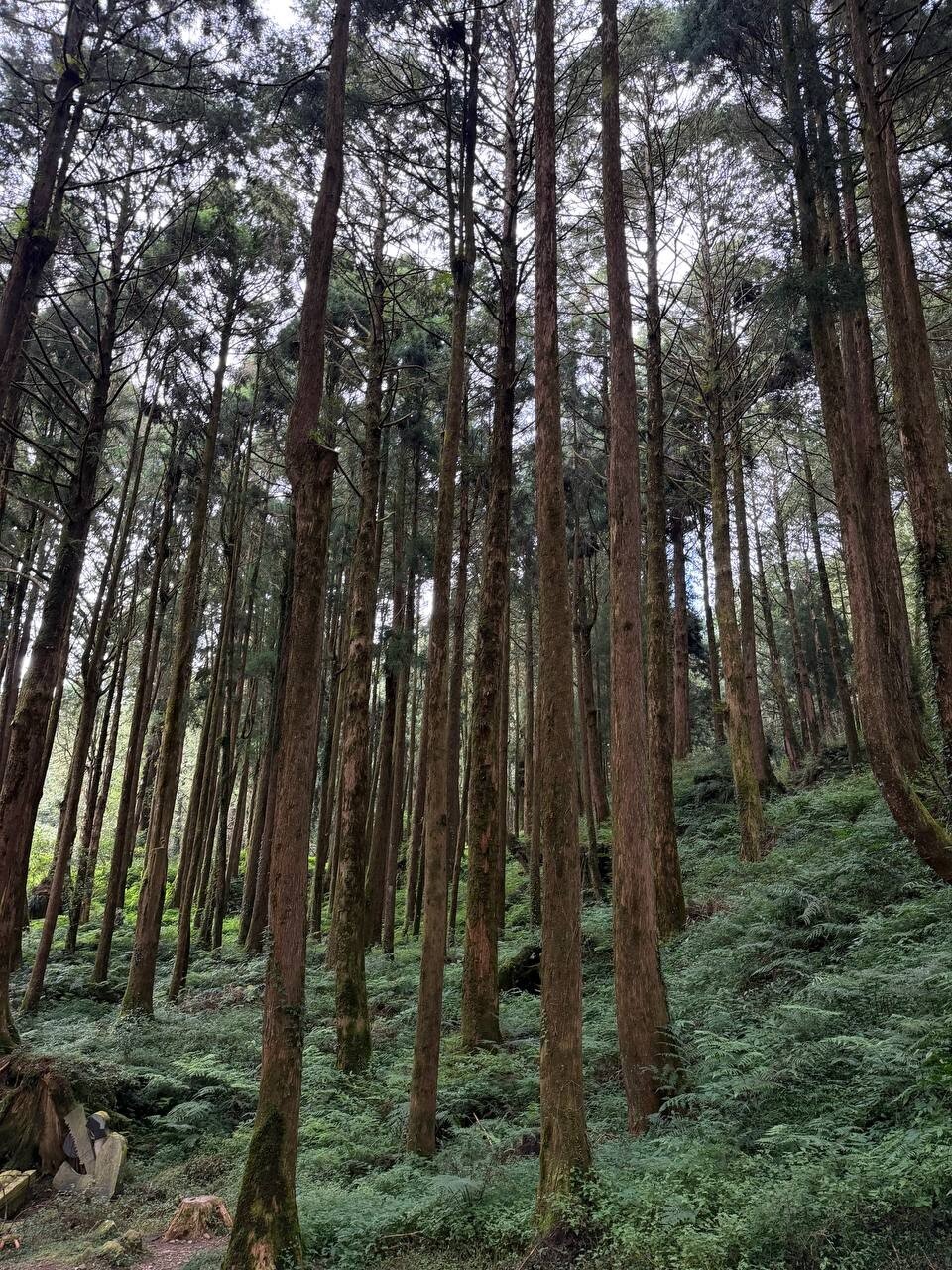
From the author's personal archive
Plan to spend two days here, including an overnight stay to catch the famous sunrise above a sea of clouds. Mornings can be chilly, so bring warm clothing.
Tainan and Kaohsiung
If Taipei shows Taiwan's modern side, Tainan is better suited to those interested in history and traditional architecture. It's one of the island's oldest cities, known for its temples, historic streets and rich food culture.
Kaohsiung, further south, is a large port city with waterfront promenades, modern art spaces and the Fo Guang Shan Buddhist complex nearby.
Maokong tea plantations
Just half an hour by cable car from the edge of Taipei are the Maokong tea plantations. Here you can stroll among green tea bushes, walk mountain trails and stop by traditional teahouses.
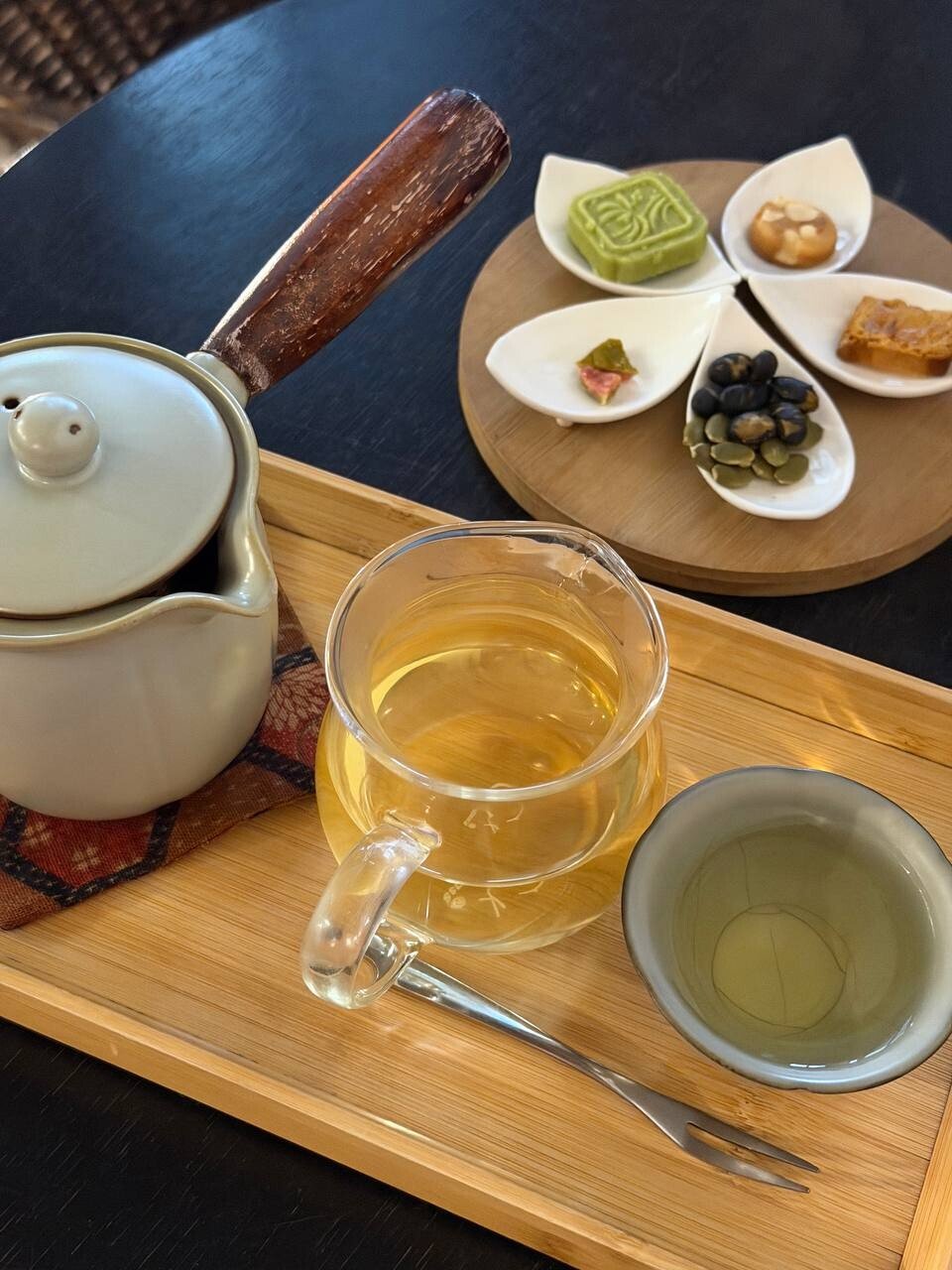
Taiwan is especially famous for its oolongs. Among the best known are the high-mountain Alishan Oolong with its mild floral flavour, the richer Dong Ding, and Oriental Beauty with its distinctive honey aroma. Maokong's own signature tea is Tieguanyin, an oolong with a deep flavour and the aroma of roasted tea leaves.
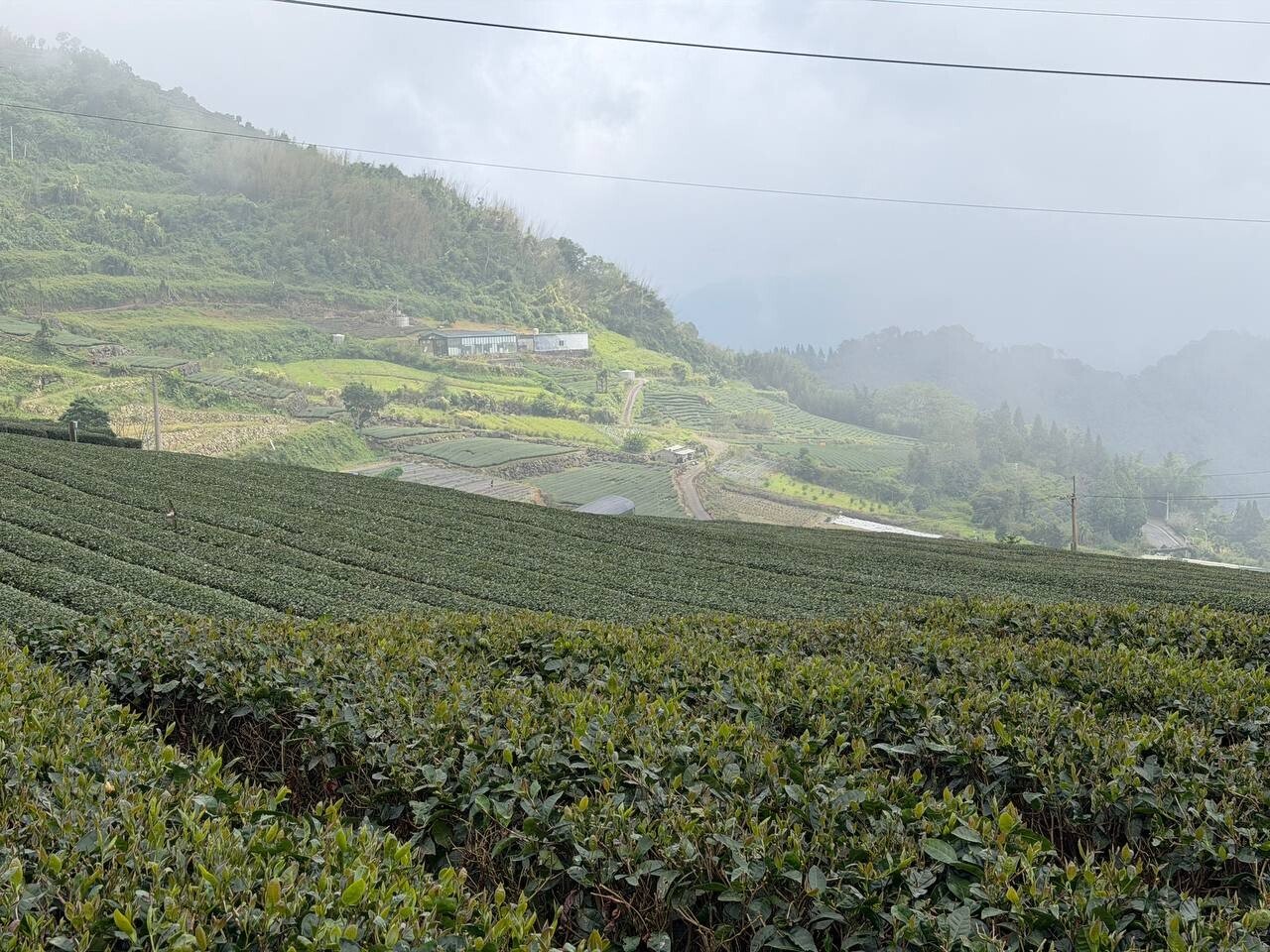

From the author's personal archive
It's easy to get there: take the metro to Taipei Zoo station, then ride the Maokong Gondola for about 25 minutes.
Taroko National Park
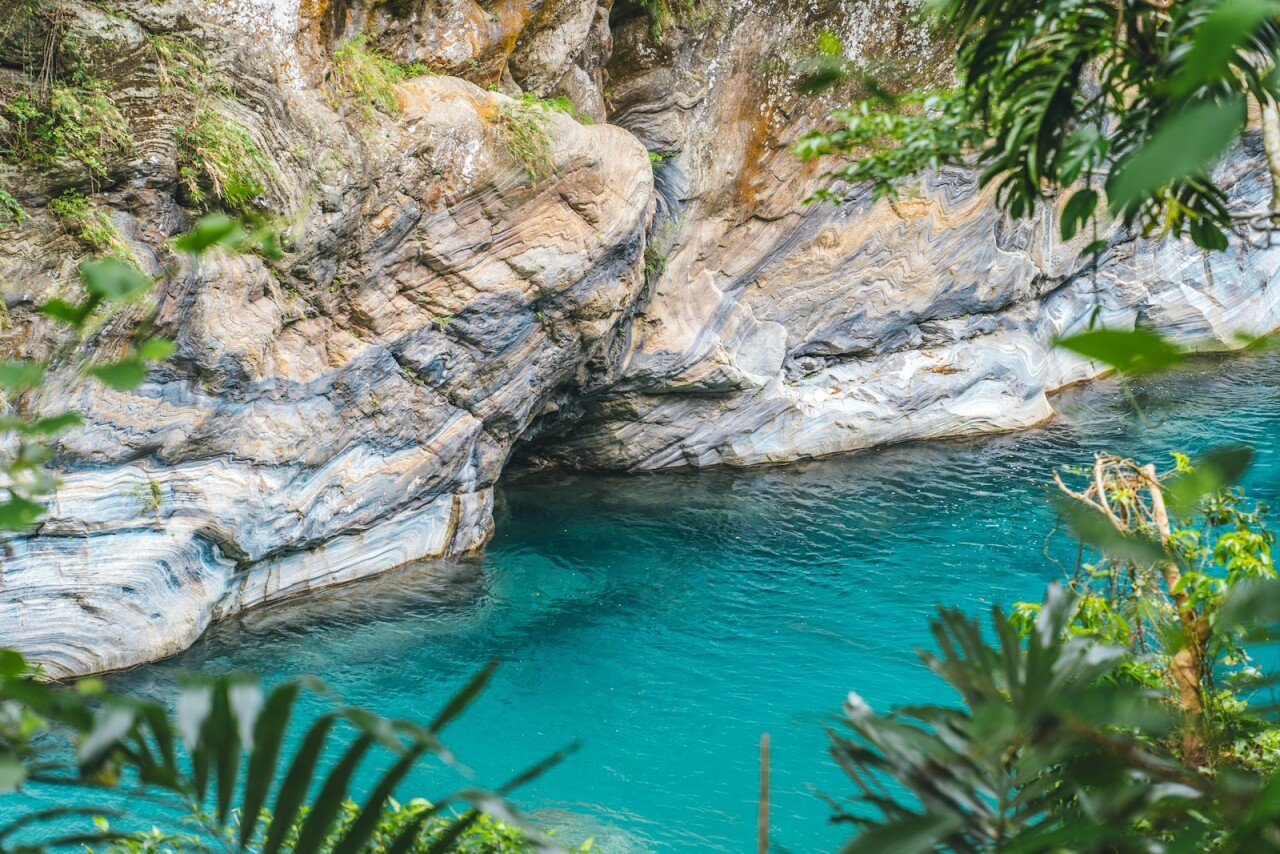
Taroko is known for its marble gorges, cliffs and unusually turquoise mountain rivers. However, after the powerful earthquake of 3 April 2024, many of the popular trails remain closed. Restoration work is ongoing, and rain and typhoons periodically lead to new restrictions. So only plan a visit after checking the national park's official website.
Where to Stay in Taipei
For a short visit, choose accommodation near an MRT station. Taipei’s excellent public transport makes it easy to explore the city without staying close to every attraction.
Ximending is a lively neighborhood filled with street food, shops, restaurants and affordable hotels. It’s ideal for nightlife and entertainment, but can be noisy in the evenings, especially on weekends.
Zhongshan offers stylish cafés, independent boutiques and pleasant walking streets. A good choice for a central location without the busiest tourist crowds.
Da’an is a quieter, greener district with parks, restaurants and coffee shops. Areas near Dongmen and Zhongxiao Fuxing stations are particularly convenient.
Taipei Main Station is ideal for travelers planning day trips or exploring other parts of Taiwan, with easy access to trains, high-speed rail and the airport MRT.
Xinyi is Taipei’s modern shopping and business district, home to Taipei 101, upscale hotels, shopping malls and restaurants.

Best Time to Visit Taiwan
Taiwan has a subtropical climate in the north and a tropical climate in the south. The most comfortable months for sightseeing are generally March–April and October–November.
Summers are hot and humid, with a risk of typhoons. Winters are cooler and rainier in northern Taiwan, while the south remains relatively warm and dry.
In winter, Taipei temperatures can drop to 12–15°C. Pack a jacket, comfortable closed shoes and warmer clothing for mountain trips, where temperatures can be significantly lower.
Practical Travel Information
Language
Mandarin Chinese is the main language, written using traditional Chinese characters. English signage is common in Taipei, and communication is generally manageable in hotels and major tourist areas. English is less widely spoken in smaller towns.
Currency and Payments
Taiwan uses the New Taiwan Dollar (TWD or NT$).
International bank cards are widely accepted in hotels, shopping malls and larger restaurants. However, cash is still essential at night markets, small cafés and local eateries. Carry some local currency for everyday purchases.
Power Plugs
Taiwan uses Type A and B sockets with a standard voltage of 110V. Travelers from Europe and Indonesia will generally need a plug adapter. Check that your electronic devices support 110V before use.
Arrival Card and Customs Rules
Taiwan Arrival Card
International visitors required to complete the Taiwan Arrival Card (TWAC) must submit it online before entering Taiwan.
The electronic system replaced paper arrival cards in October 2025. Since July 2026, travelers can complete the form up to seven days before arrival.
The application is completely free and available on the official Taiwan Arrival Card website. Confirmation is sent by email.
The arrival card does not replace a visa where one is required.
What You Cannot Bring into Taiwan
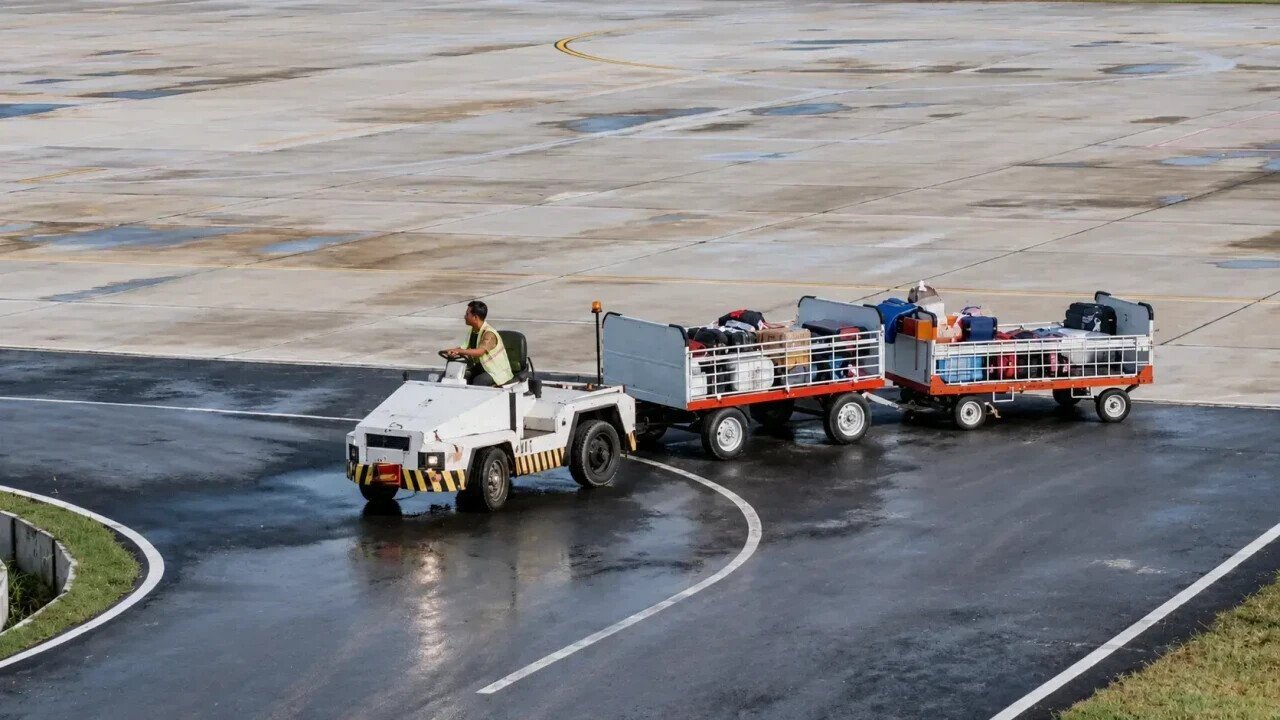
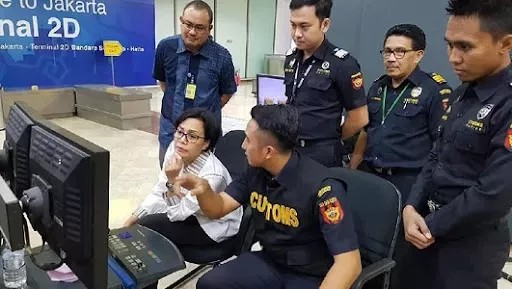
Taiwan has strict quarantine regulations for animal and plant products. Meat products, including sausages, dried meat and meat snacks, may be prohibited even when commercially packaged or purchased at an airport.
Violations can result in substantial fines. For example, bringing pork products from areas affected by African swine fever can result in penalties of NT$200,000 (approximately US$6,300).
Restrictions also apply to certain fruits, vegetables, plants and seeds. Check the latest regulations on the official Taiwan Customs website before traveling.
How Much Does a Trip to Taiwan Cost?
Taiwan is generally more expensive than Bali, particularly when it comes to accommodation. However, public transport and local food can be surprisingly affordable.
Here are approximate costs for a seven-day trip:
Expense | Estimated Cost |
Round-trip flights from Bali | US$380–400 |
Accommodation (7 nights) | US$250–500 |
Food | US$15–35 per day |
Public transport | US$3–7 per day |
Tourist SIM or eSIM (7 days) | US$16–25 |
Hot springs | Around US$25 |
A comfortable week-long trip to Taiwan typically costs around US$850–1,200 per person, including flights, accommodation, meals and local transport.
High-speed trains, guided excursions and overnight trips to destinations such as Alishan will increase the overall budget. Visa fees, where applicable, are additional.
Visiting Taiwan from Bali: What to Know Before Returning
Taiwan is an excellent destination for a short getaway from Bali, with direct flights, convenient public transport and plenty to explore in just one week.
Travelers planning to return to Indonesia should check their visa conditions before departure. Most single-entry Indonesian visas become invalid once the holder leaves the country, even if the original permitted stay has not expired.
Depending on nationality and eligibility, travelers may need to obtain a new Indonesian visa or qualify for a Visa on Arrival before returning.
Before booking, check Taiwan’s official visa and entry requirements and Indonesia’s official eVisa website.

You can add one right now!