
In Bali, authorities are seriously tackling villa rental scams. The Bali Villa Rental Manager Association (BVRMA) acknowledges that fraudulent cases have become so numerous that the situation can no longer be ignored. There are currently over 100 open cases on the island related to fake bookings.

A tourist finds their ‘dream villa’ on Instagram or a well-designed website, transfers a deposit, and that's where the story ends. Stolen photos of real villas, fake accounts, sham agencies, and ‘managers’ who disappear immediately after payment are used in the scam.
The association's chairman, Kadek Adnyana, fears that Bali's tourism image will suffer. Just a few high-profile cases spreading across social media could give the resort a reputation as a place prone to scams. The money lost by tourists is significant: a single booking can cost from 10 million to hundreds of millions of rupiah, especially when it comes to premium villas.

BVRMA has launched an open verification system for villas and management companies, which anyone can use.
You find a villa through a website, Instagram, WhatsApp, or an agent, and before transferring any money, ask the owner for the BVRMA verification code (Can you provide your BVRMA verification code?). Then, go to the BVRMA website and enter the code into the verification form. If the villa or management company information appears in the database, everything is fine. If the code does not check out or strange explanations follow, it's better to stop and not transfer the money.
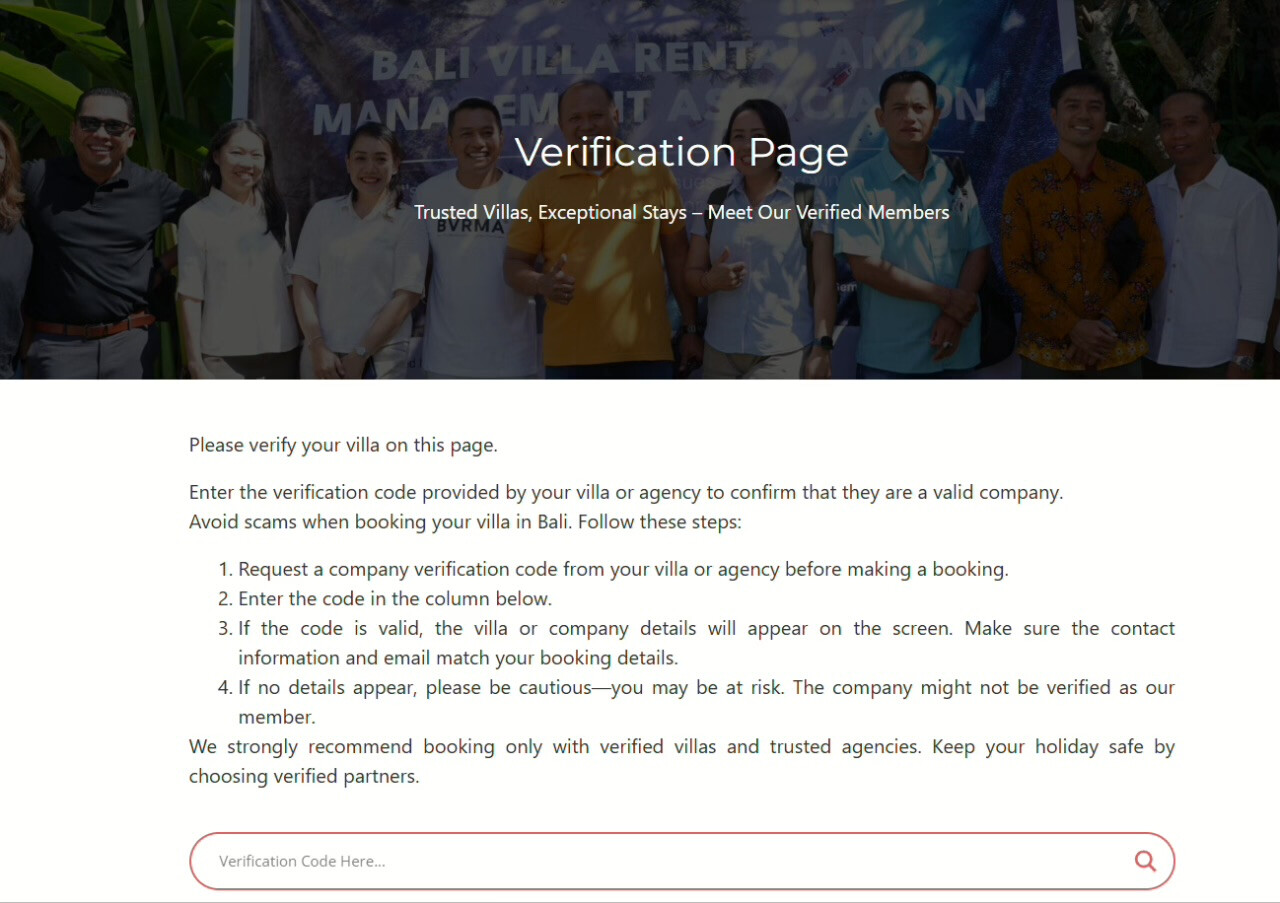
Currently, about 3,000 villas managed by 70 companies are in the BVRMA database. Simultaneously, the association has also started working with local authorities, police, and online accommodation booking services to regulate the private rental market and reduce the number of fraudulent schemes.
It all comes down to fairly simple advice: book villas directly with verified owners or through large platforms, don’t transfer money 'blindly', and always verify the property through official sources.
-preview.jpg)
Another point constantly reiterated here is travel insurance. It doesn’t protect against scammers and won’t refund your money if you transferred it to fraudsters. But in some cases, it might cover related expenses, such as emergency relocation or trip cancellation if the booking falls through.
Source: tribunnews, dewatanews

You can add one right now!