
If you’re going to Vietnam for a visa run and plan to travel around the country by motorbike, it’s worth understanding local traffic rules and habits in advance.
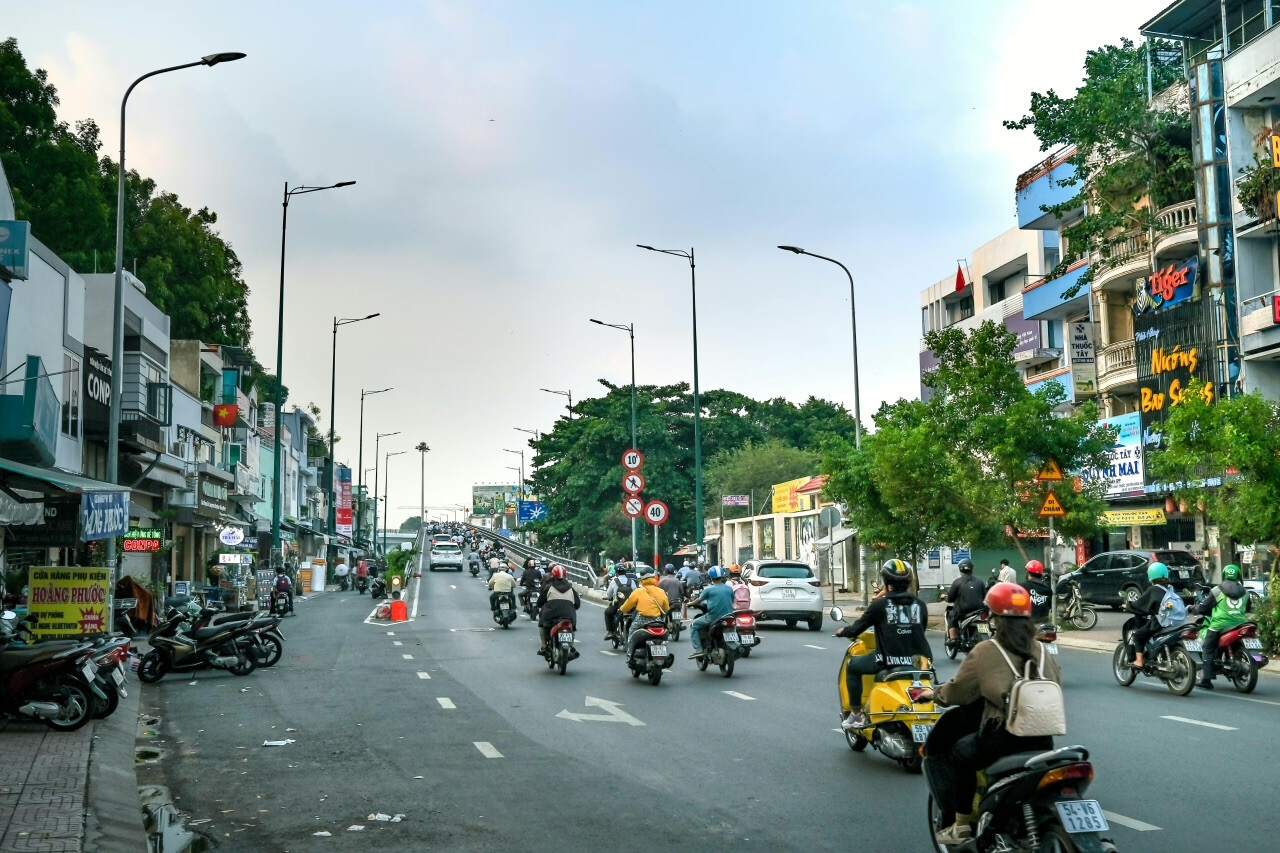
Motorbikes dominate the roads here, and while the overall chaos may feel familiar to those used to Southeast Asia, Vietnam has a number of important specifics. Knowing them beforehand can help avoid fines, unpleasant situations, and accidents.
Traffic Direction
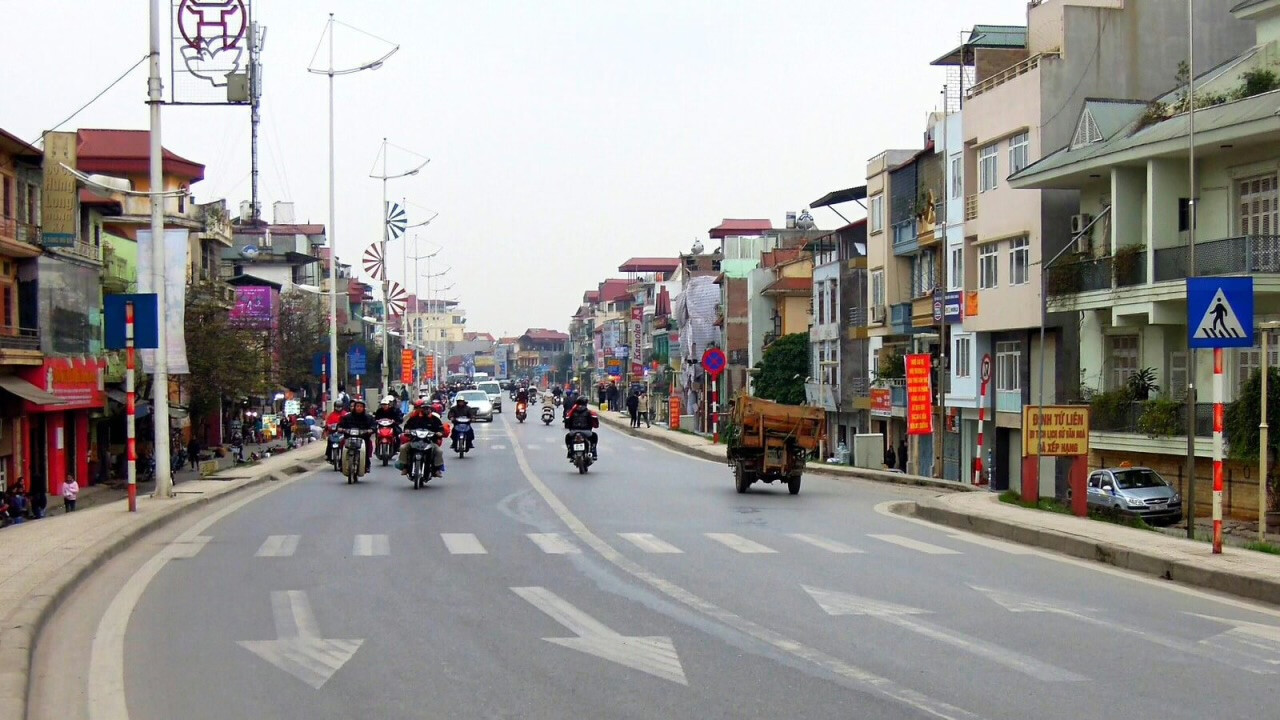
Vietnam has right-hand traffic. For riders coming from Bali, this often feels unusual at first. In dense traffic, following the flow is easy, but on empty streets or small roundabouts it’s surprisingly easy to forget which side to stay on. This happens more often than expected, especially during the first days. Staying consciously on the right side, particularly in low-traffic areas, is essential.
Renting a Motorbike
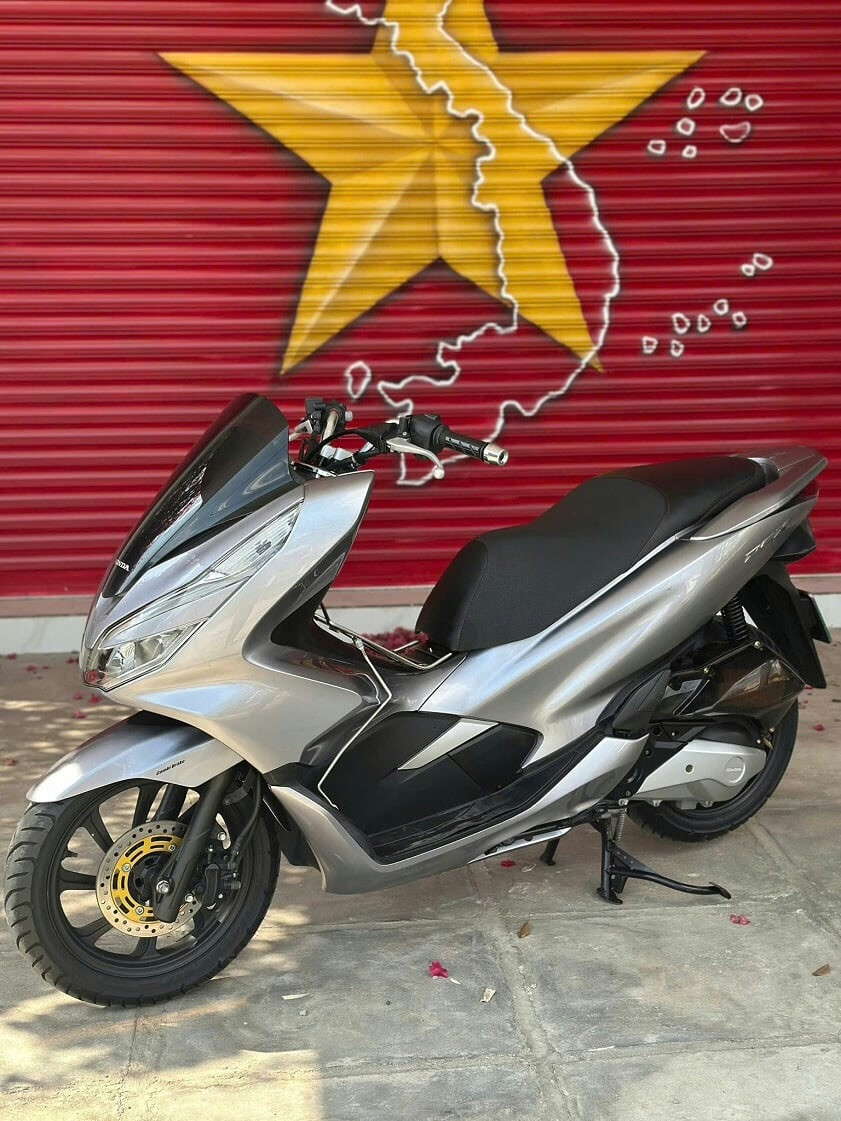
Motorbike rentals are widely available, especially in tourist areas. Options range from small 50cc bikes, which often don’t require a license, to full-sized motorcycles.
Prices are generally reasonable:
- Rentals start from around 100,000 VND per day
- A deposit of USD 100 or a passport is usually required
Rental points can be found in Telegram city chats, on Google, and via Google Maps. Prices are usually balanced unless you use so-called “VIP services” aimed at foreigners — in those cases, costs can be almost twice as high.
Bike Models and Brands
Many familiar Indonesian models are rare in Vietnam or sold under different names. For example:
- NMAX is almost nonexistent
- Aerox is sold as NVX
- ADV and PCX are available
- Honda Air Blade and Yamaha Nouvo are very common
Expect many models that may be unfamiliar if you’re used to riding in Indonesia.
Police and Documents
Police checks in Vietnam are real and frequent. Riders can be stopped and fined for:
- not wearing a helmet
- not having a valid license
Mobile patrols are common and may stop riders unexpectedly, including from behind.
An Indonesian motorcycle license is legally valid in Vietnam. However, many local officers are not aware of this. It’s strongly recommended to keep a screenshot of the relevant international agreement on your phone as proof.
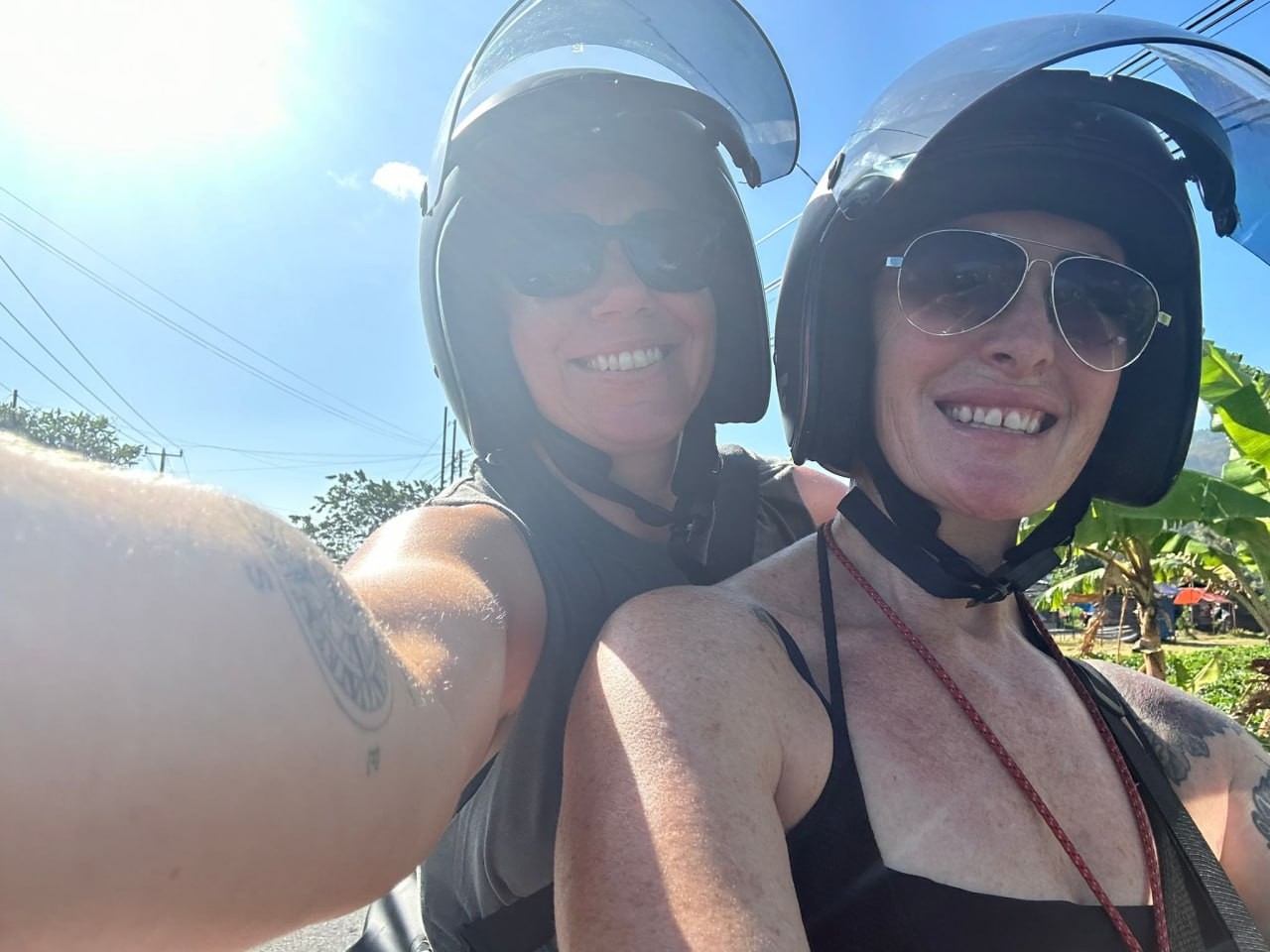
In all other cases, an international driving permit is required. A standard Russian plastic license without an international supplement will not be accepted.
Helmets
Almost everyone in Vietnam wears a helmet, but in many cases it’s more symbolic than protective. Helmets are often very light and minimal, sometimes barely covering the head. Still, for the authorities, this is considered sufficient.
- A basic helmet costs around 100,000 VND
- Helmets are often included with bike rentals or easy to buy locally
Traffic Behavior and Local Habits
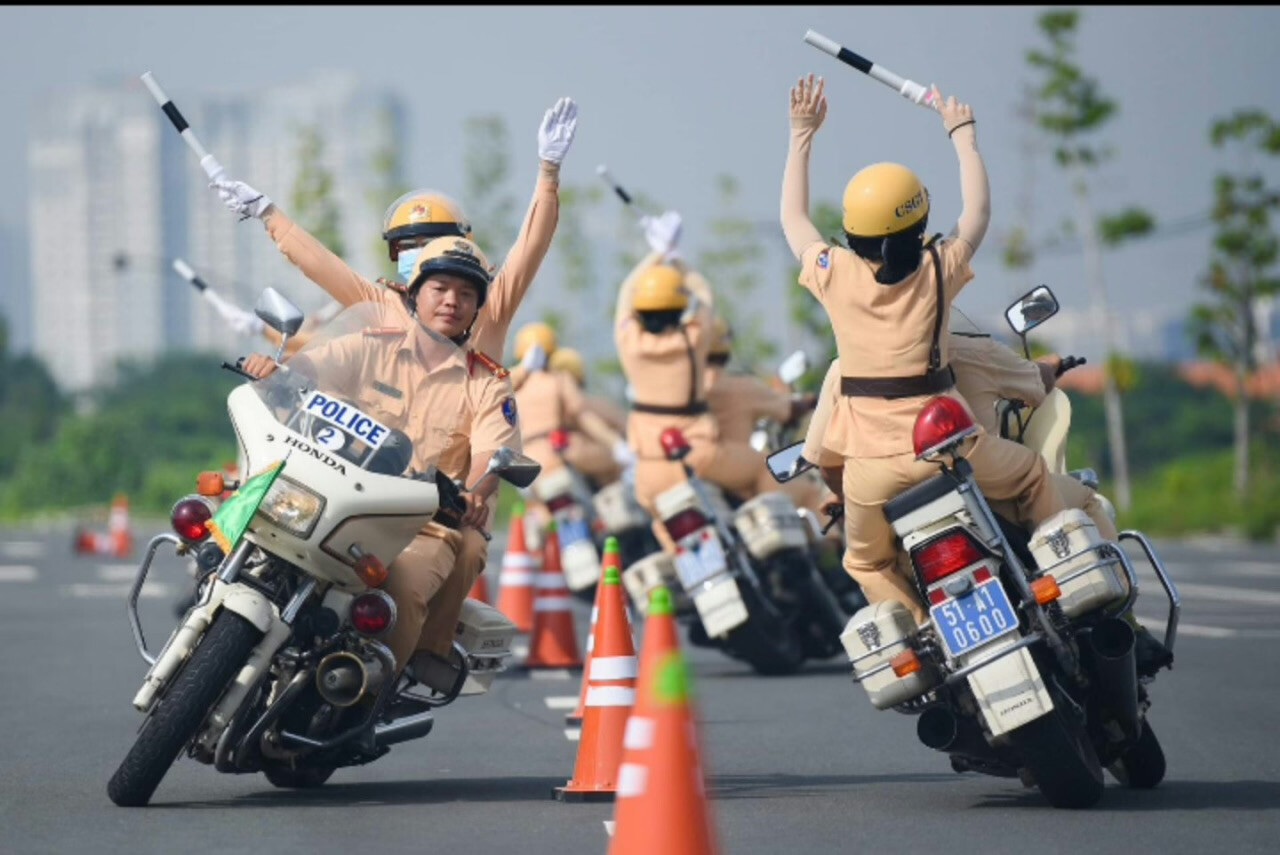
Traffic in Vietnam is generally more chaotic than in Bali, although overall speeds are noticeably lower.
Common situations include:
- riding against traffic
- crossing roads diagonally
- sudden turns without signals
Turn indicators are often ignored. Sudden maneuvers are common and should always be anticipated.
Using the horn is normal and expected. Here it’s not a sign of aggression but a way to communicate presence — more like sonar. Approaching an intersection or planning a maneuver, honking is standard practice. While it may feel awkward at first, it quickly becomes natural.
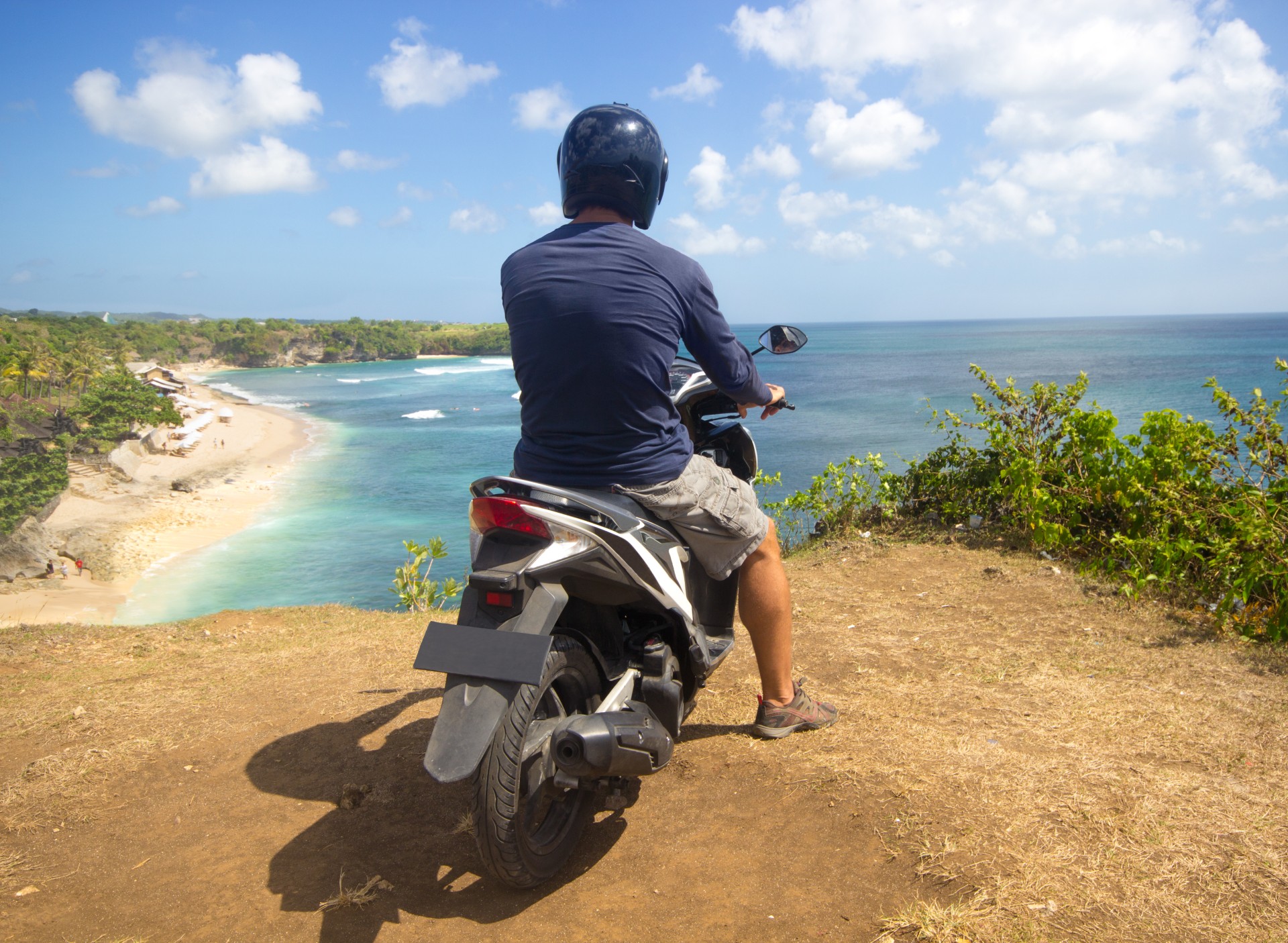
At pedestrian crossings, cars and bikes rarely stop completely. Instead, traffic flows around pedestrians. A sudden full stop “to let someone pass” can actually cause an accident, as stops are often unexpected. Slowing down, however, is acceptable.
Riding Culture
A typical sight on Vietnamese roads is several bikes riding side by side while chatting. Two bikes are not the limit — there can be more. Waiting behind them rarely helps; they can ride like this for long distances. Overtaking is the normal solution.
Traffic lights generally work, and most drivers do stop. However, there are exceptions:
- At some intersections, going straight or turning right on a red light may be allowed
- In such cases, a blue sign under the traffic light indicates the exception
Cars usually move smoothly but can make unexpected maneuvers. One common situation is a sudden U-turn or sharp turn from the far right lane across all lanes, often without any signal. Drivers who suddenly slow down without a clear reason may be preparing for such a maneuver.
Roads and Riding Experience
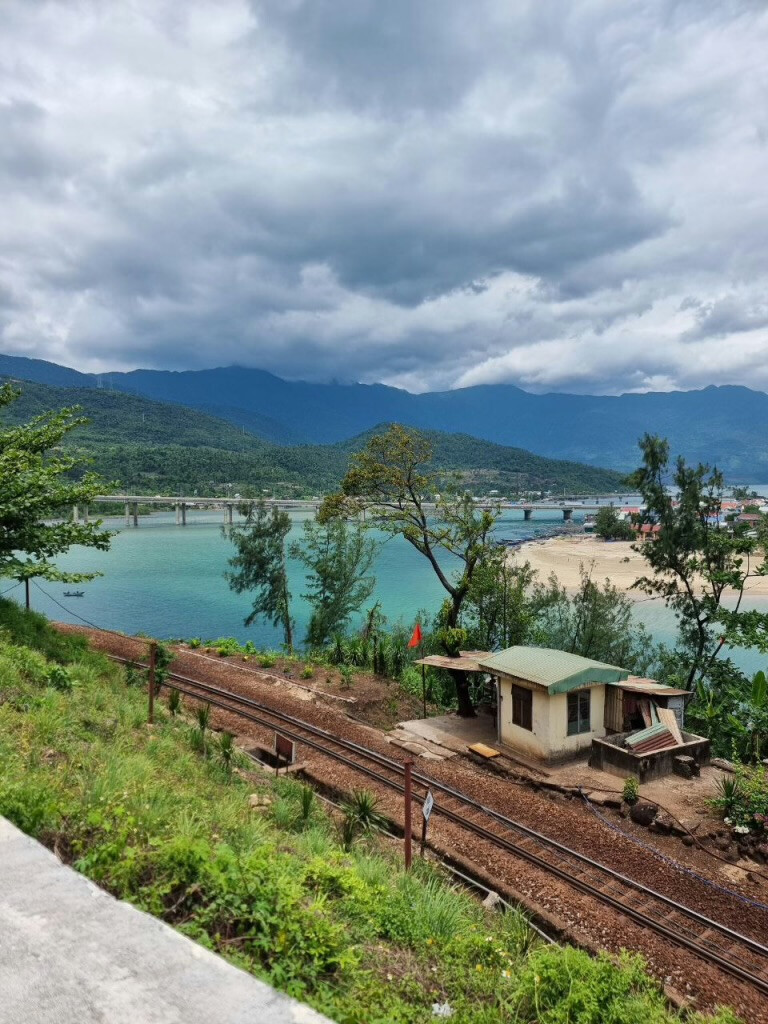
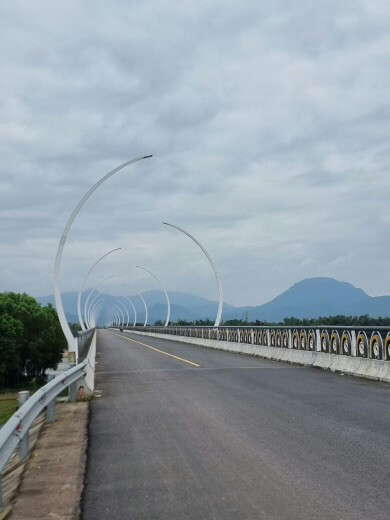
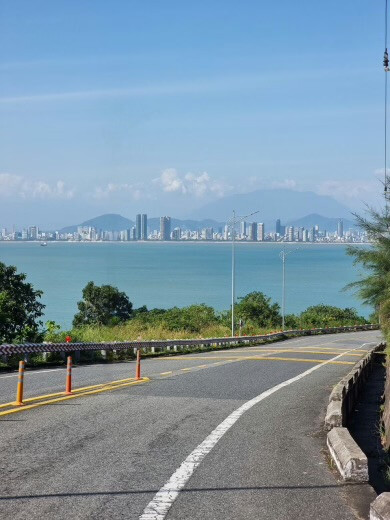
Photo: www.instagram.com/nick_asur
Vietnam has many wide, well-maintained roads. Riding through cities and suburban highways is generally comfortable. Outside urban areas, the country offers an especially enjoyable riding experience thanks to:
- mountain roads
- waterfalls
- coastal routes
- long scenic serpentines
Exploring Vietnam by motorbike can be a real pleasure — provided you stay alert, adapt quickly, and respect local traffic habits.

You can add one right now!