
New problems have appeared with the tourist levy (PWA) in Bali: foreigners cannot always pay it properly, and some of them even risk ending up on scam websites. Industry figures believe the system urgently needs improvement.
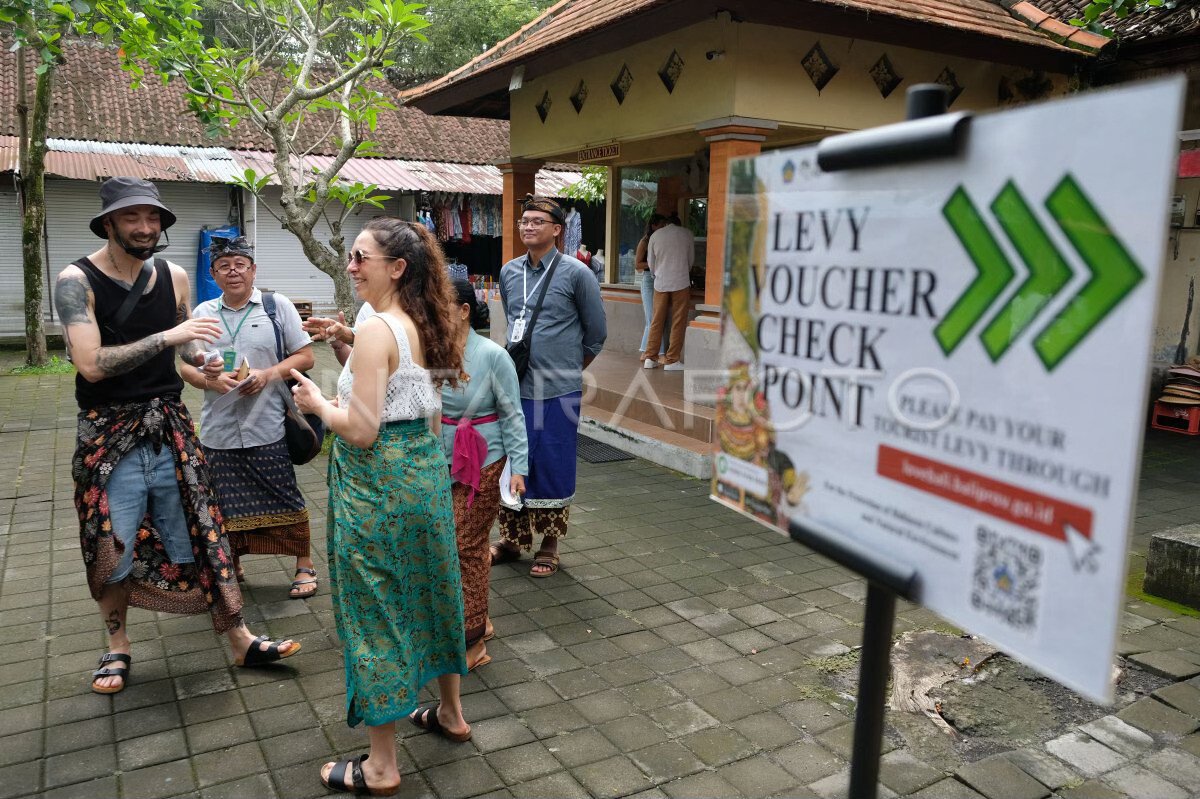
As of August, around 1.53 million foreign tourists had paid the levy in 2026. That is roughly 37% of all international visitors. Last year the figure was about 34%, so there has been growth, but industry figures consider it insufficient.
One of the main reasons is the payment system itself. The official website can be slow or return errors, and QR codes sometimes fail to scan. On top of that, not all foreign bank cards work for the payment.
The slow system sometimes leads to double charges as well. Getting the money back means going through a complicated refund process.
Against this backdrop, another problem arises — phishing. Some foreigners do not know what the official PWA payment site looks like and may end up on a scammers' page. Putu Winastra, head of the team tasked with speeding up the rollout of the PWA, believes tourists need better information about the official payment channels.

Difficulties also come up after the payment itself, when it has to be checked who has already paid the levy. I Gusti Ngurah Rai Airport still has no separate entrance or dedicated area that tourists would pass through to pay the PWA.
Spot checks used to be carried out at tourist sites, but they sometimes caused long queues. Integrating PWA payment data with immigration service records has not been fully achieved either. That makes it difficult to identify anyone who has not paid the tourist levy at the passport check stage.
Businesses, for their part, see the levy as an extra administrative burden. Travel agencies and other tourism companies have to remind clients to pay and help them out when a transaction fails.
Transparency about how the money collected is spent is a separate issue. Businesses say that knowing the total amount received is not enough for them. They want to see concrete results: waste management and infrastructure projects, for example, that tourists can see for themselves.
According to the latest data, total PWA revenue in 2026 has reached 229.95 billion rupiah.

To improve the system, Winastra proposes informing tourists about the mandatory levy in advance through airlines. That way people would know about the PWA before they even travel to Bali.
The Bali provincial government has already sent letters to aviation associations to this effect on July 2 and 28, 2026. There is also a PWA desk at I Gusti Ngurah Rai Airport near the international arrivals area, where tourists can get information and make the payment.
Another proposal is to integrate PWA payments with Bank Rakyat Indonesia (BRI). Immigration accepts visa on arrival (VoA) payments through this bank. If a tourist has already paid for a VoA through BRI but has not yet paid the PWA, the system could send them a reminder.
The levy itself is 150,000 rupiah per foreign tourist. It can be paid in advance online. If the payment does not go through, or if you run into other difficulties or have doubts, you can always turn to the specialists at Legal Indonesia. They will help you avoid double charges and delays in receiving your QR code.

You can add one right now!