
Birds-of-paradise are easy to find in wildlife documentaries and lists of the planet’s most unusual animals. But how and where can you see them in real life? These birds live deep in the forests of New Guinea, appear at particular times of day, and return to the same trees to feed and perform their courtship dances.
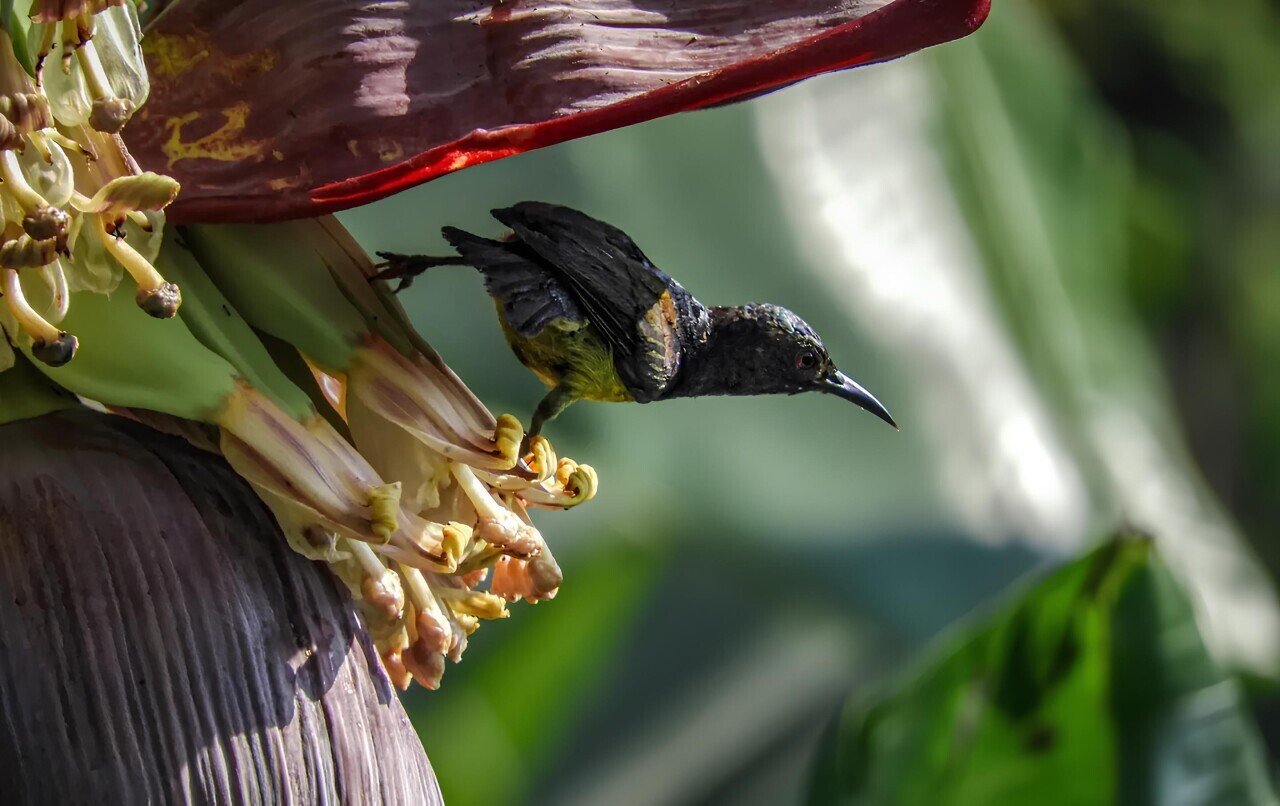
Without someone who knows the area well, you could spend hours scanning the canopy and still fail to spot a single bird.
You can watch birds-of-paradise in their natural habitat in the forests near the village of Malasigi in Papua. It is about a two-hour drive from Sorong, on the Bird’s Head Peninsula (Vogelkop). Five species of birds-of-paradise live here, and visitors are guided to the observation sites by members of the Moi Kelim people.
What Makes Birds-of-Paradise Special
The Bird’s Head Peninsula is one of the most interesting parts of Papua for birdwatching. It is home to many endemic species, meaning they are found nowhere else or live within a very limited range.
Birds-of-paradise are not a single species but an entire family. Most live in New Guinea and on neighbouring islands, while some are found in northern Australia. The females are inconspicuous, while the males seem to compete over who has the most elaborate plumage and movements.
Some have long, slender feathers, while others have brightly coloured patches on their heads and chests. During their courtship displays, still others spread their plumage and become almost unrecognisable. These dances are what made birds-of-paradise famous far beyond Papua.
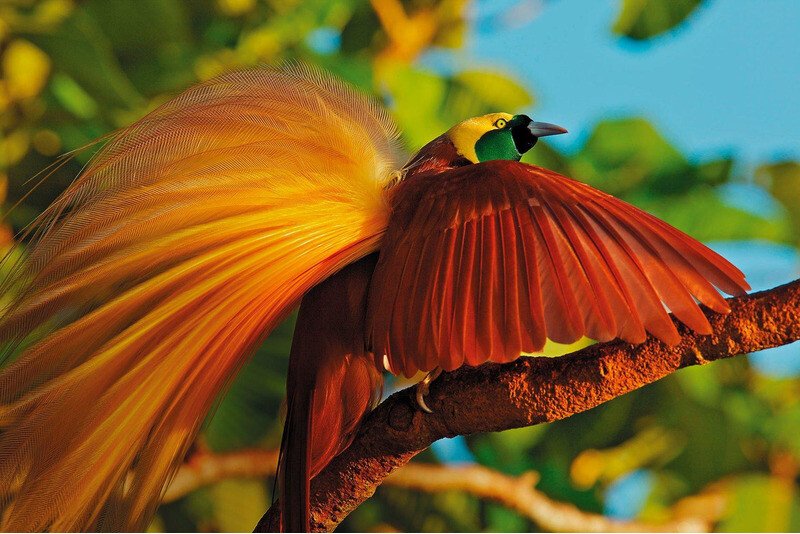
The government-run Jadesta tourism village registry lists five species in Malasigi: the lesser bird-of-paradise, king bird-of-paradise, magnificent bird-of-paradise (Diphyllodes magnificus), twelve-wired bird-of-paradise, and magnificent riflebird (Ptiloris magnificus). Most observation sites are about a half-hour walk from the village, while the king bird-of-paradise site takes 45–60 minutes to reach.
The three-day MyBaliTrips tour focuses on four species. The twelve-wired bird-of-paradise is named after the male’s long, slender feathers, which extend from the rear of its body and are used to brush against the female during courtship. The lesser bird-of-paradise stays high in the canopy; the male can be identified by its yellow head, green throat, and long, pale flank plumes.
The magnificent bird-of-paradise is one of the smallest members of the family. The male first clears leaves and twigs from a display area on the ground, then shows off its plumage and dance at close range. The magnificent riflebird does not fit the familiar image of a bird-of-paradise with a long tail: during its display, it spreads its wings, sways its head, and shows off the iridescent shield on its chest.
Besides birds-of-paradise, the forests around Malasigi are home to the northern cassowary, red-breasted paradise kingfisher, Papuan frogmouth, red-bellied pitta, and sulphur-crested cockatoo. The village also offers a separate reptile-watching programme, and some visitors come specifically to see the local snakes.
How to Get to Malasigi
The region’s remoteness is apparent from the planning stage. Organising such a trip independently is extremely difficult: there is no conventional infrastructure between the natural sites, road access depends on the weather, and accommodation and local guides must be arranged directly with the communities.
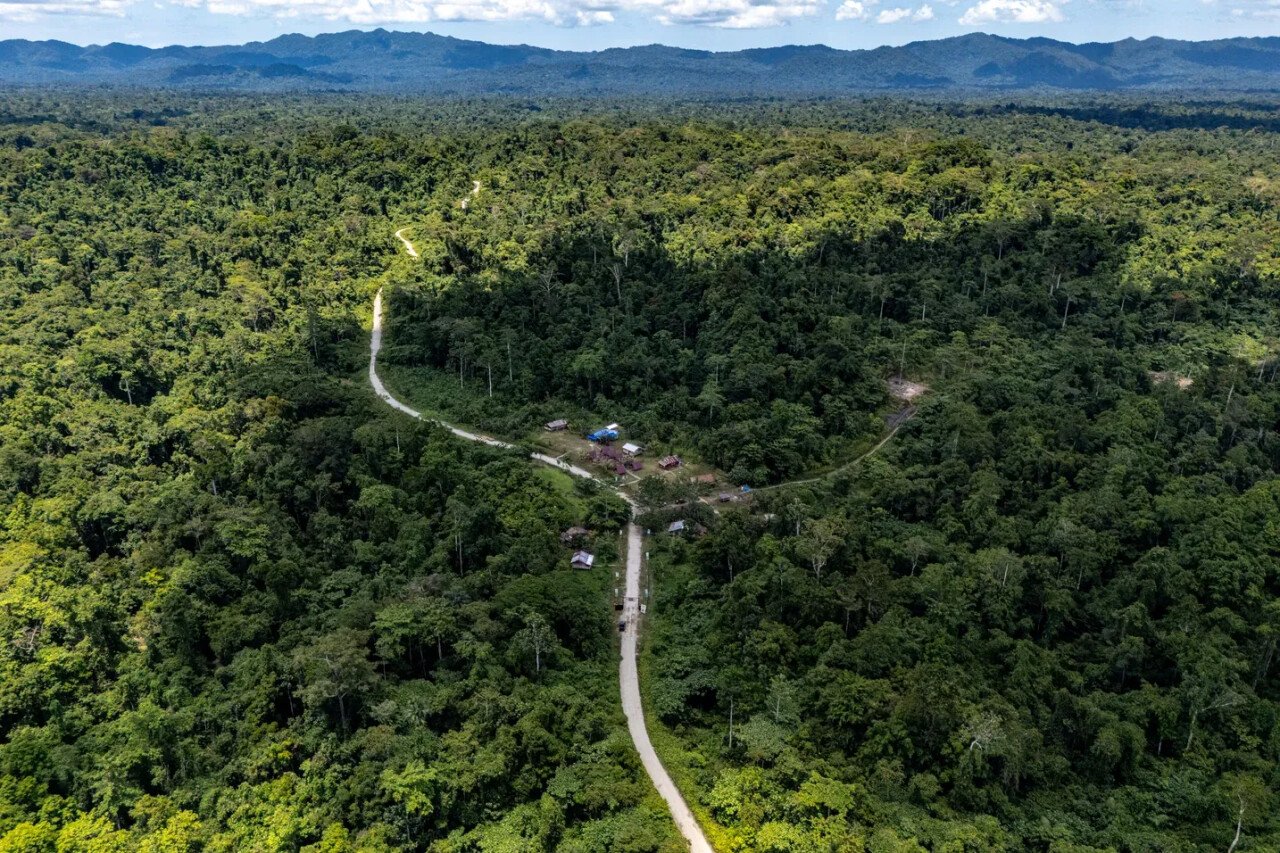
First, you need to fly to Sorong. There are no direct flights from Bali, so you will need to connect in Makassar or Jakarta. From there, Malasigi is another two hours away by road. The road is unpaved and some sections become impassable after rain. In the village itself, you can learn about the daily life of the Moi Kelim people, see how traditional noken bags are woven, and go balobe night fishing.
If you are travelling with a group, the booking must be confirmed at least four months in advance, as this is how long it takes to arrange accommodation, transport, and the local team.
When to Go
The best time for birdwatching is during the drier half of the year, roughly from June to November, when there is less rain and the forest trails are easier to walk. However, rain is possible in Papua in any month, so the dry season is only relative.
The birds are most active around dawn and later in the afternoon, so trips into the forest usually begin before first light. A sighting of any particular species cannot be guaranteed: this is the wild, not an aviary. However, making several trips into the forest significantly improves your chances.
What to Bring
Binoculars, lightweight clothing that covers your arms and legs, insect repellent, and shoes with good grip. Photographers should bring a telephoto lens and rain protection for their equipment: even a brief tropical downpour can soak anything left uncovered.

You can add one right now!