
Ubud Art Market: Complete Guide to Shopping in Bali's Most Iconic Market
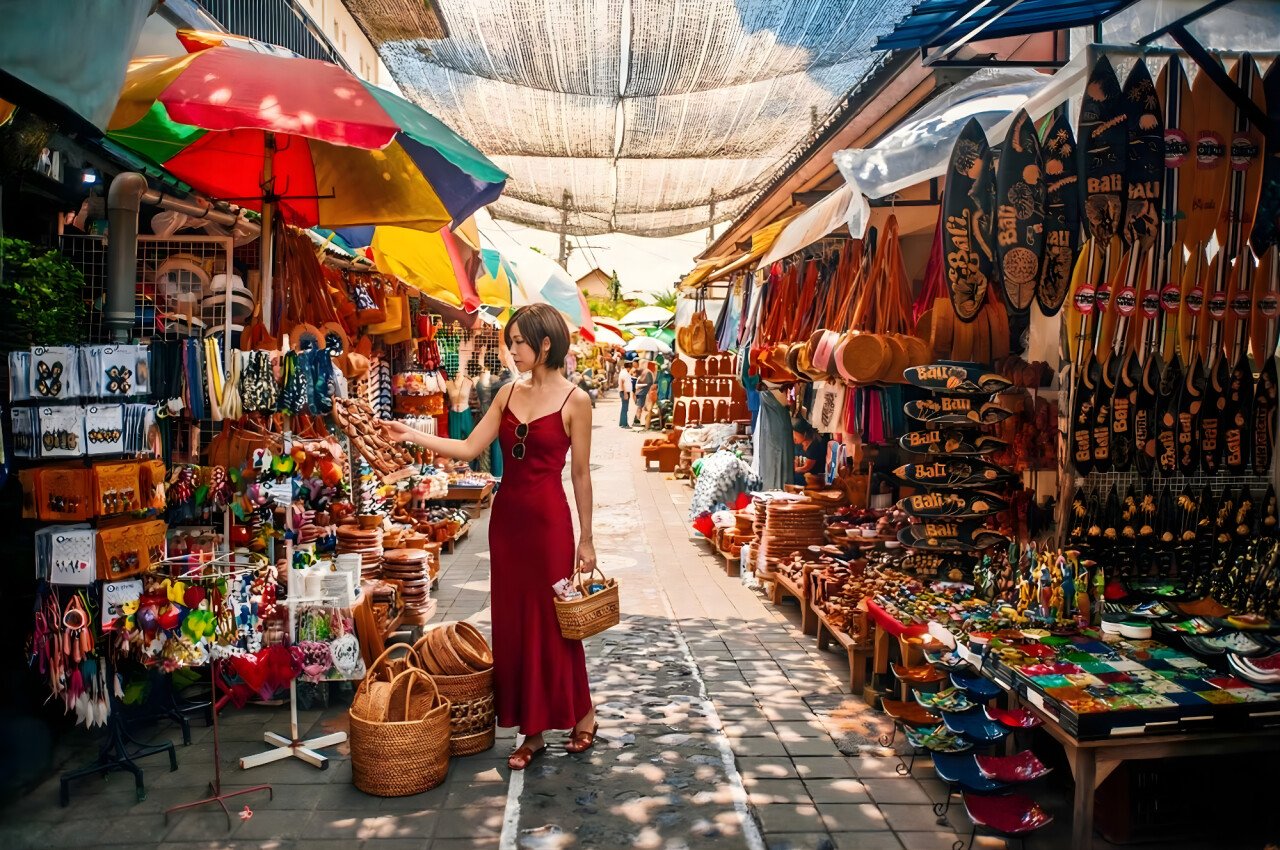
What to buy, when to go, how to bargain — and why this place will probably keep you longer than you planned.
Picture this. You're walking down Jalan Raya Ubud, the main road cutting through the heart of Bali's cultural capital. The air smells like incense. A gamelan melody drifts from somewhere nearby. And then — suddenly — you're standing in front of a wall of color. Woven bags in every shade imaginable. Wooden masks staring back at you. A vendor smiling, already holding up a sarong in your direction.
That's the Ubud Art Market. And if you're not careful, you'll lose two hours before you even realize it.
This guide is everything you need before you go — where it is, the best time to show up, what's actually worth buying, and how to get a good price without the awkwardness. Let's get into it.
Ubud Art Market at a Glance
Before we dive in, here's a quick overview:
📍 Address | Jl. Raya Ubud No.35, Ubud, Gianyar, Bali 80571 |
Opening Hours | 8:00 AM – 9:00 PM daily (some vendors close ~5–6 PM) |
Entrance Fee | FREE – no ticket needed |
Payment | Cash preferred; some vendors accept cards |
Language | Basic to fluent English widely spoken |
Parking | Scooter ~IDR 2,000 | Car ~IDR 10,000 nearby |
Nearest Landmark | Directly opposite Ubud Royal Palace |
So, What Exactly Is the Ubud Art Market?
Locally called Pasar Seni Ubud, this market has been part of Ubud's heartbeat for centuries. It started as a humble trading spot — locals buying and selling food, cloth, everyday essentials. Nothing fancy. Just community commerce the way it's always been done in Bali.
Then tourism arrived. Ubud grew. The world discovered it. And the market evolved with it.
Today, the Ubud Art Market is something different — a sprawling, colorful, wonderfully chaotic collection of stalls selling handcrafted goods, paintings, jewelry, clothing, and souvenirs. It spills across a two-story building at the intersection of Jalan Raya Ubud and Jalan Monkey Forest, then overflows into the surrounding alleys with outdoor vendors who set up shop every single day.
What makes it genuinely worth your time — and not just another tourist market — is where the products come from. Most of what you'll find here is made by hand in nearby Balinese villages: Pengosekan, Tegallalang, Payangan, Peliatan. Real artisans, real craft. Not factory goods relabeled as local.
That's a meaningful difference, and you can feel it when you pick something up.
Fun Fact: The Ubud Art Market had its Hollywood moment in the 2010 film Eat, Pray, Love. Julia Roberts walked these same alleys — and after that, so did the rest of the world.
Getting There: It's Easier Than You Think
If you're already staying in Ubud, honestly — just walk. The market sits right in the town center at Jl. Raya Ubud No.35, and parking nearby is genuinely a headache. Save yourself the stress.
Coming from further away? Here's a rough sense of the drive:
- From Ngurah Rai Airport: about 1 hour 45 minutes
- From Canggu or Seminyak: around 1 hour 15 minutes
- From Uluwatu or Nusa Dua: closer to 2 hours 30 minutes
- From Kuta: roughly 1 hour
The Best Way to Get There Depends on Your Day
If you're doing a full day trip from south Bali, hiring a private driver is genuinely the move. They'll sort out parking, wait for you, and you can just focus on exploring. Budget around IDR 400,000–600,000 for the day — split between friends, it's very reasonable.
If you're based in Ubud and want flexibility, renting a scooter for around IDR 75,000 a day gives you freedom to roam. Just make sure your travel insurance actually covers scooter riding — a lot of standard policies don't, and it's worth checking before you go.
When to Go: Timing Makes All the Difference
Here's something most people don't know until they've made the mistake themselves: the Ubud Art Market at 9 AM is a completely different experience from the Ubud Art Market at 1 PM.
Early Morning (8:00–10:00 AM) — Go Here First
This is the window. The air is still cool, the alleys aren't packed yet, and vendors are just laying out their goods for the day. You get first pick of everything, and the whole atmosphere is relaxed and unhurried.
There's also a quiet cultural edge to showing up early.
Balinese sellers believe the first sale of the day brings good luck — so they're often more generous with their pricing in the morning. It's not a trick or a tactic. It's just how things work here. Showing up early puts you in the right place at the right time.
Late Afternoon (4:00–6:00 PM) — A Solid Second Option
Can't do mornings? Late afternoon is your next best window. Vendors start thinking about heading home, stock needs to move, and prices tend to soften. It's also cooler, which makes wandering through stalls a lot more enjoyable than the midday heat.
Midday (11:00 AM–3:00 PM) — Brace Yourself
This is when the tour buses from south Bali roll in. The market gets loud, crowded, and hot. Vendors know they have a captive audience, which makes bargaining harder. If you can avoid it, do. If you can't, just go in knowing what to expect and bring water.
What It's Actually Like Inside
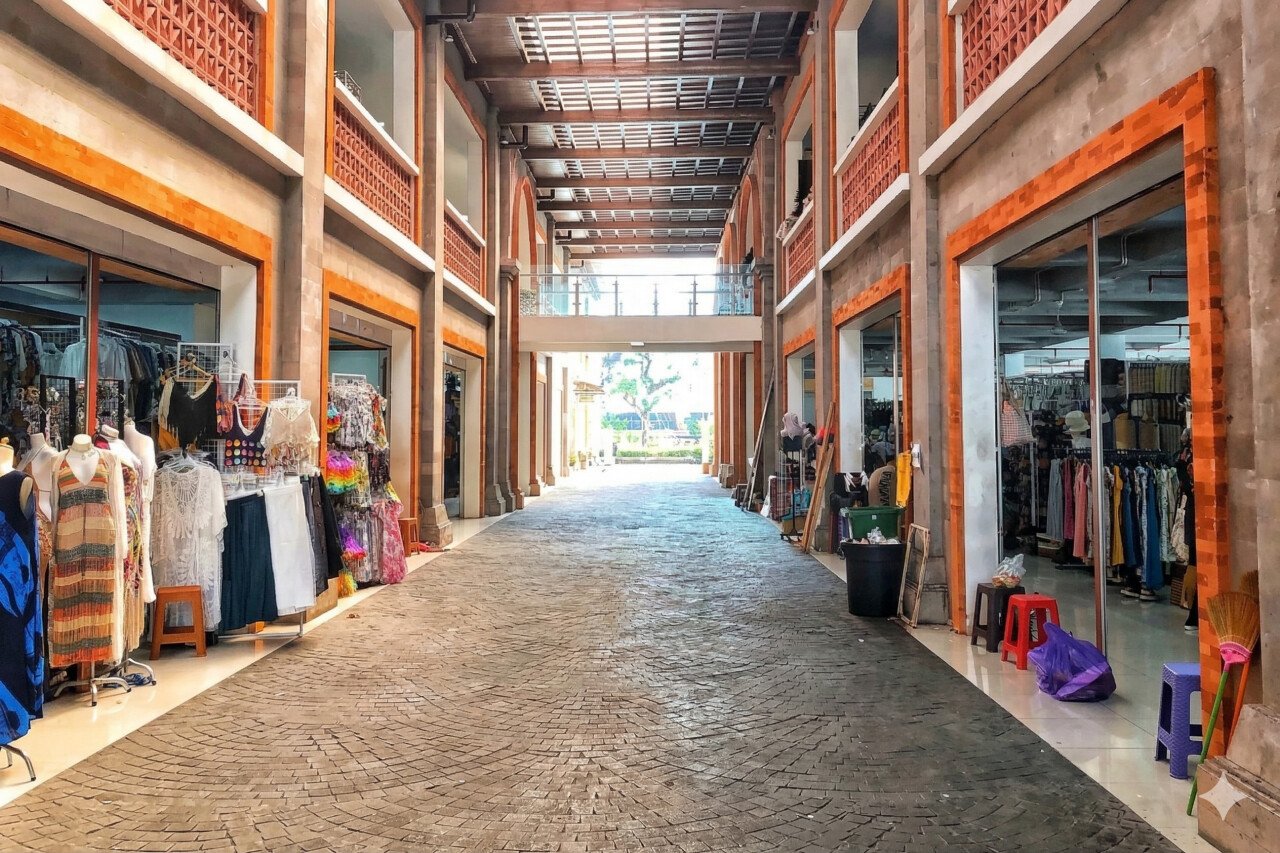
Walking into the Ubud Art Market for the first time feels a little like stepping into a very beautiful maze. Stalls line both sides of narrow alleys, goods hanging overhead and spilling out onto the path. It's a two-story building at its core, but it doesn't really feel like a building — it feels alive.
The vendors here are nothing like what you might expect from a busy tourist market. No aggressive hawking. No following you down the street. Most sellers are warm, patient, genuinely friendly — happy to chat, happy to let you look without pressure. The whole vibe is welcoming rather than overwhelming.
One thing to know before you start shopping: you'll see the same types of items repeated across many stalls. Don't take this as a bad sign. Take it as an opportunity. Walk the whole market first, get a feel for the quality and prices, then go back and buy. The first stall is almost never the best one.
On safety: The market is completely safe. It's a family-friendly, well-established place. As with anywhere busy, keep your bag close and stay aware — but there's no reason to be on edge here.
What to Buy — And What to Pay
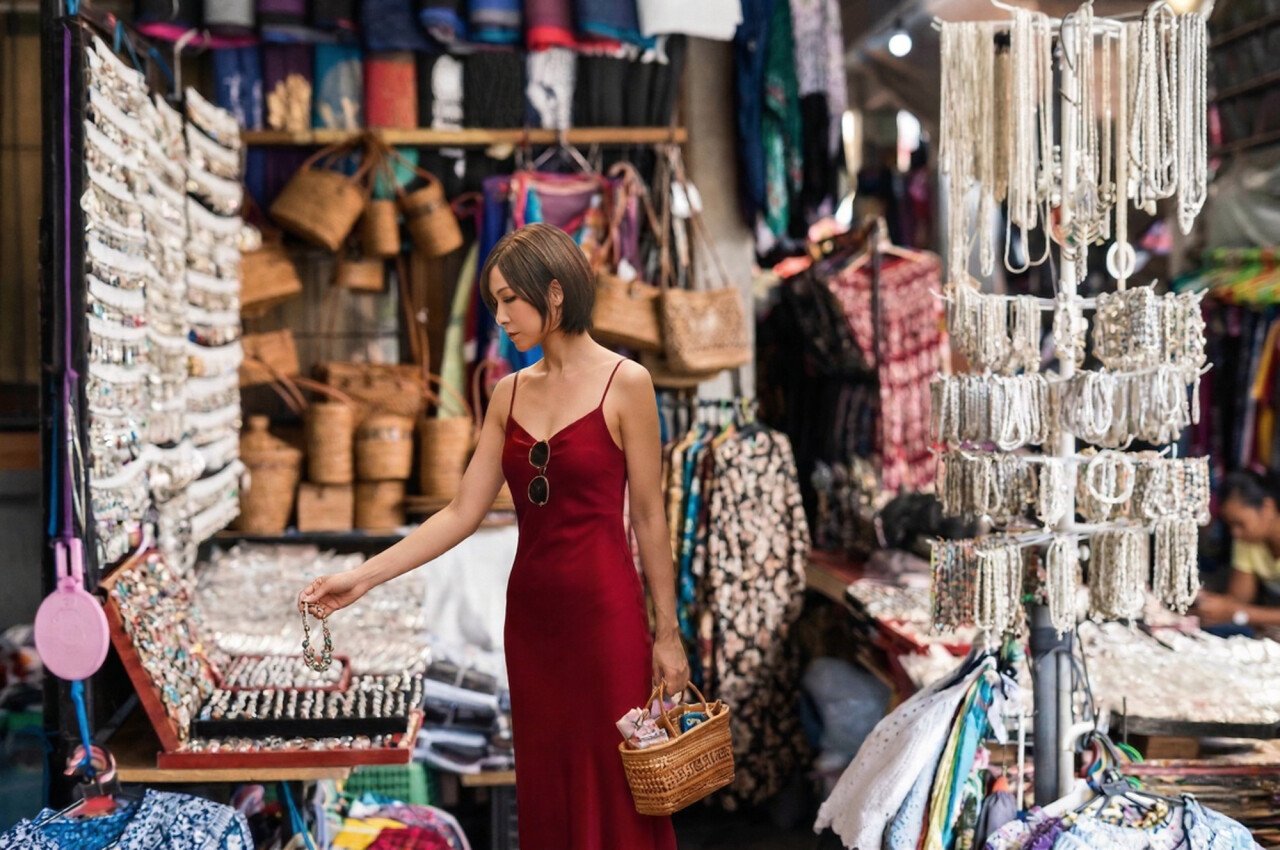
Here's where it gets fun. The "art market" name actually undersells what's here. This place sells everything from handwoven bags to natural beauty products, and most of it is genuinely beautiful.
Here's what to look for, with realistic price ranges so you know what's fair:
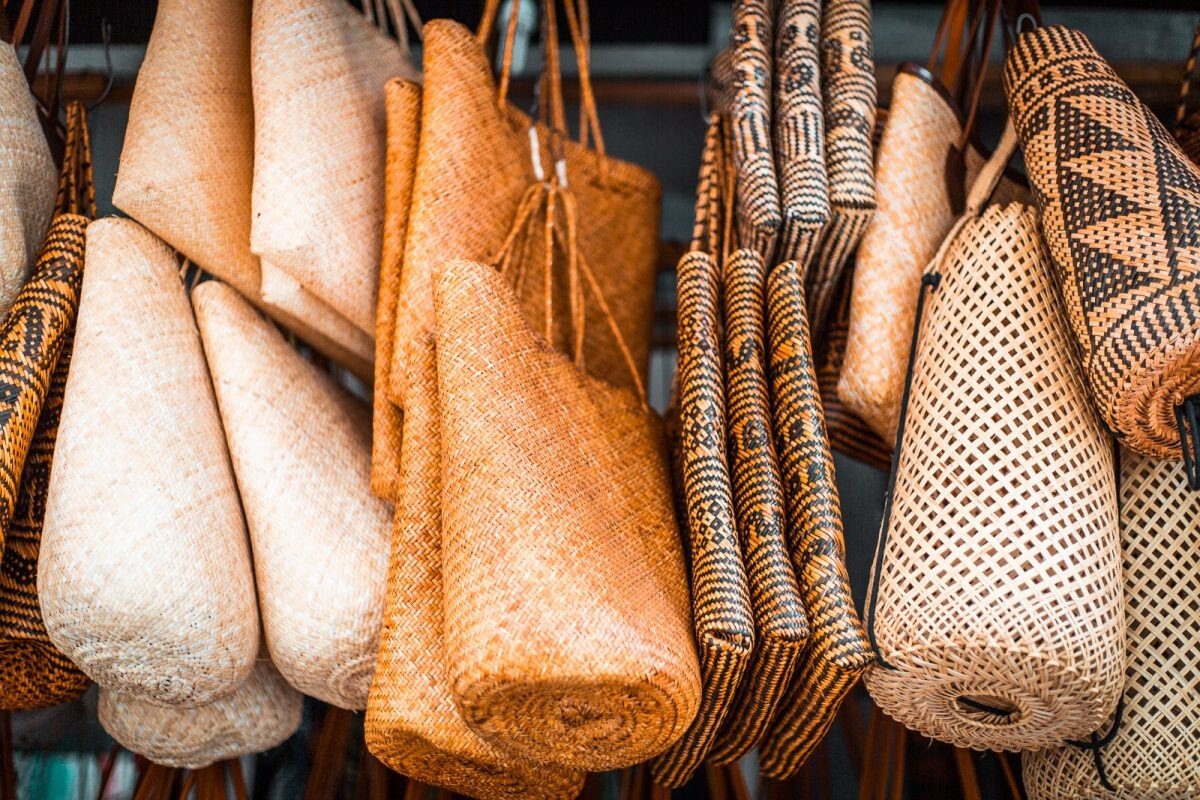
Woven Bags & Baskets — IDR 50,000–300,000 The most iconic thing to buy in Ubud. Handwoven from rattan or bamboo, sometimes decorated with shells or beadwork. Lightweight, practical, and they look great.
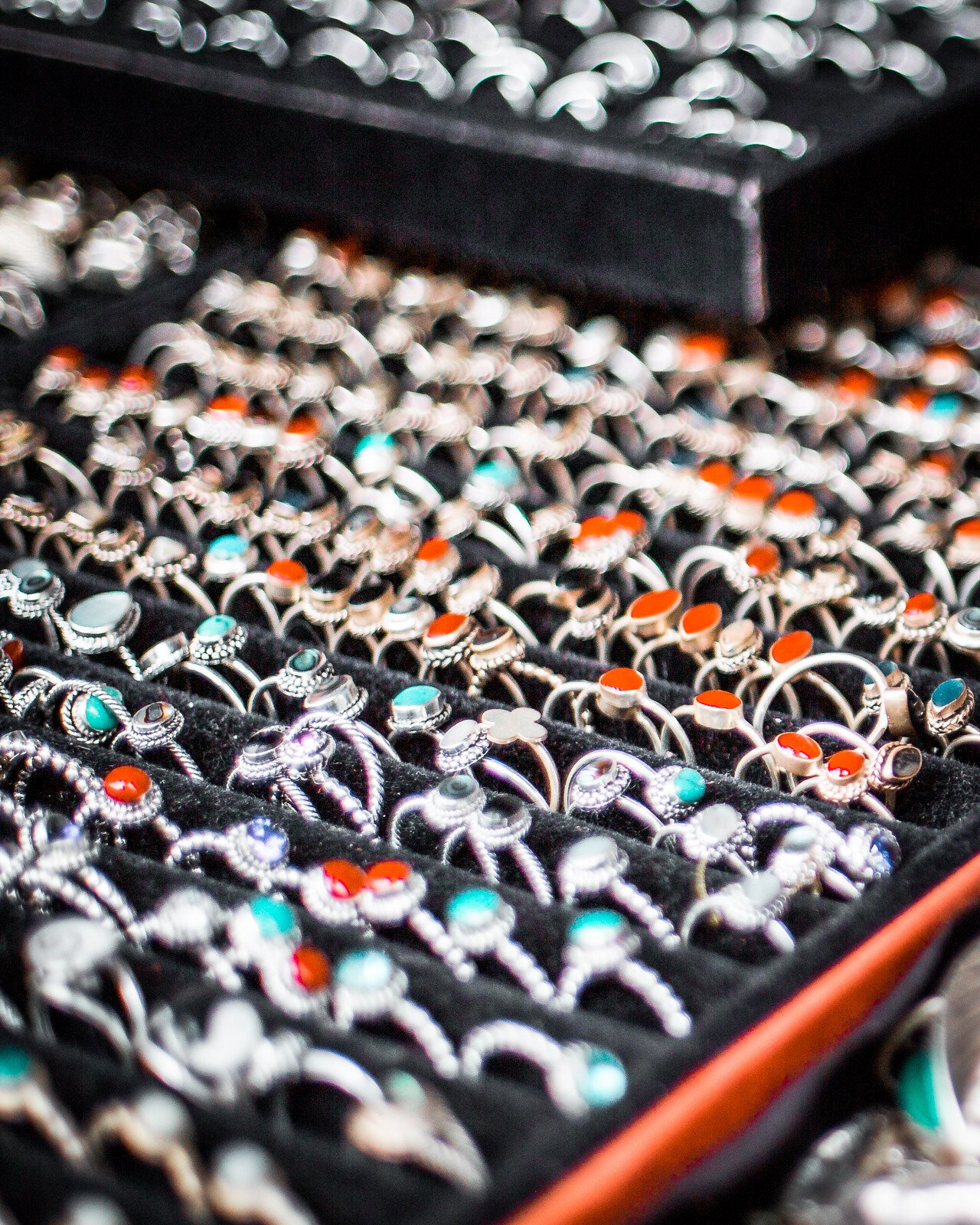
Silver Jewellery — IDR 80,000–500,000+ Ubud has a long tradition of silversmithing. The pieces here often feature traditional Balinese patterns — rings, bracelets, earrings, necklaces. Worth asking whether it's solid silver or silver-plated before buying.
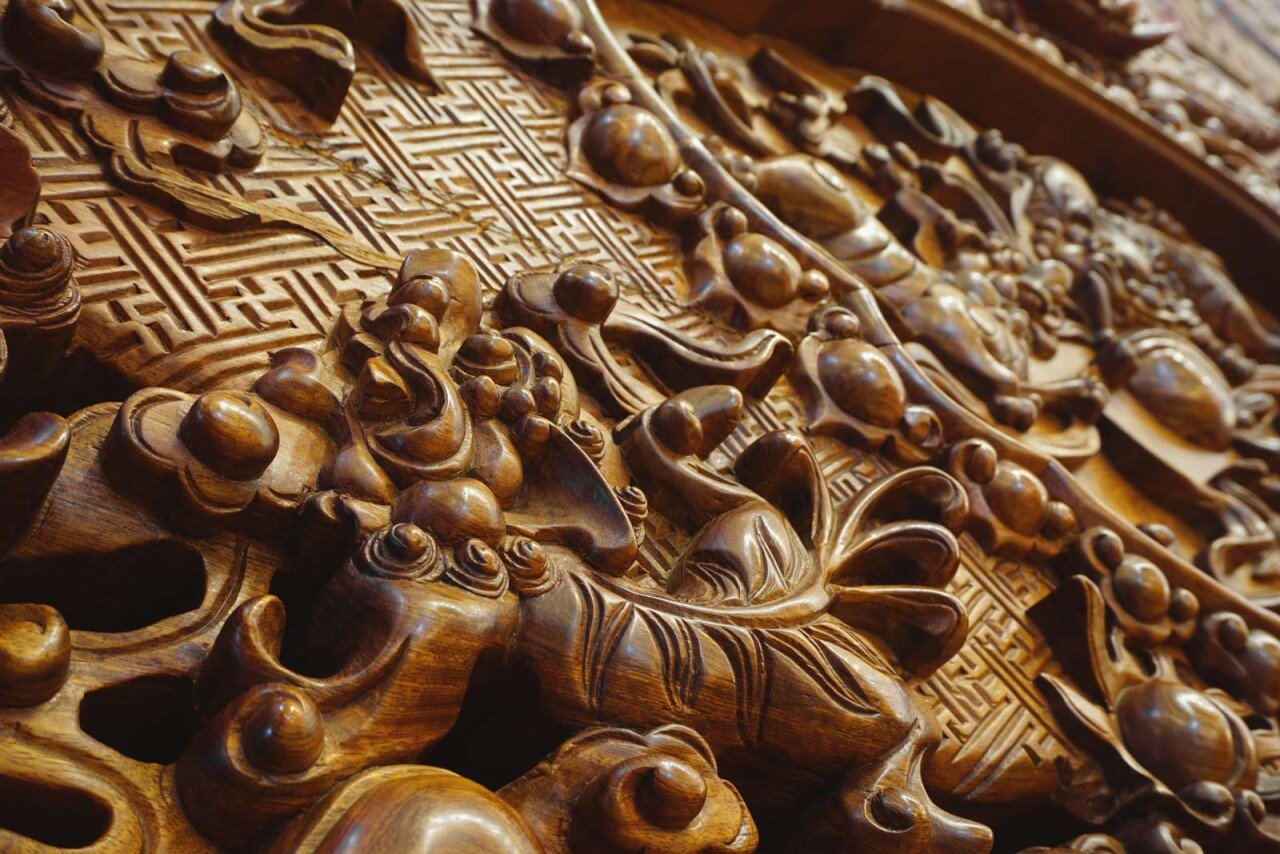
Wood Carvings — IDR 50,000–800,000 From small Ganesha figurines to elaborate masks and decorative panels. The craftsmanship on some of these is genuinely impressive. Ask where it's made — locally carved pieces are noticeably different in quality from mass-produced ones.
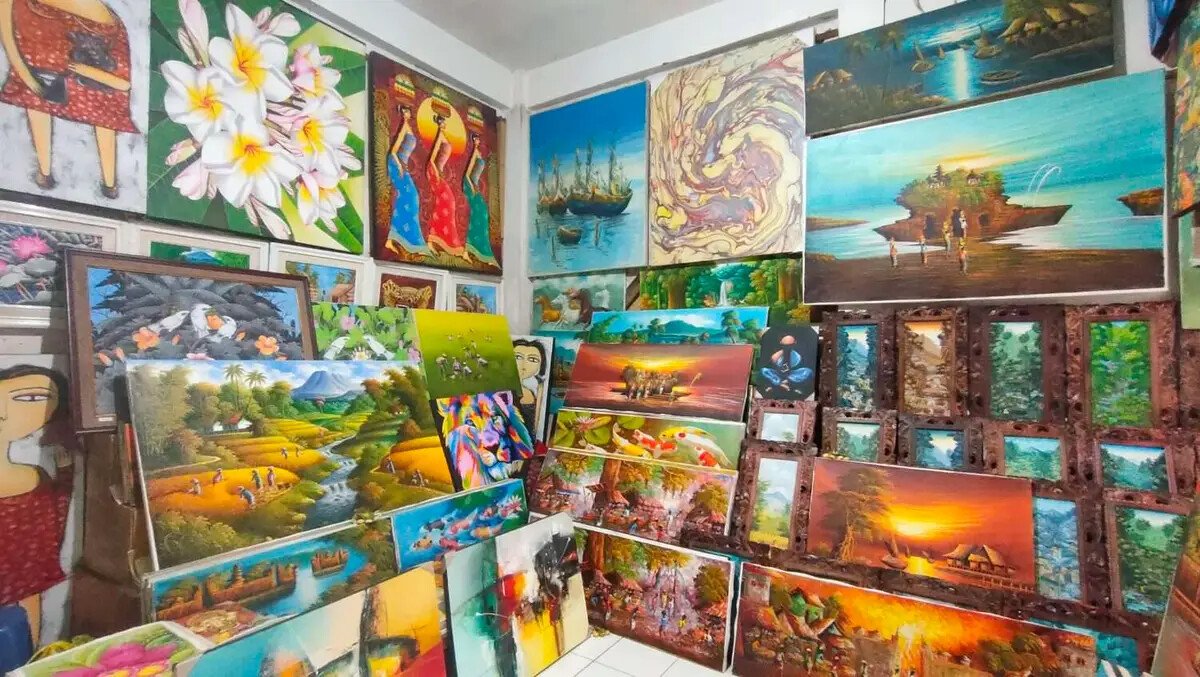
Balinese Paintings — IDR 100,000–1,000,000+ Both traditional and contemporary styles. If you find something that moves you, it's probably worth it. These make for meaningful souvenirs.
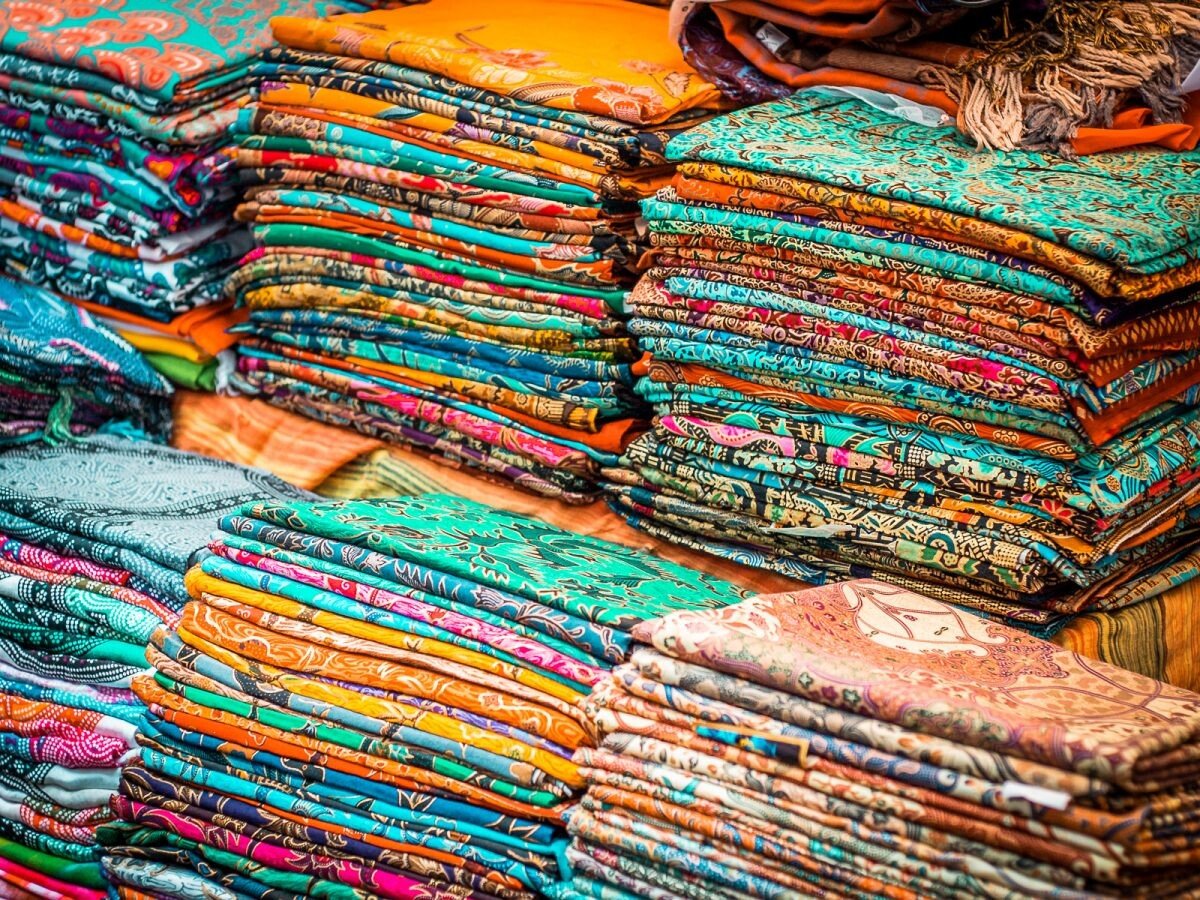
Scarves & Sarongs — IDR 50,000–200,000 Lightweight, packable, and you'll need one anyway — most Ubud temples require you to cover your legs to enter.
-preview.jpg)
Clothing & Beachwear — IDR 50,000–150,000 Breezy shirts, linen trousers, yoga pants, dresses. Great for stocking up on affordable holiday clothes.
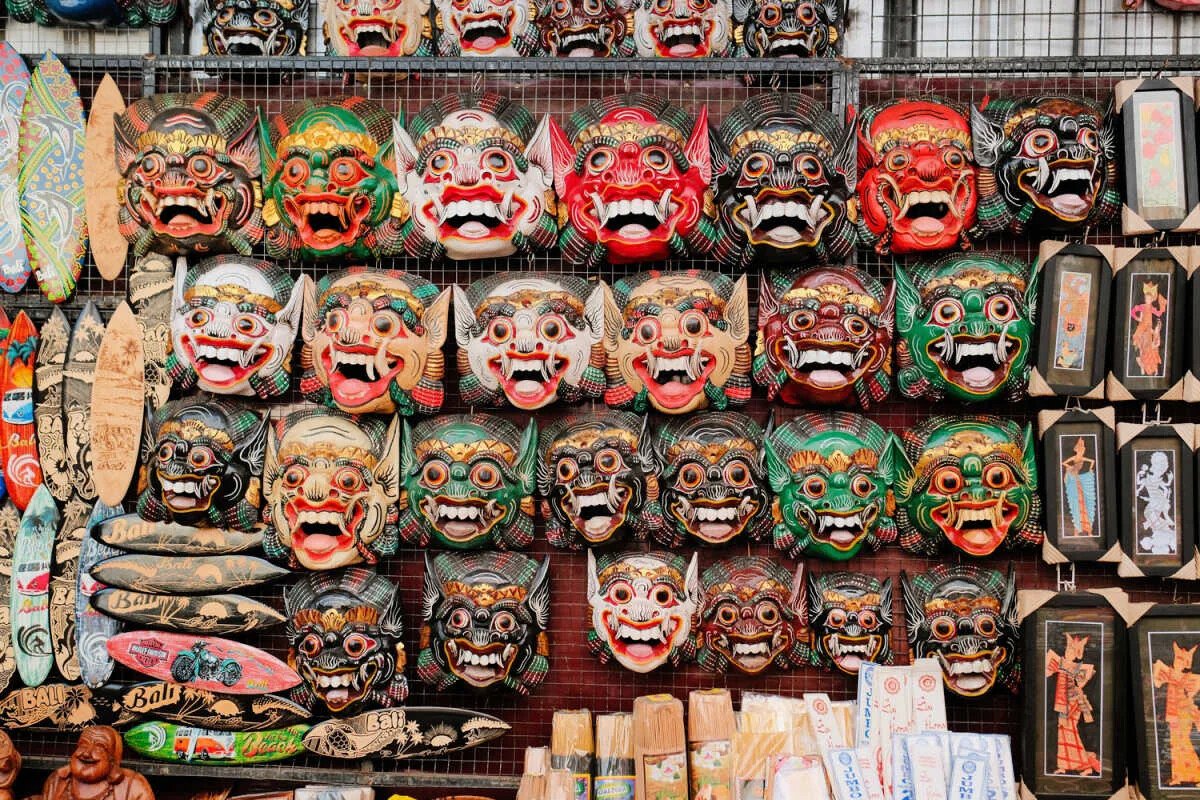
Traditional Masks — IDR 100,000–500,000 Used in Balinese dance and ceremony. Beautifully detailed and striking as wall pieces at home.
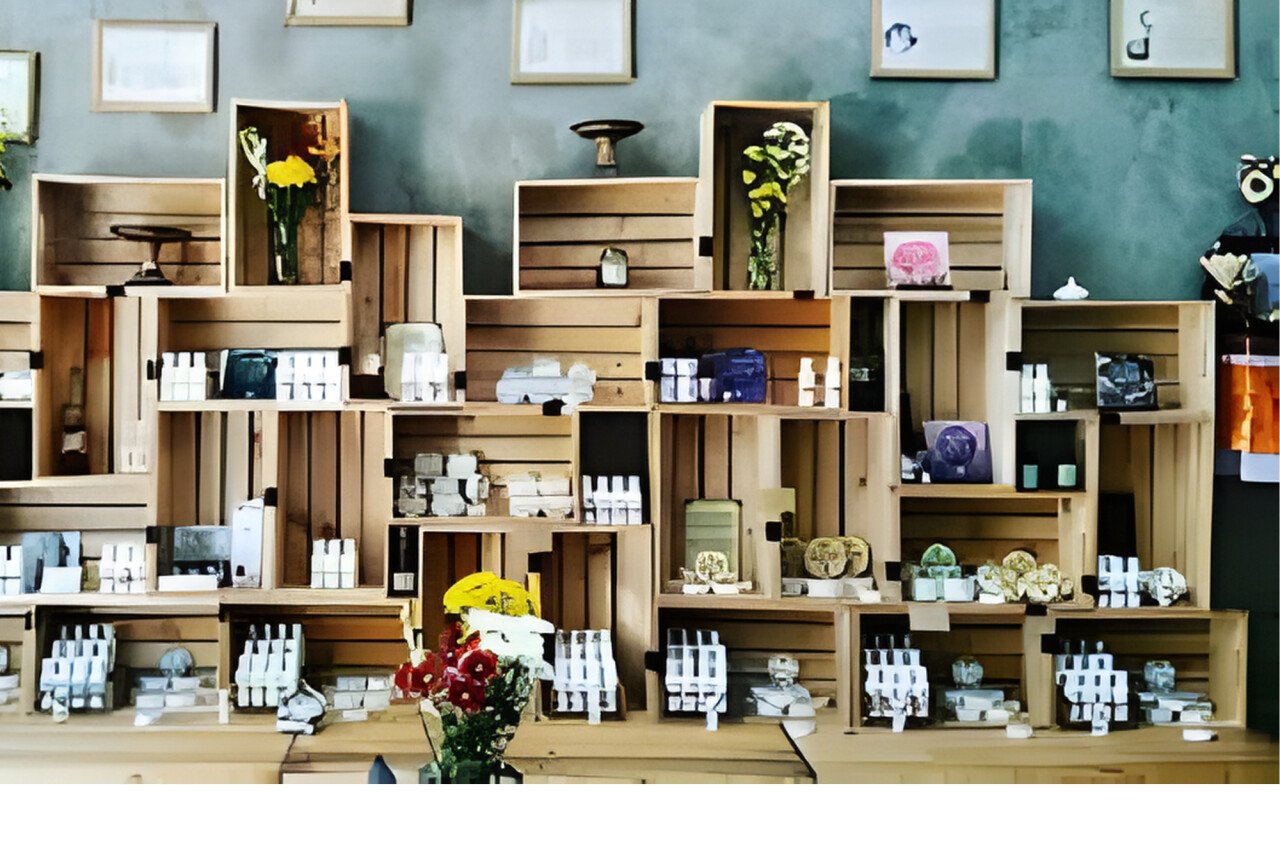
Natural Beauty Products — IDR 30,000–150,000 Locally made soaps, coconut oils, and herbal balms. Simple, good quality, and easy to pack.
A word on quality: always take a moment to actually look at what you're picking up. Run your hand over a carving. Check the stitching on a bag. Most vendors are proud of their work and happy to explain where it came from — and that conversation usually tells you everything you need to know.
How to Bargain — Without Making It Weird
Bargaining is not just acceptable here. It's expected. Vendors price with negotiation in mind, and not bargaining at all would actually be unusual. That said, there's a way to do it that feels easy and respectful for everyone involved.
Keep It Simple
Start by asking the price. Then offer somewhere around half. The seller will counter. You'll meet somewhere in the middle — usually 50–70% of whatever they said first. That's your deal.
It really is that straightforward. There's no need to be aggressive or theatrical about it. Keep it light, keep it friendly, keep it moving.
A Few Things Worth Knowing
One of the best moves is to simply start walking away if you can't agree on a price. Do it slowly, keep it pleasant. More often than not, the vendor will call you back with a better number. It's not a game — it's just how the rhythm works.
Shop around before committing to anything big. When multiple stalls sell the same type of item, you have real leverage. Take a full lap through the market before you spend anything significant.
And if you're buying several things from the same vendor, ask for a package price. They almost always say yes.
On cash: Bring it. While some vendors now accept cards, cash gives you real negotiating power and avoids the awkward "sorry, the machine isn't working" moment. IDR 300,000–500,000 is a comfortable budget for a good couple of hours of shopping. Hit an ATM before you arrive.
What's Around the Market
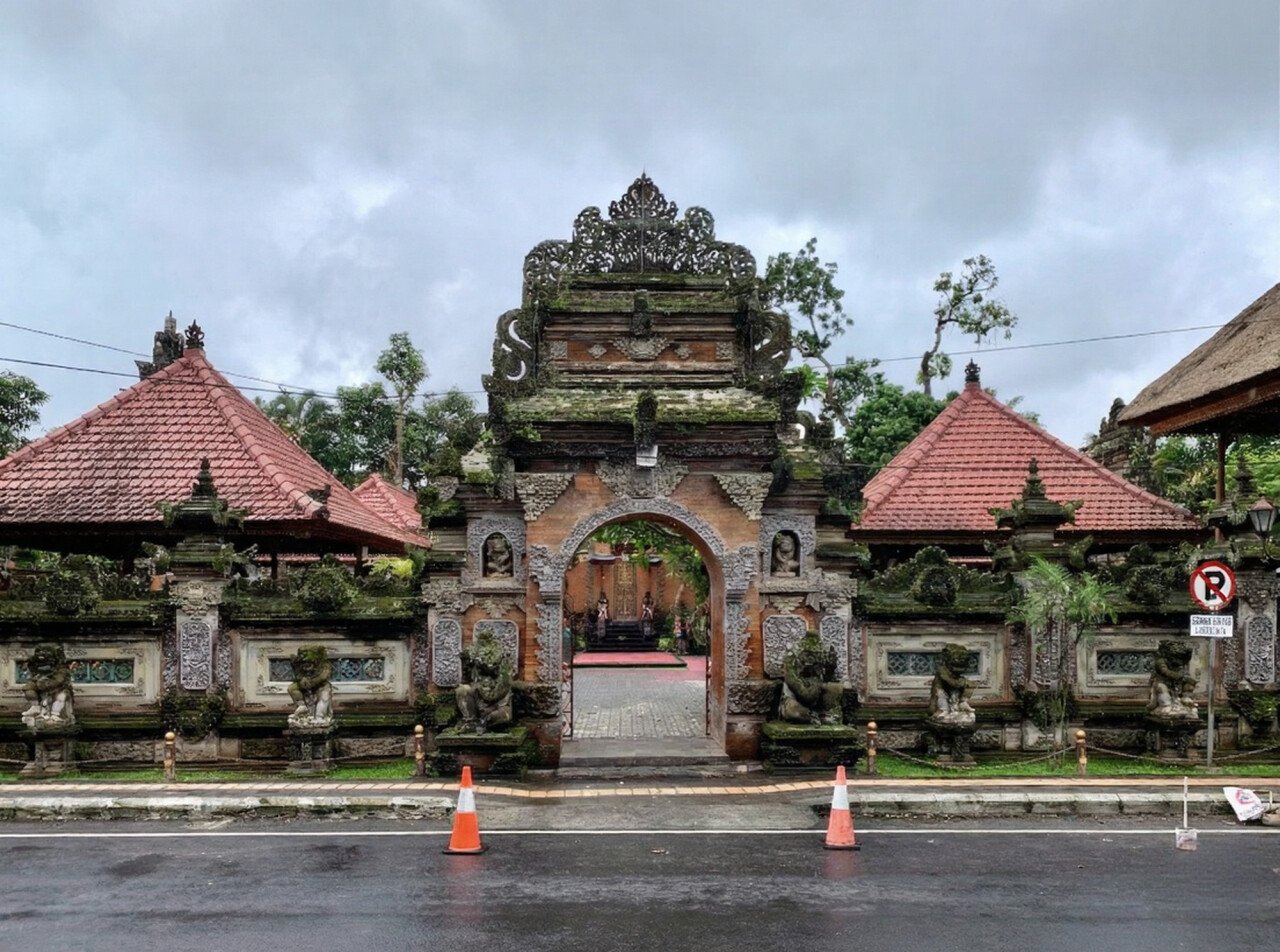
The location of the Ubud Art Market is genuinely one of its best features. You're right in the center of town, which means everything worth seeing in Ubud is a short walk away.
- Ubud Royal Palace is literally across the street. Walk through during the day for free, or come back in the evening for the traditional Kecak dance performances held in the courtyard.
- Saraswati Temple is tucked just behind the Lotus Café — a short stroll away. The lotus pond in front of it is one of the most beautiful spots in all of Ubud.
- Sacred Monkey Forest is about a 10-minute walk south down Jalan Monkey Forest. Strange, beautiful, and a little chaotic — in the best way.
- Campuhan Ridge Walk is a gentle 2 km trail through rice fields and jungle. Best in the early morning or late afternoon when the light is good and it's not too hot.
- Tegalalang Rice Terraces is about 20 minutes north by scooter. The kind of view that makes you understand why people fall in love with Bali.
A Few Last Tips Before You Go
- Wear comfortable shoes. You'll be on your feet longer than expected.
- Bring a tote bag or small backpack. Purchases accumulate fast.
- Drink water. It's available from vendors, and you'll need it.
- Do a full loop before you buy anything. Get the lay of the land first.
- Indoor stalls sometimes have slightly better quality items than the outdoor ones. Check both.
- Buying multiple things from one vendor? Ask for a bundle price. It works.
- Weekdays are noticeably quieter than weekends. If you have a choice, go mid-week.
Before You Go
The Ubud Art Market doesn't need a hard sell. It speaks for itself.
It's one of those rare places that manages to be genuinely touristy and genuinely authentic at the same time. The goods are real, the people are warm, and the whole experience connects you to something that feels distinctly, unmistakably Balinese.
Go early. Bring cash. Take your time. And don't be afraid to negotiate — you're not being difficult, you're participating.
You'll leave with beautiful things. And probably a few more than you planned.
Done Shopping? Wind Down in Style
After hours of wandering and negotiating, your legs might need a break and your mind a moment to breathe. The good news is that the heart of Ubud is filled with places perfect for unwinding — all within easy walking distance of the market.
Here are a few ways to cap off your day right in the town center:
Traditional Balinese Massage
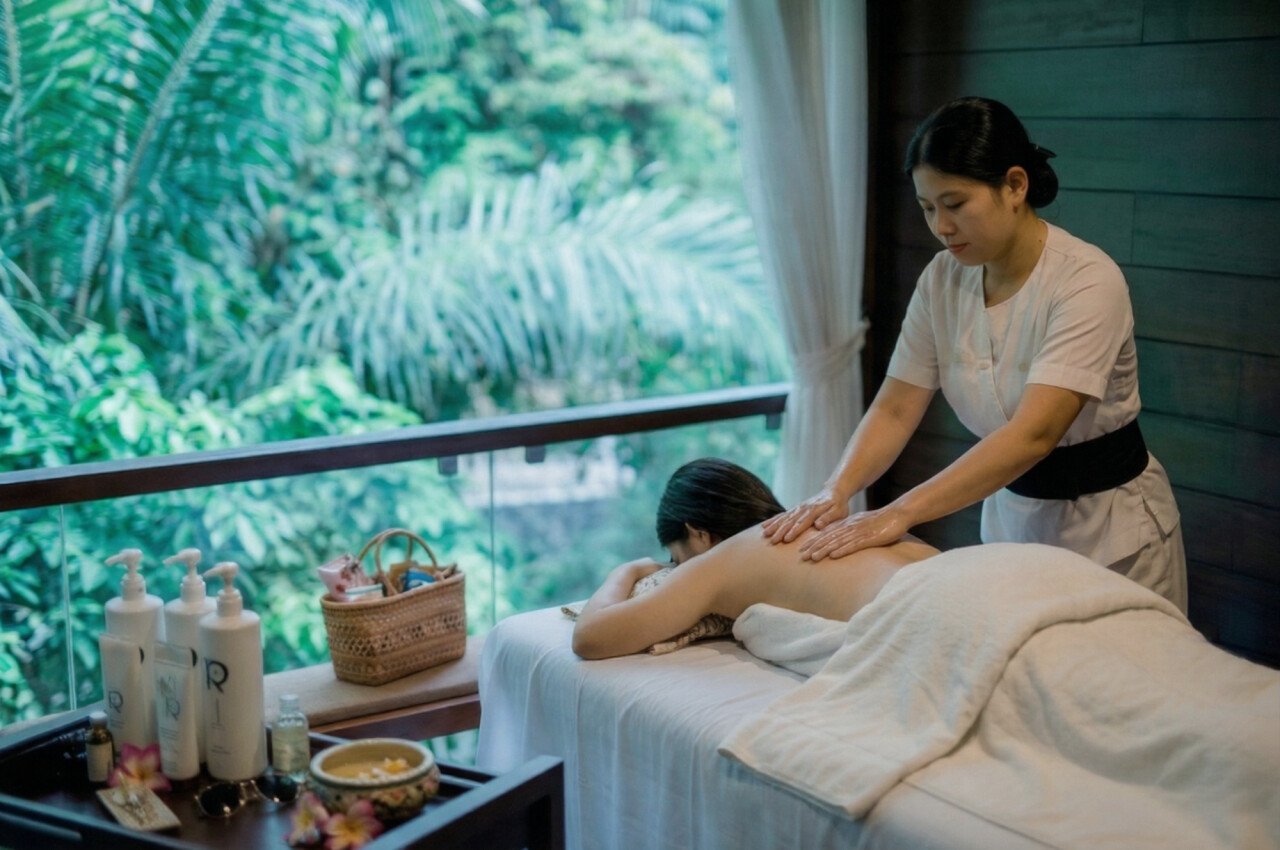
Nothing beats a traditional Balinese massage to release the tension of a long market day. You'll find many great local spas offering treatments for as little as IDR 100,000 per hour. For a more complete wellness experience, look for places that offer flower baths or deep-tissue Balinese healing. A few worth checking out:
- Ubud Traditional Spa
- Hesa Wellness Spa Ubud
- Jaens Spa Center Ubud
- Nusa Therapy — Traditional Massage Center
- Terakota SPA — Ubud Central Massage
- Jembawan Spa — Balinese Massage in Ubud
A Creative Break
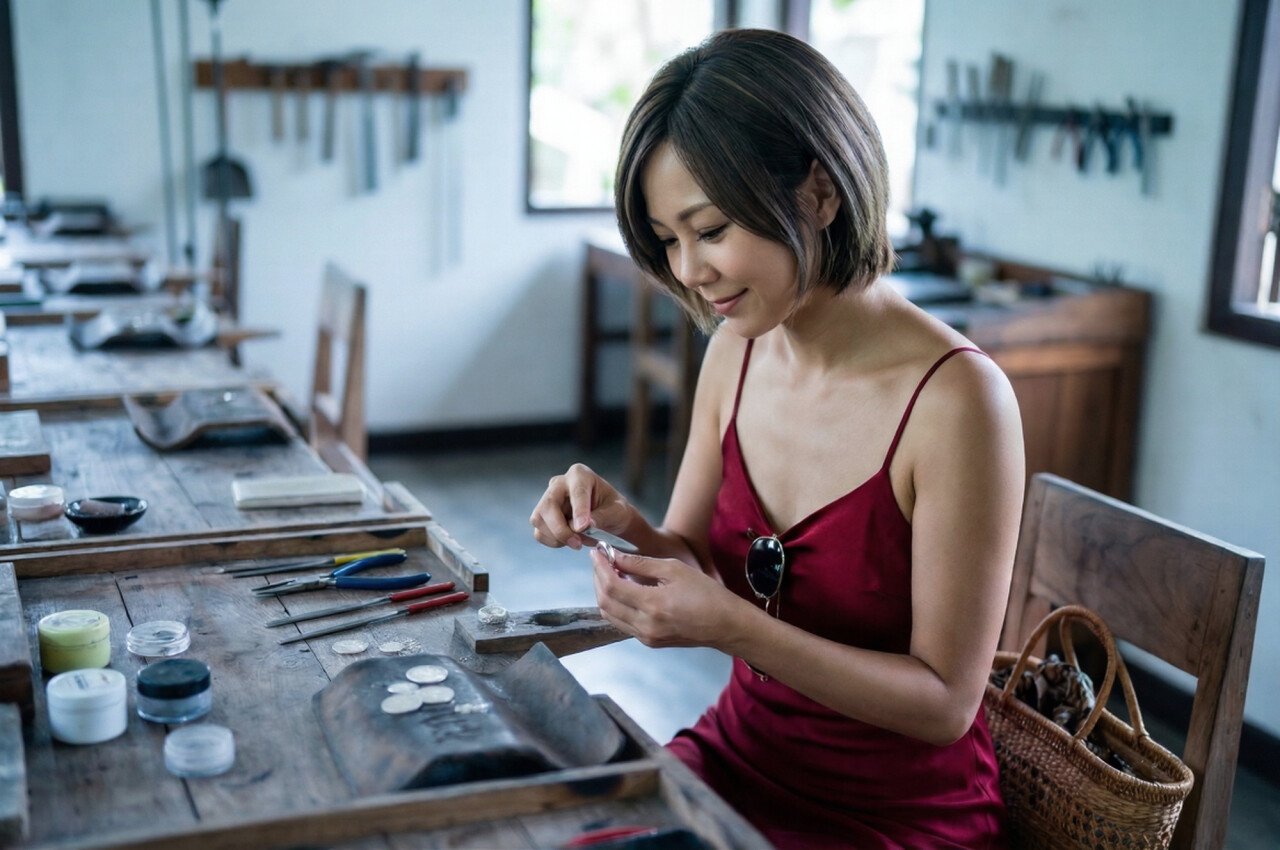
If you're not ready to stop being productive, consider a Silver Making Class offered in nearby workshops. You can spend an hour or two designing and crafting your own unique silver souvenir — turning your rest time into something you'll actually bring home. A few popular options:
- Gede Ubud Silver Class
- Ubud Lucky Silver Class & Jewelry Silver Class
Where to Eat & Relax After the Market
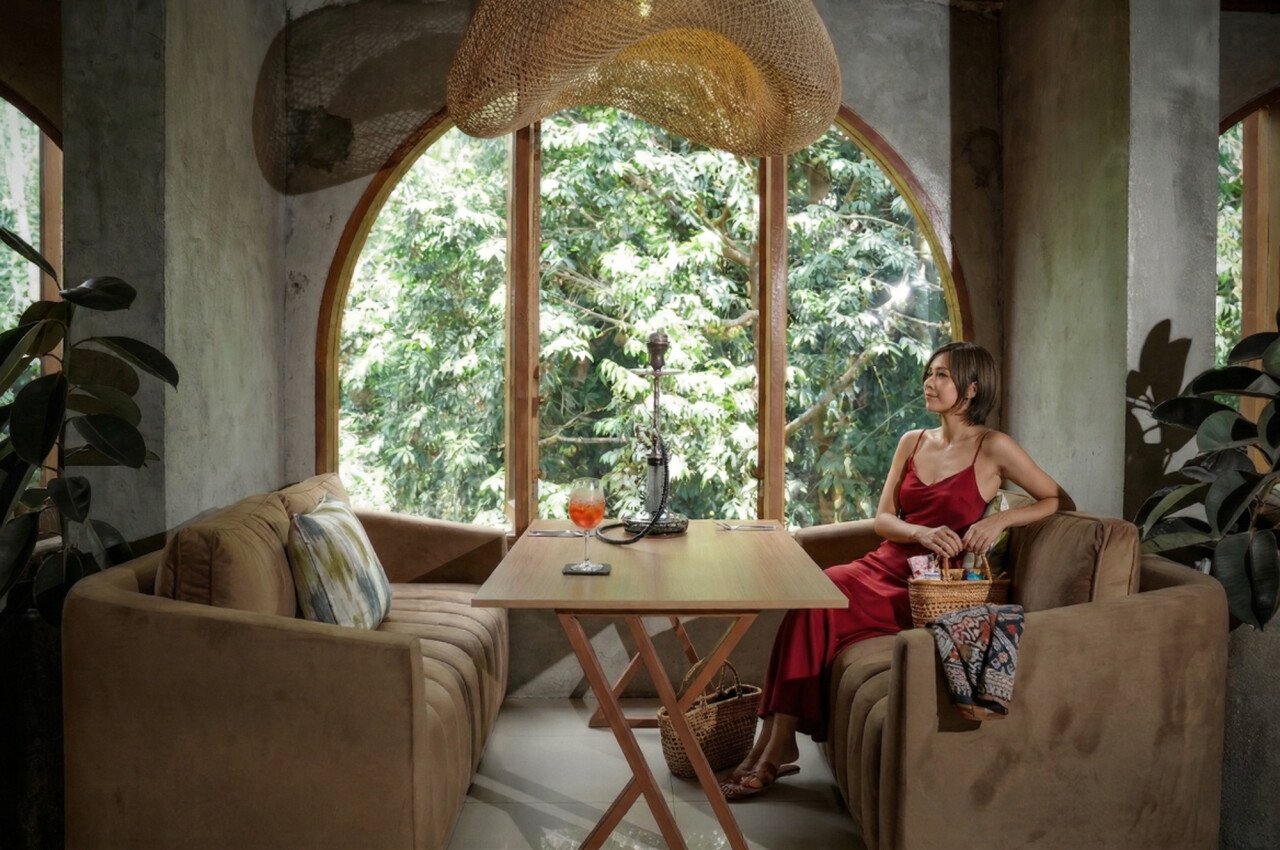
Ubud's town center has something for every kind of evening — whether you want international food, local Balinese cuisine, or just a great spot to sit with friends.
Eden Hookah Club Ubud is a natural first stop after the market. It's a relaxed, atmospheric lounge just a short walk from the stalls — perfect for a quiet cold drink, a premium shisha, or a comfortable couch to soak up the evening vibe. What makes Eden a bit more versatile than most lounges is the food menu — it covers international cuisine spanning European dishes and Asian fusion, plus some Russian cuisine options for travelers looking for a taste of home. It's also genuinely one of the better spots in Ubud if you're having dinner together with a group of friends. Good energy, good food, and no rush.
For those who want to go deeper into local Balinese cuisine after Eden, Sun Sun Warung is a great next stop — a warm, no-fuss spot where you can experience authentic Balinese flavors the way locals actually eat them.
And if you're specifically craving Russian food, Usha Cafe & Bakery Ubud is the go-to in town — though Eden also carries some Russian cuisine options on its menu if you'd rather stay in one place for the evening.
FAQ
Is the Ubud Art Market free to enter? Completely free. No tickets, no entrance fee. You only pay for what you buy.
What are the opening hours? 8:00 AM to around 9:00 PM daily, though most vendors start packing up between 5:00 and 6:00 PM. Morning is the best time to visit.
Is it a tourist trap? Honestly, no. It's popular — yes. But the goods are locally made, the prices are fair if you bargain, and the experience is real. Go in with reasonable expectations and you'll leave happy.
Can I pay by card? Some vendors accept cards, but cash is strongly preferred. It also gives you better leverage when negotiating. Bring Rupiah.
Do I have to bargain? You don't have to, but it's expected. If you'd rather not negotiate, just ask politely for a good price — most vendors will be reasonable. You might pay a little more, but it won't be by much.
You can add one right now!