
A magnitude 7.4–7.7 earthquake off the coast of Japan on 20 April has once again sparked a wave of anxious discussion about Bali. The media have been talking about a mega-earthquake of up to 9.0, but the official line is calmer. Indonesia’s Agency for Meteorology, Climatology and Geophysics (BMKG) says this is a long-term risk rather than an imminent threat.
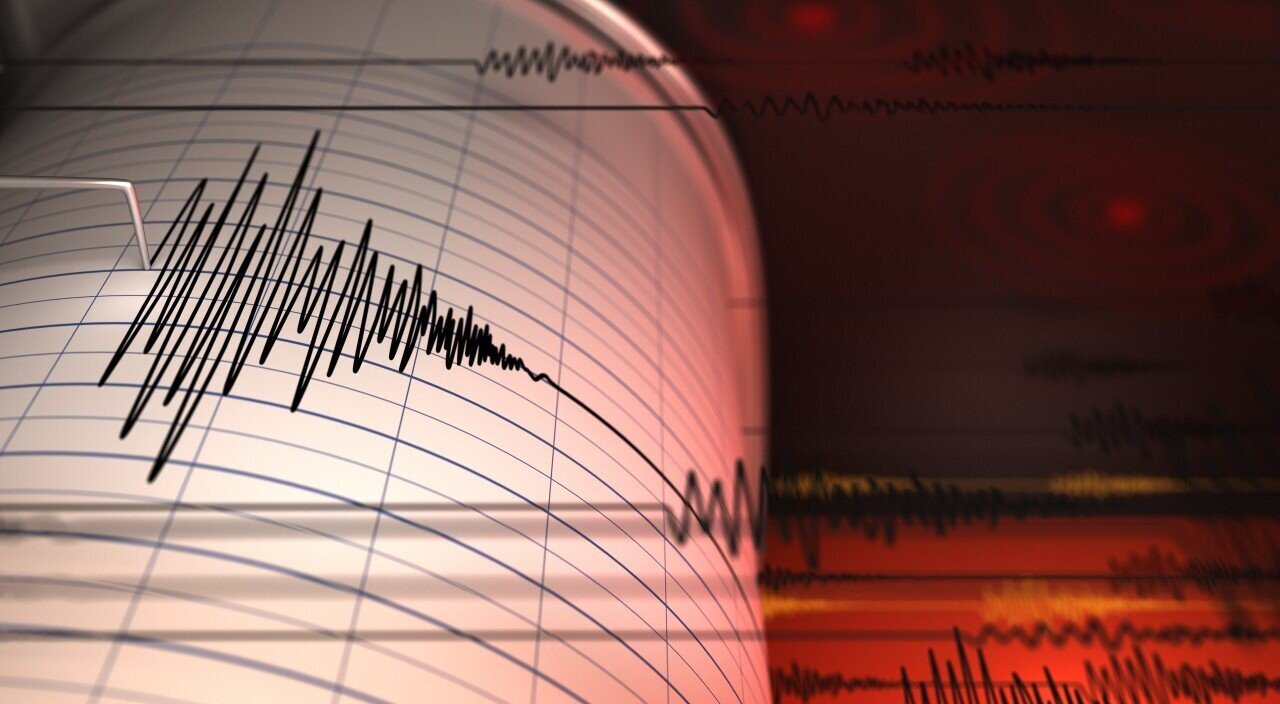
On Monday, 20 April, a strong earthquake struck off the east coast of Honshu. The Japan Meteorological Agency immediately issued a warning about an increased risk of stronger aftershocks of magnitude 8 or higher. The likelihood of a mega-earthquake was put at 1%, whereas it is usually around 0.1%.
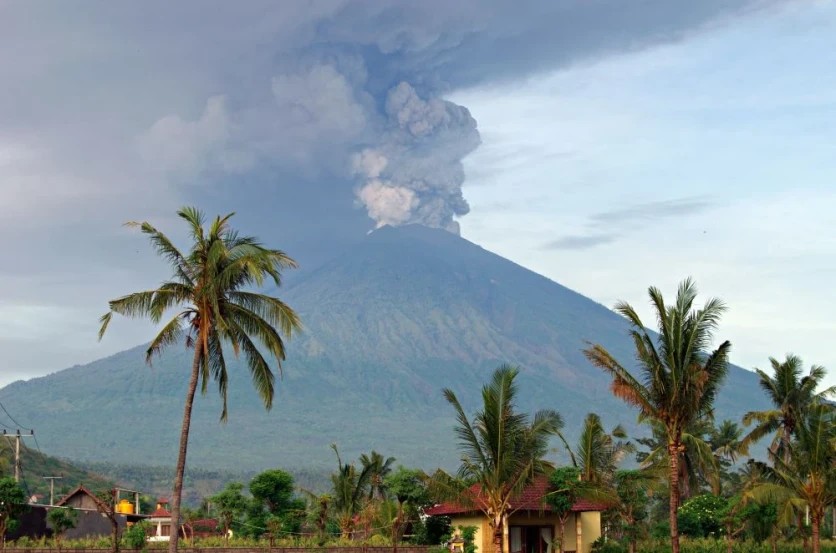
Almost at the same time, BMKG reminded people of another factor: Indonesia’s long-term risks. Bali, like many parts of the country, lies within the Pacific Ring of Fire — an area where tectonic plates are constantly interacting, causing earthquakes and volcanic eruptions. There are 14 megathrust zones here — major faults where one plate subducts beneath another and can build up energy for decades or even centuries.
One such segment is located off the island of Sumba, not far from Bali. Experts believe quakes of up to magnitude 8.9 are possible in this zone. But BMKG stresses that this is not a forecast and not a prediction of a date — it is a risk assessment and part of public preparedness. There is still no technology that can say exactly when an earthquake will occur.

In other words, a mega-earthquake like this is a matter of time. This relates to so-called seismic gaps — areas where there haven’t been major shocks for a long time and energy has built up. For example, the last major earthquake in the Sunda Strait was in 1757, and in the Mentawai area in 1797. This means the stored energy could be released, but it does not guarantee it will happen any time soon.
After the earthquake in Japan, BMKG also clarified separately that there is no tsunami threat to Indonesia. The event occurred in a different tectonic zone and is not directly linked to the faults around Bali. It is not a ‘chain reaction’ that automatically triggers disasters in other countries.
At the same time, seismic activity in the region remains normal for Indonesia. For example, in 2025 alone, Bali recorded 547 earthquakes. Most of them were weak and caused no impact. In April 2026, BMKG continues to record small tremors of magnitude 1 to 4 in different parts of the country — this is the usual background activity.
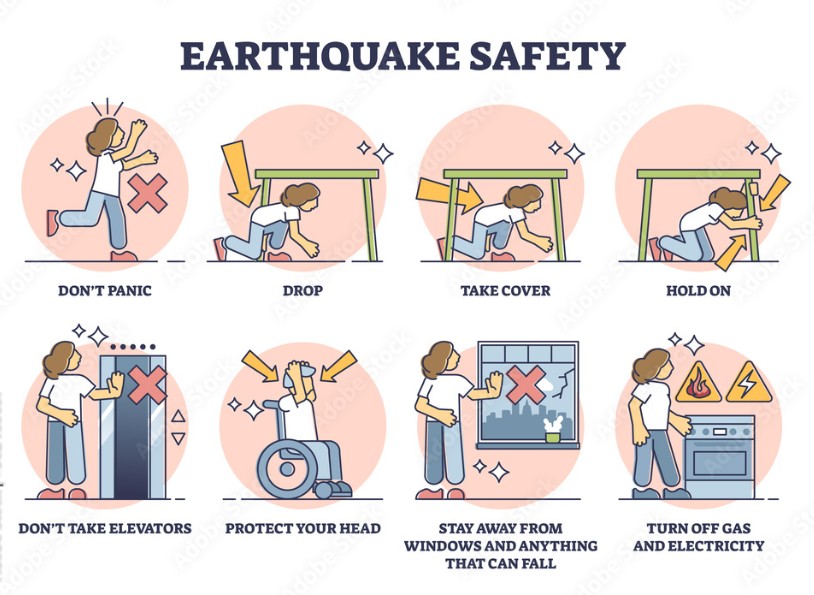
Tourists and residents are also being reminded that it is important to take out insurance before travelling, know evacuation routes, and follow the latest updates from BMKG.
Sources: BaliPost, Detik News.

You can add one right now!