
Munduk is a small mountain village in the north of the island, located at around 800 metres above sea level. People come here for peace and quiet, jungle trekking and a unique climate. The area is known for some of the best coffee, cloves and cocoa; in season, you can buy fresh durian almost straight from the tree along the road.
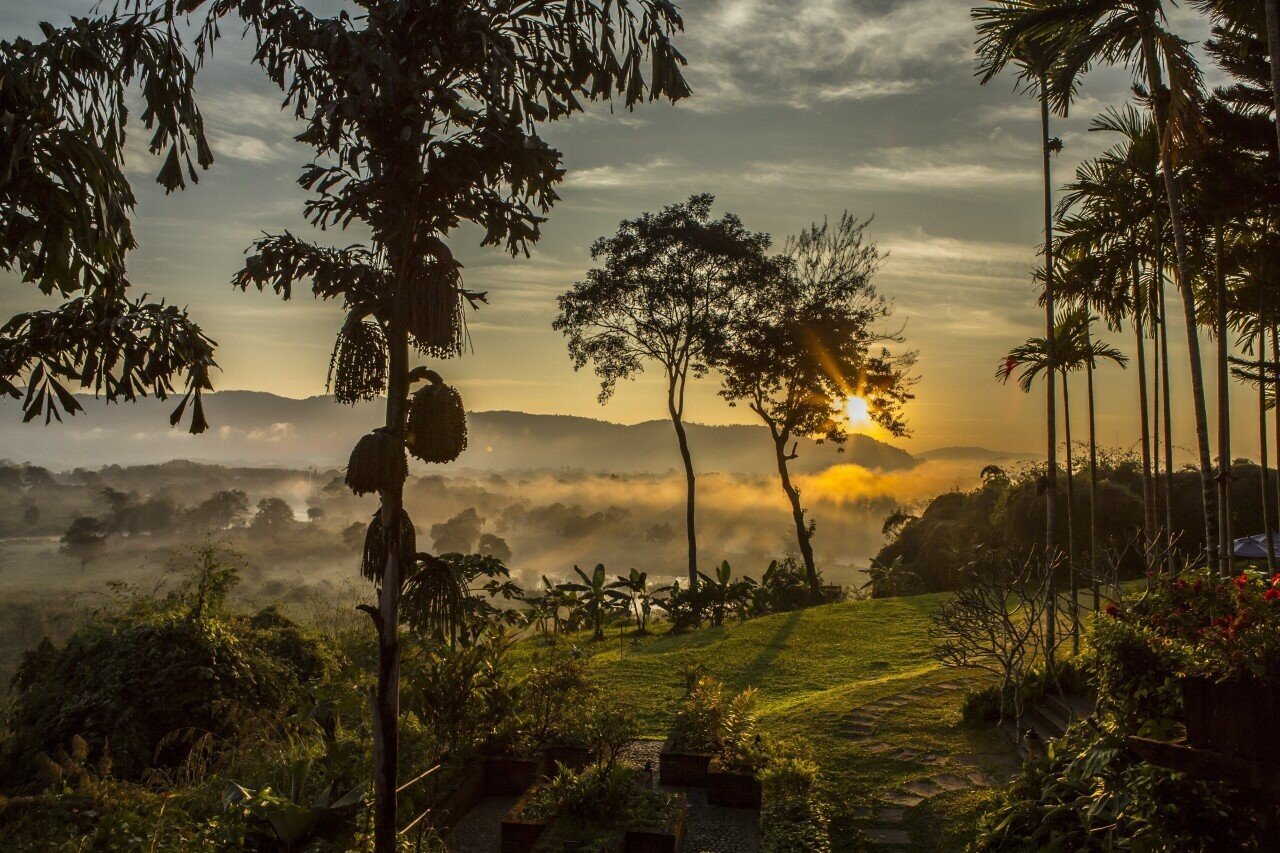
Temperatures here are 5–10 degrees lower than on the coast. The climate is similar to the Kintamani area. In the evening it can be as low as +18°C, so make sure you bring a hoodie or a light jacket.
Come to Munduk for at least two days. Doing it as a day trip from Canggu or Ubud is tiring (around 2.5–3 hours each way), and you won’t have time to feel the magic of this misty part of Bali.
What to know before you go: tips and handy advice
Munduk is very different from the Bali most people know, so preparation is half the battle. To make sure the north leaves you with only good memories, keep these tips in mind:
- Dress warm: it’s noticeably cooler in the mountains than in the south. In the evening and on a scooter ride you’ll definitely need a hoodie, a windbreaker or a light jacket. Bring a change of clothes.
- Trekking gear: bring comfortable shoes with a non-slip sole (the rocks near waterfalls are very slippery). Pack swimwear, towels and a dry change of clothes.
- Health and comfort: there are lots of insects in the jungle, especially in the rainy season, so bring insect repellent.
- Transport: if you’re too tired for the steep climb back from a waterfall, locals will happily give you a lift to the car park on a scooter for a small fee (around 20,000–30,000 IDR).
- Seasonality: from November to February it’s the rainy season in the mountains. Rain can last for hours, so a raincoat in your backpack is a must-have.
- Food, coffee, spices: Munduk is the best place to buy fresh spices (cloves, cinnamon, vanilla) straight from farmers. At the entrance to most spots there are warungs where you can grab a bite and try local coffee.
Besides waterfalls, the region has plenty of activities for every taste: from proper golf and strawberry picking on farms to meditative walks through misty jungle.
What to see in Munduk
Munduk is really for those looking for a calm, authentic Bali, as it was before the tourism boom. There are no noisy beach clubs here, but there is mountain silence, clean air, green hills and endless mist that can change the landscape completely in minutes.
What makes Munduk special is that the main sights are woven into the living landscape. A walk to a waterfall will take you through someone’s vegetable plots with hydrangeas, clove gardens and jungle. The road is full of hairpin bends, and along the way you can see layers of different trees.
Below is a detailed list of places that will help you feel the magic of the northern highlands.
Munduk Waterfall Trek – the Golden Ring of Waterfalls
This is the main walking route in the Munduk area.
Munduk is Bali’s trekking capital. You don’t need to drive for hours to see the beauty: the main trails start right on your hotel or guesthouse doorstep.
Munduk loop walk (four waterfalls in one day)
In one walk you can visit 3–4 waterfalls; it usually takes around 3–4 hours. The trail goes through jungle, coffee plantations and clove plantations.
It’s a classic route you can do on your own, following the signs or map navigation. Any hotel will give you a map, but you can also hire a local guide (around 200,000–250,000 IDR) who will show you hidden trails through vanilla and nutmeg plantations.
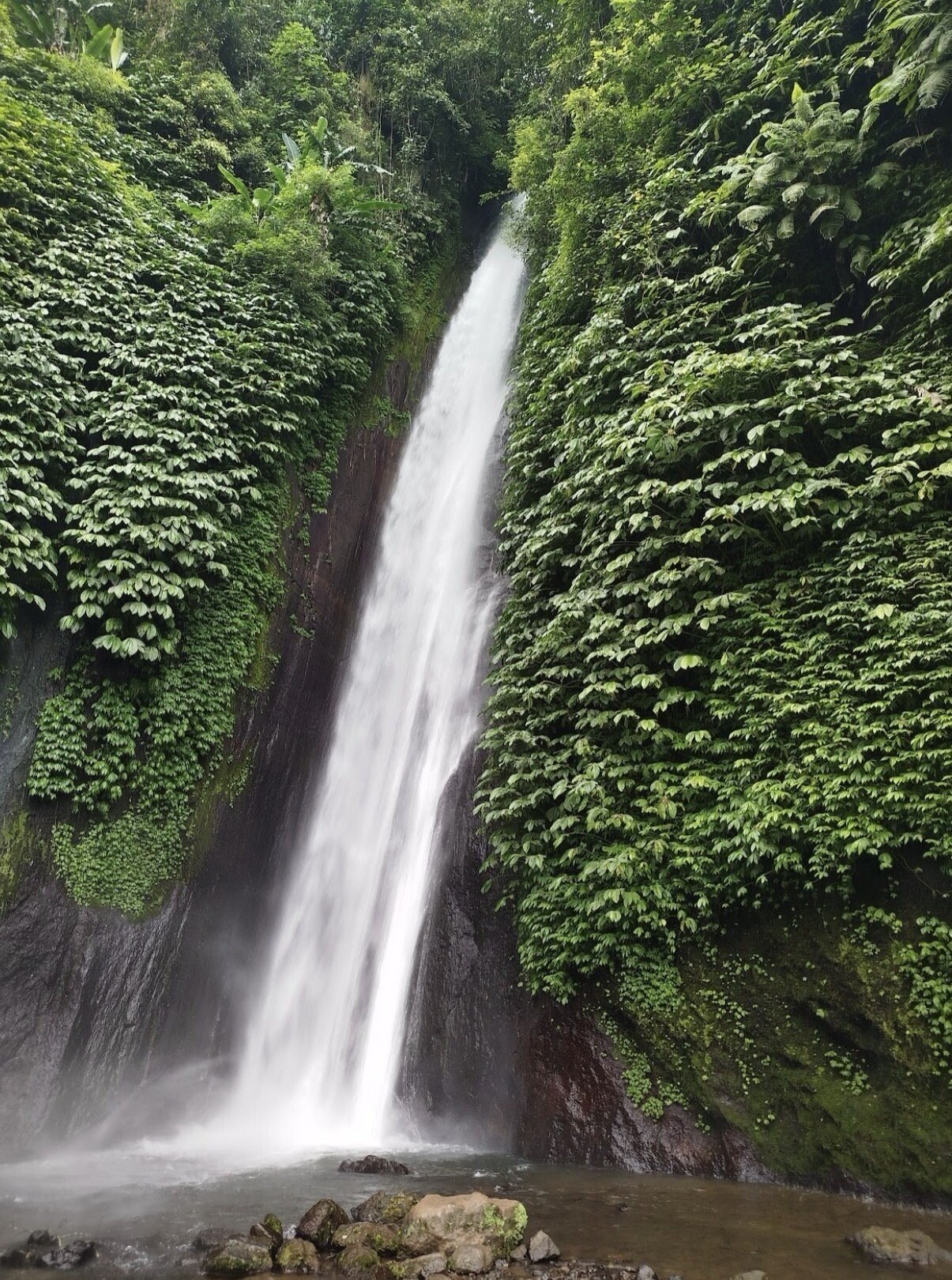
- Red Coral Waterfall (Munduk Waterfall)
The most popular of them all. Here the water drops from a height of 25 metres into a beautiful backdrop of ferns and jungle. It’s considered the calling card of Munduk village. Ticket: 20,000 IDR.
- Labuhan Kebo Waterfall
This waterfall is a bit further down the trail. There’s a cute bamboo bridge that looks great in photos. It’s less powerful than Red Coral, but very cosy.
- Melanting Waterfall
The tallest and loudest in this set. A steep staircase (around 400 steps) leads down to it, but it’s worth it. You can hear the roar of the water long before the waterfall comes into view.
- Golden Valley Waterfall
It’s next to an eco café. The perfect place to finish the trek, have a coffee and watch the water right from the terrace.
Twin lakes and viewpoints
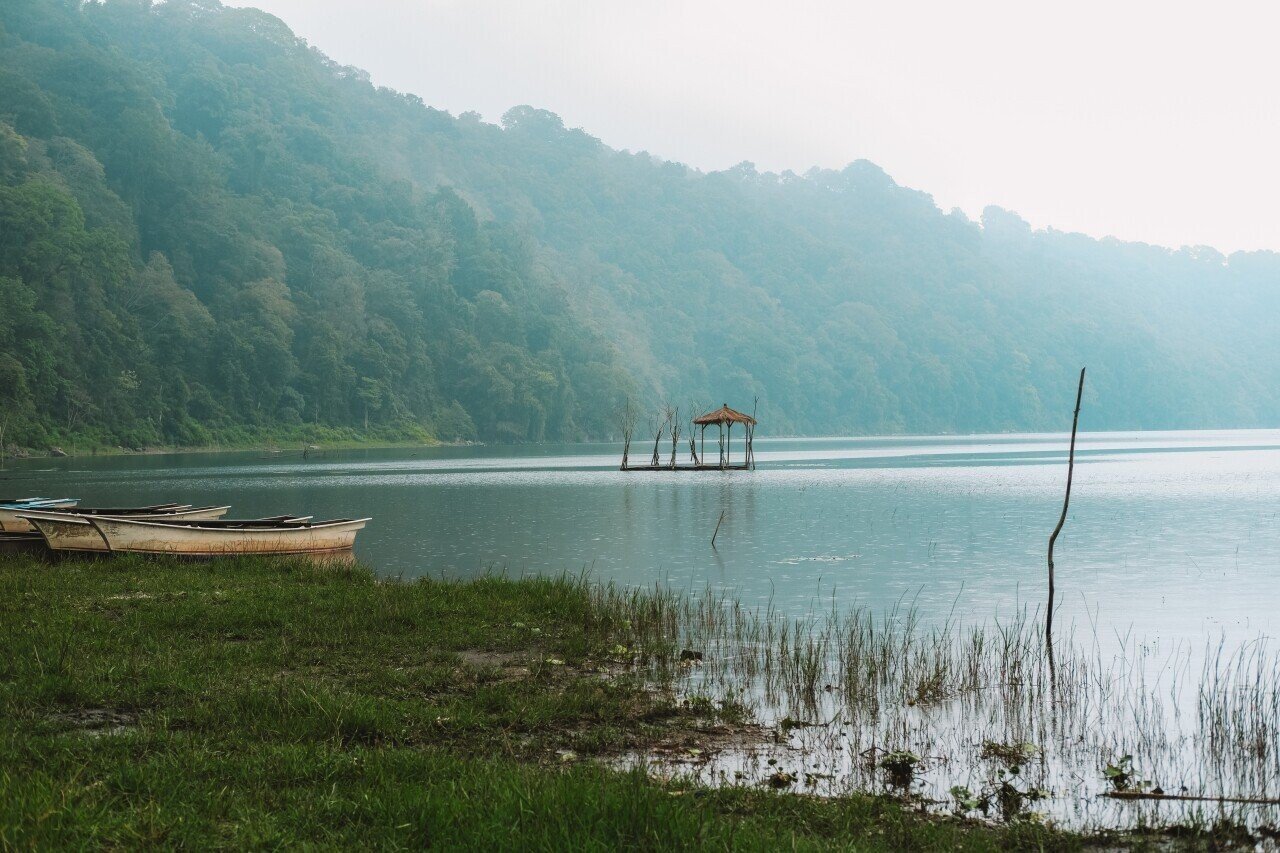
Many people drive past the viewpoints, taking quick photos, but few know that Lake Buyan and Lake Tamblingan are two parts of one whole. They used to be one lake, but after a landslide in the 19th century they split: until 1818 it was one giant lake filling an ancient volcanic crater. A massive landslide triggered by an earthquake literally cut the lake in two, leaving a narrow strip of land between them. Today they feel very different:
- Lake Buyan is considered more ‘social’. This is where you’ll find the Instagram-friendly viewpoints, swings and camping spots. People come for the panoramas and a bit of buzz.
- Lake Tamblingan is the complete opposite. It’s the region’s spiritual centre, a ‘sacred lake’. Motorboats are not allowed, so the water is completely quiet. More than 30 ancient temples are hidden along its shores, the best known being Pura Ulun Danu Tamblingan. In the rainy season the water level rises and it can look as if the temple is floating on the lake.
What you should definitely do here:
- Canoe ride. You can rent a traditional wooden boat on Lake Tamblingan (around 200,000 IDR per boat with a rower). One of the most meditative experiences in Bali: gliding over mirror-still water in the mist, hearing only the splash of the oars.
- Jungle trekking. Between the lakes there are stretches of untouched forest. You can hire a guide in the village and walk an age-old trail, watching one lake and then the other appear through the ferns.
- Secret viewpoint. Instead of paid platforms with swings, look for small pull-offs along the road. You can sit on the edge of the cliff for free and see both lakes at once: Buyan on the left and Tamblingan on the right.
Note that the best time to visit is from 8:00 to 10:00 in the morning. Later, a thick fog often rolls over the lakes and completely hides the water, turning everything around into a white blur.
- Twin Lake Viewpoint
Along the main road there are plenty of photo spots. The most popular are the ones with swings and ‘nests’ (Wanagiri Hidden Hill).
- Lake Tamblingan (mystical temple)
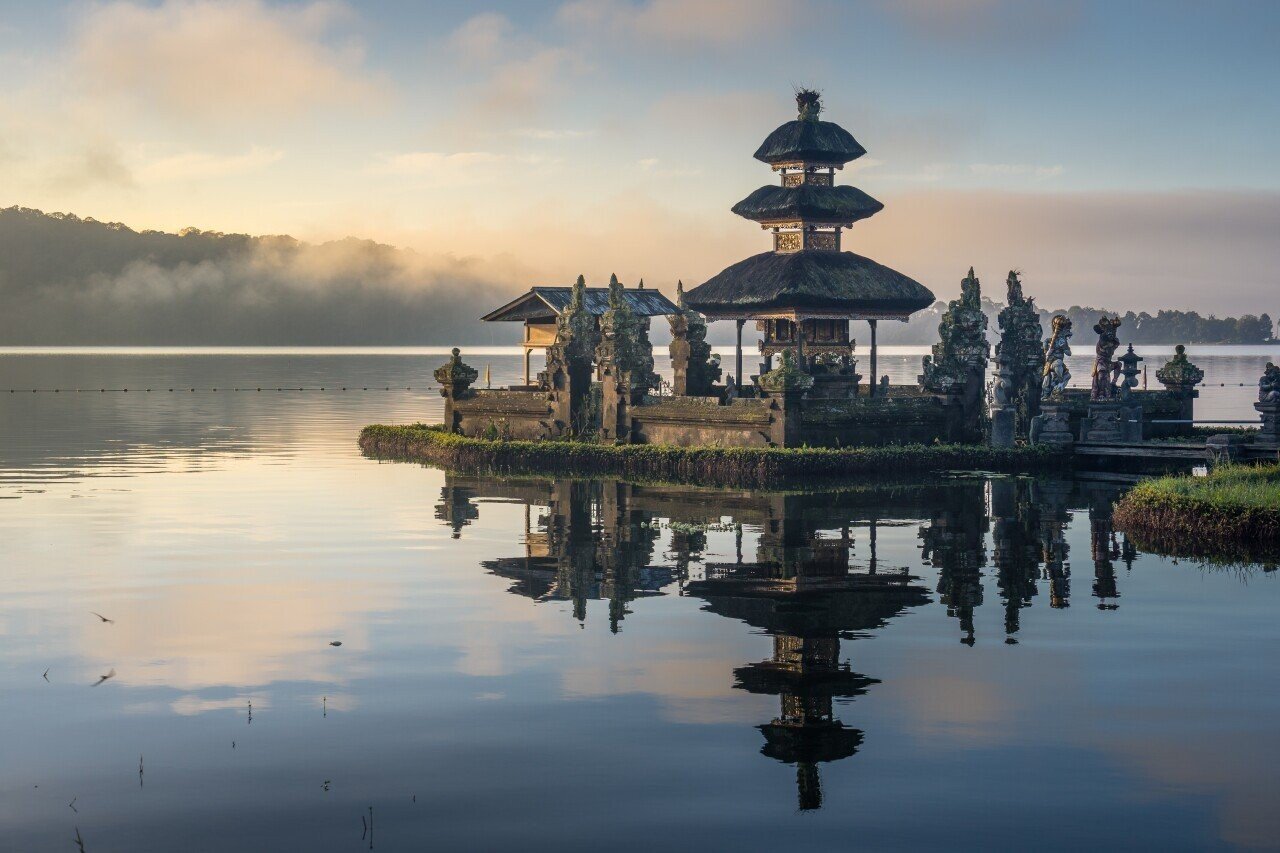
Walk down to the lake itself. There is the ancient Pura Ulun Danu Tamblingan temple. It is often half-submerged, which gives it a mysterious look. No engines here—just silence and fishermen in wooden canoes. You can rent a boat for 150,000–200,000 IDR.
Banyumala Twin Waterfalls
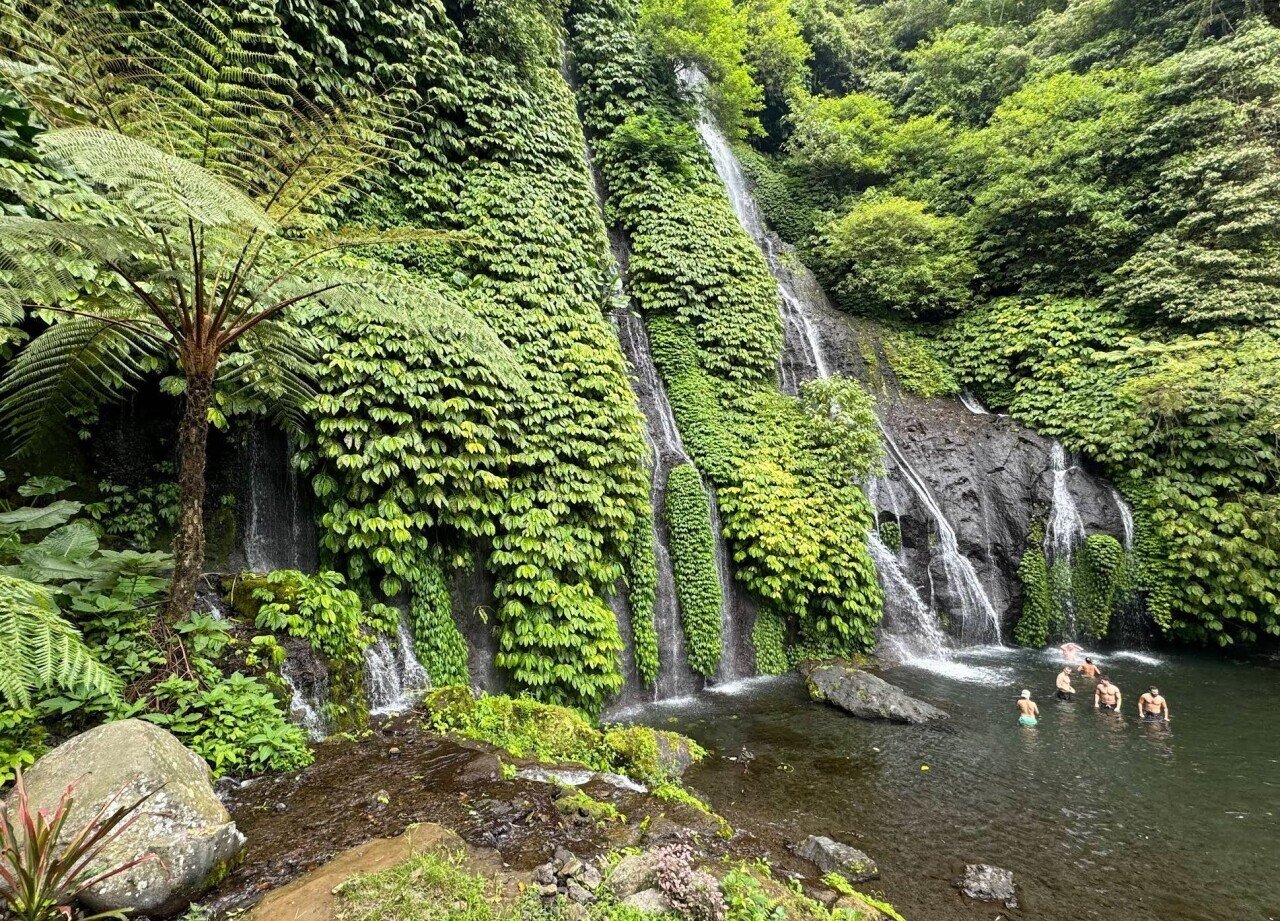
This waterfall is a hidden gem. It’s slightly off the main Munduk trail (around 15–20 minutes by scooter) and is considered one of the most beautiful on Bali: thin streams of water run down a rock covered in bright green moss into a perfectly round pool where you can swim. The last kilometre of the road is quite narrow and steep, so take care on a scooter.
Coffee plantations
Munduk itself is one big plantation. But if you want an organised tour with a tasting (Luwak, Arabica, Robusta), try these:
- Munduk Coffee
- Munduk Moding Plantation Nature Resort
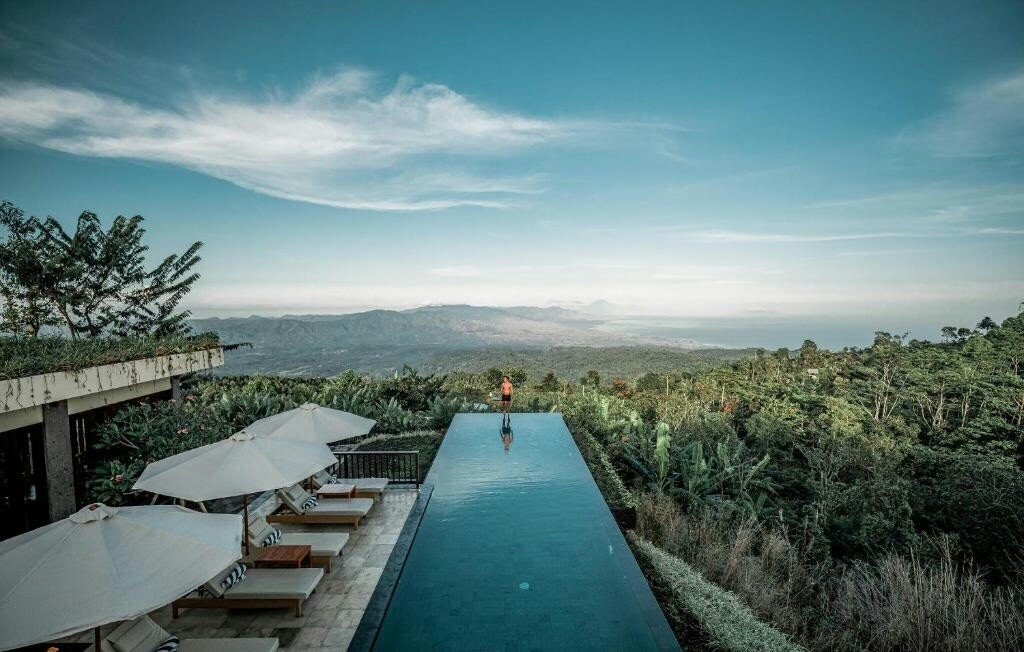
This hotel has the mirror-like infinity pool you see all over social media. It’s positioned so that on clear days the sky is reflected in the water, and in the mist it feels like you’re standing at the edge of the world. You can visit on a day pass, which also includes a tasting of local coffee.
The hotel grounds include a coffee farm, where you can see the whole production process: from Arabica and Robusta bushes to drying the beans.
Trips from Munduk (30–40 minutes’ drive)
If you’re staying in Munduk, set aside a separate day to explore the big northern waterfalls. The roads to them are steep and winding, so be realistic about your scooter skills, or take a car with a driver.
The tallest and most impressive waterfall in Bali. It’s a whole group of cascades. The short trek takes about an hour; the long one about two hours. The hike requires good fitness, but the views from above and below are breathtaking.
A mecca for adrenaline seekers. You can jump from cliffs into the water (from 5 to 15 metres) and slide down natural rock slides, but jumps are only allowed with a guide.
A northern Bali classic—and the most touristy—so come strictly at 8:00 am. It has three different tiers.
If you’re planning to visit Sekumpul or Aling-Aling, it’s best to leave Munduk at 7–8 am. After lunch, rain and fog often roll in, making the descents to the waterfalls slippery and dangerous.
Where to eat
- The Botanist by Desa Eko
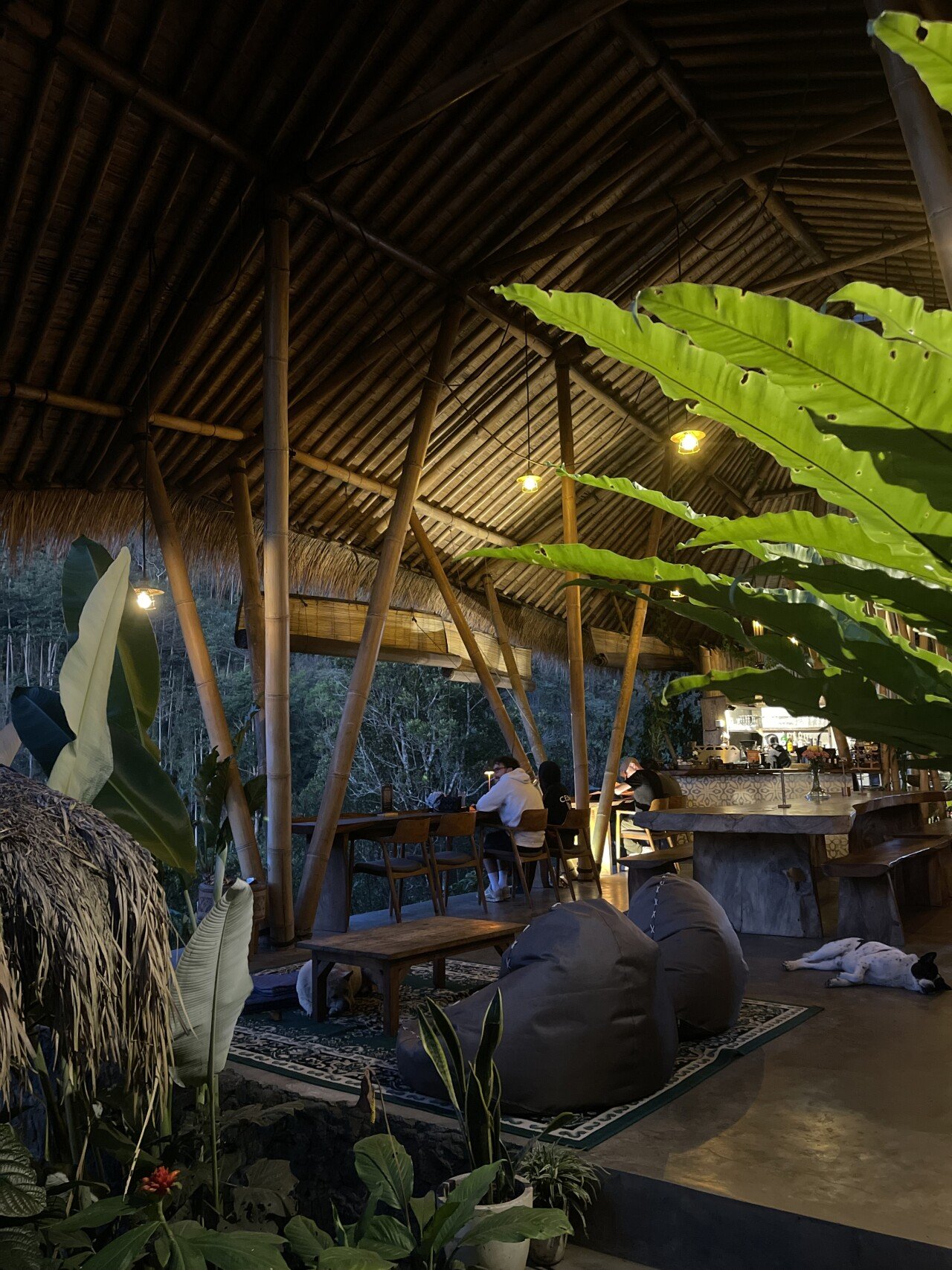
This is the clear favourite and a real foodie magnet in the Munduk area. It’s so cosy you’ll want to come for breakfast, lunch and dinner. In the evening they light a fire; in the morning they brew great coffee and serve breakfast in the mist.
The café follows a ‘farm-to-table’ concept, with fruit and vegetables straight from the beds. They serve refined breakfasts, healthy bowls and main dishes that can match the best places in Ubud.
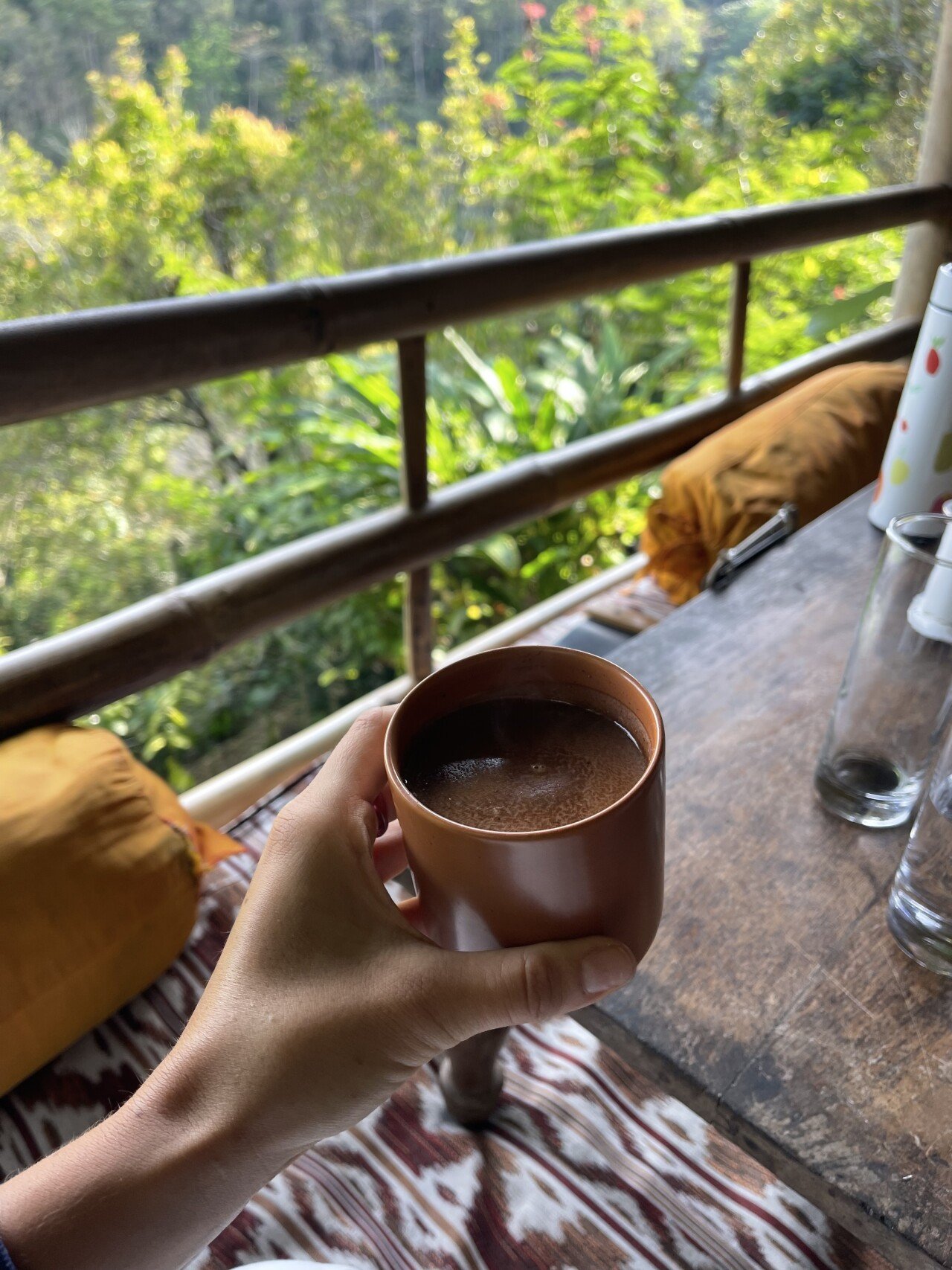
A spot with a stylish bamboo interior where you can have a hot cocoa with a stunning panoramic view, then head down to the waterfalls for a walk.
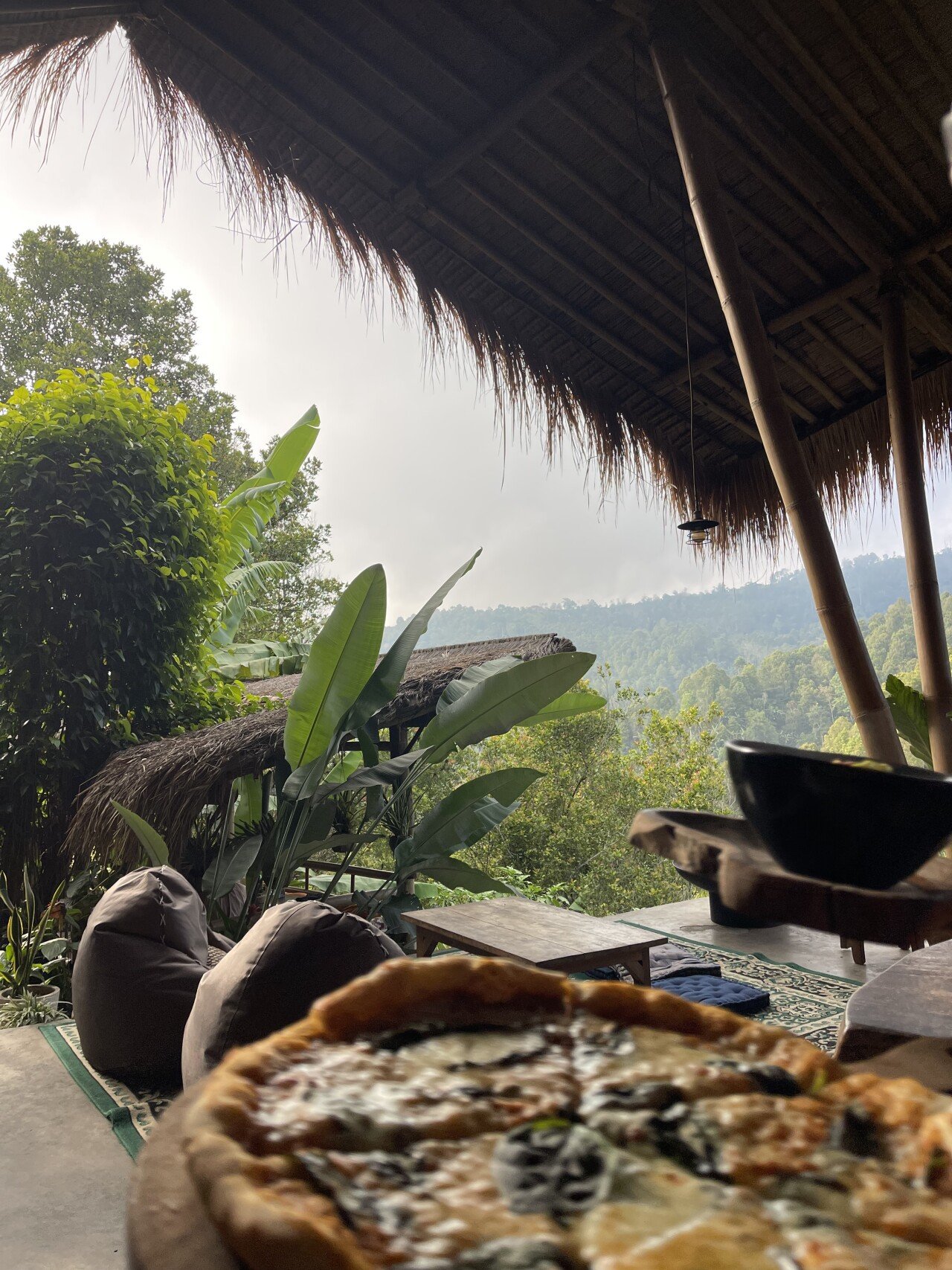
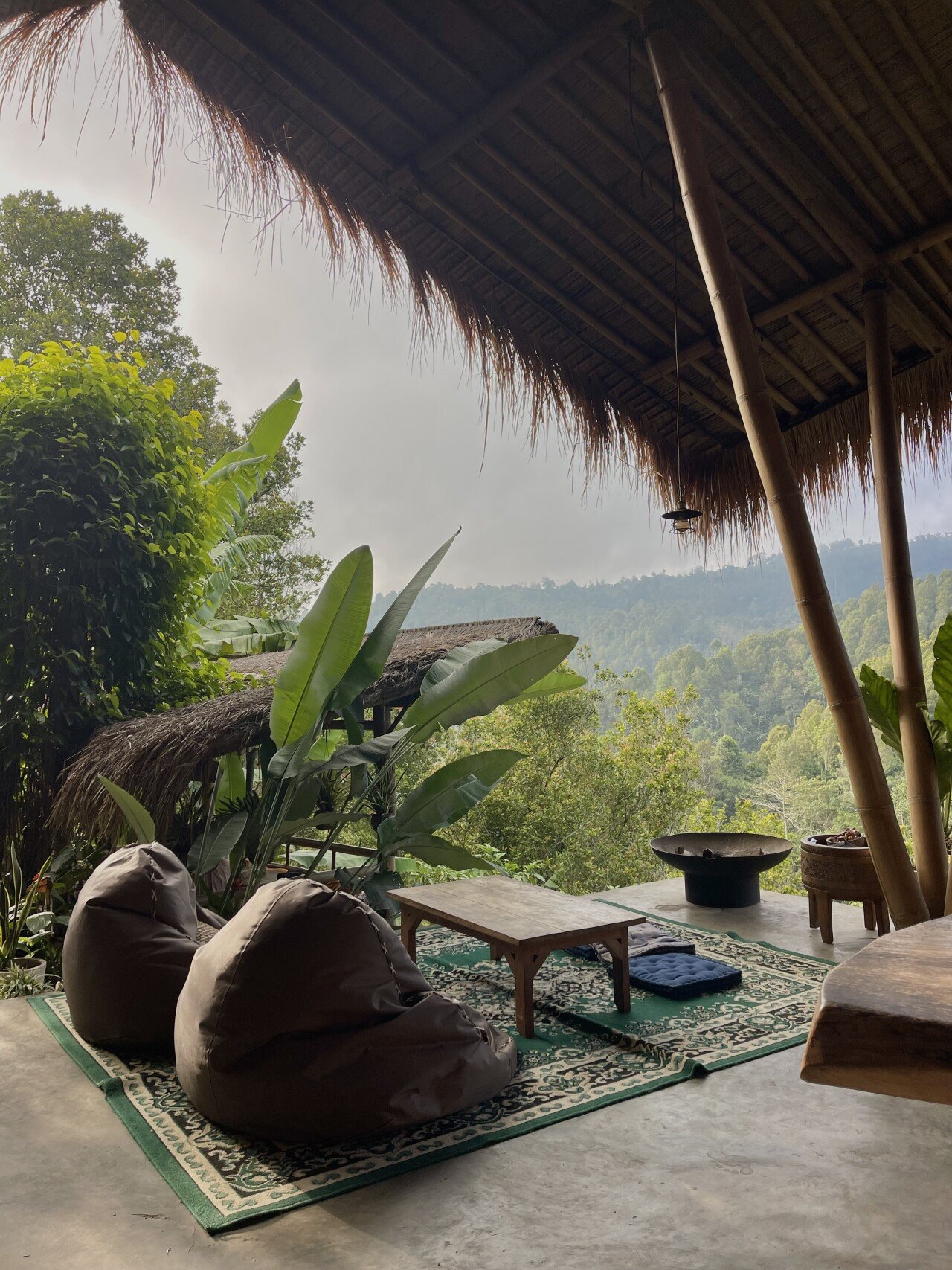
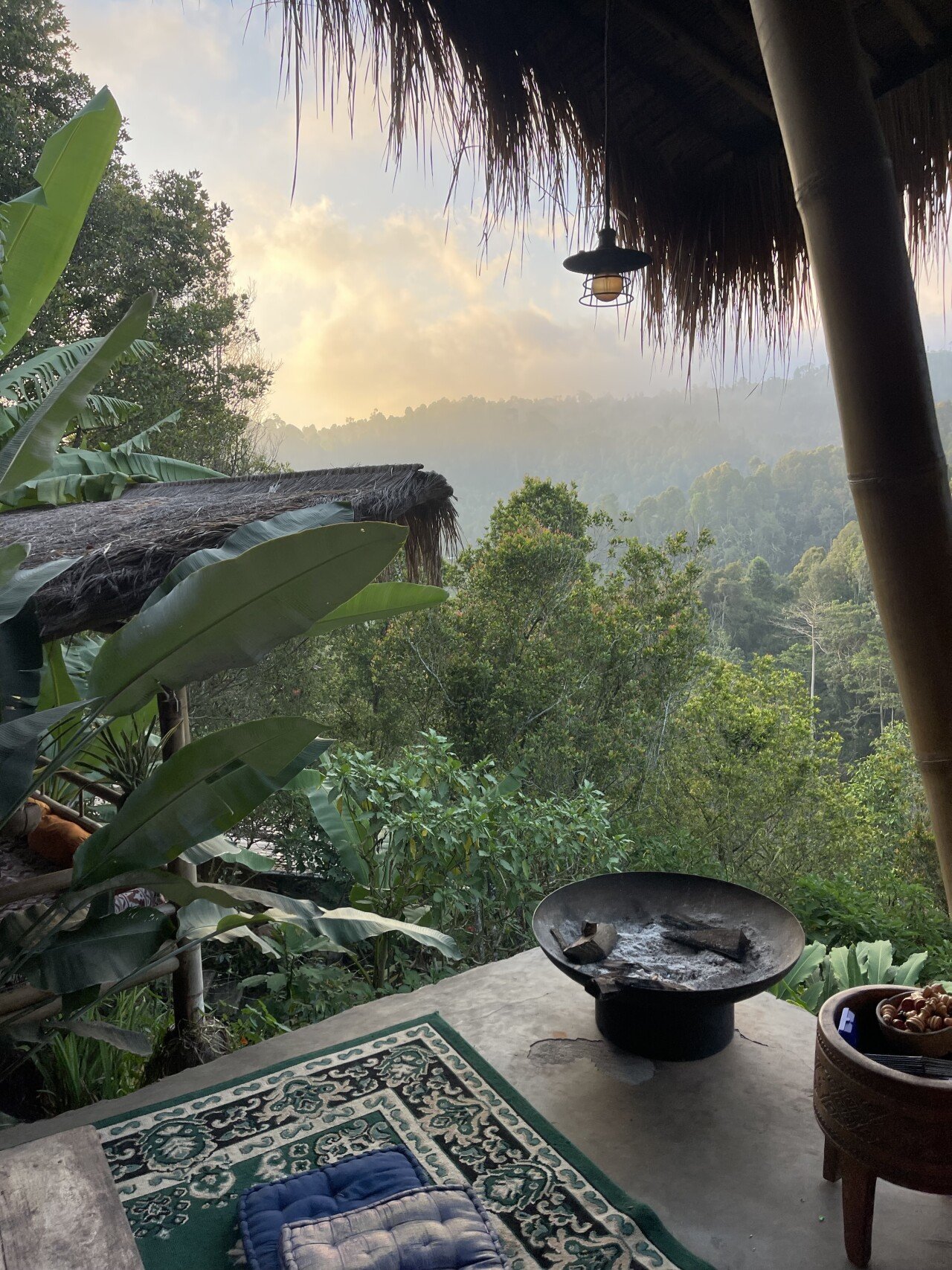
View 1
more photo
more photo
The Botanist café with a view over the hills
- Éco Café 2 Authenti
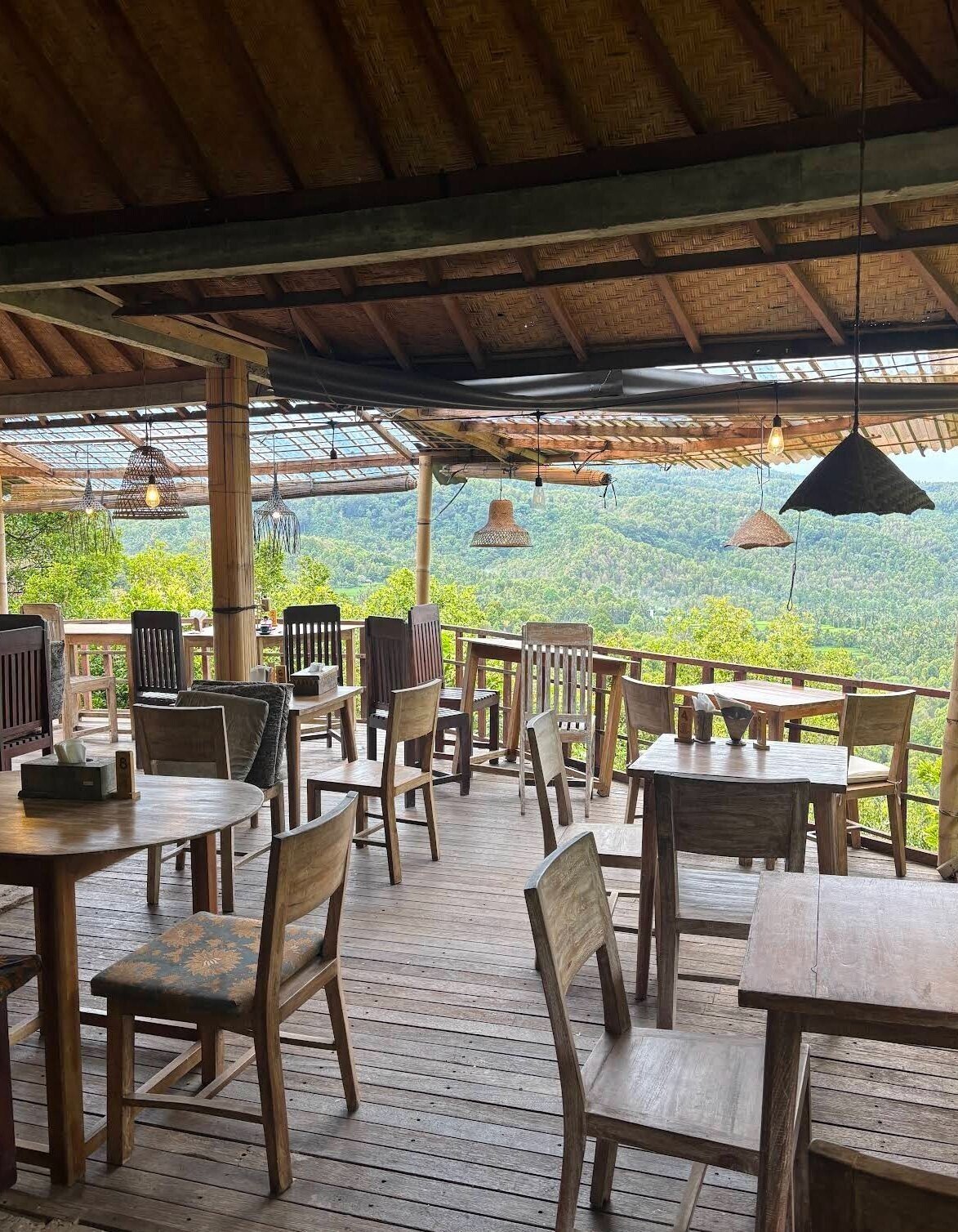
This isn’t just a café, but a real legend of the trekking routes. It sits right above Golden Valley Waterfall.
Imagine sitting in a bamboo hut with a cup of tea or coffee, with a powerful forest cascade right in front of you. It’s perfect for lunch during the waterfall hike: the food is Indonesian, simple like in a warung, and the coffee is good.
- Don Biyu coffee food and rendezvous
As an alternative with excellent service and a panoramic view over the whole valley, consider Don Biyu café, where alongside Balinese dishes you’ll also find familiar European options.
Munduk also has plenty of warungs; traditionally, the evening is best spent at Warung Classic. There’s a great sunset view and the best Indonesian curry in the area.
If you’re after something very simple and homely, stop by Warung Made’s Munduk: they cook to family recipes, portions are generous and the prices are very good.
Keep in mind that mountain life winds down early: it gets very dark, and most kitchens close by 20:00, so plan dinner in advance before the fog wraps the village.
Where to stay
In Munduk, the ‘view from the window’ is half the experience. With a mid-range budget ($40–$90 per night) you can find great options with terraces and stylish baths—perfect for warming up after a walk in the mist.
- Clovehigh Cabin and Homestay Munduk
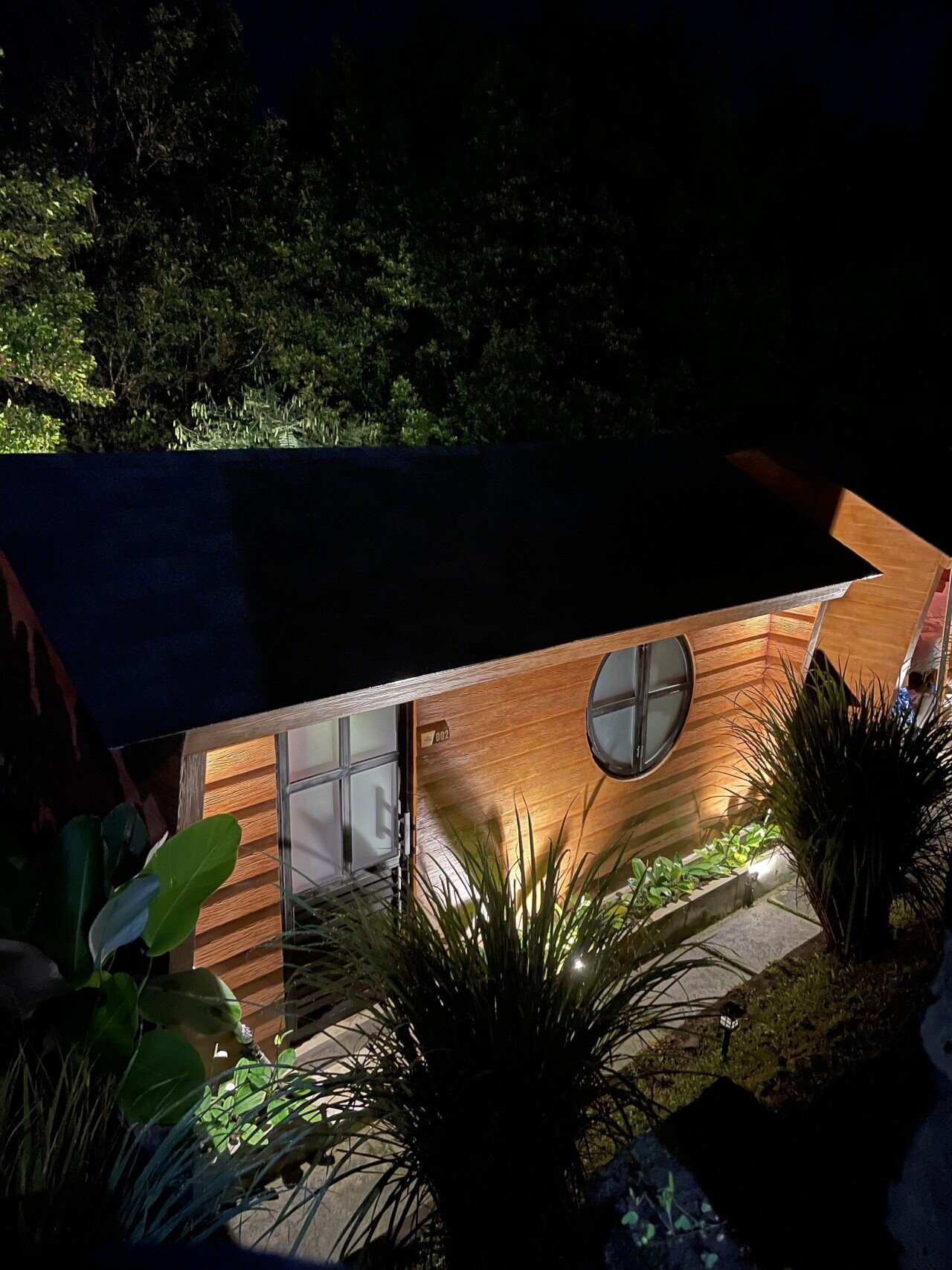
On the grounds there are a couple of small, stylish wooden cabins with panoramic glazing, plus a firepit on the lawn. The main highlight is an outdoor bathtub and a forest view. The design mixes modern minimalism with Balinese wood. A standard breakfast is included: fruit and nasi goreng. Price: around 600,000 IDR.
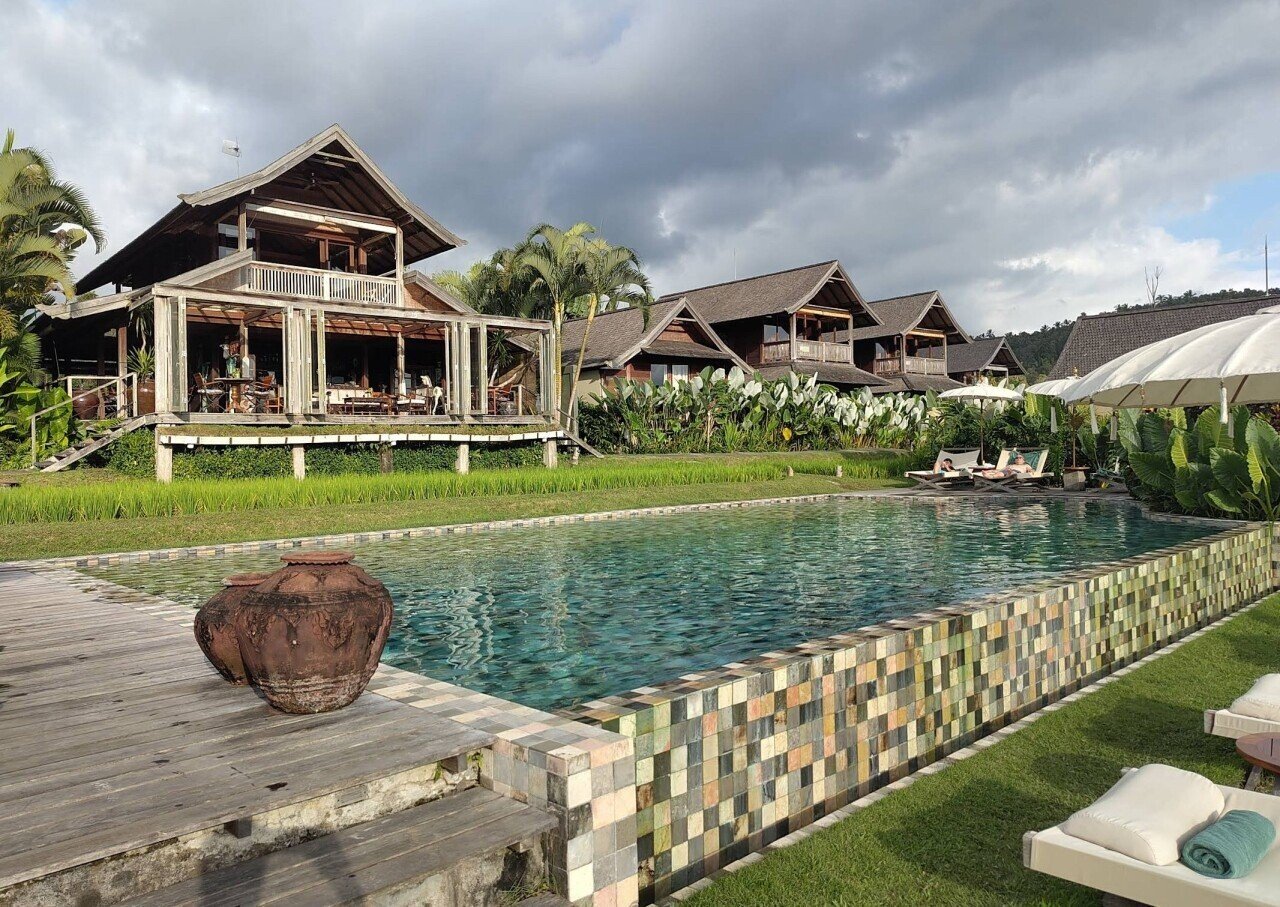
- Sanak Retreat Bali
Phone: +62 821-4581-9991
The hotel is slightly below the main village, among rice fields. It’s all about total detox and quiet. Rooms are spacious wooden bungalows. There are also amazing bathtubs and a mountain view that takes your breath away. One night costs more than the previous option—around 1,600,000 IDR.
- Munduk Moding Plantation (MMP)
Phone: +62 811-3850-59
Although it’s the most expensive hotel on the list (from 2,000,000 IDR), you can often catch a deal in the mid-range if you book early. It’s a legend with that mirror-like infinity pool. Bathrooms are huge, with freestanding stone or terrazzo baths and views over the coffee plantations. A very Instagram-friendly luxury option.
- Atres Villa
Phone: +62 813-3835-1527
A great option if you want to wake up to a view of cascading rice terraces. There are several villas on the property, built in a traditional style—very bright and cosy. Some options have a bathtub on the terrace, with jungle sounds. From 1,000,000 IDR.
- Moondock Luxury Camp
Phone: +62 878-6082-3434
Another great option for those who want to feel as close to nature as possible without giving up comfort. You stay in a spacious, futuristic dome with a transparent wall, with views over the valley, the jungle and the sunset.
Each dome has a private terrace with an open-air bathtub. Inside, you’ll find everything you need. There are only a few domes, so it feels private. In the evenings the staff can light a fire right by your dome, and breakfast is served on your personal terrace with views of the clouds.
Per night, prices range from 700,000 to 900,000 IDR.
- Munduk Heaven Luxury Villas
Phone: +62 811-3881-197
The best-known hotel in the area is Munduk Heaven Luxury Villas.
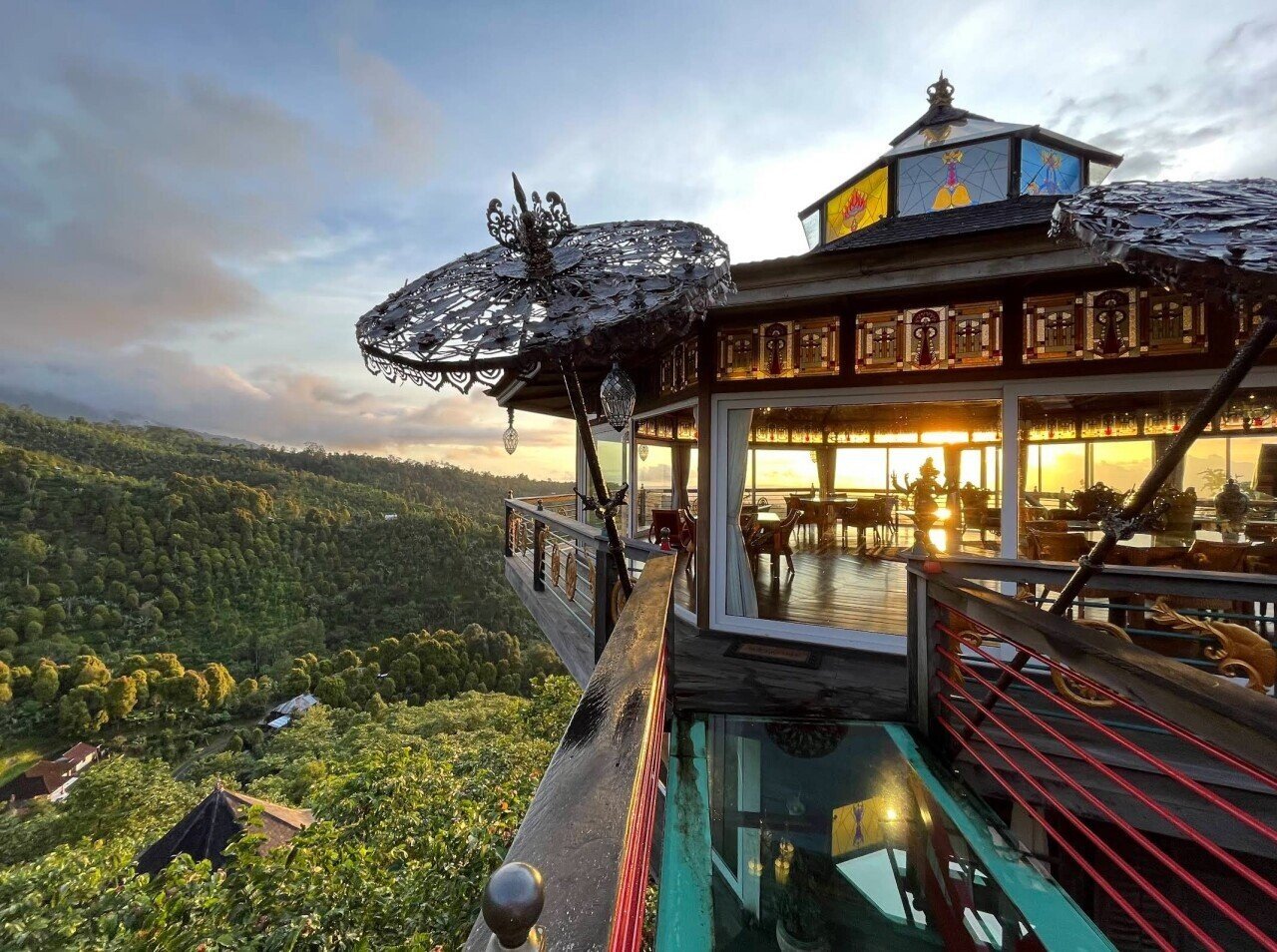
A night here costs around 1,000,000 IDR.
The hotel is known for its ‘floating’ villas and cocoon-like treehouses. Despite the Luxury label, in the low season prices become quite affordable. Rooms have gorgeous bathtubs right by huge panoramic windows.
Tip! Munduk often has high humidity and cool nights. When choosing a hotel, check the description or ask on WhatsApp whether they have warm blankets or a heating mode on the air conditioner.
If you don’t just want to tick a box, but really feel the magic of the north, we recommend joining the MyBaliTrip tour. You’ll get a full immersion in the atmosphere of ‘Balinese Switzerland’ with an experienced guide.
What to expect on the tour:
- On this unique adventure, you’ll enjoy landscapes of hydrangea fields wrapped in mystical mist, see an incredible sunset over a mountain lake, have lunch in a glass greenhouse, and try your hand at one of the most elite sports—golf.

You can add one right now!