
Travelling with a young child isn’t easy, especially if you have a long-haul flight ahead. You need to think through every little detail. Whether you’re going away for a short break or a longer stay, the question always comes up: what should you take with you? Here are our recommendations and a checklist of the essentials for a little one in Bali.
The flight
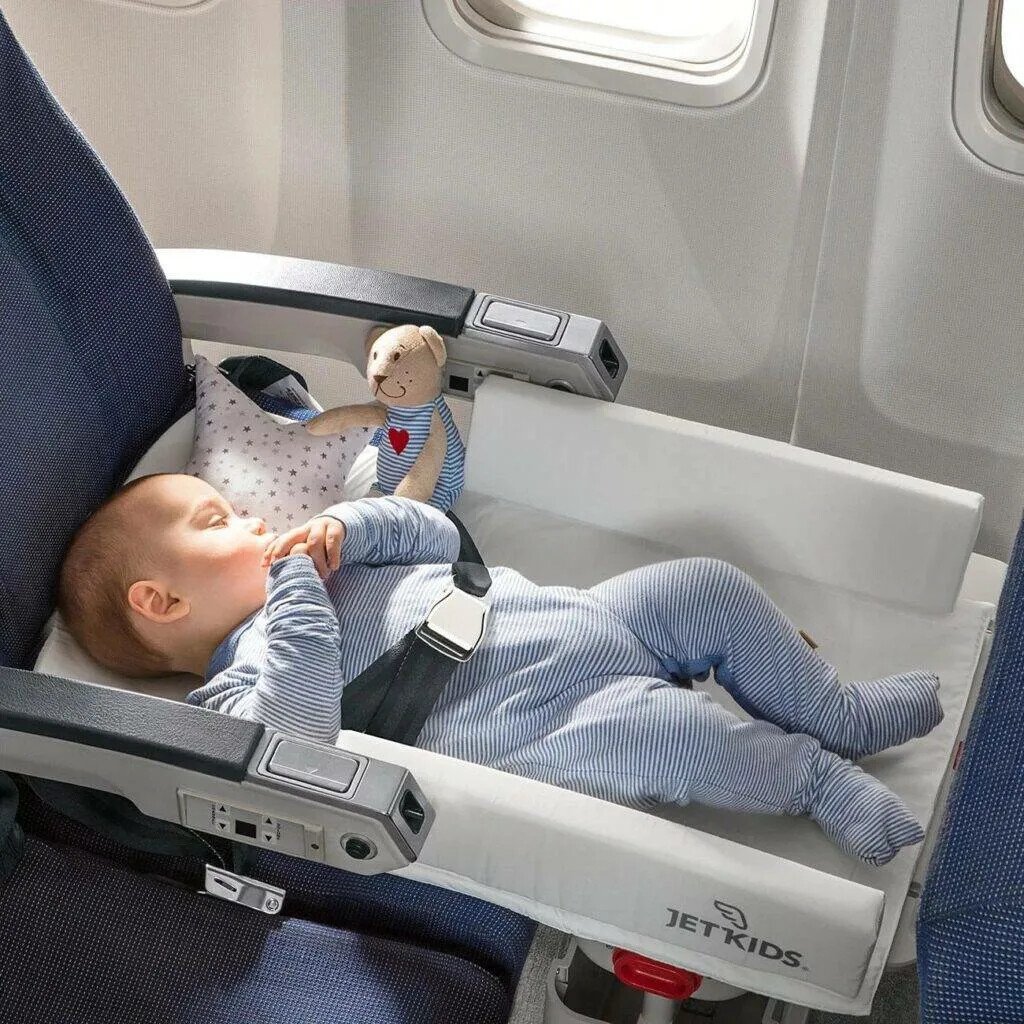
To make the flight as comfortable as possible, bring a few travel aids. Budget options include an airplane hammock for children aged one to three, or an inflatable footrest. You can also find special ride-on suitcases (JetKids) that turn into a proper sleeping space.
Do bear in mind that, for safety reasons, not all airlines allow these devices on board, but you can often agree with many of them, especially on long-haul flights.
For babies under one year old, airlines may be able to provide a bassinet, but you need to reserve it a few weeks before departure.
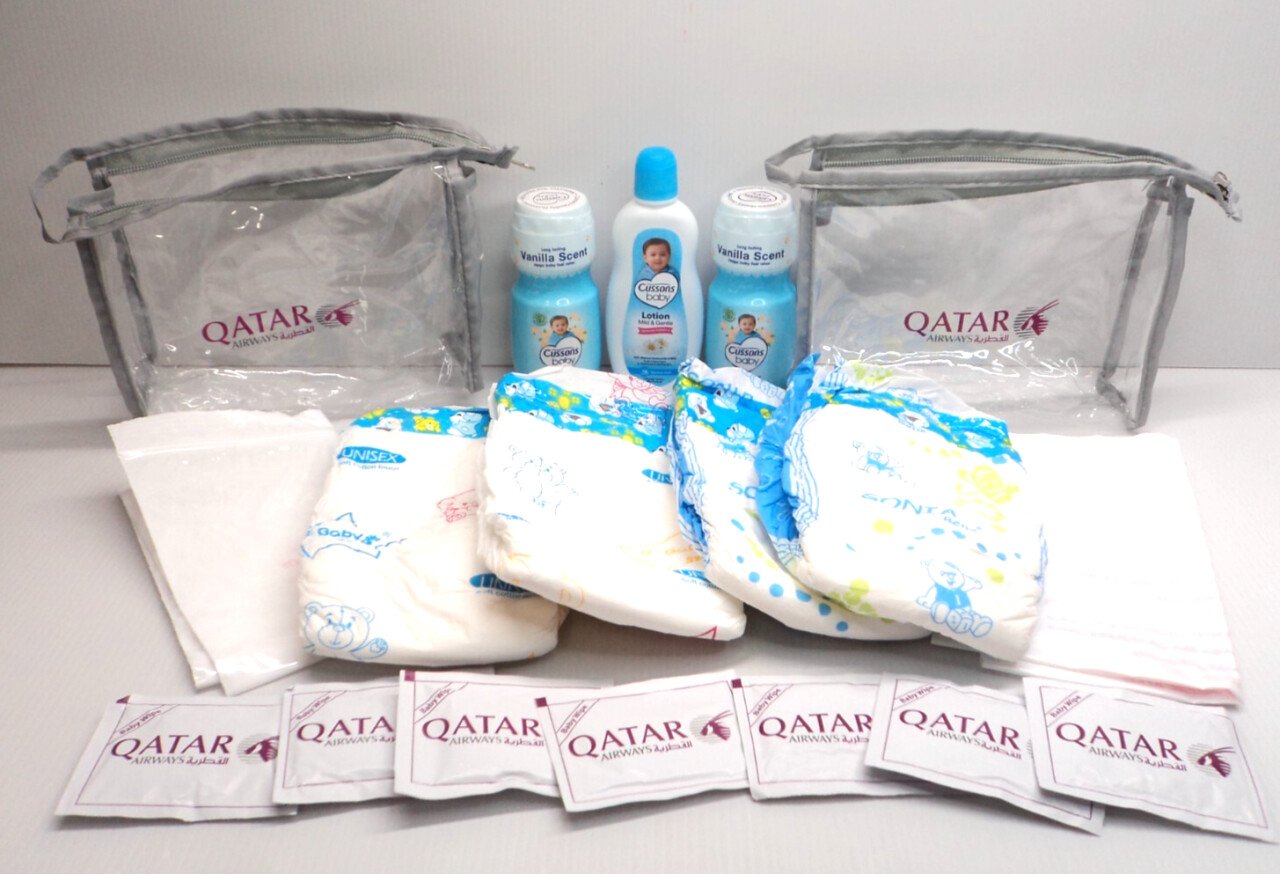
Many airlines hand out baby hygiene kits (a nappy, wipes, changing pads), but it’s better to bring tried-and-tested products in the quantities you need.
eBay
On board, you can often order baby food, but it’s also worth bringing favourite snacks: puree pouches, juices, biscuits, formula. A portable bottle warmer is a real lifesaver — you can warm up not only formula, but also jarred baby food.
To keep your child from getting bored on the journey, I recommend taking a small backpack or bag with lots of pockets and filling it with toys, snacks, and little bits and pieces. Your little one will enjoy exploring each compartment in search of something new.
A good sling made from natural, breathable materials is a great help for getting around the airport and on the plane. It will also come in handy in Bali, as there aren’t many places where it’s easy to get around with a pushchair.

The air on planes is very dry, so bring baby cream and something to moisturise the nose, such as calendula ointment or Olifrin spray.
To help prevent blocked ears, you can use vasoconstrictor nasal drops. During take-off and landing, it’s best to breastfeed or give a bottle; for older children, sweets can also help reduce pressure in the ears.
Baby food
When it comes to everyday essentials, I can reassure you that you can find almost everything in Bali — but there are a few nuances. A lot has to be ordered from marketplaces, as the selection in shops is fairly limited, and you can’t always buy everything you need in one place.
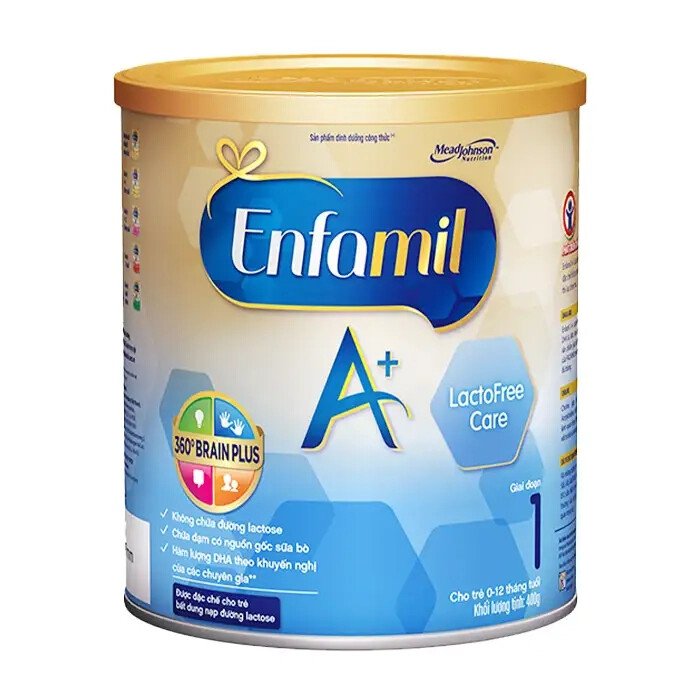
If your baby needs specialist formula (hypoallergenic formula, extensively hydrolysed cow’s milk protein), it’s best to bring enough with you. The choice of formula brands on the island isn’t huge, but there are good Australian options made with cow’s milk (Bellamy’s Organic) and goat’s milk (Karihome). The most common and affordable brands, available in most supermarkets and pharmacies, are Nutrilon, Lactogen (Nestlé), Enfamil. The last brand also has a lactose-free range: Enfamil lactofree.
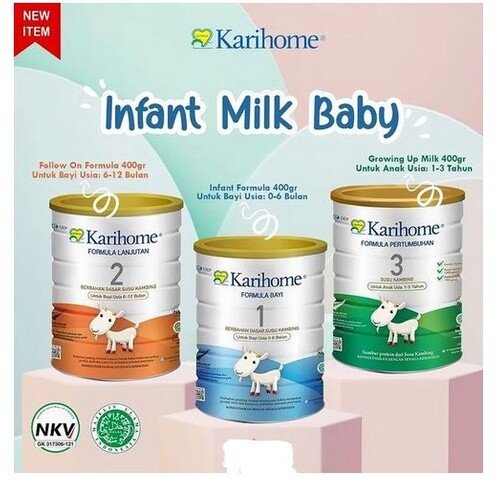
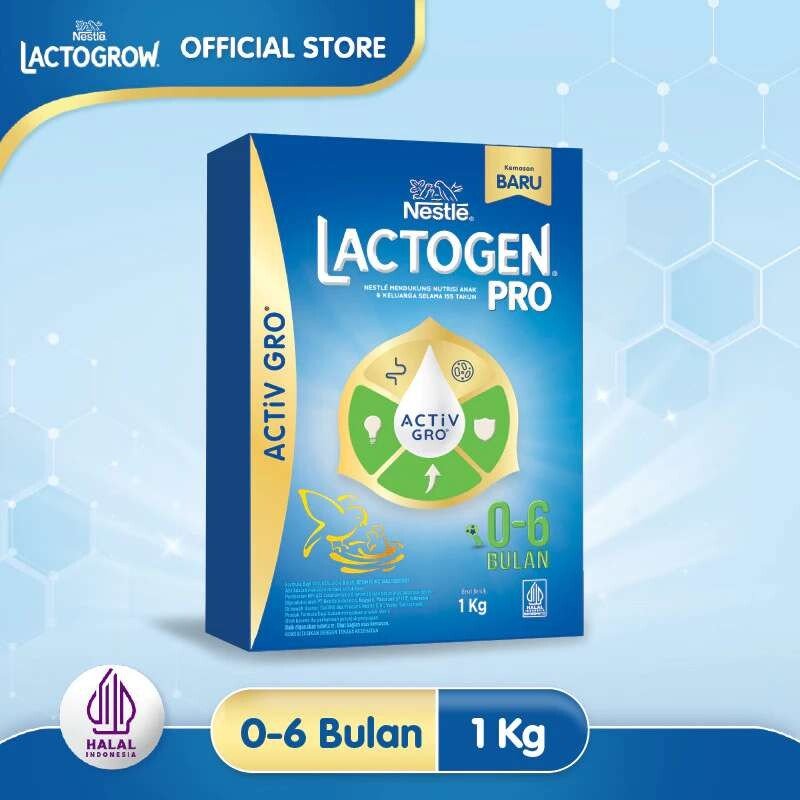
photos from the Shopee marketplace
Overall, dairy products on the island aren’t great: they’re either powdered with a high sugar content, or expensive. If your child can’t live without kefir or yoghurt, I’d suggest bringing a starter culture such as Nariné and making them yourself.
On the plus side, there’s a wide selection of plant-based milks, and a lactose-free dairy brand, Milk life, has appeared recently.
If you use jarred baby food, it’s best to bring at least the meat jars with you, especially turkey — it’s not sold here in any form. In general, the situation with baby food isn’t ideal: the choice is small, and many products contain rice.
Sometimes, in imported-goods shops (Pepito), you can find Heinz puree jars or Bellamy’s Organic pouches, but they’re mostly fruit or vegetable and cost roughly twice as much as in Russia. So if your baby is on spoon-fed weaning, one of your first purchases here will most likely be a blender.
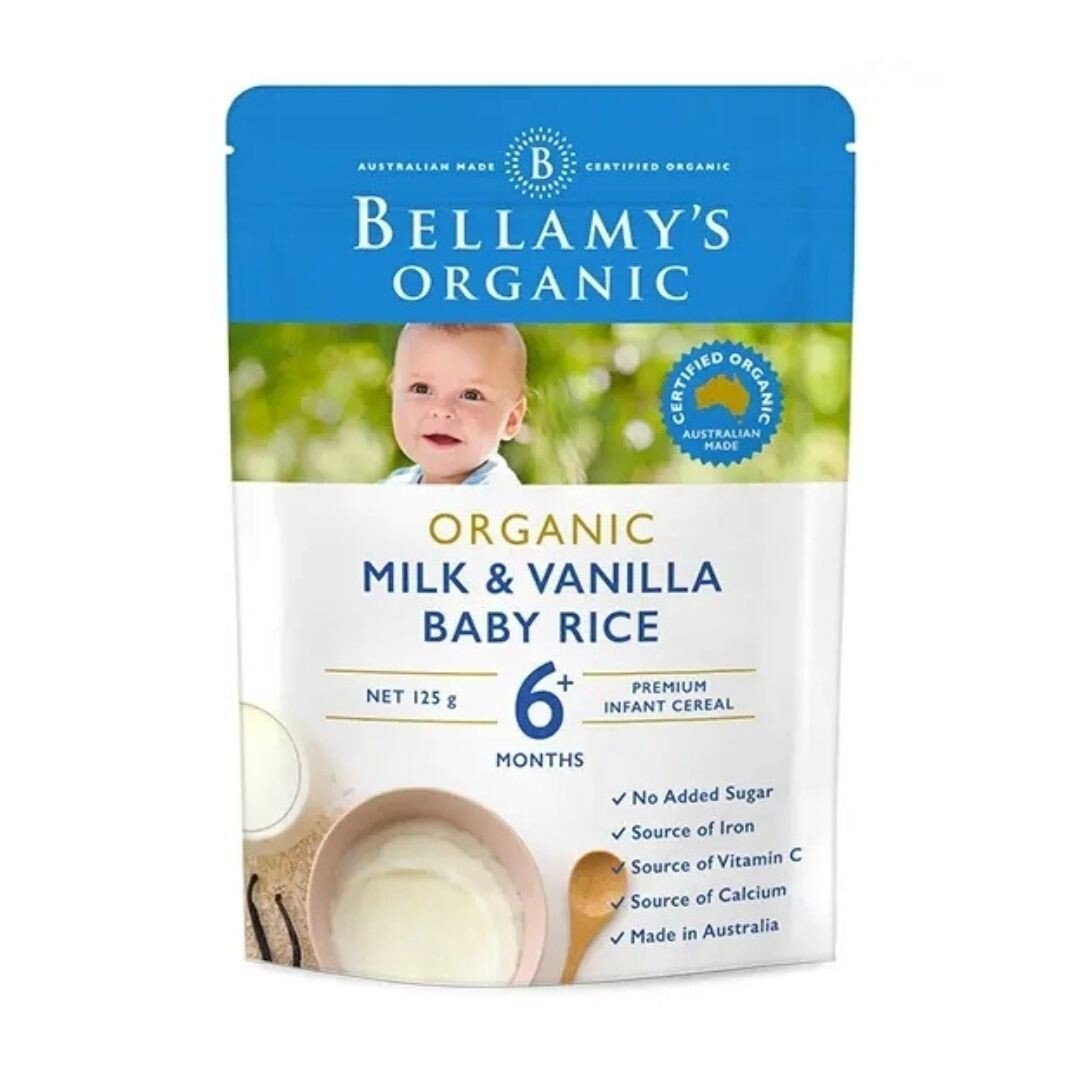
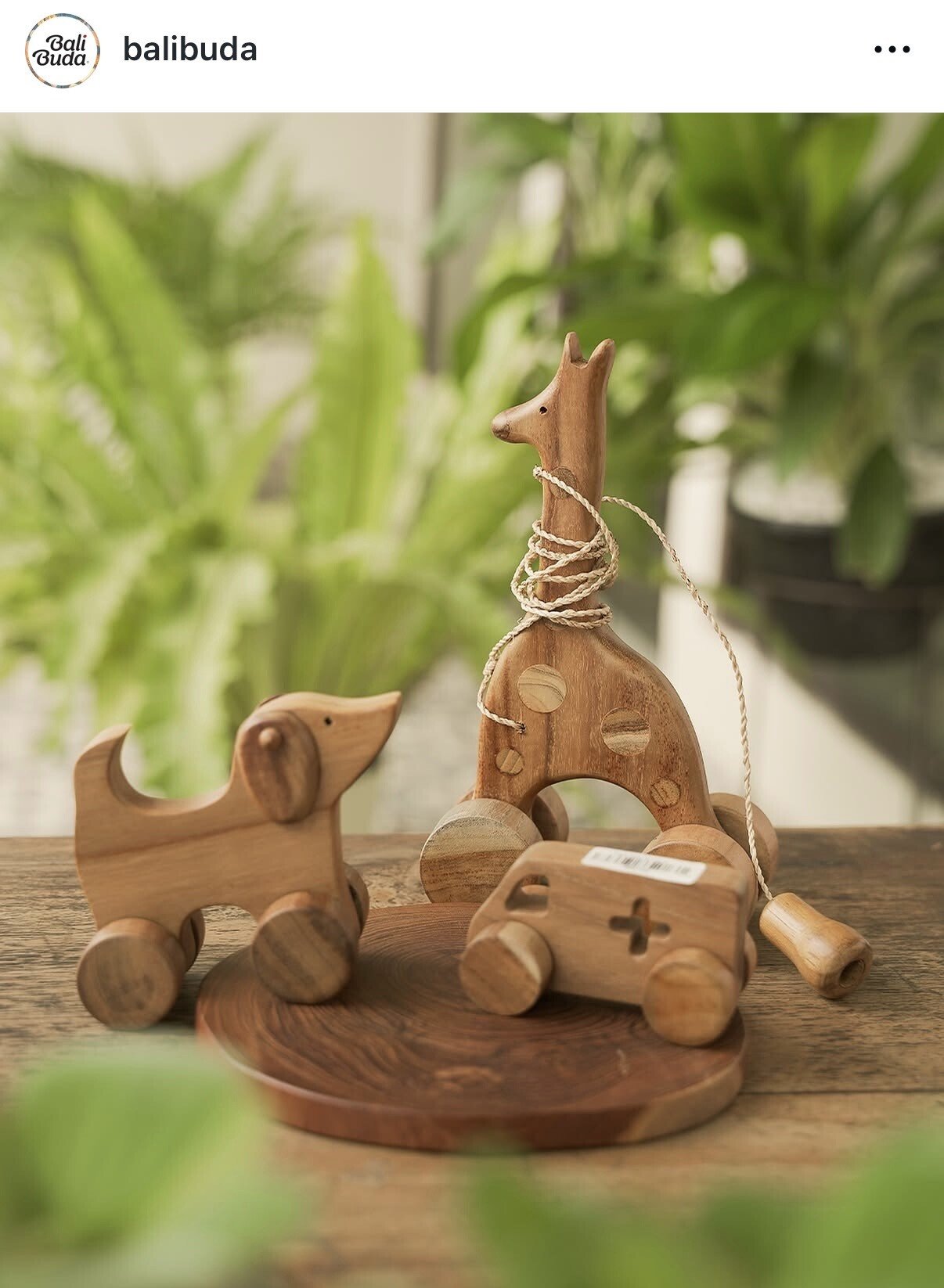
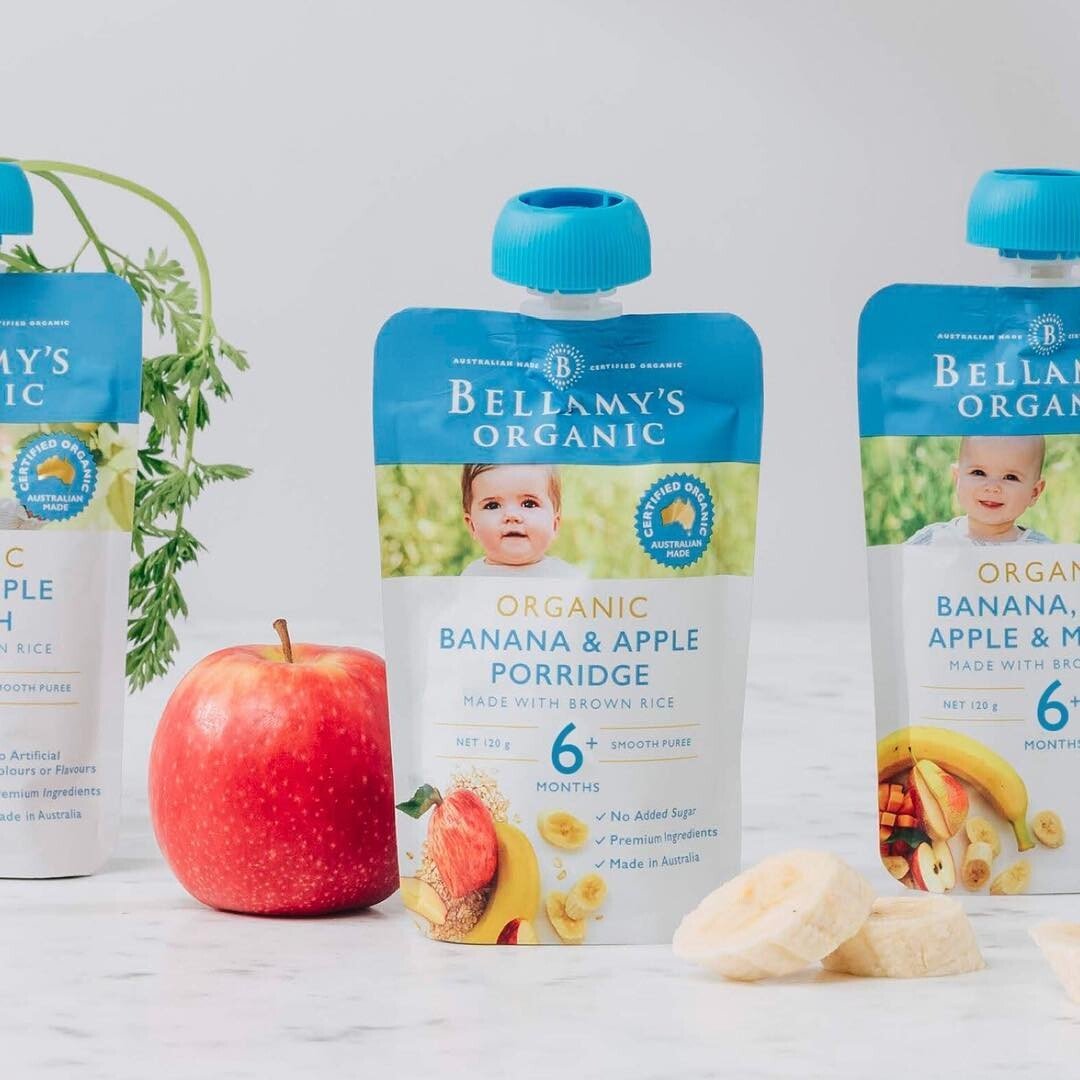
photos from healthycornersby.com
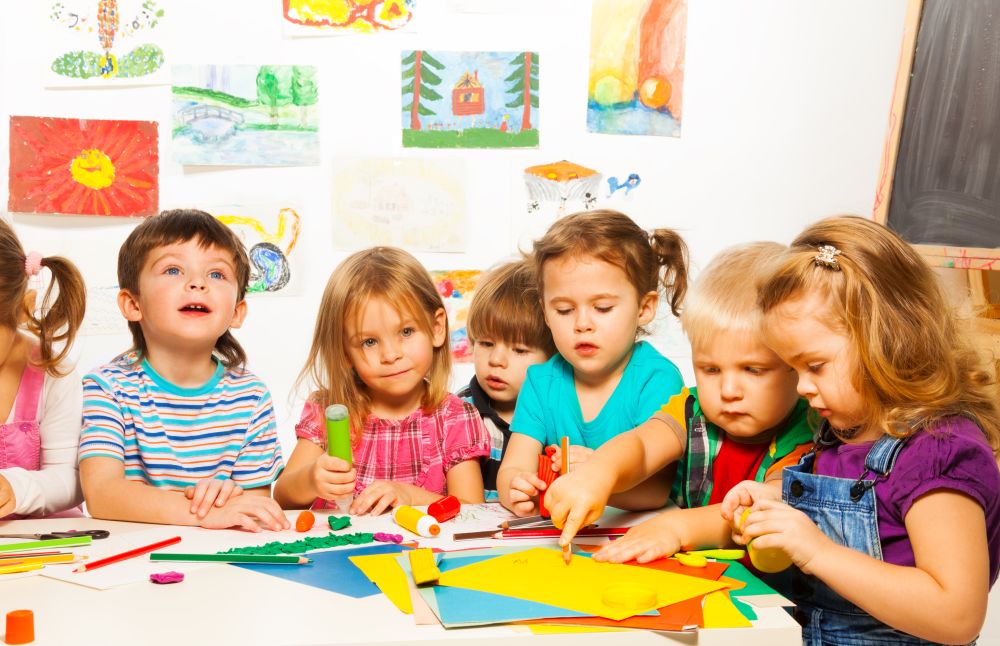
Healthy food shops Bali Buda are available all over the island. Here you’ll find all kinds of grains (including buckwheat), farm products, gluten-free and dairy-free items, fresh baked goods, as well as oils, natural cosmetics, and household products without harmful additives or fragrances.
Hygiene products
The next question that often concerns parents is nappies. Bali doesn’t have many of the brands we’re used to, but there are good-quality Korean and Japanese brands: Genki, Makuku, Merries, and even biodegradable Ecoboom. It’s better to look at the premium segment. For example, Merries nappies are sold almost everywhere, but they’re often locally produced and not the best quality. Genuine Japanese Merries in white packs can sometimes be found in Clandy’s or Bali Hypermart, but it’s easiest to order them online. Swim nappies are also best brought with you: here you can only buy them online, and they’re mainly sold individually.
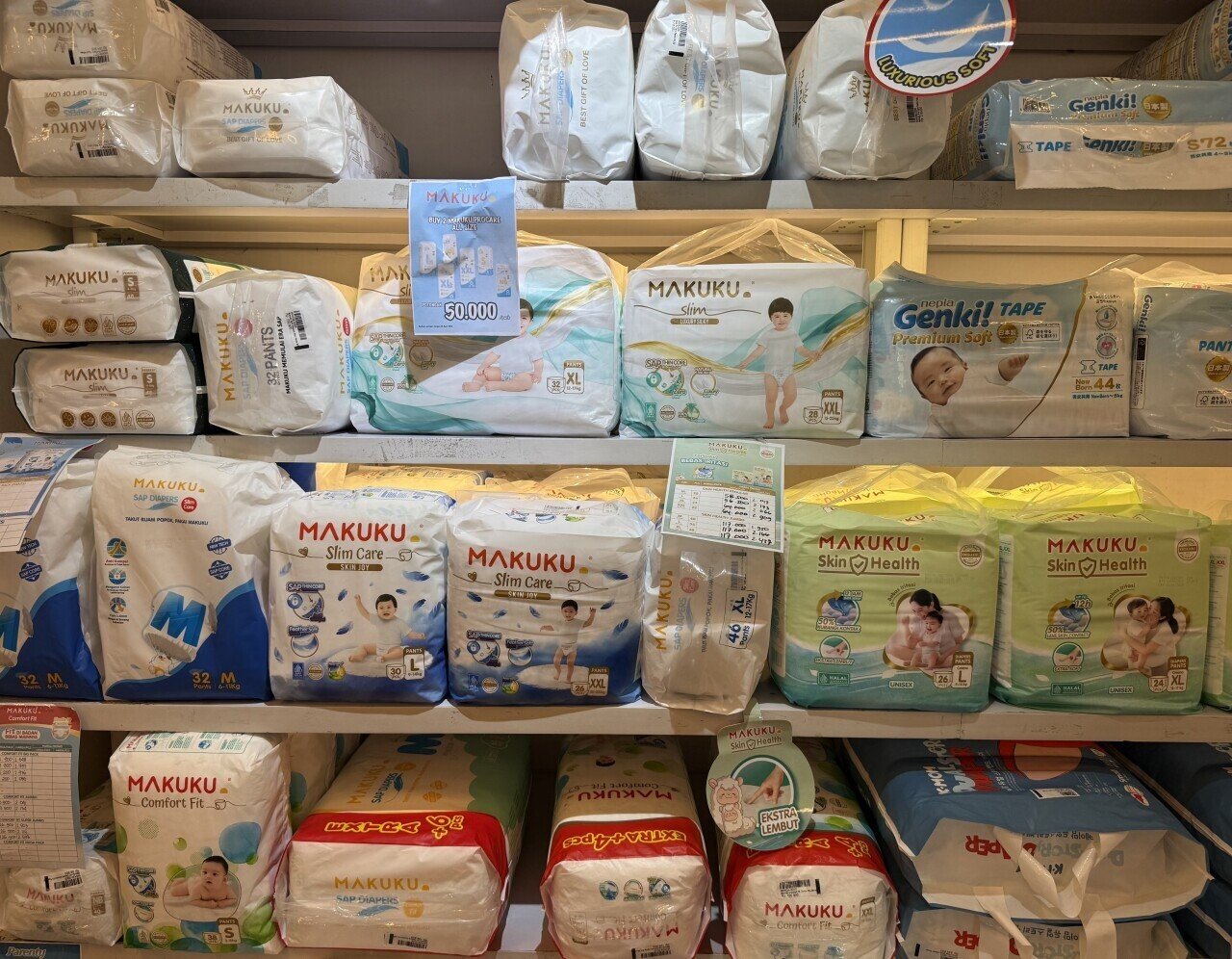
It’s also worth noting that many nappies run small, so you can safely go one size down. Makuku, for instance, has a Slim line for slimmer children.
You can find almost all baby items on marketplaces (Tokopedia, Shopee) or in offline shops (Balonku, Genyc, Mothercare).
We look for children’s furniture at Informa, and potties, bed linen, toy storage boxes, and tableware at IKEA or Azko.
IKEA on the island is small, but you can place an order directly in store or via the official app, with home delivery.
First-aid kit
The next important question is medicines. You can find almost everything on the island, but most of it is generic. Original medicines do exist too, but they cost two to three times more, and almost everything is sold with a doctor’s prescription. Also, there are a lot of hormonal medicines here.
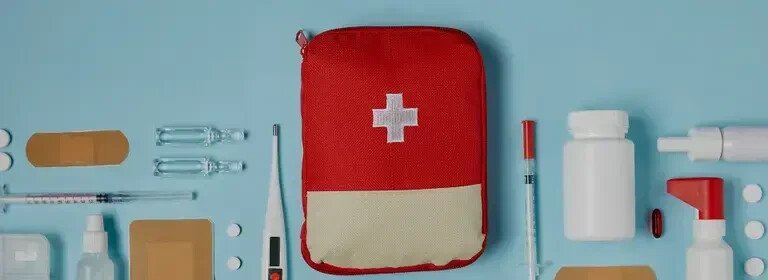
So if your child takes any medicines regularly, make sure you bring a full supply with you.
For everything else, I’d recommend having the following on hand:
For stomach issues: simethicone for bloating and gas (such as Gas-X or Espumisan), probiotics, intestinal absorbents, and digestive enzymes like Creon.
For cuts and bruises: an antiseptic spray, wound-healing ointment, bandages, and liquid skin glue.
For sore throat and colds: antiseptic throat spray, lozenges, saline rinse, and basic pain relievers or fever reducers.
For eyes: lubricating or antiseptic eye drops, plus antibiotic eye ointment if recommended by your doctor.
For nose and sinus problems: saline nasal spray, decongestants, and antibiotic nasal spray if prescribed.
For allergies and insect bites: antihistamines such as cetirizine (Zyrtec) and anti-itch gel.
If traveling with children, teething gel or drops and a nasal aspirator can also be useful.
It’s a good idea to pack rapid COVID/flu tests, a thermometer, and a basic first-aid kit.
And most importantly, make sure you have medical insurance before your trip, as treatment at private hospitals can be very expensive.
Other items
I also found it useful to bring a few everyday essentials from home. For example, good shampoos or foams for cradle cap can be surprisingly difficult to find locally, and the options are often limited. Brands like Mustela are worth packing if your child needs them regularly.
A stain remover pen and a reliable laundry soap are also things I always keep with me. Laundry services are widely used in Bali, but clothes are sometimes returned with stains still visible or damaged from washing, so I prefer to treat delicate items and stains myself.
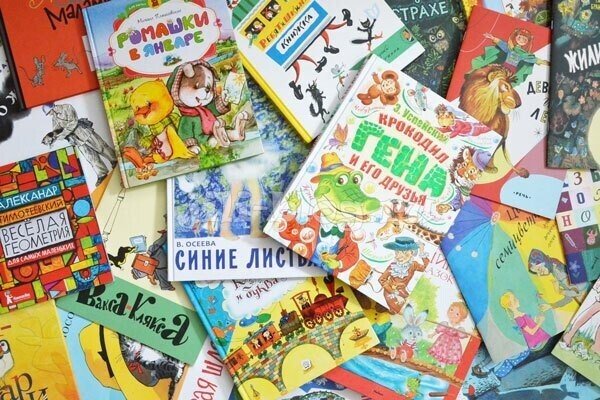
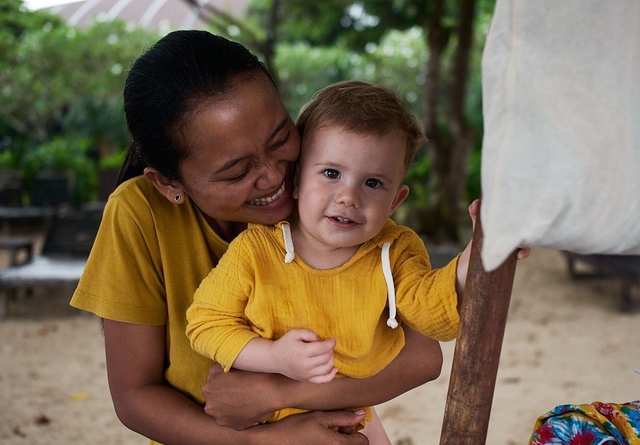
My personal must-have for trips with a toddler is a lightweight muslin or cotton sun hat with adjustable ties. You can easily buy hats in Bali, but many are either too heavy for the heat, don’t stay on properly, or have uncomfortable Velcro straps under the chin. That’s why I usually pack our favourite one from home, along with a few familiar toys, books, and small comfort items that help children settle in more easily.
Travelling with a toddler always requires a bit more preparation, but Bali is still a very family-friendly destination. Most everyday essentials are available on the island, and once you settle in, life here with children can feel surprisingly easy. The main thing is to bring a few familiar items that make the transition smoother and help your child adjust more comfortably.
Over time, every family develops its own list of travel essentials and little tricks that make trips easier. Hopefully, these recommendations will help make your Bali trip smoother, more relaxed, and more enjoyable for the whole family.

https://vanara.life