
Forecasters say the island will stay dry through September and October.
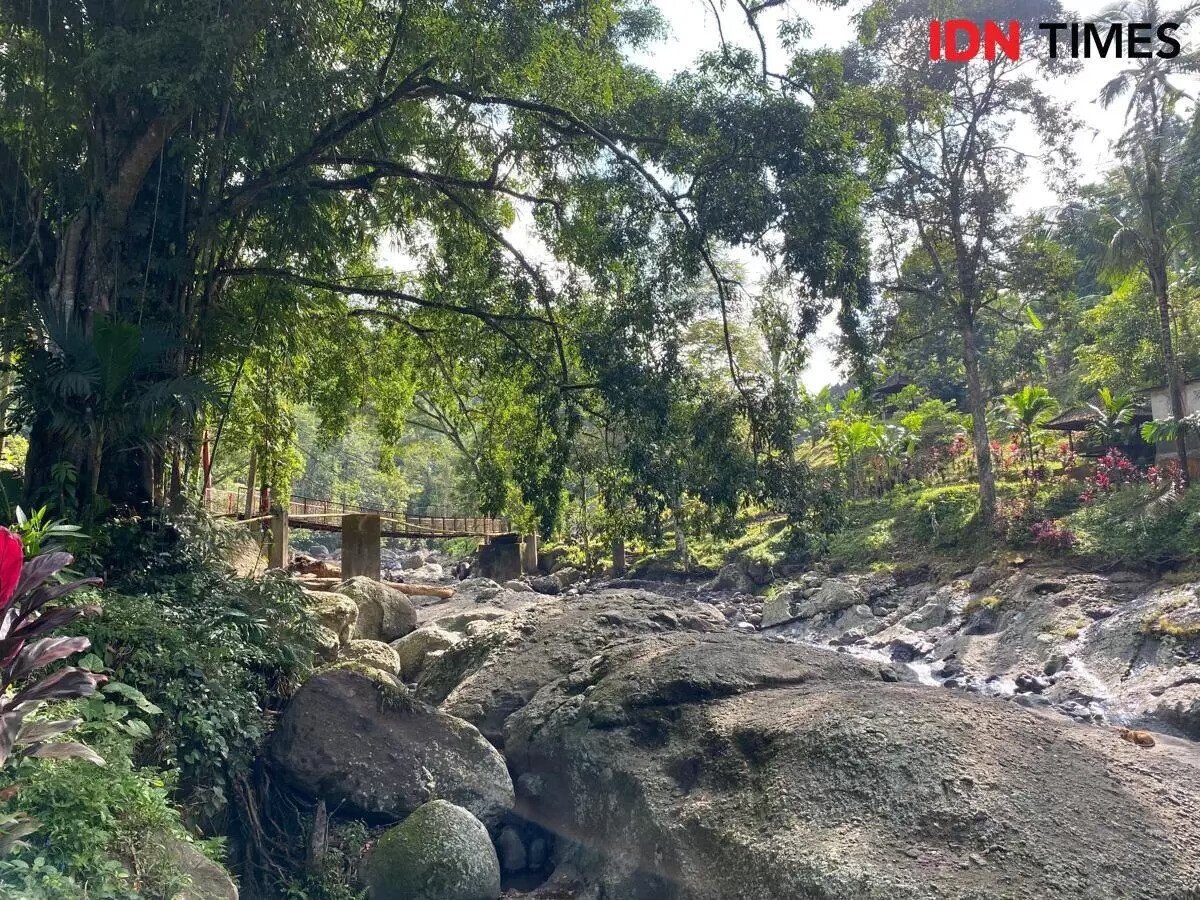
Rain will only pick up towards November, and in most of Bali the wet season will not begin until December. Even so, no abrupt change in the weather is expected across the island: rainfall will build up gradually.
The forecast is also shaped by El Niño, a climate pattern that reduces rainfall. According to Indonesia's Meteorology, Climatology and Geophysics Agency (BMKG), its effects may last until early 2027. That is why dry weather in Bali is expected to linger longer than usual.
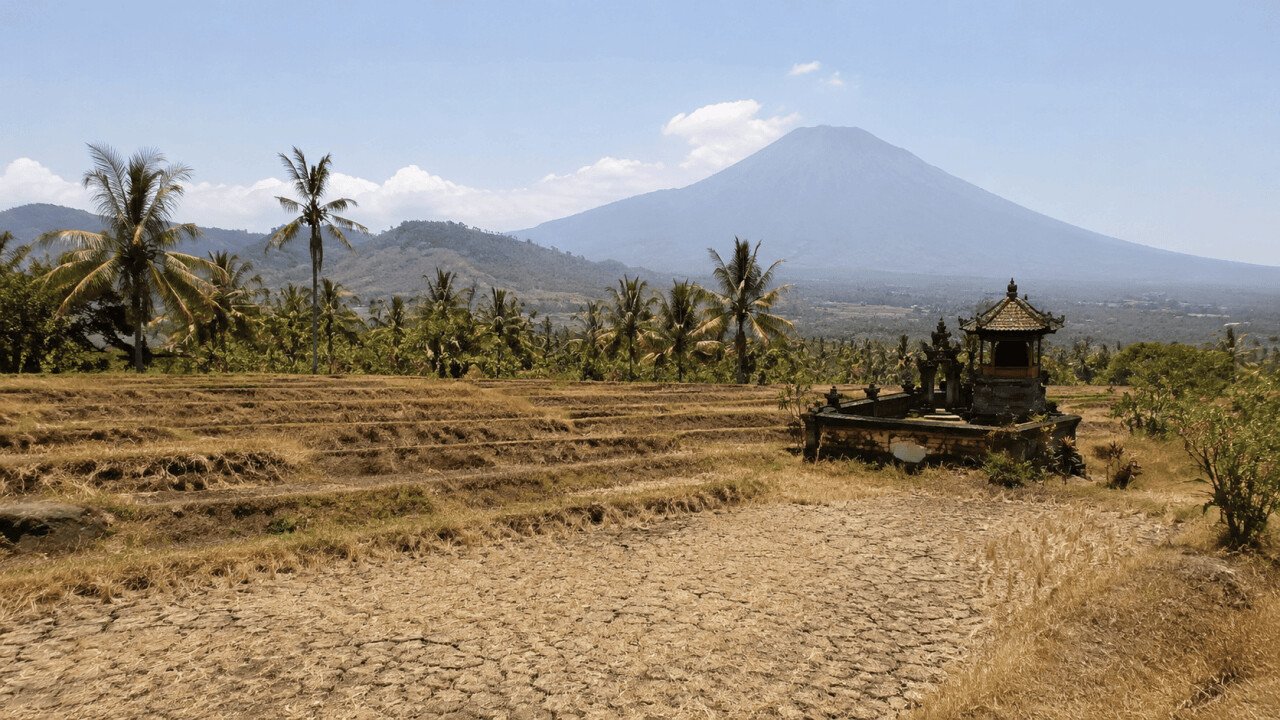
That said, isolated rain is still possible during the dry season, caused by short-term shifts in the atmosphere. In other words, a single rainy day over the coming months will not mean that the full rainy season has arrived.
The prolonged drought has already led to new fires in Bali. From the start of the year through September 9, the island recorded 44 fires, which affected nearly 197 hectares of forest and land. Buleleng saw the most fires, accounting for 159.07 hectares of the affected area.

Residents and visitors in Bali are urged not to light fires outdoors, not to burn rubbish, not to drop cigarette butts and not to leave incense unattended. Bali's Natural Resources Conservation Agency (BKSDA) notes that actions like these may well have caused fires this year.

You can add one right now!