
In Bali, artificial intelligence is starting to be used for protection against natural disasters.
The regional agency responsible for this, BPBD Bali, is training its staff to work with Agent AI — a system meant to help process the huge flow of information quickly during emergencies.
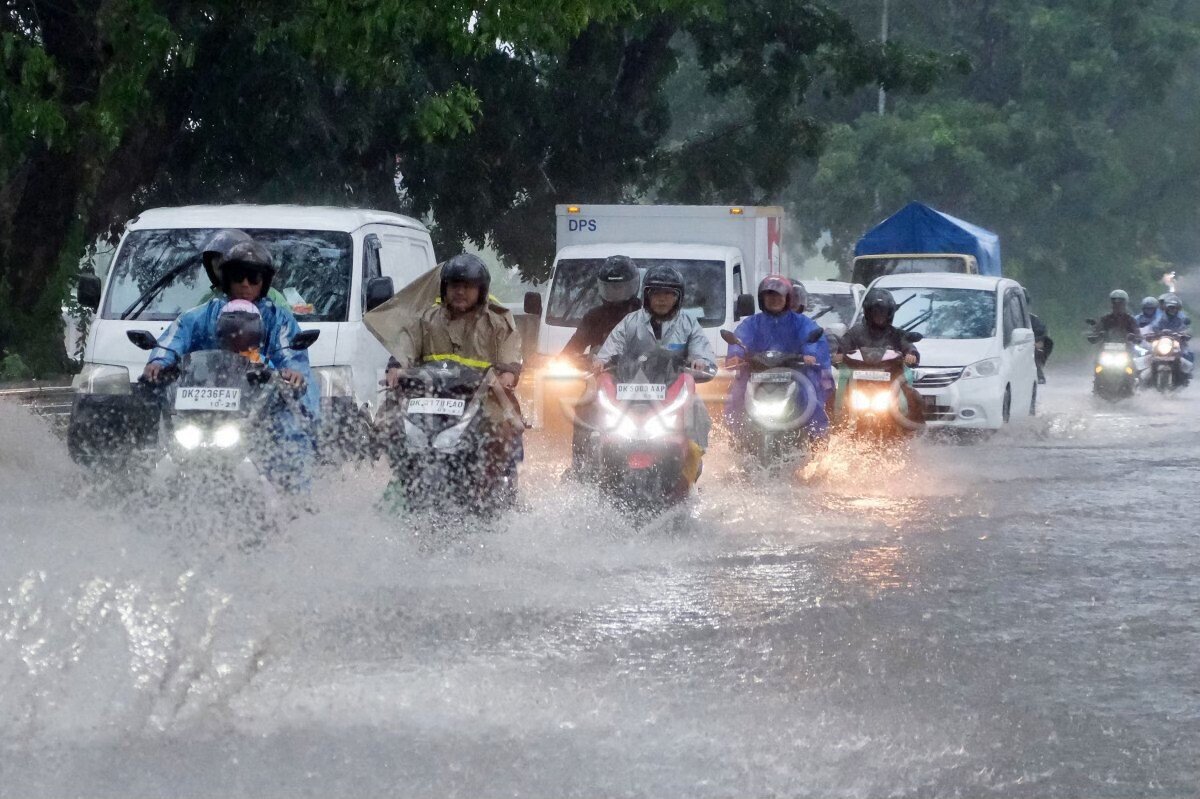
When severe weather hits the island, reports come in at the same time from residents, local authorities, rescue teams, and social media. The AI is supposed to gather all of this data in one place, filter out what isn't needed, group the reports, and quickly build an overall picture of what is happening.
For example, the system will be able to process weather forecasts and risk maps and help prepare warnings for residents.
Another area is tsunamis: specialists will test whether AI can distribute danger alerts faster and more effectively through the BTEWS early warning system.

Rolling out the new technology is especially relevant ahead of the rainy season. According to a forecast by Indonesia's Agency for Meteorology, Climatology and Geophysics (BMKG), it will begin in late November or December 2026, with the peak expected in February 2027.
The season also promises to be unusual: across the island it will start later than normal. Of Bali's 20 climate zones, rain is expected in late November in only three. In the other 17 zones, sustained rainfall should not begin until December. In 70% of the zones the delay compared with the usual timing will be at least 30 days, and in some places up to 60–70 days. Because of this, downpours may be more intense, meteorologists warn.
According to Teja Bhusana, head of the Regional Disaster Management Agency (BPBD), during extreme weather problems can arise in six or seven regencies at once. At the same time, residents sometimes report what is happening before the information makes its way through official channels.
"The speed at which information arrives is both a challenge and an opportunity that has to be managed properly," Teja explained.
That is exactly why an AI agent capable of collecting all the information and structuring it may be in particular demand this winter.
Sources: Tribun-Bali, Antara.

You can add one right now!