
In the coming months, there will be more tourist police officers at Bali’s most popular spots. For over a year now, officers from this unit have been helping visitors on site, explaining the rules and keeping order in the busiest areas. Now, as the island prepares to welcome 7 million foreign visitors a year, the authorities have decided to put even more officers on the streets. The goal is to ensure that key locations always have someone tourists can turn to for help.
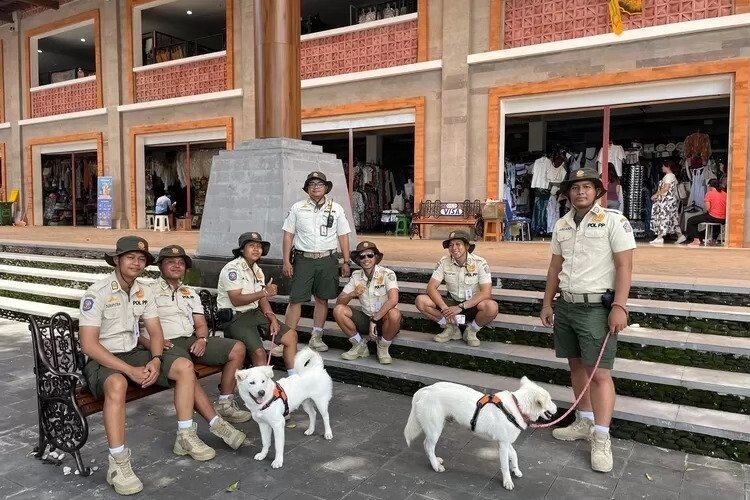
At the moment, the entire island has 81 tourist police officers. Yet there are 471 sites where they are expected to work. These figures come from the Bali Tourism Office. The gap is huge.
Of this group of officers, 39 serve in Badung Regency, home to the busiest resort areas—Uluwatu, Canggu, Seminyak, Legian and Kuta. Twelve work in Buleleng Regency in the north of the island. Another 30 make up a provincial team that patrols different parts of Bali and reinforces areas where there are not enough local officers. All the other regencies—Denpasar, Gianyar, Klungkung, Bangli and Tabanan—still have not set up their own units, even though tourist numbers there are no lower.
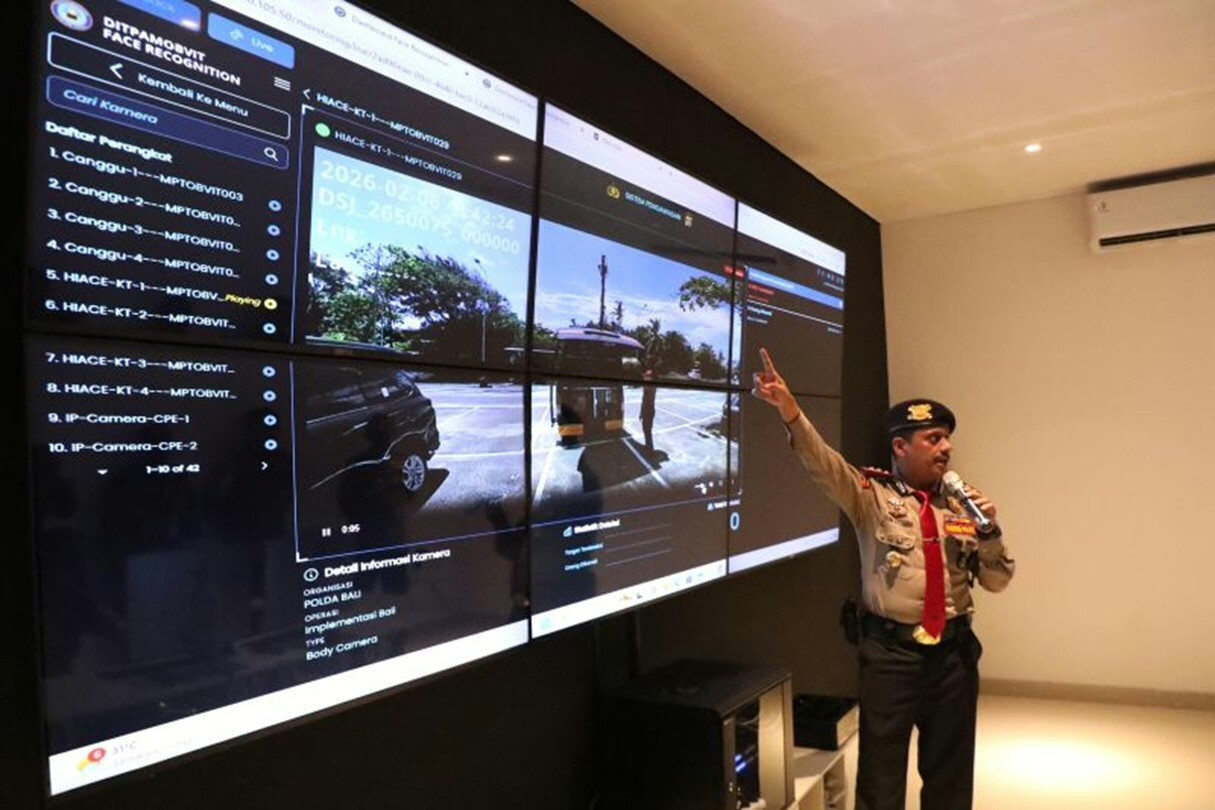
The head of Bali’s Satpol PP, I Dewa Nyoman Rai Darmadi, stresses that the tourist police do not deal with crime or visa-related offences. Their main role is to help tourists and prevent конфликт situations. Darmadi says many foreigners simply do not know the local rules, and tourist police officers explain what can and cannot be done in certain places. This applies to temples, beaches, natural areas and other places that are important to Balinese culture. The aim of these patrols is not to issue fines, but to prevent problems, help and guide people.
According to Darmadi, having officers present at tourist sites works as a visible point of reference: a tourist sees the uniform and understands they can ask a question, check directions, make a complaint or report a problem.

Serving officers receive regular training. The programme includes more than just theory: officers go out to sites, learn to spot potential risks to public order and quickly pass information back to headquarters.
Darmadi also expressed hope that the seven regencies that still do not have tourist police will set up their own units. Bali is a compact island, but tourist areas vary greatly in how busy they are. In some places, one officer has to cover several sites at once, which reduces effectiveness.

Over the next year, tourists in Bali’s popular areas—at waterfalls, temples and beaches—will more often come across Satpol PP officers in uniform with tourist patches. Officers have been given clear instructions: be proactive and friendly, start conversations more often, and not wait for a tourist to approach with a question.

You can add one right now!