
Even after the closure of the much-loved shortcut between Bingin and Dreamland, Uluwatu remains one of Bali’s least congested tourist areas.
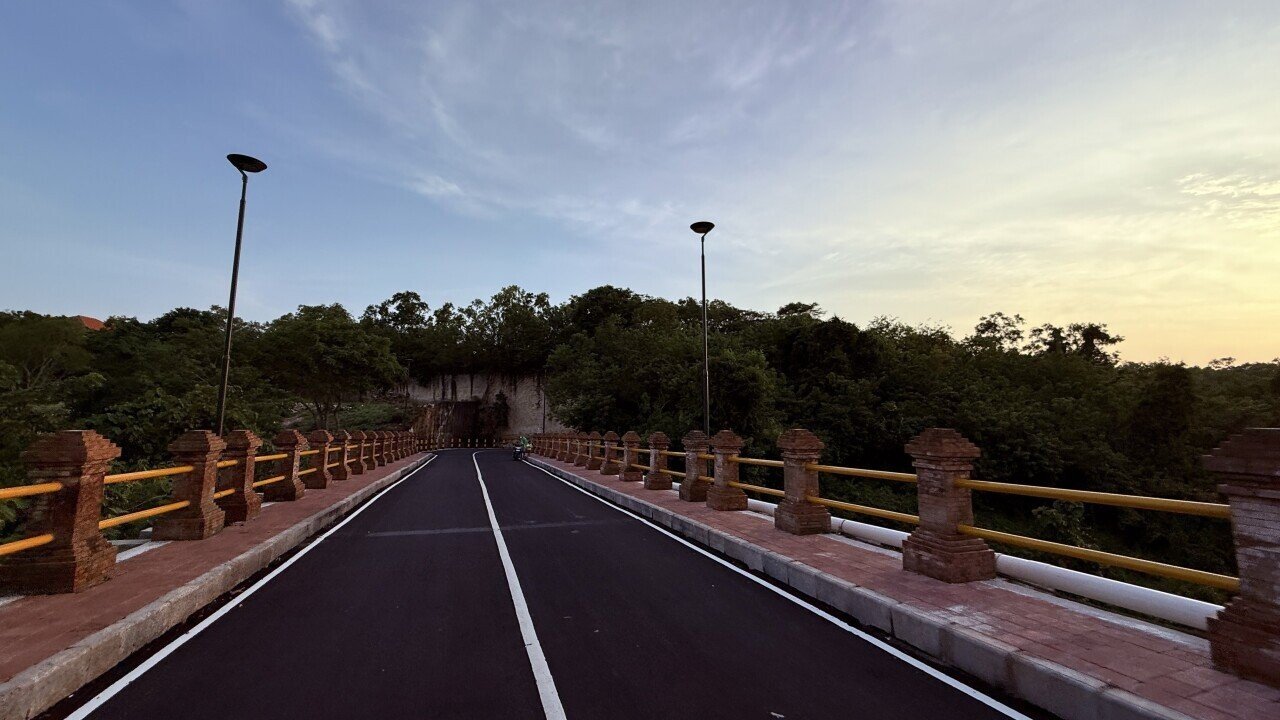
All the more so because another short road has appeared to replace the one that was blocked. Perfectly smooth tarmac and almost no change in elevation mean you can get much faster from Labuan Sait—with its many popular cafés and Padang Padang beach—to Nyang Nyang and Uluwatu Temple.
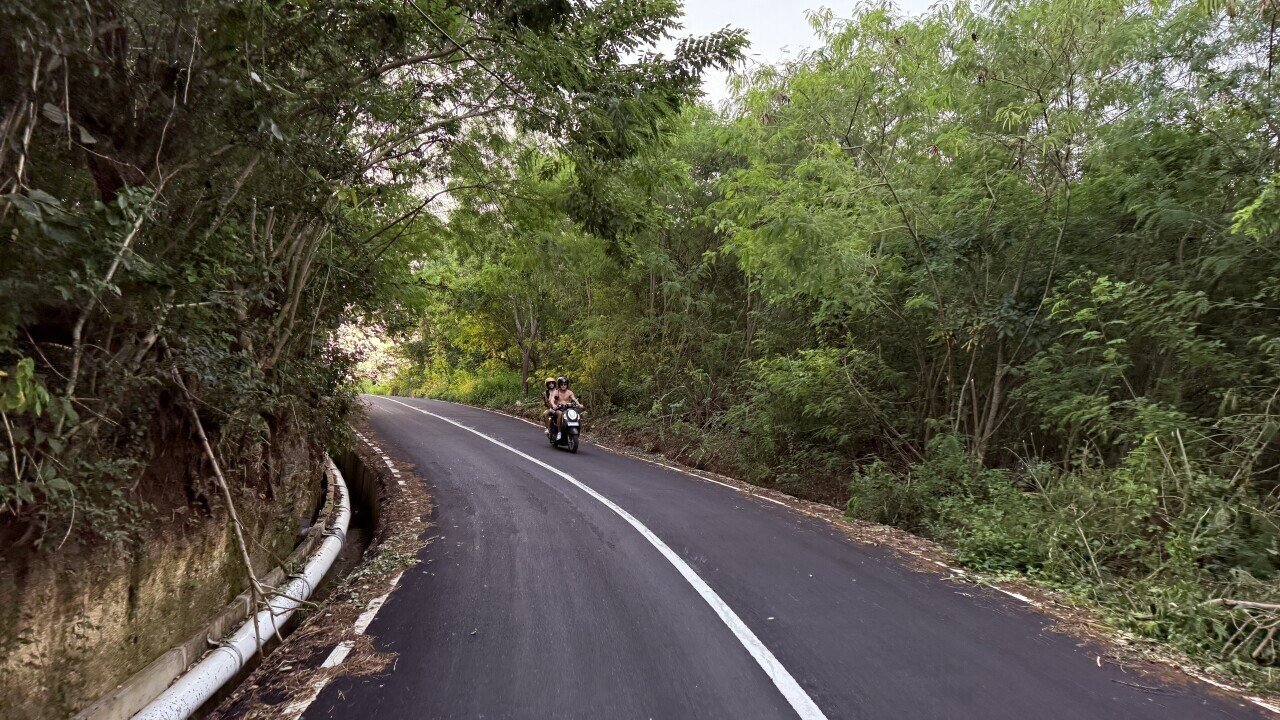
Finding the new shortcut on the ground is fairly easy, but it still doesn’t appear on maps. The entrance from the Labuan Sait side (where most cafés and surf shops are) is right next to the well-known District 6 Cafe.
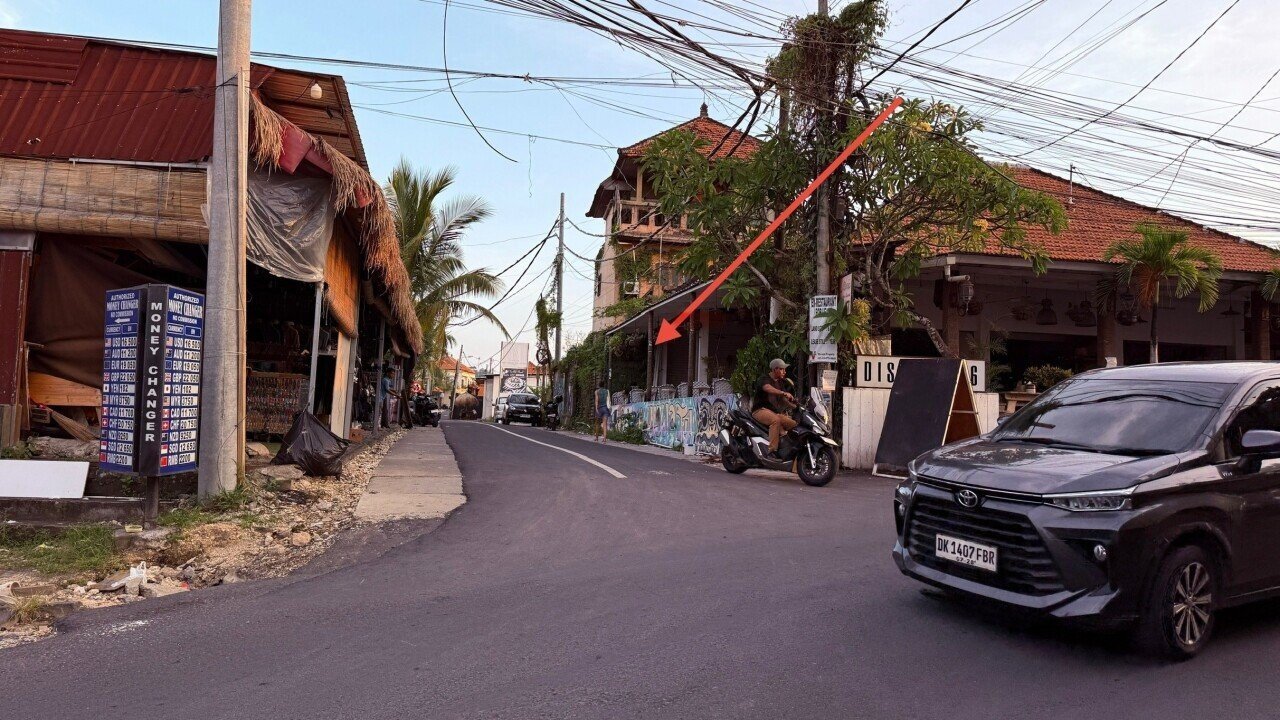
-preview.jpg)
Start: Labuan Sait area (landmark: District 6 Cafe).
Finish: Nyang Nyang / Nunggalan area, or the road to Uluwatu Temple.
If you used to have to take the main road via Pecatu’s steep, winding switchbacks and standstill traffic, now the route runs literally between the cliffs. The road is wide and perfectly smooth, but proper crash barriers haven’t been installed yet, so don’t overdo it on the throttle. Surprisingly, despite the space, there’s very little traffic. Apparently, not everyone dares to take the shortcut, especially as sat-navs simply don’t recognise this road. It runs through the area marked with a red circle in the photo.
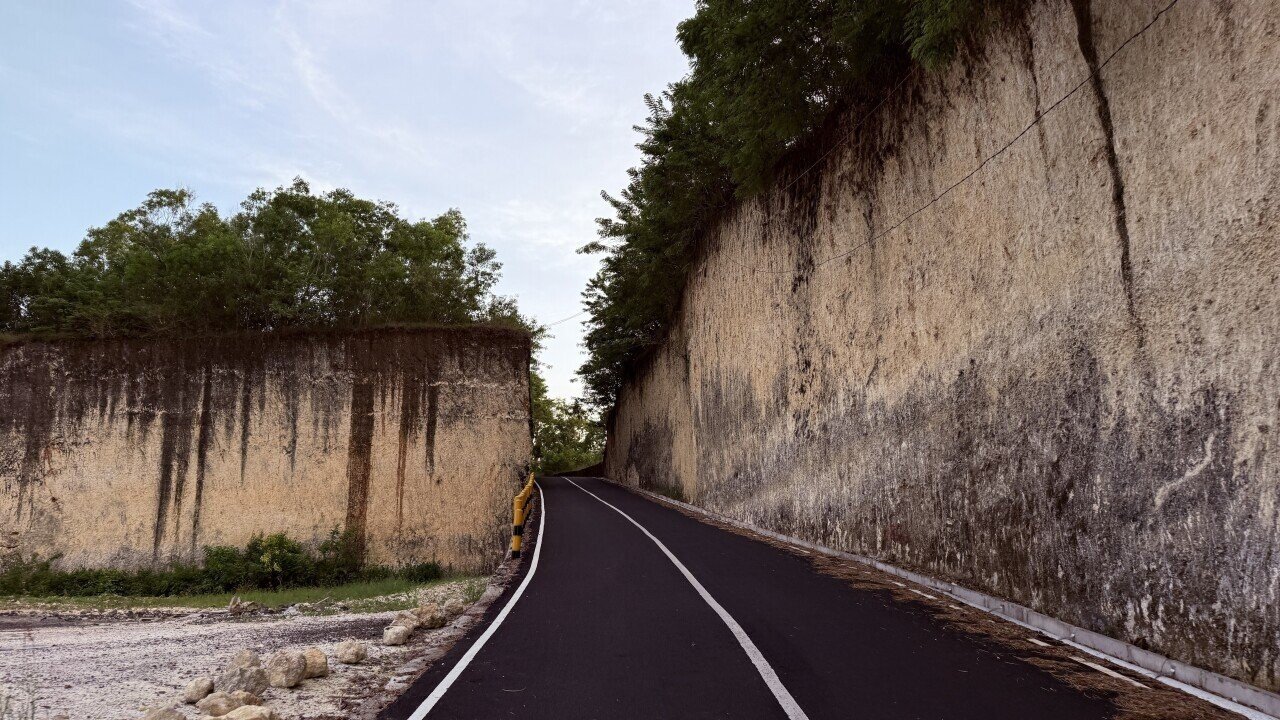
The road is new and convenient, but in the evening some of the new sections may not be well lit, so take care when heading back after sunset.
This new shortcut is part of the fourth segment of Jalan Lingkar Selatan (JLS), the southern ring road. The Badung authorities plan to turn it into a proper two-lane artery about 12 km long, which will eventually link Uluwatu with Jimbaran along the coast. For now, the open section is a first step that lets you bypass the most troublesome hill.
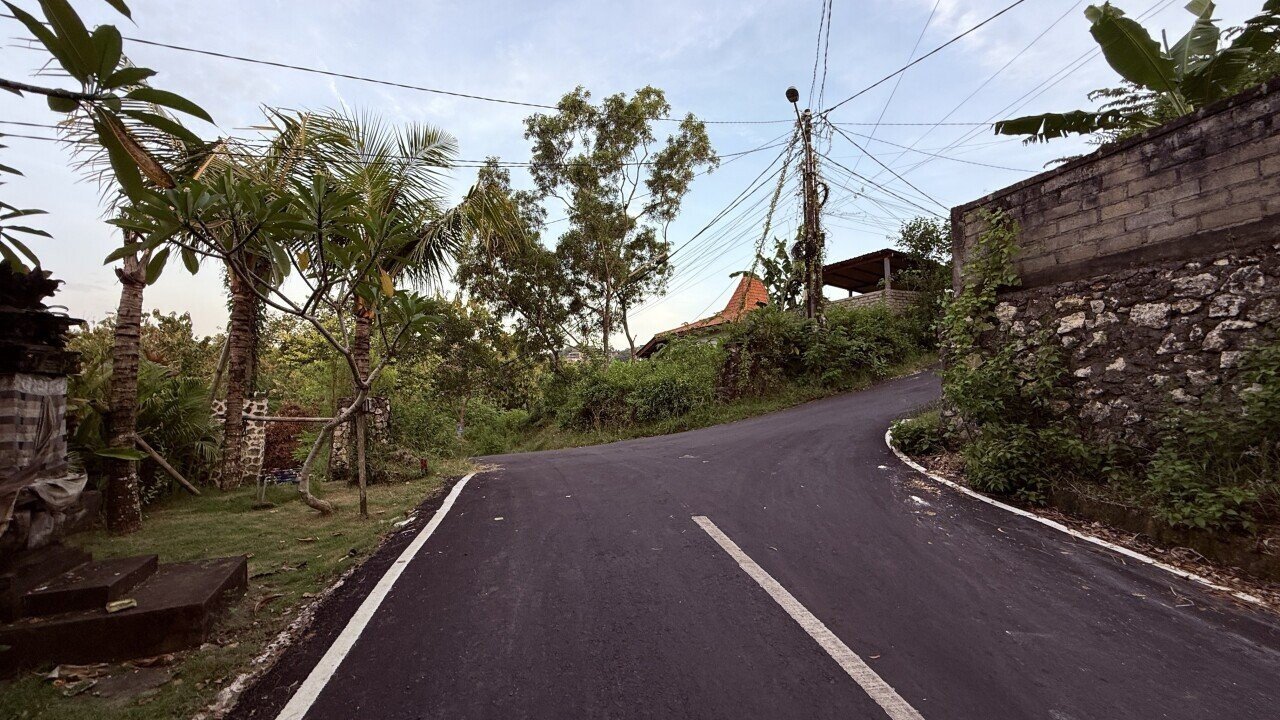
It’s quite short and connects to the existing Jalan Batu Kandik. At the junction of the new and old roads, you can continue towards the centre of Bukit or join the Uluwatu main road in northern Pecatu. From here, it’s a couple of minutes to Uluwatu Temple in one direction and the same to Nyang Nyang Beach.
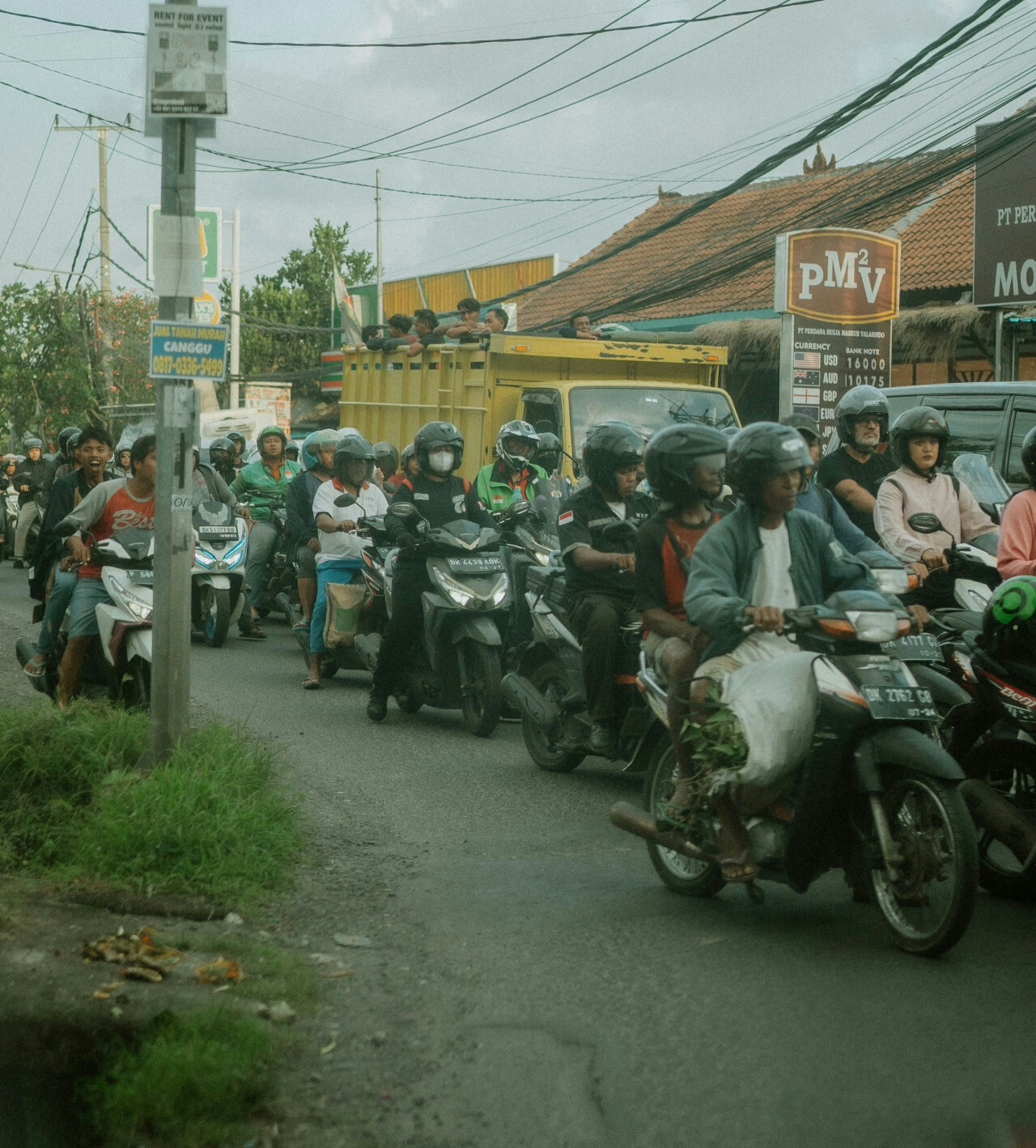
The road is free to use, but in the future, once the ring-road project is fully completed, parking or road-maintenance fees may appear at key junctions, as often happens in Bali.

You can add one right now!