
Bali welcomes you not only with beaches and temples, but also with an amazing opportunity to become a gardener — even if you are here temporarily. The island’s tropical climate is so favorable for plants that you can grow fresh fruits and vegetables right on the terrace of your villa.
Why Bali Is Ideal for Gardening
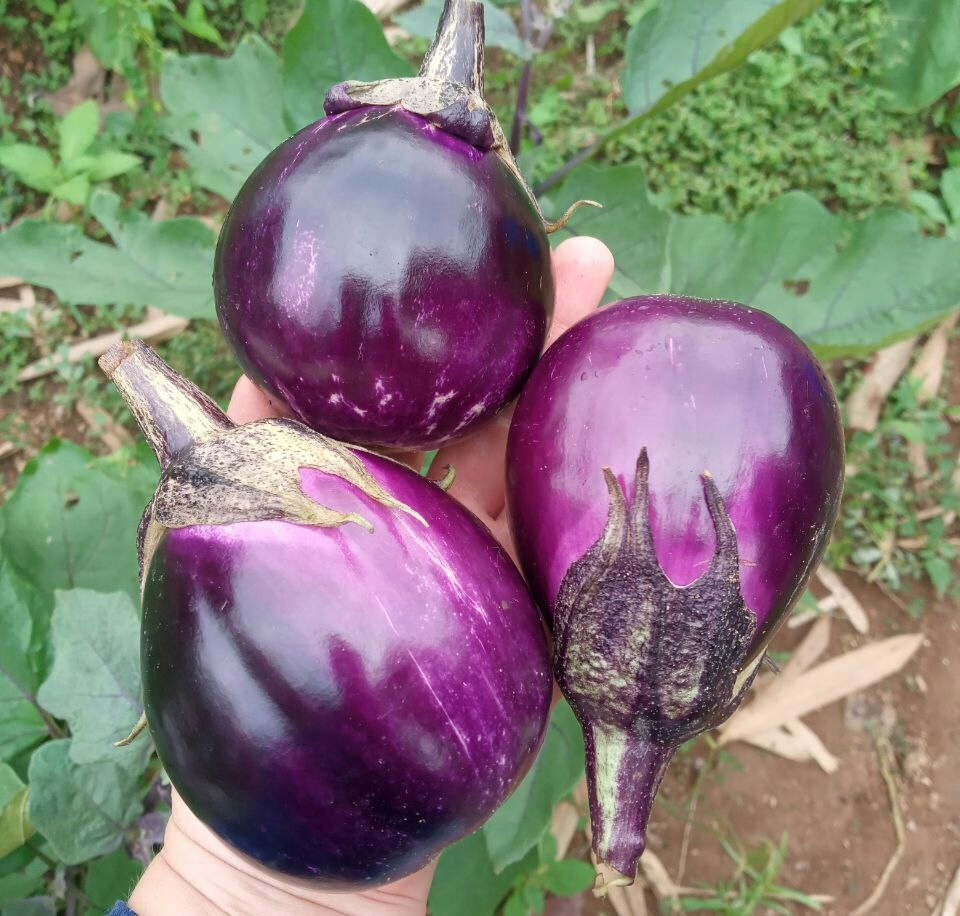
Indonesia is a tropical region with two seasons: dry and rainy. What may seem inconvenient to short-term tourists becomes a real blessing for long-term residents. The rainy season paints the rice terraces emerald green and creates ideal conditions for gardening.
The volcanic origin of most of the islands makes Indonesia a paradise for growing plants. Java is rightfully considered one of the most fertile islands on the planet. Gardening here is not just a hobby — for children, it feels like real magic. Watching a seed turn into a sprout, then into a mature plant that produces edible fruit, is an unforgettable experience.
Tabulampot: Fruit Trees in Pots
Nature in Indonesia is so generous that there is even a popular hobby called tabulampot (tanam buah dalam pot), which means “planting fruit in pots.” Yes, fruit trees can be grown in containers.
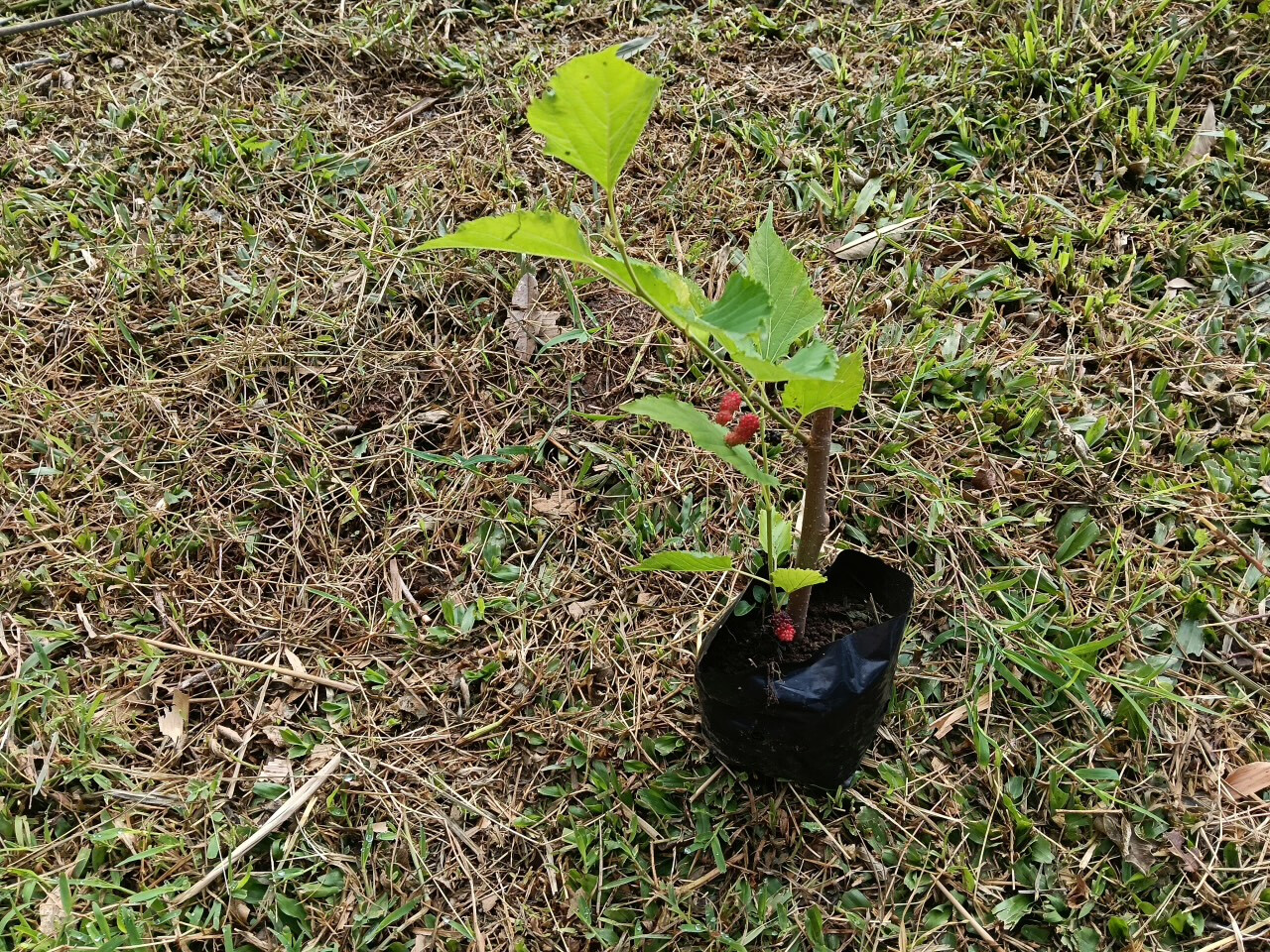
What you can grow in pots (planter bags of 50–100 liters) with a high chance of harvest:
- Local raspberries (frambos)
- Citrus (kumquat, oranges, limes, and others, except pomelo, as the tree is too large)
- Goji berries
- Mulberry
- Papaya
- Jambu (wax apple)
- Passion fruit
- Eggplants, tomatoes, cucumbers, chili peppers, and greens
Local residents also widely use plastic grow bags (polybags) to grow vegetables such as eggplants, tomatoes, greens, chili peppers, and basil. This method is practical, space-efficient, and well suited for villa living.
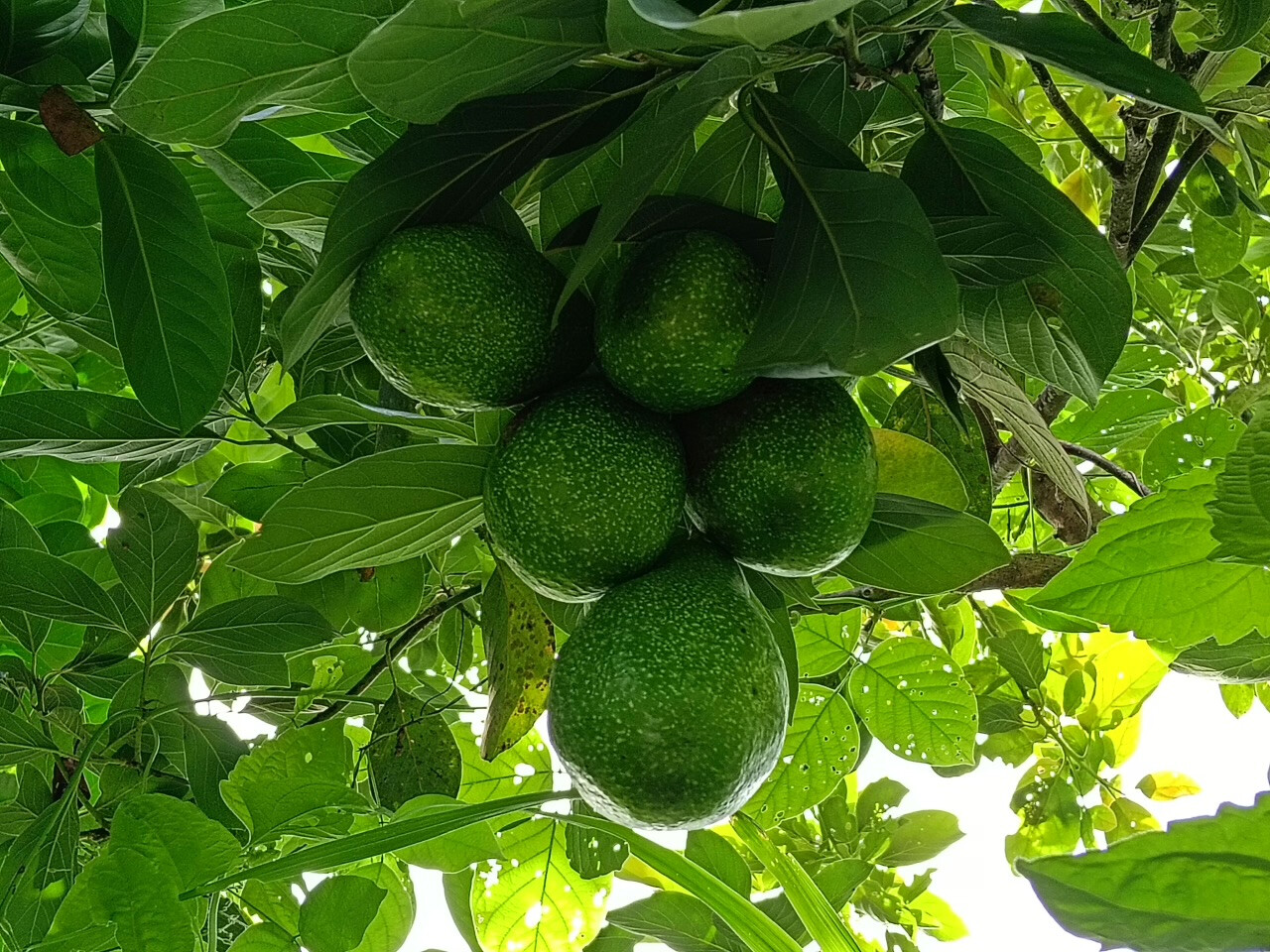
In our own 50-liter containers, wax apples, mulberry, and citrus grow and fruit regularly, and even papaya and melons have done well. Larger fruit trees — especially durian, avocado, mango, jackfruit, and longan — are planted in the ground, where there is enough space for their powerful root systems.
For Short-Term Guests: Fast Harvest in 1–3 Months
If you plan to stay in Bali from one month to several, some plants will produce a harvest during your stay.
Fast-growing crops (1–3 months):
- Cucumbers from seed — harvest in 1–2 months
- Melons, watermelons, eggplants, tomatoes — about 3–4 months
- Mulberry — may start fruiting 2–3 months after planting
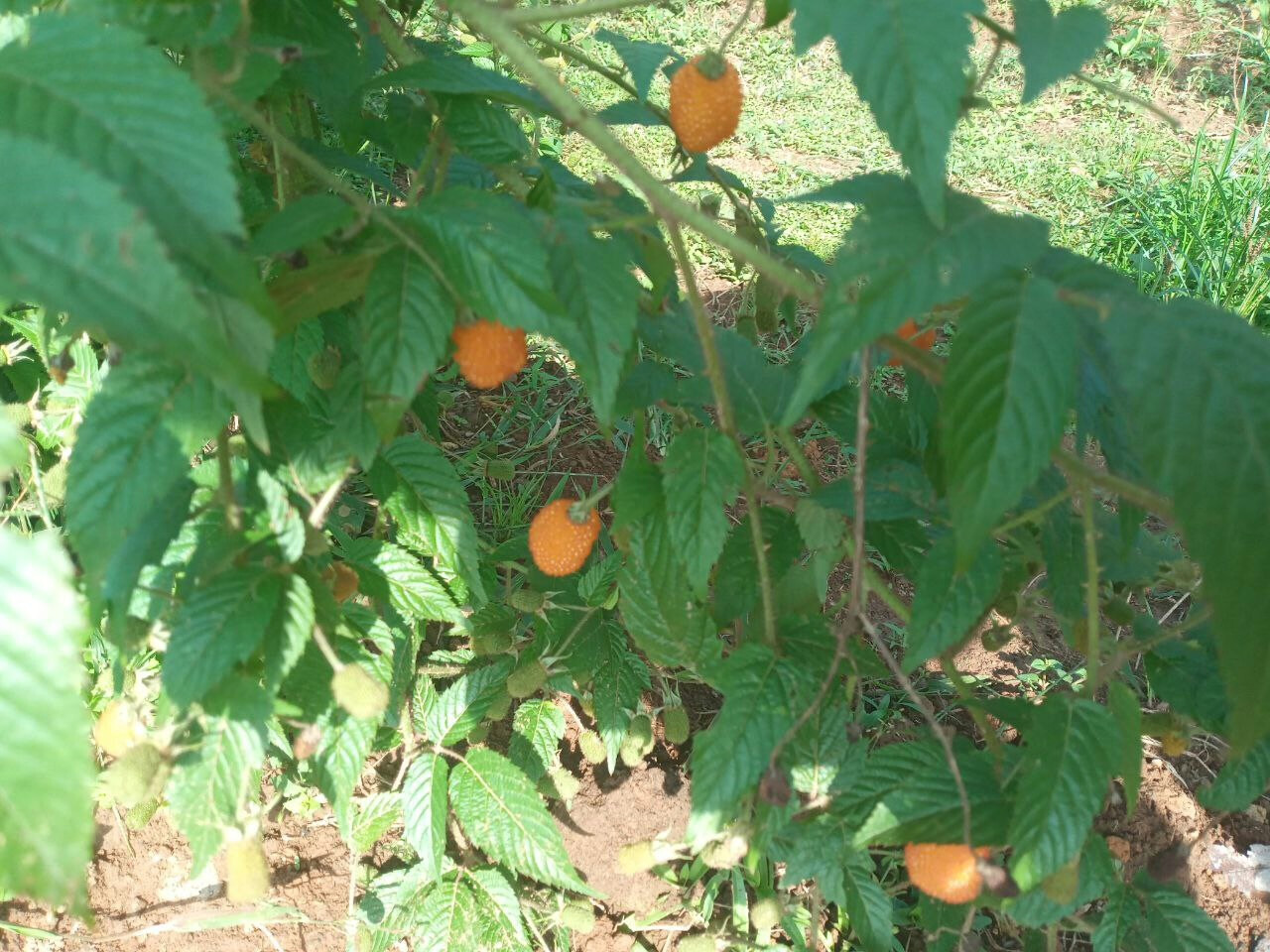
- Local raspberries — first berries in 3–4 months
- Strawberries — 1–3 months
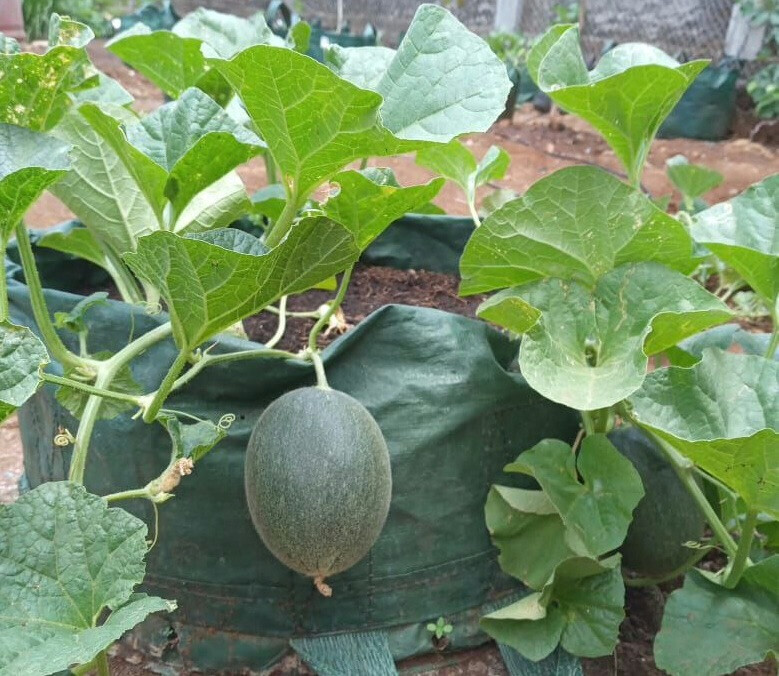
From personal experience growing melons: in a 100-liter container you can plant two seeds and leave 1–2 fruits on each vine. The local variety Adinda performed especially well — even without additional fertilizers, the fruits were juicy and sweet. Tropical melons are much smaller than the varieties familiar in countries like Uzbekistan. Large varieties often do not ripen in high humidity, so melons in Indonesia usually weigh 1–3 kg. Because of this, many farmers grow melons hydroponically.
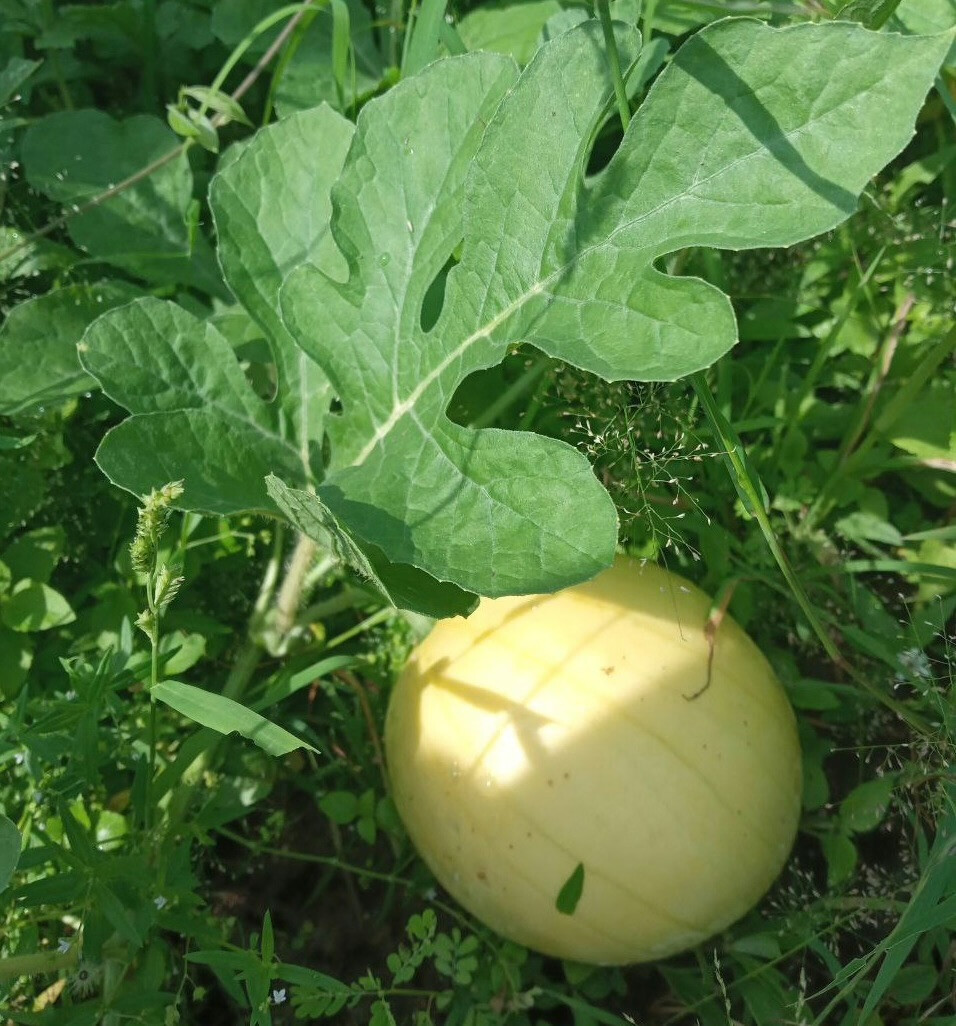
For watermelons, choose elongated varieties (semangka inul) with green skin and yellow or red flesh, such as Baginda, Palguna, Legyta, or Dewangga. These ripen without the need for nitrate fertilizers. Some round watermelons grown with nitrates may cause digestive discomfort or even poisoning. Organic watermelons store longer and have much better flavor. In my experience, the only round variety that grows easily is Faerie. Its fruits are small (2–3 kg), forming perfectly round shapes without additional fertilizers. The rind is light yellow and the flesh pink-red.
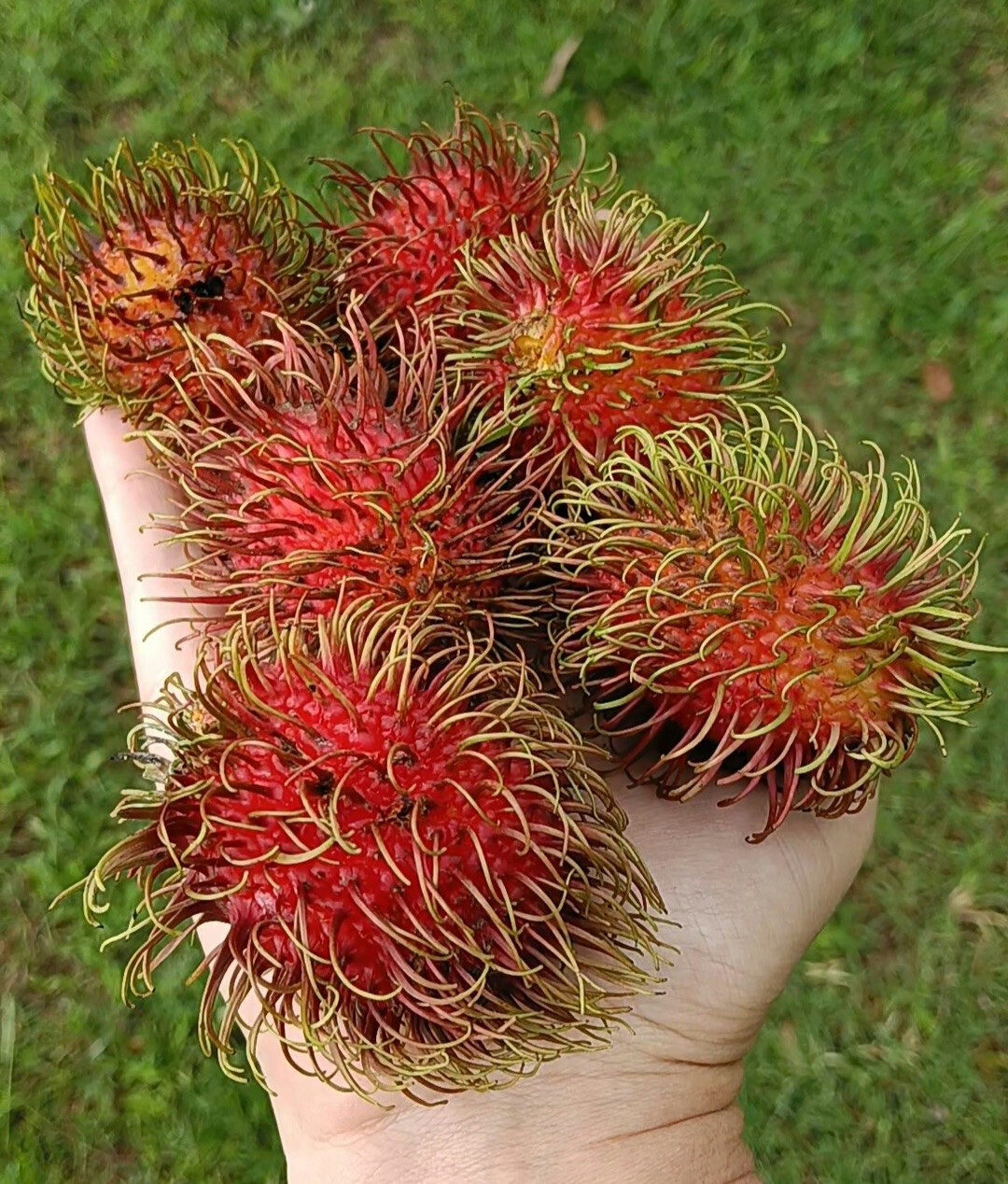
Medium-term crops: papaya, tamarillo, pepino, and passion fruit (6–12 months), rambutan and pineapple (2–3 years), and some citrus (1–3 years).
Once, we planted papaya in a 50-liter container near the house. The yield was small, but the fruits were very sweet.
Flowers and Ornamental Plants
Those who love beautiful flowers should consider zephyranthes (rain lilies). These elegant plants bloom during the rainiest days, decorating terraces with bright flowers and lifting the mood. They require little space — a 5-liter container is enough.
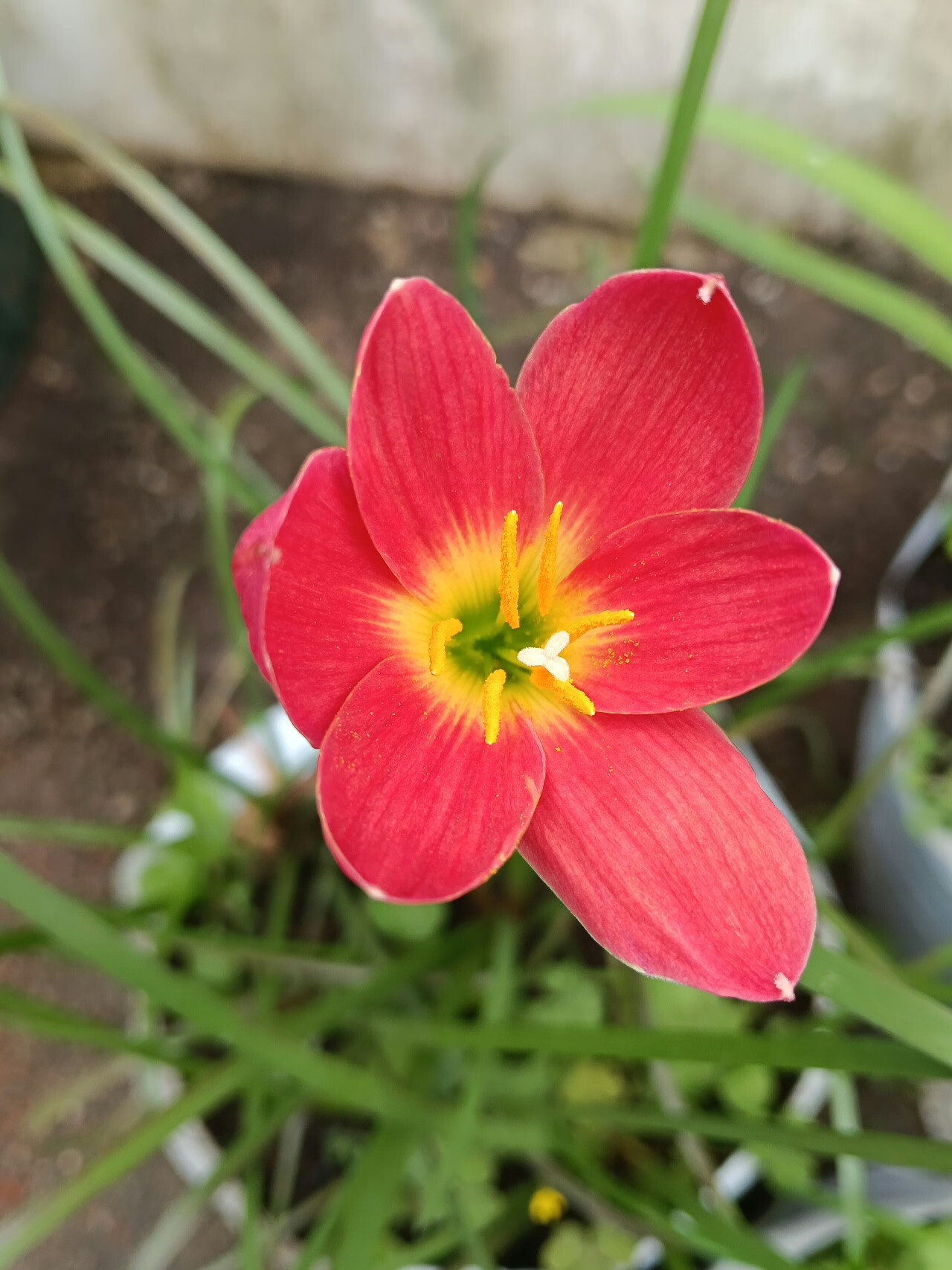
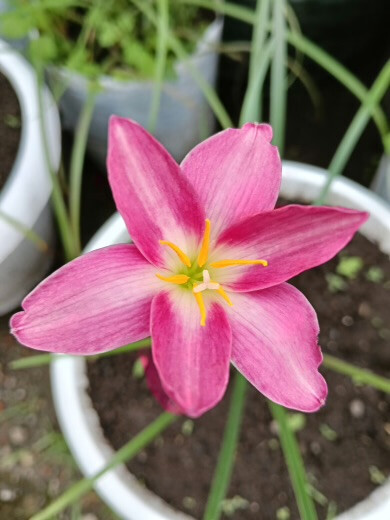
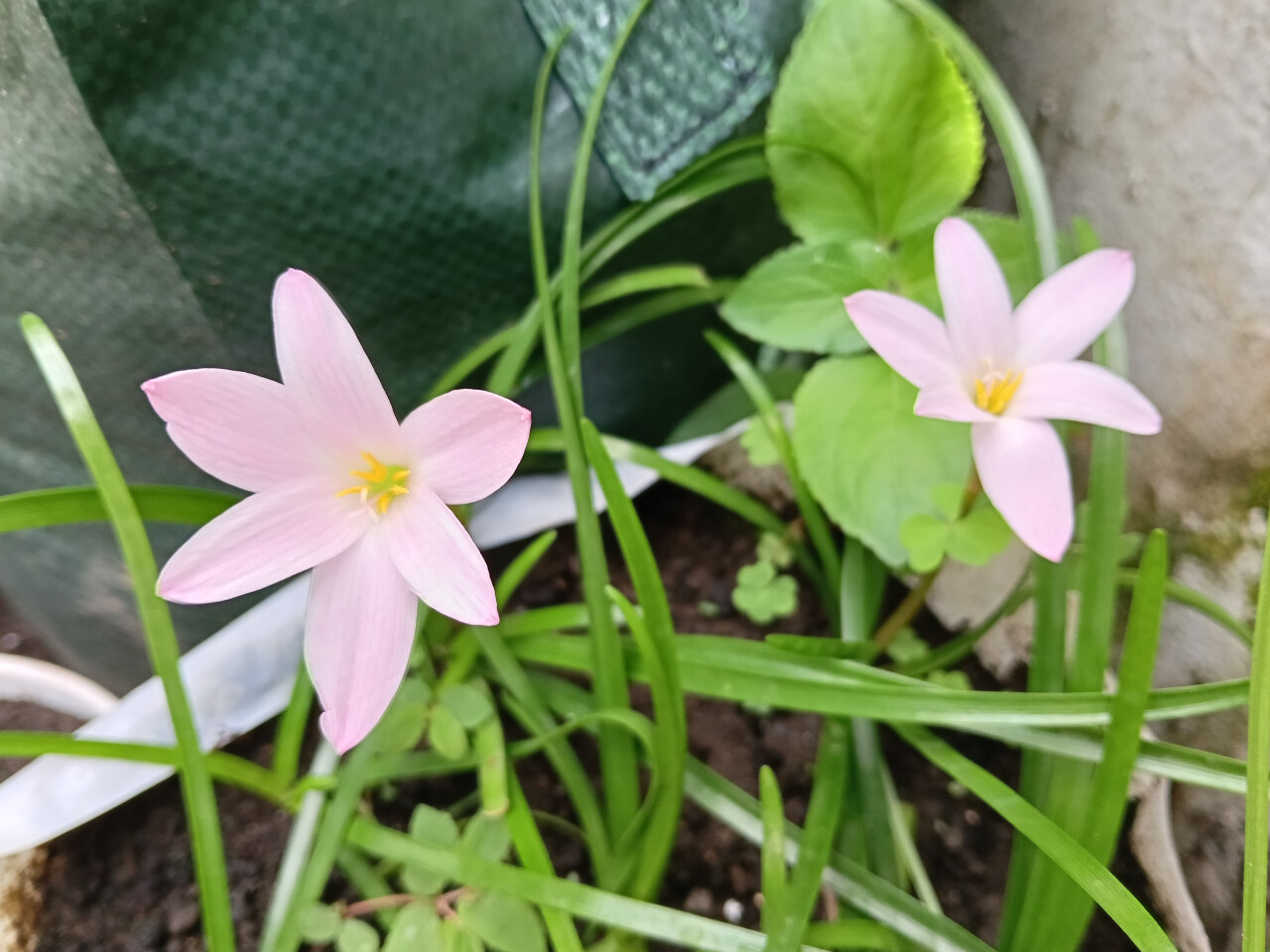
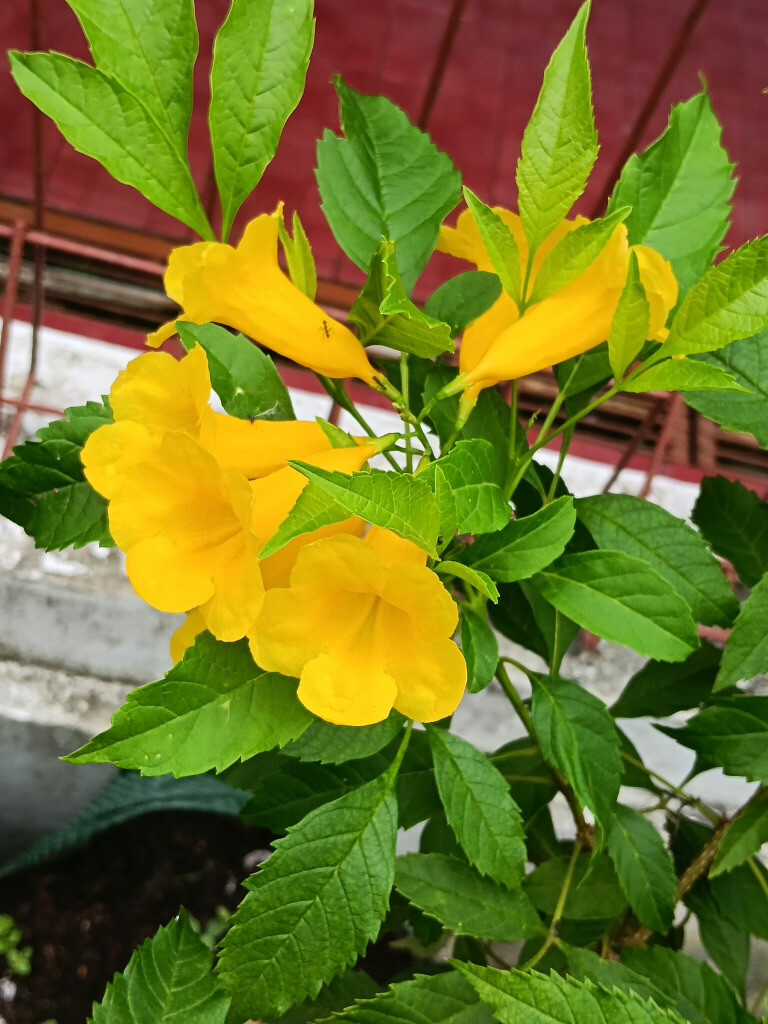
Zephyranthes of different varieties
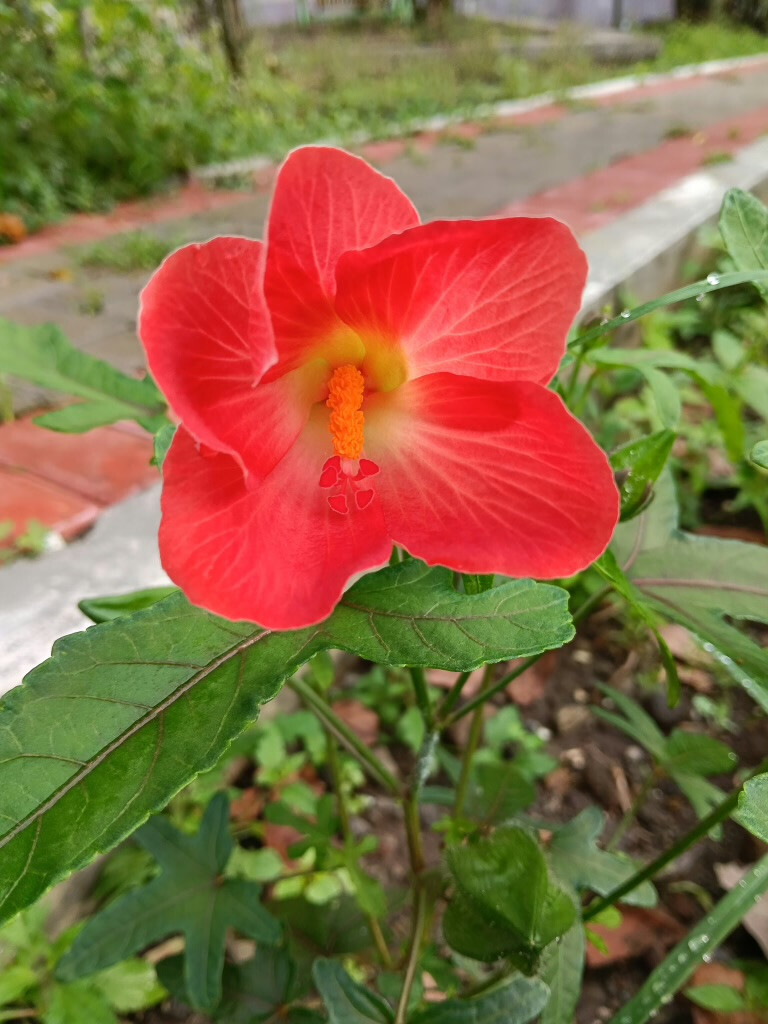
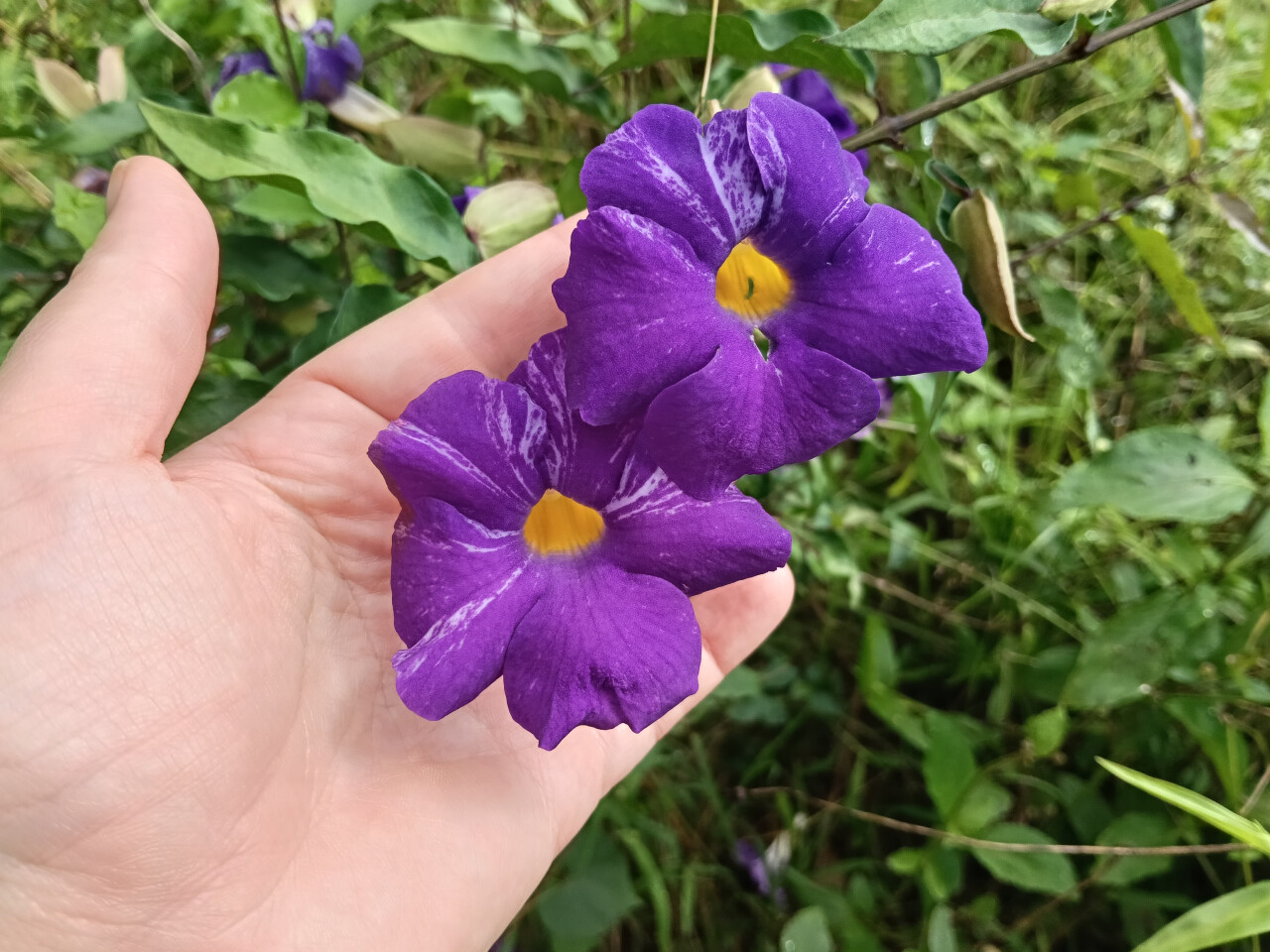
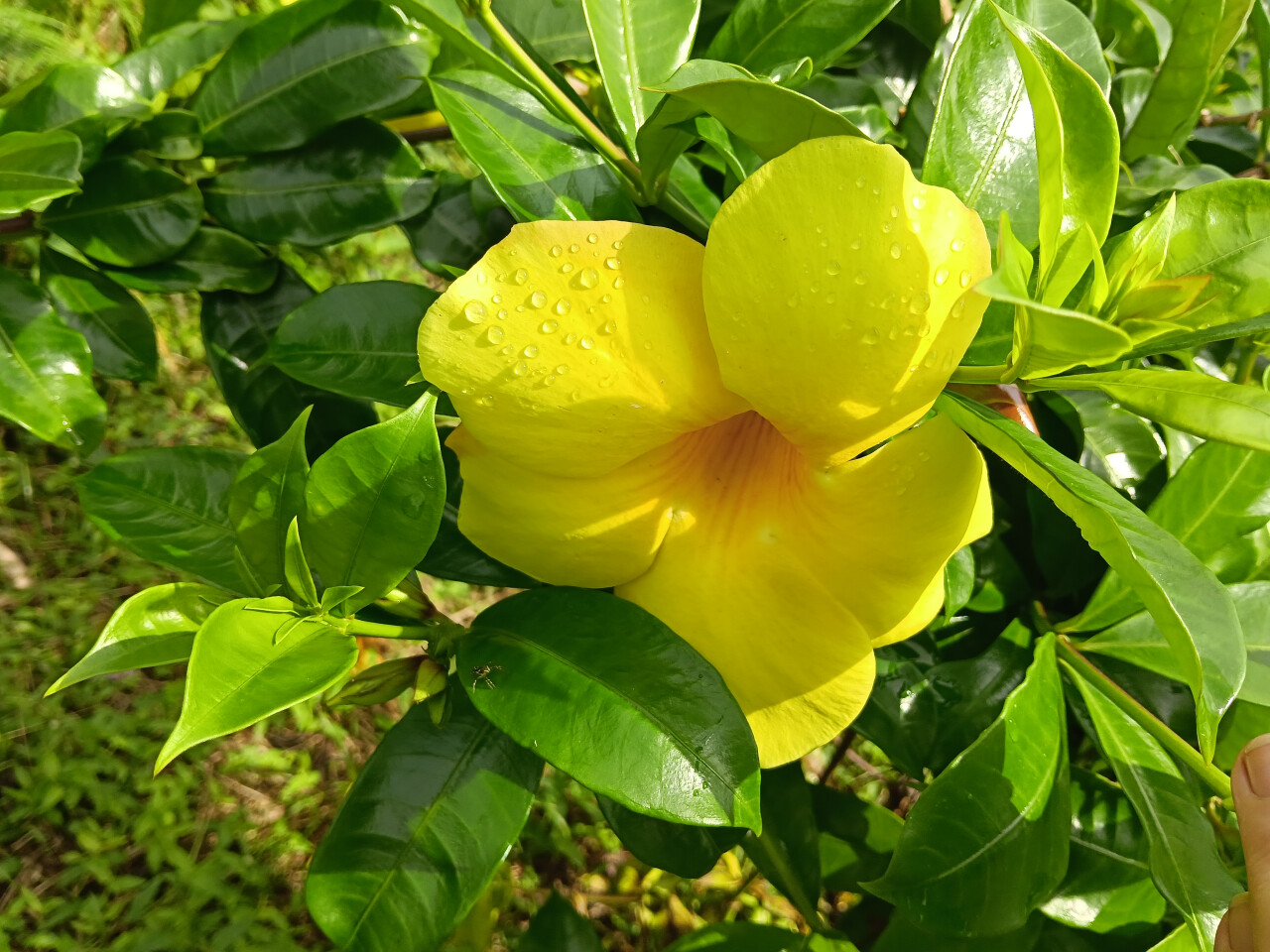
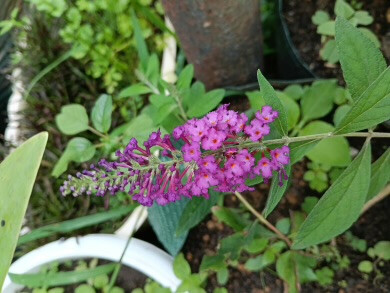
If you miss lilac-like shrubs, you can plant dark-purple buddleia. For lovers of bright colors, consider tecoma, allamanda, hibiscus, thunbergia, and ixora. In my experience, buddleia needs about a 20-liter pot, while the others need 20–50 liters. In just 3–4 months, a small plant can turn into a lush bush that blooms year-round, attracting tropical butterflies with its fragrance.
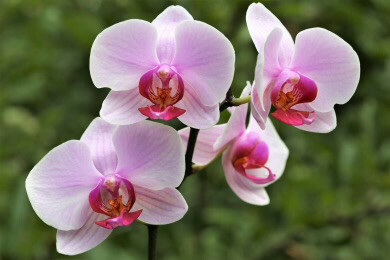
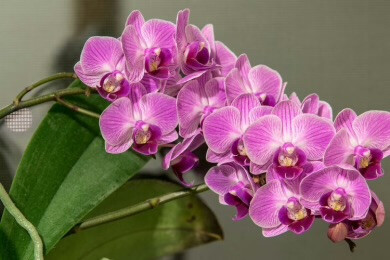
Wild orchids (bunga anggrek) grow naturally throughout tropical Indonesia. Many people cultivate them at home, and the variety of cultivated orchids is astonishing. They require a special substrate and can later be attached to tree trunks in the garden.
Practical Tips
Where to buy seeds and seedlings: local markets (pasar), gardening centers in Ubud and Canggu, and Balinese nurseries (toko bibit, pembibitan). Avoid buying seedlings online — survival rates are low.
What you need: large planter bags (50–100 liters for fruit trees, 10–30 liters for vegetables and flowers) and a good soil mix.
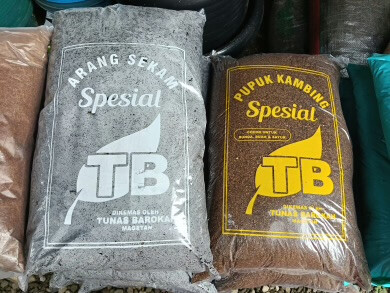
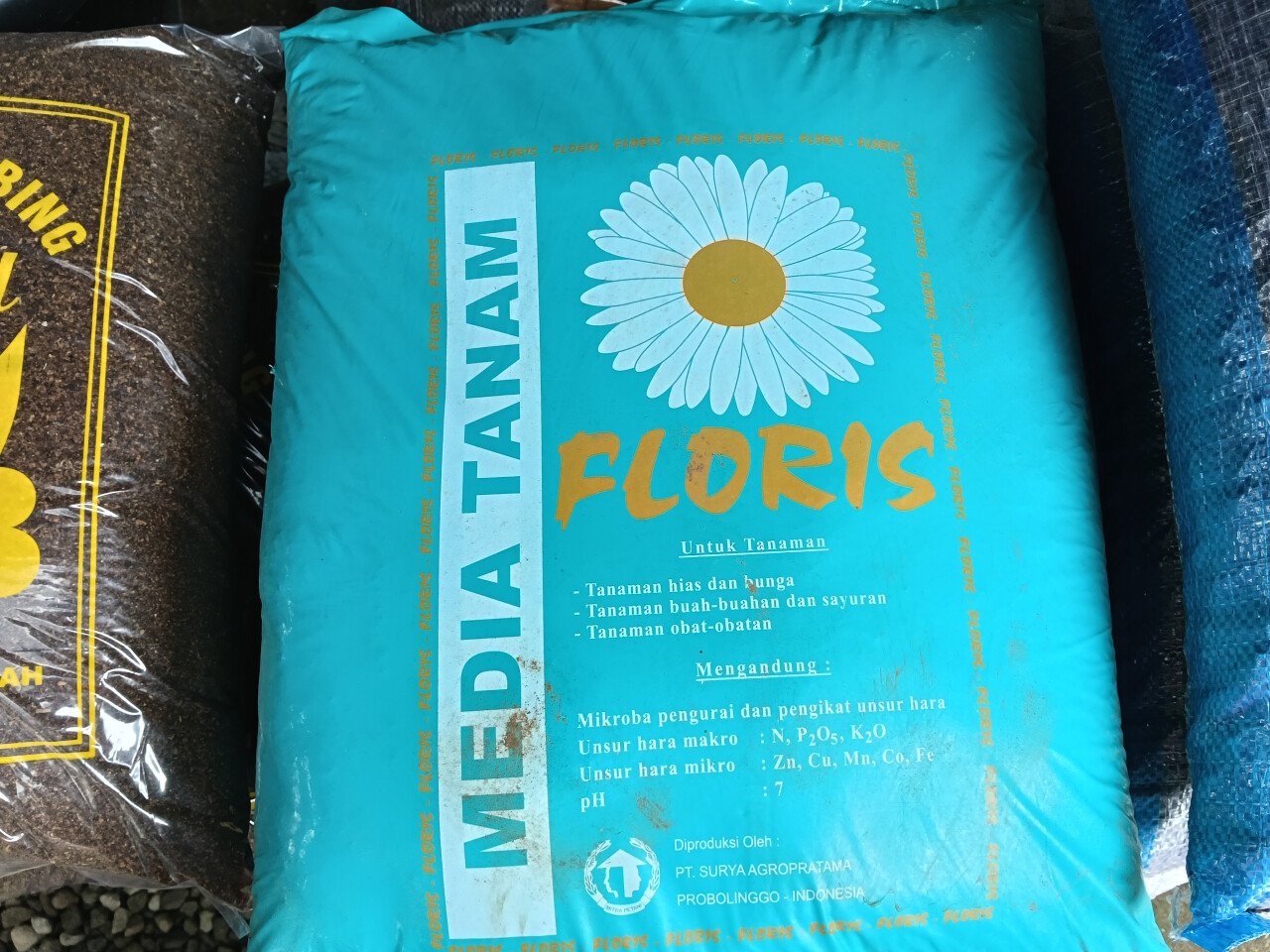
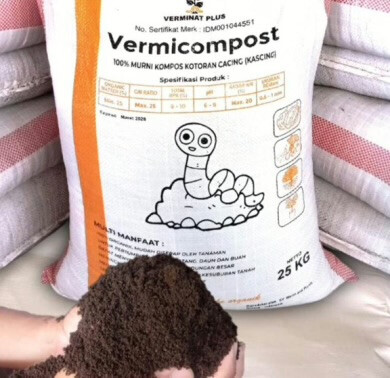
Soil mix, rice husk ash, manure, vermicompost
When buying ready-made soil, check the composition carefully. Many mixes contain raw rice husk (sekam mentah). Instead, you need rice husk ash (sekam bakar or arang sekam), since raw husk often contains fungal spores that cause root rot. To ensure safety, it is often better to mix soil yourself: three parts garden soil, one part vermicompost, and one part rice husk ash.
Vermicompost is safer than manure because it has already been processed by worms. Poorly fermented manure often burns roots. Vermicompost can be found in agricultural stores (toko pertanian) or nurseries, as well as on local marketplaces.
To protect plants from pests, neem leaf powder (Azadirachta indica) can be added instead of pesticides, at a dose of about 100 grams per 5 liters of soil.
Be cautious with cocopeat — it can attract termites.
The main secret: don’t be afraid to experiment. Bali’s climate is so favorable that even beginners achieve excellent results.
Wisata Petik Buah: Fruit-Picking Tourism
Before starting your own garden, it’s worth visiting wisata petik buah — fruit-picking tourism. This popular form of agrotourism allows visitors to tour farms and plantations, harvest fruit by hand, and learn how tropical crops are grown.
Popular places in Bali:
- Strawberry farms in Bedugul, where the cool mountain climate is perfect for strawberries
- Coffee plantations in Kintamani and Ubud, offering tastings and tours of coffee production
- Dragon fruit farms with striking pink fruits growing on cactus-like plants
These trips are not just entertainment but also educational. Many visitors are inspired to start a small garden of their own after such experiences.
Ecotourism and Sustainability
Gardening in Bali naturally fits into the growing concept of ecotourism. By growing your own fruits and vegetables, you:
- Reduce your carbon footprint
- Follow the “farm to table” principle at home
- Avoid plastic packaging
- Enjoy food free from pesticides and chemicals
Some expats form communities focused on sustainable living, exchanging seeds, seedlings, and experience.
For Villa Owners with Gardens
If you have a yard, the rainy season is the best time to plant fruit trees. Survival rates are close to 100%, watering is minimal, and growth is rapid thanks to abundant moisture.
Just plant seedlings and enjoy the process — lush greenery appears quickly, and in time you can harvest fruit right at home. Imagine your own mini fruit-picking garden on your terrace.
If you love berries, consider the local Sumatran raspberry (Rubus sumatranus). It produces abundantly, does not spread aggressively, and the berries are sweeter than many tropical raspberries.
When planting in open ground, dig a hole 50–100 cm wide and deep, fill it with soil mix and neem powder (about 1 kg per large seedling). Mix the soil from the hole with ash and vermicompost in a ratio of three parts soil to one part compost and one part ash, plus 0.5–1 kg neem powder.
Gardening in Bali is not only about having fresh fruits and vegetables on your table. It is also a way to connect more deeply with island life, feel closer to nature, and create something with your own hands. Try it — and you’ll understand why locals love their gardens so much.

You can add one right now!