
Turtle nesting season has begun on the beaches of southern Bali. The Sea Turtle Rescue Centre in Kuta reported that between February and April they have already moved 24 nests to an incubator. They were found along the stretch from Legian to Jerman Beach, near the airport.
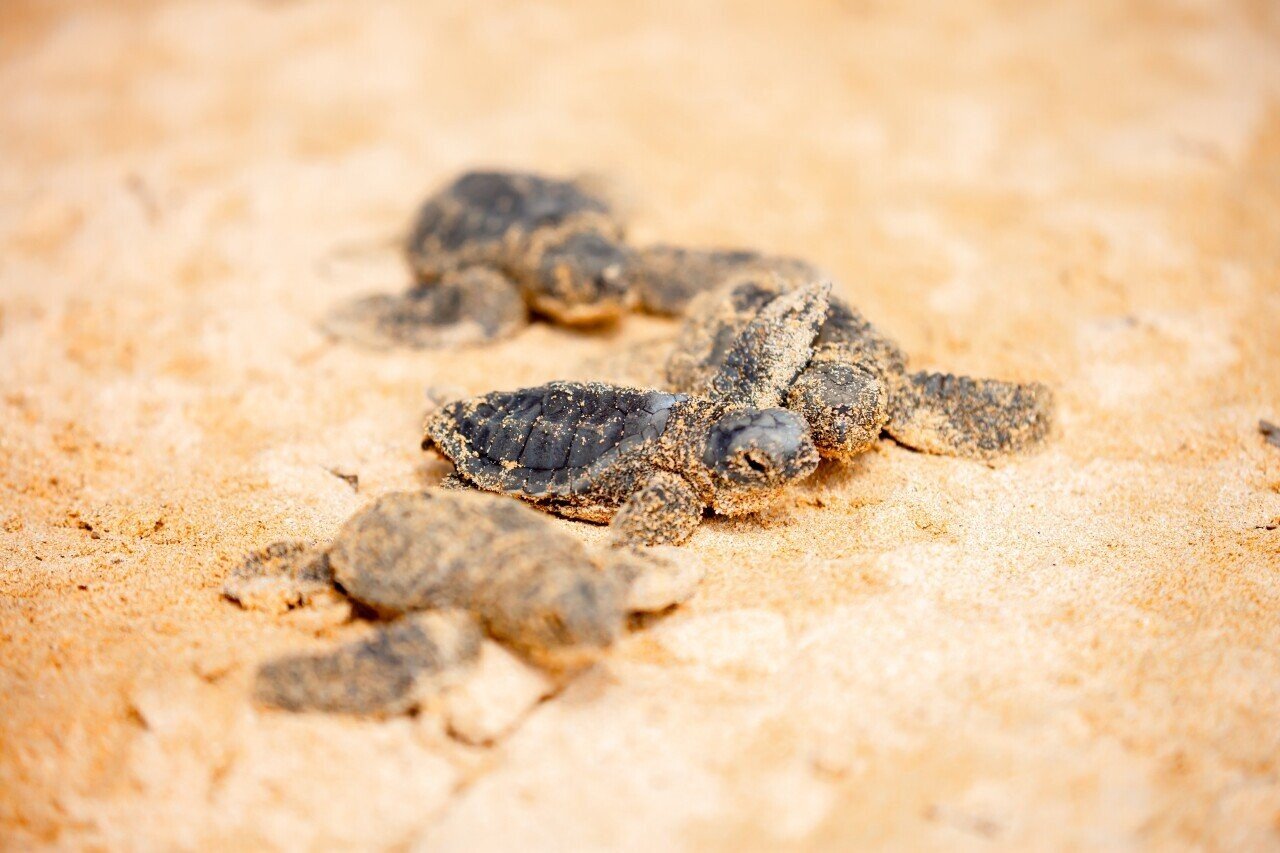
The eggs are moved to ensure they survive until hatching. On an open beach, nests can be crushed by people, dug up by dogs or damaged by waves. Rescuers wait until the female finishes laying and returns to the ocean, and only then take the eggs to the centre. One nest can contain from a few dozen to well over a hundred eggs. The team is currently finding an average of two to three nests a day, with the peak of the season expected in June and July.
If you see a turtle on the beach in the evening or at night, don’t go too close, don’t shine a torch at it and don’t take photos with flash. You must not touch the reptile, steer it towards the water or try to “help”. Light, noise and people nearby can scare the female, and she may return to the ocean without laying her eggs.
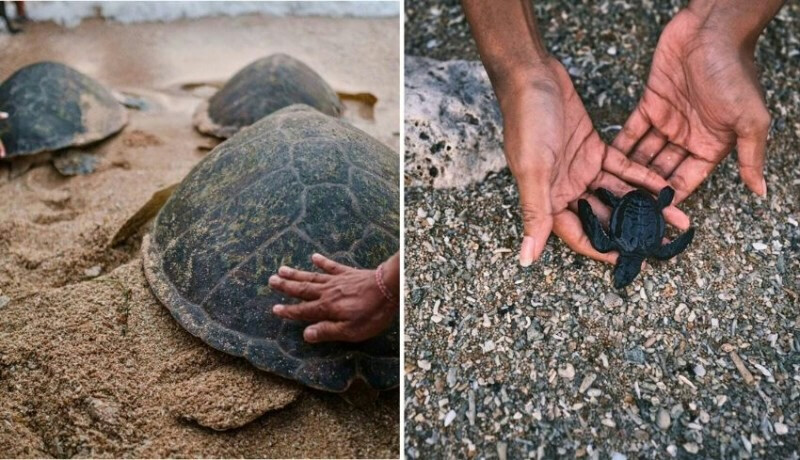
If you notice a nest, turtle tracks or hatchlings on the beach, it’s best to inform rescuers or staff at the nearest turtle centre. It’s also best not to pick the hatchlings up — it’s important they make their way across the sand to the water on their own. Before leaving the beach, it’s helpful to clear away rubbish, fill in holes in the sand and avoid leaving sun loungers or other obstacles near the waterline.
The most common turtles in Bali are olive ridley turtles, green turtles and hawksbill turtles. All sea turtles in Indonesia are protected by law: they are threatened by the loss of nesting sites, the trade in eggs and shells, plastic waste and intensive coastal development.
Sources: nusabali.com, wwf.id

You can add one right now!