
Any construction or commercial projects in the Batur and Kintamani area must be approved by local elders and custodians of tradition.
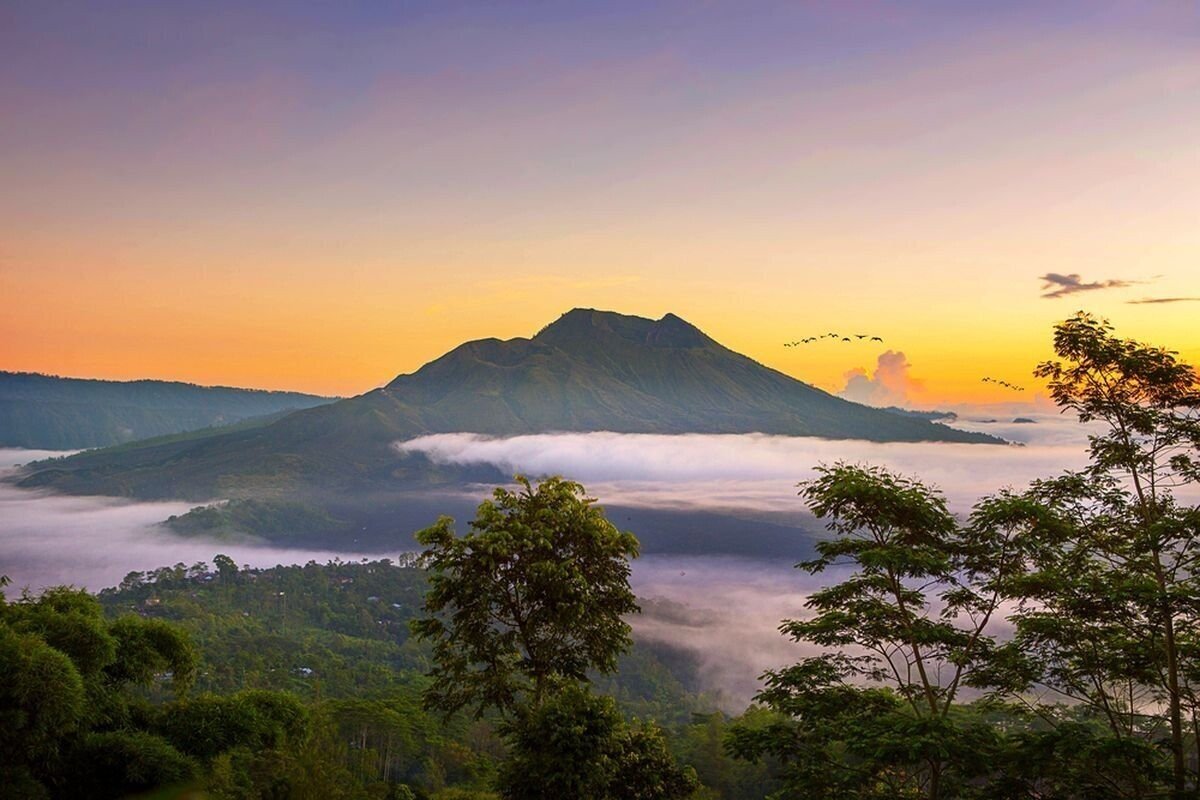
Bali Governor Wayan Koster made the statement during a melaspas purification ceremony at the historic site of the old Batur village. The event marked the 100th anniversary of Rarud Batur — the exodus of villagers from the caldera following the volcanic eruption of 1926.
The governor issued direct instructions to the Natural Resources Conservation Agency (BKSDA) and the Bangli Regency administration, stressing that Kintamani is not simply a popular tourist destination known for its scenic views, but one of the oldest centers of Balinese civilization.
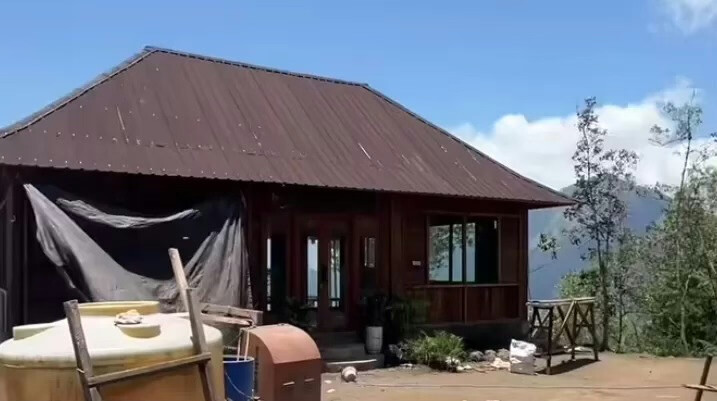
Koster said that a sacred mountain should be revered and contemplated from a distance rather than “trampled on,” and ordered authorities to put a stop to activities that damage or pollute Mount Batur and Lake Batur.
He emphasized that economic development must not come at the expense of spiritual heritage. The area can continue to generate income for local residents, but tourism and business should be developed through properly planned viewpoints overlooking the volcano and lake, without encroaching on sacred areas.
“If we destroy the roots of civilization at Mount Batur, its aura will be disturbed and it will no longer radiate its sacredness,” the governor said.
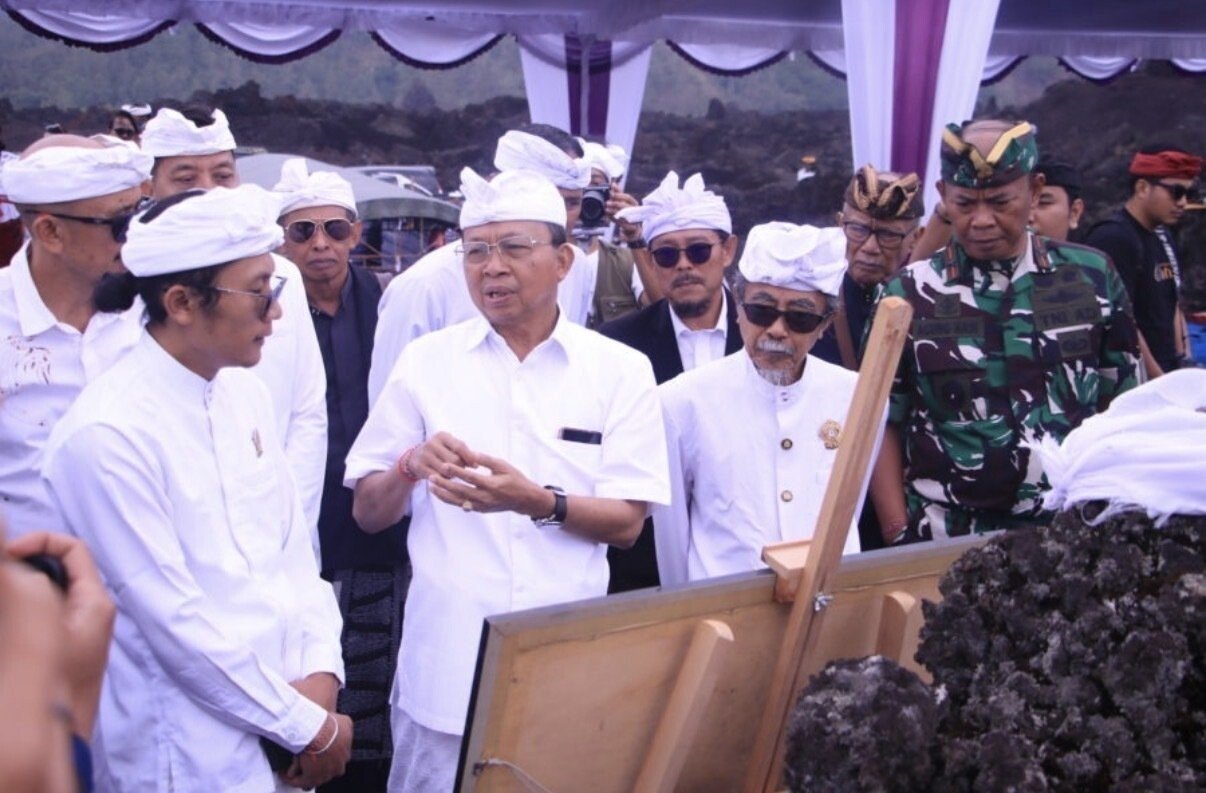
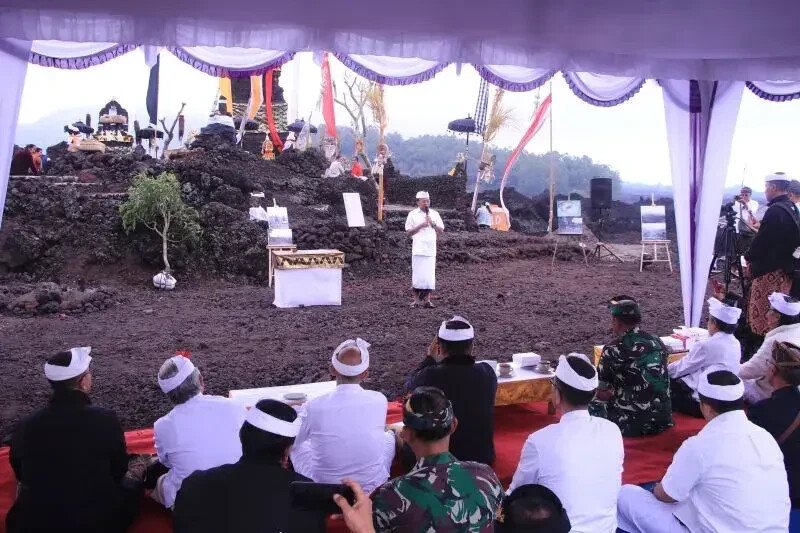
The ceremony was held at the site of the former Purwa Mandala settlement on the floor of the caldera, known locally as the “zero point.” It was from this location that the entire community was forced to flee during the devastating volcanic eruption of 1926.
The search for the exact location of the old village and the original Ulun Danu Batur Temple took around 12 years. Historians and local elders reconstructed the site using archival photographs from the Dutch colonial era and the ancient Batur Kalawasan manuscripts.
Their research revealed that the original temple consisted of just two structures: an 11-tiered Meru shrine and the Kori Agung gateway. The authorities and local community decided not to fill the historic site with new temple buildings, choosing instead to preserve it as an open historical and educational area.
To commemorate the 100th anniversary of the historic exodus, the Batur Village Festival will take place from August 2 to 8, 2026.
On August 3, a large-scale historical reenactment will also be held. Local residents will walk from the zero point on the caldera floor to the village of Bayung Gede, retracing the evacuation route taken by their ancestors after the 1926 disaster.
The panoramic views of the caldera, lake and volcano can also be seen on MyBaliTrips’ Kintamani tour. The itinerary includes lunch at a restaurant overlooking the lake, a visit to Kintamani village and local coffee plantations.
Sources: ANTARAnews, BaliPost

You can add one right now!