
Riding elephants is a popular activity in Asia that elephants themselves cannot stand. Bali's largest 'conservation centers,' Mason Elephant Park & Lodge in Taro, have been suspected of mistreatment. Visitors and animal rights activists report conditions far from normal, with elephants having skin wounds, being chained, and baby elephants forced to carry tourists.
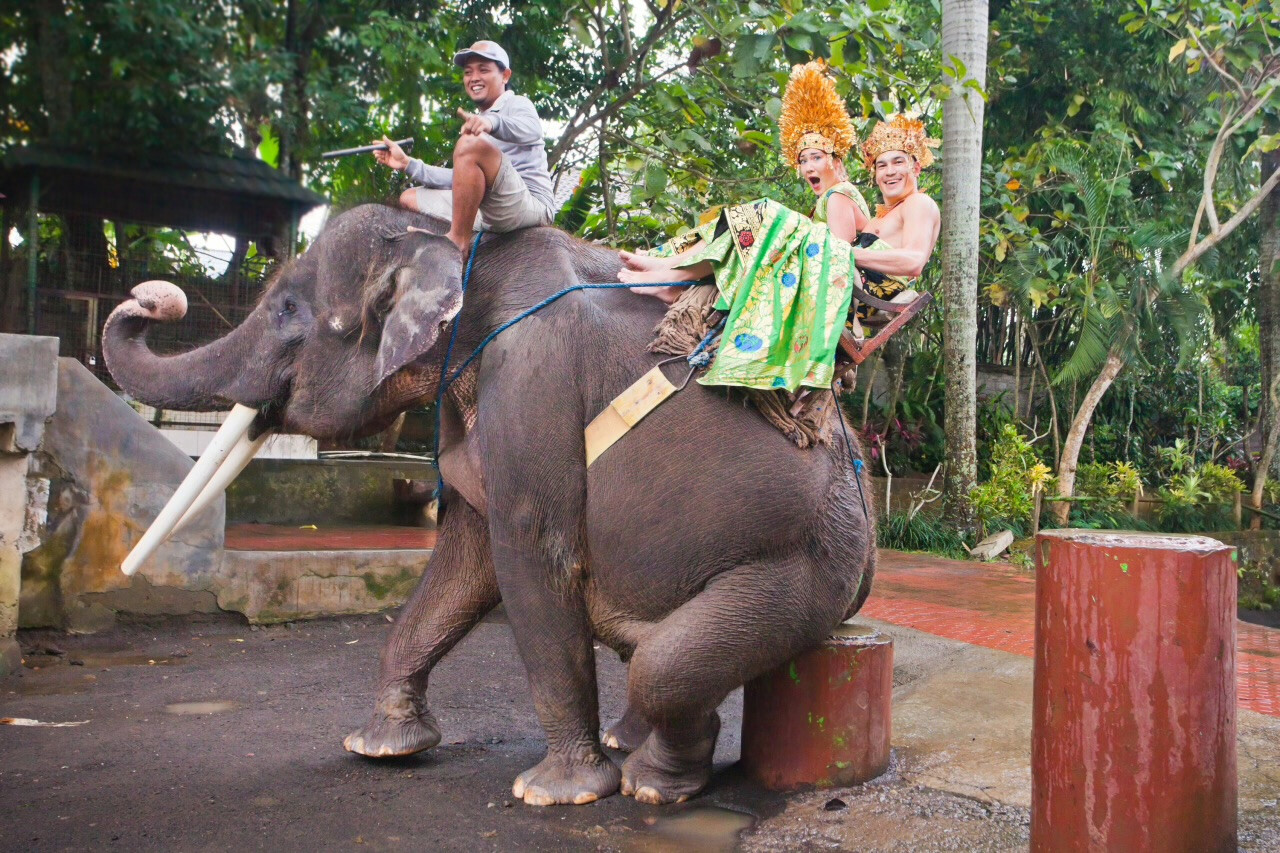
Following online publications, the head of Bali's Natural Resources Conservation Agency (BKSDA), Ratna Hendratmoko, announced that elephant riding practices in Bali should be reduced and ideally stopped entirely. The agency proposes shifting to an educational format of working with animals and ending riding activities.
The scandal erupted after photos and videos from several tourist sites in Gianyar and Klungkung appeared on social media. They showed elephants with skin injuries, painted, with passenger seats on their backs, and chains on their legs. These images prompted inspections. Although these establishments are formally licensed to keep animals, activists note, 'A license does not make a park ethical.'
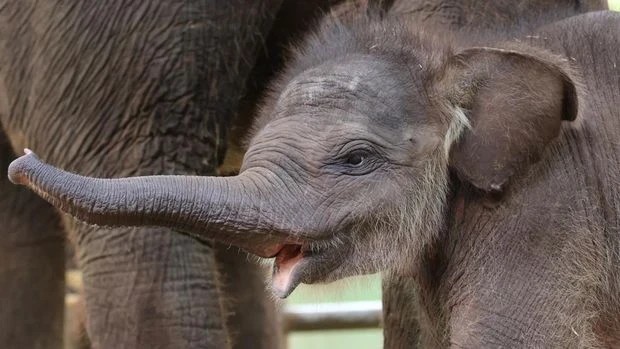
Organizations PETA Asia and PETA India have been criticizing Bali's elephant attractions for years: animals are kept on short chains, beaten, forced to carry tourists, swim with them, and perform in shows. According to them, 'ethical elephant tourism' does not exist in Bali—the entertainment is based on suppressing the animals' will. A particularly sensitive issue is young elephants, which are taken from their mothers early and put to 'work': giving rides, posing for photos, learning tricks.
Mason Elephant Park & Lodge has fully rejected the accusations. In its statement, the park administration emphasizes that it is 'the only fully verified and approved elephant facility in Indonesia,' and all animals receive care, food, and veterinary support according to captivity rules.
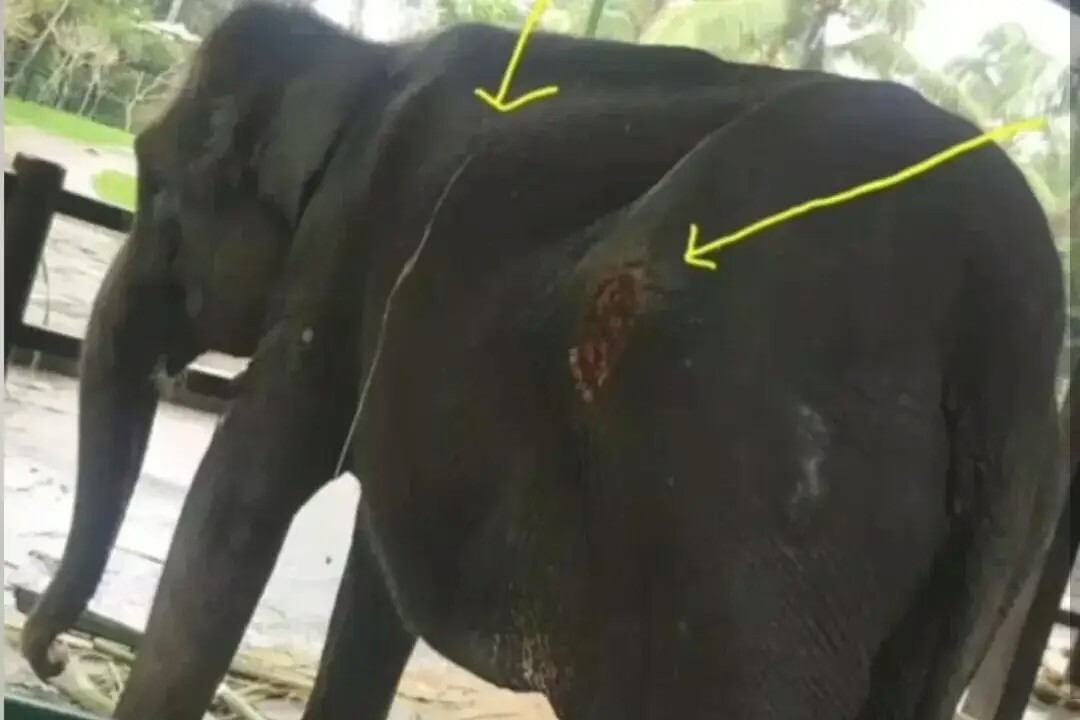
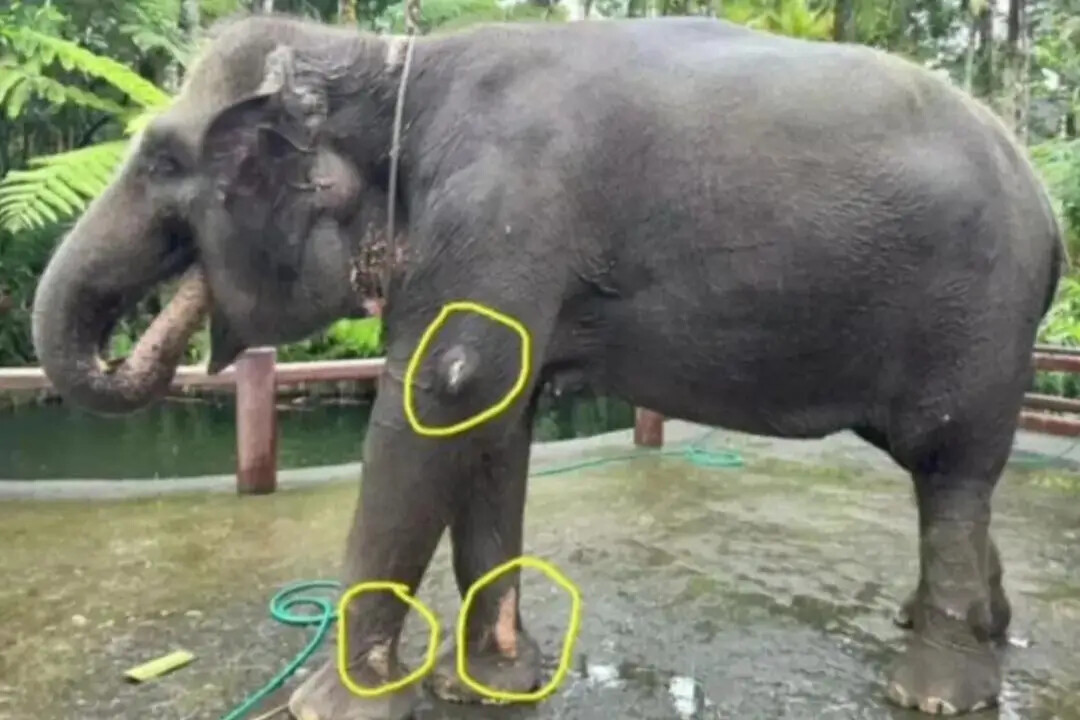
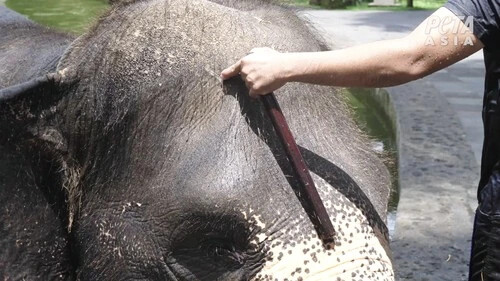
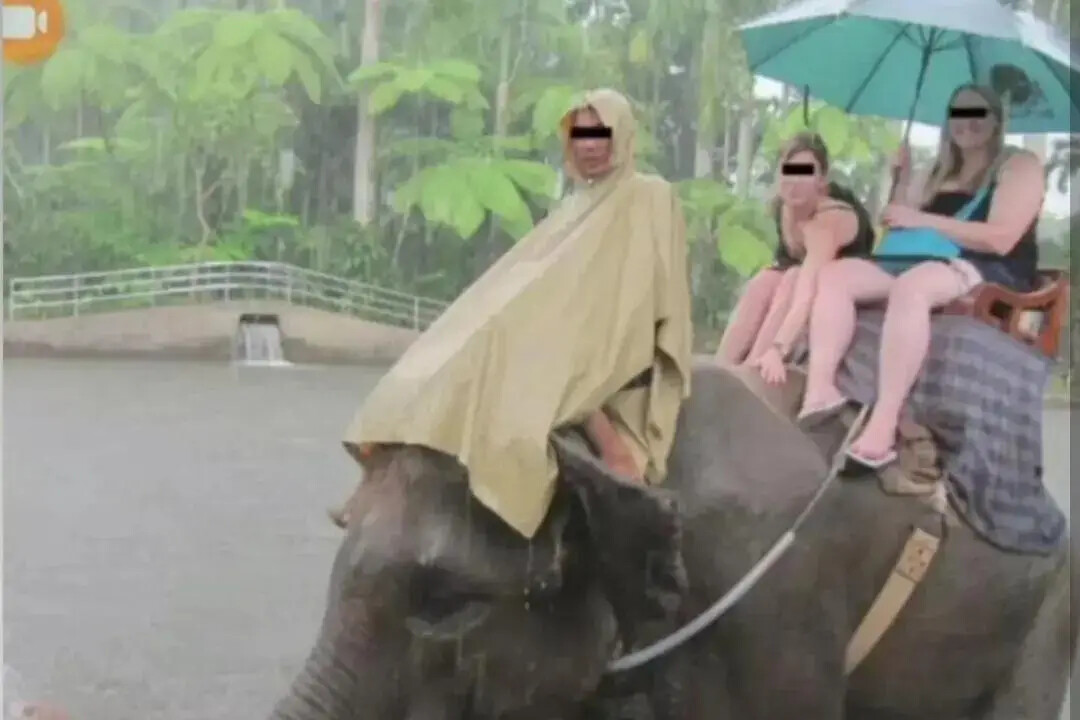
Photo: idntimes
The story takes on a darker turn when considering the tragedy at Bali Safari Park: an elephant killed a keeper there. The park's administration tried to present it as an 'accident,' but the incident further spurred discussion about the conditions elephants face and how constant stress and overwork impact their behavior.
The comments section exploded with outrage. It was only afterward that authorities seemed to notice the problem, which they previously seemed to prefer ignoring.
According to BKSDA, there are currently 84 elephants in five officially registered conservation institutions in Bali. Almost all are Sumatran elephants, a species on the brink of extinction. Less than a thousand remain in the wild. Tourist parks call themselves 'rescue centers,' but they continue to sell rides, bathing, and shows.
'We constantly remind conservation managers of the need to adhere to the principle of animal welfare, including for elephants,' explained Ratna Hendratmoko.
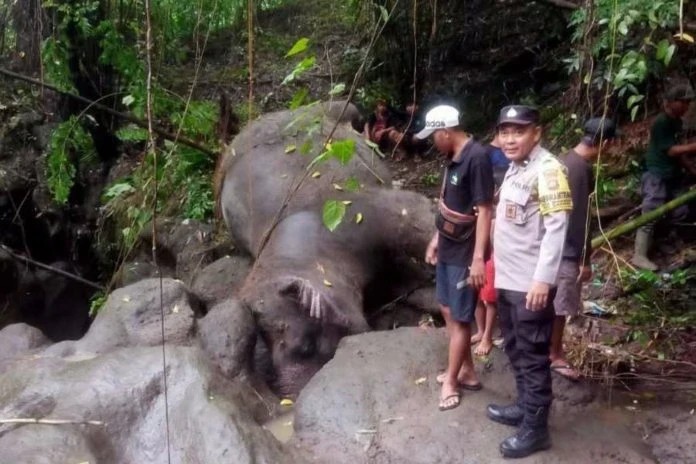
At the same time, the agency admits that there is no direct legal prohibition on elephant rides, so it's about recommendations and enhanced monitoring rather than a strict ban. In fact, public pressure—those viral posts and complaints—is the main lever.
Ratna requested reports of animal cruelty cases in Bali to the Natural Resources Conservation Agency, which promises to respond to reports and complaints. According to her, BKSDA regularly takes in abandoned animals and deals with their future.
BKSDA Bali Contacts: 0853-3377-4587(0361) 720-063
https://ksda-bali.go.id/
https://ksda-bali.go.id/
Sources: idntimes, devatanews

You can add one right now!