
Stories about animal smuggling in Bali seem to be never-ending. For example, late last year, police caught smugglers attempting to steal turtles. This time, offenders tried to bring 7,355 birds onto the island.
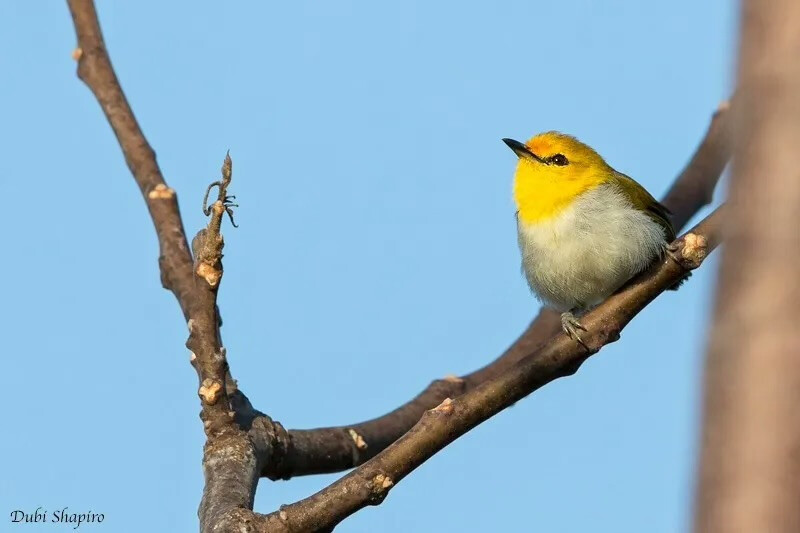
The police stopped the suspects while they were trying to deliver the birds from the island of Lombok without any documentation. The birds were transported in cages in a regular truck. The inspection was no coincidence; a special operation was conducted. The NGO Flight Protecting Indonesia's Birds, a non-governmental organization, passed information about suspicious activity to Bali's Natural Resources Conservation Agency and Bali's Animal, Fish, and Plant Quarantine Agency.
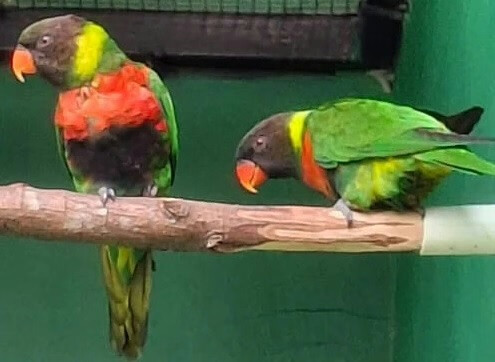
Together with the Port of Padang Bai staff, they intercepted the truck. One driver was detained; the second managed to escape. Authorities are continuing the search. The Head of Indonesia's Quarantine Agency, Sahat Manaor Panggabean, stated that the investigation is ongoing, and they are seeking all those involved in the case. "We will trace the entire chain — from where and to where. We have suspects, and catching them is only a matter of time."
In 173 cages, the police found 12 species of birds, among them 388 kacamata wallacea (Wallace's white-eye), which are a protected species. The other species are mainly common, although some are popular among bird enthusiasts. The import of any animals to the island is tightly controlled by authorities: SATS-DN certification and documents of origin are required for this.
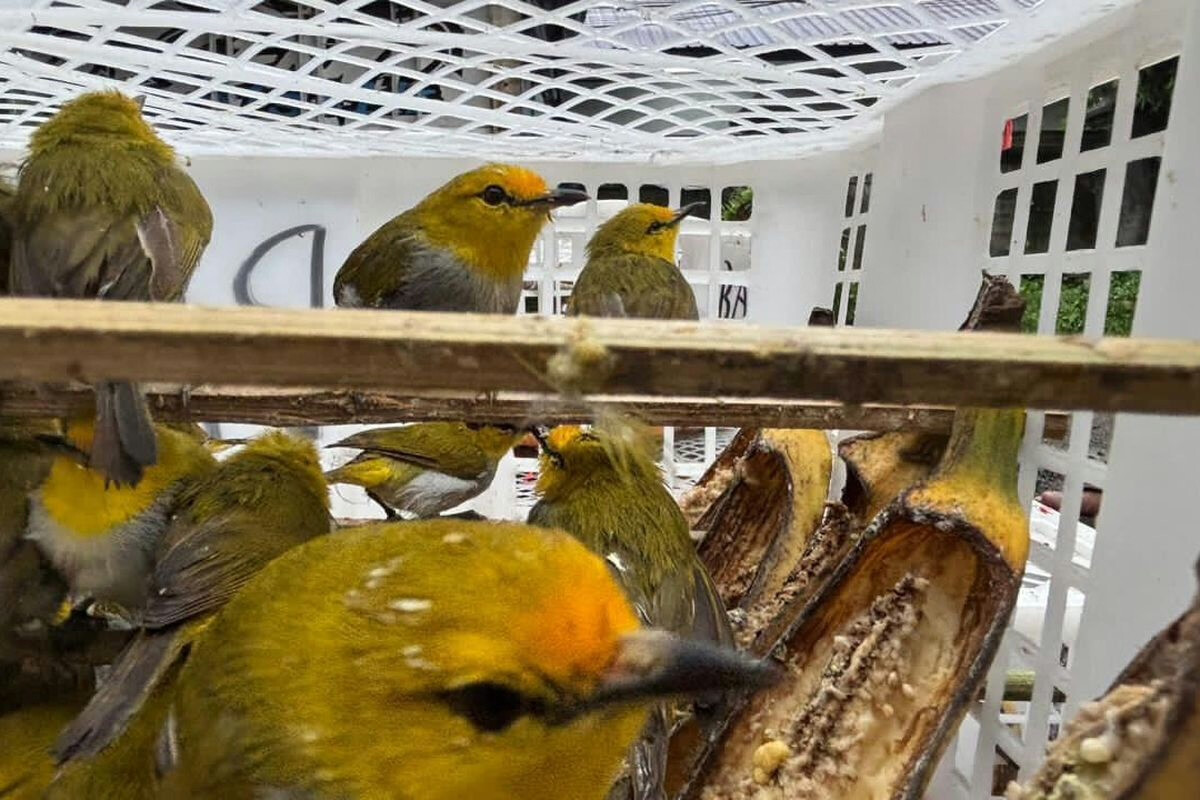
Sahat stated that strict control is necessary to reduce risks to the ecosystem. Firstly, birds without certificates can introduce diseases and parasites. Secondly, they threaten local species, potentially displacing Bali endemics from their natural habitats and leading to genetic "dilution," where closely related species interbreed, resulting in the gradual disappearance of original traits.
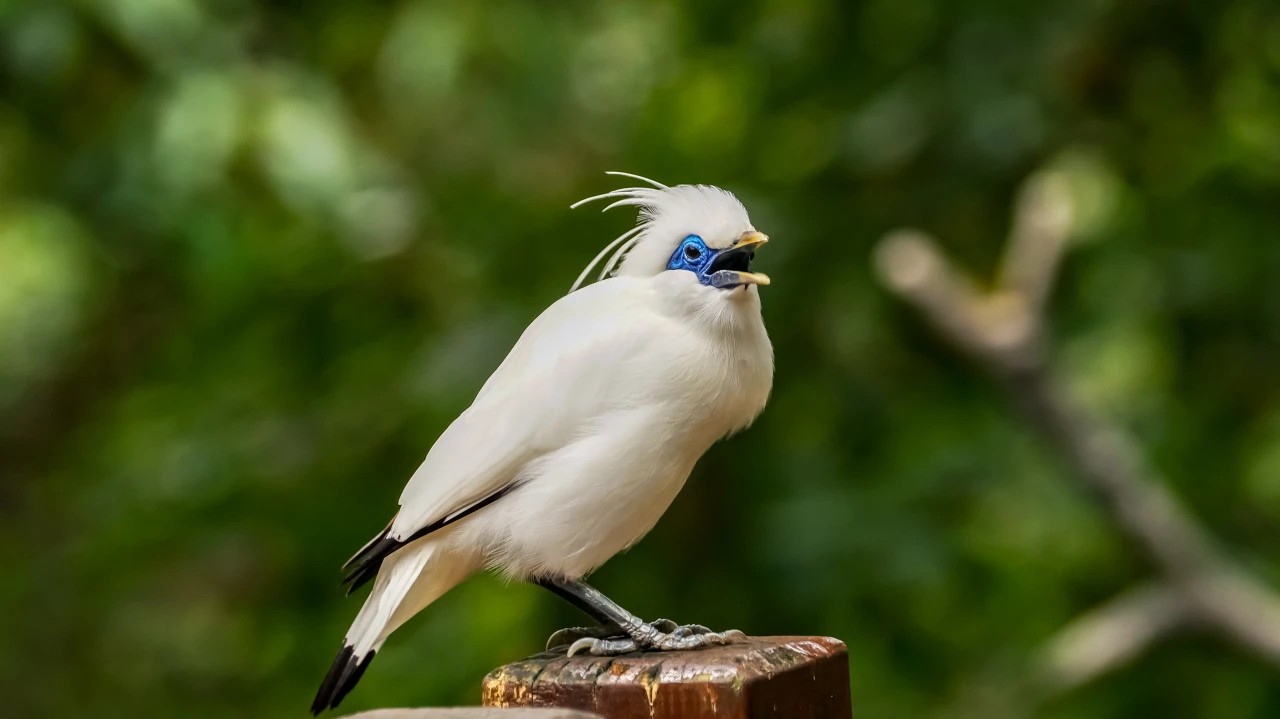
Currently, the illegal birds are located at the office of Bali's Main Quarantine Center for Animals, Fish, and Plants, where they are undergoing quarantine and rehabilitation. After health checks, most of the birds are planned to be released into their natural habitat in Sumbawa. However, some birds will remain on the island as evidence for further investigation.

You can add one right now!