
The petrol shortages that caused queues at petrol stations in southern Bali last week have worsened.
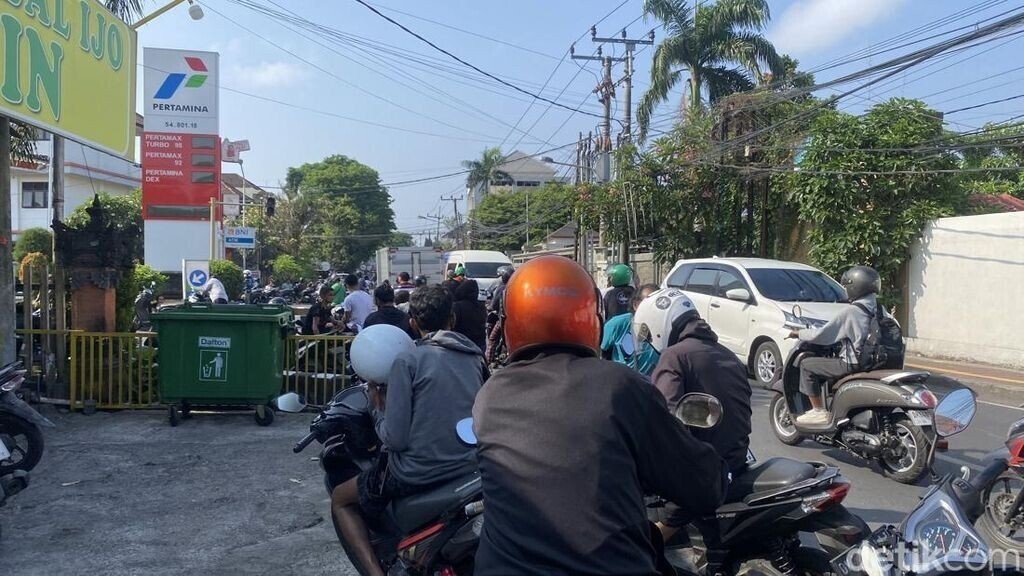
In Denpasar, stations that had run out of both Pertalite and Pertamax closed, and people waited hours for fuel even after a tanker had reached the island.
On 12 October, several petrol stations in the south of the city were closed because they had no subsidised Pertalite or Pertamax, the pricier 92-octane petrol, left. The same day, queues formed at stations in Kuta, South Kuta, Dalung and Kerobokan, with cars and scooters taking up a lane and slowing traffic.
Retail petrol was running out too. In Denpasar, the warungs that sell it in bottles had none left, and in the evening a queue about seventy metres long formed at a Pertamini mini-pump. Its owner received 90 litres at a quarter past nine, and they were sold out by eleven.
On 12 October, Bali Governor Wayan Koster summoned representatives of Pertamina, the state oil and gas company that runs petrol stations across Indonesia, and of the petrol station owners' association. After the meeting, he promised that fuel would be distributed across the whole island and that the problem would be resolved by that evening.
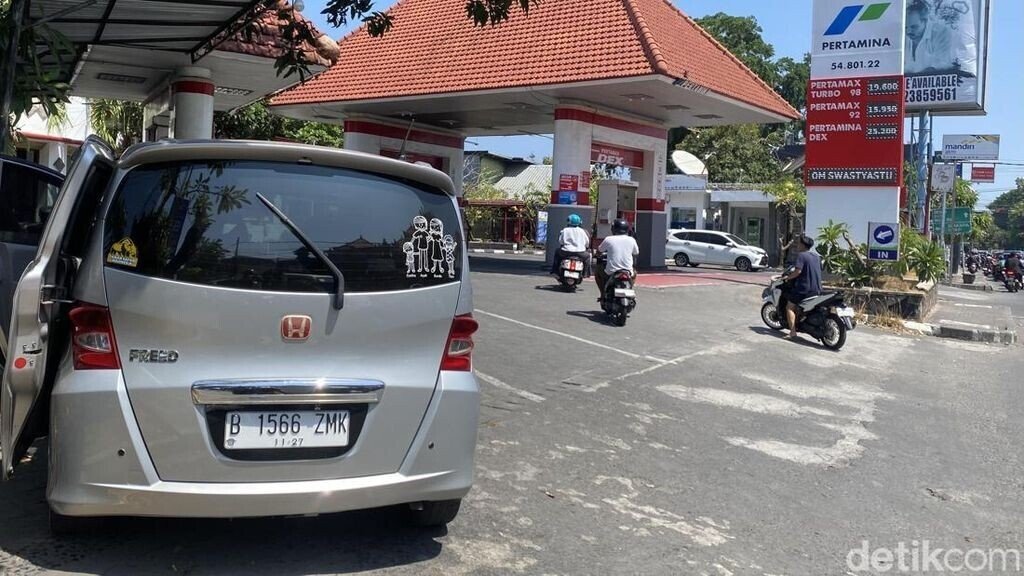
By the morning of 13 October, things had not improved. In Denpasar, dozens of people waited up to three hours at a petrol station that had run out of fuel: staff promised a delivery only in the afternoon, and the traffic jam stretched for half a kilometre.
The queue at a station in Dalung blocked a lane and slowed traffic heading towards Kerobokan, while on the bypass the jam stretched for about a kilometre.
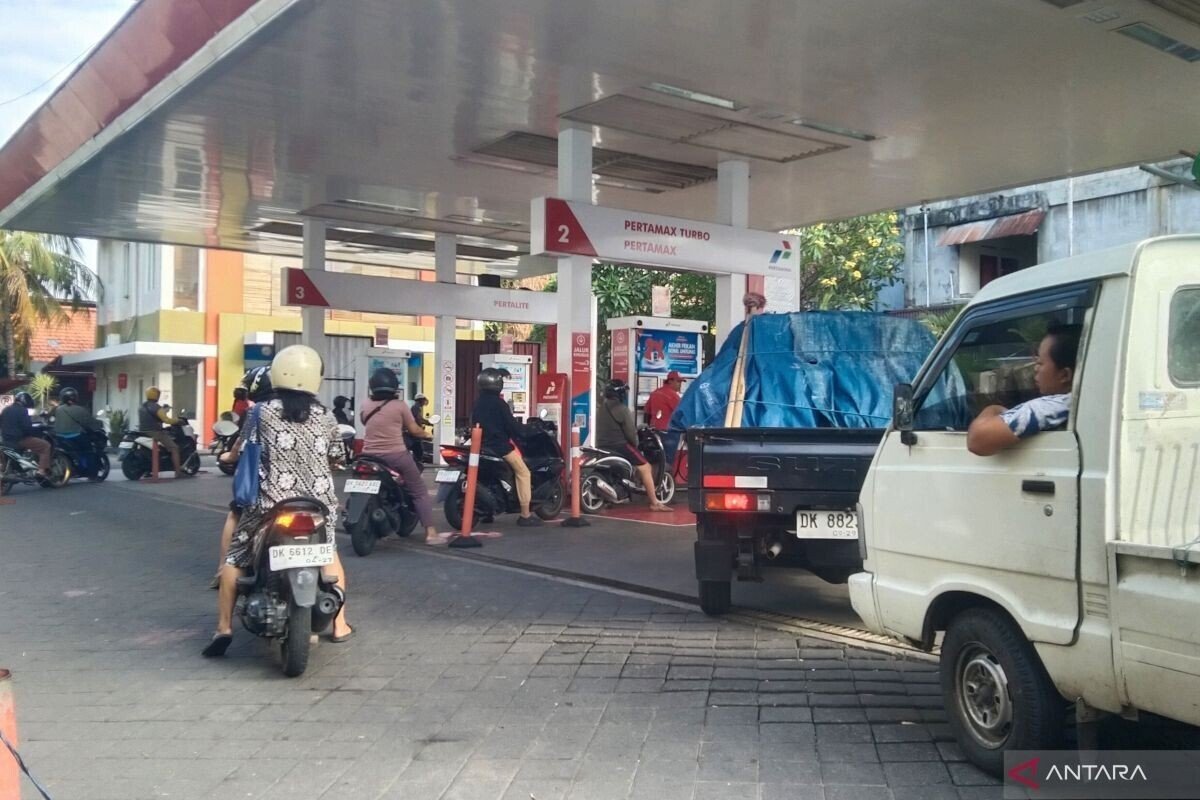
A tanker carrying 18 million litres of Pertalite and 2.5 million litres of Pertamax has already arrived at the Manggis terminal in eastern Bali. By 16 October, Pertamina promises to deliver another 26.2 million litres to Manggis and to Pesanggaran in South Denpasar. The island uses about 2.2 million litres of subsidised petrol a day.
As early as 8 October, Pertamina acknowledged that Pertalite deliveries to Bali had been delayed. After talks with the company, local authorities named a second cause as well: residents had started buying more of this petrol.
Police are stationed at petrol stations, directing traffic and making sure no one fills up several times or stockpiles fuel. On the morning of 13 October, transport inspectors were also deployed to the stations.

You can add one right now!