
As tensions in the Middle East continue to rise and fears grow that a regional conflict could escalate into something much larger, analysts and major Indonesian outlets such as Kompas and Suara have begun publishing updated lists of countries considered relatively safe in the event of a global war. Indonesia has appeared in the top 12 safest countries if World War III were to break out.
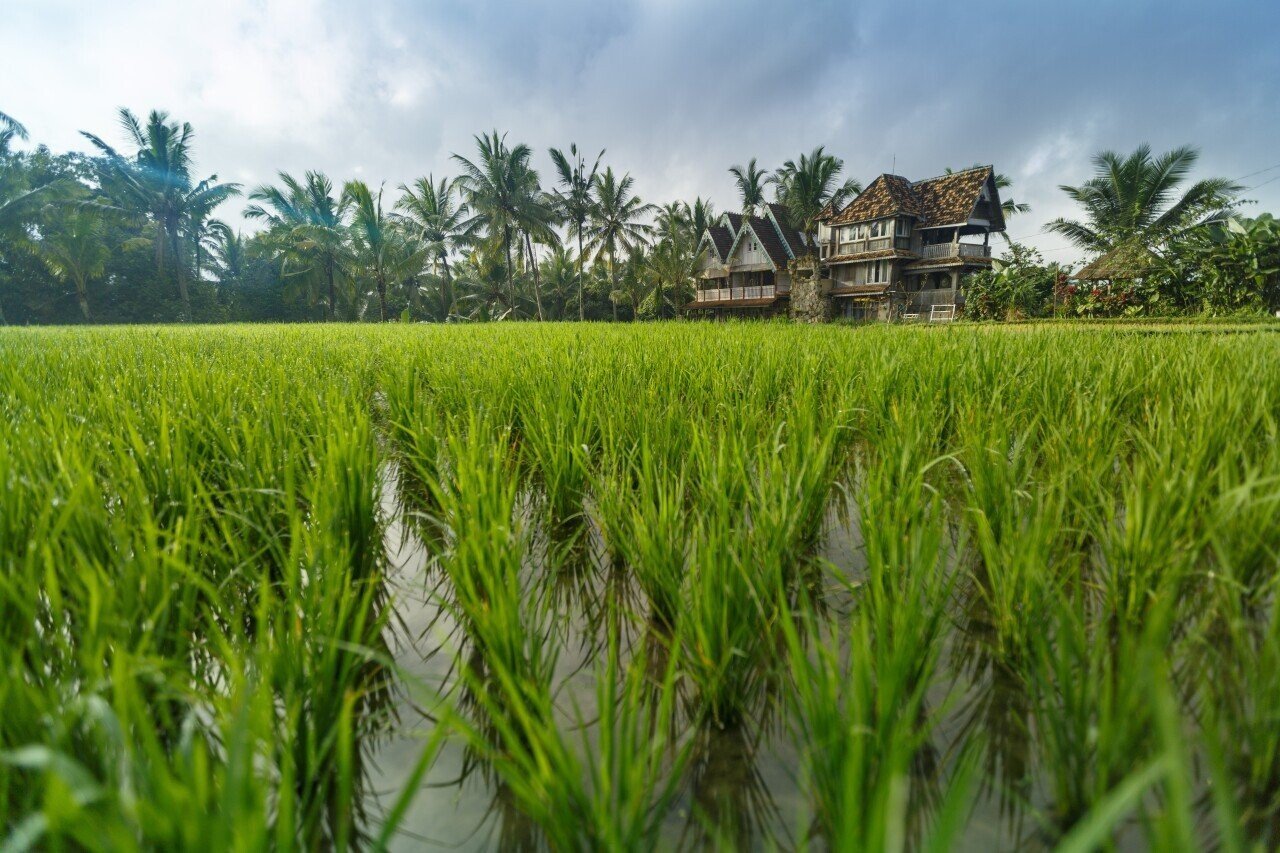
Why is everyone talking about World War III again?
The discussion intensified after February 28, 2026, when U.S. and Israeli aircraft carried out large-scale strikes on targets in Iran. According to Al Jazeera, the attacks targeted not only nuclear facilities but also members of Iran’s top leadership.
In response, Iran launched strikes on U.S. bases in Bahrain, Qatar, Kuwait and the UAE.
Nuclear conflict expert and investigative journalist Annie Jacobsen warns that if a nuclear war were ever to begin, events could unfold extremely quickly. According to her estimates, up to five billion people could die within the first hour after nuclear missiles are launched.
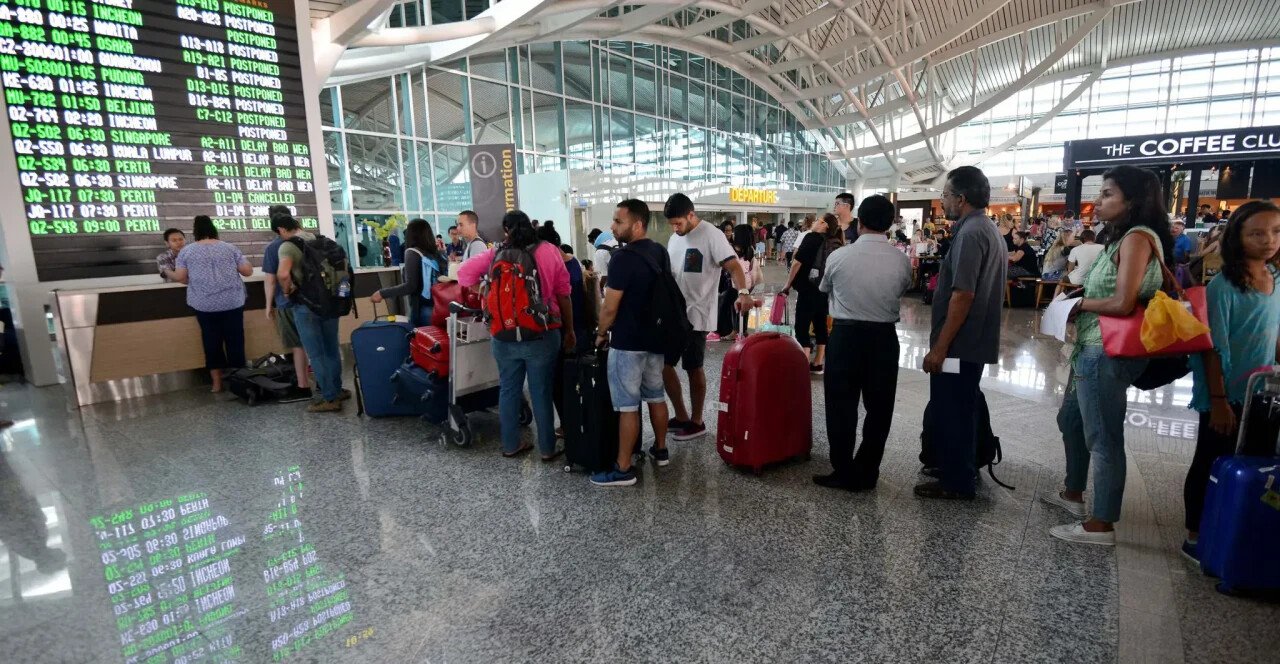
An intercontinental ballistic missile can reach the U.S. East Coast in less than 27 minutes, leaving world leaders only minutes to decide whether to respond. Beyond the initial explosions, the world could face a much longer-term catastrophe: nuclear winter.
Scientists warn that smoke and ash could block sunlight, global temperatures would drop sharply, and agriculture in many regions could collapse for years. In such a scenario, mass starvation could ultimately prove even deadlier than the explosions themselves.
Countries that may have better chances of survival
Against this backdrop, analysts and media outlets around the world have begun discussing which countries might be better positioned to endure a global conflict. Factors usually include distance from major military powers, the absence of nuclear targets, political neutrality, climate conditions and access to food.
Somewhat unexpectedly, Indonesia is appearing on these lists more and more often. Despite its proximity to Australia and major trade routes, analysts highlight three key factors that could work in the archipelago’s favor.
Political neutrality
Unlike many countries in Southeast Asia, Indonesia has followed a “free and active” foreign policy known locally as Bebas Aktif. The country is not part of any military alliance and generally maintains diplomatic relations with all sides. In the event of a global conflict, this could reduce the likelihood of Indonesia becoming a direct target.

Geographic isolation and 17,000 islands
Indonesia is the largest archipelagic nation in the world. Its thousands of islands create a natural geographic barrier, making the country extremely difficult to control or occupy militarily. For residents of Bali and other islands, this also means there are many remote areas naturally shielded by the ocean.
Resource self-sufficiency
In a potential “nuclear winter” scenario, when parts of Europe and the United States could face years of extreme cooling, Indonesia may still retain several advantages:
• Fertile land: the ability to grow food year-round
• Fresh water: large reserves across the bigger islands
• Energy resources: natural resources that could help sustain the country even if global imports were disrupted
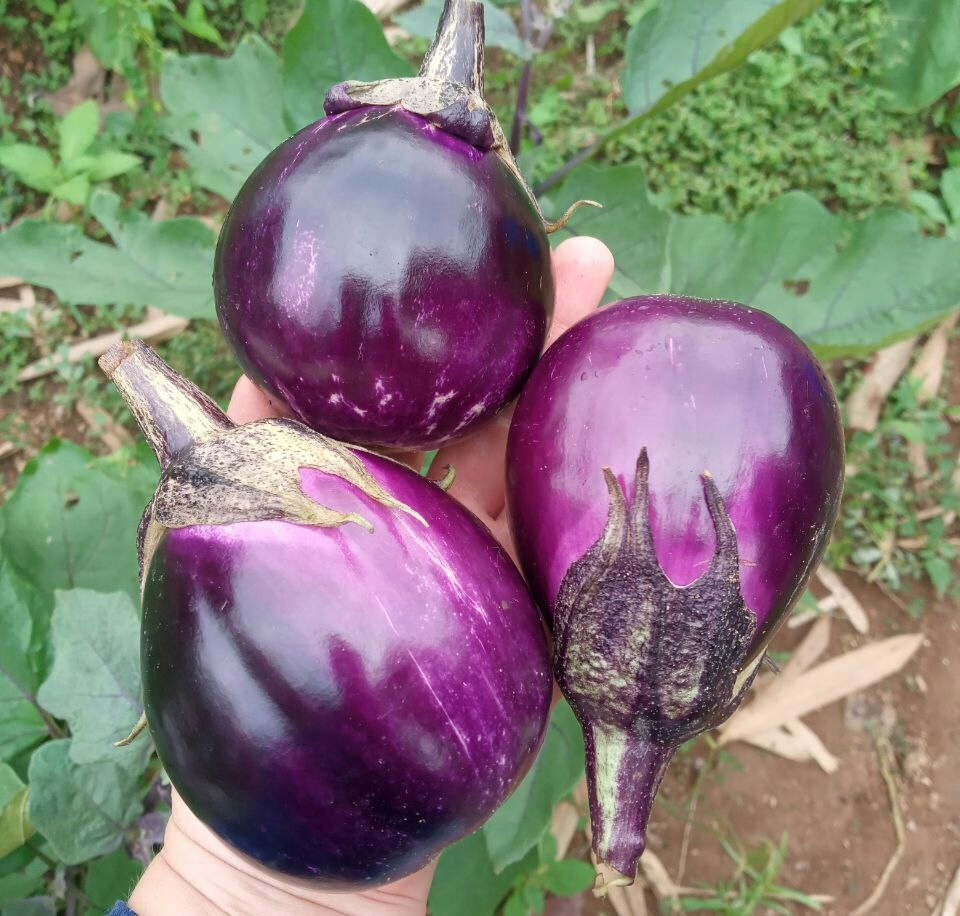
Would agriculture survive?
According to Professor Brian Toon, global agricultural “breadbaskets” such as Ukraine or Iowa could be severely affected by extreme cooling after a nuclear exchange. Tropical regions, however, may have a better chance of maintaining ecosystems capable of supporting life.
Because of this, Indonesia is often mentioned as one of the regions where the impact on food production could be less severe.
Of course, everyone hopes such scenarios never become reality. But if anything, it suggests that those who have made Bali their home may have chosen a surprisingly resilient place.
Take care — and enjoy the island’s calm.

You can add one right now!