
Java is one of the most dynamic islands in the world. Something is happening here every single month—candlelit ritual processions, batik costume parades, trance dances in remote villages, jazz concerts on volcano slopes, and even massive gatherings where thousands of people grind spices together in giant mortars.
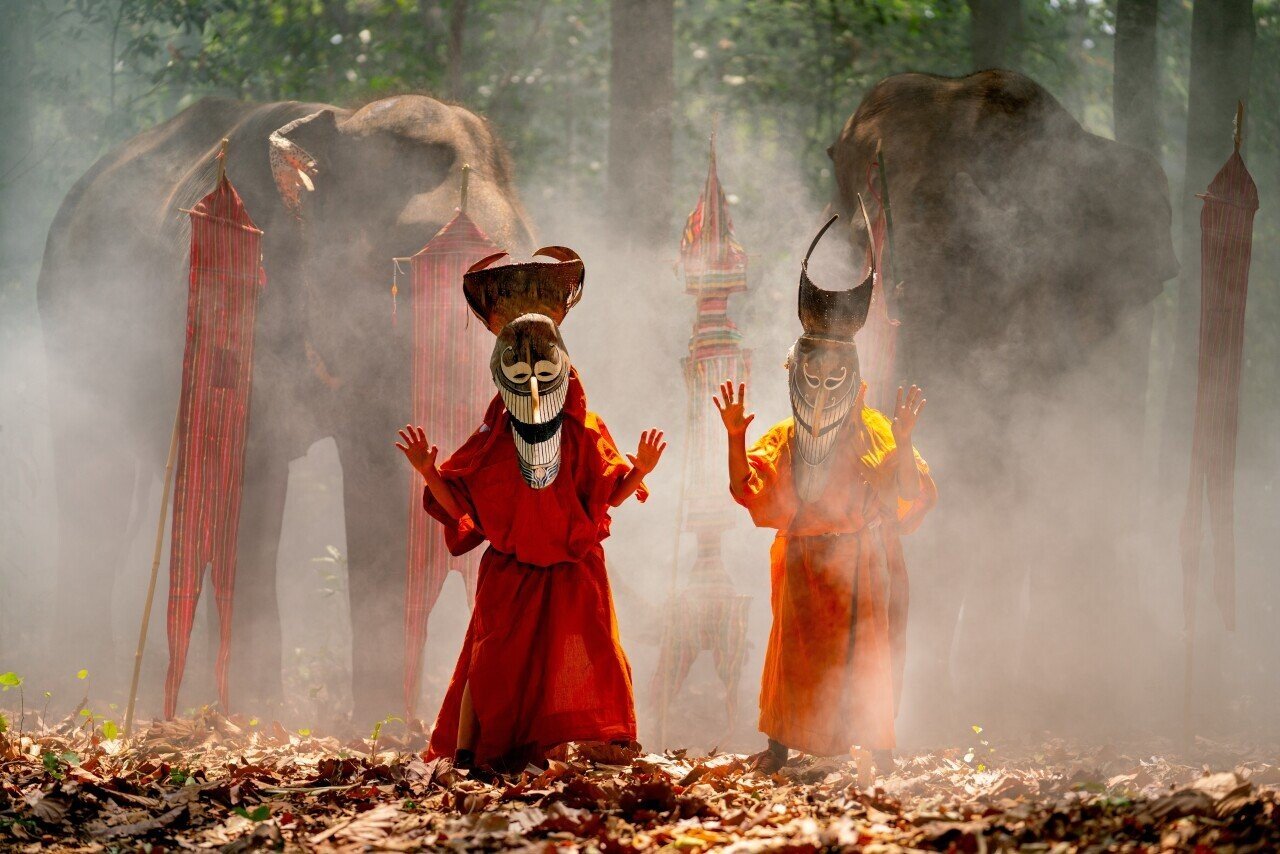
You can explore the island on your own or with experienced guides from MyBaliTrips. It all depends on what you’re into: hiking the iconic volcanoes Bromo and Ijen, chasing waterfalls like Tumpak Sewu and Madakaripura, visiting ancient landmarks like Borobudur and Prambanan, or diving into the energy of Jakarta—one of the world’s largest мегacities. At Borobudur, thousands of stone Buddhas look out over the landscape, and it’s hard to believe it was all built by hand over a thousand years ago.
At Prambanan, the towering temples make you feel incredibly small. On hikes to Bromo or the waterfalls, standing at the edge of a crater, you’ll see a sea of clouds, smoke rising from the earth—and feel the ground subtly vibrating beneath your feet.
In 2026, Java offers dozens of events, from mystical village rituals to UNESCO-level international festivals. Here are some of the best, organized by region.
BANYUWANGI
Banyuwangi is a small town on the eastern tip of Java, right across the strait from Bali. It’s the cultural heart of the Osing people, and in 2026, it’s hosting 86 events—some of them truly one of a kind.
Seblang Olehsari · March 23–29 · Olehsari Village
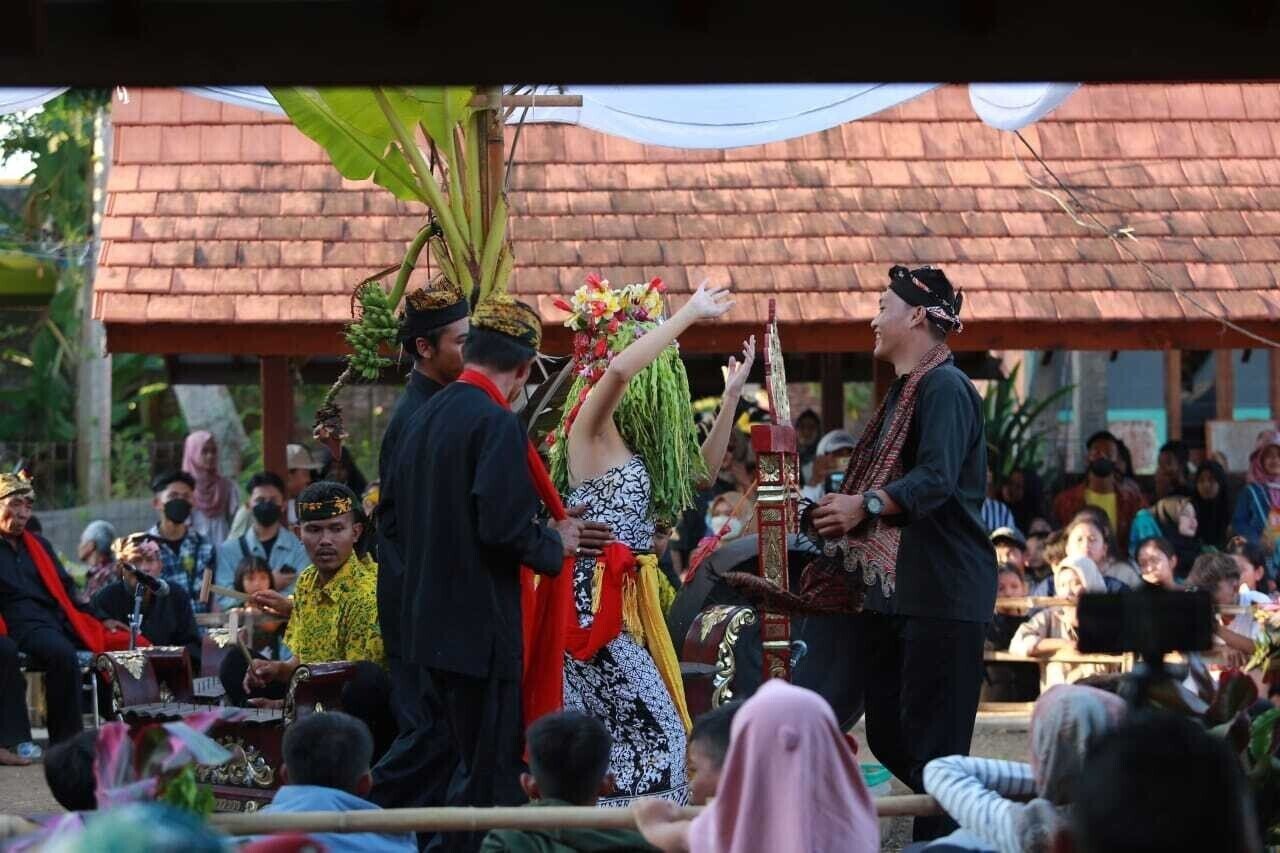
One of the island’s most mysterious rituals. Each day for a week, a young girl enters a trance and performs a slow ceremonial dance to the soft sound of gamelan music. Locals believe ancestral spirits speak through her, and the ritual protects the village from illness. There’s no staging—just a living tradition that’s been passed down for centuries.
Barong Ider Bumi · April (March 21) · Kemiren Village
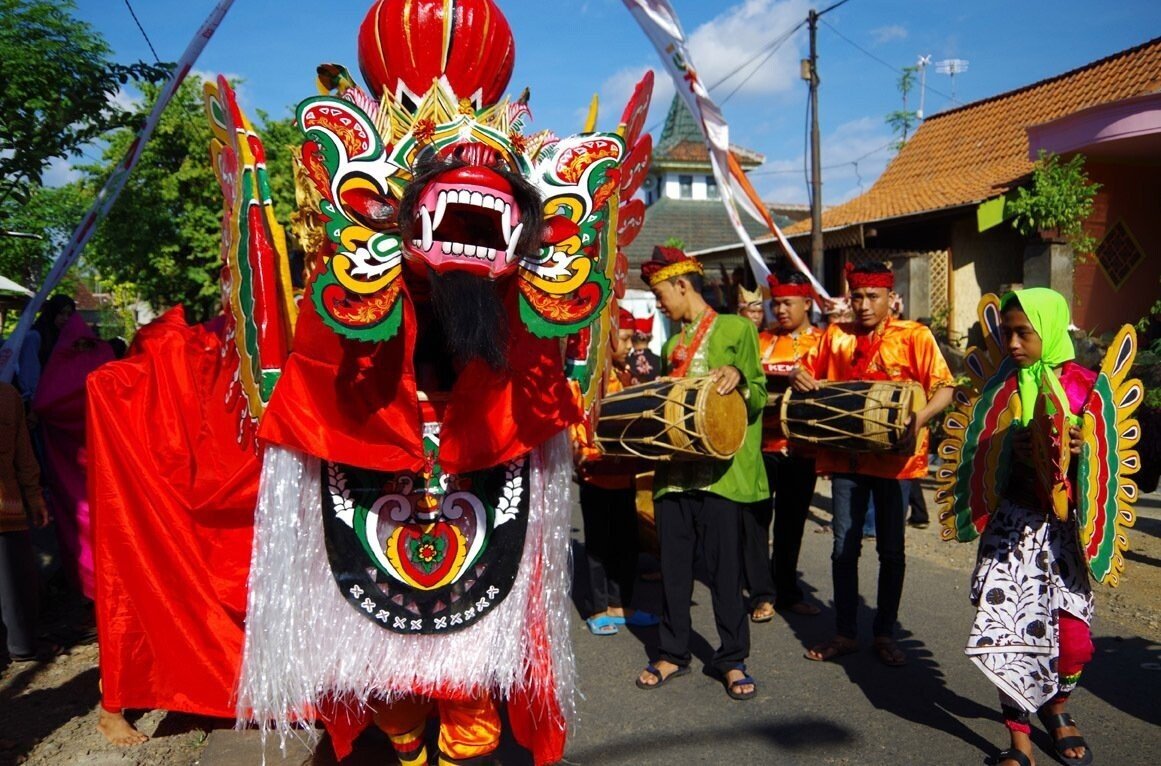
A giant Barong mask—a mythical lion-like guardian—is carried around the entire village. Balinese, Javanese, and Osing traditions blend into a single procession meant to cleanse the area from negative forces for the year ahead.
Tumpeng Sewu · May 21 · Kemiren Village
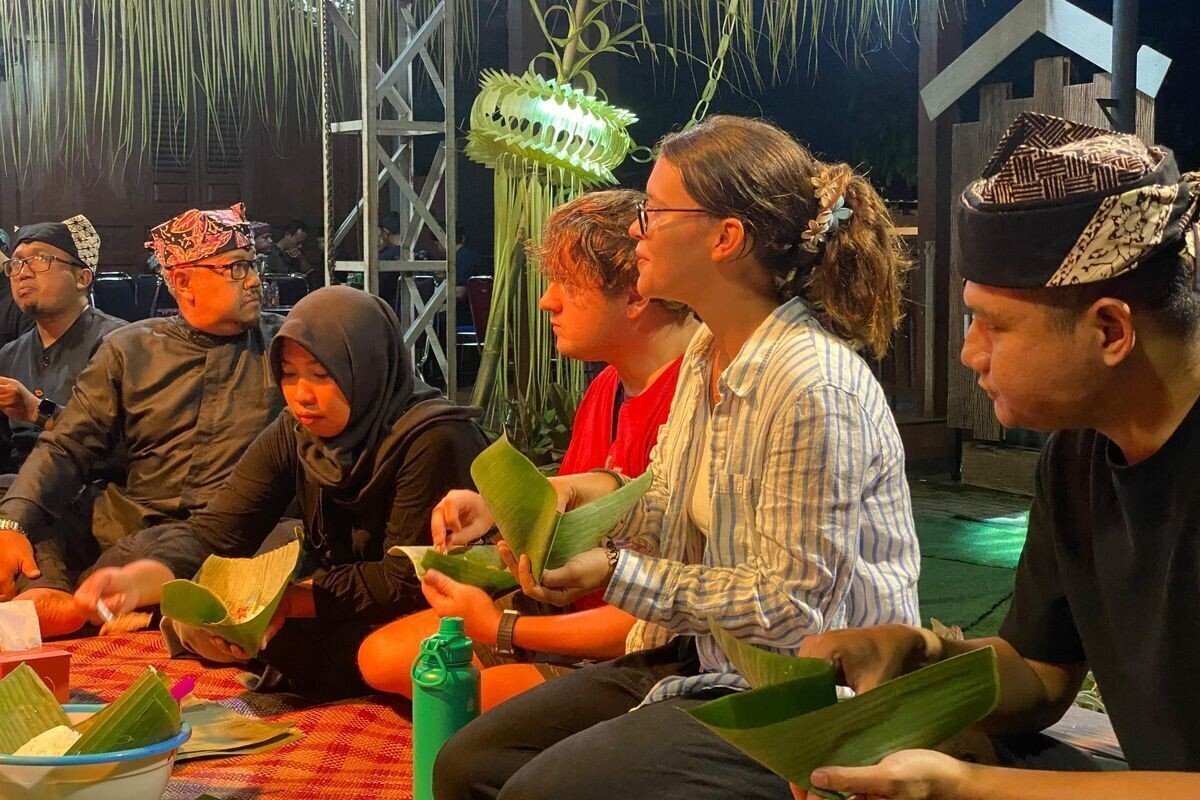
“Thousand Tumpengs”: every family sets out a cone-shaped mound of yellow rice with side dishes in front of their home. The streets turn into one long communal table. After prayers, everyone shares food with each other—a celebration of unity and gratitude.
Kebo-Keboan Alasmalang · June 28 · Alasmalang Village
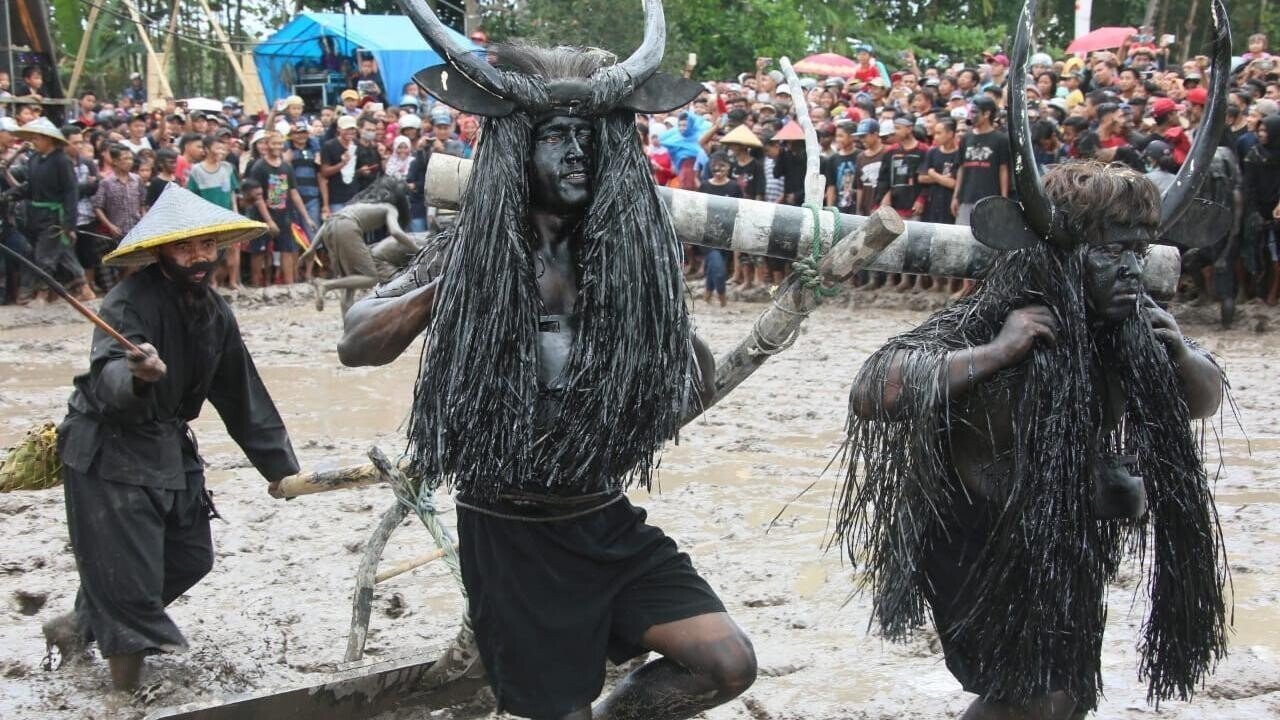
A fertility ritual you have to see to believe. Men paint their bodies black, put on horns, and crawl through rice fields like buffalo, symbolically plowing the землю. It’s raw, intense, and completely serious—a direct appeal to the spirits for a good harvest.
Petik Laut Muncar · July 20 · Muncar Port
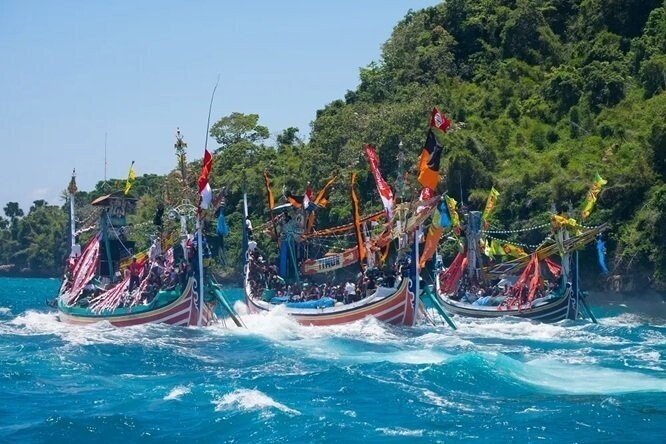
A sea ritual of gratitude from Java’s largest fishing port. Colorfully decorated boats head out into the ocean, carrying offerings—flowers, food, symbolic gifts. Back on shore: prayers, gamelan music, and community celebrations.
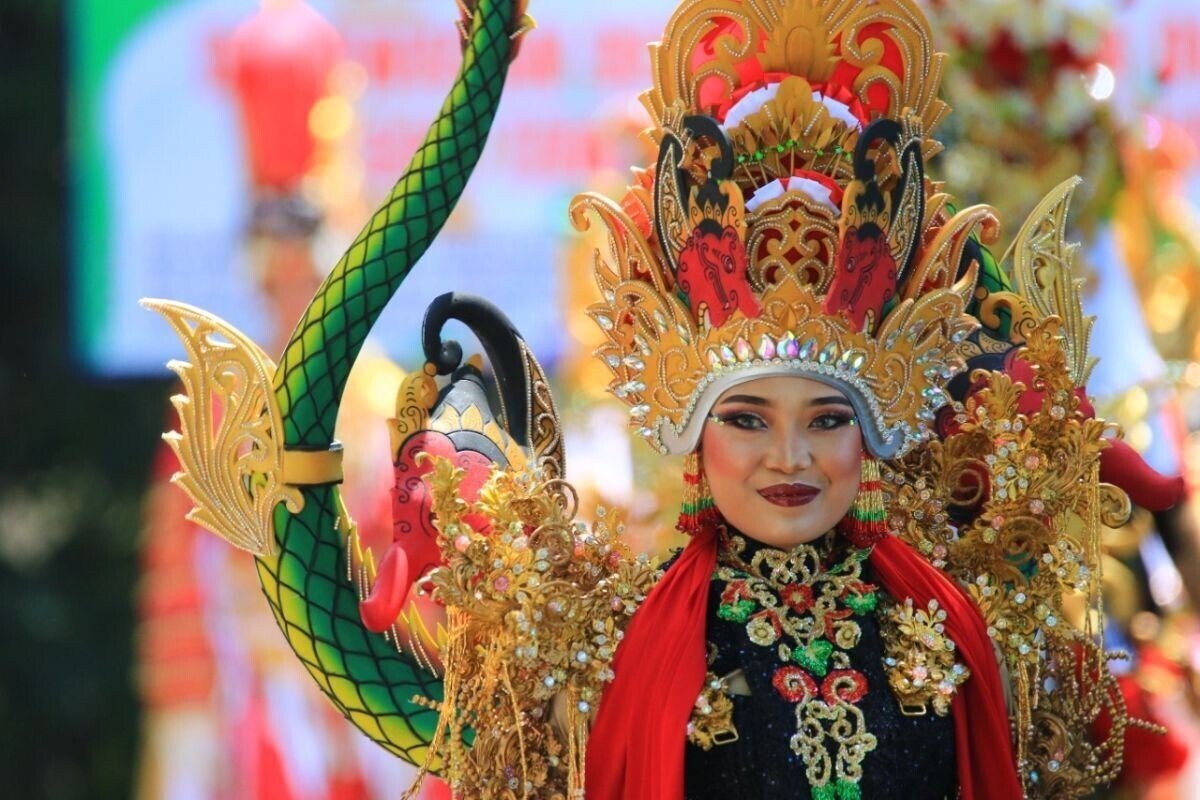
Banyuwangi Ethno Carnival · July 10–12 · City Streets (starting at Blambangan Park)
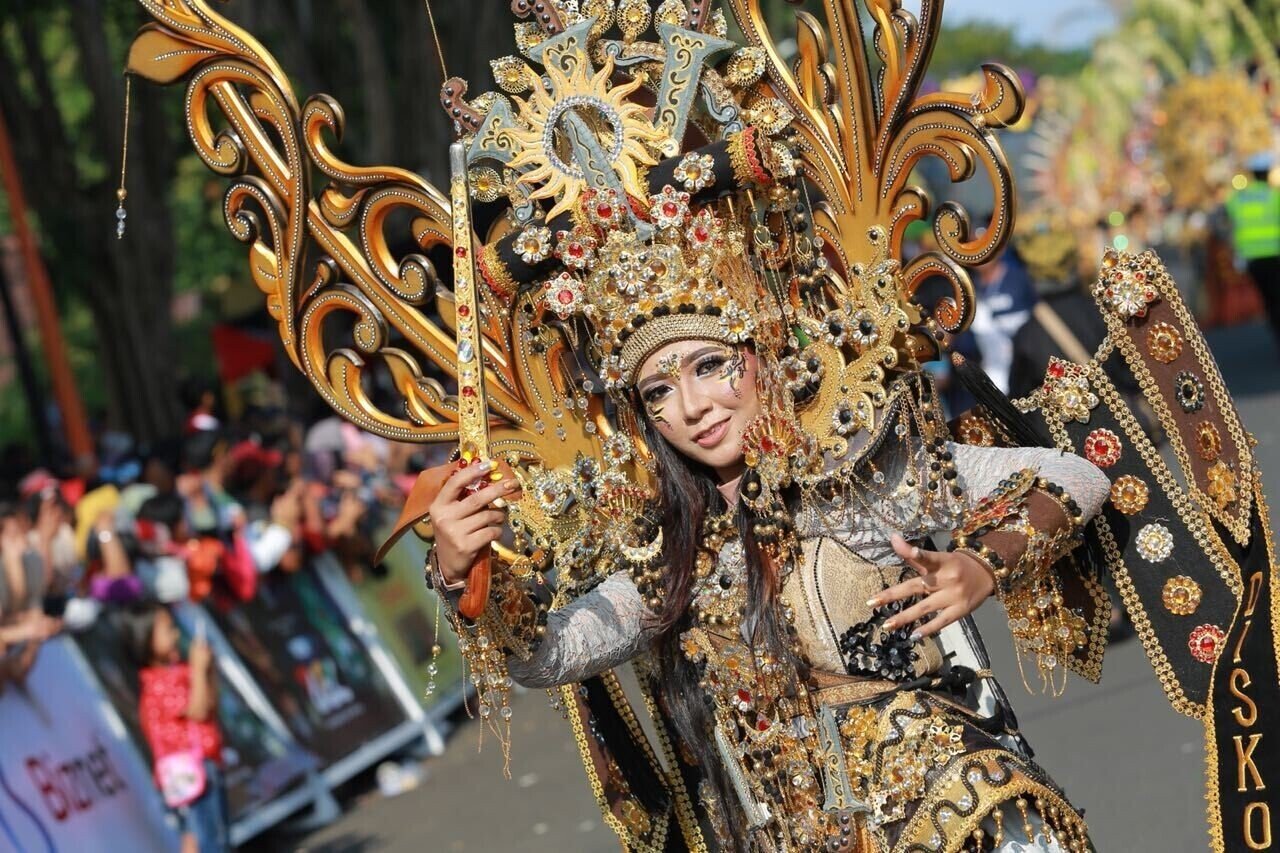
Each year has a different theme, from local legends to philosophical concepts of nature. Models walk the main street in elaborate ethnic costumes. It’s where contemporary art meets tradition—with incredible attention to detail.
Ijen Green Trail Run · September 12 · Ijen Geopark
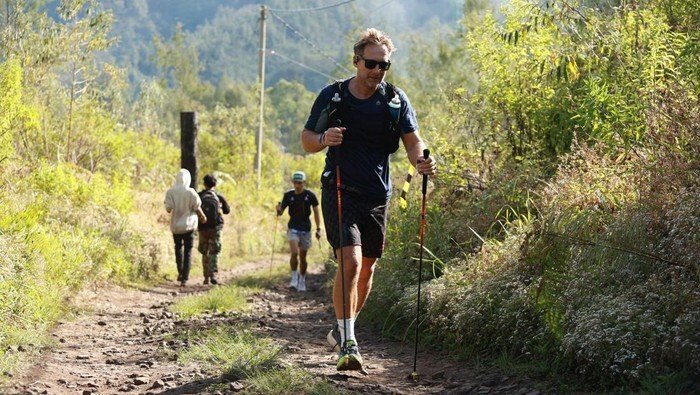
A trail run through volcanic landscapes—jungles, coffee plantations, and lava fields, with views of the famous turquoise crater lake.
Gandrung Sewu · October 22–24 · Marina Boom Beach
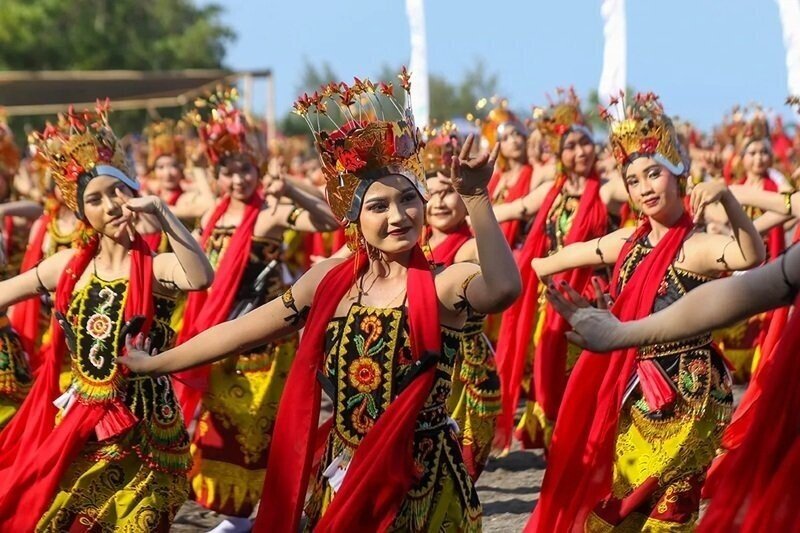
A thousand dancers perform the traditional Gandrung dance in perfect sync at sunset, overlooking the Bali Strait. It’s not just a performance—each movement tells the story of Banyuwangi’s resistance against colonial rule. One of Indonesia’s most visually striking events.
EAST JAVA
In 2026, East Java leads the country for the fourth year in a row with 11 events included in the national Karisma Event Nusantara calendar.
Rujak Festival · May 9 · Surabaya
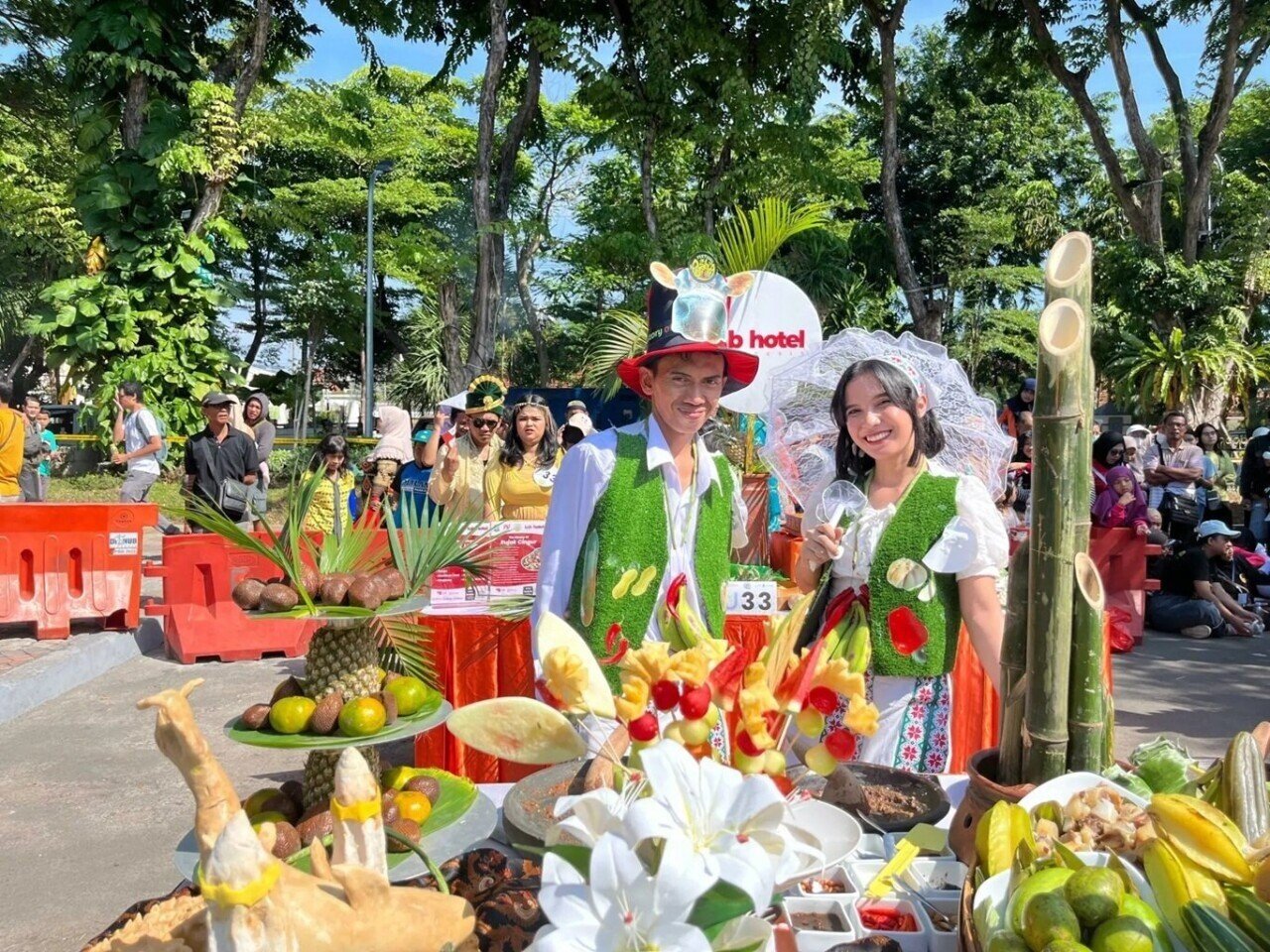
On the city’s anniversary, thousands of participants in colorful costumes grind spices in giant mortars to make rujak—a classic fruit dish with spicy sauce. It’s loud, fragrant, and full of energy.
Surabaya Vaganza · May 23 · City Center
A grand parade featuring floral floats, decorated vehicles, and cultural performances. Streets fill with dancers, music, and delegations from different ethnic communities.
National Reog Festival · June 6–15 · Ponorogo Main Square
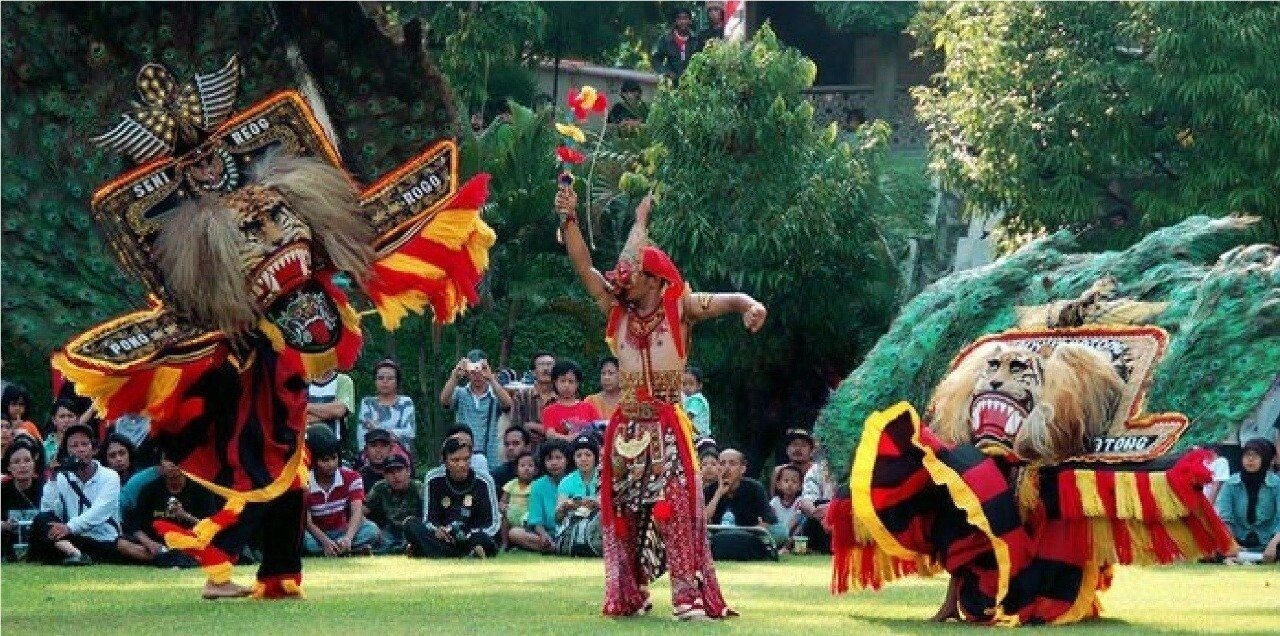
Ten days of Indonesia’s most iconic reog performances. Dancers carry massive lion masks with peacock feather tails—sometimes weighing up to 50 kg—using only their teeth and strength. Groups from across the country compete in technique and mystical power. A top-tier national event.
Segoro Topeng Kaliwungu · June 27–28 · Lumajang (Watu Pecak Beach)
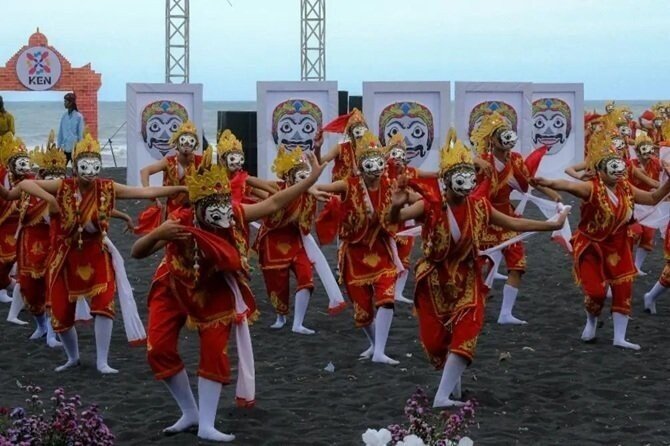
Masked dances set against dramatic coastal landscapes. A rare glimpse into the unique cultural identity of the Lumajang region.
Ronthek Festival (Pacitan) · July 3–5 · Pacitan Town Square
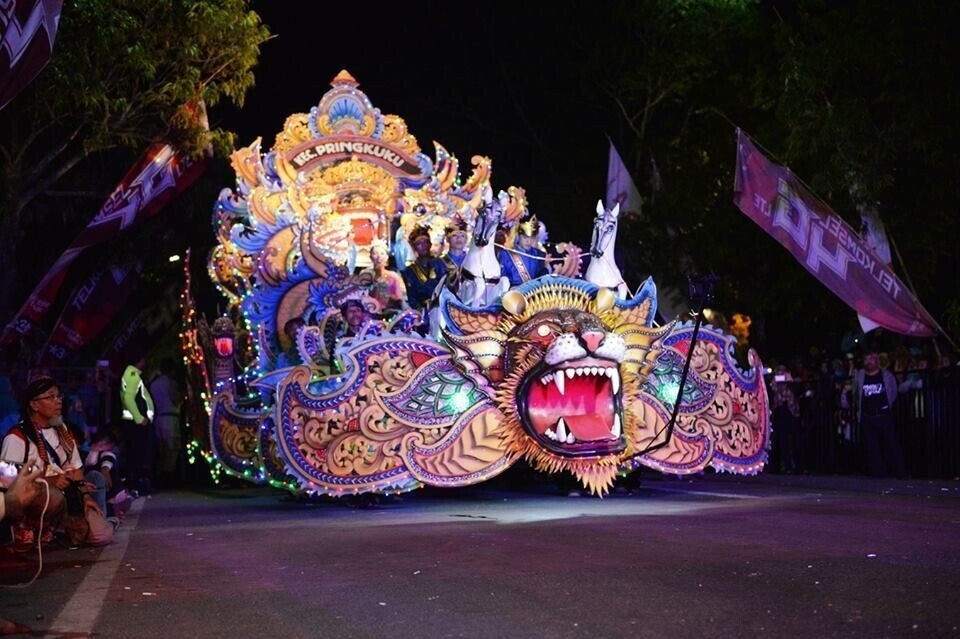
Traditional bamboo drums echo through the night—starting soft, then building into a powerful rhythm. Torchlit parades turn the streets into an open-air stage.
Jember Fashion Carnival (JFC) · July 24–26 · Jember City Center
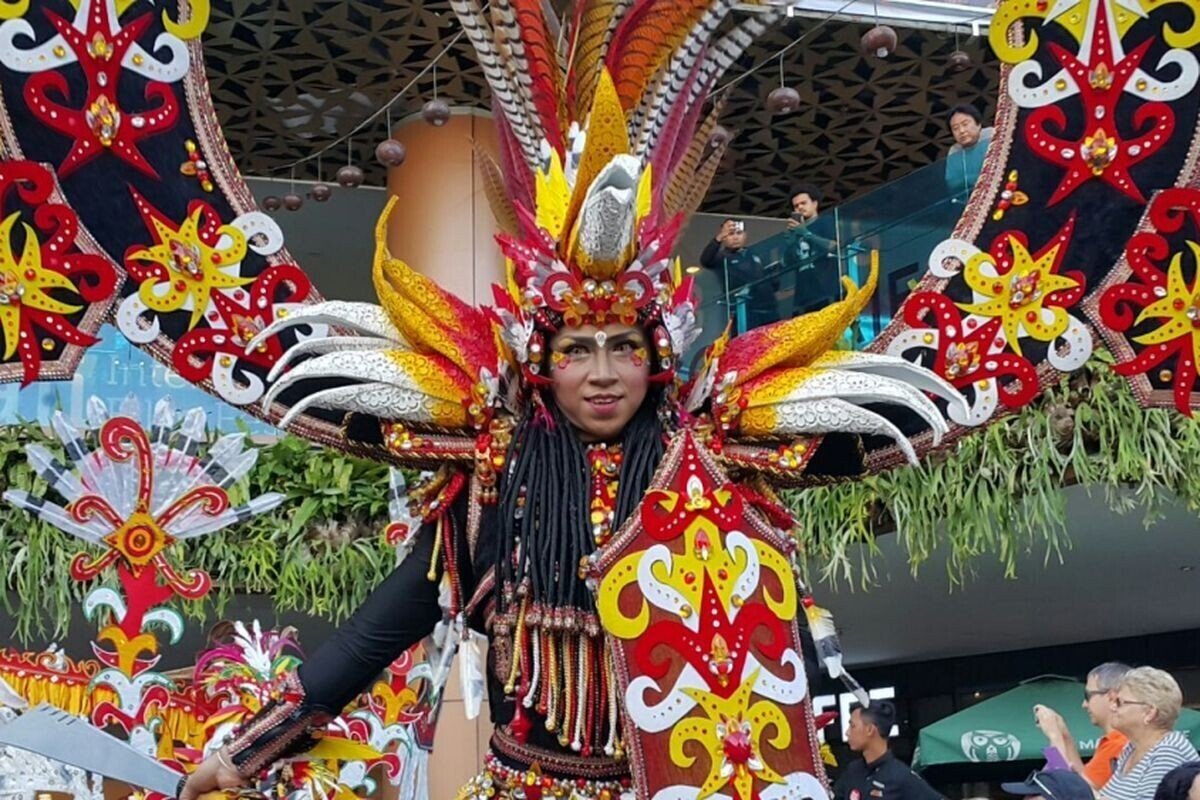
One of Indonesia’s most famous carnivals. Thousands of participants create their own elaborate costumes around a global theme. The streets become the longest runway in the country.
Tong-Tong Night Market · July 30 – August 2 · Malang
A nostalgic night market in cool-climate Malang: classic street food, handmade crafts, keroncong music, and jazz. It feels like stepping into the past.
Open Jaranan Festival · September 21–27 · Trenggalek (Pasar Pon)
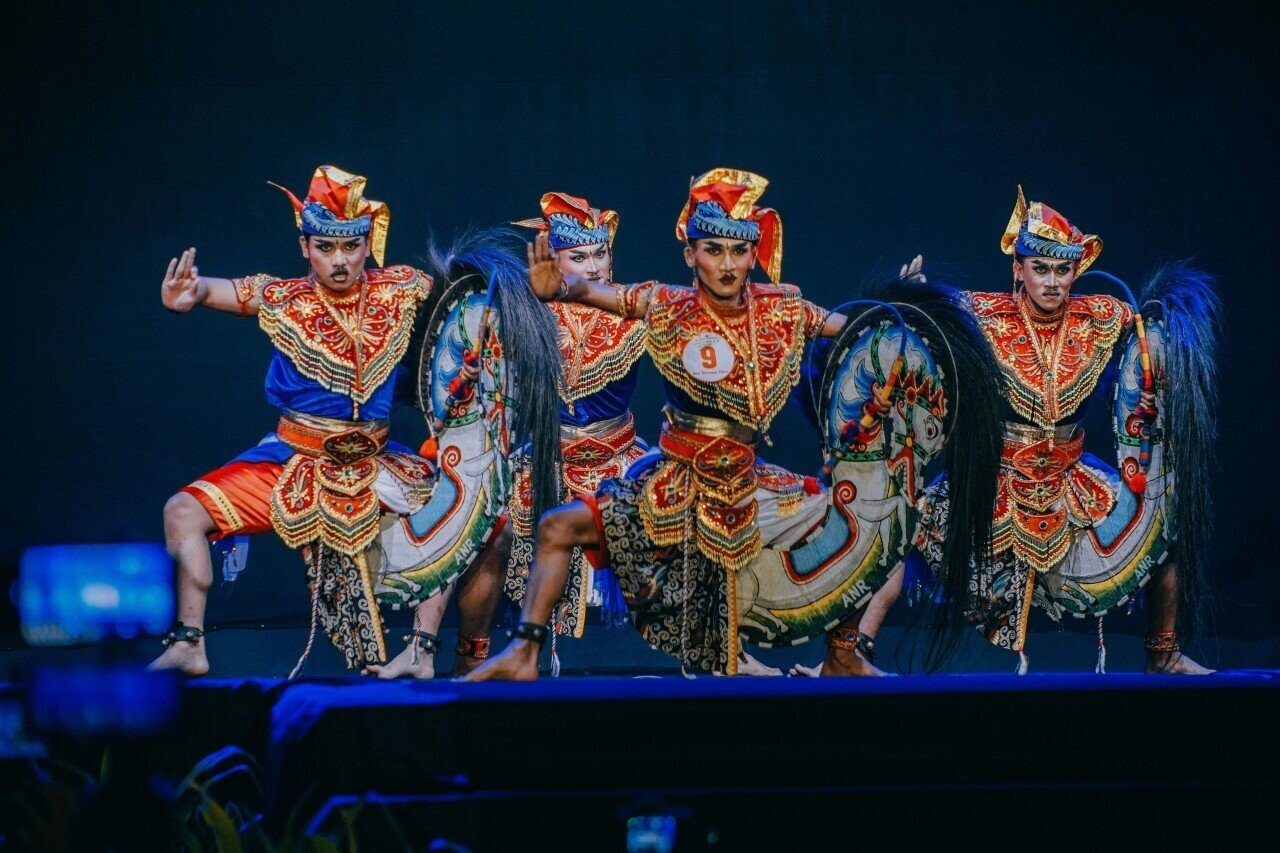
Jaranan, a traditional horse dance, is one of the most energetic performances on the island. A week-long competition brings together groups from across Indonesia.
Tong-Tong Music Festival · October 17–18 · Sumenep, Madura
Traditional Madurese bamboo percussion echoes through the night from carts decorated with colorful lights. The rhythm is intense, the atmosphere electric—something you won’t see anywhere else.
CENTRAL JAVA & YOGYAKARTA
Surakarta (Solo) and Yogyakarta are the heart of Javanese royal culture. This is where you’ll find the island’s most ceremonial, historically rich events.
Solo Menari · April 29 · Surakarta
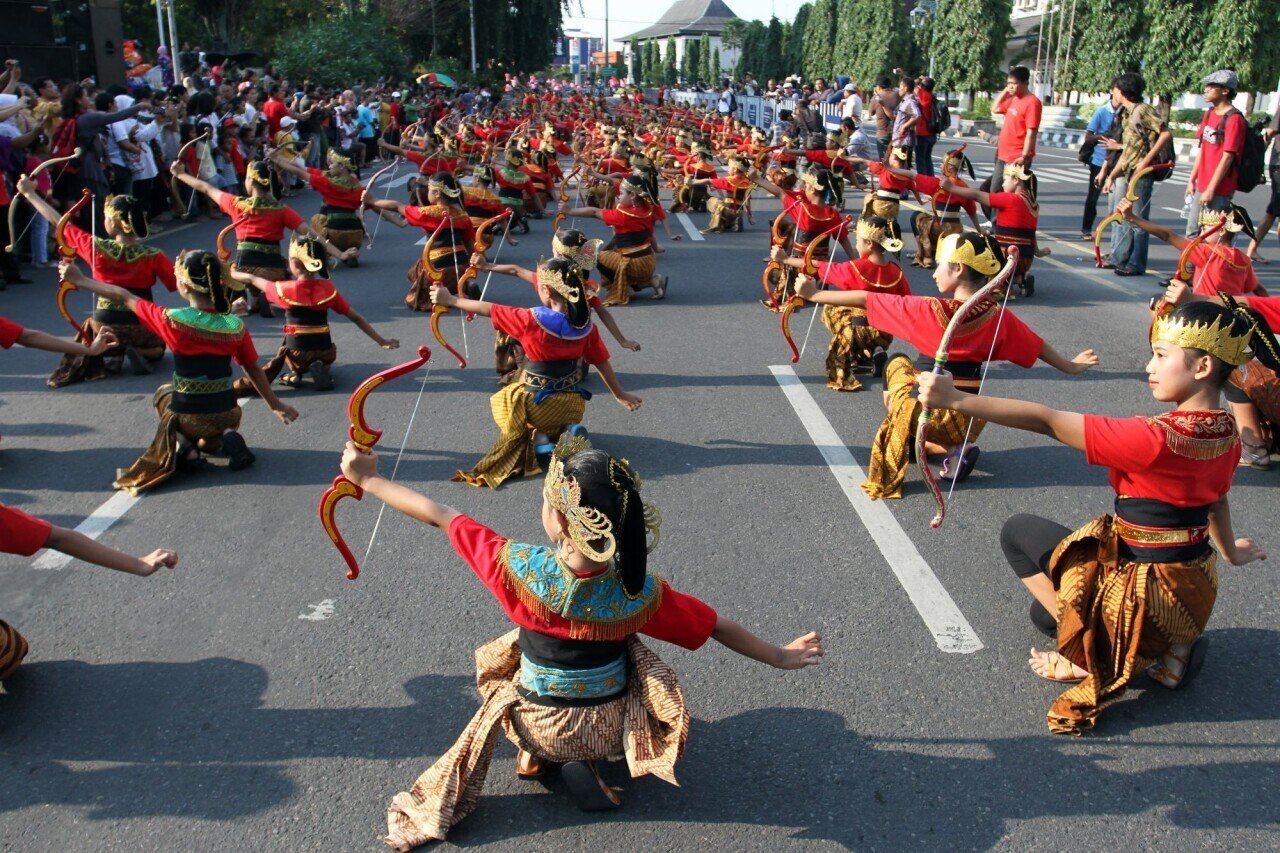
On International Dance Day, the entire city turns into a stage. Hundreds of performers dance simultaneously in squares, at intersections, and near palace walls. No tickets, no barriers—just live art woven into everyday city life.
Kirab Malam 1 Suro · June 16 · Kasunanan Palace, Surakarta
The Javanese New Year is marked not by fireworks, but by silence. Dressed in black, palace courtiers walk through the city at night carrying sacred heirlooms—kris daggers, cannons, royal regalia. No lights, no words. One of the most atmospheric and mystical rituals on the island.
Solo Keroncong Festival + Batik Carnival · July 10–11 · Surakarta (North Square)
Two celebrations in one. First comes the Keroncong Festival—a soft, nostalgic music style blending Portuguese and Javanese influences, with live performances and open-air markets near the palace. The next day, the Batik Carnival takes over: a three-kilometer parade featuring 200 models in elaborate batik costumes. Batik itself is recognized by UNESCO as intangible cultural heritage.
Mount Slamet Festival · July 3–5 · Serang Village, Purbalingga
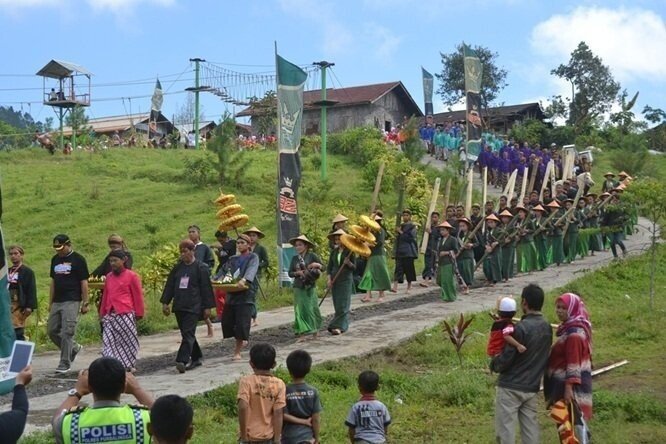
At the foot of a volcano, locals perform rituals to collect sacred water, followed by a ceremonial parade—and a full-on “Tomato War,” where hundreds of people throw ripe tomatoes at each other in celebration of the harvest. Playful on the surface, but deeply rooted in tradition.
Sekaten & Garebeg Maulud · August 18–25 · Kraton, Yogyakarta
A week-long celebration honoring the Prophet’s birthday. Two sacred gamelan ensembles, centuries old, are played daily near the Grand Mosque. The highlight is a royal procession carrying “mountains” of rice and sweets, which are then eagerly collected by the crowd—believed to bring good luck.
Dieng Culture Festival · August 23–24 · Arjuna Temple Complex, Dieng Plateau
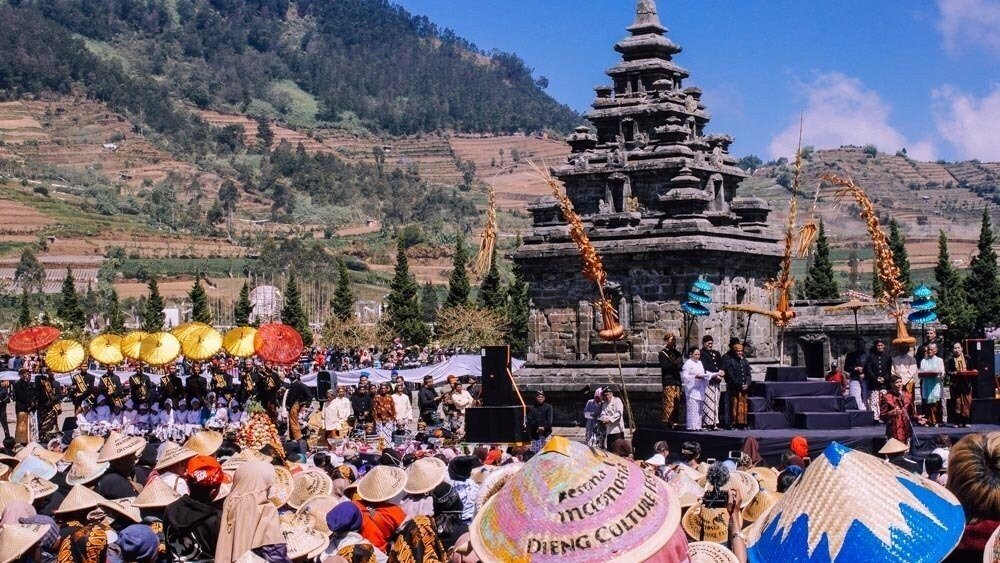
Held at 2,000 meters above sea level, surrounded by 8th-century Hindu temples and volcanic lakes. The central ritual involves children with naturally forming dreadlocks (known as “gimbal”) having them ceremonially cut—only after their personal wishes are fulfilled. Locals believe these children are spiritually chosen.
At night: open-air jazz, lantern releases, and temperatures close to freezing.
Labuhan Gunung Merapi · September · Slopes of Mount Merapi, Yogyakarta
Palace representatives carry offerings to the crater of one of the world’s most active volcanoes. The route crosses lava fields and tropical forest. The ritual is both spiritual and ecological, believed to help preserve the mountain’s natural balance.
FESPIN XIII Umbrella Festival · September 4–6 · Balekambang Park, Surakarta
The park transforms into a sea of colorful umbrellas—art installations, performances, and creative communities from across Indonesia and ASEAN. In 2026, the festival expands to an international scale. Visually stunning and incredibly photogenic.
SIPA (Solo International Performing Arts) + Mask Festival · November 10–14 · Mangkunegaran Palace, Surakarta
Two back-to-back events in the courtyard of a functioning royal palace. First, SIPA brings international performing arts groups from around the world. Then comes the Mask Festival, where traditional Javanese topeng dance meets mask traditions from Africa, Asia, and Latin America.
WEST JAVA
Bandung is the creative capital of West Java. No royal courts here—but instead: colonial architecture, one of the most vibrant youth scenes in Indonesia, and UNESCO Creative City status for design.
ELFEST 2026 · April 25–26 · Secapa AD, Bandung
A two-day open-air festival held on the grounds of a former military academy. Indie, folk, alternative—featuring top Indonesian artists like Nadin Amizah, Feast, HIVI!, and The Changcuters. Think large-scale campus festival energy.
6th Bandung International Choir Festival (IBCF) · October 11–14 · Bandung
An international competition for choirs and vocal ensembles from Indonesia and beyond. Twelve categories—from sacred music to jazz and folk. Grand Prix winners qualify directly for the Bali International Choir Festival 2027.
Main venues typically include:
- Universitas Katolik Parahyangan (UNPAR) — known for its excellent acoustics
- Gedung Kesenian Rumentang Siang — a historic performance hall
- Hotels and public spaces across the city
Asia Africa Festival · October · Asia–Africa Street, Bandung
Held on the historic street where the 1955 Asia–Africa Conference took place. Cultural parades, markets, music, and international dialogue bring together delegations from across both continents.
Bandung Arts Festival · August–September · Multiple venues
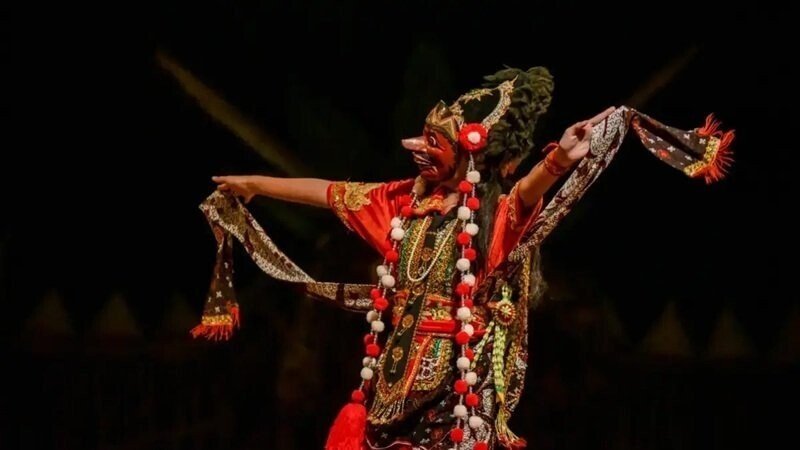
A large-scale international event combining music, theater, film, visual arts, and new media. For several weeks, the entire city becomes one continuous creative space.
West Java Festival · November 7–8 · Kiara Artha Park (location may vary), Bandung
The province’s biggest annual event: exhibitions, food festivals, traditional and modern performances, concerts, and markets. The grand finale on November 8 features top musicians from West Java. Free entry.
Most village and street events are free to attend. Some dates follow the Javanese lunar calendar and may be confirmed closer to the event.
For updates:
Source: detik

You can add one right now!