
Since 2020, Indonesia has used a single digital system for traffic fines: ETLE (Electronic Traffic Law Enforcement), also known as the Electronic Fine System. It automates the recording of violations and the payment of fines, minimising the need for face-to-face contact with the police and, as a result, reducing corruption. Keep in mind that a police officer has no right to take money from you. If that happens, you are being asked for a bribe.
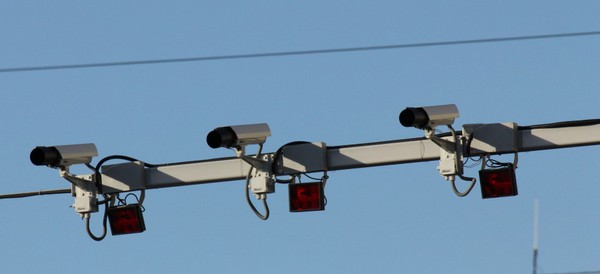
How the ETLE system works
The system uses CCTV cameras and number plate recognition technology to detect violations automatically. A police officer can also record a violation manually using a smartphone app.

The cameras detect the following types of violations:
- ignoring road signs and markings;
- not wearing a seat belt;
- using a smartphone while driving;
- exceeding the speed limit;
- fake number plates;
- driving into the oncoming lane;
- running a red light;
- riding without a helmet;
- carrying more than three people on a motorbike;
- riding without headlights on during the day (for motorcycles and scooters).
In effect, the system tracks the most common traffic violations on Indonesian roads. Perhaps the only one it doesn't cover is driving without a licence.
Once a violation is detected, the camera takes a photo and sends the data to the police database. The vehicle owner then receives a notice of the fine. If the vehicle is registered to someone else (which is common in Indonesia), the notice goes to the owner, who may then ask you to pay the fine.
You can check for fines yourself on the electronic system's website by entering details from your vehicle documents: the chassis number, engine number and registration number. Then click "cek data" to see a list of violations and their status.
Fines for common violations
Here's how much you'll have to pay for a violation:
- Ignoring road signs and markings: 500 000 IDR or 2 months in prison.
- Not wearing a seat belt: 250 000 IDR or 2 months in prison.
- Using a smartphone while driving: 750 000 IDR or 3 months in prison.
- Speeding: 500 000 IDR or 2 months in prison.
- Fake number plates: 500 000 IDR or 2 months in prison.
- Driving in the oncoming lane: 500 000 IDR or at least 2 months in prison.
- Running a red light: 500 000 IDR or 2 months in prison.
- Riding without a helmet or with a helmet lacking SNI certification: 250 000 IDR or 1 month in prison.
- Carrying more than two passengers on a bike: 250 000 IDR or 1 month in prison.
- Riding a motorcycle without headlights on during the day: 100 000 IDR or 15 days' detention.
Speed limits in Indonesia:
- Motorways: 50–100 km/h.
- Intercity roads: maximum 80 km/h.
- Urban areas: maximum 50 km/h.
- Residential areas: maximum 30 km/h.
Of course, in practice you won't be jailed for a violation; paying the fine is enough. That said, if you insist, the court will be happy to enforce that part of the law too.
How to pay a fine
You can pay a fine on the website https://tilang.kejaksaan.go.id/. Enter the ticket number and follow the instructions. However, if you're renting a vehicle, it makes more sense to give the money to the owner or the rental company and let them handle the payment. The deadline is shown on the ticket.

What to do if you disagree
If you believe a fine was issued in error, you can challenge it in court. To do so, you'll need to attend the hearing and provide evidence that you're not at fault.
If the fine isn't paid within 7 working days, the vehicle's registration may be blocked in the ERI (Electronic Registration and Identification) system until the matter is fully resolved.

You can add one right now!