
A tourist went missing on 18 February at one of Java’s most beautiful natural landmarks, Mount Ijen. The search is still ongoing and, despite favourable weather, rescuers have not yet been able to find Muhammad Dzikri.
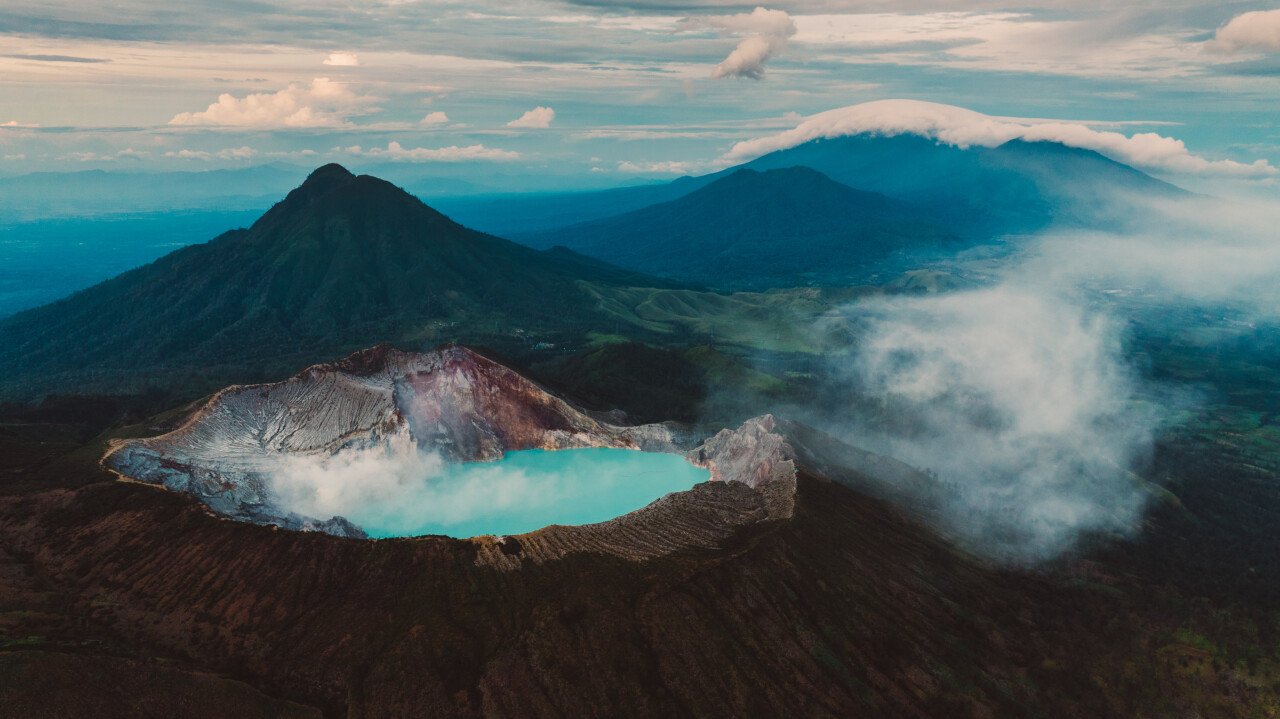
He was hiking with his friends, and both the route and the volcano were familiar to him as he is a local resident. However, after reaching the summit, the 16-year-old stepped away from the group and disappeared without a trace. His friends, assuming Muhammad might have started the descent alone, headed back without him, but did not find Dzikri either at base camp or at home. At 14:00, rescuers received a report of a missing person and a large-scale search began, which is now in its second day. A total of 41 rescuers are involved, along with volunteers and local residents.

The trail up the mountain is a clear, well-trodden path that is almost impossible to stray from, but as a precaution rescuers are also searching the surrounding area. A second team is working in the summit area, where the chances of getting lost — or even falling into the crater — are much higher.
Climbs on the volcano have been restricted for the duration of the search, and no reopening date has been announced yet. So if you were planning to hike Ijen in the next few days, consider alternative options — for example, Agung or Batur.
This raises the question: does this mean hiking volcanoes is too dangerous and it’s better to avoid it altogether, just in case? Of course not. Trekking to a summit surrounded by incredible nature, a sunrise above the clouds, stunning views — it’s one of the most memorable adventures you can have in Indonesia. It does require a certain level of fitness, being able to get up before dawn, and at least some love of walking, but the result is absolutely worth it.
Hiking alone, or in groups without experienced guides, can be risky. You may not know the specifics of the trail or how the volcano behaves. It can catch out those unfamiliar with its quirks. For example, climbing Semeru, the highest volcano on Java, after midday can easily lead to trouble: it is an active volcano with periodic ash and gas emissions, and in the afternoon rising air currents and convection can worsen breathing and visibility, while warmed slopes make loose sections more unstable and dangerous. Starting the ascent before dawn helps avoid these problems.
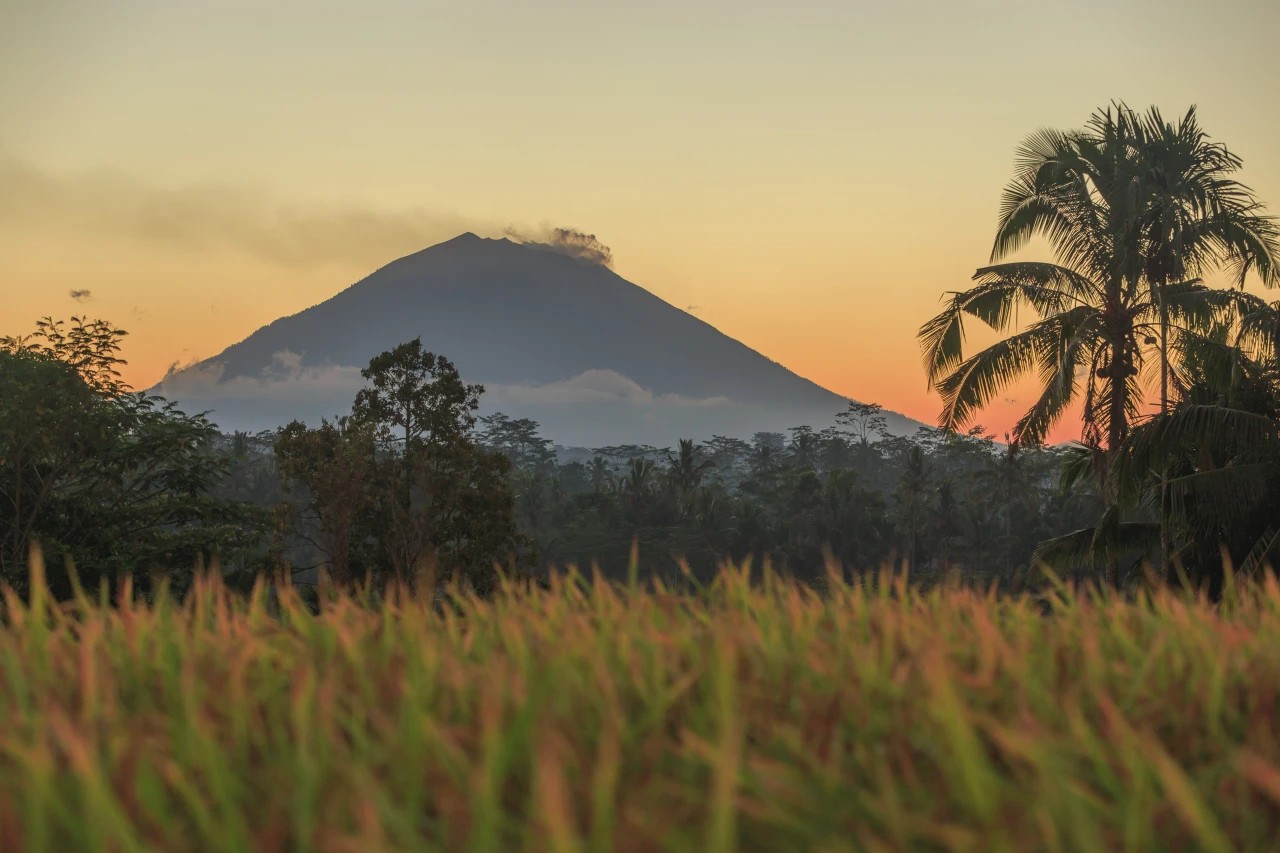
An ordinary tourist cannot be expected to know such details, and every volcano has its own characteristics, so a reliable local guide is the best way to protect yourself from possible trouble. Choose a tour with a professional guide and set off to explore the amazing corners of Indonesia!
Sources: antara, timesindonesia

You can add one right now!