
Police in North Lombok have dismantled a major network involved in growing and selling hallucinogenic mushrooms supplied to nightlife venues on Gili Trawangan.
Six people were arrested in the operation, with officers seizing more than 407 grams of psilocybin mushrooms.
How the supply chain worked
The operation began with a raid on Gili Trawangan. Police detained two men with the initials RA (30 years old) and KD (32 years old) in a rented room. During the search, officers found eleven plastic bags containing 110 banana-leaf parcels of psilocybin mushrooms.
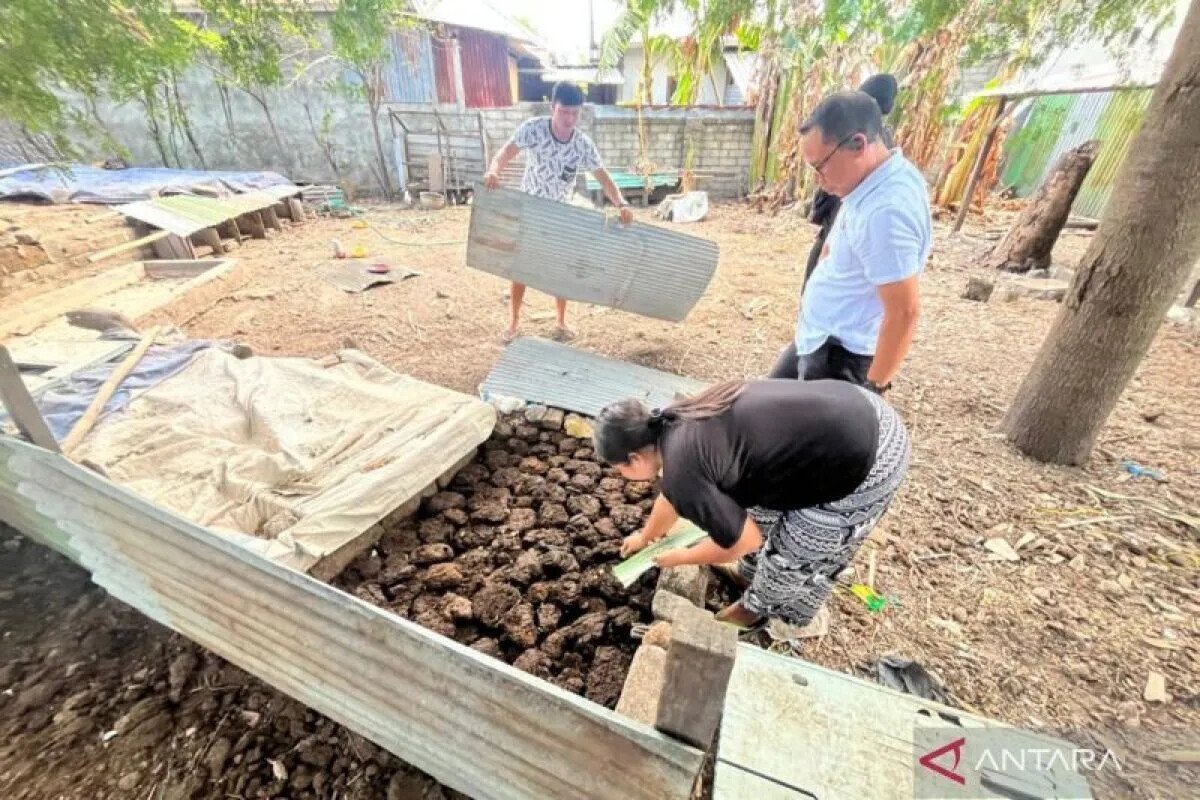
The men admitted that the goods were supplied to them by the wife of one of them, identified as ML (34 years old). Through her, investigators tracked down residents of Bentek village in the Gangga district on the mainland of North Lombok. There, three women — RM (31 years old), I (27 years old) and SN (53 years old) — had set up a full-scale underground farm. They grew mushrooms on 16 plots, using cow manure as the growing medium.
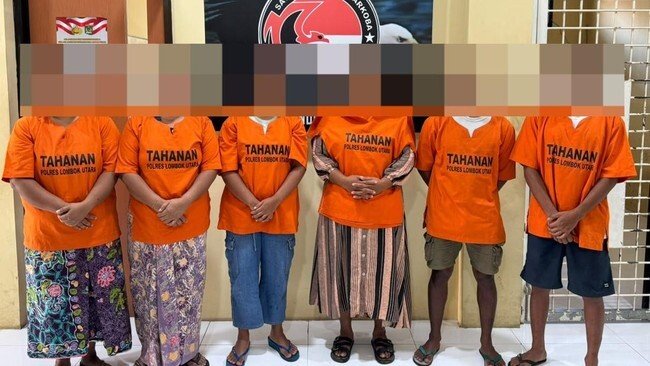
The sales chain worked like this: the growers sold a pack of mushrooms to the middlewoman for 30,000–35,000 rupiah, and on Gili Trawangan they were supplied to bars and nightlife venues for 85,000 rupiah apiece.
All those arrested have been charged under Indonesia's Narcotics Law No. 35 of 2009 (Articles 114, 111 and 132), which covers distribution, possession and criminal conspiracy.
The Gili myth and tough laws
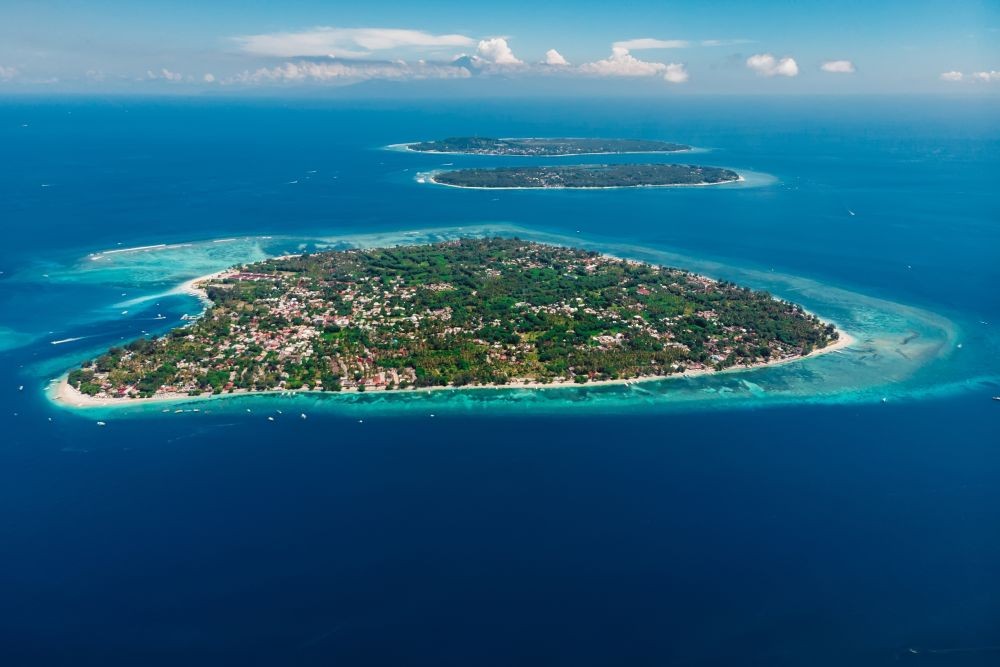
For many travellers, the Gili Islands (Trawangan, Air, Meno) have for years been associated with so-called mushroom shakes, openly offered at many of the local bars. Because there are no permanent police stations on the islands themselves, many tourists get the false impression that mushrooms are legal here or that the local authorities turn a blind eye to them.
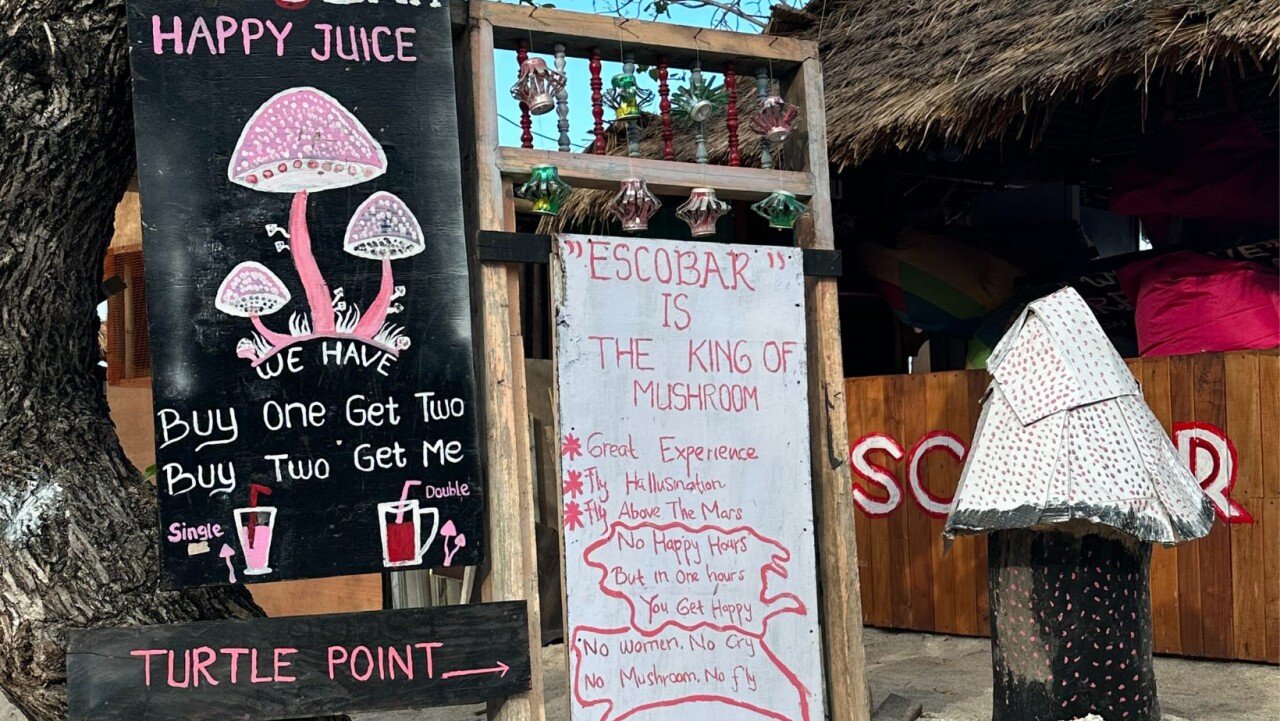
That is a dangerous misconception. Indonesia has no special zones or islands where different drug laws apply.
Can you be punished for buying and using them?
Criminal liability in Indonesia applies to absolutely every stage of the trade, including purchase and use. Under Law No. 35/2009, psilocybin and psilocin are officially classified as Category I narcotics (Golongan I). Legally, they are on the same list of strictly prohibited substances as heroin, cocaine, methamphetamine and marijuana.
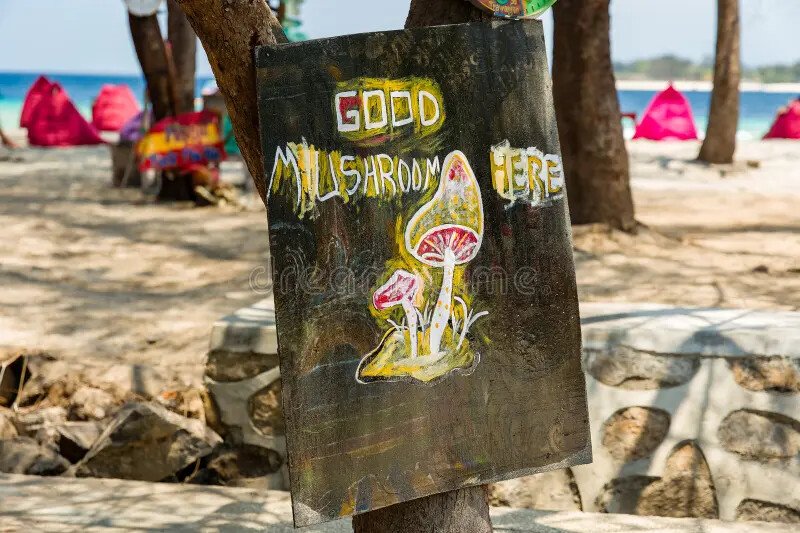
Even if a tourist has simply bought a single glass of mushroom shake at a bar or is carrying a small parcel, in the eyes of the law this counts as possession and storage of Category I narcotics under Articles 111 and 112. The minimum penalty for such an offence is four to twelve years in prison, along with substantial fines.
Use of the substance itself is also punishable under Article 127 of the Narcotics Law, which carries a prison term of up to four years. Foreigners should not count on alternatives such as rehabilitation: in practice, the procedure requires a lengthy court case, and the accused spends the entire period before sentencing in an Indonesian prison.
The fact that venues openly offer such drinks gives the customer no protection at all. Bars operate only until the first police raid, and a tourist holding a glass of the shake or testing positive automatically becomes the main defendant in a criminal case.
Indonesia maintains a strict zero-tolerance policy towards all drugs, so experimenting with mushroom drinks on the Gilis is not a harmless holiday pastime but an outright crime that carries the risk of real prison time.

You can add one right now!