
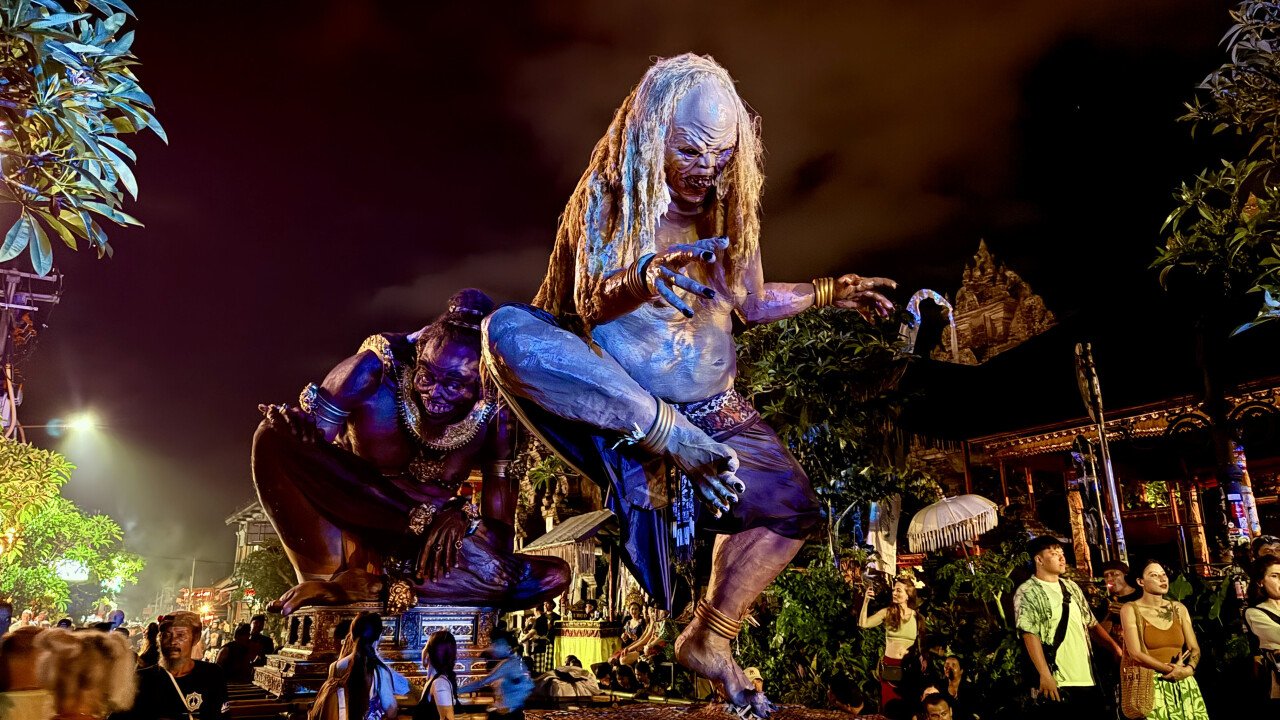
The evening before Nyepi in Bali is always one of the most spectacular sights on the island. Once it gets dark, the main parade of the year begins — Pengrupukan. This is when the Ogoh-ogoh figures come to life. Their size and level of detail impress even the most indifferent spectators, and the special effects add extra excitement. In 2026, the festival of monsters once again brought crowds to the main crossroads in most villages. Ubud, as usual, was one of the main places to be.
This year, the organisers decided to concentrate all the main events on one central stage by the Art Market. Although spectators were expecting more special effects, the parade made up for it in other ways — attention to detail and a strong focus on the younger generation.
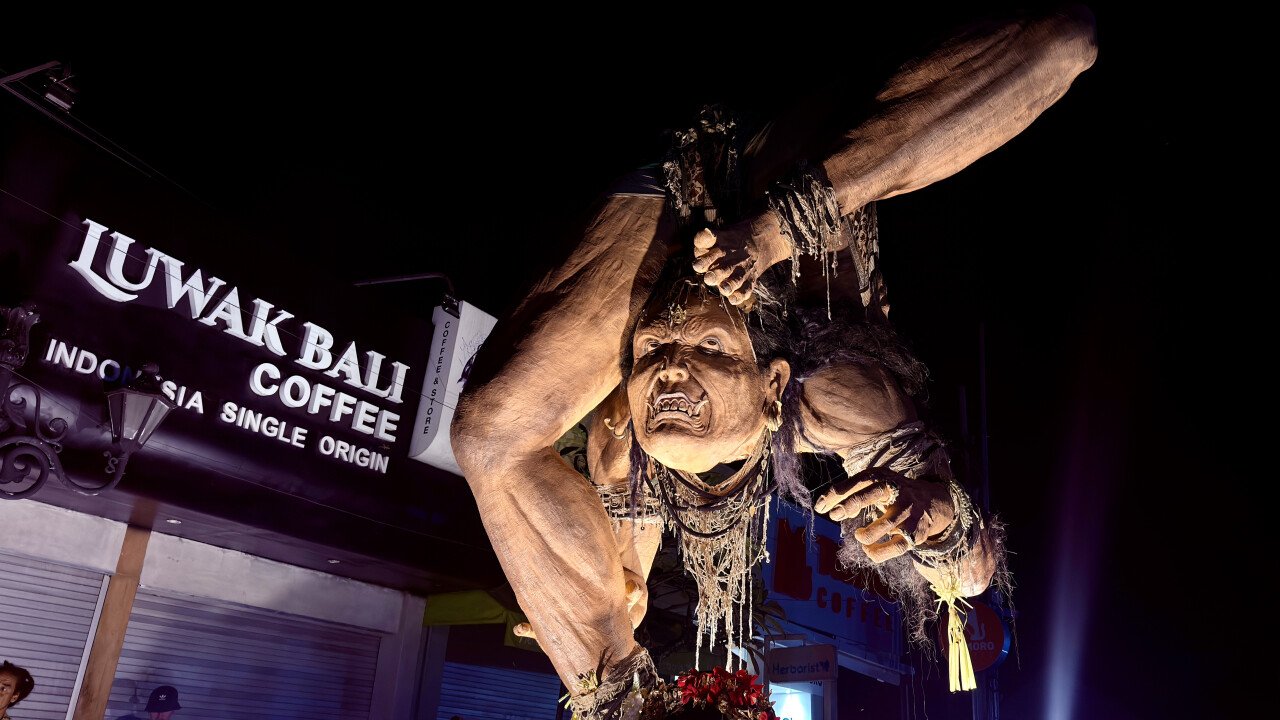
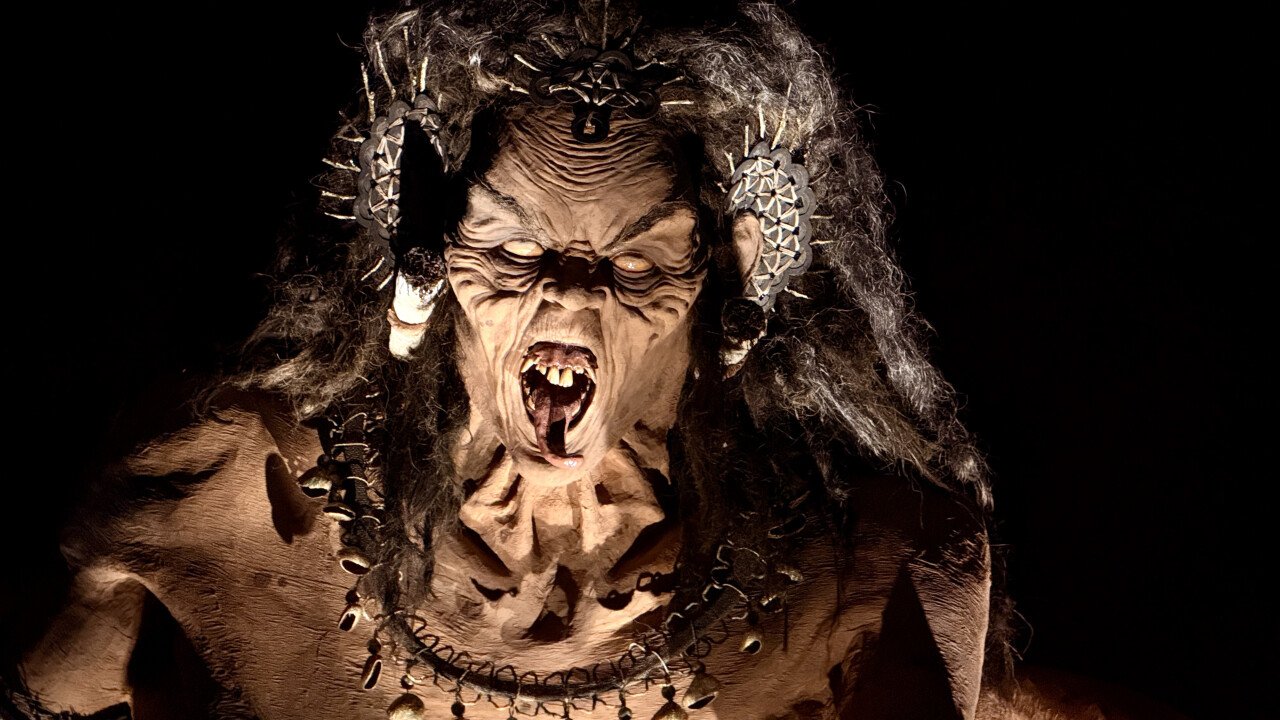
Ogoh-ogoh. Photo by the author
The children’s groups were the first to come out onto Jl. Raya Ubud. Their figures may not have matched the giants of previous years in size, but that was the whole point: continuity.
As soon as you look closely at the details and remember that everything is handmade, size immediately stops mattering. Every fold, wrinkle, and strand of hair is carefully crafted by the artists. Two months of painstaking work went into it, as they started on the figures back in January.
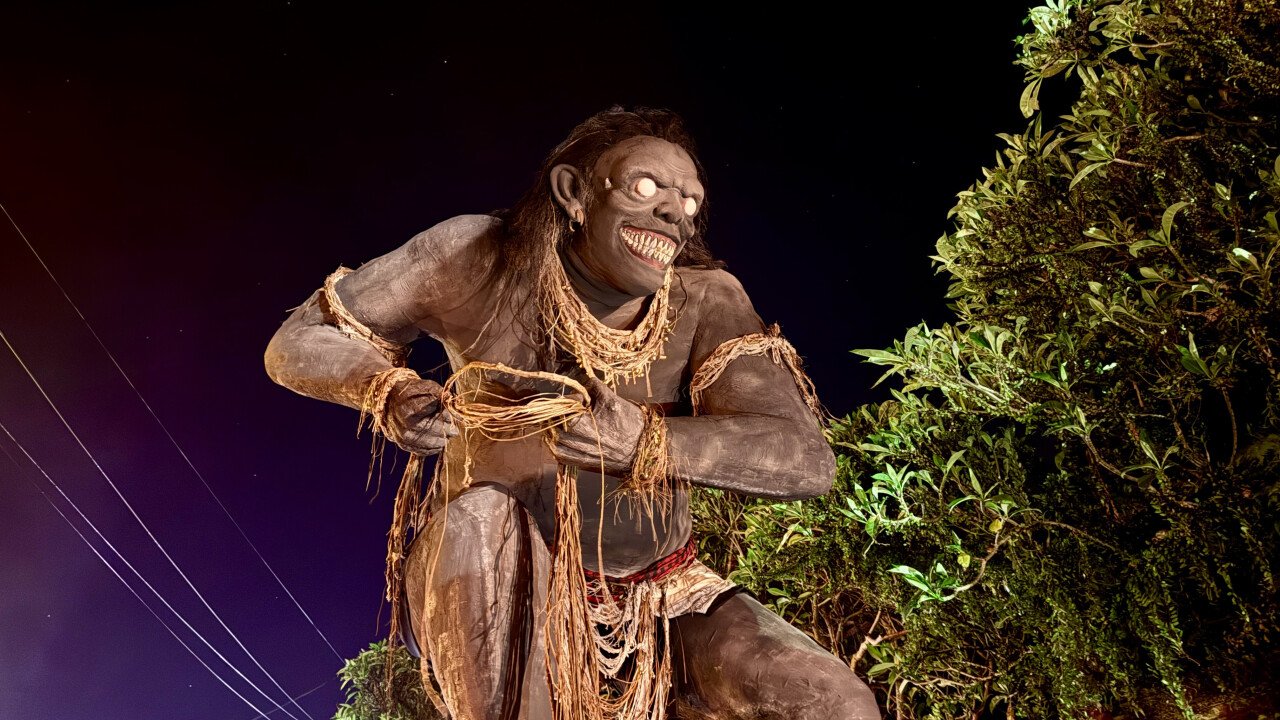
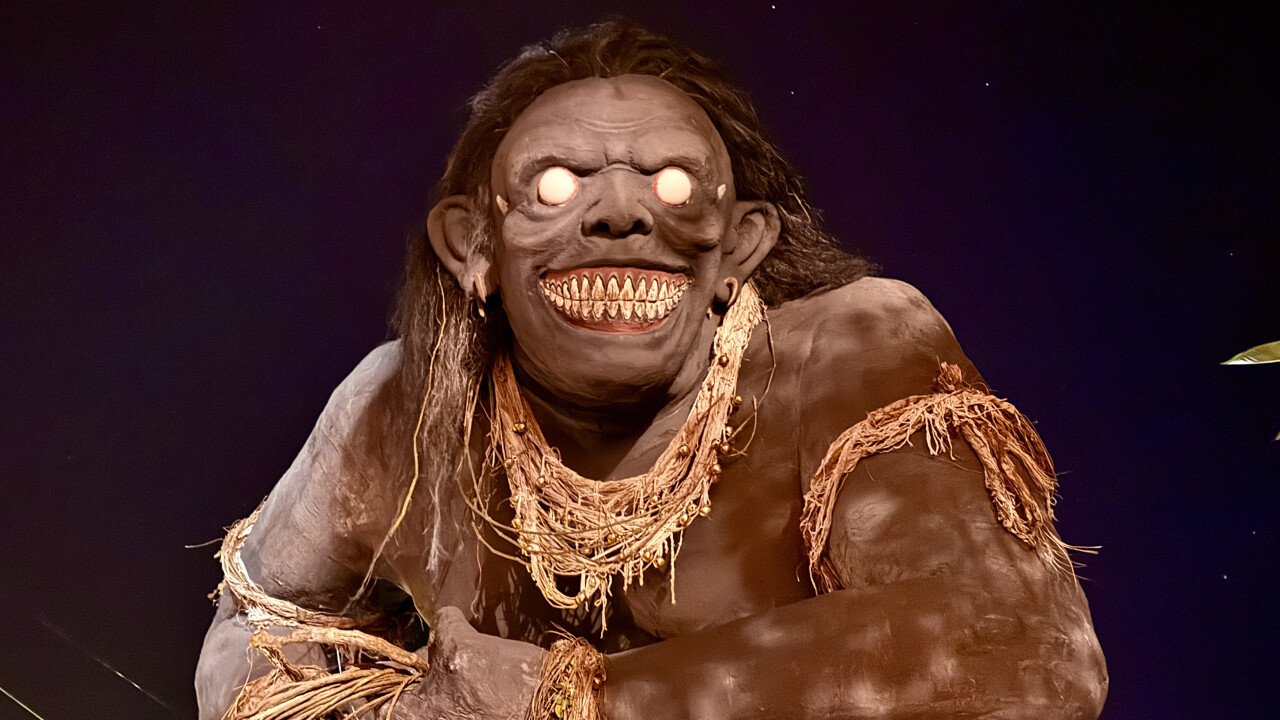
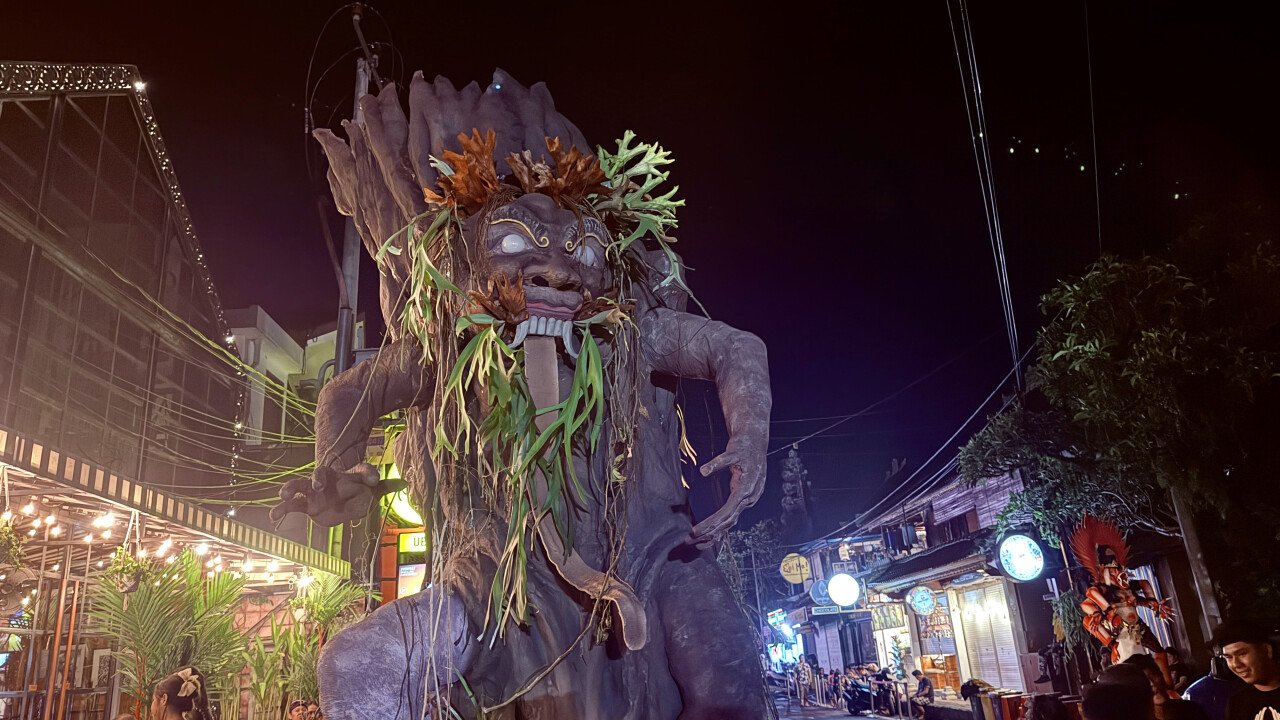
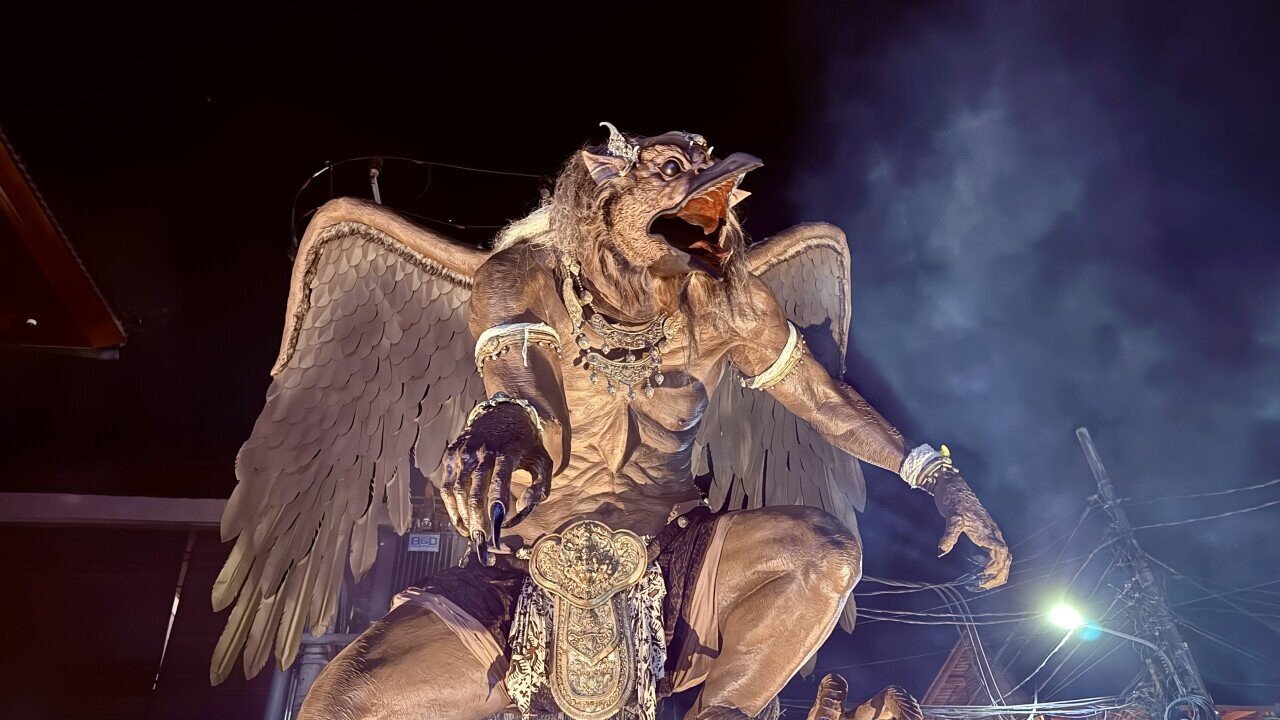
Ogoh-ogoh. Photo by the author
Some figures were kept unlit while they waited to go on stage. That made it harder for spectators to take good photos, but it added a real “wow factor” when the spotlights hit the sculpture.
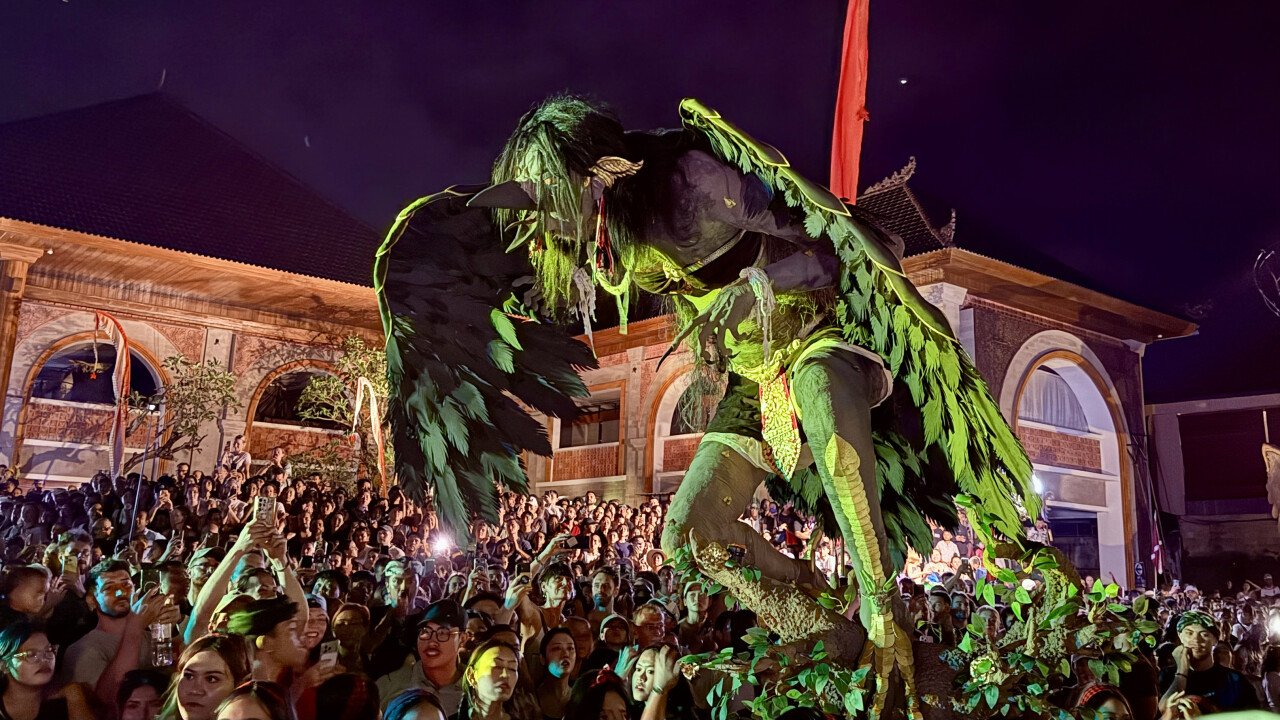
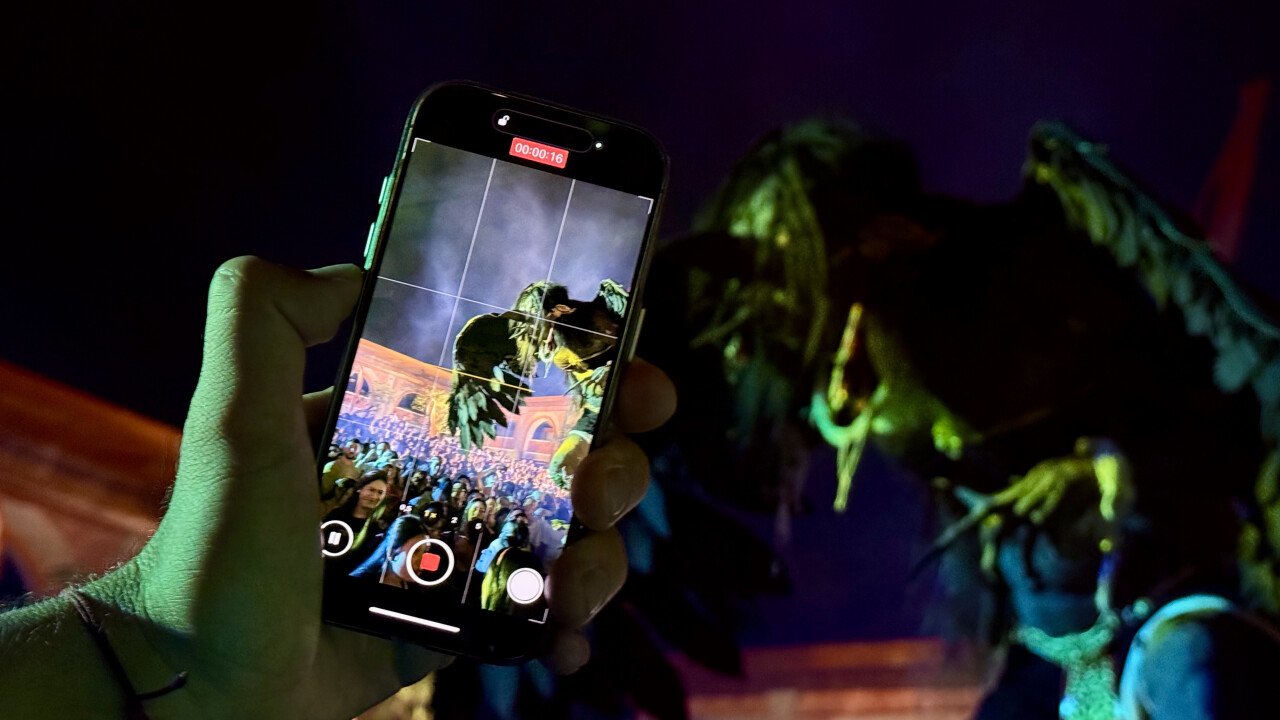
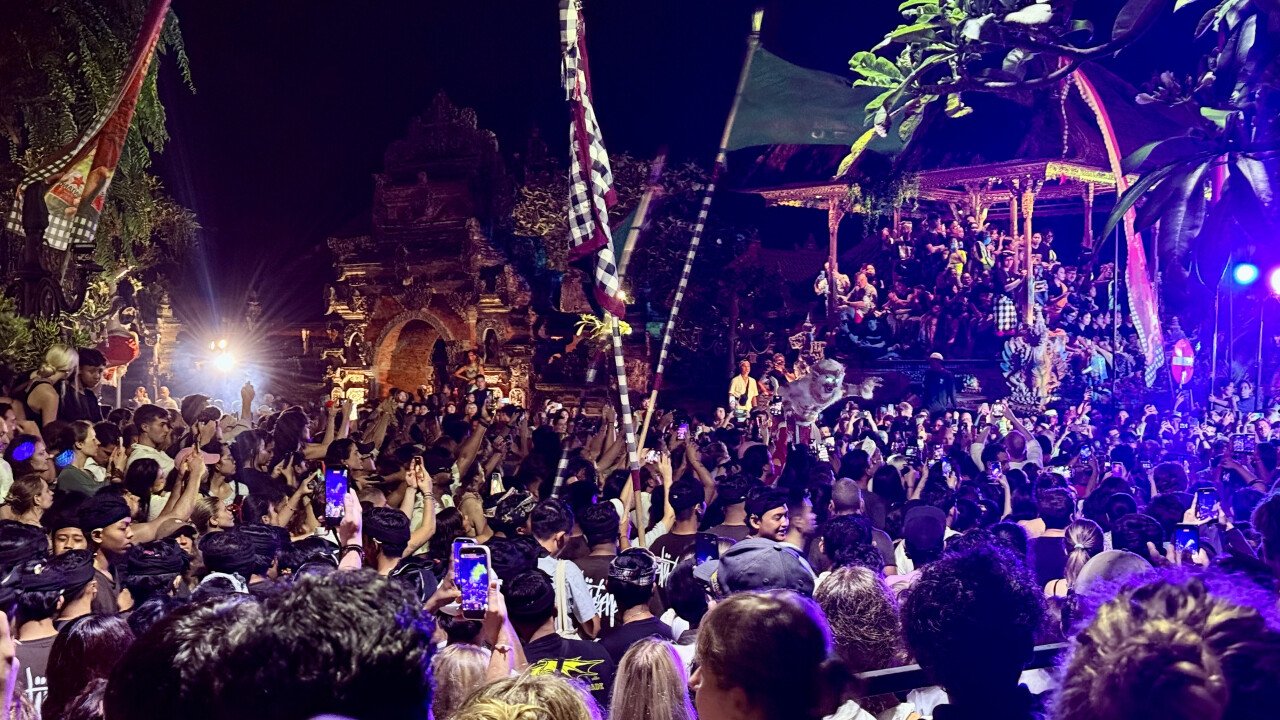
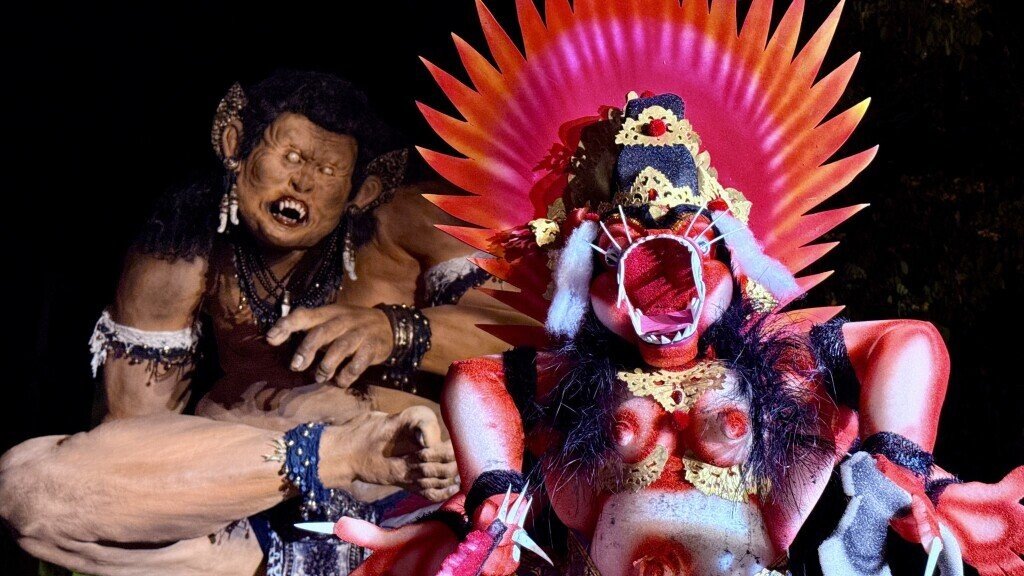
Ogoh-ogoh. Photo by the author
The idea of a “stage” at a figure parade is, of course, relative. The crossroads itself is the venue. There’s no real boundary between spectators and performers, so in a way the show is immersive too — anyone can stand almost right next to the main characters.
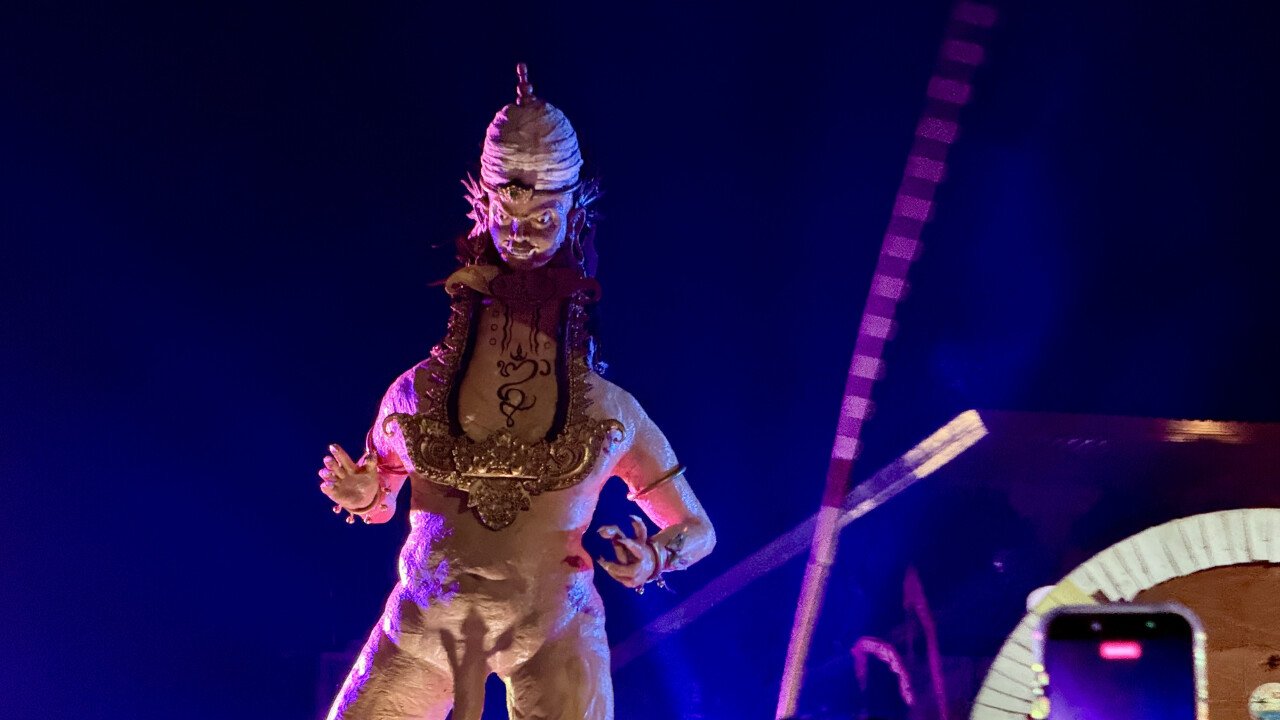
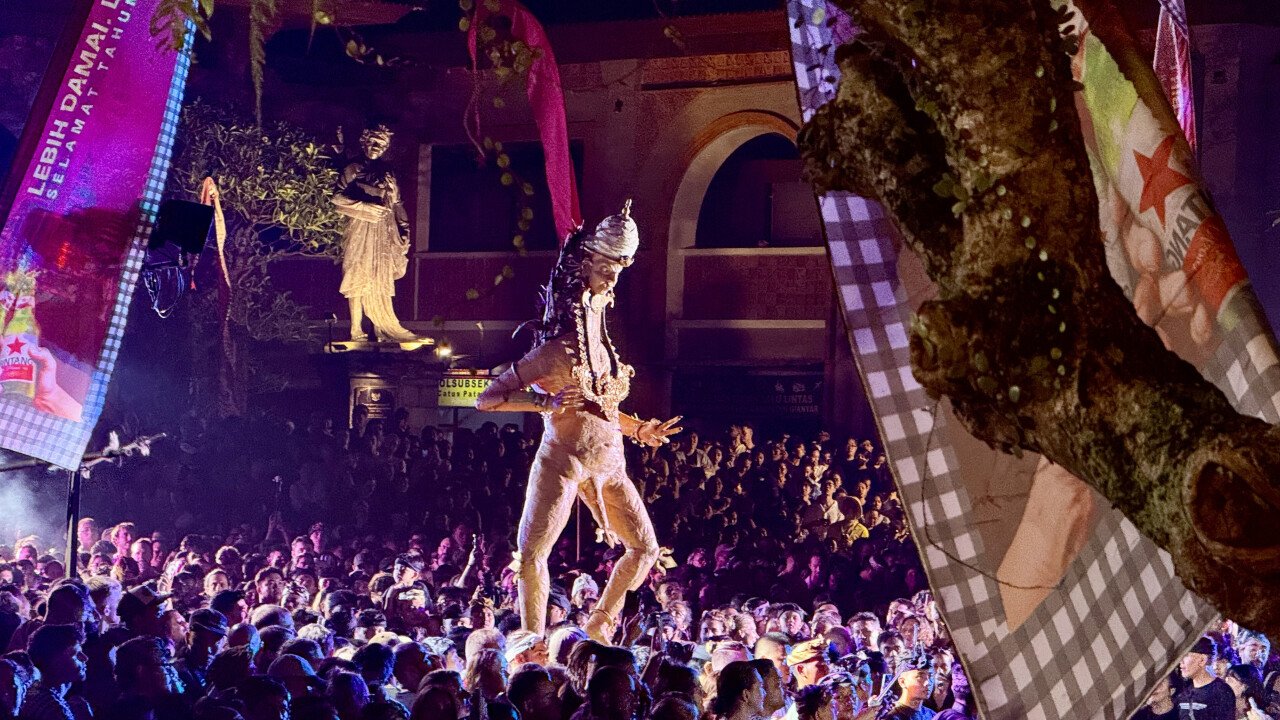
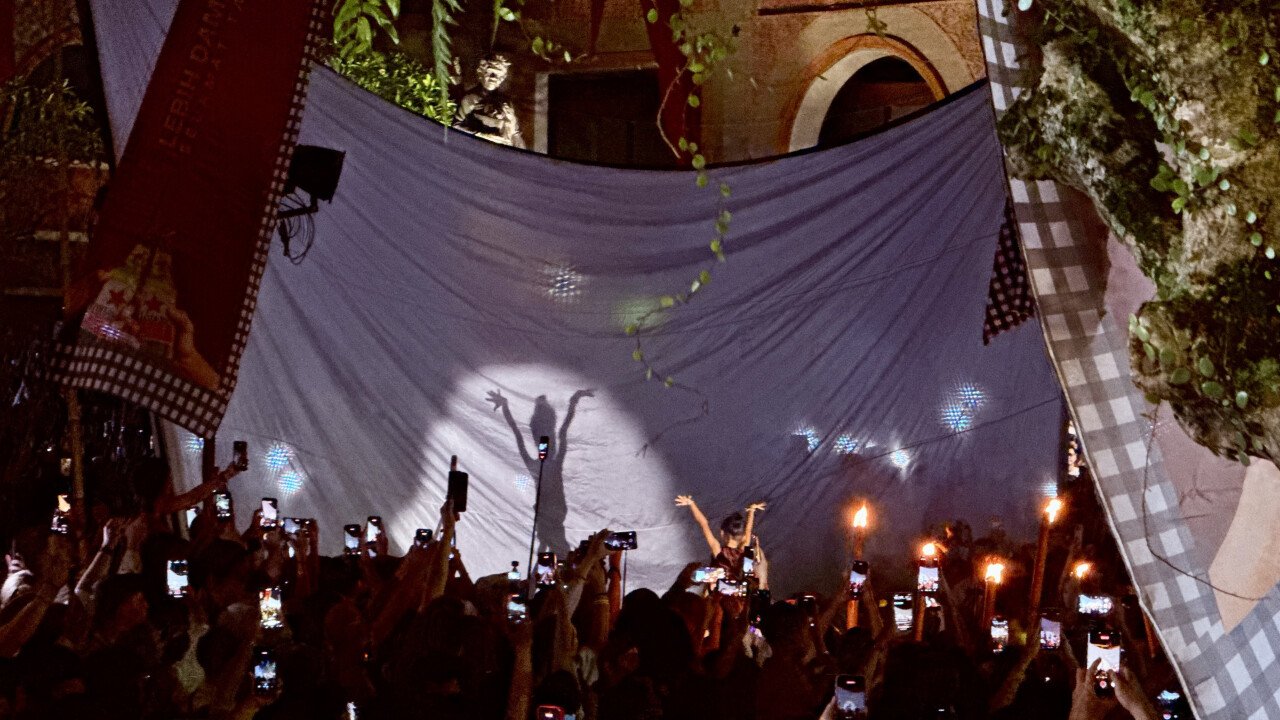
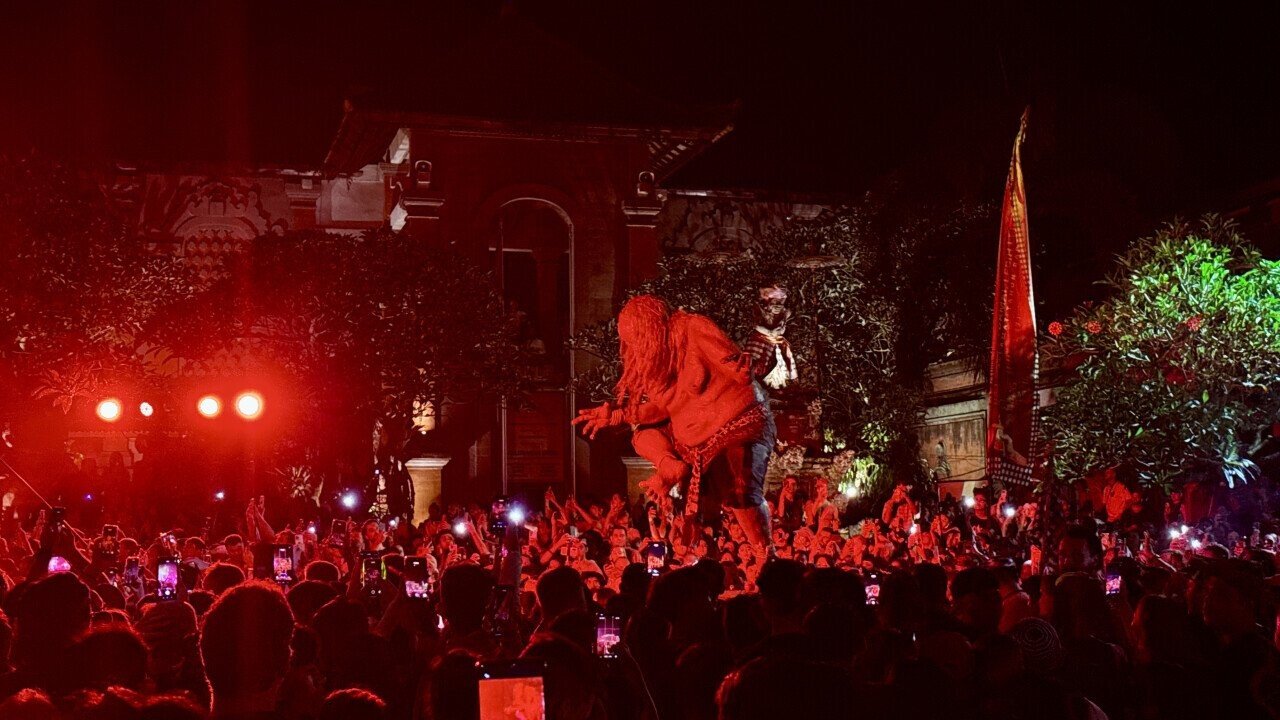
Ogoh-ogoh. Photo by the author
The performers prepare dances and short theatrical sketches inspired by Hindu epics. And the Ogoh-ogoh figures come to life in these scenes thanks to the coordinated work of the bearers, who lift the sculptures into the air on bamboo platforms.
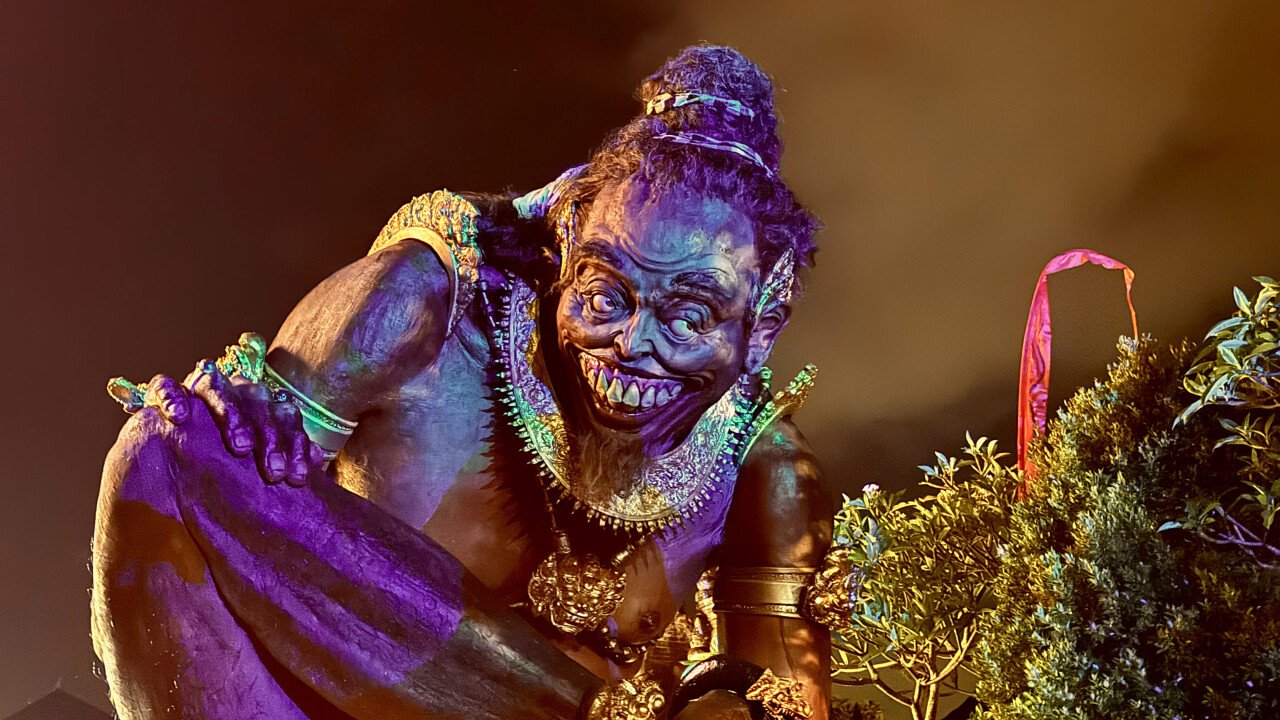
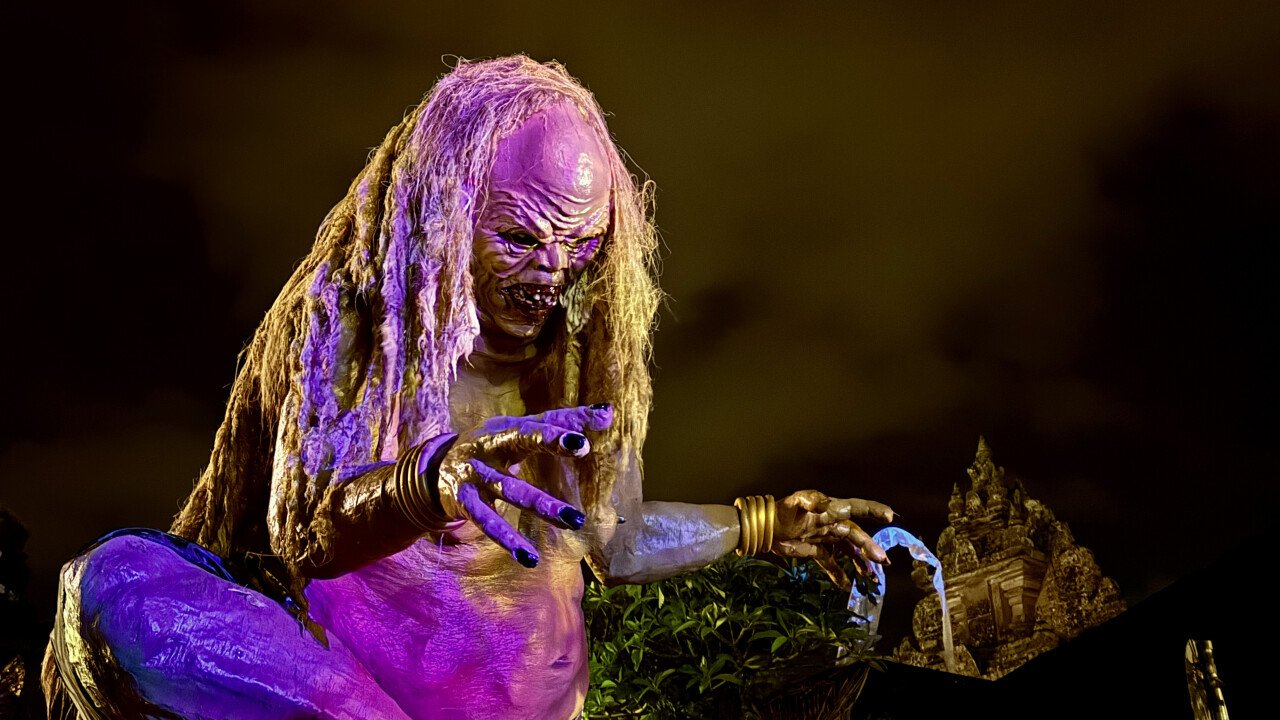
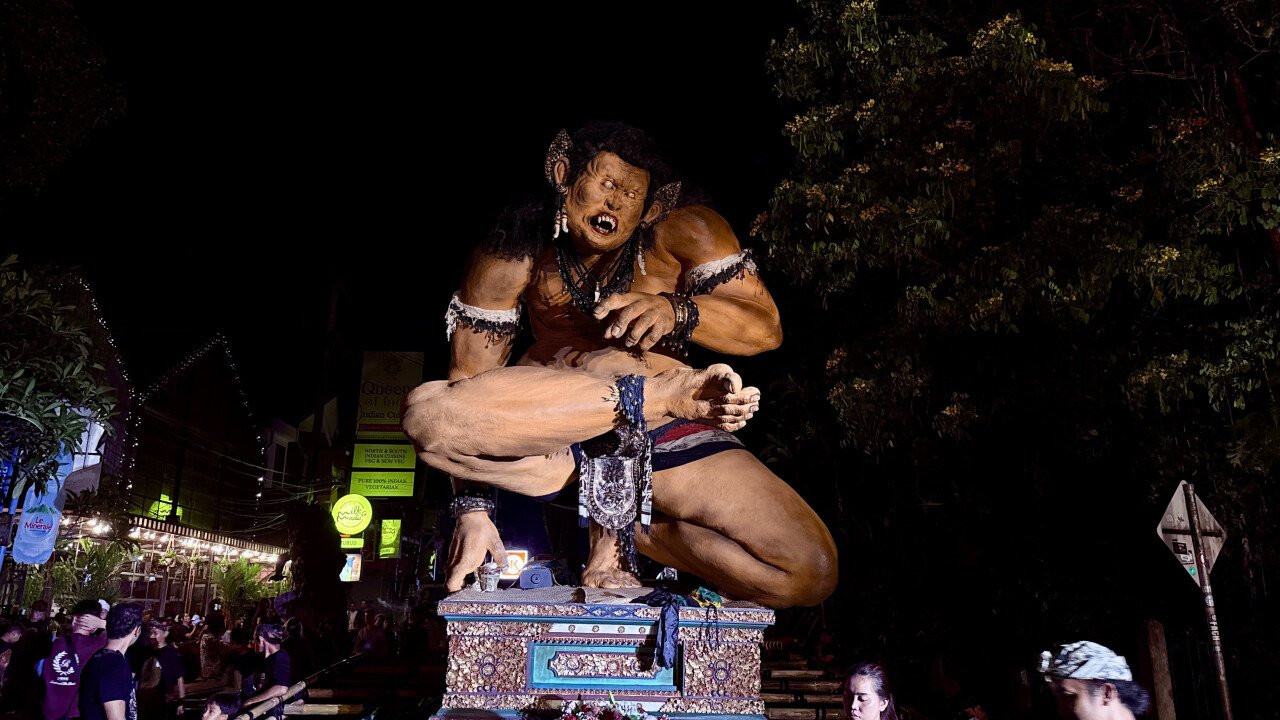
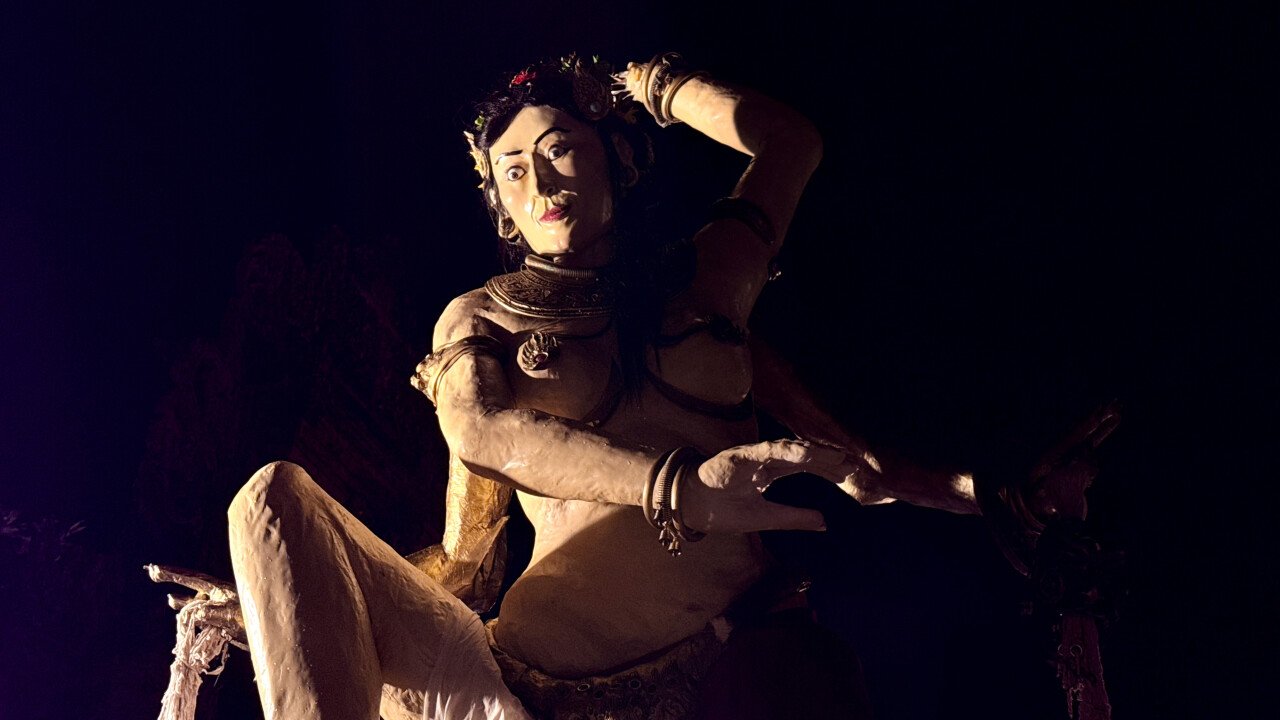
Ogoh-ogoh. Photo by the author
The hardest part, as it turned out, wasn’t making the figures, or even performing with them, but clearing space at the crossroads. Even though metal barriers were put up along the streets this year, there were still lots of spectators in the roadway. “Give us some space,” the hosts keep shouting into the microphone, which sometimes stretches the breaks to 20–30 minutes. The performers simply can’t roll the figure up to the crossroads.
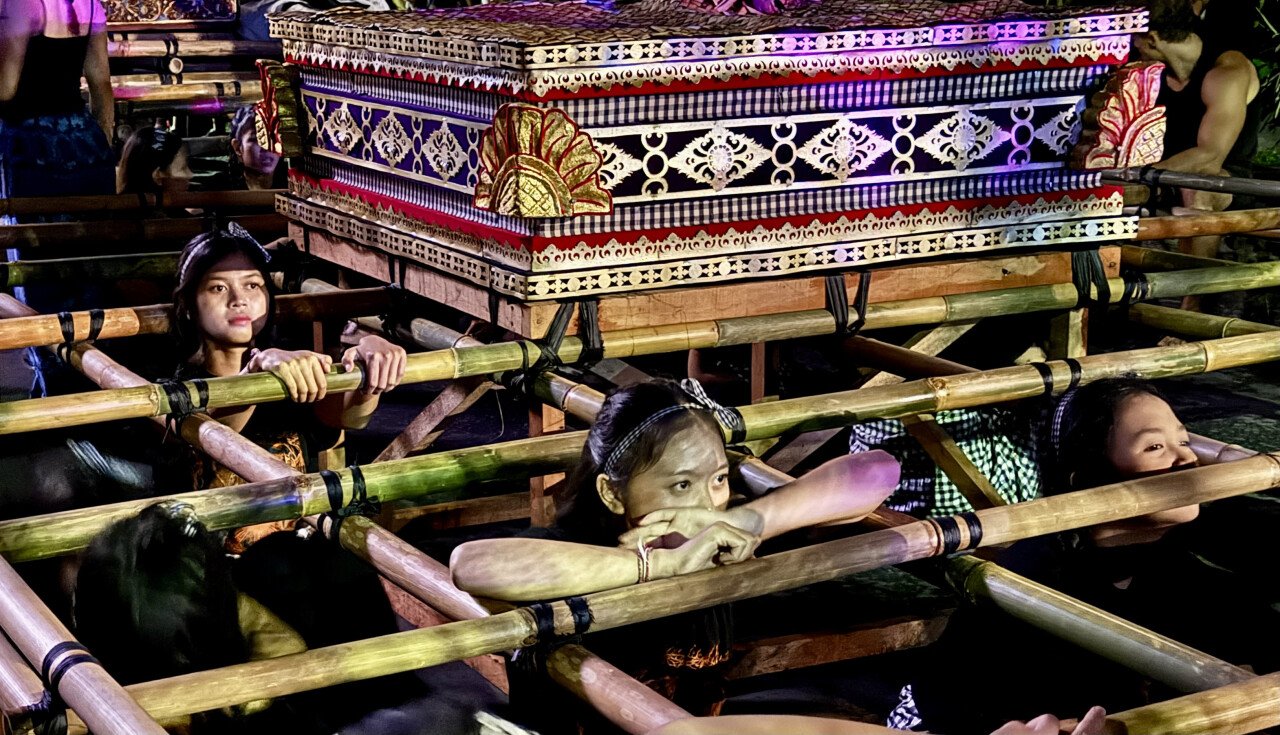
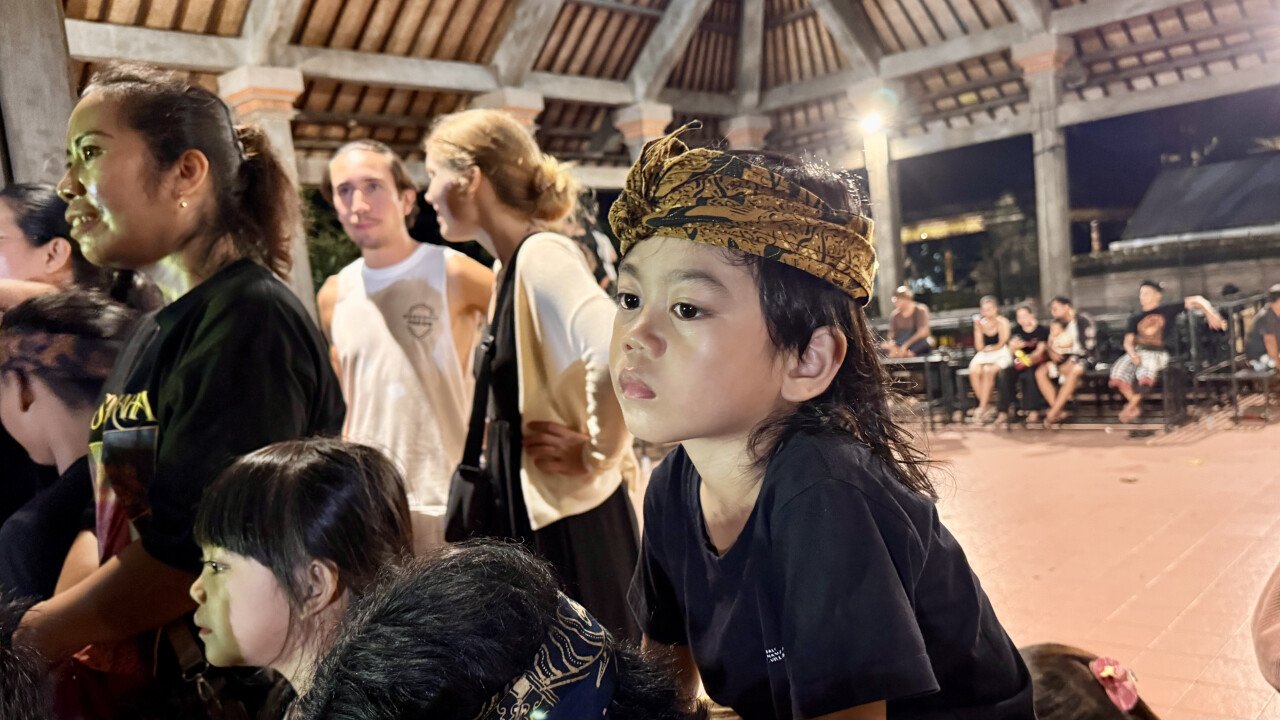
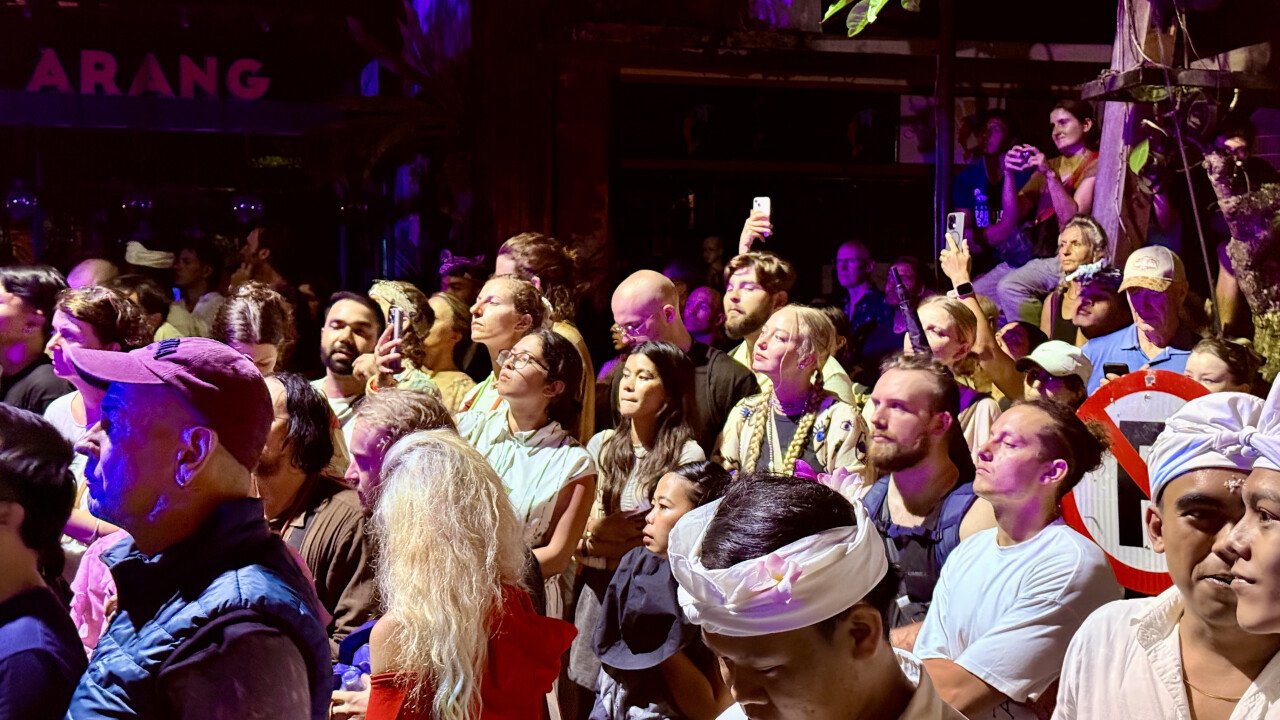
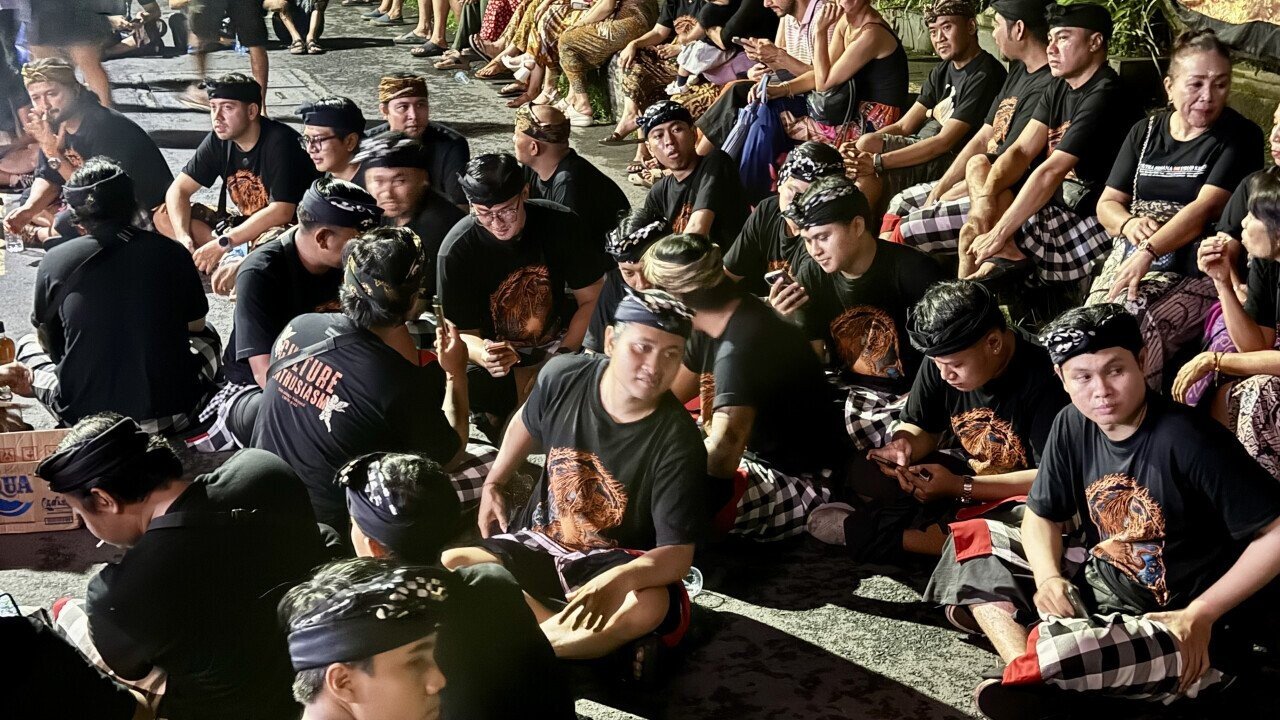
Ogoh-ogoh. Photo by the author
While some people worried about the long breaks, others made the most of them. It was a good time to rest, change your viewpoint, or pop into the nearest shop for water. Restaurants and cafés in central Ubud stayed open until the end of the performance.
The evening before Nyepi in Ubud is probably a unique moment when temples also become viewing areas. Balinese hospitality went above and beyond, and the doors were open to everyone, regardless of faith or appearance. What’s more, it was probably the only time you could even climb onto a temple wall for a better view.
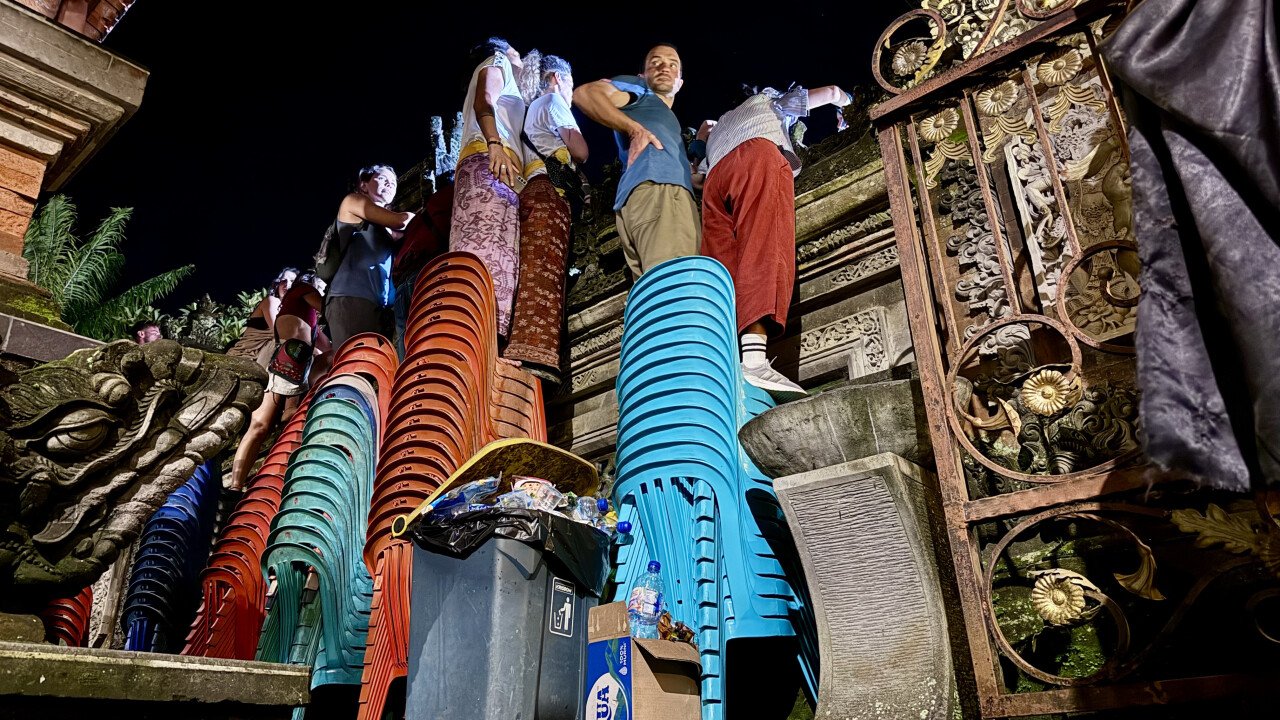
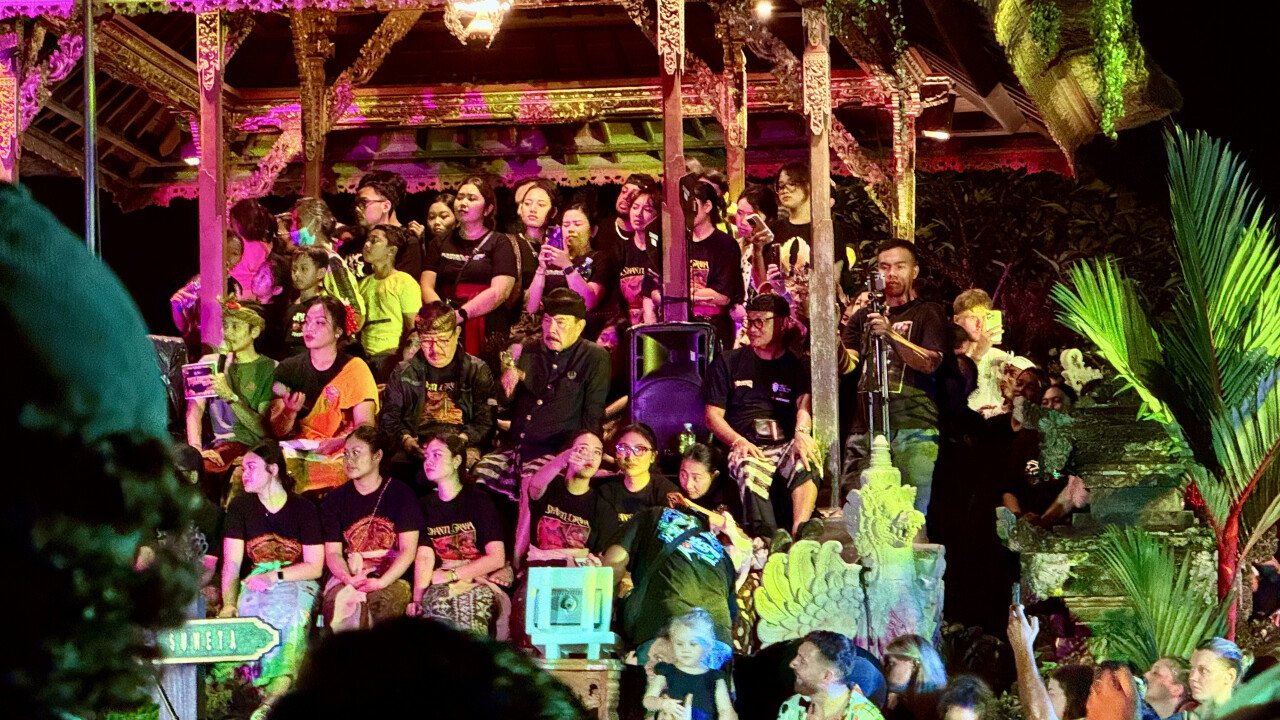
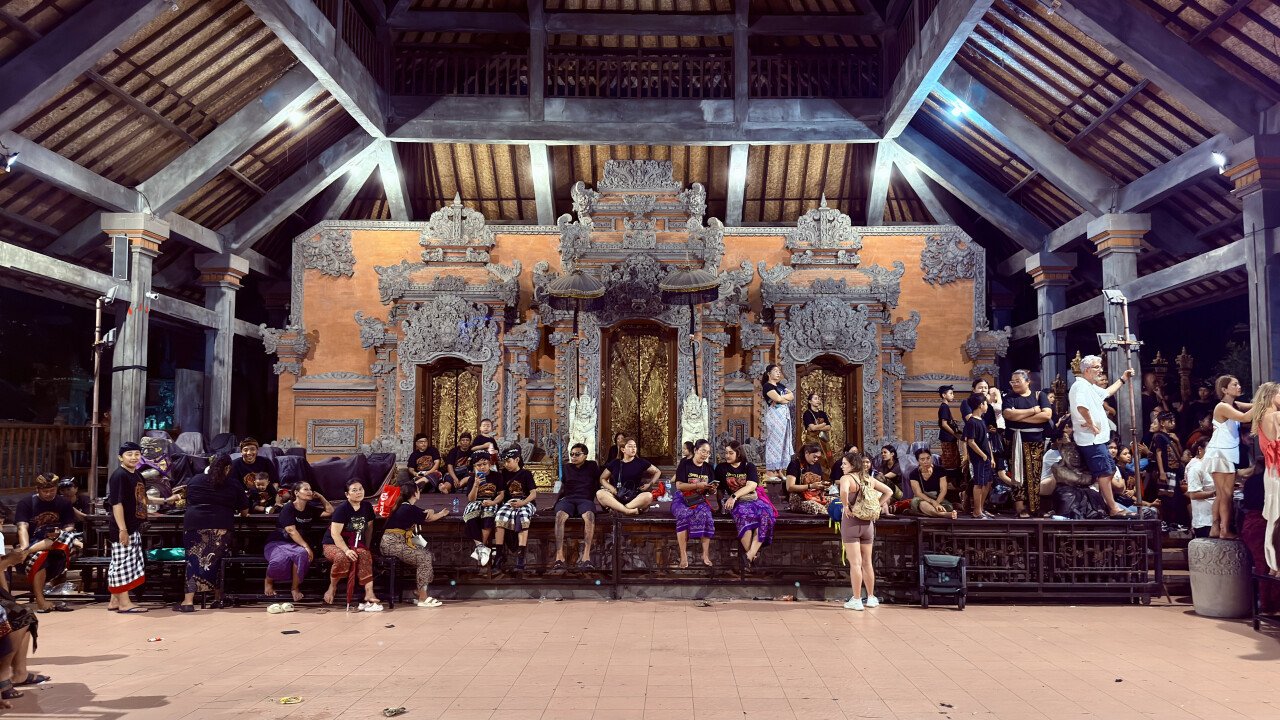
Ogoh-ogoh parade. Photo by the author
Ubud’s central crossroads is just one of many places where spectators can see the unique Pengrupukan parade every year. The figures here are never repeated, because after the procession they are burned so that new ones can be made the following year.
Judging by feedback from tourists and expats, the most interesting programmes aren’t only in big towns like Denpasar and Sanur, but also in remote villages. There, you can immerse yourself even more deeply in the history and tradition of the celebration.
And where did you watch it? Share your locations and impressions.

You can add one right now!