
Bali plans to rejuvenate cocoa trees. Plants over 20 years old no longer yield fruit. Currently, out of 13,398 hectares of plantations, 2,000 are occupied by old and damaged trees. The yield is falling, affecting the economy, as local farmers trade Balinese cocoa not only within Indonesia but also export it. The situation has become so critical that the island authorities have sought help from Jakarta.
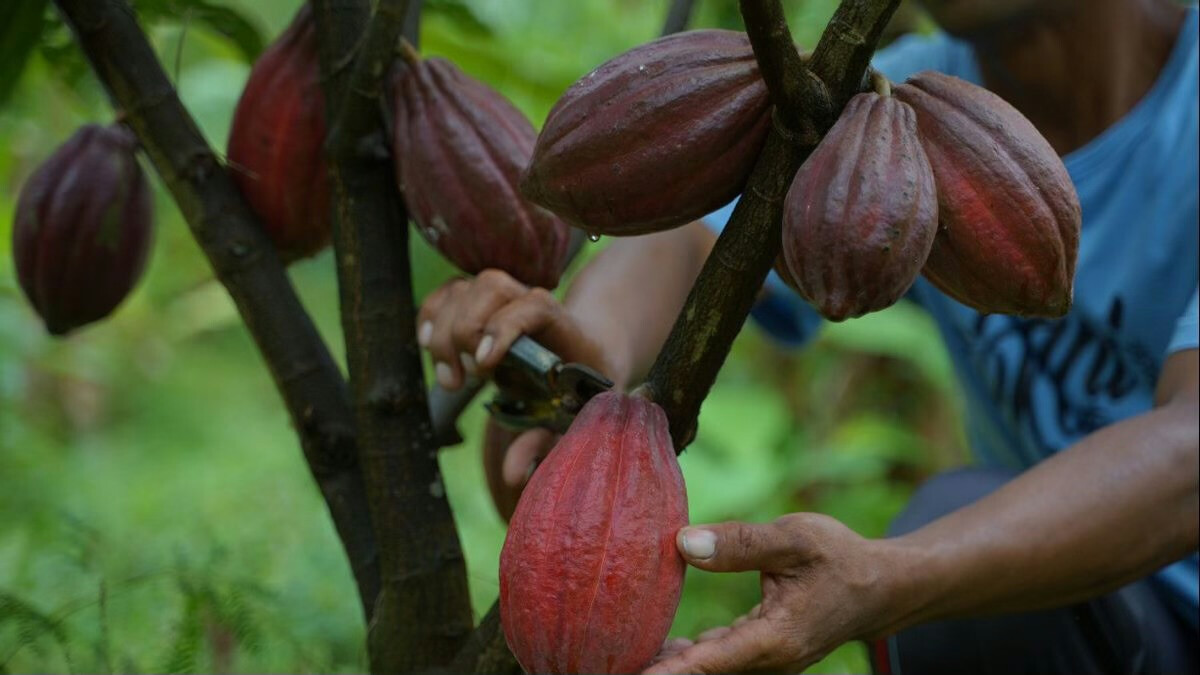
The Head of the Plantation Department, Dewa Ayu Nyoman Budiasih, confirmed that cocoa production on the island is decreasing. The average figure is below 500 kg per hectare per year. Only Jembrana maintains a level of 687 kg, but even there, the trees are aging. The first reason is the age of the plantations. The second is the age of the farmers themselves. Most workers are elderly, and intensive cocoa care has become too burdensome for them.
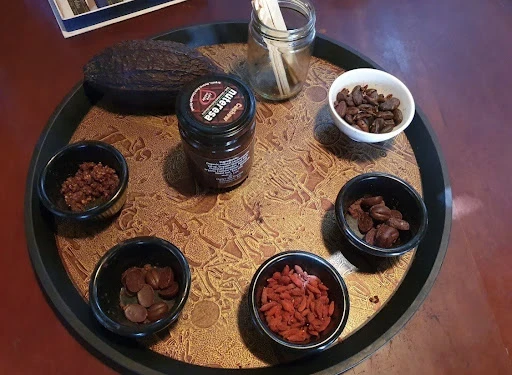
However, the potential is still huge. In Jembrana alone, there are 359 hectares available for expansion. Tabanan can also add about 2,000 hectares, but the crisis is most noticeable there: yields have fallen to 246 kg per hectare.
Paradoxically, Bali already has its own 'mother gardens'. These are plots where special trees grow from which cuttings are taken to plant new ones. But local farmers can hardly use their potential. According to the rules, they can only grow cocoa for sale from certified and officially registered seeds. Therefore, Bali is now preparing a request for federal seeds to renew the plantations.
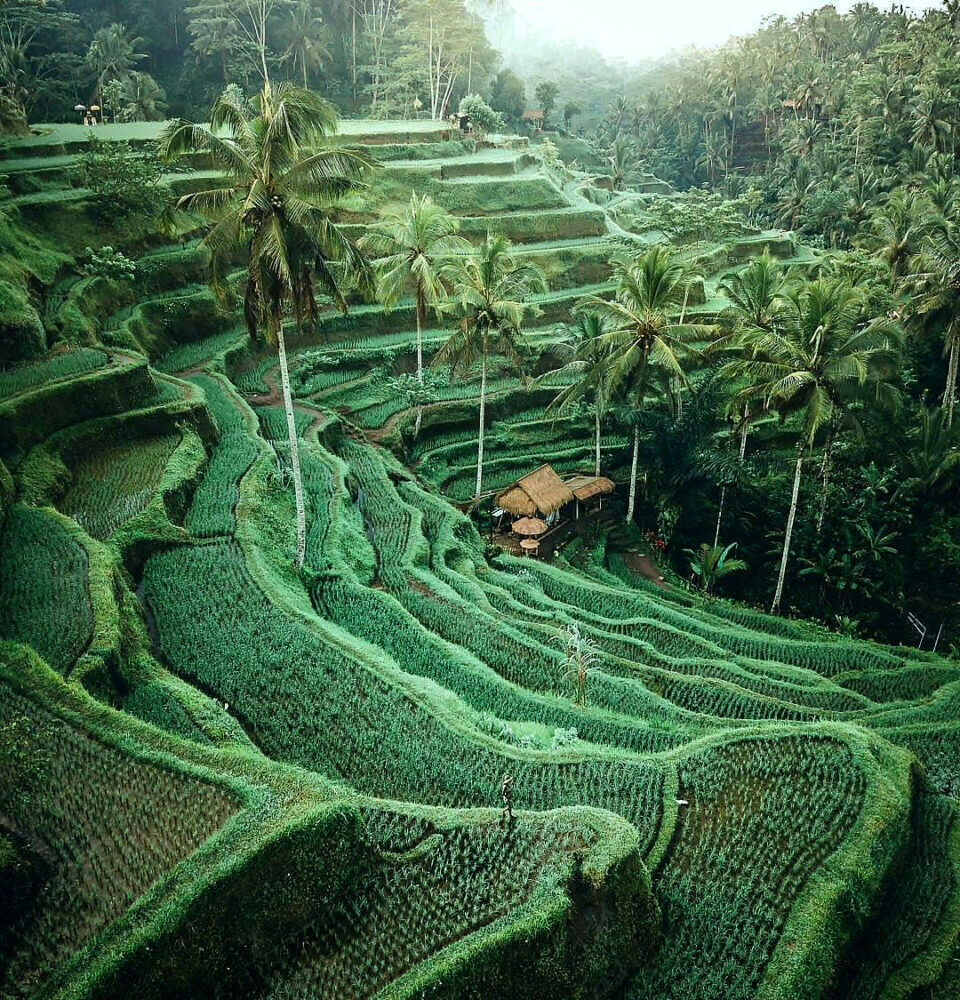
Additionally, Budiasih is requesting not only new seedlings from the center but also support to enhance plantation care: training for farmers, practical field assistance, and technical help to improve the methods.

You can add one right now!