
Every year on 1 May, Indonesia celebrates Labour Day — Hari Buruh Internasional. It is an official public holiday across the whole country, including Bali.
For tourists, it is not as significant a holiday as Nyepi, Galungan or Kuningan. The island does not come to a halt: beaches, cafés, restaurants, shopping centres and most tourist spots usually continue to operate. However, government offices, banks, consular and immigration offices are generally closed on this day. If you need to extend a visa, collect a document or deal with any government services, it is best to check opening hours in advance and not leave everything until 1 May.

The main thing that can affect an ordinary day in Bali is union rallies and gatherings. They do not happen every year on the same scale, but on Labour Day in Indonesia, workers’ groups often take to the streets with demands about wages, employment contracts, social protections and protection from dismissals. In tourist areas, this is usually barely noticeable. In Denpasar, however—especially near the governor’s office, the provincial parliament building or other administrative locations—local traffic jams and temporary road restrictions are possible.
The history of the holiday goes back to the labour movement of the late 19th century. 1 May became a symbol of the struggle for the eight-hour working day and safer working conditions. In Indonesia, Labour Day began to be marked as far back as the colonial period, when workers’ groups raised issues of wages, working hours and basic rights.
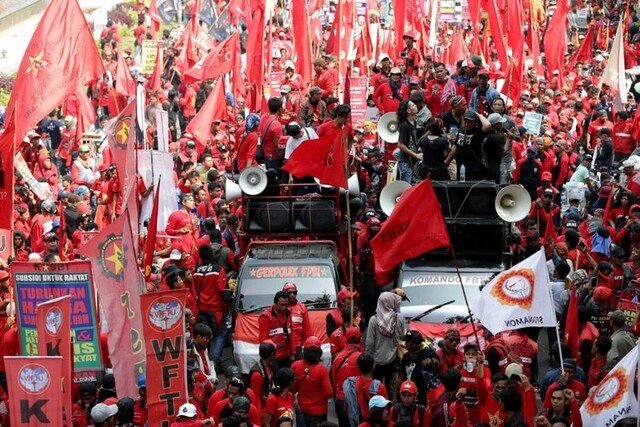
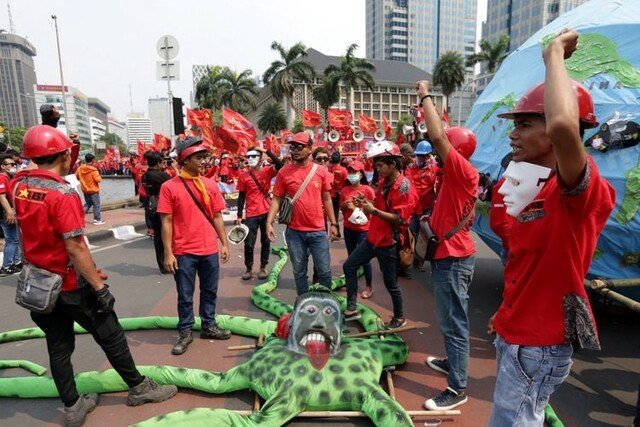
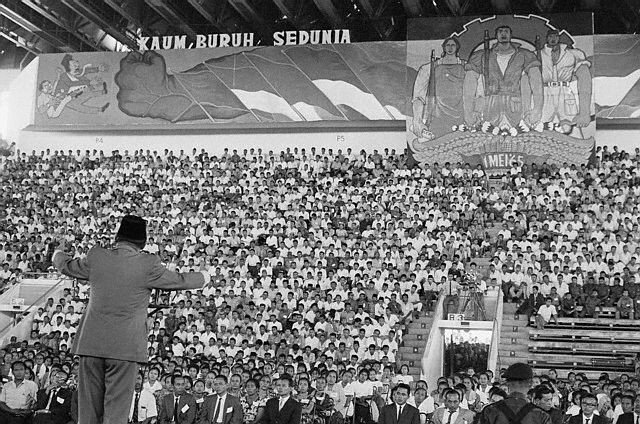
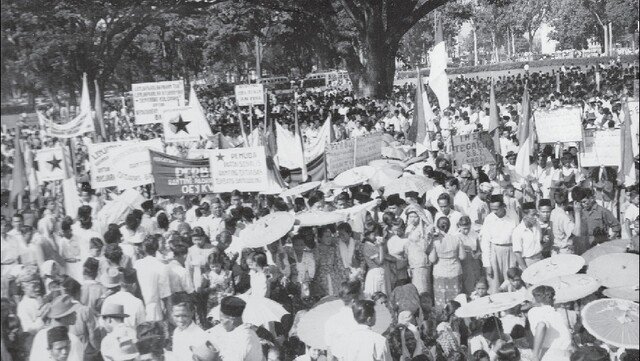
Photos: May Day demonstrations in Indonesia
After independence, the holiday became part of the country’s social and political life. But during the “New Order” era under Suharto, May Day rallies were banned or tightly controlled: the authorities linked the labour movement to left-wing organisations and considered such gatherings politically dangerous. After the 1998 reforms, trade unions regained more space, and Labour Day returned to public life.
1 May became an official public holiday only in modern Indonesia. The decision was made in 2013, and Labour Day was first observed as a national holiday in 2014.
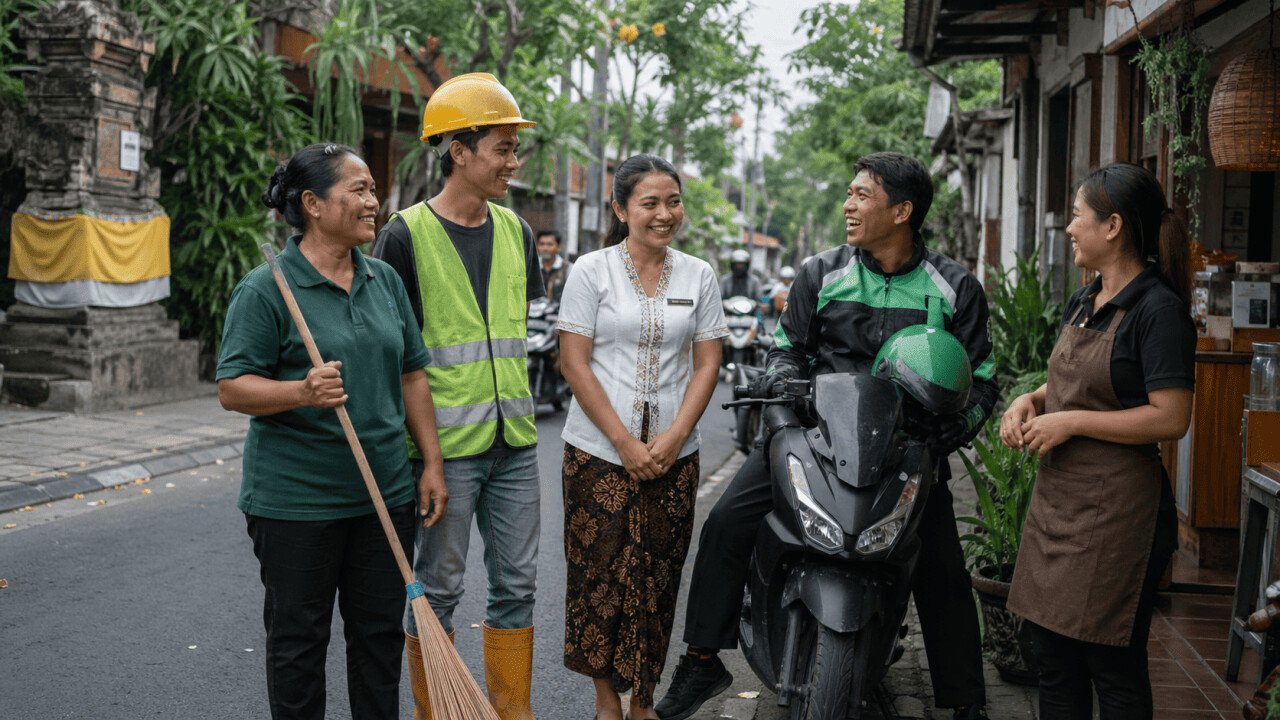
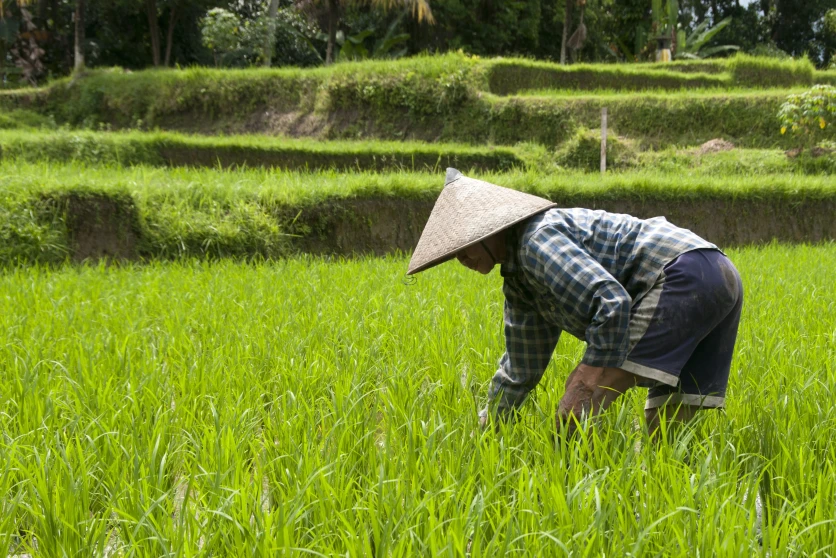
In Bali, the holiday has its own specific features. The island’s economy is largely driven by tourism, so labour disputes often concern hotels, restaurants, transport, outsourcing, temporary contracts and day-to-day work. Behind the familiar tourist picture are the people who keep the resorts running: waiters, cleaners, drivers, hotel staff, security guards, airport workers, shop assistants, construction workers and many others.
If you live in Bali or are here on holiday, it is enough to keep three things in mind: do not plan important visa, banking or administrative tasks for 1 May; check the opening hours of the offices you need in advance; and be prepared for possible traffic jams in Denpasar’s administrative areas. Otherwise, for tourists the day is usually calm.

You can add one right now!