
In December 2025, a conflict erupted in the rice fields of Jatiluwih. The Bali authorities sealed off 13 restaurants and shops for violating land use regulations. The possibility of demolishing the buildings remains open. Dozens of local farmers and entrepreneurs are affected.
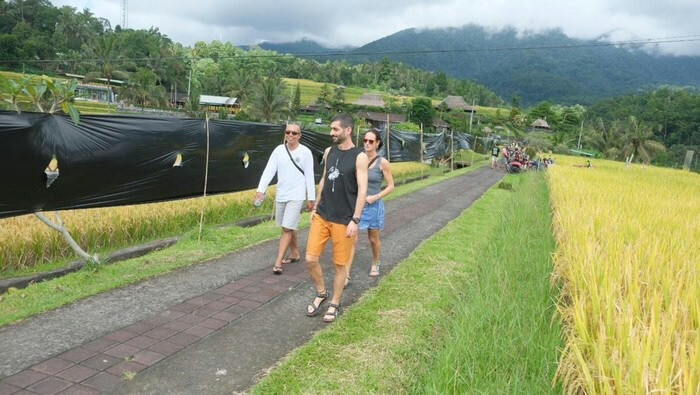
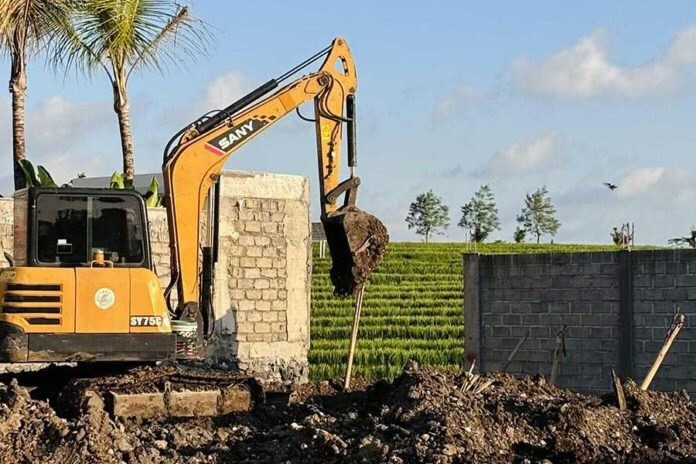
A special committee of the Bali parliament found that the establishments were built on protected agricultural land. Since 2012, Jatiluwih has been a UNESCO World Heritage Site, and officials state that concrete threatens the unique landscape of the rice terraces.
Committee chairman I Made Suparta put it simply: this campaign is against concrete in the fields, which threatens cultural heritage and UNESCO status.
Local residents perceived the raid as a stab in the back. In response, they covered the scenic spots with corrugated iron and black film, blocking tourists' views of the fields — the main reason for visiting. The message is clear: without our business, there's nothing worth seeing here.
All entrepreneurs in Jatiluwih are local farmers, the owners of these rice fields. There are no foreign investors. Residents warn: without tourism income, the youth will leave, the fields will be abandoned, and the very landscape that the authorities claim to protect will vanish on its own.
Head of Bali's Public Order Agency, Dewa Nyoman Rai Dharmadi, insists everything is done according to the law: the state has the right to declare the area as farmland for sustainable food production and restore the land's 'proper' function. He called the farmers' protest a 'reasonable reaction,' but simultaneously promised to summon ten more business owners to check their land documents.

Recently, Jatiluwih was recognized as one of the best tourist villages of 2024 by the UN. The region subscribes to the philosophy of 'Tri Hita Karana' — balance between people, nature, and the spiritual world. The subak system, an 11th-century irrigation network, is not just a water supply for rice, but a working model of sustainable development.
Tourists come here not only for photos of the terraces but also for the experience: working in the field, interacting with farmers, and seeing a living village. Now, with restaurants sealed and views covered with black film, it’s unclear who would be interested in such an attraction.
The story of Jatiluwih is a reminder to anyone looking toward Balinese real estate: verbal agreements and beautiful presentations can't be relied upon on the island. Land status, zoning, designated use of the plot, and property documents are everything — a mistake at this stage could end with a sealed door and a 'closed' sign.

Legal Indonesia helps sort out such nuances before problems arise. The company assists with real estate transactions in Bali and throughout Indonesia: checking land status and documents, preparing contracts, and handling property registration. Experienced lawyers suggest legal ownership schemes for foreigners and help safely purchase land or rent a villa, ensuring your home doesn't turn into another 'illegal restaurant on a rice field.'
Source: detik

You can add one right now!