
Indonesia is staying firmly committed to its green energy transition — even in areas where it may seem challenging to implement. The Ministry of Energy and Mineral Resources (ESDM) has announced that starting in July, gasoline sold in several regions will be required to contain 5% ethanol. Bali, known for its progressive environmental initiatives, is among the regions included in the rollout.
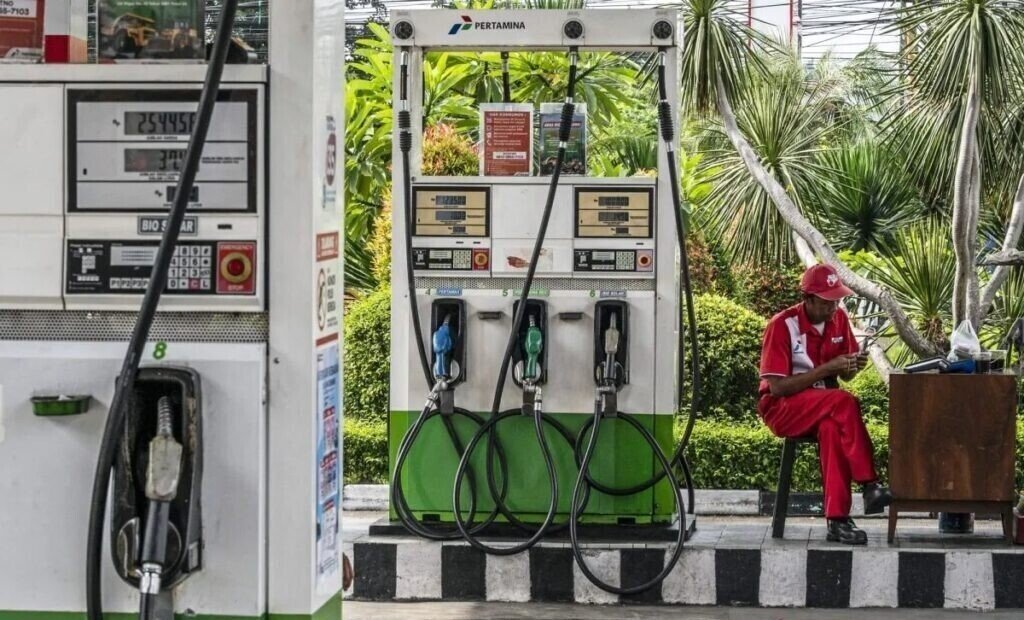
The new fuel standard will take effect across Java, Bali, and Lampung. A nationwide launch is not yet possible due to limited production capacity. Major fuel producers are currently able to supply only around 26 million liters of ethanol-blended gasoline annually, while nationwide demand would require hundreds of millions of liters.
The government describes the move as an intermediate step toward E10 fuel, which contains 10% ethanol. Full implementation is planned no later than 2028.
The environmental benefits come from the ethanol component itself. The fuel additive is primarily produced from sugarcane, sugarcane processing waste, and cassava. Sugars are extracted from the raw materials and fermented with yeast to produce alcohol, which is then blended with conventional gasoline.
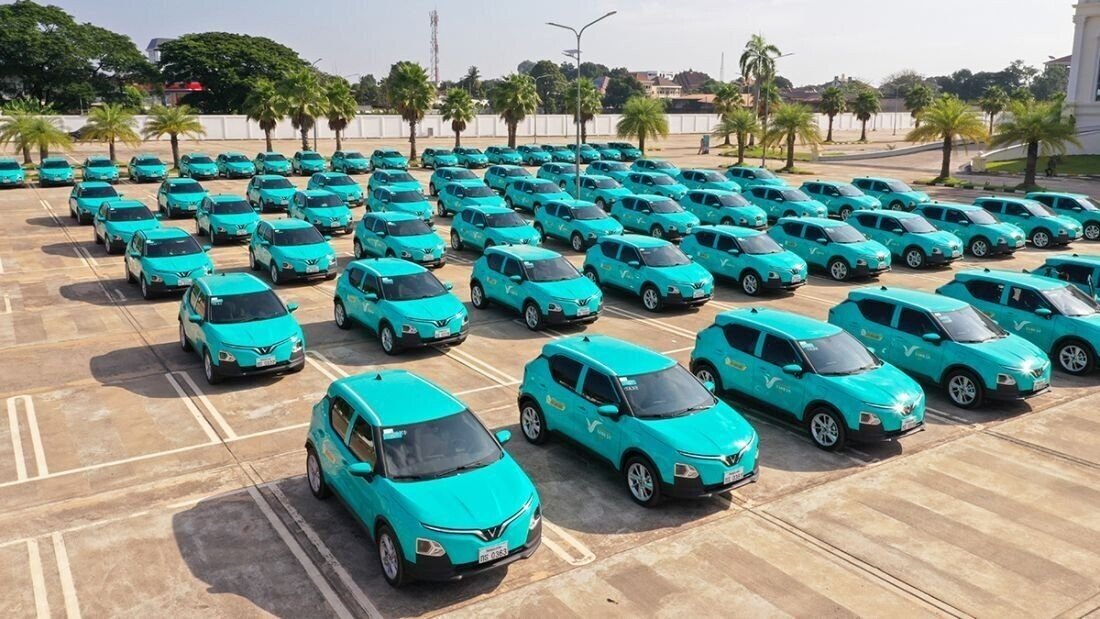
For drivers, the transition is expected to be largely seamless. Fuel grades may simply receive an “E5” label at gas stations, with “E” standing for ethanol and “5” indicating the percentage contained in the fuel. Cars and motorcycles should be able to use the new blend without modification, while emissions are expected to become slightly cleaner.
One downside is that fuel consumption may increase by a small percentage. Pertamina has already conducted market trials of E5 fuel, meaning many motorists may have already used it without noticing any difference.
The government says the policy serves two main purposes: accelerating the transition toward cleaner biofuels alongside its B50 biodiesel program and reducing dependence on imported fuel. Indonesia intends to source the raw materials domestically and has simplified licensing and administrative procedures to encourage local biofuel production.
The biofuel program is not without critics. Some experts argue that ethanol-blended fuels may reduce engine efficiency and increase fuel consumption due to ethanol’s lower energy density compared to conventional gasoline.
Others warn that expanding plantations for energy crops could compete with food production for agricultural land, potentially driving up food prices.
Large-scale bioethanol production also raises environmental concerns. According to industry estimates, producing a single liter of bioethanol can require between three and ten tons of water when cultivation and processing are taken into account.
Sources: infodenpasar, republika

You can add one right now!