
The Bali Kerthi Compliance hotel assessment system has been launched in Bali. Hotels receive one of three ratings — Gold, Platinum or Diamond — which are expected to be displayed on online booking platforms so guests can see the compliance level when choosing accommodation.
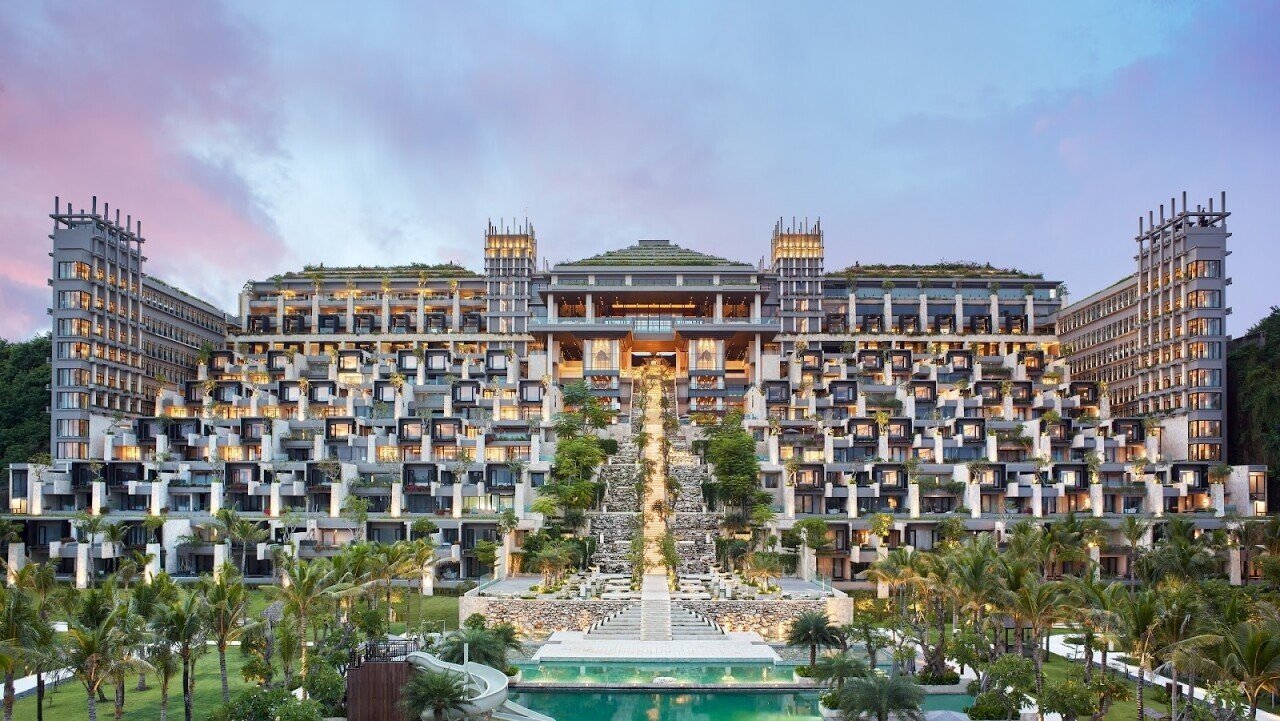
The first four hotels were audited on 5 August, and all received the highest rating.
The audit covered star-rated hotels in Nusa Dua: The Laguna Resort & Spa, The St. Regis Bali Resort, The Apurva Kempinski Bali and Sadara Resort. The audit was conducted by a joint team comprising the provincial tourism office, the investment and licensing agency, professional auditors and representatives of tourism associations.
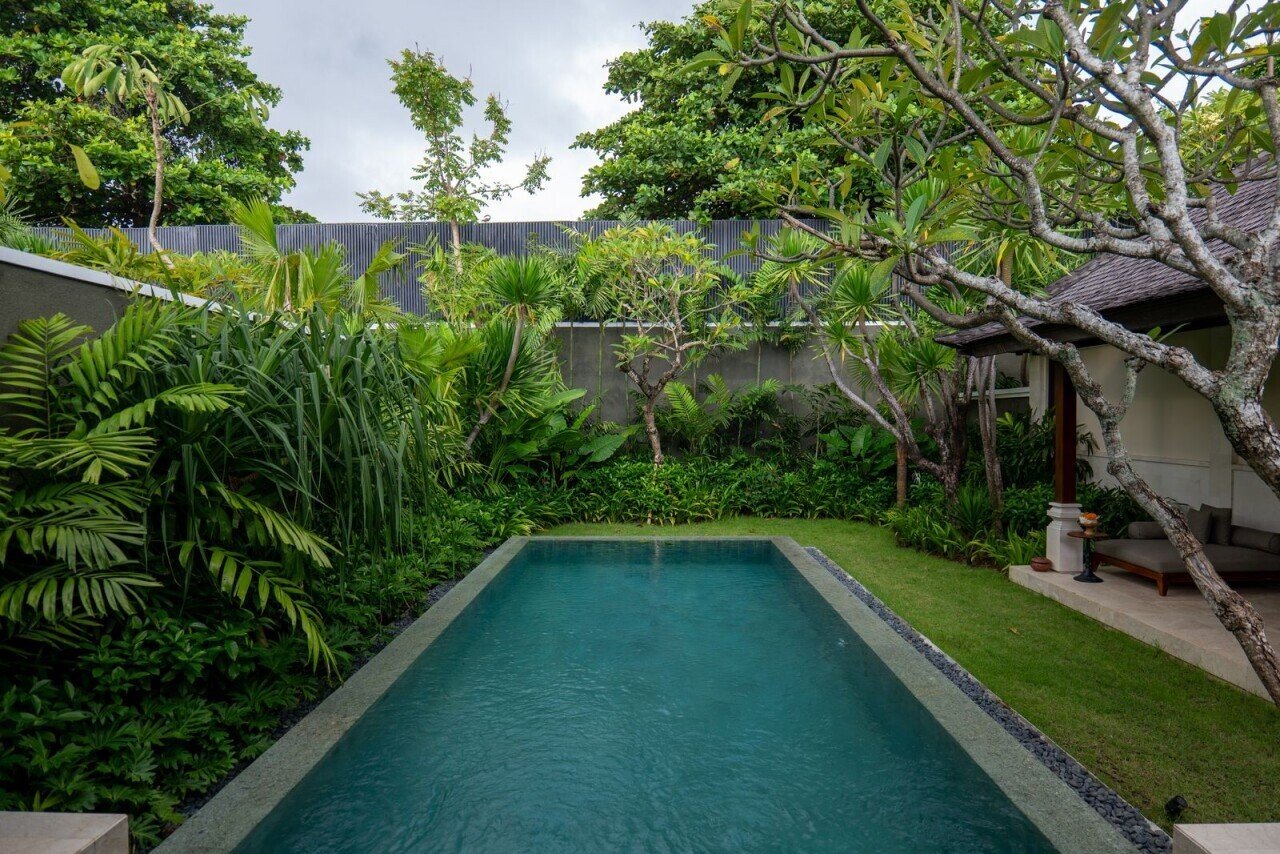
The assessment covers three areas. The first is documentation: a business licence, building approval, a tax identification number and tax payments. The second is hotel operations: service standards, guest safety and emergency preparedness. The third is sustainability: waste separation, eliminating single-use plastics, Balinese attire for staff, the use of Aksara script in the décor and environmental programmes.
The system includes 36 criteria in total. A score of 70 to 79 percent earns the Bali Kerthi Gold rating, 80 to 89 earns Platinum, while Diamond is awarded only to hotels that meet all 36 criteria. The four Nusa Dua hotels scored one hundred percent and received Diamond ratings.
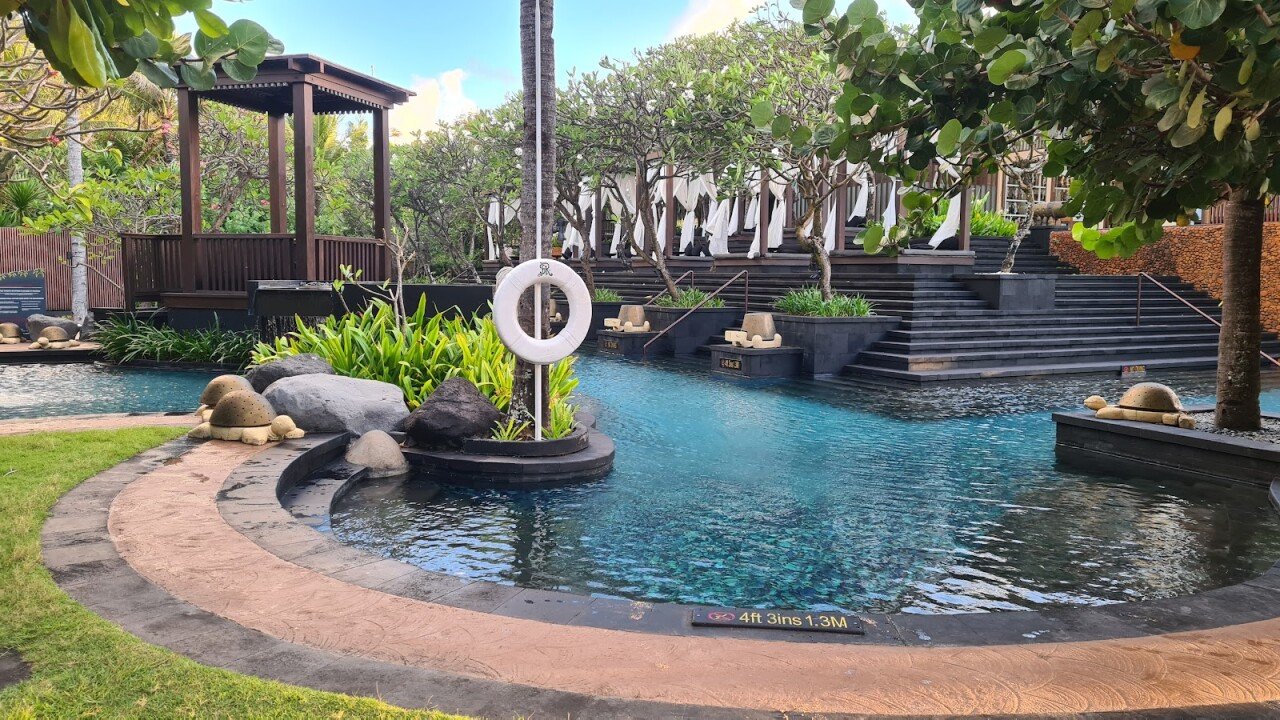
During the audits, the hotels demonstrated measures they had already implemented. At The Laguna, these included solar panels, electric vehicles, seawater desalination and the use of endek fabric featuring Balinese script in the décor.
The commission also asked the hotel to be more proactive in collecting the tourist levy from foreign visitors and to expand its programmes for surrounding communities. The St. Regis uses a desalination plant instead of wells and holds EarthCheck Platinum and Green Globe Platinum environmental certifications.
The Apurva Kempinski follows international sustainable tourism standards, treats wastewater and plants mangroves, and plans to achieve a net-zero carbon footprint by 2030.
For now, any shortcomings are recorded as observations, and hotels are given an opportunity to address them. The standard is based on international practices, with additional Bali-specific criteria such as Aksara script and traditional attire.

In 2024, Bali had around 12 thousand officially registered accommodation properties, while almost 19 thousand were listed on booking platforms. After a year of outreach, the number of legal properties increased to approximately 17 thousand, while around two thousand still lack the required documents.

You can add one right now!