
Hundreds of listings for hotels and villas have appeared on popular online platforms across Bali, from Badung and Gianyar to Tabanan and Karangasem.

Asking prices reach tens of billions of rupiah. The Indonesian Hotel and Restaurant Association (PHRI) has examined what is behind the wave of sales and explained why it could be a serious warning sign for Bali’s tourism industry.
PHRI representatives point out that putting a property on the market does not always mean a business is about to collapse. Some owners are simply testing what the market will pay, while others have decided to move their capital into different sectors. Even so, the experts acknowledge that the market really is oversaturated, especially in southern Bali.

The main reason is a deep imbalance between supply and demand. In recent years the number of rooms on the island has grown far faster than the number of visitors. The profile of the traveller has changed too. Bali now attracts more budget tourists, who prefer to stay in guesthouses, private apartments or villas rather than star-rated hotels.
Other factors are making things harder: weaker spending power among domestic tourists from Indonesia, global geopolitical instability and currency swings. The last of these hits owners who took out bank loans in US dollars particularly hard.
As a result, properties worth up to 50–60 billion rupiah are going on the market in large numbers — mostly small and mid-sized hotel businesses rather than large five-star complexes.

PHRI is also warning the authorities about a new risk: an influx of speculators.
"We are worried that the market will be entered by people who do nothing but flip real estate: they come in, carry out light renovations, and then put the property up for sale again," says Cok Ace, chairman of the Bali regional branch of the Indonesian Hotel and Restaurant Association (PHRI).
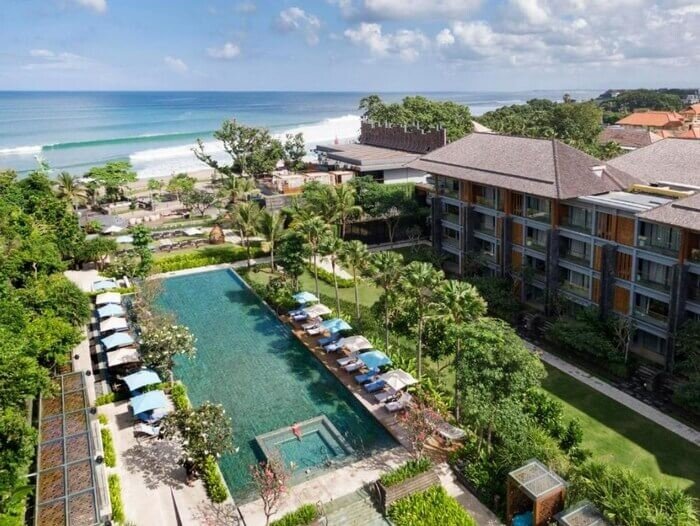
In his view, the government needs to screen investors more strictly so that professional hotel operators come into the market instead of people chasing a quick profit.
The picture across the island is uneven, however: while the Kuta area is under heavy pressure from falling demand, Sanur is holding up well thanks to its high occupancy.
To turn the situation around, experts and hotel industry figures are pushing for a package of decisive measures. First and foremost, they are calling for an official moratorium on building new accommodation in southern Bali, where the gap between supply and demand has become critical.
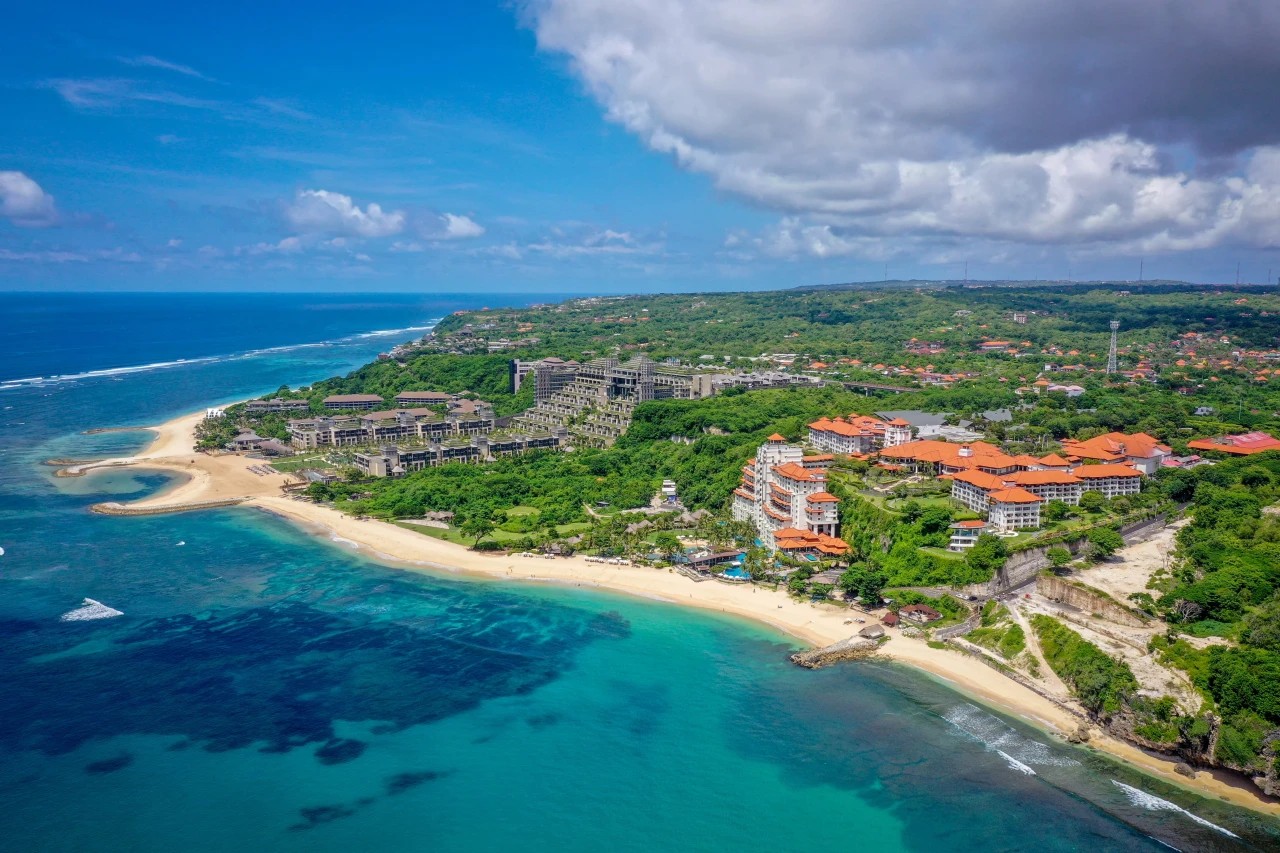
At the same time, they propose continuing tough raids against illegal rentals and unregistered properties on platforms such as Airbnb. PHRI stresses that this clean-up of the grey sector is already paying off: average occupancy at licensed hotels has risen from 62% to 65–68%.
Finally, hoteliers want the authorities to move from talk of "quality tourism" to concrete action, focusing on long-standing infrastructure problems — tackling traffic congestion, handling waste and improving safety on the island.

You can add one right now!