
Environmentalists and surfers who opposed the construction of the retaining wall at Uluwatu are actively discussing a video that has gone viral on social media. The footage was filmed beneath the cliff shortly after a powerful swell hit the Bukit coast in recent days.
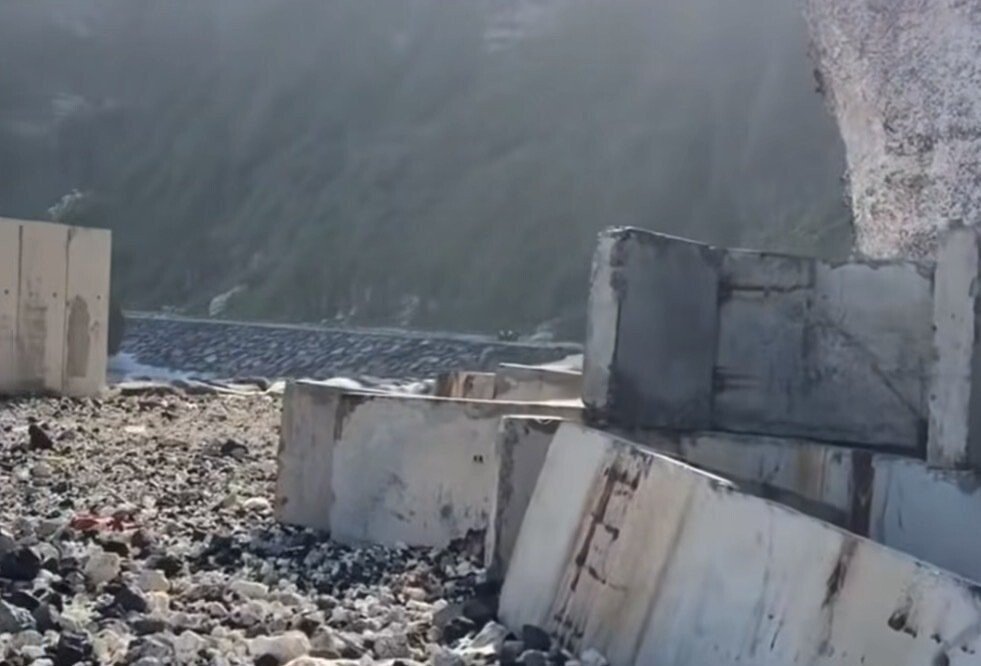
The video shows complete chaos at the foot of the famous cliff. The ocean has literally smashed apart the retaining wall under construction. In the footage, you can see a mess of wet black boulders, torn-out chunks of concrete and construction foam. The protective structure itself looks pitiful: the concrete panels are leaning, and some have been completely destroyed by the waves. It seems nature has made it very clear who is in charge here.
The authorities have not yet commented on what happened. There is also no information about any suspension of the work.
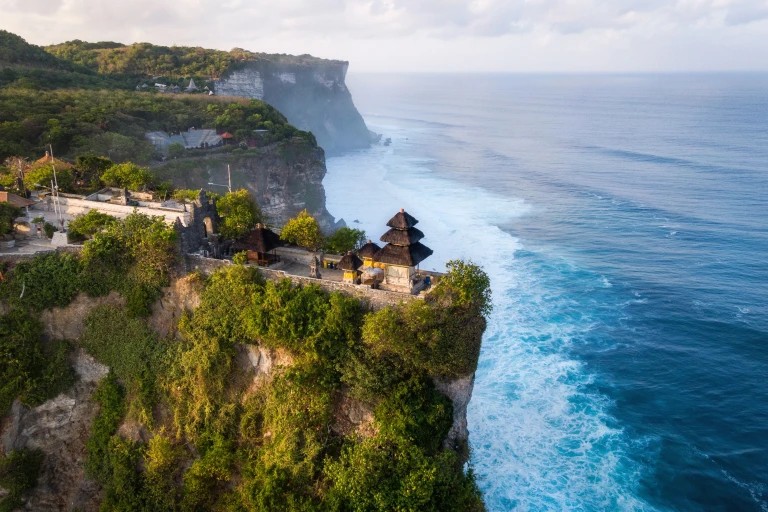
The story of this large-scale construction project began with alarming warnings from geologists, who discovered a deep crack in the limestone cliff directly beneath the main shrine of Pura Luhur Uluwatu back in the 1990s. The temple, founded in the 11th century, is one of Bali’s six most important Hindu temples.
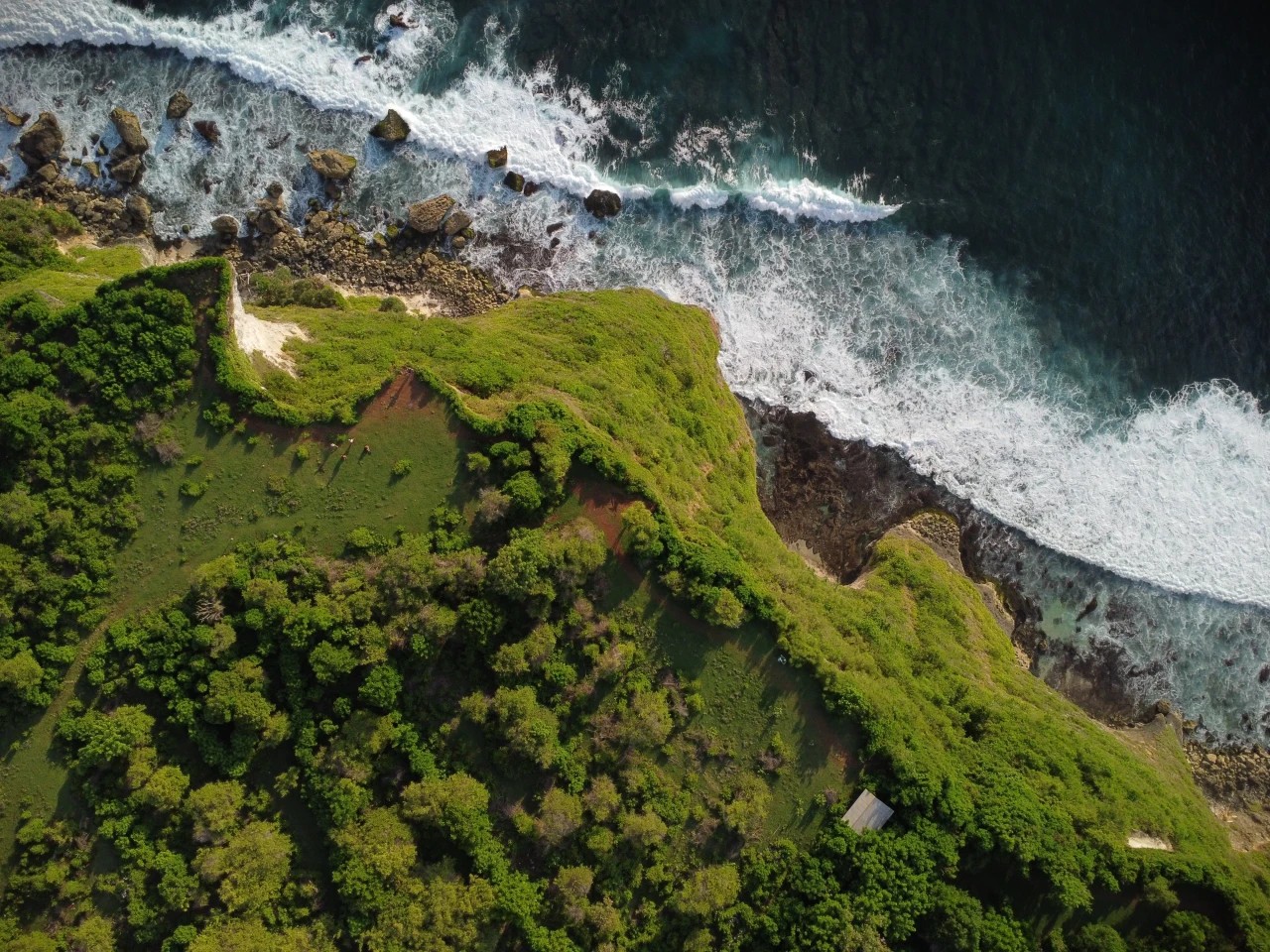
Year after year, powerful ocean waves eroded the base of the 70-metre cliff, worsening the erosion and creating a real risk that the ancient sacred site could collapse into the ocean. In an attempt to save the island’s cultural and spiritual heritage, the Badung Regency government launched a major project to reinforce the cliff.
In August 2024, heavy machinery arrived at the site, and 78.6 billion Indonesian rupiah, around US$5 million, was allocated for the first phase of the work. The engineering plan included cutting away part of the slope, building a technical access road right at the water’s edge, filling the cracks with concrete grout, and constructing a massive sea retaining wall to absorb the force of the surf.
By 2026, the project had been expanded, with additional funds added to the budget to raise the protective structures by another two metres and extend the reinforcements along the coast.
However, from the very beginning, the construction faced strong opposition from environmentalists, local residents and the global surfing community, eventually turning into an international scandal.
Opponents of the project warned of a genuine environmental disaster: heavy machinery was breaking up the cliffs and dumping tonnes of limestone directly into the water, leading to the destruction of the coastal reef, a unique habitat for dugongs, turtles and sharks.
Uluwatu is also considered a mecca of world surfing, and experts, including the legendary Kelly Slater, warned that changes to the seabed and the construction of an artificial wall would permanently ruin the area’s perfect waves.
The current destruction of the protective structures is far from the first warning sign: the limestone cliffs of the Bukit Peninsula are extremely fragile and unstable by nature. Local residents still remember a serious rockfall near the Tanjung Mebulu lighthouse, located just one kilometre from the temple. At the time, a large section of the cliff, popular with tourists, collapsed straight into the ocean, forcing the authorities to close access to the dangerous edge and ban visitors from coming within three metres of the drop.
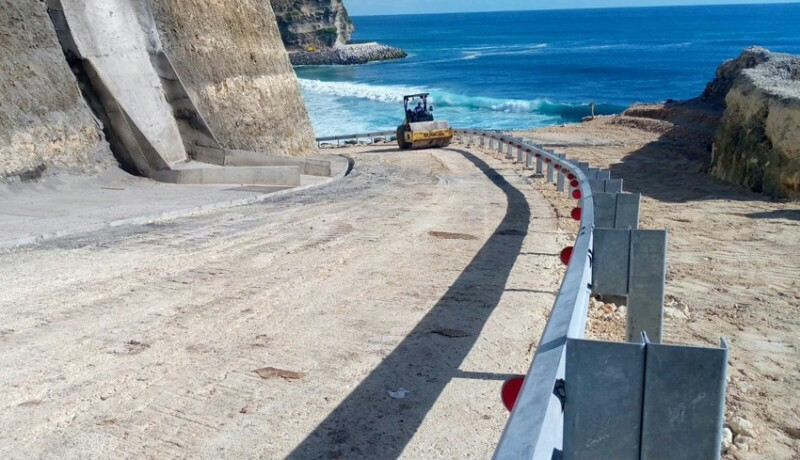
Activists from Save The Waves also pointed to the lack of transparency around the project and the absence of an independent environmental impact assessment. Finally, many specialists questioned the engineering logic itself, arguing that vibrations from hydraulic breakers at the foot of an unstable cliff would only make the situation worse, while an outdated concrete barrier would not withstand the force of nature.
The June 2026 storm, which easily smashed the wall under construction, clearly confirmed critics’ worst fears.
Sources: uluwatucommunity

You can add one right now!