
Millions of travelers across Southeast Asia are following the news with unease: AirAsia, the region's largest budget carrier, has found itself at the center of a brutal financial storm.
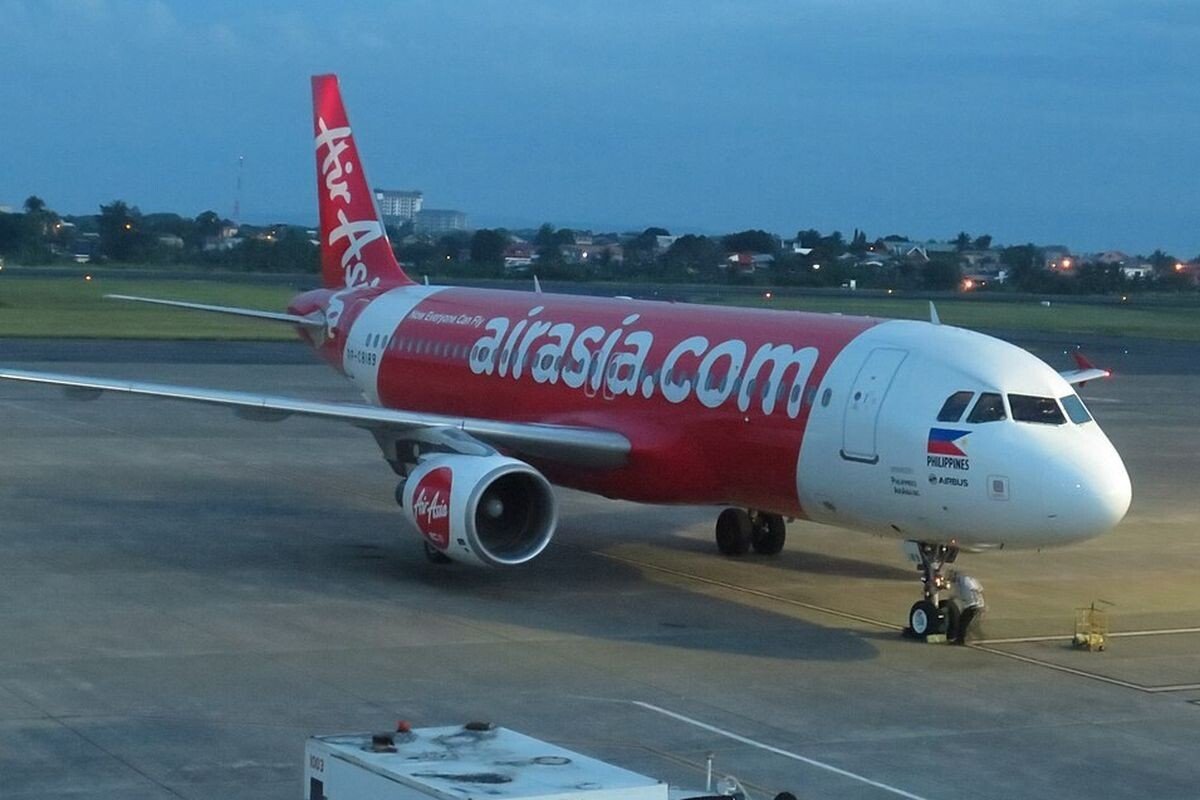
Reports of multibillion debts, secret government plans to hand the airline's routes over to competitors, and a crash in its share price have set off real panic. Could the popular low-cost carrier that made flying from Bali to neighboring countries both comfortable and as cheap as possible really be on the verge of shutting down?
The current crisis stems from several destructive factors coming together at once. The heaviest blow to the airline has been the catastrophic rise in jet fuel prices. Because of the geopolitical conflict between the United States and Israel on one side and Iran on the other, the price of kerosene jumped 66 percent in the second quarter, reaching an average of 183 dollars per barrel.
Matters were made worse by the fact that AirAsia did not hedge its fuel risks, so every price spike hits operating costs immediately. Combined with currency losses of 331 million ringgit, the company's net loss for the second quarter came to 831 million ringgit.
The situation on the global aviation market only adds fuel to the fire. Rising fuel costs already brought down debt-laden US carrier Spirit Airlines in May, and in September Latvia's airBaltic filed for Chapter 11 bankruptcy; the company is now restructuring its accounts payable in an effort to stay afloat. The market has been gripped by fear that AirAsia will be next on that list.
The company's financial statements do indeed look worrying. AirAsia's short-term liabilities have reached 18.4 billion ringgit (about 4.51 billion dollars), of which 13 billion relates to aircraft leases. In addition, according to Reuters sources, AirAsia owes airport operator Malaysia Airports Holdings Berhad at least 500 million ringgit in landing and parking fees.
Meanwhile its liquidity cushion — the balances in its bank accounts — amounts to only 954 million ringgit. Against this backdrop the company's shares plunged 21 percent in a single day and have lost more than 70 percent of their value since the start of the year, hitting their lowest level in the past four years.
Further alarm came from reports that the Malaysian government has already approached competitors — Malaysia Airlines and Batik Air — to ask whether they could quickly take over AirAsia's domestic routes and passenger traffic if the carrier fails to cope. The competitors said they were willing, on the condition that AirAsia's leased aircraft be transferred to them.
AirAsia founder and long-standing leader Tony Fernandes, however, flatly rejects the gloomy forecasts and has spoken to investors and the press to calm the wave of panic. At a special briefing in Bangkok he said the current crisis is nowhere near as dire as it is being made out to be.
“The Covid-19 situation was much, much worse than what we are facing now. Back then we could not fly, and now we are flying and demand is very strong,” Fernandes said.
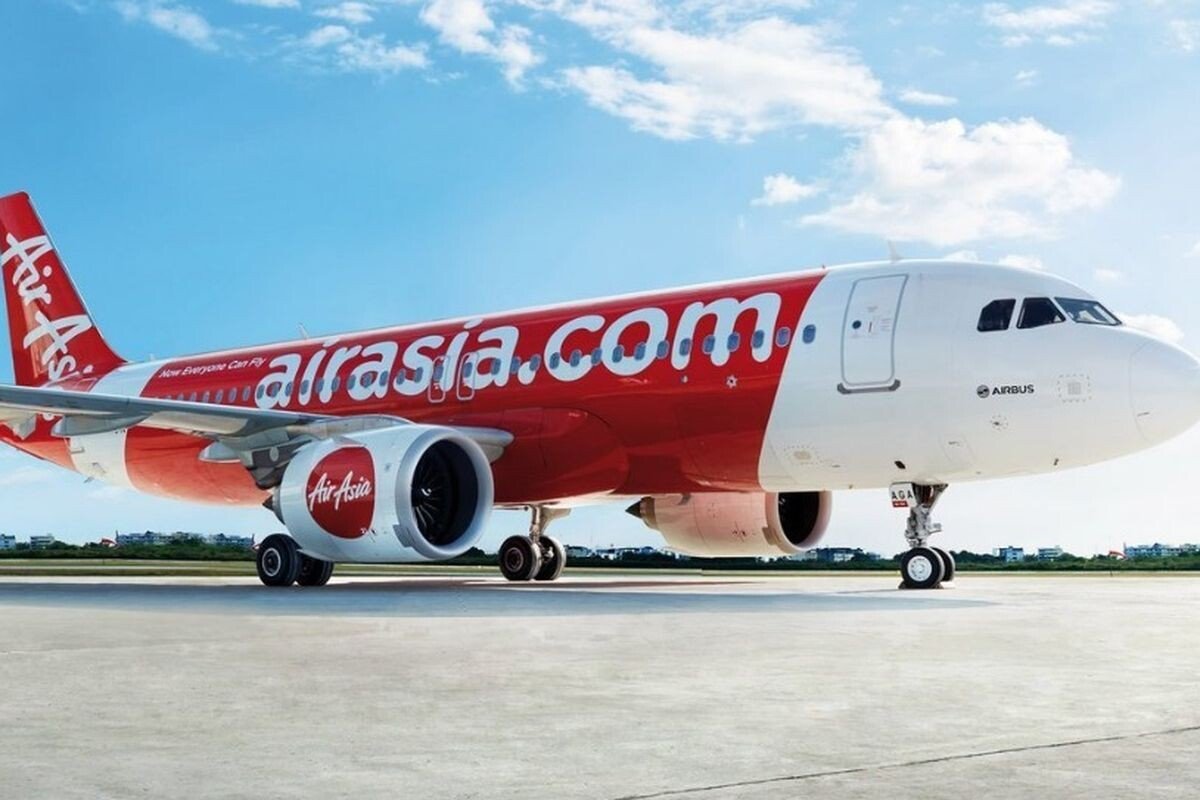
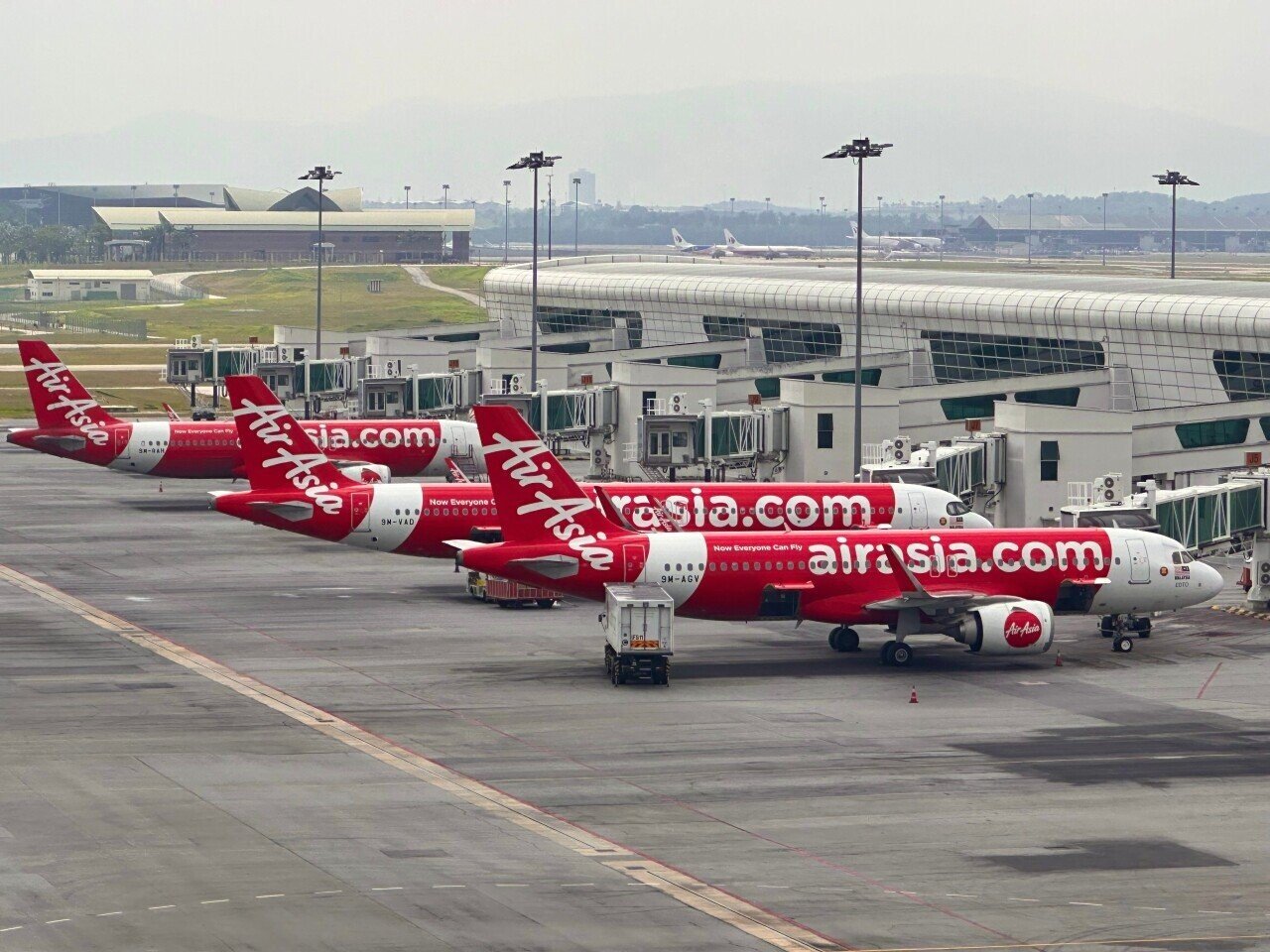
The company's head assured that AirAsia has ample liquidity and is very good at managing cash flow. According to him, the company has not asked the government for a bailout, and none of its aircraft have been grounded over late payments or default. Fernandes pointed out that no one could replace AirAsia's 100 aircraft operating flights in Malaysia in a single day.
To tackle its debt problem, AirAsia has launched a program to raise more than 1 billion US dollars on international debt capital markets, and is also arranging a 700 million ringgit credit line from local banks. The money will go toward refinancing existing debt, reducing the interest burden and extending repayment terms.
The deal is expected to close in December or January. The airline is also gradually raising ticket fares to offset more expensive fuel. Operating figures already confirm strong demand: the seat load factor in the third quarter was 80 percent, and fourth-quarter bookings are showing excellent momentum.
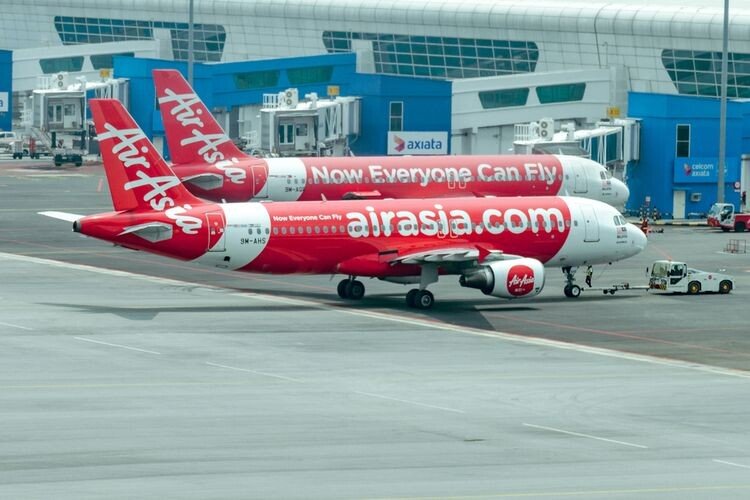
To grasp the scale of what is happening, it helps to remember what AirAsia means for the region. Founded in 1993, the company was reborn in 2001, when Tony Fernandes bought the bankrupt carrier for one symbolic ringgit along with 11 million dollars in debt. Fernandes staged a genuine revolution under the legendary slogan Now Everyone Can Fly. By building a tough but incredibly effective budget airline business model, AirAsia grew into Southeast Asia's largest low-cost carrier, with strong subsidiaries in Indonesia, Thailand and the Philippines.
Today the company controls 60 percent of Malaysia's domestic market and 40 percent of all air travel in the country.

You can add one right now!