
Bali Governor Wayan Koster commented on demographic data from the provincial administration. Bali’s population growth in 2025 totalled 0.66% compared with the previous year.
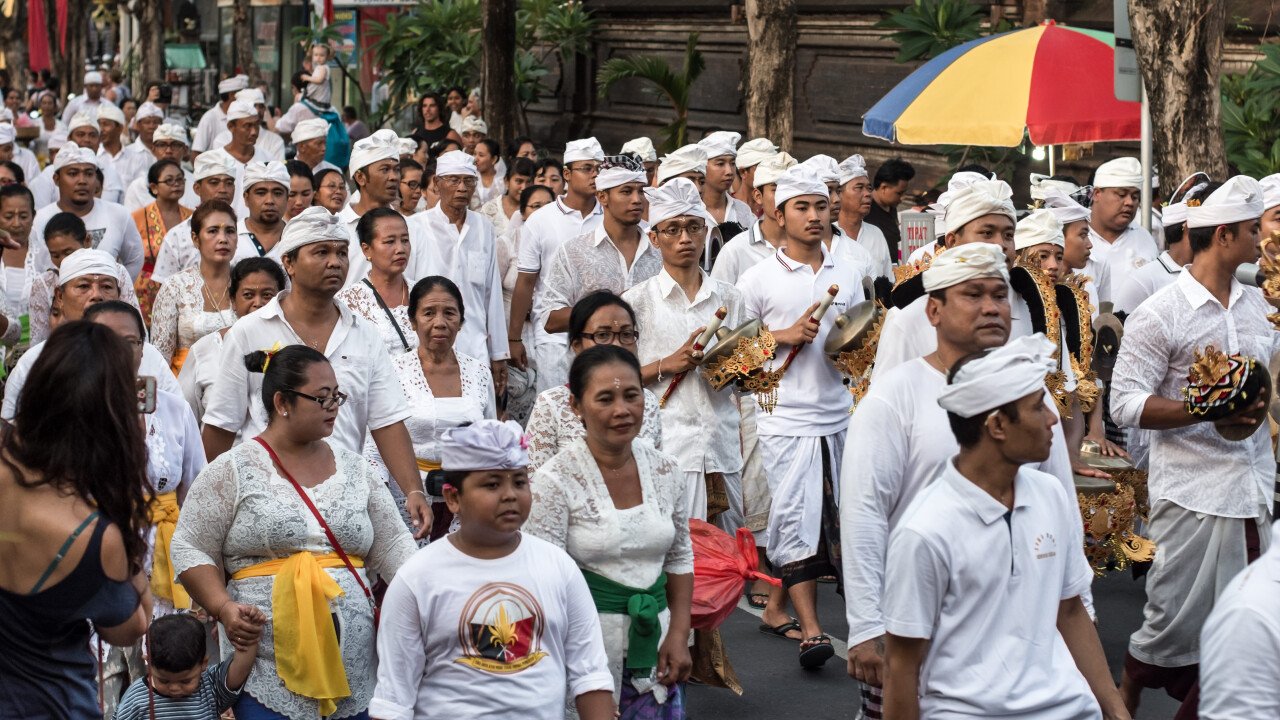
Koster linked the low growth to risks to preserving the Balinese cultural model. He said that if the number of indigenous residents who regularly hold and support traditional ceremonies declines, the island could lose the stability of its cultural life. As examples, he mentioned temple festivals and calendar rituals—odalan (a temple festival), the full moon and new moon (Purnama and Tilem), as well as Galungan, Kuningan and Saraswati.

The governor also noted that as local population growth slows, the share of newcomers is increasing. He called for the long-term consequences of this trend to be assessed specifically through the lens of who will “uphold” the calendar of rituals and community obligations.
Koster cited one reason for the demographic shift as the long-running “two-child” family planning policy that Indonesia actively promoted since the time of President Suharto. The Statistics Bureau (BPS) forecasts that Bali’s population growth will continue to slow until 2050 unless action is taken.
In response, the Balinese authorities are once again promoting a “four-child” model—among other things, to preserve the tradition of “sequential” names for the third and fourth child: Nyoman and Ketut. Koster said that people named Ketut now make up about 4.5% of the population, with Bali’s total population at around 4.4 million.
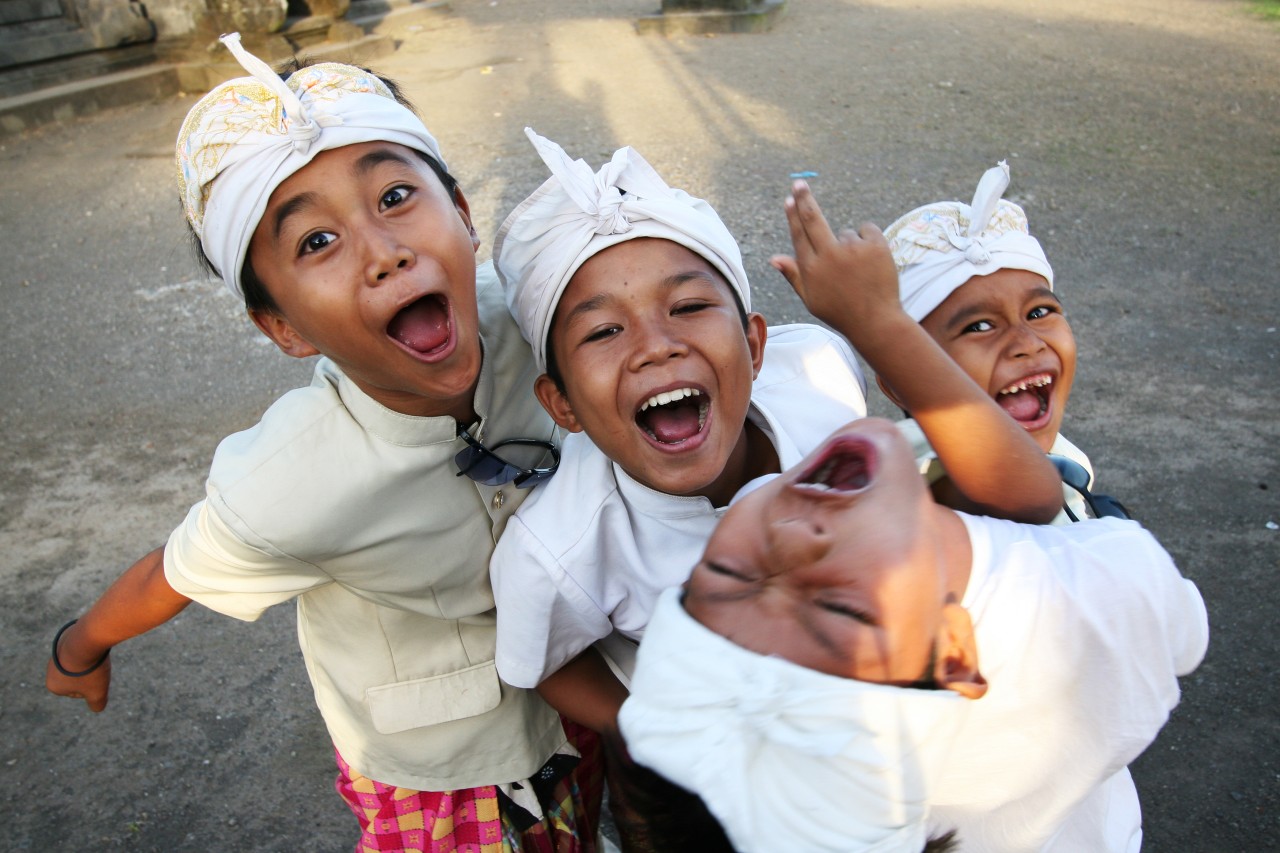
The governor added that in 2026 he plans to launch an incentive programme for Nyomans and Ketuts. Previously, the authorities had already discussed that this might not involve cash payments, but rather support packages (for example, in healthcare and education) as well as support for families from the pregnancy period onwards.
Source: antaranews.com

You can add one right now!