
Bali Governor Wayan Koster has openly opposed the giants of short-term rentals. At the 15th Regional Conference of the Indonesian Hotel and Restaurant Association (PHRI) in Denpasar, he stated: "We will look into this matter and propose to stop accommodation through Airbnb."
This is not a final ban yet, but preparation for it: Koster publicly asks to develop measures that will allow controlling the Airbnb format in Bali, similar to countries where short-term rentals in regular apartments are heavily restricted, like Singapore.
The number of tourists in Bali is increasing, but the occupancy of official hotels is not growing. Where are these people going?
The answer is simple and unpleasant for the authorities: over 16,000 properties are illegally rented out through online platforms, while there are only 378 official PHRI members on the island. The gap is 42 times.

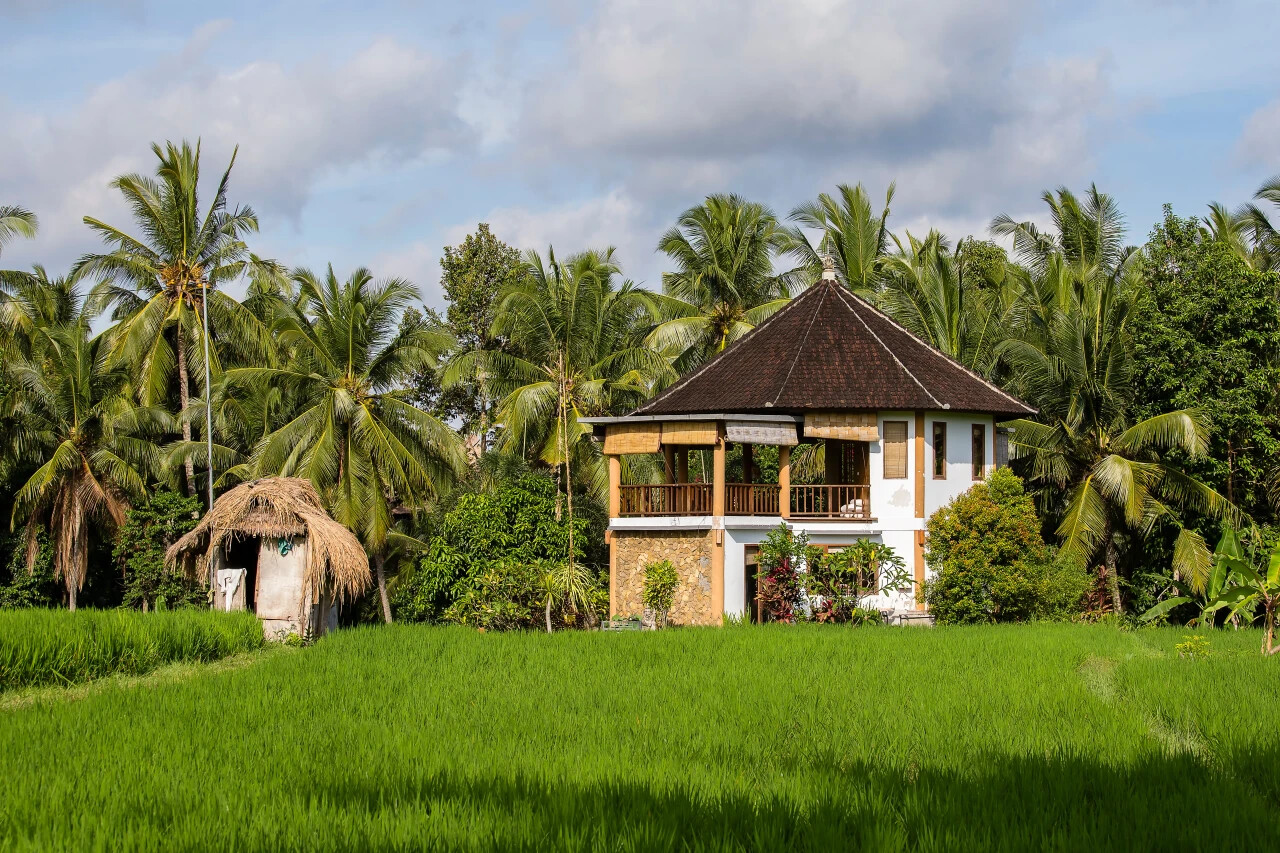
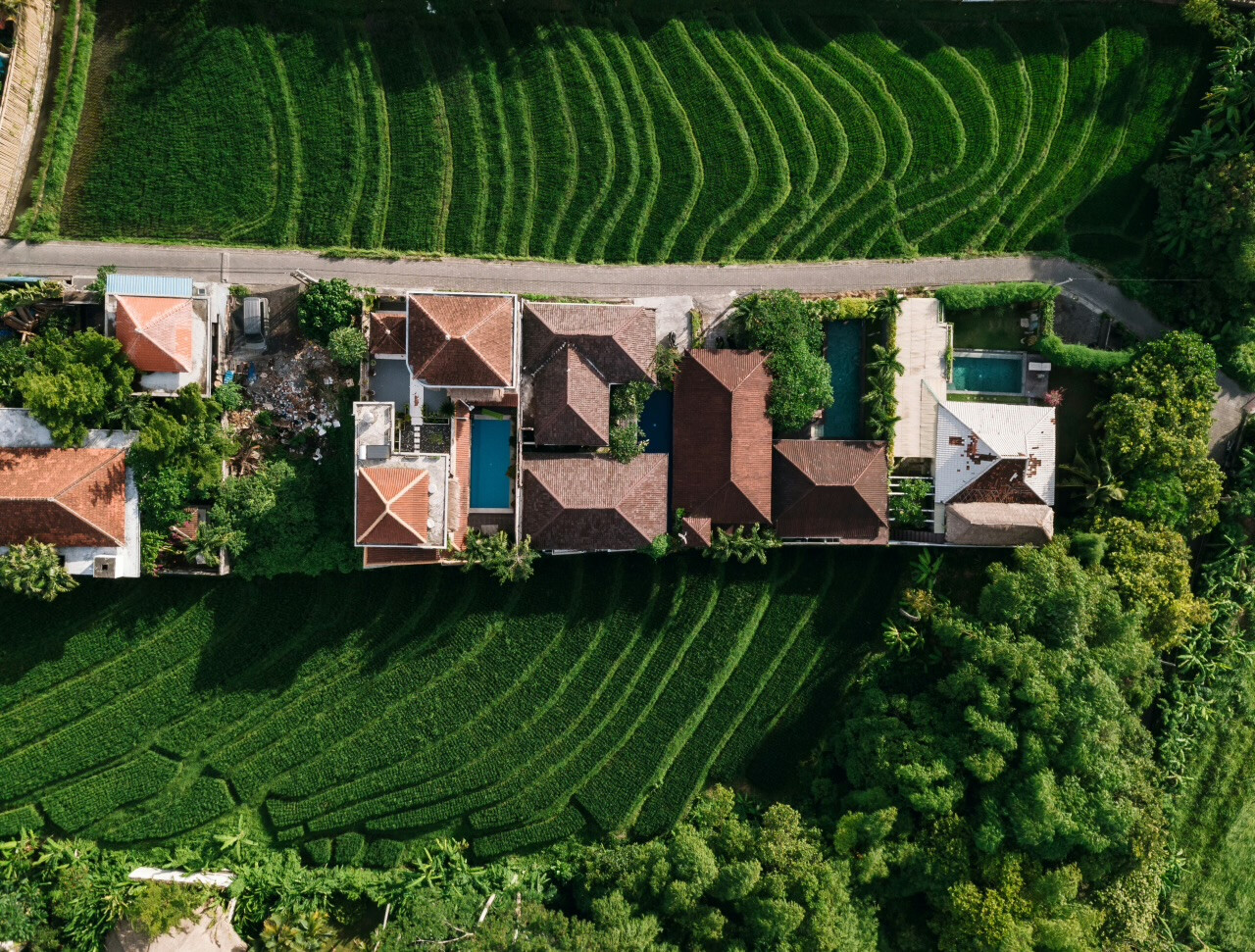
The scheme looks like this: foreigners rent houses and villas in Bali, often at discounted prices, and then sublet them on a short-term basis through platforms like Airbnb. Essentially, they operate mini-hotels without hotel status. No taxes, no permits, no control.
By law, tourist accommodation must obtain a license (homestay/villa format), meet safety requirements, and pay a local hotel tax. Most Airbnb properties do not comply and fall out of any reporting.
Even if authorities restrict Airbnb, legal hotels and licensed villas will still be available: they can still be booked through Booking, Agoda, and other services that work with official accommodations. So the focus is not on all online bookings, but on the gray short-term rentals.
Official hotels play by the rules: they pay taxes, obtain licenses, and create jobs for locals. Illegal operators on Airbnb simply divert guests and profits without returning anything to the local economy.
PHRI Chairman Tjok Oka Artha Ardhana Sukawati directly calls it an “extremely detrimental practice,” where the increase in tourist flow does not translate into regional income growth. Airbnb claims it contributes to Indonesia's GDP and provides jobs, but for Bali, the key question is: how much money actually reaches the local budget?
As of October 2025, Bali's regional budget is 15.3 trillion rupiahs, of which 7.13 trillion came from hotels. Even with the current tax losses from real estate rentals, this is almost half of all income. Each illegal villa on Airbnb means less money for roads, schools, and hospitals.
This step fits into Koster's overall campaign to 'tidy up tourism' — from a tourist tax to addressing violations on roads and in temples.
Koster is calling for collective action: "It is not only the government's responsibility but all of ours. We must work together."
Source: mediaindonesia, cnnindonesia

You can add one right now!