
Authorities in Badung Regency on Bali said the flooding in Legian and Seminyak was caused by the high water level in the Tukad Mati River after extreme rainfall and the low-lying terrain in these neighbourhoods.
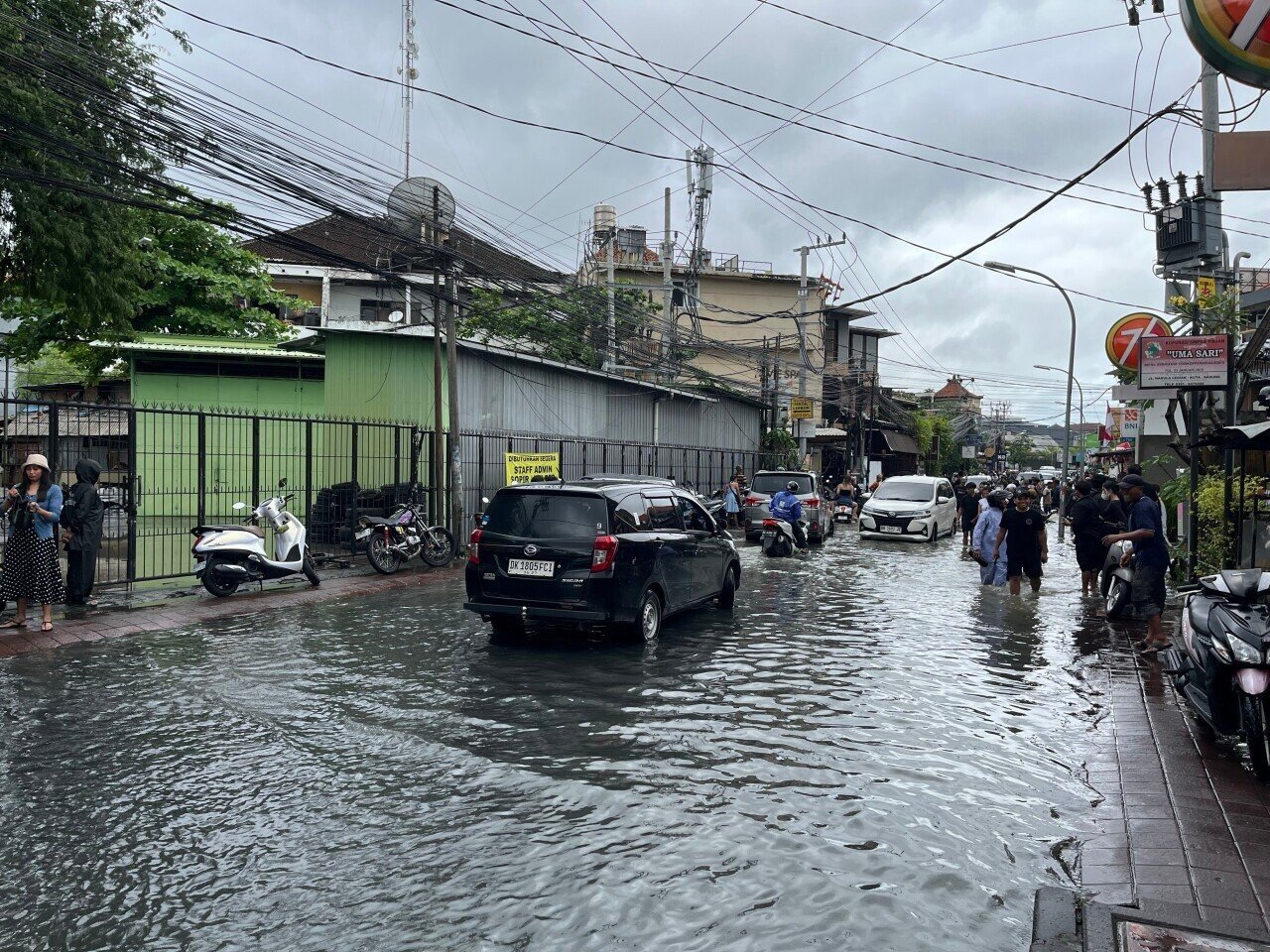
The worst-affected spots were around Jalan Dewi Sri (Legian) and Jalan Kunti (Seminyak).
Water from streets and courtyards flows into the stormwater drains and should then be discharged into the Tukad Mati. But at the peak of the rainfall, the river was already overflowing, and its level was comparable to that in the drainage channels. As a result, discharge worked worse than usual: when services tried to pump water towards the river, it simply had nowhere to go, and part of the flow returned back into residential areas. According to local services, another factor may have been the tide at the river mouth: when the river level is high and a tidal surge comes in, drainage slows down.
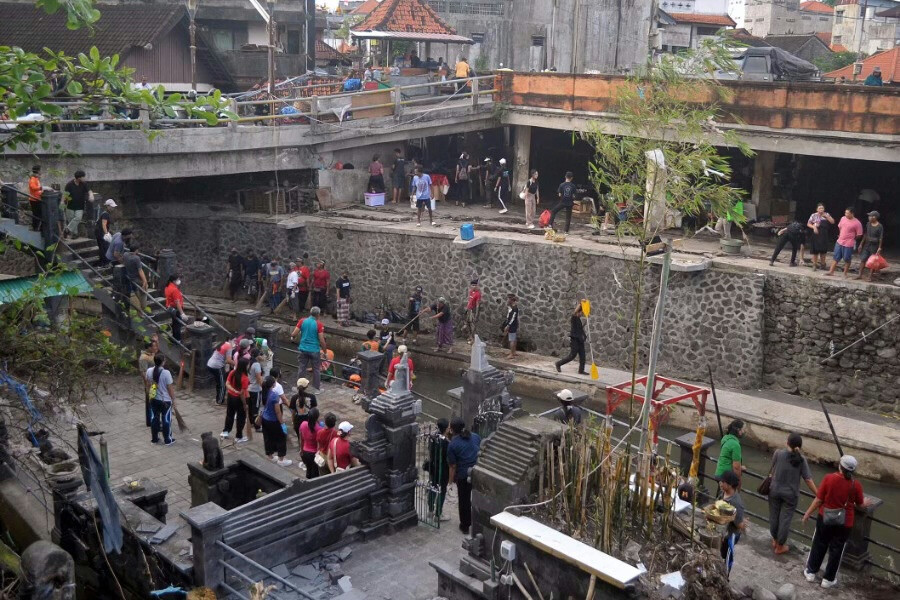
During the flooding, Badung’s Department of Public Works and Spatial Planning deployed portable pumps and switched on fixed pumps at several locations to speed up drainage. The department noted that pumping efficiency at such times depends heavily on natural conditions: when the Tukad Mati rises high, it takes time for the river level to start falling.

Next, the authorities say they will move from emergency pumping to engineering solutions so that water drains faster in the next rainy season. In Badung, they plan to continue normalising the Tukad Mati riverbed—clearing it and carrying out works to increase its capacity. In parallel, the administration intends to speed up drainage projects using box culverts (concrete channels). Officials say some of the structures are already ready for installation, and they want to install new drainage sections at several key points in the coming months—around Jalan Dewi Sri IV, Jalan Pandawa and Campuhan.
Sources: badungkab.go.id, news.detik.com

You can add one right now!