
This story is unfolding right now on Rote Island, Indonesia. Once again, it’s a clash between business and local residents. That script is as old as time, but it’s worrying that in Indonesia these stories have started happening with enviable regularity—and, on top of that, in almost every case the passions boil over around some famous surf spot.
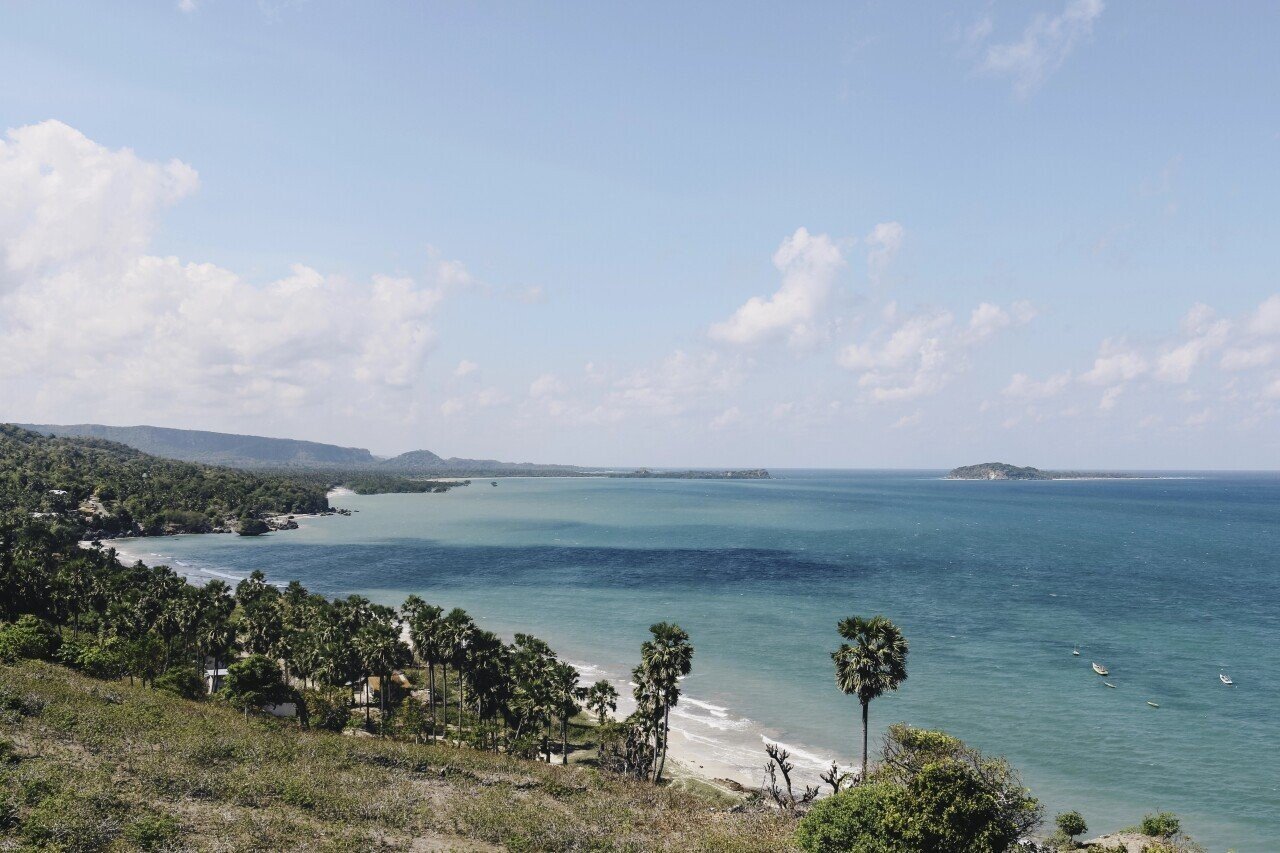
I have always believed—and still do—that the ocean can’t belong to anyone, not even the state or the biggest and most powerful corporation. Waves, beaches and wind are gifts of nature, meant for all humanity.
Today I’m going to tell you about Erasmus Frans Mandato from Rote Island—a man who is standing up for his right, and ours, to surf where we choose, not where some guy with a fat wallet says we may.

Erasmus is no small figure on the island: he was once involved in politics and has his supporters, so his case has attracted wide attention. Thanks to that, locals have at least a faint chance of success in an unequal fight against the NIHI Rote “fat cats”. Now, step by step.
Timeline
In 2019, after lengthy approvals with the Indonesian government, construction of the NIHI Rote resort begins near Bo’a Beach on Rote Island. The project is led by American investors Michael Schwab (son of finance billionaire Charles Schwab) and Greg Sarkisian.
Unfortunately for NIHI, their name is already well known in the surf world. On the neighbouring island of Sumba, the company built the NIHI Sumba resort (formerly Nihiwatu), which, for unclear reasons, was granted exclusive access to the famous wave Occy’s Left. Local surfers and independent visitors are driven away. To surf that wave, you have to be a guest at the company’s hotel, paying from $500 per night. You can see why it’s hard for a business with that reputation to win the trust and goodwill of local residents—especially when they start a new project by repeating the same mistakes that made the global surf community turn against them.

On 24 January 2025, 47-year-old Erasmus Frans Mandato—a local surfer, activist and guesthouse owner—writes a Facebook post saying that PT Bo’a Development has blocked access to Bo’a Beach. The post mentions two roads: one was built in 2018 using the regional budget, and the other has existed for 14 years and was built with local residents’ money.
The post went viral very quickly. Local residents—including surfers, fishermen and seaweed harvesters—supported Erasmus in his fight. Closing access to the beach, or “relocating the entry point” (the wording the investors insist on), means cutting off their livelihoods.
In March 2025, PT Bo’a Development and media outlets linked to the local authorities publish a rebuttal of the high-profile post, labelled “FALSE”. Company representatives claim that access to the beach hasn’t been blocked, only “relocated” to the western side, and that parking has now been organised.
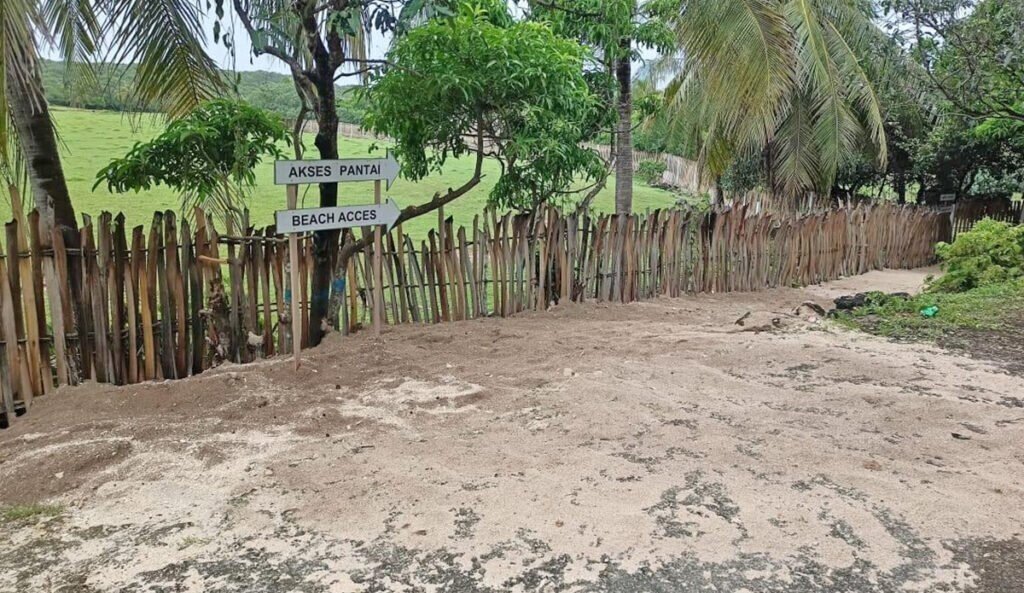
But, as usual, reality differs from what we’re told “from lofty podiums”. Local and visiting surfers say you can now only reach the beach about a kilometre from the usual access point, which was directly opposite the wave—and that creates serious inconvenience for everyone. The path people had used for decades has been “swallowed up” by the resort.
Less than six months after the rebuttal article was published, on 1 September 2025 Erasmus Frans is arrested. He is charged with “spreading false information causing unrest”, under the Electronic Information and Transactions Law.
He spends some time in prison, but under public pressure he is released pending trial. The case, however, is not dropped.
Despite all the developers’ assurances, no steps are taken to meet locals halfway, and in October 2025 the protests gather momentum and enter a new phase of escalation. Local residents block the roads leading to the resort, and schools return uniforms donated by NIHI. The Archbishop of the Kupang Diocese publicly calls for a peaceful settlement, fearing further escalation.
In November 2025, the first hearing takes place in the District Court. Erasmus’s lawyers say the accusations are “vague and premature” and point to numerous procedural violations. The case moves slowly (one would like to believe the protests and the people’s will played a part), and only in March 2026 does the prosecution demand a prison term of 3 years and 6 months.

That decision triggered unrest outside the courthouse. That day, hundreds of people came to support Erasmus. A group of unknown individuals pelted the crowd with stones. Clashes with the police followed. At least five people were injured, and one person was taken to hospital in serious condition.
And just the other day, on 8 April 2026, the court heard Erasmus’s final statement. A verdict is expected in the coming weeks.
Of course, each side has “its own truth”. Michael Schwab and Greg Sarkisian insist that they have never blocked—and do not plan to block—access to the beach. “Access has simply been relocated,” they claim. Sarkisian says: “There hasn’t been a single day when surfers were asked not to surf or not to go onto the beach.”
Schwab calls Erasmus a “local warlord” who terrorises the town and spreads lies. He claims the resort brings huge benefits to the local community: jobs, taxes and development.
A surfer’s view
Any outrageous thing businesses do everywhere—demolishing buildings and cultural sites, land grabs, destroying ecosystems, trampling on owners’ rights, in other words wiping out everything humanity has defended and fought for over millennia—is justified with these sacred cows: “jobs”, “taxes”, “development”.
Erasmus himself and his supporters insist that access to the beach should be secured as a legal easement, not depend on the resort’s “permission”. “The problem is that the road belongs to the resort,” he says. “They simply grant permission to access the beach. If people hadn’t stood up for it, they would have closed the beach already.”
All witnesses in court also confirmed that the road closures did indeed take place. But the prosecution continues to insist it’s all “made up”.
The international organisation Amnesty International, whose main mission is to defend human rights, has already called Erasmus’s case a classic example of a lawsuit aimed at intimidation and silencing civic activism.
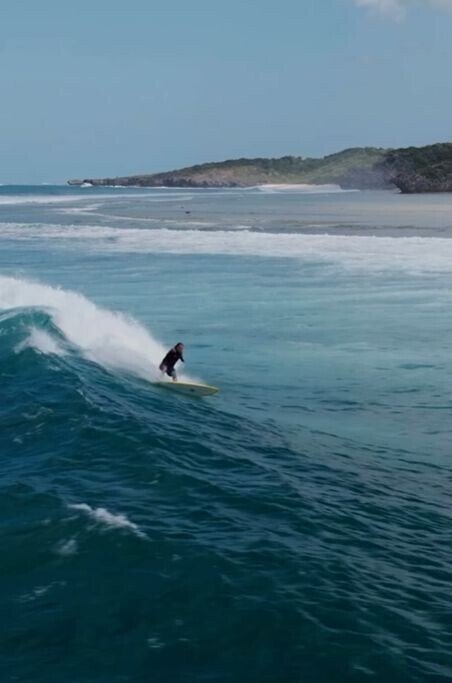
In March 2026, the governor of East Nusa Tenggara met with NIHI management and urged all sides to resolve disputes through legal channels. But we all know how big business, operating within the “rule of law” and armed with resources and levers of influence, gets what it wants. And what objectivity can there be when the project is officially continuing to develop with government backing?
I’m not a lawyer, politician or investor—I’m a surfer. All my views are subjective, so they may not match the official version, but my philosophy is simple: waves should be accessible to everyone. The Sumba precedent speaks for itself: NIHI Sumba turned Occy’s Left into its own wave, using force to drive away anyone who wanted to surf and wasn’t staying at their hotel. And then the same people come to Rote and say, “We won’t restrict access”—why should anyone believe them?
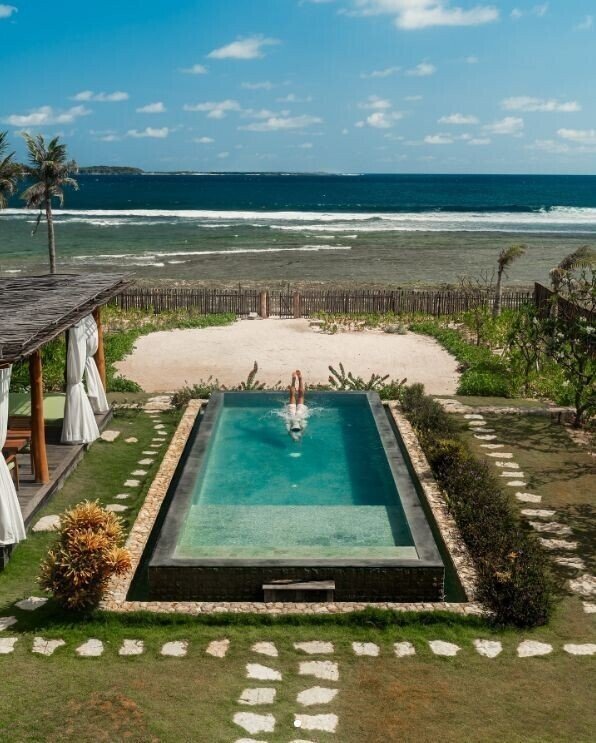
But the investors aren’t stupid, and they know political tactics well. Many of us have heard of the “Overton window” or the “salami tactic”, where you slice off very thin pieces and, at first glance, nothing changes—but after a while, you look at the salami and realise there’s nothing left. First, they “just relocate” access by 300 metres. Then another kilometre. Then an official entrance appears through the resort grounds, which can be closed at any moment (after all, it’s the hotel’s property). This is classic gradual squeeze-out: not banning people outright, but creating more and more hassle until people simply stop coming.
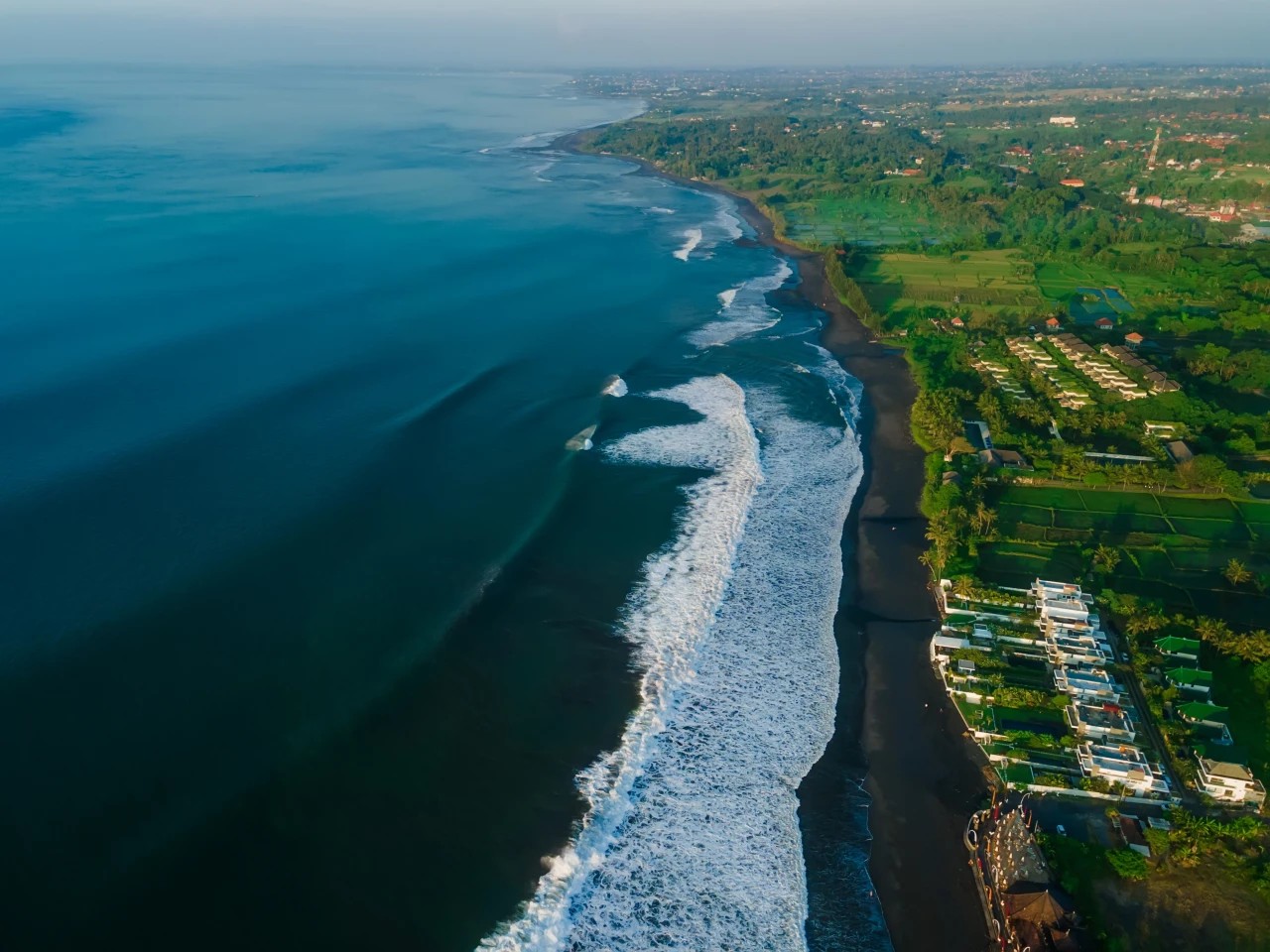
I don’t think Erasmus will get a real prison term—that isn’t the point. The point is to send everyone else a message not to get involved where you’re not wanted. Three and a half years in prison for a truthful Facebook post isn’t about justice, it’s about fear. It’s a warning to anyone ready to fight for justice, to make them think twice before they speak up.
I’m not against development. But when development means local residents lose access to their own beach, and those who dare to protest are sent to prison, that’s not development—that’s colonialism in a new, glossy wrapper.
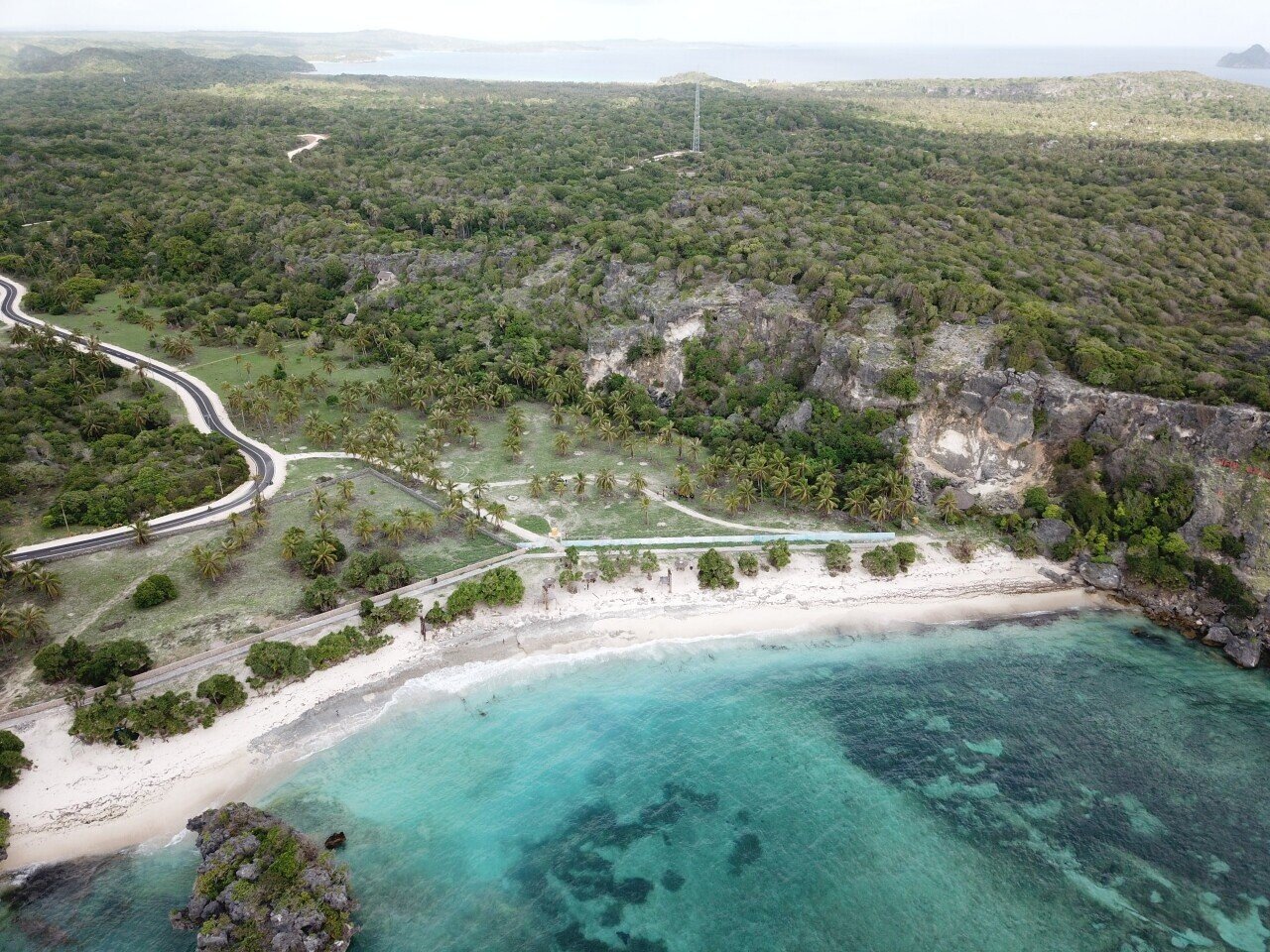
Waves shouldn’t be private. The ocean shouldn’t belong to corporations. Surfing was born as a free culture—and it should stay free.
Let’s all pay attention to this story. As many people as possible should hear about it, because tomorrow the same thing could happen to any other wave that someone with deep pockets decides to make “theirs”.
Autor: Dennis Weiss
