

The world has seen many fascinating discoveries and many of the greatest scientists in human history have changed our lives. More and more remarkable things continue to be discovered. These include major advances in our understanding of the human body, the planet and outer space, as well as the development of electricity, aircraft, the telephone, the internet and much more.
Indonesia also has scientists whose discoveries have been recognised by the scientific community worldwide. Some have received awards and been featured in various scientific journals.
Fighting Dengue Fever
Have you heard of Wolbachia technology? It was developed in 2008 by Professor Scott O'Neill, founder and director of the World Mosquito Program (WMP) Global. Wolbachia is an innovation capable of neutralising the virus inside mosquitoes that transmit dengue fever.
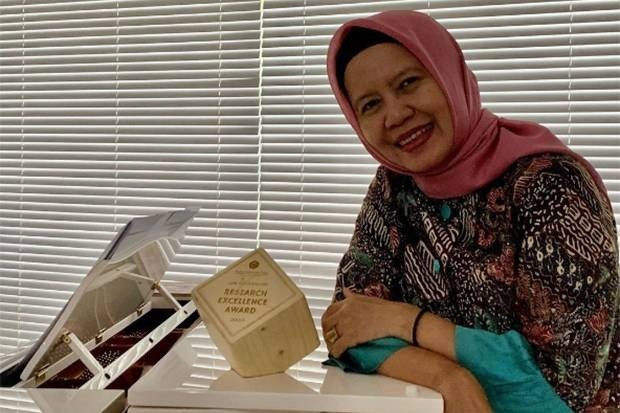
Indonesian scientist Professor Adi Utarini led pilot trials of the technology, using Wolbachia bacteria in mosquito research. Its effectiveness was confirmed, and the trials concluded in August 2020. Together with her team, Adi Utarini implemented the technology in Sleman Regency, Yogyakarta.
The results were impressive: Adi Utarini succeeded in reducing the number of dengue fever cases in Yogyakarta by 77%. The study was an important scientific breakthrough. Adi Utarini was also the first to demonstrate the technology's effectiveness in reducing infection rates among the general population, despite opposition and mistrust from some political organisations.
Thanks to her research, Adi Utarini was included in Nature Research's list of 10 outstanding scientists who had a significant impact on science in 2020 (Nature's 10: Ten People Who Helped Shape Science in 2020).
Crack Prevention Theory
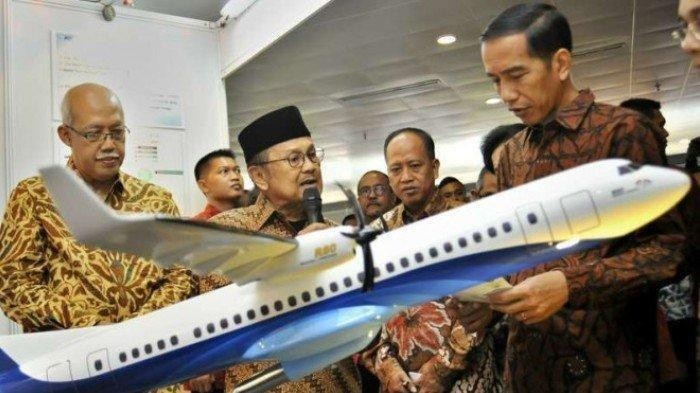
National figure B. J. Habibie was not only Indonesia's third president, but also an outstanding aviation innovator. In 1960, he developed a theory called the “Crack Progression Theory”, which can predict the formation of cracks in aircraft fuselages. This discovery improved aircraft safety by helping to detect and prevent cracks where the wings and engines are attached.
Habibie also managed to reduce aircraft weight by 10% through the use of composite materials. During his lifetime, he obtained 46 patents in the aviation industry, making him a significant figure in the world of technology.
The “Chicken-Foot” Foundation
Scientists often draw inspiration from nature, applying its principles to engineering, architecture, clothing design and other fields. One approach commonly used by engineers is to imitate how animals move. For example, a car has four wheels, just as land vertebrates have four limbs, providing stability and balance. The creators of the first aircraft took inspiration from birds, while ship coatings were inspired by shark skin.
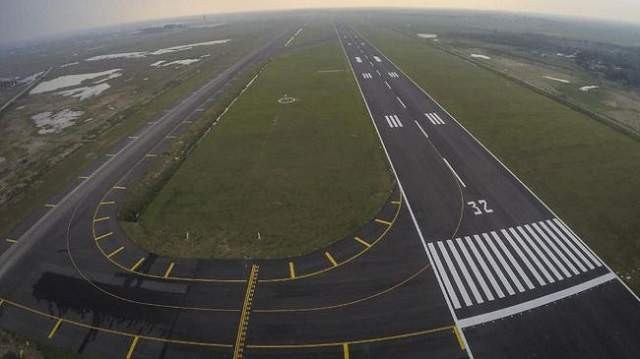
In 1961, Indonesian professor R. M. Sedyatmo created a chicken-foot foundation system. This foundation was an architectural innovation because it did not require a drainage system and had a high load-bearing capacity for buildings, reaching up to 600 tonnes per column.

One place where Professor R. M. Sedyatmo's solution is used is the runway at Soekarno-Hatta Airport.
Unobstructed Rotating Platform Technique

Indonesian engineer Tjokorda Raka Sukawati invented an innovative architectural system known as Sosrobahu. The invention makes it possible to build flyovers without obstructing traffic. As a result, construction can proceed without causing congestion or disrupting traffic flow.
This technology, created by an ITB civil engineering graduate, has been used not only in Indonesia but also abroad. For example, it was used to build a bridge in Seattle, demonstrating its advantages and effectiveness internationally.
Humans Have 23 Pairs of Chromosomes
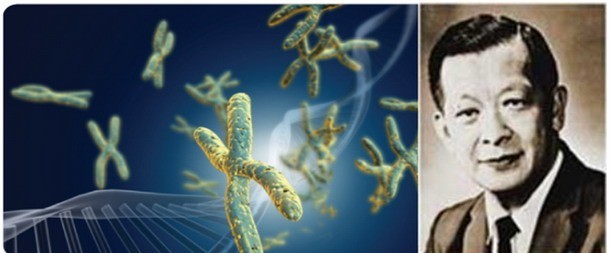
Until 1955, scientists believed that humans had 24 pairs of chromosomes. However, an Indonesian scientist challenged this belief using more advanced methods. As a result, the scientific community gained new knowledge: humans have 23 pairs of chromosomes.
Dr Joe Hin Tjio, an outstanding scientist born in Pekalongan, made this discovery in genetics by proving that the human body has 46 chromosomes, or 23 pairs. While working as a geneticist at the National Institutes of Health, Tjio showed the world that these 23 pairs of chromosomes distinguish us from other primates such as chimpanzees, which have 24 pairs.
His discovery, made possible by his extensive knowledge and command of 4 languages—Dutch, English, French and German—was a major breakthrough. The results of his observations, which permanently changed our understanding of the human genetic structure, were published in the respected journal “Hereditas” in May 1956 in an article titled “The Chromosome Number of Man”.
Mathematical Formulas for Oil Production
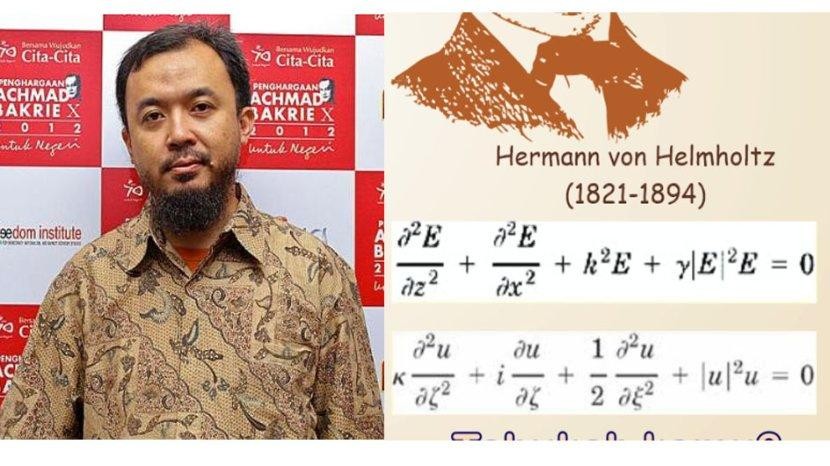
Dr Yogi Ahmad Erlangga, a 1993 graduate of ITB's aeronautical engineering faculty, made a significant contribution to science by developing a numerical method for solving the Helmholtz equation. His research accelerated the processing of seismic data for oil production by 100 times. This achievement was a lifeline for oil companies, offering an efficient and fast alternative to previously used methods.
Gas-Free Biomass Stove
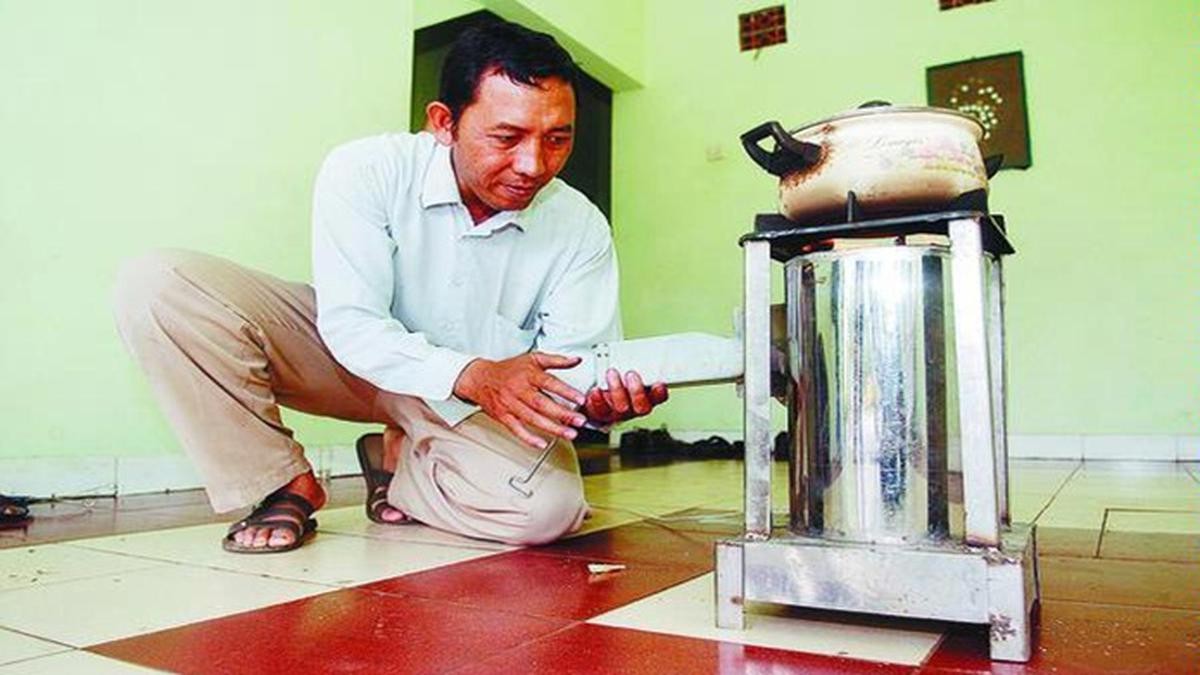
Muhammad Nurhuda succeeded in creating an environmentally friendly biomass stove that attracted the attention of countries in the Asia-Pacific region and the Americas.
He also developed the “Design and Construction of a Pilot Plant for Gasifying Waste into Syngas for Environmentally Friendly Alternative Electricity Generation” project. The design produces less waste than the WHO's minimum threshold.
Biomass is organic material derived from plants and used in large quantities as a source of energy.
Cancer Prevention Device
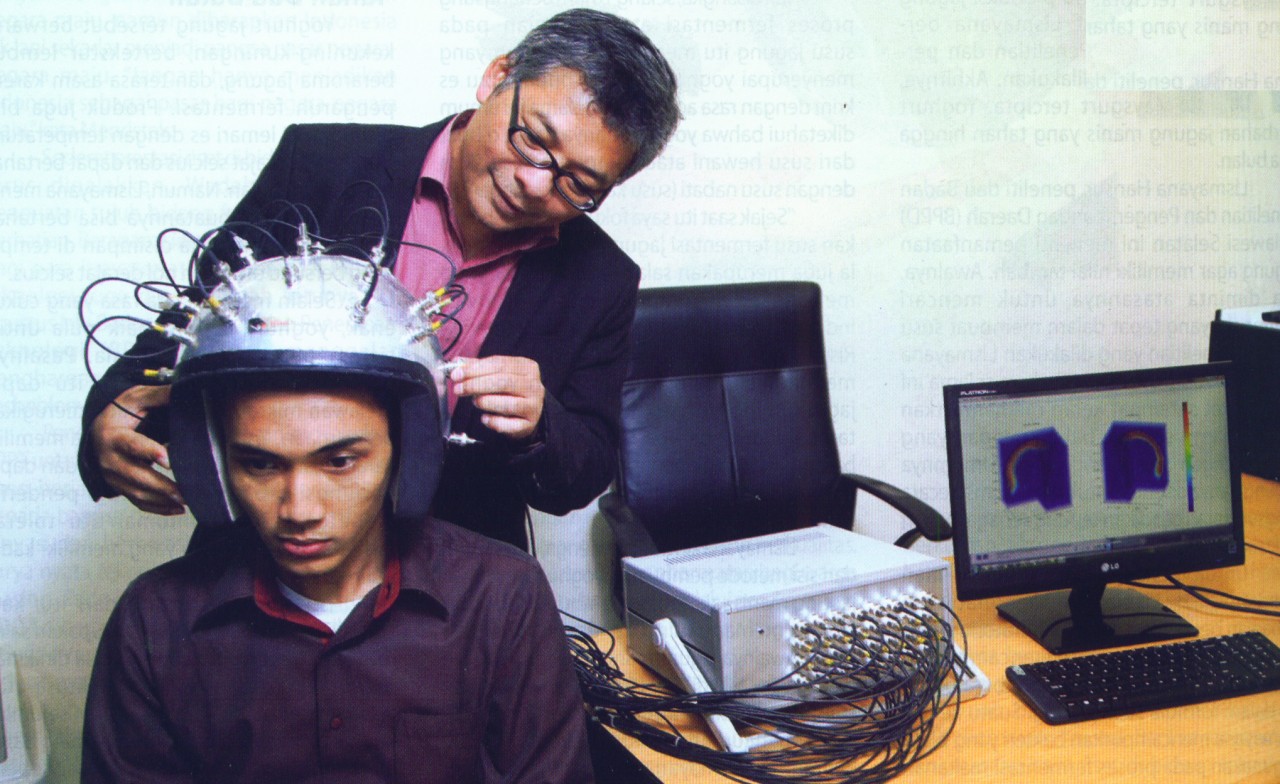
Electro-Capacitive Cancer Therapy (ECCT) is a technology developed by Indonesian scientist Dr Warsito Purwo Taruno. The device became known as the Warsito jacket.
Although the method caused controversy in Indonesia, this innovative therapy nevertheless found a place both locally and globally. On 8 February 2016, the doctor launched the first international cancer treatment training programme in Warsaw.
Dr Warsito Purwo Taruno is also the inventor of an electric-field-based scanner that is highly useful in medicine and industry.
The scanner uses ECVT, or Electrical Capacitance Volume Tomography. This three-dimensional tomography technology was patented in the US by the international patent agency PTO/WO under numbers 60/664 026 in 2005 and 60/760 529 in 2006.
ECVT was even used by NASA, the US space agency, to scan objects aboard spacecraft during space flights.
Source: detik.com

You can add one right now!