
After Bali banned the Suwung landfill from accepting organic waste from 1 April 2026, the authorities faced an unexpected consequence: residents began burning rubbish en masse in their own yards.
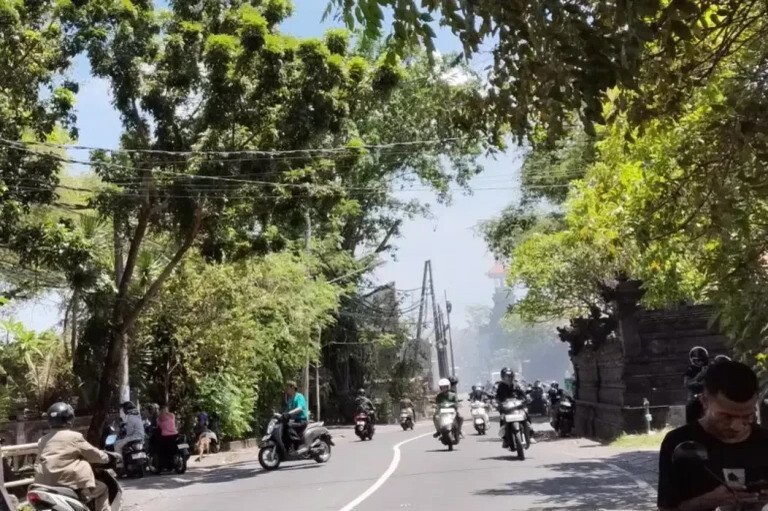
The decision to restrict organic waste intake was made to speed up the transition to village-level waste processing. The island’s largest landfill now accepts only non-organic waste and residual waste. The reason is a critical overload: up to 65% of Bali’s waste is high-moisture organic material, which leads to methane emissions, unpleasant odours, and the landfill filling up quickly.
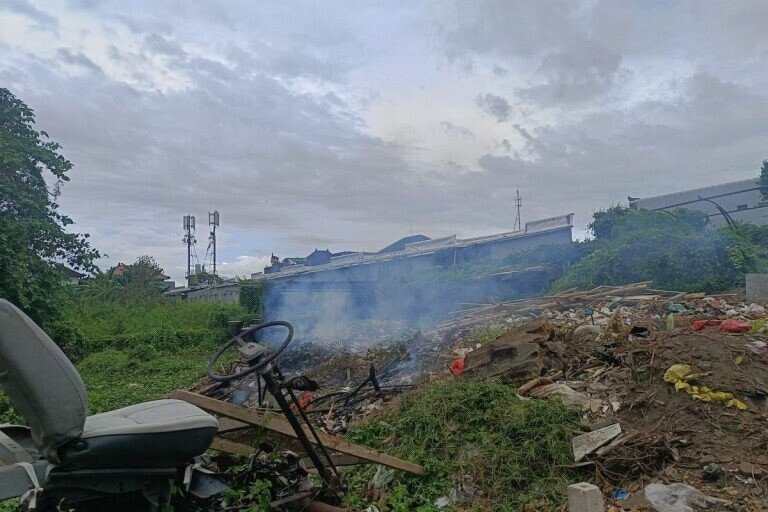
In practice, however, the ban has triggered a wave of uncontrolled waste burning. With insufficient recycling infrastructure, local residents started getting rid of their rubbish in the simplest way—by fire.
Bali Governor Wayan Koster responded firmly. He said that burning both organic and non-organic waste would be punished as a minor offence (Tipiring), with law enforcement involved. At the same time, he clarified that burning wood or the remains of ritual offerings is allowed, but any household waste is prohibited.
Despite the scale of residents’ actions, Koster refused to soften the policy and stressed that restricting waste shipments to the landfill is a necessary measure.
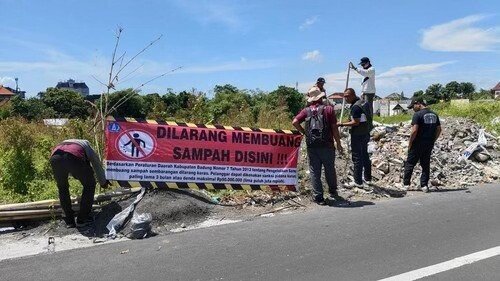
At the same time, the authorities are trying to stabilise the situation. In Denpasar, oversight is being tightened: environmental services, municipal patrols, the police and the military are involved in monitoring. However, officials themselves admit the system is not ready yet—there is a lack of infrastructure and equipment. For example, of the 176,000 compost bins needed, only about 40,000 have been distributed.
As a long-term solution, the governor announced preparations for a new site in the Klungkung area. Around five hectares of land will be allocated there to store processed organic waste, which will be used as fertiliser.
In effect, this is no longer about a landfill but a processing zone: what will be delivered there is not raw rubbish, but ready-made compost produced locally through sorting and shredding.
The resulting fertiliser is planned to be used in agricultural areas where there is demand for organic material, unlike urbanised Denpasar, where there is simply nowhere to put the compost.
Bali has therefore entered a transition phase: the old waste disposal system has already been restricted, while the new one is not yet fully operational. And while infrastructure is lagging behind the reform, residents are solving the problem in their own way—by burning rubbish at home.

You can add one right now!