
In March, Bali faces a serious test of religious tolerance. This year, one of the main Hindu holidays, Nyepi (the Day of Silence), coincides with the Muslim celebration of Eid al-Fitr. This is an important day for Muslims, marking the end of the fasting month of Ramadan.
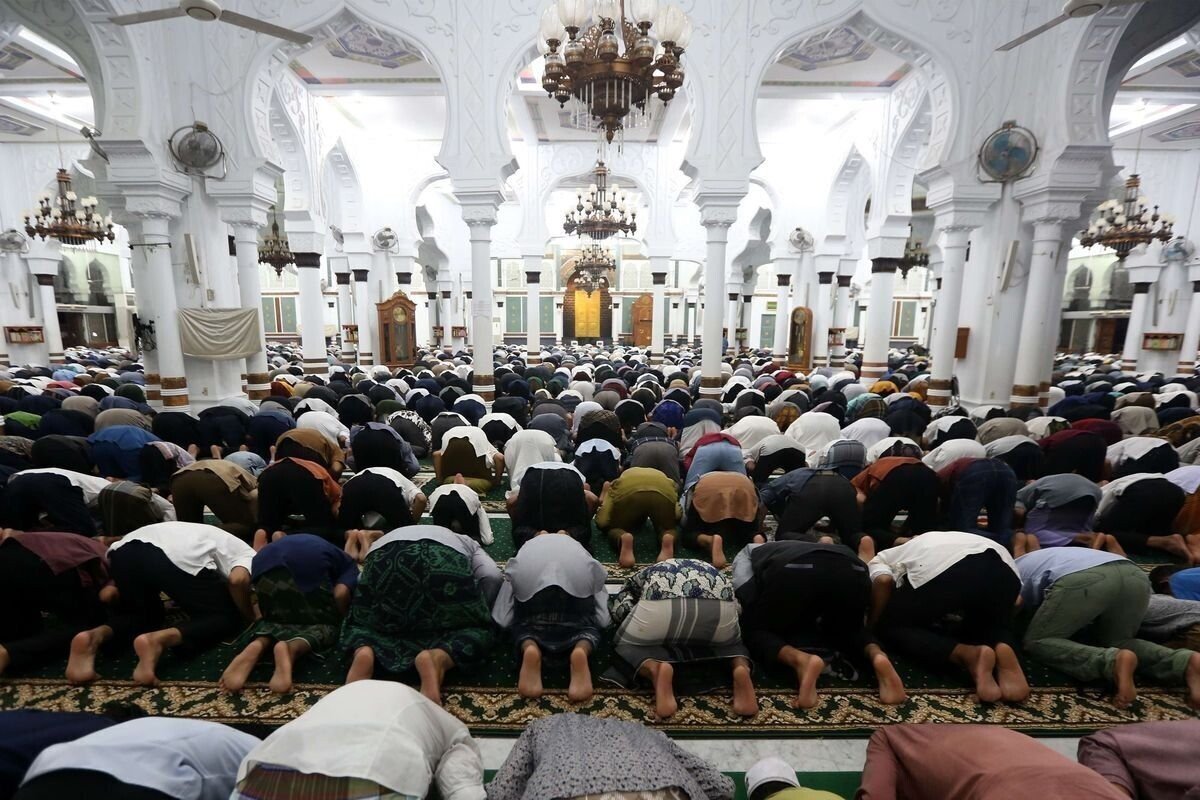
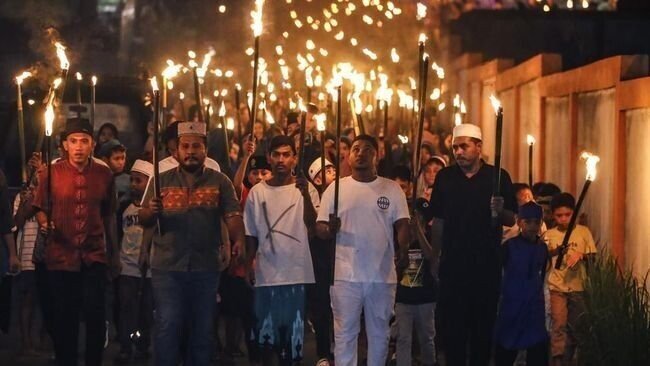
In 2026, Nyepi falls on 19 March, while Eid al-Fitr will be celebrated on 21 March, and in some Muslim communities a day earlier. This means the night of takbiran (the eve of Eid al-Fitr) will take place during Bali’s strict observance of silence. And although Muslims traditionally celebrate it very loudly (gathering in mosques for communal chanting and holding street parades and torchlit processions with huge drums), this time the main festivities will be cancelled.
At the same time, Bali’s religious leaders have agreed that Muslims will officially be allowed to hold prayers and takbir in local mosques and musallahs. The main condition is strict compliance with Nyepi’s silence and restrictions: movement is only allowed on foot, motorbikes and cars are prohibited, and loudspeakers, firecrackers and any other sources of noise are not allowed.
The authorities stress that this is not a ban on religious practice, but an adaptation to the specific nature of the Day of Silence. As a reminder, during the Balinese New Year the Amati Lelungan rule applies — a ban on travel. It is so strict that Bali’s international airport is closed on Nyepi. If you break the rules and walk around outside, community patrols may detain you and require you to take part in a purification ceremony to ward off evil spirits — often for a fee. A prohibited walk can cost you from hundreds of thousands to several million rupiah.

Representatives of Bali’s Islamic community have called the overlap of Nyepi and Eid al-Fitr a rare and important occasion that could strengthen interfaith respect. Its chairman, Mahrusun Hadyono, urged the Muslim community to strictly follow the agreements, reminding them that Nyepi starts before Eid al-Fitr and therefore requires особое attention and discipline. He also noted that a similar situation happened in 2004, when both holidays fell on the same day and passed peacefully.
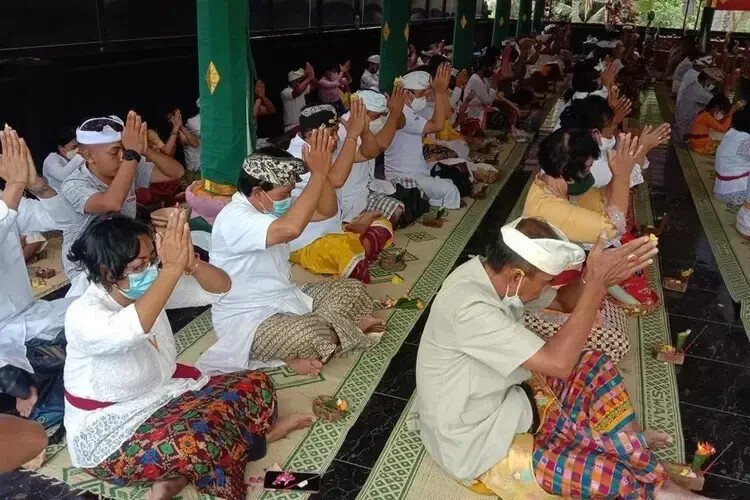
For their part, the Highest Hindu Spiritual Council on Bali stressed that the schedule of Hindu rituals will remain unchanged: Tawur Kesanga will take place on 18 March, and Catur Brata Penyepian on 19 March. The organisation’s representatives reminded people that no religion can forbid another from holding services, but observing silence and avoiding excessive noise are key principles of Nyepi. Muslims are asked to attend only the nearest places of prayer and not to walk in large groups.
Sources: kompas.com, ANTARA

You can add one right now!