
After a two-day pause, air traffic through Jakarta is gradually getting back to normal. Three airports reopened overnight on 8 September — Soekarno-Hatta, Halim Perdanakusuma and Husein Sastranegara. This matters especially for Bali: their closure disrupted domestic air links with the island.
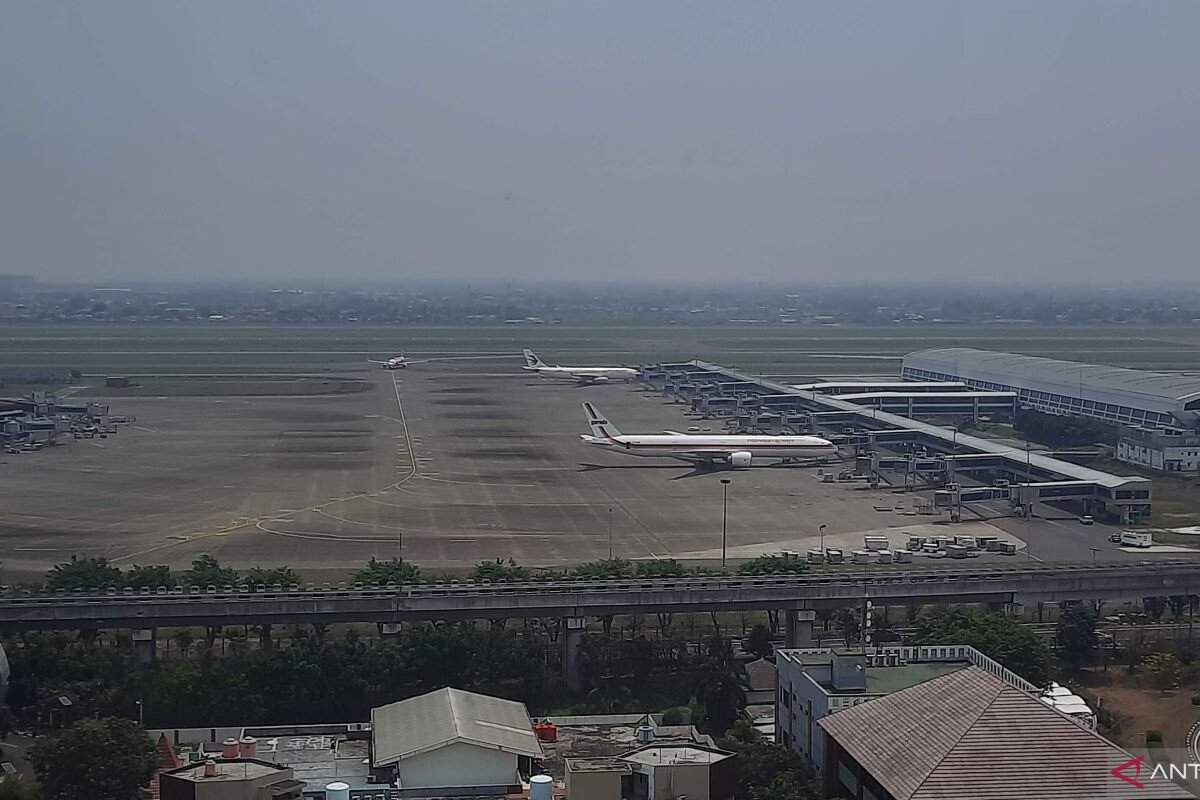
Soekarno-Hatta resumed operations at 00:30 Western Indonesian Time (WIB), Halim Perdanakusuma at 00:40 and Husein Sastranegara in Bandung at 00:42. Before the airports reopened, crews cleared volcanic ash from the aprons, taxiways and runways. They then checked the grip for aircraft landing gear.
That said, the return to the usual schedule will be gradual. At Soekarno-Hatta, the number of departures and arrivals is still being limited. Passengers are therefore advised to check their flight status once more before heading to the airport.
In Bali, the disruption over these days mainly affected domestic flights to and from Java. Cancellations or rescheduled departures hit 13,000 passengers. Of these, around 4,400 were due to arrive in Bali and 8,700 were due to fly out of the island. In total, 108 flights were affected.
Ngurah Rai Airport itself operated as normal. The eruption did not affect international flights.
For foreigners unable to leave Indonesia on time because of the cancelled flights, the authorities have eased immigration rules. They are being granted free emergency stay permits valid for up to 30 days. If air services do not resume, the permit can be extended. Applications are accepted by immigration officers throughout the country.

According to Indonesia's Ministry of Transport, the changes to airport operations affected 2,961 flights nationwide — 2,339 domestic and 622 international. Around 341,000 passengers were disrupted. Volcanic ash led to the closure of seven airports on Java and Sumatra, including Soekarno-Hatta and Halim.

You can add one right now!