
Indonesia has introduced a new system for collecting VAT on foreign digital services.
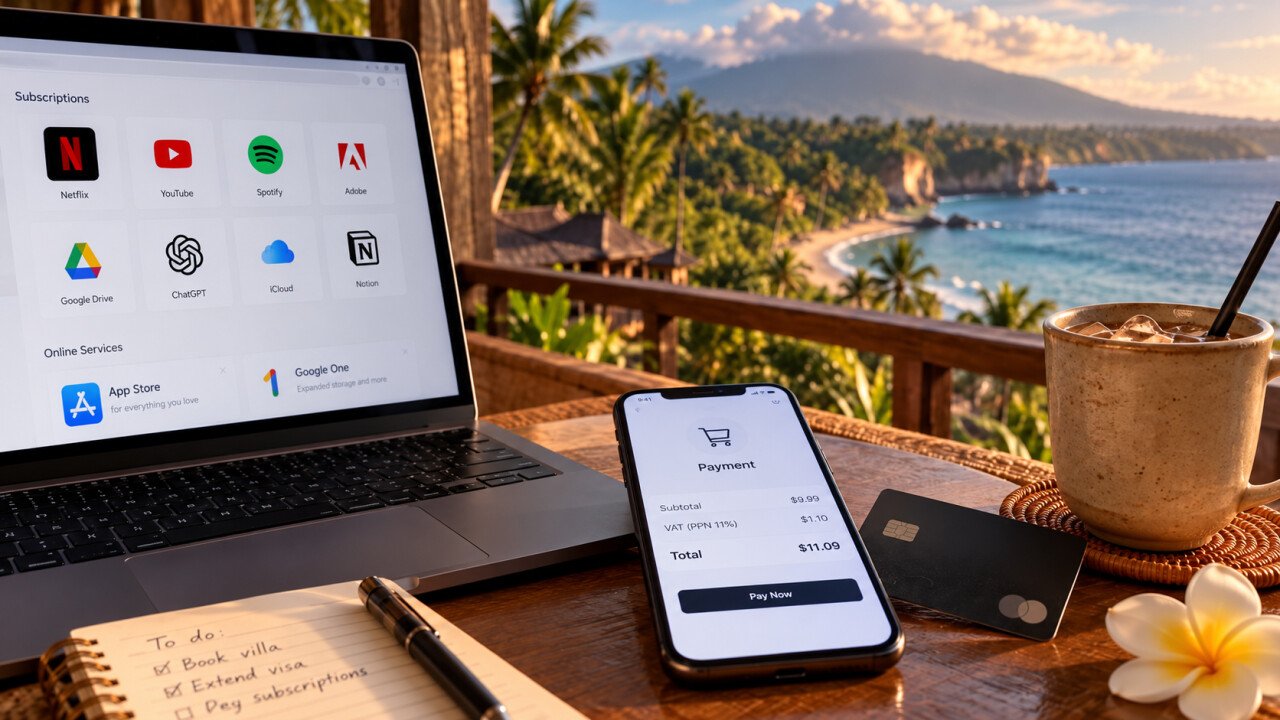
Known as SPP-TDLN, it has been operating since September 25 and applies to certain digital goods and services purchased from overseas providers by customers in Indonesia.
Importantly, this is not a new tax or an additional charge on all international payments. SPP-TDLN changes how existing VAT is collected, covering transactions where the tax was not previously collected through the PMSE system.
The system may apply to purchases of digital products and services from foreign providers, including online subscriptions, software, cloud services and digital content. If a foreign company is already registered as a VAT collector under Indonesia’s PMSE system and charges VAT directly, the same transaction should not be taxed again through SPP-TDLN.
The key change is that payment service providers now play a role in collecting VAT. During the initial rollout, the government has appointed six operators: BRI, Bank Mandiri, BNI, BTN, Bank Syariah Indonesia and LinkAja. Additional payment providers are undergoing testing and may join the system later.
Under the new mechanism, qualifying payments for foreign digital goods or services are identified, and VAT may be collected through a designated payment intermediary. The customer pays the amount including Indonesian VAT, while the remaining funds are transferred to the overseas provider.
This does not mean that ordinary international bank transfers, currency exchanges or payments made with foreign bank cards are automatically subject to additional tax. The determining factor is what the payment is for. SPP-TDLN specifically targets the purchase and use of foreign digital goods and services in Indonesia.
The system is regulated under Ministry of Finance Regulation No. 49/2026 (PMK 49/2026). According to the authorities, the initiative responds to the rapid growth of cross-border digital transactions. Its aim is to improve VAT collection and create more equal tax conditions for domestic and international digital service providers.
In practical terms, Indonesia is not introducing a new tax on foreign transactions. Instead, it is expanding the collection of existing VAT through its payment infrastructure. Consumers are most likely to notice the change when purchasing digital services from overseas providers that previously did not collect Indonesian VAT.

You can add one right now!